Yokohama Budget: Daily Travel Costs and Money-Saving Tips

A Yokohama budget can range from about ¥6,000 to more than ¥50,000 per person per day, depending mainly on accommodation, dining, transport, and paid attractions. The city can be explored economically with hostels, prepared meals, public transport, and free waterfront areas, but a central hotel or premium attraction can quickly raise the total. This guide explains budget, mid-range, and comfortable travel costs in yen, with separate figures for accommodation, food, transport, and activities. It also shows how to turn a daily estimate into a three-day or seven-day plan without overlooking one-off expenses.
Yokohama Budget at a Glance
The most useful Yokohama travel budget is a per-person figure that states exactly what it includes. The ranges below include one night of accommodation, food and drinks, local transport, and activities. They exclude international flights, long-distance travel to Yokohama, travel insurance, shopping, and major regional excursions. Prices are approximate planning figures and can change with dates, availability, exchange rates, taxes, and booking conditions.
How Much Does a Day in Yokohama Cost?
For initial planning, allow approximately ¥6,000–¥9,000 per person per day for a budget trip, ¥18,000–¥27,000 for a mid-range trip, or ¥32,000–¥52,000 for a comfortable trip. These are practical planning bands rather than fixed city-wide prices. The amount changes substantially if you travel alone, share a room, use taxis, choose premium attractions, or eat at more expensive restaurants.
| Travel style | Daily target per person | Typical assumptions |
|---|---|---|
| Budget | ¥6,000–¥9,000 | Shared hostel, inexpensive meals, public transport, walking, and free or low-cost activities |
| Mid-range | ¥18,000–¥27,000 | Business or three- to four-star hotel, varied casual meals, several rides, and selected paid attractions |
| Comfortable | ¥32,000–¥52,000 | Prime-location hotel, more restaurant meals, convenient transport, and premium experiences |
A budget calculation can total about ¥5,000–¥8,250 before a small buffer. A typical breakdown is a hostel bed at ¥2,700–¥4,500, food and drinks at ¥1,300–¥2,000, transport at ¥500–¥750, and activities at ¥500–¥1,000. Adding room for snacks, small price differences, or an unplanned drink produces the more useful ¥6,000–¥9,000 target.
The mid-range figure assumes that a solo traveler pays the full nightly hotel cost. Couples who share a room can reduce the accommodation cost per person, while a solo traveler in a compact business hotel may spend less than the headline range. The comfortable tier is not a required cost for visiting Yokohama; it reflects a preference for convenience, a central or higher-quality room, premium dining, taxis, and paid experiences.
Keep yen as the main planning currency because hotel rates, rail fares, tickets, and menus are charged in yen. Foreign-currency equivalents depend on the exchange rate when you pay. Convert the estimates using a live exchange rate at booking and keep a separate yen contingency.
The Four Cost Categories to Track
Track four recurring categories: accommodation, food and drinks, local transport, and attractions or activities. Accommodation usually creates the largest difference between travel styles. Food and activities are easier to adjust during the trip because you can replace a restaurant meal with a bento or choose a free park instead of another paid admission.
| Category | Useful planning range | Planning unit | Main decision |
|---|---|---|---|
| Accommodation | ¥2,700–¥35,000 or more | Per bed, person, room, or night | Share a room, change area, or change hotel level |
| Food and drinks | ¥1,300–¥8,000 or more | Per person per day | Mix prepared food, casual meals, and selected splurges |
| Local transport | ¥500–¥2,500 | Per person per day | Walk central areas, use public transport, and limit taxis |
| Activities | ¥0–¥6,000 or more | Per person per day | Combine free areas with one chosen paid attraction |
Do not mix a room price with a per-person figure. A ¥16,000 hotel room costs ¥16,000 for one solo traveler but ¥8,000 per person for two people before taxes or other charges. Also separate recurring costs from occasional expenses such as a special workshop, premium admission, taxi, souvenir, or larger Chinatown meal.
Accommodation Costs by Area and Travel Style
Accommodation often determines whether a Yokohama trip feels budget-friendly or expensive. Compare the complete booking total, not only the advertised nightly number, and remember that the best area depends on the attractions you plan to visit.
Hostels and Guesthouses for the Lowest-Cost Stay
A reasonable planning range for a hostel bed or simple guesthouse is approximately ¥2,700–¥8,000 per night. Booking snapshots have shown hostel prices in the high-teens to mid-thirties in US dollars, with one seasonal comparison showing about $26 in January and $36 in April. Those figures illustrate variation, but they are not guaranteed prices for a particular date or property.
The cheapest option is usually a shared dormitory bed. A private room in a hostel, a small guesthouse room, or a simple hotel room can cost more even when the property has a similar location. A dormitory may reduce the accommodation line, but trade-offs can include less privacy, shared bathrooms, limited storage, quiet-hour rules, or a longer walk to Yokohama Station and Minato Mirai.
Central areas such as Naka Ward and the streets around Yokohama Chinatown can be convenient, but a central address does not guarantee a low rate. Season, weekday or weekend demand, booking lead time, property location, and cancellation conditions can all change the lowest available price. Outer areas may offer different options, but the saving only helps if the additional transport cost and time fit your itinerary.
- Compare a dormitory bed with a private room and a conventional hotel room.
- Check whether taxes, service charges, bedding, breakfast, and cleaning fees are included.
- Compare the final total for the full stay, especially when a nightly rate looks unusually low.
- Consider storage, privacy, late-arrival access, and proximity to your first activity.
Business Hotels and Central Hotels
A broad hotel market snapshot places many Yokohama hotels in an approximate range of ¥8,000–¥20,000 per room per night. The range is wide because a compact business hotel, a branded three-star property, a family room, and a premium-view hotel are not equivalent products. The Agoda Yokohama hotel overview is a market snapshot rather than a quote for your dates.
Yokohama Station emphasizes rail convenience and access to shops and restaurants. Sakuragicho and Minato Mirai are useful for waterfront sightseeing and may carry a location premium when demand is strong. Naka Ward and Chinatown offer a varied accommodation mix, from simple properties to more distinctive or higher-priced hotels. Room size, harbor or city views, breakfast, cancellation flexibility, and guest occupancy can matter as much as the star rating.
For a couple, a ¥12,000–¥18,000 room represents roughly ¥6,000–¥9,000 per person before other charges. For a solo traveler, the same room remains a ¥12,000–¥18,000 accommodation cost. Families should compare permitted occupancy and bed arrangements, since two inexpensive rooms may cost more than one suitable family room but provide more space.
Before selecting a hotel, compare the final total, room occupancy, bed type, breakfast inclusion, cancellation deadline, payment timing, and mandatory property charges. A flexible room can be worthwhile when the difference from a nonrefundable room is small, while a lower total may be attractive when your dates and plans are certain.
Choosing Between Central and Outer Wards
Yokohama does not have one uniform accommodation market. The central waterfront and major station areas prioritize convenience, while properties farther from the main sightseeing core may offer a different price-to-space balance. Asahi Ward and Kanazawa Ward are especially relevant when a planned attraction is located there, but neither should be assumed to be cheaper for every date.
| Base area | Useful for | Budget consideration |
|---|---|---|
| Yokohama Station | Rail connections, dining, and a practical central base | Convenient, but the room premium may reduce the saving from a shorter commute |
| Sakuragicho or Minato Mirai | Waterfront views, promenades, and central sightseeing | Location can be more valuable than a lower room rate farther away |
| Naka Ward or Chinatown | Chinatown, Yamashita Park, parks, and central evening access | Prices vary widely; compare the actual property and walking distance |
| Asahi Ward | A trip centered on Zoorasia or nearby activities | May be practical for that attraction, but central sightseeing can require extra rides |
| Kanazawa Ward | Yokohama Hakkeijima Sea Paradise and a southern itinerary | Can reduce backtracking on an attraction day, but may add cost for Minato Mirai plans |
| Shin-Yokohama or Shin-Sugita | Rail access and an itinerary spread beyond the waterfront | Compare the total journey cost instead of judging the room price alone |
Choose a central base if dining access, walking, and short sightseeing transfers matter most. Consider an outer base if the room is materially cheaper or your main activity is nearby. Before booking a lower-cost outer-area room, price the round-trip transport from that hotel to every planned attraction, including both fare and travel time.
Food Costs in Yokohama
Food spending can be flexible in Yokohama. A traveler using convenience stores and inexpensive restaurants may spend around ¥2,000–¥4,000 per day, while a more varied schedule with drinks, desserts, alcohol, and a restaurant dinner may reach ¥4,000–¥7,000 or more.
Typical Prices for Everyday Meals and Drinks
An inexpensive restaurant meal is commonly planned at approximately ¥650–¥2,200, with ¥1,000 serving as a practical midpoint for a basic meal. A predictable fast-food combination meal may be around ¥800. These are planning benchmarks, not a promise that every restaurant or menu in Yokohama will fall within the same range.

| Meal format | Planning figure | How it affects the day |
|---|---|---|
| Supermarket or convenience-store breakfast | Often lower than a restaurant breakfast | Useful when the hotel does not include breakfast |
| Inexpensive restaurant meal | ¥650–¥2,200 | Allows a local meal without making the day a splurge |
| Fast-food combination | About ¥800 | Predictable price and quick service |
| Food and drinks for a normal day | ¥2,000–¥4,000 | Works when meals are mainly inexpensive and alcohol is limited |
| Varied or restaurant-focused day | ¥4,000–¥7,000 or more | Includes more snacks, drinks, desserts, or a higher-priced dinner |
Coffee, bottled water, soft drinks, beer, desserts, and convenience-store snacks can add hundreds or more than ¥1,000 over a sightseeing day. Assign separate amounts for breakfast, lunch, dinner, drinks, and snacks rather than treating food as one unlimited category. Use local Yokohama menus where possible; a delivery menu from another market is not a dependable measure of local prices.
Supermarket Bentos and Convenience-Store Meals
Prepared meals are one of the simplest ways to reduce a Yokohama food budget. An OK Supermarket example describes bentos listed at ¥299, with an estimated post-tax price near ¥314 in that report. This is a store-specific snapshot and should be treated as an unusually low benchmark rather than a guaranteed price across Yokohama.
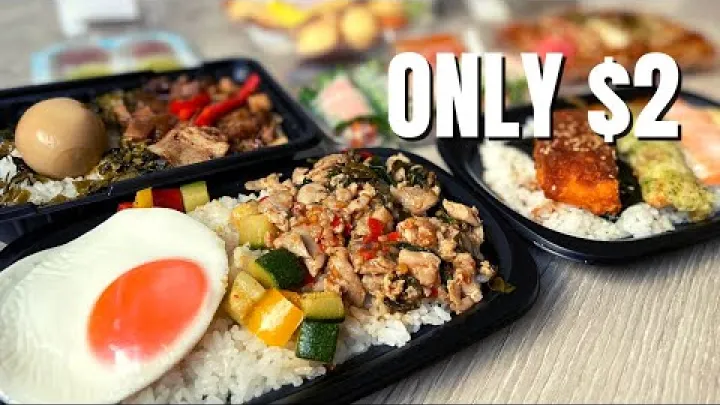
A more dependable working range for prepared bentos is approximately ¥500–¥800, with department-store or premium options costing more. Two inexpensive prepared meals can therefore place the food line near ¥1,000–¥1,500 before drinks, fruit, desserts, or other extras. A traveler who buys breakfast and lunch this way can reserve the evening budget for ramen, a Chinatown meal, or another local dining experience.
Prepared food has practical limits. The cheapest product may not be available when you visit, and stores may have different opening hours, seating arrangements, dietary choices, or payment conditions. Confirm the current bento price, tax treatment, and accepted payment method at the store before making it the foundation of your daily food budget.
Chinatown, Ramen, and Dining Splurges
Yokohama Chinatown can fit several budgets during the same visit. Small snacks, takeaway items, and a simple noodle meal may work within an everyday food allowance. A sit-down meal with several dishes, drinks, or a specialty item can change the day considerably.
| Chinatown approach | Example food plan | Budget effect |
|---|---|---|
| Low-cost visit | One inexpensive meal plus a small snack or drink | Can stay near the normal ¥2,000–¥4,000 daily food range |
| Moderate visit | Casual restaurant meal, snack, dessert, and soft drink | Often moves the day toward ¥4,000–¥7,000 |
| Planned splurge | Specialty dishes, shared plates, alcohol, or premium seafood | Should be assigned as a separate experience budget |
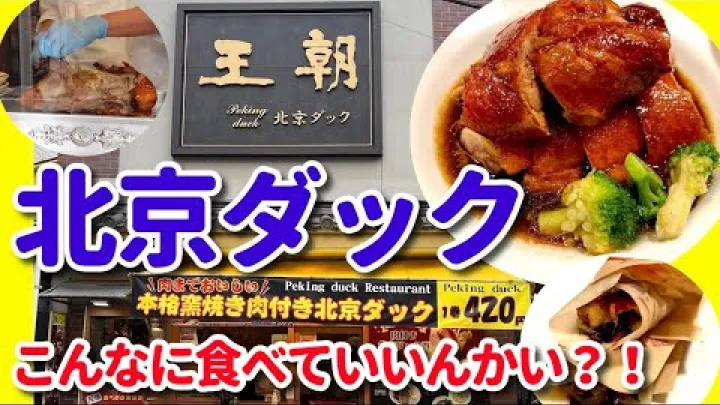
Reported Peking duck examples include approximately ¥7,800 for a whole duck and ¥4,000 for half. These prices illustrate how one planned dish can dominate a daily food total; they do not describe the normal cost of eating in every Chinatown restaurant. Casual ramen and other local meals may fit an everyday budget, but use a current local menu for the specific restaurant you choose.
Choose one meal or dish that matters to you, then keep breakfast, drinks, or the other meal simple. This protects the purpose of visiting Chinatown without allowing every snack and restaurant choice to become a premium purchase.
Getting Around: Fares and Passes as Budget Choices
Local transport is usually a smaller budget category than accommodation, but repeated rides to outer areas can make it noticeable. Central Yokohama also rewards walking, especially when a day combines Minato Mirai, Yamashita Park, Chinatown, and nearby promenades.
Short-Haul Rail and Bus Costs
For an initial estimate, use roughly ¥200–¥220 for a short one-way local ride. Examples associated with the Minatomirai Line include approximately ¥190 between Yokohama and Minato Mirai or Bashamichi, and about ¥220 to Motomachi-Chukagai. Treat these as fare examples for planning rather than a guaranteed quote for every route.
At that level, two rides cost about ¥400–¥440, four rides about ¥800–¥880, and six rides about ¥1,200–¥1,320. A budget traveler who walks between central areas may remain near ¥500–¥750 for the day. A traveler visiting Asahi Ward, Kanazawa Ward, Shin-Yokohama, or Shin-Sugita may need a higher allowance because the itinerary involves more rail or bus travel.
Keep taxis outside the normal public-transport estimate. A short taxi ride can be useful with heavy luggage, late-night travel, mobility needs, or a group that can share the fare, but even limited taxi use can change a low-cost day.
Choosing the Right Yokohama Pass
A pass is useful only when planned rides match its coverage and cost more as separate tickets. The JR East Yokohama-Minatomirai Pass information lists an example price of ¥560 for adults and ¥280 for children, with relevant rail coverage. It is not automatically cheaper if the day includes mostly walking or uses an operator outside its coverage.
Other researched options include the Minato Burai Ticket at approximately ¥700 for adults, a wider version at about ¥750, and municipal bus day-ticket options around ¥600. The Akai Kutsu city loop bus and municipal bus network can be useful for sightseeing, but the right ticket depends on the services you use. Treat these as planning amounts and compare the current operator information for price, coverage, validity, sales locations, and restrictions.
- List every intended rail and bus ride before buying a pass.
- Check that the pass covers the operators and areas used by your itinerary.
- Compare the pass price with separate fares, including return trips.
- Check the validity period and child category.
- Skip the pass when the day is mainly walking or uses a different operator.
Attraction Costs and Free Ways to Explore
Yokohama offers a useful mix of free waterfront sightseeing, moderate admission fees, and premium family attractions. The main budget choice is which paid experience is most important during the trip.
Low-Cost Attractions and Free Waterfront Days
Sankeien Garden provides a clear low-cost admission example. The Yokohama Official Visitors Guide lists admission at ¥900 for adults and ¥200 for children. Cupnoodles Museum basic admission is about ¥500, while custom cup noodles, workshops, food, and other activities are separate decisions. Zoorasia is another relatively low-admission example at approximately ¥800 for adults, although transport to Asahi Ward remains part of the day's cost.
| Activity | Basic planning amount | Extra cost to consider |
|---|---|---|
| Sankeien Garden | About ¥900 adult, ¥200 child | Transport, food, and refreshments |
| Cupnoodles Museum | About ¥500 basic admission | Custom cup noodles, workshops, food, and child activities |
| Zoorasia | About ¥800 adult admission | Rail or bus fare to Asahi Ward, food, and optional purchases |
| Waterfront and parks | Often free | Transport, meals, drinks, or an optional paid stop |
Free or low-cost sightseeing can include the Minato Mirai waterfront, Yamashita Park, Harbor View Park, Chinatown streets, and public promenades. A low-cost day might combine one bento at ¥500–¥800, local transport near ¥500–¥750, Sankeien admission, and several free outdoor areas. That creates a full sightseeing day without stacking several expensive tickets.
Keep basic admission separate from add-ons. A low entry fee can become a larger activity cost after a workshop, special food purchase, souvenir, or paid child activity. Check the attraction's current admission, age rules, operating hours, and status when finalizing your itinerary.
Premium Attraction Days and Family Budgets
Yokohama Hakkeijima Sea Paradise shows how one attraction can move a day into a higher spending tier. Researched adult examples are approximately ¥3,500 for aquarium-only admission and ¥5,900 for an adult one-day pass. The options may include different facilities, so they should not be treated as interchangeable.
For one adult, admission alone therefore adds about ¥3,500 or ¥5,900 before transport, food, and other purchases. For two adults, the equivalent totals are ¥7,000 for aquarium-only tickets or ¥11,800 for two one-day passes. For a family of two adults and two children, add the two child tickets according to the children's current age categories rather than multiplying the adult price by every family member.
Separate aquarium-only admission, one-day admission, special programs, workshops, evening options, rides, food, and merchandise in your worksheet. A family may spend more on meals inside or near the attraction than on the basic ticket difference. Grouping the attraction into one dedicated premium day is easier to manage than combining it with several other high-cost admissions. Check the official current ticket page for admission type, age categories, included facilities, operating dates, and operating status.
Daily and Multi-Day Yokohama Budget Examples
The following examples make the ranges concrete. They are solo, accommodation-included planning examples unless a shared room is stated. Actual spending may fall outside them when you choose an unusually cheap room, a premium restaurant, a taxi-heavy schedule, or extensive shopping.
Budget Traveler Day
A budget day can be built from a hostel bed at about ¥2,700–¥4,500, food and drinks at ¥1,300–¥2,000, local transport at ¥500–¥750, and activities averaging ¥500–¥1,000. The category subtotal is approximately ¥5,000–¥8,250.
A low-cost day might use a ¥2,700 hostel bed, ¥1,300 of food, ¥500 of transport, and ¥500 of activities, totaling ¥5,000 before a buffer. A more active budget day might use a ¥4,000 bed, ¥1,800 of food, ¥650 of transport, and ¥900 for a paid garden or museum, producing ¥7,350 before extras. A practical target of ¥6,000–¥9,000 gives room for a drink, snack, or modest variation.
This tier assumes shared accommodation, supermarket or convenience-store meals, efficient public transport, walking, and mostly free or low-cost activities. A premium Chinatown meal or Sea Paradise admission should be treated as an exceptional higher-cost day.
Mid-Range Traveler Day
A mid-range calculation uses a three- or four-star hotel at about ¥13,000–¥18,000 per night, food and drinks at ¥3,500–¥5,000, transport at ¥600–¥1,000, and activities at ¥1,500–¥3,000. When one solo traveler pays the full room price, the category total is approximately ¥18,600–¥27,000 per person.
| Category | Solo traveler | Two people sharing a ¥13,000–¥18,000 room |
|---|---|---|
| Accommodation | ¥13,000–¥18,000 | ¥6,500–¥9,000 per person |
| Food and drinks | ¥3,500–¥5,000 | ¥3,500–¥5,000 per person |
| Transport | ¥600–¥1,000 | ¥600–¥1,000 per person |
| Activities | ¥1,500–¥3,000 | ¥1,500–¥3,000 per person |
| Approximate total | ¥18,600–¥27,000 | ¥12,100–¥18,000 per person |
The shared-room total shows why a room price should not be described as an individual cost. Many travelers may choose a planning target near ¥20,000–¥24,000 per person when the room is at the higher end, meals are varied, the booking includes extra charges, and the day includes a paid attraction. One premium dinner or attraction can raise the total while the traveler still walks central areas and uses public transport.
Comfortable Traveler Day
A comfortable day can use a four- or five-star hotel at approximately ¥22,000–¥35,000, food and drinks at ¥5,000–¥8,000, transport at ¥1,000–¥2,500, and activities at ¥3,000–¥6,000. Allowing for small extras produces an overall planning range of roughly ¥31,500–¥51,500, with a common target around ¥35,000–¥45,000.
The main cost drivers are a prime-location room, premium dining, taxis, paid experiences, and high-cost attractions such as Sea Paradise. A comfortable traveler does not need to spend at the top of the range every day. To downgrade this tier, replace the hotel with a business hotel, keep one premium meal instead of two, walk between central areas, use public transport instead of taxis, or select one major attraction rather than several.
Turn a Daily Estimate into a 3- or 7-Day Trip Budget
Use this formula: daily local budget multiplied by the number of nights, then add arrival and departure transport, one-off premium activities, shopping, and regional day trips. A three-calendar-day trip may use only two nights, while a three-night trip normally needs three accommodation charges. Arrival and departure days may also have lower food or activity spending than full sightseeing days.
| Travel style | Three nights | Seven nights | What remains separate |
|---|---|---|---|
| Budget | ¥18,000–¥27,000 | ¥42,000–¥63,000 | Arrival transport, shopping, premium days, and contingency |
| Mid-range | ¥54,000–¥81,000 | ¥126,000–¥189,000 | Long-distance travel, special dining, and optional excursions |
| Comfortable | ¥96,000–¥156,000 | ¥224,000–¥364,000 | Flights, extra taxis, shopping, and premium upgrades |
Create one line for each night of accommodation, each full or partial food day, local transport, and each attraction. Add separate lines for arrival and departure transport, shopping, and personal spending. Record whether the room is paid alone or shared and whether one day includes Sea Paradise or another premium attraction.
A three-night budget trip might start at ¥18,000–¥27,000, add a ¥3,500 aquarium-only admission on one day, and then add airport or station transport and a personal spending allowance. A seven-night plan benefits from several free waterfront or park days because repeating premium admissions raises the total quickly. Keep a contingency rather than assigning every yen to fixed activities.
What Raises Costs and How to Save
Saving is most effective when it targets the categories with the largest swings. Accommodation, premium admissions, repeated taxis, and high-cost dining usually matter more than saving a small amount on one short rail ride.
Peak Seasons, Weekends, and Events
Accommodation demand can rise on weekends, during popular travel periods, and around local events, while basic food prices and public transport fares may remain relatively stable. A hostel search snapshot showing about $26 in January compared with $36 in April illustrates the type of seasonal movement that can occur, but it is only an example from a particular market snapshot and is not a forecast for every property.
Use a same-room comparison when dates are flexible. Check the same room type and occupancy for a weekday, a weekend, and a higher-demand date. Compare the total with the same cancellation conditions, payment timing, breakfast inclusion, and taxes. A lower headline rate is not always better value if it is nonrefundable or excludes charges included in another offer.
| Date pattern | What may happen | Useful comparison |
|---|---|---|
| Weekday | May offer more room availability | Compare the same room and cancellation terms with the weekend |
| Weekend | Demand may increase for central areas | Check whether the location premium is worth the convenience |
| High-demand date | Popular properties may sell quickly or change rates | Compare flexible dates and the full final total |
There is no single peak season that applies equally to every hotel. Compare several dates, check more than one room category, and consider a refundable rate when your schedule is uncertain. The final booking total and cancellation terms matter more than a large-looking discount from an untested reference price.
Use Free Areas, Low-Cost Meals, and Selective Splurges
A practical saving strategy is to keep the experiences that matter most and reduce the categories that matter least. A traveler who values food can keep a Chinatown dinner but use a hostel, free waterfront areas, and public transport. A family that values Sea Paradise can choose simple meals and a convenient hotel connection rather than adding several other paid attractions.
| Day style | Accommodation | Food | Transport | Activities | Illustrative total |
|---|---|---|---|---|---|
| Low-cost | ¥3,000 | ¥1,500 | ¥500 | ¥500 | ¥5,500 |
| Balanced | ¥8,000 | ¥3,500 | ¥800 | ¥1,500 | ¥13,800 |
| Splurge | ¥25,000 | ¥6,000 | ¥2,000 | ¥5,000 | ¥38,000 |
The low-cost example combines a shared or simple room, prepared meals, a walking-heavy itinerary, and one inexpensive activity. The balanced example leaves room for a business or central hotel allocation, casual restaurant meals, several rides, and one paid attraction. The splurge example could include a higher-quality room, restaurant dining, convenient transport, and a premium attraction. These are decision examples, not fixed prices.
- Use free areas such as Yamashita Park, Harbor View Park, Chinatown streets, and the Minato Mirai waterfront.
- Mix supermarket bentos or inexpensive meals with one planned local dining experience.
- Use public transport for normal sightseeing and consider a pass only on a heavy ride day.
- Reserve taxis for situations where luggage, time, accessibility, or group sharing makes convenience valuable.
- Put premium admissions into one dedicated day instead of combining several expensive tickets.
The decision rule is simple: choose the experience you want to protect, then reduce the categories that matter least. If the priority is a central hotel, save on meals and use free attractions. If the priority is dining, share accommodation and walk more. If the priority is a family attraction, calculate admission and transport together before cutting the parts of the trip that make the visit worthwhile.
Yokohama Budget: Final Planning Takeaways
For a first estimate, use ¥6,000–¥9,000 per person per day for a budget trip, ¥18,000–¥27,000 for a mid-range trip when paying the full room cost alone, and ¥32,000–¥52,000 for a comfortable trip. The largest variable is accommodation, followed by premium attractions and dining. Sharing a room, walking central areas, choosing prepared meals, and selecting one paid experience can reduce the total without making the trip feel limited.
Build the final plan in yen and separate nightly room costs from per-person costs. Add arrival and departure transport, premium attraction tickets, shopping, and regional travel as separate lines. Then compare the complete cost of each hotel area, including the transport needed to reach your planned attractions.
With those assumptions visible, a Yokohama budget becomes a set of choices rather than a single uncertain number. You can spend more where it improves your trip and save confidently on the categories that matter less.
Select area
Create a post
Posting is free and no registration is required.