Yokohama Where to Stay: Best Areas by Travel Style
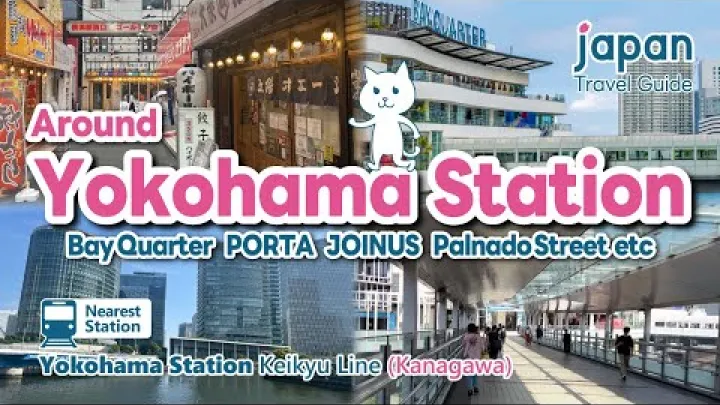
Where to stay in Yokohama depends on which part of the city you want to experience most. For a first visit, Minato Mirai and nearby Sakuragicho are the strongest default choices because they combine waterfront sights, clear orientation, shopping, museums, and useful rail access. Other bases may be better for Chinatown and historic streets, nightlife, airport connections, Shinkansen travel, a smaller budget, or a stay of several weeks. This guide compares the main Yokohama areas, lodging types, transport choices, nighttime considerations, and the practical checks that can help you choose the right base.
The Quick Answer: Where to Stay in Yokohama
If you have no special transport, nightlife, budget, or long-stay requirement, choose Minato Mirai or Sakuragicho. This area gives first-time visitors an easy introduction to Yokohama, with Minato Mirai 21, Minatomirai Station, Sakuragicho Station, the Red Brick Warehouse, waterfront walks, shopping, and several major visitor attractions within a connected central area.
Choose another district when a specific priority matters more. Chinatown, Motomachi, and Yamate suit food, history, and atmosphere; Kannai and Noge suit evening dining and bar culture; Yokohama Station suits transport and business trips; Shin-Yokohama suits Shinkansen itineraries; and Kanazawa or the area around Hakkeijima suits coastal and family-focused plans.
Minato Mirai and Sakuragicho: The Default First-Time Base
Minato Mirai and Sakuragicho are the best all-round bases for many first-time visitors to Yokohama. The modern waterfront of Minato Mirai 21 is organized around broad public spaces, commercial complexes, museums, hotels, and harbor views. Minatomirai Station places visitors close to the newer waterfront attractions, while Sakuragicho Station connects the same general area with a busy JR station and a different approach to the harbor.
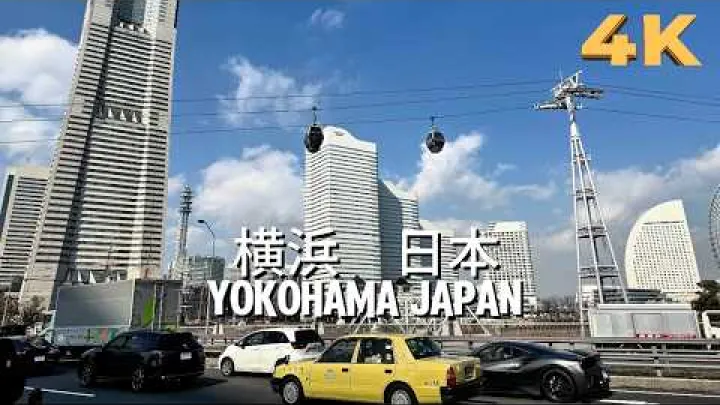
The location works especially well when you want to combine sightseeing with simple evening plans. The Red Brick Warehouse, waterfront promenades, shopping areas, and nearby museums can form a natural walking itinerary without requiring a different train for every stop. The area is also a useful starting point for reaching Chinatown, Kannai, and other central districts, although the most convenient route depends on the exact hotel and the station you use.
The main trade-off is the atmosphere and price level. Modern waterfront hotels may cost more than a simple room in an older downtown area, especially when the room includes a harbor view or extensive facilities. Minato Mirai can also feel more planned and commercial than Noge, Chinatown, or the older streets around Kannai. Travelers who want late-night local bars, historic architecture, or the lowest possible room cost may prefer another base.
For a short first visit, however, this trade-off is often worthwhile. You can spend the day near the harbor, walk to major attractions, and return to a district that is relatively easy to understand. Compare both Minatomirai and Sakuragicho when booking: they are close in itinerary terms, but the station, hotel entrance, room type, and waterfront access can differ substantially.
When Another Yokohama Area Is Better
The best area to stay in Yokohama changes when your itinerary has a clear center of gravity. Use the following map as a first shortlist, then read the detailed sections for walking, noise, station access, and accommodation choices.
| Area | Best for | Main trade-off |
|---|---|---|
| Minato Mirai and Sakuragicho | First-time sightseeing and waterfront attractions | Can feel modern and cost more than older districts |
| Chinatown, Motomachi, and Yamate | Food, history, shopping, and neighborhood character | Crowds in Chinatown and slopes around Yamate |
| Kannai and Noge | Evening dining, bars, and downtown atmosphere | Denser streets and possible late-night noise |
| Yokohama Station | Rail connections, business, and city convenience | Crowded and commercial, with less harbor atmosphere |
| Shin-Yokohama | Tokaido Shinkansen trips and short stopovers | Less convenient for walking around central attractions |
| Kanazawa and Hakkeijima | Coastal recreation and family itineraries | Farther from the main central sightseeing cluster |
Think of these as different types of base rather than a ranking. A traveler spending most of the trip at the harbor should not choose a distant coastal district simply because it is also beside the sea. Similarly, a visitor with an early Shinkansen departure may value Shin-Yokohama more than a scenic room in central Yokohama. The right choice balances attractions, station convenience, the nighttime environment, accommodation cost, and the number of nights you have.
Central Yokohama Areas Compared
Central Yokohama is not one uniform hotel district. The waterfront, historic neighborhoods, downtown streets, and major rail stations offer noticeably different experiences. A neighborhood comparison by Rakuten Travel also separates areas such as Motomachi-Chukagai, Minato Mirai, Kannai, Yamate, and Kanazawa, which is useful when narrowing your search.
Chinatown, Motomachi, and Yamate for History, Food, and Atmosphere
Chinatown, Motomachi, and Yamate are closely connected on a sightseeing map but should be treated as three different micro-areas. Chinatown is the food and cultural anchor, with a dense concentration of Chinese restaurants, food shops, gates, and busy pedestrian streets. It is a strong choice if trying different meals and being close to a major visitor attraction matter more than a quiet residential setting.

Motomachi has a more relaxed shopping and cafe identity. Lodging near Motomachi-Chukagai Station can put you close to both Chinatown and Motomachi, making it possible to explore two contrasting environments on foot. The station-based part of the area is generally easier with luggage than the hillside streets beyond it, so look at the actual route rather than searching only for the word Motomachi in a listing.
Yamate is the quieter, elevated part of this cluster. It is associated with historic foreign-settlement architecture, parks, greenery, and viewpoints. The atmosphere can appeal to travelers who prefer a slower neighborhood after visiting the busier harbor and Chinatown. The cost of that atmosphere is practical: some streets involve slopes or stairs, and the route from a station may be less direct than the map distance suggests.
Ishikawacho Station and Motomachi-Chukagai Station are useful reference points when comparing hotels, but neither label guarantees the same walking experience. If you have heavy luggage, a stroller, mobility limitations, or a late arrival, favor a property with a clear, mostly flat route from the usable station exit. If you mainly want historic character and do not mind walking uphill, Yamate can be more appealing than a large commercial hotel district.
Chinatown can also be busy during the day, particularly around its main streets and restaurants. That is useful for atmosphere and dining, but it may not suit someone seeking a quiet entrance or a calm view outside the room. Check whether the property is on a busy commercial street, beside a restaurant area, or on a quieter side street. For a heritage-focused itinerary, this cluster is one of the most distinctive places to stay in Yokohama; for maximum transport simplicity, another district may be easier.
Kannai, Noge, and Yamashita Park for Downtown Life and Nightlife
Kannai, Noge, and the Yamashita Park waterfront offer central Yokohama with a more varied and older urban texture than Minato Mirai. Kannai and nearby Bashamichi have central streets, restaurants, offices, and access toward the waterfront. Noge is known for its concentrated bar and izakaya scene, making it attractive to travelers who want to eat and drink locally rather than return to a hotel district dominated by large shopping complexes.
![Preview image for the video "Yokohama Noge Rain Walk [4K]".](/sites/default/files/styles/media_720x405/public/oembed_thumbnails/2026-08/v6mMODIlkBAskCapZ0KoDH5IpN6SPYAjUI5HRbPBNgw.jpg.webp?itok=Kqdfw4c1 "Preview image for the video \"Yokohama Noge Rain Walk [4K]\".")
Staying beside Noge is different from staying in Kannai and visiting Noge for the evening. A hotel immediately beside the nightlife streets can reduce the walk home, but it may also expose you to more conversation, street activity, deliveries, or closing-time noise. A property farther away in Kannai may provide a better balance between dining access and sleep. Read the room description and recent reviews for soundproofing, window direction, and the location of the entrance.
Yamashita Park provides another version of the same central area. Its open waterfront setting can feel calmer and more spacious than Noge, and it is convenient for walking toward Chinatown, the harbor, and other central attractions. That does not make every hotel near the park quiet or equally connected. Check the exact block, the route to the station, and whether your preferred restaurants are close enough for your plans.
Choose Kannai or Noge when evening food and local bar culture are central to the trip. Choose a hotel near Yamashita Park when you want a waterfront setting while remaining near the historic core. In all three cases, consider how you will return after a late meal or drinks. The best location for nightlife is not automatically the best location for sleep, so treat the hotel entrance and the immediate route as part of the accommodation decision.
Yokohama Station for Transport and City Convenience
Yokohama Station is the practical choice for travelers who prioritize rail access, airport connections, shopping, business facilities, and flexibility for day trips. It has a wide range of business hotels and full-service properties, and the surrounding commercial area offers many places to eat and shop. Business travelers, visitors combining Yokohama with other cities, and people with an early departure often find this convenience more valuable than a harbor view.
The trade-off is atmosphere. The station area is busy and commercial, and it does not place you immediately beside the harbor or the historic streets of Chinatown, Motomachi, and Yamate. You can still reach those areas, but your daily routine may include a local train, a walk, or both. If your itinerary is mostly waterfront sightseeing, compare the extra travel with the value of staying closer to Minato Mirai or Sakuragicho.
Do not treat every side of Yokohama Station as identical. The complex has many exits and large commercial buildings, so a hotel that appears close on a booking map may be awkward to find with luggage. Record the hotel-side exit and whether the route includes an underground passage, a bridge, stairs, or a long crossing. A clear arrival route can matter more than a small difference in the listed distance.
Yokohama Station is usually the strongest base for business, multi-city rail itineraries, early departures, and travelers who want transport options close at hand. It is less suitable when the main reason for choosing Yokohama is to wake up beside the waterfront or step directly into a historic neighborhood.
Shin-Yokohama and Southern Coastal Bases for Specific Trips
Shin-Yokohama and the southern coastal areas serve different purposes, so they should not be grouped together as ordinary substitutes for central Yokohama. Shin-Yokohama is mainly useful for travelers using the Tokaido Shinkansen, people making a short stopover, and visitors with a specific reason to visit the Shin-Yokohama Ramen Museum or nearby event facilities. It can simplify a rail-focused itinerary, but it is not the natural base for walking between Minato Mirai, Chinatown, Yamate, and Kannai.
Kanazawa and the area around Hakkeijima are more relevant when coastal recreation is a central goal. Families and travelers planning time at Hakkeijima Sea Paradise may prefer to stay closer to that part of Yokohama rather than cross the city each day. The same logic can apply to an itinerary centered on gardens such as Sankeien Garden, although the most convenient lodging choice depends on the planned route and transport connections.
These southern coastal bases can offer a quieter recreational setting than the dense central districts, but they generally provide less central nightlife and are less efficient for a short sightseeing schedule focused on the harbor and historic core. Choose them because they support a particular activity, not because they seem like a universal cheaper or calmer version of Minato Mirai. If only one or two nights are available, count the daily travel before committing to an outlying base.
Accommodation Types and Price Logic
Once you have chosen a district, select the type of accommodation that fits the way you will use it. A waterfront resort, business hotel, hostel, capsule, and furnished apartment solve different problems. The cheapest room is not always the best value if it adds long transfers, inconvenient check-in conditions, or costs for breakfast, laundry, or transport.
Full-Service Hotels, Resorts, and Business Hotels
Waterfront resorts and luxury hotels suit travelers who want the accommodation itself to be part of the Yokohama experience. Views, larger facilities, restaurants, wellness services, and a destination-style setting can matter for a celebration, a relaxed weekend, or a trip where you plan to spend time at the property. Minato Mirai and the waterfront are natural areas to investigate for this style, but compare the view, room size, and actual harbor position rather than assuming that every hotel in the district has the same outlook.
Business hotels are often a better match for short stays, work trips, early trains, and travelers who value a convenient station over extensive amenities. Areas around Yokohama Station, Sakuragicho, and Kannai can offer practical locations for this purpose. A compact room near the right station may be more useful than a larger room that requires an additional connection every morning.
Star category alone does not tell you whether a hotel fits your trip. Compare the walking distance from the usable station exit, room size, bed arrangement, age of the property, view, breakfast, laundry, luggage storage, accessibility, cancellation conditions, and front-desk support. Families may need a different room configuration from solo travelers, while remote workers may care more about desk space, Wi-Fi information, and daytime noise than about a lobby or restaurant.
Named properties can be used as examples of a category, but a neighborhood guide should not turn a few examples into a permanent hotel ranking. Availability and final value change by date and room type. Start with the area that supports your itinerary, then compare several properties within that area using the features you will actually use.
Hostels, Capsules, and Budget Rooms
Hostels, capsules, and simple business hotels suit solo travelers, backpackers, short stays, and visitors who prefer to spend more of the budget on food, attractions, and day trips. Their value depends less on a label than on the privacy and practical facilities included. A low headline rate may represent a dormitory bed, while a private room in the same building can have a very different total cost.
For hostels, compare dormitory layout, private-room availability, shared-bathroom arrangements, locker size, common areas, quiet hours, and late check-in. Capsule accommodation can provide more personal separation than a standard dormitory but still involves shared facilities and rules. A simple business hotel may cost more while providing a private bathroom, which can be important for couples, families, or travelers carrying substantial luggage.
Central Yokohama areas such as Kannai, Chinatown, and Minato Mirai may appear in hostel and budget-lodging searches, but inventory and displayed rates are date-dependent. A current search on Hotels.com can help identify the type of listing available for your dates, but use it as a starting point rather than a permanent count or price guide.
- Check whether the rate is for a dormitory bed, capsule, or private room.
- Confirm guest age rules, gender arrangements, and locker or luggage-storage conditions.
- Check the last check-in time and what happens if your arrival is delayed.
- Read recent reviews for sleep quality, bathroom queues, street noise, and cleanliness.
- Measure the route from the station exit to the actual entrance, not only the distance shown in a search result.
Budget accommodation is most useful when the location still supports your schedule. Saving money on a room in Shin-Yokohama, for example, may not be worthwhile for a short trip spent mainly in central Yokohama if the extra daily travel reduces your sightseeing time.
Furnished Apartments for Longer Stays
Furnished apartments are designed for a different length of stay from ordinary tourist accommodation. They can suit students, remote workers, visiting researchers, and travelers spending several weeks or months in Yokohama. A private apartment may provide a kitchen, living space, Wi-Fi, and a more residential routine, which can be more comfortable than using a small hotel room for an extended period.
The furnished-apartment provider Yokohama Furnished Apartments describes furnished, Wi-Fi-equipped apartments and flexible or monthly stays. This illustrates the model, not a stable Yokohama-wide price benchmark. Apartment offers, locations, and terms can change, so compare the full arrangement with a hotel or serviced apartment for the exact period you need.
Apartment inventory may be in residential wards or near smaller stations rather than beside Minato Mirai, Chinatown, or Yokohama Station. That can be an advantage if you want a quieter daily routine, but commuting becomes part of the decision. Before choosing an apartment, map the route to your school, workplace, or main sightseeing area and decide whether the extra space justifies the transport time.
Do not assume that an apartment follows hotel rules. Confirm the minimum stay, payment schedule, check-in process, cleaning arrangements, utilities, Wi-Fi conditions, cancellation policy, deposit requirements, and support available during the stay directly with the provider. Ask how keys are collected and who to contact if equipment or access fails. For a short tourist visit, these additional arrangements may outweigh the benefit of a kitchen or living room.
How to Compare Current Prices by Area
Use relative price bands as a starting point, not as fixed Yokohama averages. Waterfront luxury and resort properties tend to occupy the high end. Central business hotels often sit in the middle of the market, while hostels, capsules, and simple rooms can occupy the budget end. The same broad district may contain all three categories, and the station distance, room size, age, view, and included services can matter as much as the neighborhood name.
| Area | Common lodging types | Relative cost | Best use | Main trade-off |
|---|---|---|---|---|
| Minato Mirai | Resorts, full-service hotels, business hotels | Middle to high | Waterfront sightseeing and views | Premium for setting or facilities |
| Sakuragicho | Business and full-service hotels | Budget to high | Central sightseeing with rail access | Property experience varies by side of the station |
| Kannai and Noge | Business hotels, hostels, budget rooms | Budget to middle | Dining and nightlife | Older, denser streets and possible noise |
| Yokohama Station | Business and full-service hotels | Middle to high | Transport and business | Crowds and a commercial setting |
| Shin-Yokohama | Business hotels and short-stay lodging | Budget to middle | Shinkansen connections | Less convenient for central sightseeing |
| Kanazawa and Hakkeijima area | Hotels and leisure-oriented stays | Varies | Coastal and family trips | More travel to central Yokohama |
Compare the same dates, occupancy, room category, and cancellation conditions across Minato Mirai, Sakuragicho, Kannai, Yokohama Station, and any outlying base you are considering. Events, weekends, seasonal demand, room views, breakfast, taxes, and added fees can change the final amount more than the area label alone. Look at the total payable cost, not only the first nightly figure, and check what is included before deciding that one district is cheaper.
Transport, Walkability, and Nighttime Checks
Location quality in Yokohama is practical as well as visual. A hotel beside a station may be easier for luggage but less attractive for a harbor walk, while a scenic property may require a connection or a longer walk each morning. Evaluate the arrival route, daily walking pattern, and return route together rather than choosing a district from a map photograph.
Airport, Tokyo, and Shinkansen Connections
Yokohama Station is the main practical gateway for many visitors arriving from Tokyo, Haneda Airport, or Narita Airport. The Yokohama Official Visitors Guide compares trains, buses, and airport access options from these gateways. Use that information to understand the available route types, then match the route to the district and hotel you are actually booking.
Central leisure bases such as Minato Mirai, Sakuragicho, Chinatown, and Kannai may involve a local connection or a walk after reaching a major gateway. That is usually a reasonable trade for a sightseeing-focused trip, particularly when you will spend several days in the central area. Shin-Yokohama, by contrast, is built around Tokaido Shinkansen access and can be the more practical choice when a very early or late Shinkansen is the main logistical concern.
Arrival time and luggage should influence the decision. With large bags, several transfers or a long walk through a station can be tiring even if the route is efficient on paper. For an early departure, favor a hotel with a simple route to the required station and a realistic first-service plan. For a late arrival, favor fewer transfers, a clearly identifiable station exit, and a route you are comfortable walking with luggage.
Before booking, check the current official route or timetable for your arrival and departure dates. Confirm the transfer count, service hours, last-train times, airport or Shinkansen terminal, and the station exit nearest to the hotel. Generic journey estimates do not account for every timetable change, luggage transfer, or long passage inside a station, and a hotel near a station does not automatically have identical access from every exit.
Station Distance, Walking Routes, and Luggage
The hotel's actual walking route matters more than the district name. A listing may show a short straight-line distance while the practical route requires a particular exit, a crossing, an underground passage, a bridge, stairs, or a long walk around a commercial complex. Open the map for the property and identify the entrance you will use, not only the station pin.
Minato Mirai has broad waterfront promenades and large commercial complexes, but those spaces can also make a short map distance feel longer if the hotel entrance is on a different side of a building or road. Yamate includes elevated streets, slopes, and possible stairs. Chinatown and older downtown streets have a denser pattern that can be interesting for sightseeing but less simple with a suitcase. These differences are more important for families, travelers with heavy luggage, and people with mobility limitations than a general label such as walkable.
Use this three-part map check before booking:
- Identify the best station exit. Look for the exit with elevators or the fewest stairs, and note whether the hotel gives specific arrival directions.
- Inspect the walking surface and grade. Check crossings, slopes, stairs, bridges, underground passages, and areas where a suitcase may be difficult to move.
- Trace the route to the hotel entrance. Confirm the entrance location, building name, reception floor, and whether the apparent shortcut is open and usable at your arrival time.
If you are traveling with children or luggage, a slightly more expensive hotel on a simple route can be better value than a cheaper room that requires a difficult transfer through a large station. For a hill-based or waterfront property, decide whether the setting is worth the route on every day of the trip, not only on arrival.
Nighttime Safety, Noise, and Crowds
Nighttime comfort in Yokohama is best assessed at the block and hotel level rather than through a broad district ranking. Busy station areas, nightlife streets, and tourist crowds can affect sound, congestion, lighting, and how comfortable the return walk feels. These conditions do not justify calling an entire neighborhood safe or unsafe, and unsupported crime comparisons are not useful for choosing a room.
Noge and parts of Kannai have more late-night dining and bar activity than the structured waterfront environment around Minato Mirai or Yamashita Park. That can be a benefit if you want to eat late, but it can also mean more street noise or activity near a hotel. Minato Mirai and Yamashita Park may feel more open and organized, but the exact route between a station, restaurant, and hotel still matters after dark.
Replace vague safety labels with concrete checks. Look at the immediate blocks around the property on a current map, identify the route you would use after dinner, and note the hotel entrance, lighting, crossings, and points where the street becomes quiet. Read recent guest reviews for noise, lighting, access, and late arrival experiences. If possible, choose a route that is easy to recognize and does not depend on an unfamiliar shortcut through a large complex.
Also consider your own comfort with nightlife and crowds. A solo traveler arriving after midnight may prefer a clearly marked entrance near a main route, while a group that plans to stay out late may value proximity to Noge more than quiet. Families may prefer a room away from entertainment streets even if they visit those streets for dinner. These are comfort decisions, not a simple ranking of Yokohama districts.
Inspect the actual nighttime walking route and recent guest reviews before booking. If the reviews disagree about noise or access, treat that as a reason to examine the room position, window direction, and hotel entrance more closely. For emergencies, use current information from the hotel, local authorities, or official visitor services rather than relying on general travel claims.
How to Make the Final Booking Decision
After comparing districts, make the decision from your itinerary rather than from a hotel list. The most attractive neighborhood can become inconvenient if it is far from your daily destination, while a practical station area can be an excellent base when you are arriving late or moving between cities.
One Base or a Split Stay?
For most short Yokohama visits, one base is the better choice. Staying in one hotel avoids packing, checkout, luggage storage, and a second check-in. It also leaves more time for exploring rather than moving between neighborhoods. Minato Mirai, Sakuragicho, Kannai, or Yokohama Station can each work as a single base when the choice matches the main purpose of the trip.
A split stay is an optional strategy for a clearly divided itinerary. For example, you might want a scenic central leisure base for most nights but need a transport-focused location for an early departure. A Shinkansen-heavy schedule could also make Shin-Yokohama useful for one part of the trip. The benefit should be concrete: easier departure, a major change in daily geography, or a special coastal activity that would otherwise require repeated travel.
| Plan | Advantages | Disadvantages | Best choice when |
|---|---|---|---|
| One base | No repacking and simpler daily routine | Some journeys may be longer | Most short sightseeing trips |
| Split stay | Can match different leisure and transport needs | Requires moving luggage and changing hotels | Locations solve clearly different itinerary problems |
Do not split your stay simply to say that you slept in several Yokohama neighborhoods. Changing hotels is worthwhile only when the location benefit is greater than the transfer, luggage, and check-in effort. If the districts are all within the same central sightseeing area, one well-placed base normally gives you more flexibility.
The Final Booking Checklist
Use this short checklist when comparing the final properties. It brings together the area, accommodation, transport, walking, cost, and nighttime considerations without relying only on the reputation of a neighborhood.
- Define the primary purpose. Decide whether the trip is mainly for waterfront sightseeing, history and food, nightlife, transport, a family coastal activity, or a longer stay.
- Choose a short list of districts. Start with Minato Mirai or Sakuragicho unless a stronger priority points to another area.
- Check the usable station exit. Find the elevator, shortest route, and correct side of the station for the specific hotel.
- Trace the walking route. Inspect the surface, grade, crossings, stairs, passages, and actual hotel entrance with your luggage in mind.
- Assess the nighttime environment. Review the immediate blocks, return route, entrance location, lighting, crowds, and recent comments about noise.
- Match the lodging type to the trip. Compare resort facilities, business-hotel practicality, hostel privacy, capsule rules, or apartment space according to your purpose and length of stay.
- Compare the complete cost. Use the same dates and occupancy and include taxes, fees, breakfast, cancellation flexibility, and any required extras.
- Confirm the booking conditions and availability. Read the property's current check-in, cancellation, luggage, and payment information before completing the reservation.
The final property matters as much as the district. Two hotels described as being in Kannai or Minato Mirai can have different station routes, room conditions, noise exposure, and included services. Make the area decision first, then select the property whose specific details support the way you will travel.
Final Recommendation for Where to Stay in Yokohama
For most first-time visitors, book in Minato Mirai or Sakuragicho. The combination of Minato Mirai 21, Minatomirai Station, Sakuragicho Station, the Red Brick Warehouse, waterfront walks, and nearby modern attractions gives you a convenient and easy-to-understand central base. It is the safest default in the decision-making sense: it avoids choosing a specialized location before you know that you need one.
Choose Chinatown, Motomachi, or Yamate for history, food, and atmosphere; Kannai or Noge for evening life; Yokohama Station for transport and business; Shin-Yokohama for Shinkansen logistics; and Kanazawa or Hakkeijima for a coastal itinerary. Compare the actual route, nighttime setting, total cost, and booking conditions for the property you want. When the district supports your schedule, the best place to stay in Yokohama is the one that lets you spend less time solving logistics and more time enjoying the city.
Select area
Create a post
Posting is free and no registration is required.