Yokohama Best Time to Visit: Weather by Month & Seasons
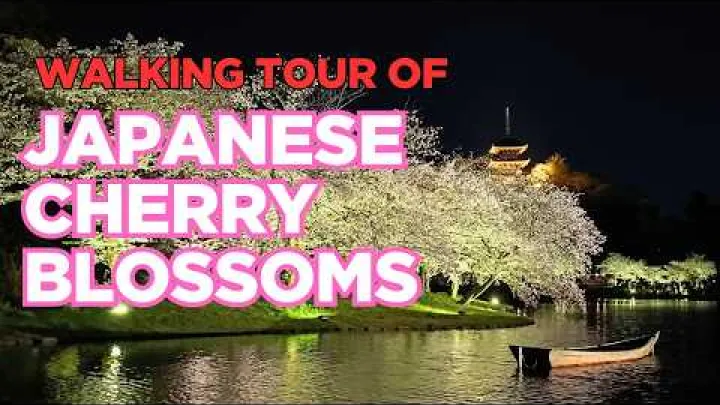
The best time to visit Yokohama depends on what you want to do. Late March to early April is an attractive window for cherry blossoms and spring culture, while late September through November often offers better conditions for long walks and outdoor sightseeing. Summer brings festivals, fireworks, and warm evenings, but also heat, humidity, rain, and possible storm disruption. This guide compares Yokohama weather by month, seasonal crowds and prices, travel goals, and practical ways to plan a comfortable city stay.
Best Time to Visit Yokohama at a Glance
Yokohama is a year-round destination, but the ideal month changes with your priorities. The broadest recommendation for comfortable sightseeing is usually October or November, when temperatures are more manageable for walking than in midsummer. Late March to early April is the main choice for cherry blossoms, although bloom timing changes from year to year.
Best Overall Windows for Comfortable Sightseeing
Late March to early April combines spring warmth with the possibility of cherry blossoms. It is a strong choice for Sankeien Garden, parks, heritage areas, photography, and walks between cultural attractions. The trade-off is demand: popular blossom locations can be busy, particularly on pleasant weekends, and rain can affect a short viewing window.
Late September through October is another attractive period. September can still feel hot and humid, and it can have substantial rainfall and storm uncertainty. October often brings more comfortable conditions for the Yokohama waterfront, Minato Mirai, Yamashita Park, and other outdoor areas, but it should not be treated as a guarantee of dry weather. November is cooler and can be especially pleasant for travelers who prefer crisp air to summer heat.
Summer is best for a different type of trip. July and August are suitable for warm-weather festivals, fireworks, evening waterfront activities, and visits to designated beaches outside the central city. These months also bring the greatest heat and humidity, school holidays, possible Obon demand, and greater disruption risk during severe weather.
Winter, especially after the New Year period, is a practical option for visitors who prefer cool weather, indoor attractions, shopping, dining, and potentially quieter conditions. Bring a warm coat and expect waterfront wind to make some days feel colder than the air temperature suggests. Winter may offer better value, but actual rates still depend on weekends, events, booking time, and hotel demand.
How to Choose Dates by Weather, Crowds, and Purpose
The following summary gives a quick way to compare the main seasons. These are general planning patterns, not fixed rules for every year or every neighborhood.
| Season | Weather and comfort | Crowds and value | Best suited to |
|---|---|---|---|
| Spring | Mild to warming; rain can vary | Higher around blossoms and Golden Week | Cherry blossoms, gardens, culture |
| Summer | Hot, humid, and wet at times | Higher around holidays and major events | Festivals, fireworks, beaches, evening outings |
| Autumn | September can be warm and wet; October and November are often easier for walking | Moderate, with local peaks for foliage and events | Waterfront walks, photography, parks, day trips |
| Winter | Cool, often drier, with chilly wind | Often quieter outside New Year | Indoor attractions, dining, shopping, budget trips |
Travelers who need dry outdoor conditions may find the core rainy-season period, especially June and early July, less convenient. Those who are sensitive to heat may prefer to avoid the hottest weeks of late July and August. Active typhoon or heavy-rain periods can also change the suitability of waterfront and exposed outdoor plans. None of these periods makes Yokohama impossible to visit: museums, shopping areas, restaurants, cultural sites, and indoor entertainment provide alternatives in every season.
Yokohama Climate: What the Weather Means for a City Stay
Yokohama has a coastal Kanto climate. Summers are generally warm and humid, while winters are cooler and usually less wet than the warmer part of the year. Conditions can feel different within a single day: a sunny waterfront may be windy, while a sheltered shopping street can feel warmer. Climate averages help you select a travel month, but they cannot predict the weather on your specific dates.
How to Read Yokohama Climate Averages
Long-term climate normals describe typical conditions calculated from many years of observations. They are useful for deciding whether a month is likely to suit your clothing, walking plans, and tolerance for rain. They are not a forecast, and an individual month can be warmer, cooler, wetter, or drier than the normal.
The table below gives rounded planning figures for Yokohama based on the Japan Meteorological Agency monthly climate data. Temperatures are approximate average daily highs and lows in degrees Celsius, and precipitation is the approximate monthly total in millimeters for the 1991–2020 normal period. Different datasets may round values differently, so use the figures as a comparison rather than as precise promises. You can review the underlying table at the Japan Meteorological Agency.
| Month | Average high | Average low | Approximate precipitation |
|---|---|---|---|
| January | 10°C | 3°C | About 65 mm |
| February | 11°C | 3°C | About 65 mm |
| March | 14°C | 6°C | About 120 mm |
| April | 19°C | 11°C | About 135 mm |
| May | 23°C | 16°C | About 155 mm |
| June | 25°C | 19°C | About 190 mm |
| July | 29°C | 23°C | About 195 mm |
| August | 31°C | 25°C | About 170 mm |
| September | 27°C | 21°C | About 235 mm |
| October | 22°C | 16°C | About 215 mm |
| November | 17°C | 10°C | About 105 mm |
| December | 12°C | 6°C | About 60 mm |
The numbers show why April, May, October, and November often appeal to walkers: their average daytime temperatures are moderate compared with summer. They also show why September and October should not automatically be called dry months. Rainfall totals alone do not explain whether rain falls in short showers, long periods, or a few intense events, so a traveler should consider both precipitation and the type of itinerary.
Rainy Season and Wet-Month Planning
In the Kanto region, the rainy season, known as tsuyu, typically develops in early summer and eases during mid-summer. The exact start and end vary by year. A rainy-season month does not mean that it rains continuously every day. It more often means a combination of cloudy skies, high humidity, intermittent showers, and occasional heavier rain.
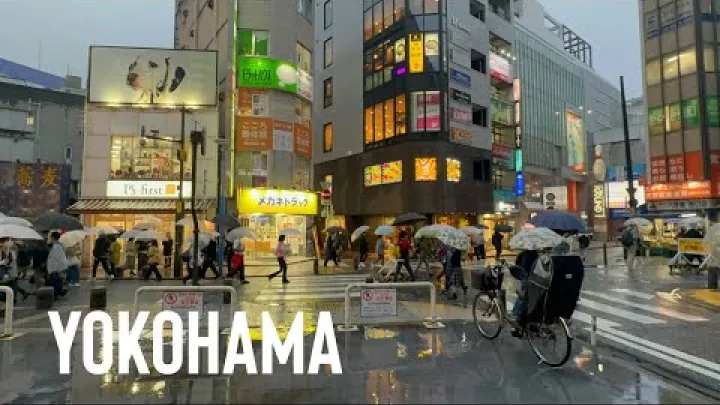
Rainfall totals, the number of rainy days, and cloud cover describe different inconveniences. A month may have a large total because of a few heavy episodes, while another may have many light showers that repeatedly interrupt walking. Even when temperatures are moderate, wet pavement, damp clothing, reduced visibility, and slower transfers can make a full outdoor schedule tiring. June and early July can therefore be inconvenient for long waterfront walks, photography that depends on clear views, and outdoor events, even when the temperature itself is not extreme.
For a rainy-season trip, pack waterproof footwear, a compact umbrella, and a light rain jacket or other quick-drying outer layer. Leave room in each day for an indoor alternative, such as a museum, shopping complex, restaurant, or covered cultural attraction. A flexible schedule works better than trying to fit every exposed activity into a single day. Shorter outdoor visits between showers can still be rewarding when the plan does not depend on uninterrupted sunshine.
Summer Heat and Typhoon Exposure
Late July and August are normally the hottest and most humid part of the year in Yokohama. The average figures do not show every hot spell, and occasional heatwaves can make long walks, queues, and crowded outdoor events much more demanding. Warm nights can also affect sleep and recovery, particularly for travelers staying in accommodation without strong air conditioning.

Typhoon-related uncertainty is a separate concern from ordinary summer discomfort. Late summer and early autumn can bring heavy rain, strong winds, high tides, and difficult conditions near the coast. Exposed waterfront areas, Tokyo Bay activities, and itineraries that include slopes or nearby hills need extra care when a storm system is affecting the region. The U.S. Embassy and Consulates in Japan explains why coastal areas and places vulnerable to landslides require attention during typhoon conditions.
On a normal hot day, reduce the strain by shortening midday walks and using shaded or air-conditioned breaks. When official typhoon, high-wind, or heavy-rain warnings are active, postpone exposed waterfront and slope-area plans, and follow instructions from local authorities. Do not treat a seasonal average or a clear morning as evidence that a severe-weather itinerary is safe.
Yokohama Weather Month by Month
A month-by-month view is more useful when it describes how the weather affects a real city itinerary. The following summaries combine the climate pattern with clothing, walking, holiday, and activity considerations.
January and February: Cool, Dry, and Quiet
January is usually Yokohama's coldest month. Days are cool, evenings are chilly, and wind along the port can make the waterfront feel colder than a sheltered street. Rainfall is generally lower than in the warmer months, which can create good conditions for clear urban views when the weather is settled. Pack a warm coat, layers, and comfortable shoes rather than planning for mild spring conditions.
February continues the winter pattern but gradually moves toward spring. It can still feel cold in the morning and after sunset, while sunny afternoons may be comfortable for short outdoor visits. Minato Mirai, museums, shopping, dining, and indoor cultural attractions work well in both months. You can combine a brief walk by the waterfront with longer indoor stops instead of spending the whole day outside.
Winter is not suitable for cherry blossom viewing or swimming, and daylight is more limited than in summer. The New Year period can be busier and less predictable than the rest of January because of domestic travel and holiday schedules. Outside that period, January and February can suit travelers who value a quieter city break and do not mind cold evenings.
March to May: Spring Warmth, Blossoms, and Holiday Crowds
March is a changeable month. Some days retain a late-winter chill, while others feel distinctly spring-like. Rain becomes more relevant as temperatures rise, and a layered outfit is more useful than a single heavy winter garment. It is a good time for travelers who want early spring atmosphere and can accept variation in both temperature and blossom timing.
April is one of the strongest months for mild walking weather and cherry blossoms. The main blossom planning window is often late March to early April, but the actual peak depends on the year's temperatures and local conditions. Sankeien Garden and other green spaces can be especially appealing for photography and cultural visits, yet popular viewing locations may be crowded on favorable weekends. If blossoms are your main reason for visiting, allow some flexibility rather than building the entire trip around one guaranteed date.
May is warmer and often comfortable before the core rainy season. It can be a good compromise for garden visits, museums, Chinatown, and long urban walks when peak blossom timing is no longer essential. Golden Week, the holiday cluster in late April and early May, can sharply increase demand. Mid-April is a useful alternative for spring conditions before the holiday surge, while mid-to-late May may suit travelers who prefer warmer weather without focusing on peak flowers.
June to August: Rainy Season, Heat, and Summer Events
June: June is typically warm, humid, cloudy at times, and more rain-prone as the Kanto rainy season develops. A plan built around the Yokohama waterfront should include indoor stops and shorter outdoor sections. This can still be a pleasant month for travelers who enjoy museums, food, shopping, and flexible sightseeing, but it is less suitable for a schedule that requires clear skies every day.
July: July often begins with rainy-season conditions and moves toward hotter summer weather. By the latter part of the month, midday walking can feel strenuous even when the average temperature looks manageable. Summer festivals, fireworks, and evening waterfront activities can make July attractive, but event dates and operating arrangements differ each year. Plan open-air activities for the morning or evening when possible.
August: August is usually the hottest and most humid month. Warm evenings support festivals, fireworks, night markets, and nearby beach trips, but the combination of heat, school holidays, Obon demand, and possible storm disruption creates clear trade-offs. If you choose August, avoid making every day depend on a long outdoor route or a single outdoor event.
September to December: Storm Risk, Autumn Comfort, and Winter Clarity
September can still feel like summer, with warm temperatures, humidity, and meaningful rainfall. It is a possible shoulder month for visitors who want some late-summer atmosphere, but early autumn storm uncertainty makes it less predictable than October or November for outdoor plans. Keep the itinerary adaptable if it includes Tokyo Bay, the waterfront, or travel outside the city.
October is a leading month for comfortable outdoor sightseeing. Temperatures are often easier for long walks than in July and August, and the strongest summer heat has usually eased. Rainfall can still be significant in some climate datasets and in individual years, so October is best described as often favorable rather than guaranteed to be dry. A light jacket and a compact rain layer are sensible choices.
November is cooler and generally well suited to foliage, gardens, photography, and long walks. The air can feel crisp, but mornings and evenings need warmer layers than October. Foliage timing differs by year and by location, so a fixed calendar date cannot guarantee peak color. November weekdays may also provide a calmer experience than popular autumn weekends.
December is cool, relatively dry, and often clear outside the New Year travel period. It suits urban views, shopping, dining, museums, and short waterfront walks, especially when you dress for chilly evenings. A warm coat or insulated layer is useful, and a wind-resistant outer layer can improve comfort near the port. The latter part of the month can become busier as holiday travel begins.
Best Time to Visit Yokohama by Travel Goal
Instead of asking for one perfect season, match the month to the experience you value most. Yokohama combines a port, parks, heritage areas, museums, shopping, and nearby coastal activities, so the best answer can change even for two travelers visiting together.
Cherry Blossoms, Gardens, and Culture
For cherry blossoms, plan around late March to early April, while treating the dates as an attractive viewing window rather than a promise. Weather in the preceding weeks affects the bloom, and the best viewing period can be brief. If your schedule is fixed, make the trip worthwhile even if the flowers are early or late by including gardens, architecture, museums, and food-focused neighborhoods.
Sankeien Garden is a useful local anchor because spring weather supports walking between landscaped areas and historic buildings. Yokohama's other green spaces can also provide seasonal atmosphere, but the experience depends on current bloom conditions and the weather on the day. Go early or choose a weekday when possible if you want a less pressured visit to a popular garden.
Spring culture does not depend only on blossoms. Minato Mirai offers museums, architecture, shopping, and dining; Yokohama Chinatown provides a food and neighborhood experience; and indoor attractions can protect a cultural day from rain. Mid-April is a good alternative for visitors who want spring walking without making peak blossom timing the central goal. Mid-to-late May can also work for warmer garden and cultural sightseeing before the most humid summer period.
Waterfront Walks, Outdoor Activities, and Day Trips
Spring and October to November are strong candidates for extended walking, waterfront photography, parks, and open-air city exploration. The Yokohama waterfront, Minato Mirai, and Yamashita Park are easier to enjoy when heat and humidity are lower. Even in favorable seasons, wind, rain, haze, and visibility can change how far you want to walk or how clearly you can see across the bay.
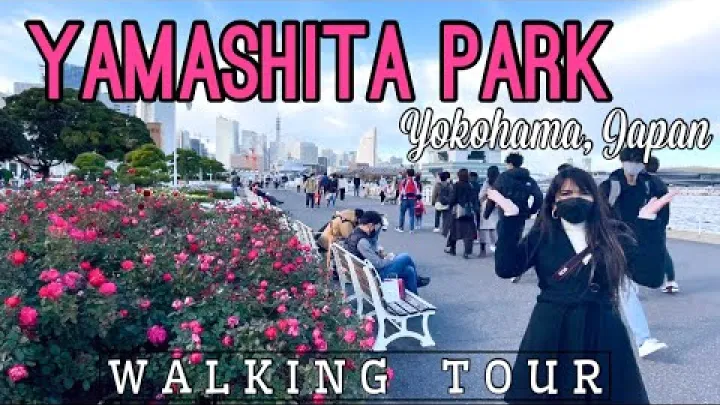
For a waterfront day, divide the route into manageable sections and place a museum, cafe, restaurant, shopping area, or other indoor stop between them. This makes the itinerary more resilient to a sudden shower or a windy afternoon. On a hot day, the same route may be comfortable in the morning but tiring in the middle of the day, so the order of activities matters.
Nearby coastal, hill, and hiking day trips should not be treated as identical to central Yokohama sightseeing. A trail can have different terrain, shade, visibility, transport access, and seasonal restrictions from a city street. Check the specific route, local weather, sea conditions where relevant, and access information before leaving the urban area. If visibility or rain is poor, replace the excursion with museums, Chinatown, shopping, or an indoor aquarium-focused visit at Hakkeijima Sea Paradise.
Beaches, Fireworks, and Summer Festivals
July and August are the relevant months for warm-weather festivals, fireworks, evening markets, and trips to designated swimming beaches. Early September can be a possible shoulder option when an event or beach facility remains scheduled, but it may still be warm and can have unsettled weather. The central Yokohama waterfront and Tokyo Bay views are not the same as a designated swimming beach, so do not assume that every waterfront area permits swimming.
For a beach trip outside central Yokohama, check the specific beach's access, facilities, water conditions, and seasonal operating information. For festivals and fireworks, dates, venues, crowd arrangements, entry rules, and weather cancellation policies can change. The Yokohama Official Visitors Guide is a useful starting point for current event information.
Summer evenings can be rewarding because temperatures are usually more manageable after sunset, but heat and humidity do not disappear completely. Carry water, allow time for crowded transport or pedestrian routes, and avoid making a single fireworks display the only important activity of the trip. Before traveling to a festival or fireworks display, check the current official event page for dates, venue rules, and weather-cancellation notices.
Lower Costs, Fewer Crowds, and Flexible City Breaks
Winter outside the New Year period is often a strong candidate for quieter sightseeing and potentially better accommodation value. It is most suitable for travelers who accept cool temperatures, early darkness, and the possibility of chilly wind. Indoor attractions, shopping, dining, and short outdoor walks make a winter city break workable without requiring a full day of warm weather.
Shoulder periods such as mid-May, November, and selected weekdays may also be worth comparing. These dates can avoid some blossom, Golden Week, Obon, and major event peaks, but demand is not uniform across a month. A hotel may be expensive on a Friday during an event and more affordable on a weekday in the same season.
Prices depend on weekends, national holidays, event schedules, booking timing, room type, and demand from Tokyo-area travelers. Use the actual accommodation and transport prices for your dates as the decision test. A lower-demand season is useful only if its weather suits you. Rainy-season travel can offer flexibility and indoor alternatives, while winter can offer clearer, cooler days, but neither should be described as automatically cheap.
Crowds, Prices, and Japan's Holiday Calendar
Yokohama's location near Tokyo means that national holidays and major events can affect demand even when the city itself is not your only destination. The Japan National Tourism Organization provides broad travel-planning information for Japan, but your final decision should use the exact dates, accommodation availability, and attraction schedules for Yokohama.
Golden Week: Late April and Early May
Golden Week is a cluster of national holidays from late April into early May. The period can create high demand for hotels, rail travel, shopping areas, restaurants, and popular attractions. Pleasant spring weather can make the effect more noticeable because many people are traveling at the same time.
Yokohama's proximity to Tokyo adds to the importance of checking your dates. Minato Mirai, Yokohama Chinatown, and the waterfront can all be attractive to domestic and regional visitors during a holiday period. This does not mean every area will be equally crowded every day, but it does mean that a normally simple reservation may be less available.
If you plan to travel during Golden Week, reserve accommodation and long-distance transport before the holiday period and confirm the cancellation terms. If your priority is easier availability, compare mid-April or mid-May instead. Do not assume that all of May has Golden Week demand; the effect is concentrated around the holiday dates.
Obon and School Holidays: Mid-August Demand
The mid-August Obon period and summer school holidays can increase domestic travel, accommodation demand, and congestion around attractions and transport. The effect varies by year and by itinerary, but it is an important consideration for travelers seeking quiet sightseeing or flexible last-minute bookings.
August also combines this demand with high heat, humidity, summer events, and possible typhoon disruption. A traveler may enjoy the evening atmosphere while finding midday sightseeing uncomfortable. Reserve essential accommodation and transport in advance if you need particular dates, or compare a period outside the main holiday window if comfort and availability matter more than summer events.
Obon does not mean that every hotel or train will be unavailable, and it does not make a Yokohama trip automatically unsuitable. Check the current holiday calendar and availability for the route you actually plan to use. A short city break with one base may be easier to manage than an itinerary that requires several long-distance connections.
New Year, Weekends, and Event-Driven Demand
The end-of-year and New Year period can be busier and less predictable because of domestic travel, holiday gatherings, and changes to business hours. Much of December can be calmer, but the period near New Year may include closures or limited hours at individual attractions, restaurants, and shops. Check each venue rather than assuming that a whole month follows one pattern.
Short local peaks can also occur outside national holidays. Cherry blossom weekends, autumn foliage weekends, fireworks, festivals, concerts, exhibitions, and large city events may affect a small area for one or several days. This can raise hotel rates or make transport and restaurants more difficult even when the surrounding month is relatively quiet.
Weekday travel and flexible reservations can improve the experience in popular seasons. Check attraction hours, restaurant availability, event schedules, and accommodation rates for the exact dates. If your itinerary depends on one timed event, keep at least one alternative activity in the same area so a schedule change does not disrupt the entire trip.
How to Plan a Comfortable Yokohama Trip in Any Season
Good seasonal planning is not only about choosing a month. It is also about matching the daily route, clothing, booking terms, and backup activities to the likely conditions. A carefully paced itinerary can make a less popular travel season enjoyable.
Rain-Ready City Logistics and Packing
For June, early July, and other wet periods, use compact rain protection that can stay in your day bag. Waterproof or quick-drying footwear is more useful than shoes that become uncomfortable after one shower. Quick-drying layers, a light rain jacket, and a bag cover or waterproof pouch can protect electronics and travel documents.
- Compact umbrella or light rain jacket
- Waterproof or quick-drying walking shoes
- Quick-drying layers and spare socks
- Small pouch for wet items and electronics
- One indoor activity option for each heavily exposed day
Adapt the route instead of treating rain gear as the entire solution. A short outdoor section near the Yokohama waterfront or Yamashita Park can be followed by a museum, shopping area, Chinatown meal, or other indoor stop. Rain can slow walking, crossings, and transfers, so avoid placing too many exposed activities in distant parts of the city on one day.
Managing Heat and Humidity
High humidity and warm nights can make July and August feel more strenuous than the average temperature suggests. Long walks, queues, pavement without shade, and crowded open-air events can increase fatigue quickly. Travelers arriving from cooler climates may need several days to adjust.
Wear breathable clothing, use sun protection, drink water regularly, and take shaded or air-conditioned breaks. Schedule waterfront walks, photography, parks, and open-air events for the morning or evening when possible. Keep midday for a museum, shopping, dining, or another indoor activity rather than forcing a long route through the hottest part of the day. During an official heat advisory, follow current local guidance and be prepared to shorten outdoor plans further.
What to Verify Before You Travel
Use this final checklist before committing to a Yokohama itinerary:
- Compare your dates with Golden Week, Obon, New Year, school holidays, weekends, and major local events.
- Check current accommodation and transport availability, especially if you need a particular hotel, rail connection, or event date.
- Review official attraction hours, restaurant arrangements, event schedules, entry rules, and possible weather cancellations.
- Check the current Japan Meteorological Agency forecast and warnings shortly before departure and again during the trip. Pay particular attention in the rainy season, summer, and early autumn.
- Prepare an indoor or lower-exposure alternative if your plan depends heavily on the waterfront, a festival, a fireworks display, or a regional day trip.
Climate normals are useful for selecting a month, but they cannot predict the weather, visibility, typhoon activity, event cancellations, or local operating conditions on a particular date. Make the final go-or-no-go decision with current official information, not with the monthly table alone.
Final Recommendation: Choose Your Yokohama Travel Window
Choose late March to early April if cherry blossoms, gardens, and spring culture are your priority. Choose October or November if comfortable walking and outdoor city sightseeing matter most, while accepting that October can still bring rain. Choose July or August for festivals, fireworks, warm evenings, and beach-related plans only if you are prepared for heat, humidity, holiday demand, and possible weather disruption. For cooler conditions, indoor attractions, and a potentially quieter trip, consider January, February, or December outside the New Year period. The best time to visit Yokohama is ultimately the window that matches your purpose, tolerance for weather, and exact-date availability.
Select area
Create a post
Posting is free and no registration is required.