Nara Budget: Daily Costs and Prices for a Japan Trip
Nara can be an inexpensive one-day stop or a multi-day cultural splurge, depending mainly on where you sleep and how many paid sights you choose. This Nara budget guide gives practical daily planning bands in Japanese yen and separates accommodation, food, local transport, attractions, and optional spending. It also compares Nara City with Osaka, Kyoto, Asuka, and Yoshino so you can judge the full cost of your base, not just the room rate. Treat all ranges as estimates because dates, occupancy, meal inclusions, exchange rates, and operator prices can change the final total.
Nara Budget at a Glance
A useful starting point is to choose a daily travel style before searching for hotels. For broad context, the Japan-wide figures from Japan Guide overlap with the working ranges below, but a live search for your dates is more useful than a national average.
Daily Nara Budget Tiers: Budget, Mid-Range, and Comfortable
The following bands are planning estimates for one person for one travel day. They include one night of accommodation, meals, local movement, and selected activities. The lodging column is a per-person allocation, even when the actual property price is quoted per room.

| Travel style | Lodging allocation | Food | Local transport | Activities | Planning total |
|---|---|---|---|---|---|
| Budget | ¥3,000–6,000 per person for a dorm bed or shared room | ¥2,000–3,000 | ¥0–1,000 | ¥0–1,500 | ¥6,000–10,000 per person |
| Mid-range | ¥6,000–12,000 per person, often a private room shared by two | ¥4,000–6,000 | ¥500–2,000 | ¥1,500–4,000 | ¥15,000–25,000 per person |
| Comfortable | ¥15,000 or more per person for a higher-quality room or ryokan allocation | ¥8,000 or more | ¥1,500 or more | ¥3,000 or more | ¥30,000 or more per person |
These totals are not guaranteed local prices. A budget traveler might sleep in a dormitory, eat simple meals, walk between Nara Park and Naramachi, and pay for one temple. A comfortable traveler might choose a heritage property, use more taxis or regional trains, and include a special dinner. A private room priced at ¥12,000 is a room cost, not a ¥12,000-per-person cost when two people share it.
International flights, shopping, travel insurance, and long-distance travel outside the Nara area are excluded. When you choose a band, convert it into a trip total by multiplying the daily amount by the number of nights or travel days, then add a contingency. Do this before paying for non-refundable accommodation or activities so that a small price change does not create a problem later.
What the Daily Estimates Include and Exclude
For this guide, a daily Nara budget means the cost of one night in the destination plus the ordinary expenses of visiting during that day. It is different from the total cost of a Kansai itinerary, where you may continue paying for a room in Osaka or Kyoto even while visiting Nara.
- Accommodation: Use the nightly room or bed rate, divided by the number of people sharing it when you are calculating a per-person figure.
- Food: Include breakfast, lunch, dinner, drinks, snacks, and convenience-store purchases rather than counting only restaurant meals.
- Movement: Add local buses, trains, lockers, taxis, and any access fare from another city if the day is a day trip.
- Activities and adjustments: Add temple, shrine, garden, museum, special-area, and excursion fees, followed by taxes, booking fees, optional spending, and a contingency where applicable.
A day trip from Osaka or Kyoto has no Nara lodging cost, but it still has round-trip access, local movement, food, and attraction costs. The room in your original base remains part of the wider itinerary total. An overnight stay adds a Nara room and another day's meals, but it can make an early start, a slower visit, or a rural extension more practical.
Accommodation Costs in Nara
Nara offers several accommodation styles, and the cheapest-looking nightly rate is not always the cheapest complete choice. Compare the price, location, inclusions, occupancy, and transport needed to use the property.
Hostels, Guesthouses, and Business Hotels
Dormitory beds and basic guesthouses are the main options for a low Nara budget. A cautious working range is about ¥3,000–6,000 per bed when live listings support it. Simple private rooms and business hotels can often be planned around roughly ¥8,000–15,000 per room, but the final amount depends strongly on the date, room type, occupancy, taxes, and cancellation conditions.
Keep three price formats separate. A dormitory price is usually per bed, a private-room price is for the room, and some accommodation packages show a per-person amount. For a couple, a ¥12,000 private room is about ¥6,000 per person before additional charges. For a solo traveler, the same room may be less efficient than a dormitory bed.
Location also changes the value of the rate. Properties near JR Nara Station can suit travelers arriving by JR or continuing to other destinations. Kintetsu-Nara Station is convenient for access toward Nara Park, while Naramachi and the Nara Park area may reduce walking or bus use for sightseeing but can attract stronger demand. A booking search such as Booking is most useful when you enter exact dates and occupancy, compare the complete price, and review the cancellation terms before payment.
Weekday and weekend rates can differ substantially, but there is no universal percentage that applies to every Nara property. Breakfast, taxes, cleaning charges, and booking conditions can also change the apparent value. Use the displayed total for your specific room and party rather than a general average.
Ryokan and Heritage Stays
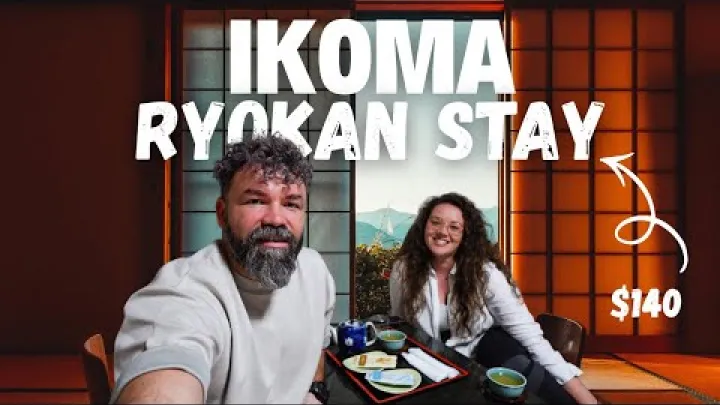
A ryokan is often a meal experience as well as a place to sleep. Dinner and breakfast may be bundled into the nightly price, so compare the package with room-only lodging plus separate meals. A two-meal stay can look expensive while being reasonable once those meals, service, and the traditional setting are included.
As a broad national planning guide, many two-meal ryokan stays can fall around ¥15,000–40,000 per person. This is a planning range, not a Nara-wide average. Room level, private bath, meal style, season, and occupancy can move the price well outside a simple band. Heritage hotels may also use a room rate rather than a per-person ryokan rate, so confirm how the property presents its price.
One ryokan or heritage-hotel night can be an intentional splurge inside an otherwise moderate itinerary. Compare the meal plan, bath access, check-in requirements, cancellation terms, and what is included before comparing headline prices. If dinner and breakfast are included, reduce the separate food budget instead of adding the bundled meals twice.
Nara City, Asuka, and Yoshino: City and Rural Trade-Offs
Nara City is usually the simplest base for first-time visitors who want to walk between Nara Park, Todai-ji, Kasuga Taisha, Kofuku-ji, and Naramachi. Asuka and Yoshino provide different settings and may be better choices when the rural landscape or a slower cultural stay is the main purpose. Rural accommodation is not automatically cheaper because the available properties, transport, and length of stay are different.
Asuka has documented examples of dormitory and group-room accommodation. Sharing one of those rooms can reduce the lodging cost per person, especially for a family or group. Yoshino has more experience-focused ryokan choices, so a rural setting can still require a mid-range or comfortable budget. A lower room rate is only a real saving if it remains lower after access fares, local movement, meals outside the property, and any extra night are included.
For a short visit, the time and limited service frequency associated with a rural base can be as important as the yen price. Compare the complete cost for the actual party size and check current availability and transport schedules before treating Asuka or Yoshino as a budget tactic. The all-in base comparison is especially important when a rural stay is added for only one night.
Food and Attraction Costs in Nara
Food and admission fees are flexible categories. Nara can support a low daily total with simple meals and free outdoor areas, but several paid cultural sites, drinks, and one special dinner can quickly change the result.
Food Costs from Convenience Meals to Kaiseki
Use these food bands for planning:
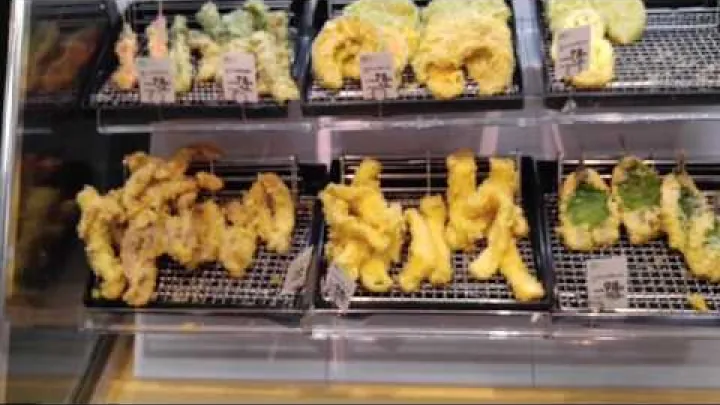
- Careful budget day: about ¥2,000–3,000 for convenience-store breakfast items, noodles, curry, donburi, snacks, and one inexpensive meal.
- Regular casual dining: about ¥4,000–6,000 for a breakfast, lunch set or casual lunch, dinner, and some drinks or snacks.
- Food-focused or splurge day: ¥8,000 or more when you include better restaurants, alcohol, specialty dishes, or a long meal.
The lower band is possible because inexpensive food in Japan can be varied and filling. The food guidance from Japan Guide uses about ¥2,000 per day as an example for an extremely budget-conscious traveler, but your appetite and meal choices may require more.
Breakfast is easy to omit from a restaurant-based estimate, as are bottled drinks, sweets, and snacks bought while walking around Nara Park. If you want to protect money for temple admissions, make lunch the main restaurant meal, choose a simple breakfast, and keep drinks visible in the daily calculation. Kaiseki or another high-end course can exceed the entire food allowance of a budget traveler, so treat it as a planned splurge rather than an ordinary dinner.
Free and Paid Sights: Building an Activity Budget
Nara has several ways to build a low activity budget. Walking through Nara Park, exploring Naramachi, and viewing outdoor areas around major landmarks can cost nothing. Some shrines also have free general areas even when a special worship area, museum, garden, or interior building requires admission.
For a working fee comparison, a main Todai-ji admission is around ¥800, paid areas at Kasuga Taisha are around ¥700 for adults, Kofuku-ji is around ¥900 for adults, and Isuien Garden is around ¥1,200 for adults. The Kasuga Taisha information also shows that student, child, and group fees can differ. These examples illustrate the range rather than fixing every current price.
A day with one paid temple may need only about ¥500–1,000 in the activity line. Combining several temples, museums, and gardens can raise that line to roughly ¥2,000–3,000 or more. Separate ordinary access from special areas, exhibitions, audio guides, gardens, and optional experiences. Before visiting, check each attraction's official information for current fees, seasonal hours, discounts, and special exhibition pricing.
Small Extras, Deer Crackers, and Payment Details
Small purchases can make a carefully calculated Nara budget inaccurate. Allow for bottled drinks, snacks, coin lockers, deer crackers, souvenirs, and small temple or shrine purchases. Deer crackers are optional; visitors do not need to buy them to enter Nara Park. If you want to offer them to the deer, use the price posted at the time as a separate optional line rather than hiding it in the attraction fee.
Payment rules also differ by venue. Isuien Garden's official visitor information is a useful venue-specific reference for its admission and payment arrangements, so check it before visiting and be prepared to carry cash where required. This does not mean every Nara attraction is cash-only, but a yen cash buffer is sensible for smaller sites and purchases. Keep core spending separate from optional spending so a low headline budget does not imply that every traveler must avoid snacks, souvenirs, or a special experience.
Transport Costs as Part of a Nara Trip Budget
Transport is often controllable in central Nara because many major sights can be connected on foot. The calculation changes when you arrive from Osaka or Kyoto, use several buses, or add Horyu-ji, Asuka, or Yoshino.
Osaka or Kyoto to Nara: Rail Cost Comparison
Approximate one-way reference points for an ordinary service include about ¥580 from JR Namba to JR Nara, about ¥820 from JR Osaka to JR Nara, and about ¥680 from Osaka-Namba to Kintetsu-Nara. These figures are useful for a first calculation, not a promise of the fare for every ticket or service.
A limited-express train is a different product and has a higher price because of its surcharge. Do not compare its total with an ordinary fare as if they were the same ticket. For example, the approximate round-trip rail component from JR Namba would be about ¥1,160, from JR Osaka about ¥1,640, and from Osaka-Namba by Kintetsu about ¥1,360, before local Nara transport and attractions.
Kintetsu-Nara Station is generally closer to Nara Park, while JR Nara Station may fit a JR itinerary or accommodation near that station. The more convenient station can reduce walking or bus costs, so the lowest rail fare is not always the lowest complete day-trip cost. Check the current JR or Kintetsu fare and any limited-express surcharge before buying.
Walking, Buses, and Local Passes
Nara Park, Naramachi, Kofuku-ji, Todai-ji, and several central areas can often be combined with substantial walking. A walk-heavy sightseeing day may therefore have no local transport charge. This is one reason the local transport line in a budget plan can be much smaller than the intercity access line.
The red and blue Nara Kotsu Gurutto buses are a concrete low-cost option. The official Visit Nara guide identifies a fare of ¥100 per trip. As a simple illustration, four rides would be ¥400, while a bus-heavy day with six rides would be ¥600 before any other transport. Other services and longer journeys may use different fares.
Compare pay-as-you-go travel with a current Nara Kotsu day pass only after counting the rides you expect to take. Check the pass coverage, validity zones, child price, and last services. Do not use the low central-Nara allowance for a day that includes Nishinokyo, Horyu-ji, or another outlying area; those journeys need a separate transport calculation.
Regional Excursions such as Horyu-ji
Regional cultural sites add both access and admission costs. Horyu-ji, for example, has an admission example of about ¥2,000 before transport. A day from Nara that includes Horyu-ji can therefore add several thousand yen once rail or bus fares, local movement, and food are combined.
Use the same calculation for Asuka and Yoshino: round-trip access, local transport, admission, meals, and any change in lodging. A rural excursion may be good value when the landscape or cultural experience is a main goal, but it may be poor value if it is added only to reduce the cost of a central Nara room.
Keep regional travel as its own excursion line instead of mixing it with a ¥100 bus estimate for central Nara. Service frequency, admission, and bundled pass options can change, so check the current operator information and venue details before fixing the excursion budget.
What Drives Nara Prices Up or Down
Accommodation is usually the most date-sensitive part of a Nara budget. Food, transport, and admission choices matter as well, but a change in room demand can affect the total more than a single inexpensive bus ride.
Season, Weekends, and Event Periods
Cherry-blossom periods and autumn foliage can increase demand for rooms. Golden Week, summer holiday periods, and busy weekends may also reduce availability. Events such as Omizutori and Kasuga Taisha lantern events can create additional pressure on particular dates. Temple admission fees are often less sensitive to the calendar than accommodation prices, although special exhibitions and seasonal access can change the activity total.
One available hostel-search snapshot showed a large difference between a Thursday average of about $12 and a Saturday average of about $39. The figures are a snapshot from a particular search, not a universal Nara price rule, and foreign-currency comparisons also change with exchange rates. The useful lesson is the size of possible weekday and weekend variation.
If your dates are flexible, compare the same property on a weekday, a weekend, and an event period before fixing the booking. Check an event calendar at the same time. A shoulder date may save more than cutting small daily expenses, but a lower-demand month is not guaranteed to be cheapest for every property.
Base Choice, Booking Timing, and Room Occupancy
Compare properties near JR Nara Station, Kintetsu-Nara Station, Naramachi, and Nara Park by complete trip cost. A less central room may have a lower nightly rate, but additional buses, taxis, or longer walks can reduce the saving. A central room may also allow you to start early or return easily without paying for extra local transport.
Occupancy changes the arithmetic. Two people sharing a ¥12,000 room pay about ¥6,000 each before other charges, while one person using that room pays the full room amount. Two dormitory beds may be cheaper for a couple than a private room, but a private room can be more efficient for a group if its capacity is used.
Use an all-in comparison for at least two bases and two party sizes. For an illustrative example, suppose a Nara room costs ¥12,000 and an Osaka room costs ¥10,000. For two people, the Nara lodging allocation is ¥6,000 each, while the Osaka allocation is ¥5,000 each plus approximately ¥1,160–1,640 for return rail from the Osaka stations described earlier. For one person, Osaka may be cheaper on this simplified example, while Nara may be similar or cheaper for the couple. Add local transport and any different meal costs before making a decision.
Booking timing, cancellation flexibility, and room occupancy are major variables. For every candidate base, add round-trip transport to lodging and compare the resulting per-person total. Review the final room conditions, taxes, booking charges, and included meals rather than treating the first displayed nightly rate as the complete cost.
Practical Ways to Save Money in Nara
- Start with the largest category. Compare flexible weekdays and the complete accommodation total before trying to save small amounts on snacks. Sharing a suitable private room can reduce the per-person cost for couples and groups.
- Balance paid and free days. Nara Park, Naramachi walks, and free shrine areas can offset a day that includes Todai-ji, Kasuga Taisha, Kofuku-ji, Isuien Garden, or a museum.
- Use meal timing strategically. Make lunch the main restaurant meal, choose an inexpensive breakfast when suitable, and decide in advance how much to spend on drinks, alcohol, and snacks.
- Walk central Nara. A walking day can reduce both bus costs and the risk of taking a pass that you do not use enough. Count expected rides before choosing pay-as-you-go fares or a day pass.
- Choose rural stays for the experience. Asuka or Yoshino can be worthwhile, but do not add rural transport simply because a room appears cheaper. Include the access cost and travel time in the decision.
The most effective saving plan is usually a combination of flexible accommodation, shared occupancy, free outdoor activities, and controlled meal spending. Keep optional purchases visible rather than presenting a very low core total that assumes no deer crackers, drinks, souvenirs, or special meals.
Build a Nara Budget for Your Itinerary
The right budget depends on whether Nara is your base, a day trip, or one part of a longer Kansai route. Calculate destination spending first, then add the costs that remain in your wider itinerary.
One-Day Visit versus an Overnight Stay
For a day trip, use this formula: round-trip rail from Osaka or Kyoto + local transport + food and drinks + attraction fees + optional spending. Keep the accommodation cost of your Osaka or Kyoto base separate, because you may pay it whether or not you sleep in Nara. An inexpensive day trip can have a low Nara destination total, but it does not make the existing hotel free.
For an overnight stay, use: one night of Nara lodging + food for the travel day and next morning or day + local transport + attractions + access to and from the wider Kansai route. The additional room cost may be worthwhile when a Nara rate is favorable, when you want several Nara-area days, or when an early or late sightseeing schedule would make a day trip inconvenient.
Staying in Nara can also make sense for a planned Asuka or Yoshino extension because it avoids returning to a distant base. However, a cheaper Nara day does not automatically make the whole Kansai itinerary cheaper if it requires extra transfers, a second hotel, or unused nights in Osaka or Kyoto. Compare both the destination total and the full itinerary total.
Sample Budget Calculations by Travel Style
These examples show how the components can fit together for one illustrative Nara day. They are arithmetic examples, not live quotes. The mid-range lodging figure is a room divided between two people. Core totals exclude optional purchases, taxes or booking fees not already displayed, and a contingency.
| Style | Lodging allocation | Food | Local transport | Activities | Optional spending | Core total |
|---|---|---|---|---|---|---|
| Budget | ¥4,500 per person for a dorm bed | ¥2,500 | ¥300 | ¥800 for one admission | ¥500 | ¥8,100 |
| Mid-range | ¥18,000 private room divided by two, or ¥9,000 per person | ¥5,000 | ¥1,200 | ¥2,000 for several cultural sites | ¥1,500 | ¥17,200 |
| Comfortable | ¥20,000 per person for a higher-quality room | ¥10,000 | ¥2,500 | ¥3,000 for a planned cultural experience | ¥3,000 | ¥35,500 |
The budget example becomes about ¥8,600 after the optional line, before a contingency and applicable charges. The mid-range example becomes about ¥18,700, while the comfortable example becomes about ¥38,500. If the comfortable stay is a ryokan with dinner and breakfast included, reduce the separate food line for those meals rather than adding the full restaurant budget on top.
The room allocation is the main reason sharing changes the result. A couple paying ¥18,000 for a room has a different per-person budget from a solo traveler paying the same room rate. Similarly, a comfortable transport line may represent flexibility rather than a required fare. Recalculate each line for your dates, room type, and plans.
Adjusting for Families, Room Sharing, and Splurges
Families and groups should calculate shared costs per person. A private room or group room may become more efficient as occupancy rises, while a dormitory can be useful when each traveler needs a separate low-cost bed. Some attractions have reduced child or student admission, but the age rules and prices differ by venue, so include only discounts that apply to your group.
Separate your budget into three types. Fixed costs include accommodation and any intercity access already purchased. Flexible costs include food, local transport, and the number of paid sights. Optional costs include alcohol, specialty dining, a ryokan night, taxis, regional excursions, deer crackers, shopping, and souvenirs. This structure lets you keep one expensive cultural or dining experience without treating every day as expensive.
- Travel dates and weekday or event demand
- Room occupancy and the difference between per-room and per-person prices
- Breakfast or dinner included in the accommodation
- Meal style, drinks, snacks, and optional spending
- Rail, bus, walking, and regional excursion plans
- Paid sights, special areas, and possible child or group prices
- Payment methods and a yen cash buffer
- Taxes, booking charges, and an emergency contingency
Choose the daily tier first, then adjust the largest categories: usually lodging, meal style, and regional transport. Cutting a small essential is less effective than changing a room date, sharing a private room, replacing one paid activity with a free walk, or reserving a splurge for one planned day.
Nara Budget Takeaways
A practical Nara budget is about ¥6,000–10,000 per person per day for careful travel, ¥15,000–25,000 for a mid-range plan, and ¥30,000 or more for a comfortable experience. The largest differences usually come from accommodation, occupancy, meals, paid cultural sites, and whether you stay in Nara or pay to reach it from Osaka or Kyoto.
Start with your dates and party size, compare the complete lodging total, and add every required access fare. Then balance Nara Park, Naramachi, and other free experiences with the paid temples, gardens, excursions, and optional purchases that matter most to you. A clear core budget plus a separate contingency will give you a more reliable Nara travel budget than a single fixed average.
Select area
Create a post
Posting is free and no registration is required.