Nara Travel Guide: Day Trips, Stays and Itineraries
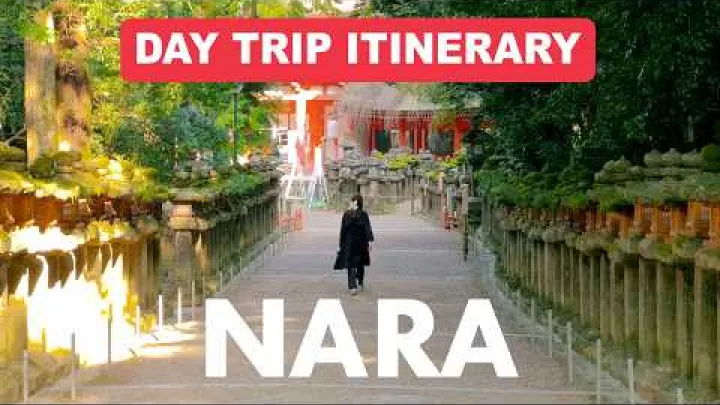
Nara travel guide planning is easier when you organize the city by geography rather than by a long list of attractions. Nara is close to Kyoto and Osaka, yet its temples, shrines, parkland, and free-roaming deer create a different Kansai experience. This guide explains how long to stay, where to base yourself, how to use JR trains, Kintetsu trains, buses, and walking routes, and what to expect from a first visit. It also includes practical advice about seasons, costs, etiquette, entry requirements, and flexible one-day and two-day Nara itineraries.
Nara at a Glance: What to Expect and How Long to Stay
Nara works well as both a focused day trip and a slower overnight destination. The best choice depends on how much time you want inside historic sites, how comfortable you are with walking, and whether Nara is your main base or one stop on a wider Kansai itinerary.
Why Nara Belongs on a Kansai Itinerary
Nara is an ancient-capital destination with a concentrated mix of Buddhist temples, Shinto shrines, historic landscapes, and open parkland. The central sightseeing area brings together Kōfuku-ji, Tōdai-ji, Kasuga-Taisha, and Nara Park, so a first visit can combine major heritage sites with time outdoors. The city feels cultural and spacious rather than like a single indoor museum district.
In broad terms, Nara complements Kyoto and Osaka instead of replacing either one. Kyoto offers a wider range of historic districts, gardens, and temples, while Osaka is known for a larger urban environment, shopping, and entertainment. Nara adds a compact heritage setting where walking between important sites is part of the experience. The Official Nara Travel Guide presents the destination through its history, culture, and heritage sites.
Plan for a heritage- and walking-focused visit. Even when the rail journey is short, the sightseeing day can involve long outdoor stretches, uneven paths, pauses for deer and scenery, and time inside several religious buildings. Travelers who prefer a measured pace should not treat every landmark as a quick photograph stop.
Choose Between a Day Trip and an Overnight Stay
A day trip is suitable when your priority is the central Nara Park area. With a well-chosen arrival station, you can visit Kōfuku-ji, Tōdai-ji, the surrounding deer areas, and Kasuga-Taisha or a shorter alternative. This format works especially well for travelers staying in Kyoto or Osaka and wanting one focused heritage day without moving luggage.
An overnight stay is more useful when you want time for additional temples, the Nara Palace Site, Nishinokyo, townscape walks, or a separate excursion to Horyuji in Ikaruga. It also gives you more room for meals, breaks, slower photography, and changes in personal energy. An overnight visit does not guarantee a particular crowd level or special atmosphere, but it reduces the pressure to fit every major site into one return journey.
Use these decision points:
- Choose a day trip if Nara Park and the best-known central temples are your main goals.
- Choose one night if you enjoy Buddhist history, shrine architecture, nature walks, or smaller heritage areas.
- Stay in Kyoto or Osaka if you value a wider evening program and want Nara to be one part of a larger Kansai route.
- Base yourself in Nara if you want a slower start, more than one sightseeing day, or easier access to separate heritage clusters.
Nara's Layout and the Best Areas to Base Yourself
Nara is simple to understand once you separate the station areas, the Nara Park core, and the outlying heritage clusters. This distinction helps you choose accommodation and prevents unrealistic walking loops.
How JR Nara Station, Kintetsu-Nara Station, and Nara Park Connect
Kintetsu-Nara Station is generally the most convenient arrival point for a first visit focused on Kōfuku-ji and Nara Park. From there, the central heritage area begins relatively soon, and you can start sightseeing without first crossing as much of the modern city.

JR Nara Station is farther west of the main park area. Sanjo-dori Street provides a useful orientation route between JR Nara Station and the central sightseeing area, with shops, restaurants, and services along the way. The walk can be part of the visit, but it adds distance before the main temple and park route begins. Travelers carrying luggage or traveling with children may prefer a bus for part of this connection.
Your arrival station affects more than the rail fare. It changes the first stop of the day, the amount of walking before sightseeing, the most convenient place to leave luggage, and the location of your return train. If your accommodation is close to Kintetsu-Nara Station, a Kintetsu arrival usually creates a simple first-day route. If your wider trip uses JR trains, JR Nara Station may still be the more practical choice even though the park is farther away.
Where to Stay for Easy Sightseeing
There is no single best base for every traveler. Choose according to the balance between park access, rail connections, services, and your preferred evening setting.
- Kintetsu-Nara Station or the Nara Park area: best for a first visit centered on heritage. You are closer to Kōfuku-ji and the main park approach, which can reduce the amount of transport and walking needed before the main route begins. The trade-off is that your accommodation choice may be more closely tied to the central sightseeing area.
- JR Nara Station area: best for JR travelers and practical connections. This area suits visitors arriving by JR, using buses, or wanting station-based services and the tourist information center nearby. The trade-off is the longer connection to Nara Park by foot or bus.
- Sanjo-dori and the area between the stations: best for a balance of access and town services. This can make it easier to combine station facilities, meals, and a walk toward the park. The trade-off is that the exact walking distance to your first heritage site depends on the property.
When comparing accommodation, look at the route from the station rather than judging an area only by its name. Check whether you will arrive at JR Nara Station or Kintetsu-Nara Station, whether your room can accept luggage before check-in, and whether your preferred evening restaurants or cafes are close enough for your walking habits.
When to Add Nishinokyo, Nara Palace Site, or Horyuji
The Nara Park core is the easiest part of the city to combine on foot. Nishinokyo, the Nara Palace Site, and Horyuji should be treated as additional planning blocks rather than as automatic extensions of the same walking loop.
Nishinokyo is useful for travelers interested in temple architecture and Buddhist history. The Nara Palace Site adds a different historical setting and requires enough time to appreciate its broader landscape. Horyuji is not in central Nara City; it is in Ikaruga and should be planned as a separate heritage excursion. Trying to place the full Nara Park route and Horyuji into one day can turn both visits into rushed transfers.
One central Nara base is usually enough for a first visit, even when you add one outlying area. Consider a longer stay when your priority is a broad heritage itinerary rather than only the famous park landmarks. Keep the central route and the outlying route separate on your map so that a late start or tired afternoon does not disrupt the entire day.
Getting to Nara from Kyoto, Osaka, and Beyond
Nara is a common regional rail trip from Kyoto or Osaka. The best train is not always the one with the shortest advertised journey, because your departure station, rail pass, final destination, and preferred arrival station all matter.
Compare JR and Kintetsu for Kyoto and Osaka
Use the following comparison as a planning framework rather than as a fixed timetable. Kintetsu-Nara Station is usually more convenient for the Nara Park core, while JR Nara Station can be better when your day is built around JR travel or a JR-linked accommodation area.
| Starting point | Possible arrival station | Practical advantage | Pass consideration |
|---|---|---|---|
| Kyoto | JR Nara or Kintetsu-Nara | Kintetsu can reduce the walk to the park; JR can fit a JR itinerary | Compare the operator used for the whole day's route |
| Osaka | JR Nara or Kintetsu-Nara | Kintetsu-Nara is useful when starting near Osaka-Namba; JR suits Osaka-area JR travel | Do not assume one pass covers both operators |
Published route information places Nara less than one hour from Kyoto and Osaka in common travel situations. One access reference gives a 45-minute, 720-yen one-way example, but the result for your trip depends on the departure station, train type, operator, and connection. Use the arrival station as part of the decision, not just the number of minutes on the rail journey. The Japan Guide access overview is useful for comparing the basic route structure.
Decide Whether a Rail Pass Is Worth It
A rail pass is useful only when it matches the actual route. The Kintetsu Rail Pass 1day is designed around designated Kintetsu travel in the Osaka, Nara, and Kyoto area, with selected Nara Kotsu bus use included under its terms. Limited-express trains can require an additional supplement, and coverage depends on the pass area, date, and conditions.
For a concrete benchmark, the Kintetsu page lists an adult example price of 1,900 yen and a child example price of 950 yen. Treat these as the figures shown on the operator page used for this guide, not as permanent prices. Before buying, recheck the current rail schedules, fares, pass coverage, validity dates, bus conditions, and any limited-express supplement on the operator's live page.
A simple break-even method is:
- List every planned Kintetsu rail leg and eligible bus leg for the day.
- Add the current point-to-point cost of those legs.
- Compare the total with the current pass price.
- Add any supplement or non-covered journey before deciding.
Choose the pass for convenience when the price difference is small, but do not buy it automatically. A point-to-point ticket may be simpler when your day uses mainly walking, one short bus ride, or a rail operator outside the pass network.
Arriving from Tokyo or Other Japanese Cities
Travelers coming from Tokyo or another distant Japanese city usually plan the journey in two parts: first reach a major Kansai rail hub such as Kyoto or Osaka, then take a regional train to Nara. This separates the long-distance decision from the final Nara connection and makes the arrival station easier to choose.
Leave a buffer between the long-distance arrival and the Nara train, especially if you have luggage or need to change stations within a large urban area. If you are staying overnight in Nara, decide whether you will carry your bags to the city or leave them at your previous base. Your choice of JR Nara or Kintetsu-Nara should match the accommodation location and the first sightseeing cluster.
How to Get Around Nara
Walking is central to the Nara experience, but buses are valuable when you move beyond the park or want to save energy for a temple visit. Combining the two is usually more practical than choosing only one.
Walk the Nara Park Core
Walking naturally connects Kōfuku-ji, Nara Park, Tōdai-ji, deer areas, and Kasuga-Taisha. A flexible sequence from Kintetsu-Nara Station might begin at Kōfuku-ji, continue through the park toward Tōdai-ji, and then proceed toward Kasuga-Taisha if you still have time and energy. You can reverse or shorten this route without losing the main character of the area.
The walk from JR Nara Station starts farther from the park. Sanjo-dori Street gives you a straightforward route toward the core, but it is additional city walking rather than sightseeing inside the park. Comfortable footwear is more important than trying to maximize the number of stops. Build in time for paths, slopes, pauses, meals, and the outdoor landscape instead of measuring the day only by temple interiors.
Walking also gives you a better sense of how the historic sites relate to one another. The space between landmarks is not wasted time. It is where the park, old roads, trees, deer, and changing views make Nara different from a tightly scheduled urban attraction circuit.
Use Nara Kotsu Buses for Longer City Journeys
Use Nara Kotsu buses when a destination lies outside the immediate park core or when a long walk would reduce the time and energy available for the site itself. Buses can be useful for Nishinokyo and for routes toward Horyuji, although the correct service depends on your origin and destination.
For a typical fare-based local bus, follow the instructions displayed on that vehicle. The usual process may include boarding through the indicated door, taking a numbered boarding ticket when one is provided, pressing the stop button before your stop, and paying or tapping when you leave. Some services use different payment arrangements, so follow the fare display and the driver's or vehicle's instructions rather than assuming every bus works identically.
A bus pass can be convenient when you have several eligible rides, but convenience is not the same as a saving. Count the planned trips and compare the pass with individual fares. If you are only making one bus journey after a mostly walking day, a separate fare may be the simpler option.
Use Tourist Information Before You Set Out
The Nara City Tourist Information Center in front of JR Nara Station is a useful first stop for maps, orientation, and questions about local sightseeing. Its official listing gives the address as 1082 Sanjo-honmachi, lists English information support, and publishes opening hours of 9:00 to 19:00. The Nara City Tourist Information Center listing provides the center's published visitor details.
Use the center to compare a walking route with a bus route, identify the best first stop from your arrival station, and decide whether an outlying site fits your available time. It can also help when a map makes two attractions look close but the practical connection is less direct. You do not need to book a guided tour to benefit from local orientation.
What to See and Do in Nara
First-time visitors usually get the most from Nara by treating Nara Park as the central framework and then adding one separate interest area. This approach protects time for the city itself rather than turning the visit into a race between distant points.
Build a First-Day Route Around Nara Park
Nara Park combines open walking space, free-roaming deer, and major temples and shrines. The official area description presents the park as a large visitor area of about 660 hectares, so it is better understood as a landscape than as one small plaza. The Nara Park Area Guide is a useful reference for the central visitor experience.
For a first visit, consider this flexible order:
- Kōfuku-ji: begin with a central heritage site that is convenient from Kintetsu-Nara Station.
- Nara Park and the deer areas: allow time to walk through the landscape rather than treating the deer as a quick photo stop.
- Tōdai-ji: give yourself enough time for the main temple experience and the approach through the park.
- Kasuga-Taisha: continue toward the shrine and its surrounding wooded setting if your energy and schedule allow.
If you have only part of a day, keep Kōfuku-ji, Tōdai-ji, and the park as the essential framework, then treat Kasuga-Taisha as the first optional removal. If your interest is nature, shorten an interior visit and retain more park or forest-edge walking. If your interest is history and architecture, prioritize the major temple interiors and reduce the longer outdoor extension.
Go Beyond the Most Famous Sites
Nara's wider heritage landscape is best grouped by interest and geography. The Nara Palace Site suits travelers interested in imperial history and broad historic landscapes. Nishinokyo adds a western temple area associated with important Buddhist sites such as Yakushi-ji and Tōshōdai-ji. Gangō-ji offers another historic temple experience closer to the traditional town area, while the Kasugayama Primeval Forest provides a nature-focused extension near the eastern side of the park.
These places do not all form one compact walking circuit. Group the Nara Palace Site with a western-city day, group Nishinokyo temples together, or keep Gangō-ji with a townscape walk. The Kasugayama area is better for travelers who want a slower nature component than for visitors trying to complete every major building in one afternoon.
Outlying sites reward travelers who are willing to spend more time on connections and less time counting attractions. They are especially suitable for an overnight stay, when you can choose one additional cluster instead of adding several long transfers to a day trip.
Add Horyuji as a Separate Heritage Excursion
Horyuji Temple is in Ikaruga, outside the central Nara Park route. It is a strong choice for visitors interested in early Japanese Buddhism, historic architecture, and a focused temple visit. Its importance and setting make it different from adding another stop around Kōfuku-ji or Tōdai-ji.
Plan Horyuji as a separate half-day or full-day excursion, depending on your transport, visit length, and other plans in Ikaruga. Do not force it into a one-day schedule that already includes the full Nara Park core. The temple's Horyuji Temple site is the appropriate place for visitor information about access, admission, and the temple grounds.
Explore Nara's Townscapes, Food, and Slower Experiences
Leave space for the everyday side of the city. Sanjo-dori Street and the areas around both stations provide places for cafes, shops, meals, practical services, and souvenirs. A short town walk can make the itinerary feel less like a checklist of religious sites and gives you a useful break between longer outdoor sections.
Local dining, deer-themed goods, temple-related souvenirs, and quiet streets work best as supporting experiences. Choose meals according to your route and time rather than assuming that every restaurant is open when you pass by. Nara can be enjoyed without a fixed nightlife or dining plan; the main value of the visit remains the combination of heritage, landscape, and walking.
Choose the Best Season and Daily Rhythm
There is no single best season for every traveler. The right choice depends on your tolerance for heat, rain, cold, seasonal demand, and long outdoor walks.
Plan Around Weather and Outdoor Walking
Weather has a direct effect on a Nara itinerary because major experiences involve parks, forest paths, and walking between sites. Spring can be attractive for seasonal scenery but may bring stronger demand around popular periods. Summer provides long daylight but can make exposed walking tiring and may require a shorter route with more breaks. Autumn can suit travelers who want foliage and historic landscapes, while winter can make long walks cooler and daylight planning more important.
Use the Japan Meteorological Agency forecast immediately before planning an outdoor-heavy sightseeing day. Adjust clothing, footwear, route length, breaks, and the balance between park paths and indoor visits to the forecast. A flexible plan is more useful than choosing a season based only on a general reputation.
Balance Crowds, Opening Hours, and Site Rules
Popular seasonal periods and iconic sites can change the pace of a visit. Foot traffic may slow entry, temple approaches, and bus connections, so leave space between major stops instead of building a tight series of timed reservations.
Before visiting each paid temple or shrine, make a short site check. Confirm its current opening hours, last admission time, closure information, admission arrangements, and any special exhibition schedule. Also check photography rules, drone restrictions, worship practices, and areas that visitors cannot enter. Religious sites do not all follow one shared schedule or one set of visitor rules, so do not assume that information for Tōdai-ji applies to Kasuga-Taisha or another temple.
Budget, Safety, and Respectful Travel
A useful Nara budget separates fixed travel decisions from flexible spending. Accommodation and long-distance transport often affect the total more than the central walking route, so avoid relying on one universal daily estimate.
Estimate Transport and Daily Costs
Build your budget from the prices that apply to your dates and route. Use the Kintetsu pass example and current point-to-point fares as transport references, then add local buses separately when they are not included. Attraction admission varies by site, and food, lodging, and souvenirs depend on your choices.
| Category | Include | Planning method |
|---|---|---|
| Transport | Regional rail, local buses, and transfers | List each leg and compare tickets with pass coverage |
| Admissions | Paid temples, shrines, museums, or special areas | Add the sites you will actually enter |
| Meals | Meals, drinks, snacks, and breaks | Set a level that matches your dining choices |
| Accommodation | Room cost and any applicable lodging charges | Use the rate for your exact nights and room type |
| Extras | Deer food, souvenirs, luggage services, and small purchases | Keep a separate flexible allowance |
For each category, record whether the cost is one-time, per day, or per person. Build the final budget from current rail, admission, food, and lodging prices rather than fixed guide estimates. This makes the worksheet useful even when you change from a day trip to an overnight stay or replace Horyuji with a shorter local route.
Handle Deer and Temple Etiquette Safely
The deer in Nara Park are free-roaming animals. Approach them as wildlife rather than as props for photographs, and give them space when they are resting, moving away, or surrounded by other visitors.
If feeding is permitted, use only approved deer food. Do not tease a deer with food, hold food out to create a photograph, or continue feeding after the food is finished. Show your empty hands so the animal understands that there is no more food, and protect maps, bags, tickets, and other items that can be pulled or damaged. If an interaction becomes uncomfortable, stop feeding and move away calmly.
At Tōdai-ji, Kasuga-Taisha, Kōfuku-ji, and other religious sites, follow signs and staff instructions. Keep to visitor paths, respect worshippers, avoid touching restricted objects, and follow the site's photography rules. The quality of a Nara visit depends on treating both animals and sacred places with care.
Check Entry Requirements and General Travel Safety
Entry requirements depend on your nationality, passport, purpose of travel, and length of stay. Do not apply one country's visa guidance to every international traveler. For example, the U.S. Department of State's Japan page describes conditions for tourist or business visa-free stays of up to 90 days, including a valid passport and proof of a return or onward ticket. That information is not a universal rule for all passports.
Check Japan's current entry requirements through the relevant official government or embassy source for your passport, and read the travel advisory issued by your own government. Also prepare travel insurance, copies or secure digital records of important documents, and a simple record of your accommodation and transport plans. The U.S. Department of State Japan page is one example of an official advisory source, but it should not replace passport-specific guidance.
For ordinary city travel, protect valuables, keep documents secure, respect local rules, and know how to contact your accommodation or an official visitor service. If you need help with a route or local information, the tourist information center and transport staff are better sources than guessing from an incomplete map.
Sample Nara Itineraries and a Final Planning Checklist
Use these frameworks as route patterns rather than strict schedules. The right order depends on your arrival station, opening hours, walking pace, and personal priorities.
A Focused One-Day Nara Itinerary
Start at Kintetsu-Nara Station when the Nara Park core is the priority. If you arrive at JR Nara Station, use Sanjo-dori Street or a bus connection to reach the central area, and allow for the extra distance before the main sightseeing sequence.
- Begin at Kōfuku-ji or the nearby central park approach.
- Walk through Nara Park and allow time for the deer areas and landscape.
- Visit Tōdai-ji as the main temple stop.
- Take a meal and rest break in the central area before continuing.
- Choose Kasuga-Taisha if you want a longer shrine and wooded route, or return through the park and town if you prefer a slower day.
If you arrive late or have limited mobility, remove the longer extension first rather than rushing through Tōdai-ji. A history-focused traveler can retain Kōfuku-ji and Tōdai-ji, while a nature-focused traveler can shorten one interior visit and spend more time around the park and the approach to Kasuga-Taisha.
A Relaxed Two-Day Nara Itinerary
Use the first day for the Nara Park core. Start with Kōfuku-ji, walk through the park, visit Tōdai-ji, and continue to Kasuga-Taisha if your pace allows. Because you do not need to fit an outlying site into the same return journey, you can stop for meals, townscape walks, and longer visits inside the main temples.
Choose one of these second-day patterns:
- Nara City heritage day: visit the Nara Palace Site and continue toward Nishinokyo for sites such as Yakushi-ji or Tōshōdai-ji. Add Gangō-ji or a traditional town walk if you want a less transfer-heavy finish.
- Ikaruga heritage day: devote the main part of the day to Horyuji Temple and treat it as a separate cultural excursion rather than trying to combine it with every central landmark.
- Slow local day: revisit a favorite central area, explore Sanjo-dori and nearby townscapes, or add one temple or nature area that you skipped on the first day.
An overnight stay changes the rhythm more than the attraction list. It lets you make one clear choice for the second day, respond to your energy, and keep the central Nara Park experience from being crowded by long connections.
Pre-Departure Checklist for a Flexible Visit
- Length: decide whether a Nara Park day trip is enough or whether an overnight stay supports your heritage interests.
- Arrival station: choose JR Nara Station or Kintetsu-Nara Station based on your accommodation, rail route, and first stop.
- Core priorities: select the essential combination of Kōfuku-ji, Tōdai-ji, the park, deer areas, and Kasuga-Taisha.
- Outlying sites: keep Nishinokyo, the Nara Palace Site, and Horyuji as separate additions instead of forcing them into the central loop.
- Transport: compare individual rail and bus legs with any pass you are considering.
- Practical items: pack comfortable walking footwear, suitable layers, payment options, and space for maps or souvenirs.
- Backup plan: if the day changes, keep the central route as the dependable option and move a longer heritage excursion to another day.
Final Takeaways for Planning a Nara Visit
Nara is easy to add to a Kansai itinerary, but a satisfying visit depends on realistic walking time and clear geographic choices. Start with the Nara Park core, select your arrival station carefully, and choose only one or two additional heritage clusters when you have more time.
A day trip covers the essential landmarks, while an overnight stay gives the Nara Palace Site, Nishinokyo, Ikaruga, townscapes, and slower exploration a more practical place in your plan. Build around your interests, current site information, and personal pace, and Nara can be both a convenient Kansai excursion and a rewarding destination in its own right.
Select area
Create a post
Posting is free and no registration is required.