Nara Where to Stay: Best Areas and Accommodation Guide

Where to stay in Nara is mainly a choice between transport convenience, historic atmosphere, and access to the park. For most first-time visitors, the central area between Kintetsu Nara Station and JR Nara Station is the easiest base, with the Kintetsu side especially useful for Nara Park and central sights. Naramachi and the park edge suit travelers who want a stronger sense of place, while Nishinokyo, Ikaruga, and Asuka work better for specific cultural or countryside plans. This guide compares Nara’s main areas, accommodation types, transport choices, evening routes, and the checks to make before paying.
Where To Stay In Nara: The Short Answer
For a first visit, choose a hotel, ryokan, hostel, or guesthouse in central Nara. The area around Kintetsu Nara Station is the strongest default for many sightseeing-focused visitors because it connects naturally with Nara Park, Kofukuji Temple, shopping streets, restaurants, and local transport. The corridor toward JR Nara Station can be a better fit when your itinerary depends heavily on JR trains, early departures, or a rail pass.
Choose Naramachi if preserved streets, machiya architecture, cafes, and a quieter evening setting matter more than being beside a station. Choose Nara Park if the accommodation itself is part of the experience and you value a peaceful setting near Todaiji Temple or Kasuga Taisha. Choose a rural or peripheral base only when its nearby sights or countryside setting are central to your itinerary. The official Visit Nara accommodation guide is useful for comparing the broad range from budget lodging to luxury properties.
- Best general base: Central Nara, especially near Kintetsu Nara Station or along the main station corridor.
- Best for JR-heavy travel: The area around JR Nara Station.
- Best for old-town atmosphere: Naramachi.
- Best for an immersive special stay: The Nara Park edge.
- Best for a rural or archaeological itinerary: Asuka, Ikaruga, or another carefully selected peripheral base.
Nara's Main Areas Compared
Nara’s main lodging areas are close enough to compare by daily purpose rather than by distance alone. A station hotel can simplify luggage and regional travel, while a property in Naramachi or beside Nara Park may make the surroundings part of the trip. The exact address still matters because each district contains quieter side streets as well as busier routes.
| Area | Best for | Main trade-off |
|---|---|---|
| Kintetsu Nara Station | First-time sightseeing and central access | Busier streets and variable live rates |
| JR Nara Station | JR connections and practical short stays | Usually a longer walk to the park |
| Naramachi | Old-town character and small lodging | Narrow routes and fewer late dining choices |
| Nara Park | Quiet, experience-led stays | Fewer properties and station services |
| Nishinokyo, Ikaruga, or Asuka | Focused heritage or countryside trips | More planning and limited inventory |
Nara City Centre Near The Main Stations
Central Nara is the most flexible base for most travelers. It offers the broadest mix of hotels, hostels, guesthouses, and other lodging, together with restaurants, buses, shopping streets, and onward rail connections. The Kintetsu Nara Station side is generally the better choice when your days center on Nara Park, Kofukuji Temple, and the central sightseeing streets. The JR Nara Station side is practical when rail connections are the priority.
![Preview image for the video "[4K/HDR/Binaural] Nara Walking Tour - Nara Japan".](/sites/default/files/styles/media_720x405/public/oembed_thumbnails/2026-08/nyxB3fgvTZuBqHKrULCGJ6sau1oQkHoM-eFXLlef5nI.jpg.webp?itok=0NZrZIBD "Preview image for the video \"[4K/HDR/Binaural] Nara Walking Tour - Nara Japan\".")
Between the stations, Sanjo-dori Street provides a useful compromise. A property along or just off this corridor may balance access to both stations, although the best choice depends on the exact entrance and walking route. Busy station blocks can be convenient but may bring more street activity, while a side street can be quieter without being far away. Current Booking.com listings show the range of properties around Kintetsu Nara Station, but listing visibility should be treated as an availability snapshot rather than a permanent ranking.
There is no reliable year-round price band for central Nara. Live rates change with travel dates, demand, room type, cancellation conditions, and included services. Compare several dates and calculate the total rather than assuming that the closest hotel is the best value.
Naramachi For Old-Town Atmosphere
Naramachi is a strong choice for travelers who want to sleep among preserved streets, traditional machiya buildings, small lodging, cafes, and a calmer evening environment. It sits between the main station areas and Nara Park, so it can provide cultural atmosphere without giving up central sightseeing completely. Guesthouses and traditional-style properties may feel more personal than a standard station hotel.
The trade-off is convenience. Naramachi is a broad district, not one single hotel cluster, and narrow streets or older buildings can make rolling luggage, parking, elevators, and late arrivals less straightforward. Dining and transport options may also be more limited than around the busiest station blocks, particularly outside the main visitor periods. Read the map pin carefully and check the route from the station, including the final entrance rather than only the district name.
When comparing listings, distinguish a clearly identified hotel, ryokan, or guesthouse from a private rental with limited operator information. Naramachi is best when the atmosphere is part of your reason for visiting, not when you need the simplest possible arrival.
Nara Park For Quiet, Immersive Stays
Accommodation near Nara Park suits travelers who want the setting to shape the stay. The park edge can make it easier to begin a morning around the park, enjoy temple scenery, and return to a quieter environment after central streets become busy. It is an experience-led choice for couples, photographers, repeat visitors, or anyone planning a special traditional inn or full-service hotel stay.

Park-side lodging usually gives up some convenience. There are fewer accommodation choices than in the station areas, fewer late-night restaurants immediately outside the property, and less direct access to station services. A live rate may also reflect the setting, room category, meals, or hotel facilities, so compare the complete booking rather than assuming that every park-edge property is a luxury stay.
Use Naramachi when you want historic streets, cafes, and a more active central setting. Use Nara Park when quiet surroundings and direct immersion matter more than having many dining and transport choices. Current availability should be checked for the exact dates because the park-edge inventory is more limited.
Nishinokyo, Ikaruga, And Asuka For Specific Plans
Nishinokyo and Ikaruga are useful for visitors whose main purpose is exploring nearby historical sites such as Yakushi-ji, Toshodai-ji, or Horyu-ji. Asuka and rural Nara are more deliberate choices for countryside scenery, archaeological sites, local food, gardens, or a homestay experience. These places are not direct substitutes for central Nara if you want flexible evening dining, a broad lodging market, or simple access to Nara Park.
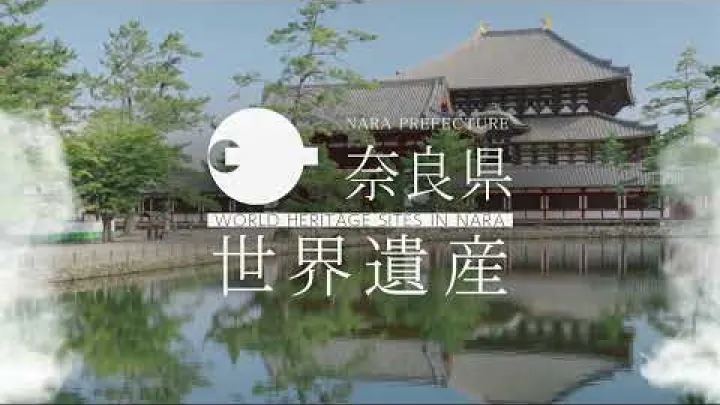
Outside the city centre, accommodation availability and reservation methods can be less straightforward. Before booking, confirm the exact address, nearest station or bus stop, last useful connection for your arrival, luggage arrangements, meal options, and check-in procedure. The official visitor guidance notes that telephone reservations may still be used for accommodation in more remote destinations, so international travelers may benefit from asking the Nara Visitor Center & Inn or another tourist information service for practical help.
A peripheral stay is worthwhile when it gives you a distinct experience or places you close to the sites you specifically want to visit. It is less suitable as a quick overnight stop between major rail destinations if the transfer process removes the time you hoped to spend sightseeing.
Choose Your Base By Transport And Daily Plans
Choose the station only after listing the routes you expect to use. Nara Park is compact enough for walking and local buses to cover many central plans, but the most convenient station depends on your rail operator, luggage, mobility needs, and next destination.
Choose JR Or Kintetsu Based On Your Route
Kintetsu Nara Station is often the more practical rail-side choice for visitors prioritizing Nara Park, Kofukuji Temple, central shopping streets, and short walks to the main sightseeing area. JR Nara Station is often more suitable for travelers whose itinerary is built around JR connections, rail passes, or an early departure using JR. These are different operators, so the stations should not be treated as interchangeable.
Use traveler scenarios to make the choice concrete. If your trip is mainly a temple-focused overnight stay, the Kintetsu side may reduce the walking involved in beginning a sightseeing day. If you are arriving, departing, and taking day trips mainly on JR, staying near JR Nara Station can reduce changes and luggage movement. A Kyoto day trip can fit either base; the important question is which station and operator your actual itinerary uses, not a general claim that one line is always faster or cheaper.
Before reserving a station-side hotel, check whether each arrival, departure, and day trip uses JR or Kintetsu. Then check the current timetable, the station exit nearest the property, and the walking route with luggage.
Use Walking And Buses To Reach Nara Park
Many central itineraries can combine walking with local buses. Nara Park, Naramachi, Todaiji Temple, Kasuga Taisha, and the station areas form a practical group of route anchors, although the best order depends on opening hours, weather, energy, and mobility. The walk from the Kintetsu side to the park is generally shorter than the walk from the JR side, while buses provide an alternative when carrying luggage or traveling in heat.
A hotel slightly farther from a station can still work if its bus access and walking route are clear. Check the nearest stop, route direction, service hours, current fare, and the stop used for the return journey. Also check whether the final part of the route involves a slope, narrow street, stairs, or a confusing entrance. This is especially important for older travelers, families with strollers, and anyone arriving after a long train journey.
Use Nara As A Base For Wider Kansai Trips
Nara can be a quieter base for selected Kansai day trips when the Nara experience is a central part of the holiday. A central station area is the most practical choice for travelers combining Nara sightseeing with regular regional travel because it reduces transfer and luggage friction. It also gives you more flexibility if a day plan changes.
Kyoto or Osaka may be more suitable when most nights are devoted to that city, or when late-night transport, nightlife, shopping, and a wider dining choice are important. Avoid changing hotels only to add a short Nara visit if the move will consume useful sightseeing time. A simple decision rule is to stay in Nara when you want to experience Nara in the morning and evening; stay closer to another city when Nara is only one stop in a wider itinerary. Make the final choice using the current train schedule and the location of your next destination.
Choose The Right Nara Accommodation Type
Nara accommodation ranges from practical station hotels to traditional inns, hostels, guesthouses, and rural homestays. Choose the property type by the purpose of the stay first, then compare its location, facilities, restrictions, and total cost.
Hotels For Convenience, Facilities, And Short Stays
Hotels are usually the simplest choice for a short visit, an early departure, a family that needs predictable facilities, or an itinerary with several rail connections. Business hotels near a station tend to emphasize efficient rooms and straightforward access. Mid-range hotels may add more space or services, while full-service or park-edge properties make the accommodation itself part of the experience.
Compare the current room size and configuration, breakfast, bath facilities, laundry, luggage storage, accessibility, parking, and distance from the station. If a property is described as a serviced apartment, confirm that kitchen or laundry facilities are actually included in your room rather than assuming they are available throughout the building. For families and longer stays, these details may matter more than the hotel name.
Rates and availability change by date and property. Compare the live total, taxes, breakfast, parking, included meals, and cancellation terms. A lower displayed room rate may not be the lower overall cost once services and restrictions are included.
Ryokan For A Traditional Japanese Stay
A ryokan can suit travelers seeking a traditional Japanese experience rather than simply a larger or more expensive room. Depending on the inn, you may encounter tatami flooring, futon bedding, Japanese meals, communal or private baths, and scheduled meal or check-in times. Park-edge ryokan can provide a strong sense of place, but a station hotel is usually easier when rail convenience is the main priority.
Facilities and service differ widely between inns. Before booking, confirm whether meals are included, whether the bathroom is private, how bedding is arranged, and whether the inn can support dietary needs or a late arrival. Do not assume that every ryokan offers an onsen, a kaiseki meal, a private bath, or English-language service. The right choice is the inn whose actual arrangements match the experience you want.
Hostels And Guesthouses For Value And Social Travel
Hostels and guesthouses can work well for solo travelers, backpackers, and flexible visitors who value shared spaces or local atmosphere over full hotel service. The range is wide: a property may offer dormitory beds and shared bathrooms, private rooms, tatami rooms, or a renovated machiya setting. Central and Naramachi locations can both be convenient, but their atmosphere and return routes differ.
Check the details that affect the real value: age restrictions, gender-separated dormitories, lockable storage, quiet hours, bicycle access, luggage storage, reception hours, and shared-facility rules. A guesthouse with a slightly higher live rate may be more useful if it accepts your arrival time and stores luggage. Do not use one review score or the lowest displayed price as proof of overall value.
Minpaku And Rural Homestays For A Slower Experience
Minpaku and rural homestays can offer country life, local food, gardens, and a deeper connection to places such as Asuka. They require more planning than a city hotel because transport, meals, language support, check-in, and directions may not be available in the same way as they are near a station. They are usually better as part of a multi-night itinerary than as a quick overnight between major rail destinations.
Use an established booking platform, an official tourism channel, or a visitor service when you need help with reservations and directions. The official first-time visitor guidance recommends asking at the Nara Visitor Center & Inn or another tourist information point when remote accommodation arrangements are difficult. Treat the experience as a deliberate countryside stay, and confirm how you will arrive, eat, contact the host, and leave with luggage.
Availability and operating arrangements can differ greatly between properties. Avoid assuming that a rural listing follows the same check-in, cancellation, or service pattern as a central hotel. Legal registration and host details should be checked as part of the final booking review.
Match The Area To Your Travel Style
The best area in Nara changes with the traveler. Start with the experience you want each morning and evening, then choose the location and room features that make that routine easy.
First-Time Sightseeing And Family Trips
For a first visit or a family trip, the central area is the safest practical default, especially around Kintetsu Nara Station or the main station corridor. It keeps Nara Park, Naramachi, restaurants, buses, and onward travel within a manageable plan. The JR side may be better when the family has an early JR departure, a rail-heavy schedule, or luggage that makes a longer sightseeing walk less attractive.
Prioritize room configuration, elevators, breakfast, laundry, luggage storage, and the exact route from the station. Families, older travelers, and visitors with mobility limitations should read the property’s accessibility information and not assume that a central address means step-free access. A clear route and a suitable room can be more valuable than a decorative historic setting.
Couples And Travelers Seeking Quiet Culture
Choose Naramachi for atmospheric streets, small lodging, cafes, and a more connected old-town experience. Choose the Nara Park edge for greater seclusion, scenery, and the feeling of staying within the historic landscape. A ryokan or park-edge hotel may justify a higher live rate or less immediate dining convenience when the overnight experience is a main purpose of the trip.
Central Kintetsu-side lodging can still provide cultural access while making dinner and transport simpler. Quiet locations may have fewer nearby restaurants and less active evening routes, so compare atmosphere with practical convenience. For a traditional stay, confirm meal schedules, arrival limits, and cancellation terms before booking.
Budget Travelers And Solo Visitors
Budget travelers should compare hostels, guesthouses, and simpler station-area properties in or near Naramachi. These options can combine access to central sights with a lower live rate or a more flexible social setting, but the cheapest room is not automatically the best value. Shared bathrooms, dormitories, compact rooms, limited reception hours, and fewer included services may affect the total usefulness of the stay.
For solo travel, check lockers, late-arrival rules, quiet hours, luggage storage, and the route back after dinner. Compare a cheaper property farther from the centre with the transport cost and time needed to reach Nara Park and evening dining. A slightly more central room may save enough daily effort to be worthwhile, especially for a short trip.
Longer Stays And Deeper Nara Prefecture Trips
A central Nara base is efficient for longer stays that include repeated visits to Nara Park, Naramachi, temples, and day trips. Look for practical features such as laundry, a workspace, luggage storage, flexible meal arrangements, and kitchen access where the current listing confirms it. These facilities can matter more than a premium view when you are staying for several nights.
A split stay can add a distinct rural experience. For example, you might use central Nara for the main sightseeing days and add an Asuka stay when countryside or archaeological sites are a major goal. Do this only when the second base offers something genuinely different. Moving accommodation adds packing, transfers, check-in coordination, and luggage time, so it is not worthwhile for a minor change of scenery.
Safety, Night Walkability, And Booking Checks
For ordinary accommodation decisions in Nara, focus on a clear route, lighting, transport, and evening activity rather than unsupported neighborhood rankings. The property’s exact location and your return routine are more useful decision points than a broad label such as central or historic.
General Safety And Evening Convenience
General country-level guidance describes Japan as a safe, clean, and organized destination with minimal violent crime, but that context is not a Nara-specific crime ranking or a guarantee about any individual street. The useful question is whether your accommodation gives you a clear way to return after dinner, a contactable operator, and nearby transport suited to your plans.
Central streets around the stations, Naramachi, and Sanjo-dori Street are practical evening anchors because they generally provide clearer routes and more dining activity than an isolated park path. Still, use ordinary precautions with valuables, alcohol, unfamiliar streets, and late returns. The location of your hotel, the time you come back, and your comfort with navigation should guide the decision. A general Global Guardian overview can provide broad Japan context, but it should not be read as Nara-specific evidence.
Nara Park After Dark And The Return Route
Nara Park can feel peaceful after many day visitors have left, but evening conditions are different from daytime sightseeing. Outdoor paths, lighting, terrain, and facility opening hours vary, and wooded or uneven areas may be harder to navigate. Do not assume that every temple, museum, shop, or path remains open at night.
If you stay near the park edge and plan a late walk, decide your dinner location, transport option, and exact return route before leaving. Use a main route and carry a phone light after dark rather than taking an unlit shortcut through Nara Park. Landmarks such as Sarusawa Pond and the central station streets can help you orient yourself, but confirm current access conditions and choose the route that keeps navigation simple.
Verify The Property Before You Pay
District names and booking photos are not enough to confirm whether a property fits your trip. Review the current listing and complete this checklist:
- Exact location: Confirm the map pin, street address, nearest station or bus stop, and the final walking route with luggage.
- Arrival: Check the check-in window, cutoff time, late-arrival process, reception hours, and contact procedure.
- Luggage: Confirm storage before check-in, storage after checkout, stairs, elevator access, and any restrictions on large bags.
- Room: Check the actual room type, bed or futon arrangement, occupancy limit, bathroom arrangement, and accessibility details.
- Included services: Confirm breakfast, dinner, bath access, laundry, parking, Wi-Fi, and any meal or facility schedule.
- Booking terms: Read the live total price, taxes, cancellation conditions, payment timing, and any non-refundable terms.
- Private rentals: Confirm the property’s legal registration or licensed status, permitted booking dates, and host instructions before paying.
For minpaku or another private rental, use a reputable platform or an official tourism channel and do not infer legality from photographs, reviews, or platform presence alone. Listings, prices, availability, and operating arrangements can change, so rely on the current property information rather than an older guidebook description. Save the property’s phone number, exact address, and check-in instructions before traveling.
Final Recommendation: Match Your Nara Base To Your Trip
Most first-time visitors should start their search around Kintetsu Nara Station or along the central corridor toward JR Nara Station. Choose Kintetsu when Nara Park and central sightseeing are the priority; choose JR when your itinerary is built around JR connections or an early rail departure. Move to Naramachi for old-town atmosphere, choose the park edge for an immersive special stay, and select Nishinokyo, Ikaruga, or Asuka only when their specific heritage or rural setting is central to the plan.
Then choose the accommodation type that matches your purpose. A hotel offers predictable convenience, a ryokan offers a traditional experience, a hostel or guesthouse can suit value and social travel, and a rural homestay can add depth to a longer itinerary. Compare the exact route, live total, room conditions, check-in process, and evening return plan before paying. That approach will give you a Nara base that supports your trip instead of adding avoidable transport or booking complications.
Select area
Create a post
Posting is free and no registration is required.