Nara Best Time to Visit: Weather & Monthly Guide

The best time to visit Nara depends on whether you value mild walking weather, cherry blossoms, autumn foliage, quiet temples, or flexible travel more. For most visitors, late March through May and mid-October through late November offer the strongest overall balance of comfort and seasonal scenery. Summer can be rewarding but requires planning around rain and heat, while winter is a good choice for travelers who prefer a quieter cultural trip. This guide compares Nara weather by season and month, explains the best time of day for Nara Park, and shows how to use climate averages together with the live forecast.
The Best Time to Visit Nara at a Glance
Nara is a walking-focused cultural destination, so comfortable outdoor conditions can make a major difference. The most useful recommendation is to choose a broad seasonal window rather than one supposedly perfect date.
Best Overall Windows for Comfortable Sightseeing
For a balanced Nara trip, consider late March through May or mid-October through late November. These periods usually provide more comfortable conditions for walking between Nara Park, temple districts, museums, and nearby viewpoints than the hottest or wettest parts of the year.
Late March to early April is the main cherry blossom period, although the exact bloom timing changes from year to year. The wider spring window continues after the blossoms, and May often brings pleasant greenery and good conditions for longer outdoor visits. In autumn, late October can provide comfortable weather and early color, while November is usually the stronger choice for foliage scenery. The most attractive scenery periods can also be the most in-demand, so they do not guarantee empty paths, easy reservations, or identical weather every year.
If comfort matters more than peak seasonal scenery, May and late October are useful compromise periods. They can offer the benefits of spring or autumn without requiring a trip to match a short flowering or foliage peak.
Choose by Your Travel Priority
There is no single best month for every type of traveler. Use your main purpose to narrow the choice:
- Cherry blossoms: Choose late March to early April, accepting that the peak is brief and variable and that popular places may be busy.
- Autumn foliage: Choose October to November, with mid-November often appealing for central Nara scenery. Late October or early December may suit visitors who prefer a wider margin around the peak.
- Comfortable outdoor walking: May, October, and November are strong choices because the weather is generally easier for long walks than midsummer.
- Culture and quiet: January, February, and the first part of December can suit travelers who are comfortable with cold weather and want more time for museums, temples, and indoor activities.
- Potentially lower-demand travel: Winter is traditionally quiet, while June and July may suit rain-tolerant visitors. Demand and accommodation conditions vary by date, so treat this as a possibility rather than a guarantee.
- Beach travel: Nara City is an inland destination centered on culture, parks, and walking. Beach-focused seasonal timing is therefore not a useful basis for planning a Nara City stay.
Periods That Need More Planning
June and early July are associated with the Kinki rainy season and higher humidity. July and August become increasingly hot, making long midday walks less comfortable for many visitors. September is a transition month that can still feel like late summer and may require flexibility during storm-prone weather. The year-end and New Year period can also affect access to museums, restaurants, shops, and temples because holiday schedules may differ from normal hours.
These periods are not universally bad. June may appeal to visitors who enjoy fresh greenery and can adapt to showers. Summer can work for travelers who prefer early starts and indoor breaks. Winter can be excellent for quiet cultural sightseeing. The less suitable period depends on your priorities: travelers seeking dry, cool, uninterrupted outdoor days should choose spring or autumn, while travelers who accept trade-offs have more options.
Nara Weather and Climate Basics
Nara City is easy to visit in every season, but its inland setting creates clear differences between summer and winter. Understanding the local geography helps you choose clothing, walking times, and backup activities more effectively.
Nara's Inland Basin and Seasonal Contrast
Nara City sits in the inland Nara Basin rather than on the coast. This setting contributes to a stronger seasonal contrast than some coastal parts of Kansai. Summers are commonly hot and humid, winters are cool to cold, and spring and autumn are generally more comfortable for walking and sightseeing.
The practical effect is noticeable because many major Nara experiences take place outdoors. A short walk between attractions may feel easy in May or October but tiring in humid summer weather. Winter mornings and evenings can feel colder than a visitor expects, even when the afternoon is suitable for sightseeing. Removable layers are useful during the spring and autumn transitions.
Nara City should also be separated from higher or more mountainous parts of Nara Prefecture. Areas around Yoshino and other elevated locations can have different temperatures, visibility, and trail conditions from the basin. If a trip combines the city with hiking or mountain scenery, do not use a Nara City forecast as the only description of conditions throughout the prefecture.
Climate Normals Versus the Live Forecast
A climate normal is a long-term average, not a prediction for a specific travel day. The commonly used baseline in Japan is the 1991–2020 period, which helps show the usual pattern of temperature and precipitation across each month. The Japan Meteorological Agency publishes monthly and annual climate normals for major observatories in Japan.
These averages are useful for deciding whether to pack a warm coat, schedule long walks, or include indoor activities. They can tell you that August is usually a poor choice for travelers who dislike heat, or that January requires winter clothing. They cannot tell you whether it will rain on the day you visit Nara Park, whether a particular trail will be comfortable, or whether a storm will affect regional transport.
Use climate data for long-range planning and the current forecast for final decisions. Near departure, current forecasts, warnings, and local updates should take precedence over a favorable monthly average.
Rainfall, Humidity, and Walking Comfort
Nara's wetter pattern is most important from June into early July, when the rainy season often brings more frequent rain, cloudier skies, and high humidity. Late summer and early autumn can also have storm-related variability. Winter is generally drier, although a drier month does not mean that rain or snow is impossible on every day.
Rainfall and humidity affect a walking trip in different ways. Rain can make footwear wet, paths slippery, and distant views less clear. Humidity can make a dry day feel uncomfortable during a long walk through Nara Park or between temples. A month with moderate rainfall may still feel demanding if the air is humid, while a rainy month can include useful outdoor intervals.
The monthly tables maintained by the Japan Meteorological Agency are useful for comparing observed precipitation from year to year. Treat the figures as evidence of seasonal patterns and variability rather than a promise that every day in a particular month will be wet or dry. For practical planning, combine rain protection with an indoor alternative.
Best Time to Visit Nara by Travel Style
The best season is only part of the decision. Time of day, the length of your walking route, and the balance between outdoor and indoor activities can change how comfortable the same month feels.
Best Time of Day for Nara Park and Its Deer Area
For outdoor sightseeing in warm months, morning or late afternoon is generally more comfortable than the middle of the day. This is especially relevant to Nara Park and its deer area, where visitors may spend a long time walking between open spaces, paths, and nearby temples.

- Morning: A good choice for a longer outdoor route before the day becomes hotter. It also leaves time to move indoors later if the weather becomes uncomfortable.
- Midday: More manageable in spring, autumn, and mild winter weather, but often the least comfortable period for extended outdoor walking in July and August.
- Late afternoon: Useful for a second outdoor session during warm weather, provided there is enough daylight for your planned route and attractions have not closed.
In June, early July, or on a rainy day, use the forecast to decide whether the park should be your first activity or a shorter interval between indoor visits. Do not build a schedule around guaranteed deer behavior, feeding activity, or crowd conditions. Deer are not a fixed attraction schedule, and any organized activity or venue near the park should be checked separately.
Cherry Blossoms and Autumn Foliage
Cherry blossoms are usually the main spring draw, with the strongest interest often falling around late March and early April. Autumn foliage generally becomes more important from late October through November, with a typical central-Nara focus around mid-November. These are useful planning ranges, not fixed annual dates. Weather, elevation, and the particular garden or park can all affect the timing.
Peak scenery offers a strong visual reward for temple photography and park walks, but it can reduce flexibility. Popular sites may be busier, and accommodation demand can be stronger around weekends and the most widely reported bloom or foliage dates. Travelers who want a calmer experience can consider late spring after the blossom period, late October before peak autumn color, or early December when some late foliage may remain.
Check current local bloom and foliage updates as the trip approaches instead of booking around one date copied from a typical calendar. A flexible window is more reliable than treating the first day of April or the middle of November as a guarantee.
Hiking and Outdoor Exploration
May and October to November are strong periods for longer walks and outdoor exploration. Temperatures are generally more manageable than in midsummer, and the scenery can support both a relaxed Nara Park visit and more ambitious day trips. October is often useful when you want autumn atmosphere without waiting for peak color.
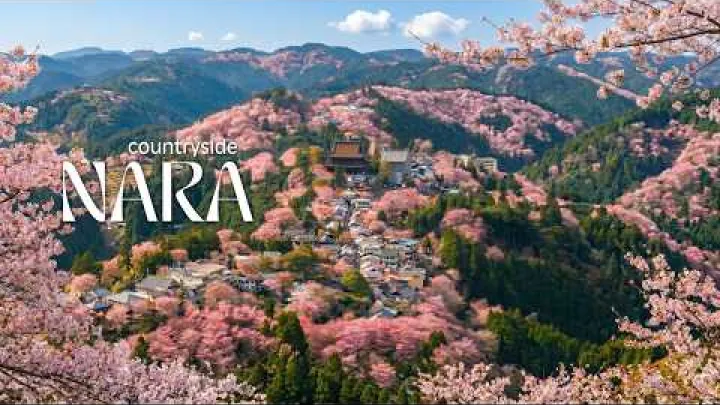
An easy park walk and a mountain outing should not be treated as the same activity. Yoshino and other higher areas may be cooler or have different visibility and trail conditions than Nara City. Rain can reduce trail comfort and visibility, and a route that is pleasant in dry weather may be less suitable after persistent rain.
If hiking is central to your itinerary, check the conditions for the specific area and route, not only the city climate. Build enough time into the plan to shorten the walk or replace it with a city-based cultural day if the terrain or visibility is unsuitable.
Quiet Visits and Lower-Demand Travel
Winter is especially relevant for travelers who value a calmer atmosphere. The official Visit Nara guide describes winter as traditionally the quietest period for Japanese tourism. Fewer visitors can make museums, temples, and World Heritage venues feel more spacious, although individual sites and dates still vary.
June and July can also be possible lower-demand alternatives for visitors who do not mind humidity and showers. The trade-off is that a wet day may interrupt a long park walk, so a quiet-season trip works best with museums, covered shopping, shorter outdoor visits, and rain-ready footwear.
Do not assume that winter or a rainy month always means a fixed discount. Compare accommodation calendars for your actual dates, and reserve early if you want to travel during cherry blossom or foliage peaks. Demand can change quickly around weekends, holidays, school breaks, and major seasonal events.
Nara Month-by-Month: January to April
The first four months move from quiet winter into increasingly popular spring. The descriptions below refer mainly to a Nara City stay and explain the typical feel rather than predicting a particular year.
January: Cold, Dry, and Quiet
January is usually Nara's coldest period. Precipitation is relatively low compared with the rainy season, creating a crisp winter atmosphere, but cold mornings and evenings can make long outdoor visits feel demanding. Snow is not impossible, so avoid assuming that every day will be clear or snow-free.
Pack a winter coat, warm layers, and suitable protection for cold conditions. A practical itinerary can combine a shorter morning walk through Nara Park with time at a museum, temple, restaurant, or shopping area. January suits visitors who prioritize quiet cultural sightseeing and accept that outdoor comfort will be lower than in spring or autumn.
February: Cool, Calm, and Late Winter
February remains cool and is generally quieter than the main spring and autumn peaks. Rainfall is usually modest, but the month is still a late-winter choice rather than a warm-weather option. Temple districts, parks, and evening streets can feel distinctly cold.
Use warm layers and plan a cold-weather alternative if you want to keep outdoor walks short. Museums, the Nara National Museum area, indoor dining, and Higashimuki Shopping Arcade can provide structure around brief visits to parks and temples. February is a good niche choice for tranquility, photography, and careful budget planning, but not for travelers seeking greenery or mild evenings.
March: Variable Early Spring
March is a transition month. Mornings can remain cold, afternoons gradually become milder, and conditions may change noticeably from one day to the next. Rainfall is moderate in the seasonal pattern, so layers and a compact rain layer are more useful than one heavy outfit.
Late March can mark the beginning of the cherry blossom window, but flowering dates vary by year and location. Early March is better understood as late winter or early spring, while the latter part of the month may bring increasing demand as blossom forecasts improve. Choose flexible clothing and leave room to adjust the outdoor schedule around the actual conditions.
April: Mild Weather and Peak Sakura Interest
April is one of the strongest months for comfortable city sightseeing. Temperatures are generally mild enough for long walks, and the month has the main cherry blossom appeal. The first half can be particularly popular when the blossom window aligns with weekends or holiday travel.
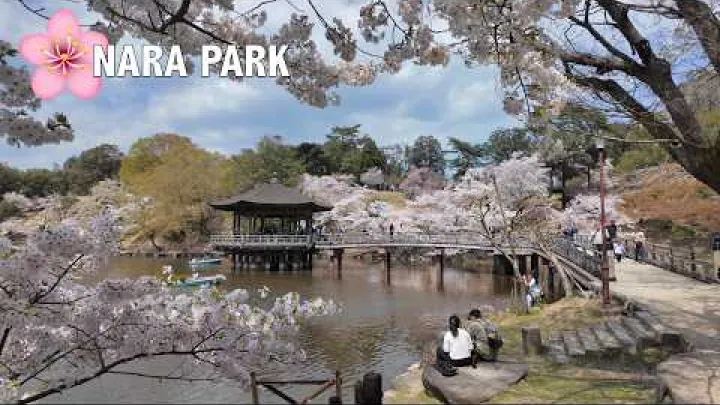
Bring light layers and a jacket for cooler evenings, together with rain protection for changing spring weather. If you want full bloom, accept that the timing is short and not fully predictable. If you want easier booking and more flexibility, the period after the main blossom interest can still provide mild walking weather and spring greenery.
Nara Month-by-Month: May to August
May is often the last broadly comfortable month before the humid summer pattern becomes more prominent. June and early July bring rainy-season planning, while late July and August require the most attention to heat, walking hours, and indoor breaks.
May: Warm, Green, and Outdoor-Friendly
May is warm but generally more manageable than midsummer. Fresh greenery, longer daylight, and comfortable conditions for walking make it one of the best general-purpose months for Nara. It works well for Nara Park, temple districts, and selected outdoor excursions beyond the city.
Mid- to late May can be a useful alternative to the busiest cherry blossom period. Early May holiday travel may increase demand, so the first part of the month is not automatically quiet. Pack light layers, comfortable walking shoes, and a rain layer. For Yoshino or other higher areas, allow for local differences rather than assuming that city conditions apply exactly to every trail.
June: Rainy Season and High Humidity
June is typically associated with the Kinki rainy season. Rain becomes more frequent, skies may be cloudier, and humidity rises. It does not necessarily rain continuously, so a June visit can still include enjoyable outdoor periods, but fixed all-day walking plans are less resilient.
Build a wet-weather backup into every June or early-July sightseeing day. A useful pattern is to visit Nara Park during a dry morning or afternoon interval, then move to the Nara National Museum, Nara Prefectural Museum of Art, or Higashimuki Shopping Arcade if showers become persistent. Carry reliable rain protection and choose footwear that can cope with wet paths. June may suit travelers who value greenery and quieter conditions more than uninterrupted sunshine.
July: Rainy Early Summer and Increasing Heat
July is a transition from lingering rainy-season conditions to hotter and more humid summer weather. Early July may still feel dominated by showers, while the latter part can bring more demanding heat. The boundary is not fixed, so plan for both rain and warmth when traveling during the month.
Lower demand can make July attractive to some visitors, but warm nights and humid afternoons can make long outdoor sightseeing tiring. Use shorter outdoor sessions, breathable clothing, and cooler parts of the day. A morning park visit followed by an indoor museum or shopping period is usually more practical than walking outdoors continuously. Keep a backup for showers without assuming that rain will cancel the entire day.
August: Peak Heat, Humidity, and Storm Awareness
August is generally the hottest and most humid month in Nara's seasonal pattern. Midday walking through open areas such as Nara Park can be strenuous, especially when combined with long distances between temples. The broader late-summer pattern can also include storm or typhoon conditions, and the mid-August Obon period may be busier than other summer dates.
August can still suit heat-tolerant travelers who want green scenery or a verified evening event. Start outdoor activities in the morning or move them to late afternoon, carry water, use shade, choose breathable clothing, and allow time for indoor breaks. If conditions feel too difficult, stop the outdoor route rather than trying to complete the original plan. General summer travel guidance from AARP also recommends scheduling activities during cooler hours and paying attention to early signs that heat is affecting you. Check any evening event schedule separately because dates and operating details can change.
Nara Month-by-Month: September to December
September begins with a late-summer feel and gradually moves toward autumn. October and November are among the strongest months for outdoor sightseeing, while December brings a quieter early-winter atmosphere and special access considerations near the end of the year.
September: Late-Summer Heat and Typhoon Variability
September can remain hot at the beginning, then gradually become more comfortable toward the end. Rainfall and storm variability are important parts of the month's planning profile. Late September may be better for hiking and long outdoor walks than the hottest summer weeks, but it should not be treated as guaranteed autumn weather.
Keep the itinerary flexible, particularly when traveling outside central Nara. During typhoon-prone weather, check current warnings and relevant rail or venue notices before committing to a fixed route or day trip. If a storm affects regional travel, replace a distant outdoor plan with a city-based cultural itinerary rather than relying on historical September averages.
October: Comfortable Autumn and Early Foliage
October is one of the strongest months for walking, hiking, and cultural sightseeing. Heat and humidity usually ease, and long days in Nara Park or between temple districts become more manageable. Foliage may begin later in the month, although the strongest colors usually come later in November.
Late October can be a useful compromise for travelers who want comfortable weather, the first signs of autumn, and potentially less demand than the central foliage period. Early autumn can still vary, so pack long sleeves and light layers rather than assuming that every October day will feel cool. Conditions in Yoshino and other higher areas may differ from those in Nara City.
November: Peak Foliage and Cool Clear Days
November is the main autumn foliage month in Nara. Around the typical mid-month period, gardens, park areas, and temple surroundings can have strong visual appeal. Cool conditions are generally suitable for day-long walks, although evenings and illumination events require warmer clothing.
Foliage does not change at the same time everywhere. Elevation, tree species, and the particular garden or park can shift the best viewing period, so treat mid-November as a useful guide rather than a fixed date. Popular sites and accommodation may be busier around weekends and the central part of the month. Late October or early December can suit visitors who prefer more flexibility and can accept less reliable peak color.
December: Cool, Clear, and Quiet Early Winter
December is cool and relatively dry, with generally quieter sightseeing conditions. The first part of the month may still offer some late foliage, but it should not be treated as a replacement for the autumn peak. Outdoor walks are possible with suitable clothing, especially when planned around the warmer part of the day.
Bring a warm coat and layers for mornings and after sunset. The final part of December and the New Year period require special access planning: restaurants, shops, museums, and temples may use holiday schedules or reduced hours. Confirm opening hours before booking a year-end trip, and distinguish the calmer first half of December from the holiday period.
Practical Planning for a Weather-Based Nara Trip
A weather-based itinerary does not need to be complicated. The main principles are adaptable clothing, sensible walking hours, a nearby indoor alternative, and a final check of current information.
What to Wear in Each Season
Spring and autumn are the easiest seasons for adaptable clothing because temperatures can change between morning and afternoon. A removable layer is usually more useful than one fixed outfit. Summer requires breathable clothing and protection from sun and rain, while winter calls for a warm outer layer and cold-weather accessories.
| Season | Typical feel | Practical clothing |
|---|---|---|
| Spring | Cool mornings, milder afternoons, variable rain | Removable layers, light jacket, compact rain layer |
| Summer | Rainy-season humidity or hot, bright conditions | Breathable clothing, sun protection, rain protection |
| Autumn | Warm early September, cooler October and November | Long sleeves, light layers, warmer evening layer |
| Winter | Cold mornings and evenings, generally drier conditions | Warm coat, insulating layers, cold-weather accessories |
In every season, choose comfortable walking footwear. Temple districts and Nara Park can involve long periods on foot, and a compact rain layer is useful even outside the main rainy season. Clothing needs vary by personal comfort, activity level, and the specific forecast.
Rainy-Day and Heat-Management Logistics
For mild weather, use an outdoor-first plan: begin with Nara Park and the deer area, continue through nearby temple districts, take a midday meal or indoor break, and add a museum or shopping stop later. This keeps the longest walking periods in the most comfortable part of the day without making the entire itinerary dependent on one attraction.
For rain or heat, use an indoor-outdoor split. Keep one shorter outdoor window, place the Nara National Museum or Nara Prefectural Museum of Art in the middle of the day, and use Higashimuki Shopping Arcade for covered browsing and food between activities. If conditions improve, add another short park walk rather than trying to recover every outdoor stop at once.
Umbrellas, breathable layers, water, shade breaks, and flexible walking distances can make marginal weather easier to manage. In hot months, schedule longer outdoor routes for cooler hours. In wet months, allow extra time for wet footwear, slower paths, and changes between attractions. The goal is not to force the original schedule but to keep the day enjoyable when conditions are less than ideal.
Forecasts, Seasonal Updates, and Opening Hours
Use this final checklist to turn climate research into a practical Nara itinerary:
- Current weather: Check the Japan Meteorological Agency forecast close to departure and again before each major outdoor day.
- Warnings: Look for current rain, strong-wind, heat, or storm warnings rather than relying only on the usual conditions for the month.
- Seasonal scenery: Check local cherry blossom or foliage updates if the trip depends on a short viewing window.
- Outdoor plans: For Yoshino or another hiking area, check information for the specific location and route because mountain conditions can differ from Nara City.
- Transport and venues: During severe weather, check current rail or operator notices and any venue access information before setting out.
- Opening hours: Confirm museum, restaurant, temple, and shopping schedules, especially around year-end and New Year.
The Japan Meteorological Agency climate-normal tables are useful for understanding long-term monthly patterns, but they cannot predict a specific day. A short-range forecast supports daily decisions, official warnings support weather-risk decisions, and venue or operator updates support access decisions. Rechecking all three types of information shortly before departure gives you a more reliable plan than using a seasonal average alone.
Final Recommendation: When Should You Visit Nara?
For most travelers, choose late March through May or mid-October through late November. Choose late March to early April for the possibility of cherry blossoms, May for comfortable green-season walking, October for mild autumn exploration, and November for the strongest foliage appeal. If you prefer quieter cultural visits, winter is a reasonable choice as long as you pack for cold conditions. June and early July can work with rain flexibility, while July and August require shorter outdoor sessions and careful heat management.
The best time to visit Nara is therefore the period that matches your priorities and your tolerance for crowds, rain, heat, or cold. Use climate averages to select the season, then use current forecasts, warnings, seasonal updates, and opening-hour information to make the final itinerary.
Select area
Create a post
Posting is free and no registration is required.