Kyoto Travel Guide: Areas, Transport, Seasons & Budgets
Kyoto is one of Japan’s best cities for a first visit, but it is easier to enjoy when you plan by area instead of trying to see every famous site in one route. This Kyoto travel guide explains how the city is laid out, where to stay, how to arrive from Kansai International Airport, and which transport choices work best. It also covers seasons, trip length, daily budgets, reservations, safety, and respectful travel. Use it as a practical framework, then adjust the details to your interests, energy, and travel dates.
Start With a Practical Overview of Kyoto
Kyoto combines major temples and shrines with gardens, preserved streets, craft traditions, restaurants, markets, and ordinary residential neighborhoods. It is part of the wider Kansai region, so it can also fit naturally with Osaka, Nara, Kobe, or other destinations. The Japan National Tourism Organization provides wider destination context for planning Kyoto within a Japan itinerary.
Why Choose Kyoto for a First Japan Trip
Kyoto is a strong choice for travelers who want to experience Japan’s historical and cultural side without giving up the convenience of a modern city. A single visit can include a quiet garden, a large shrine approach, a traditional neighborhood, a department store, a market meal, and a riverside walk. That variety makes the city useful for first-time visitors with different interests, including history, food, photography, design, religion, and seasonal scenery.
Kyoto also works well as a Kansai base, but it has a different emphasis from Osaka. Osaka is often chosen for its energetic commercial districts, broad food scene, and nightlife, while Kyoto is more strongly associated with historic places, gardens, traditional architecture, and cultural experiences. Nara and Uji can add different perspectives without requiring a complete change of region.
Set realistic expectations before you arrive. Kyoto’s highlights are spread across several directions, and many visits involve substantial walking, stairs, queues, or slow movement through narrow lanes. Famous places can feel very busy at popular times, especially when visitors concentrate on the same routes. A satisfying first trip usually comes from choosing a few priorities in each area, leaving room for meals and rest, and accepting that some attractions will wait for another visit.
Understand Kyoto's Main Areas
Kyoto becomes easier to understand when you group attractions by direction. The city center is useful for shopping, food, and transport, while the east, west, north, and south each offer a different mix of historic sites and landscapes. The Kyoto City Official Guide is a useful local reference for district information, visitor tools, sample itineraries, and responsible-travel guidance.
Eastern Kyoto: Higashiyama, Kiyomizudera, and Gion
Eastern Kyoto is the classic historic walking area. A common route begins at Kiyomizudera, continues downhill through Ninenzaka and Sannenzaka, and then connects with Yasaka Shrine and Gion. The route links temple views, traditional-style buildings, craft shops, small cafés, and streets that are attractive even when you are not entering every site.
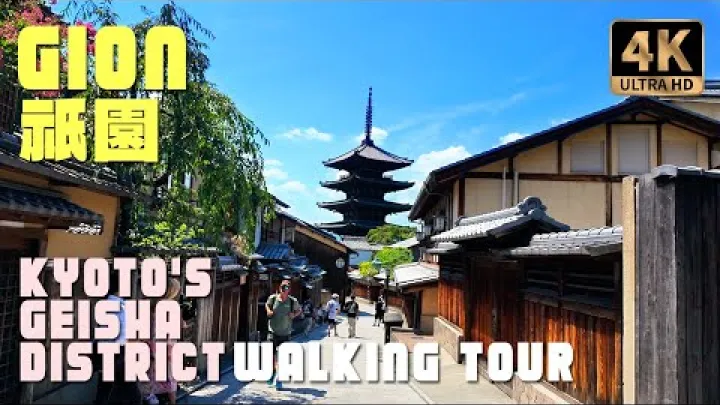
This area suits travelers who want preserved streetscapes, cultural landmarks, evening dining, and an atmosphere that feels distinct from a modern shopping district. Start early if you want more space at the major viewpoints and on the narrow lanes. A late afternoon or evening walk can also be rewarding, although individual temples, shops, and restaurants have different access hours.
Move carefully and respectfully in Gion and Higashiyama. Geiko and maiko are working professionals, not public attractions to be followed or obstructed. Photograph only where it is permitted, keep entrances and pathways clear, and never enter private property to obtain a better view.
Central Kyoto: Shijo, Kawaramachi, Nishiki Market, and Nijo Castle
Central Kyoto is the practical urban core for restaurants, department stores, covered shopping arcades, markets, riverside walks, and evening activity. Shijo and Kawaramachi are useful reference points, while Pontocho and the Kamo River add options for an evening walk or meal. This area is a good compromise for travelers who want historic sightseeing during the day and a broad choice of food and entertainment at night.
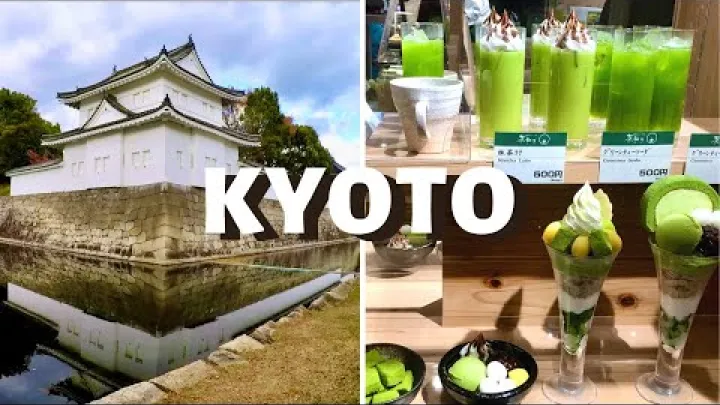
Separate food-focused time from historic-site time. Nishiki Market is best approached as a working commercial market as well as a visitor destination, so allow time to move slowly and follow local eating and photography expectations. Nijo Castle fits more naturally with central sightseeing and can provide a change from market streets and shopping. Individual stalls, restaurants, and venues do not all follow the same schedule, so use current local information when a particular shop or meal is important to your plan.
Southern, Northern, and Western Kyoto: Fushimi Inari, Kinkakuji, Arashiyama, and Kurama
Southern, northern, and western Kyoto are separate planning areas, not one compact sightseeing neighborhood. In the south, Fushimi Inari is centered on a shrine approach and hillside paths, while Uji offers a different outing with a more spacious town-and-river setting. Northern Kyoto includes Kinkaku-ji and other temple and garden visits. Western Kyoto is associated with Arashiyama’s river, hillside, and bamboo scenery, while Kurama is better suited to travelers seeking forest walking and a more nature-oriented day.

These places require different amounts of time and energy. Fushimi Inari can begin as a short shrine visit but extend into an uphill walk. Kinkaku-ji is a focused temple-and-garden stop that is usually combined with other northern sites. Arashiyama benefits from a dedicated western itinerary rather than a rushed addition to an eastern day. Kurama is a stronger choice for travelers who want a walk outside the busiest central routes.
Start early for the most popular areas and keep the daily cluster limited. Combining Fushimi Inari, Kinkaku-ji, Arashiyama, and Kurama on one day creates long transfers and little time at each place. Choose an area according to its purpose: shrine approach, temple and garden, river and scenic streets, or forest walking.
Choose Where to Stay in Kyoto
The best place to stay in Kyoto depends on the balance you want between station access, evening atmosphere, historic character, and regional travel. There is no single best base for every itinerary. The following comparison gives a quick starting point.
| Base area | Best for | Main trade-off |
|---|---|---|
| Kyoto Station | Arrivals, luggage, and regional day trips | More functional and modern atmosphere |
| Shijo and Kawaramachi | Restaurants, shopping, and evening walks | Longer connections to some outer districts |
| Gion and Higashiyama | Historic atmosphere and early access to eastern sites | More walking and less direct regional rail access |
| Arashiyama or northern Kyoto | Nature, quiet evenings, or a concentrated local itinerary | More planning for dining and citywide sightseeing |
Kyoto Station for Arrivals and Regional Day Trips
Kyoto Station is the most practical base for travelers arriving by Shinkansen or airport rail, carrying large bags, or planning frequent trips outside the city. It connects with JR services and other city transport, and the surrounding area offers shopping and dining for travelers who prefer convenience over a traditional setting.
Choose this area if your itinerary includes Osaka, Nara, another Kansai destination, or a departure that makes an easy station connection valuable. The trade-off is atmosphere: the immediate station area feels modern and busy rather than like the preserved lanes of Higashiyama. Before booking, compare the hotel’s actual walking route from the station, the location of the appropriate exit, luggage arrangements, and the way you will travel to your first sightseeing area.
Downtown Kyoto for Dining, Shopping, and Evening Walks
Shijo and Kawaramachi are a balanced choice for travelers who want restaurants, bars, shopping, Nishiki Market, Pontocho, the Kamo River, and central transport within easy reach. Downtown is especially useful when you like to return from sightseeing, rest, and still have several evening options without making another long journey.
Compared with Kyoto Station, downtown offers a stronger evening atmosphere and more opportunities to explore on foot. Compared with Gion and Higashiyama, it is less focused on preserved streets but often more convenient for dining and central activities. The compromise is that Arashiyama, Fushimi Inari, Kinkaku-ji, and other peripheral attractions may require an earlier start and a longer connection.
Gion and Higashiyama for Historic Atmosphere
Gion and Higashiyama suit travelers who value traditional-style lodging, historic streets, and close access to Kiyomizudera and other eastern sites. Staying here can make an early morning walk especially easy and can give you a more atmospheric arrival and departure from your accommodation.
Choose this base for atmosphere, not because it is automatically the most convenient. You may walk more, have fewer direct regional rail options, and find that evening choices are more dependent on the specific street or property. Traditional accommodations can also have different check-in times, entrance arrangements, house rules, or room features from large hotels. Confirm those details before arrival and keep noise low in narrow residential streets after dark.
Arashiyama and Northern Kyoto for a Slower Base
An outlying base can work for repeat visitors, travelers focused on nature, or people who prefer a quieter evening setting. Arashiyama is sensible when much of the itinerary is in western Kyoto. Northern Kyoto can work when temple visits and slower neighborhood time matter more than quick access to downtown.
For a first visit spread across the whole city, however, a peripheral base adds planning. Compare evening restaurants, luggage transfers, transit frequency, and the time needed to return after a full sightseeing day. Look at the final walk from the station or bus stop, not only the map distance between districts. A quiet setting is valuable only if you are comfortable with the additional movement and fewer last-minute options.
Get to Kyoto and Navigate the City
Kyoto’s transport system is most useful when you combine modes instead of asking one service to reach every attraction. Rail and subway services help with longer movements, buses provide wider coverage, and walking connects the final parts of many historic routes. Your accommodation location matters as much as the city’s transport network.
Arriving From Kansai International Airport and Other Japanese Gateways
From Kansai International Airport, the main choices for Kyoto are JR-West airport rail and the Kansai airport limousine bus. JR-West provides guidance for travelers heading from the airport toward Kyoto Station and other Kansai gateways. Compare the current service, ticket rules, and station arrival details through JR-West.
The limousine bus can be attractive when you have heavy luggage or when its stop is closer to your accommodation. KATE publishes airport limousine bus information for Kyoto and other Kansai destinations. Recheck current JR-West and KATE schedules, fares, terminal instructions, luggage rules, and service notices 24 to 48 hours before departure. Airport arrival is only the first leg: from Kyoto Station, you may still need a subway, local train, bus, taxi, or walk to the hotel.
Kyoto is also reached easily from other Japanese gateways. Shinkansen travelers from Tokyo generally arrive at Kyoto Station, while Osaka, Nara, and Kobe connect through regional rail networks. Choose between options by comparing transfer simplicity, luggage, traffic exposure, arrival time, and the location of your accommodation rather than relying only on a map distance.
Choose Trains, Subways, Buses, Taxis, Walking, or Cycling
No single transport mode is best for the entire city. Use this decision guide:
| Mode | Useful when | Watch for |
|---|---|---|
| Train | Cross-city trips, Kyoto Station, Arashiyama, or regional travel | Stations may not be beside the attraction |
| Subway | Central north-south or east-west movements | Coverage does not reach every historic site |
| Bus | Reaching districts beyond the rail network | Road congestion and crowded vehicles |
| Taxi | Short transfers, groups, luggage, or tired travelers | Traffic can remove the time advantage |
| Walking | Moving within Higashiyama, downtown, or Gion | Distance, hills, stairs, weather, and fatigue |
| Cycling | Suitable, less crowded routes for confident riders | Parking rules, pedestrians, and narrow streets |
Trains and subways are often the most predictable choice for a longer movement. Buses can be useful for coverage but are more exposed to road conditions. Taxis are helpful for a short connection, a small group, or luggage, but a direct road journey is not always faster during a busy period. Cycling is a secondary option rather than a universal solution; use designated parking, slow down near pedestrians, and avoid narrow visitor routes when walking traffic is dense.
Plan Around Kyoto's Transport Bottlenecks
Road corridors toward Higashiyama and other heavily visited areas can become slow when buses and taxis are carrying large numbers of visitors. A route that looks short on a map may take longer because of traffic, boarding queues, or a final walk through a crowded district.
For example, on a Kiyomizudera day, compare a direct bus from central Kyoto with a rail or subway journey to a suitable eastern approach followed by a walk. Use a current navigation app and operator notices to select the route for that day. The best choice can change with season, day, events, and time of travel.
Three habits reduce wasted time: begin major sightseeing early, group places by geographic area, and leave a buffer before reservations. Walking from a transport stop can be more reliable than changing buses several times, especially when the final district is designed for walking.
Use Simple Route Patterns Between Major Areas
Think in route patterns rather than fixed promises. From Kyoto Station, the subway can connect you with downtown around Shijo. From Kyoto Station, JR services provide a useful pattern for reaching the Arashiyama area. From downtown, Gion can often be reached by walking or by a short rail connection, depending on your starting point and destination.
Kinkaku-ji and other northern sites may require a bus, a transfer, or a longer walk, so allow more time than the map distance suggests. Fushimi Inari and Uji should be planned from the part of the city where you are staying, because the most convenient operator and route can differ.
A rechargeable IC card is convenient on services and at locations that accept it, but acceptance is not universal. Keep a navigation app ready to show the operator, platform, transfer, and walking section. Save your accommodation address and a basic route offline in case your data connection or phone battery fails.
Choose the Best Season for Your Trip
Kyoto has something to offer in every season, but the best time depends on whether you value seasonal scenery, lower pressure on accommodation, comfortable walking, festivals, or quieter visits. Avoid choosing dates only because a historical calendar says a particular flower or leaf will peak at the same time every year.
Cherry Blossom and Autumn Foliage Peaks
Cherry blossom and autumn foliage periods are among the most sought-after times to visit Kyoto. Temples, gardens, river paths, and historic streets can be especially attractive, but demand also affects rooms, restaurants, transport, queues, and the time needed to cross narrow lanes.
If you travel during a peak period, reserve the parts of the trip that genuinely need advance planning and keep the rest flexible. Visit high-demand places early, choose one main seasonal area per day, and allow time for slow movement. Use current bloom or color reports for the year and the specific neighborhood instead of treating a fixed historical date as a guarantee.
Shoulder Seasons, Summer, and Winter Trade-Offs
Shoulder periods can offer a useful compromise between seasonal appeal, availability, and crowd pressure. They may suit travelers who care more about comfortable exploration and flexible accommodation than about seeing a famous seasonal peak. Actual prices and conditions depend on dates, events, room type, and demand.
Summer can support festivals and longer daylight, but heat and humidity can make a full day of walking and stairs tiring. Plan breaks, choose shorter clusters, and avoid assuming that every outdoor activity will feel comfortable. Winter can bring quieter sightseeing and sometimes better accommodation availability, but colder conditions, shorter daylight, and occasional disruption can affect an itinerary. Choose the season according to your walking comfort, budget, crowd tolerance, and interest in seasonal events.
Plan Around Weather, Daylight, and Crowds
Build an outdoor plan and a backup plan for each day. For example, pair an outdoor eastern walk with central shopping, a museum, a restaurant, or another indoor activity that can absorb a change in conditions. A western nature day can be replaced by central Kyoto or a shorter temple visit if long outdoor walking becomes uncomfortable.
Check the current forecast and seasonal updates 24 to 48 hours before fixing outdoor plans. Also check the relevant venue’s current opening information and the available daylight for any long walk. Assign each day one primary geographic area and one realistic backup rather than trying to keep every attraction on the schedule.
Build a Flexible Kyoto Itinerary
A good Kyoto itinerary is a sequence of geographic clusters, not a list of every famous name. The examples below provide structure while leaving room for meals, queues, weather, and the pace of your group.
One or Two Days: Focus on One Geographic Cluster Per Day
With one day, choose one main experience. Eastern Kyoto can combine Kiyomizudera, the historic lanes, Yasaka Shrine, and Gion. Central Kyoto can combine Nijo Castle, Nishiki Market, Shijo, Kawaramachi, and an evening around the Kamo River. A southern or western day can focus on Fushimi Inari or Arashiyama, but adding several distant districts will reduce the time available at each place.
With two days, use one day for eastern or central Kyoto and one for a southern, western, or northern cluster. Mark two or three priorities and label everything else optional. If a queue, transfer, or meal takes longer than expected, remove an optional stop rather than turning the whole day into a race.
Three Days: Balance Iconic Sites, Central Kyoto, and Slower Time
Three full days allow a useful balance. One day can cover Kiyomizudera, Higashiyama, and Gion. A second can focus on Nijo Castle, Nishiki Market, Shijo, Kawaramachi, and central streets. Use the third for one carefully chosen cluster, such as Arashiyama in the west, Fushimi Inari in the south, or a slower nature-oriented outing.
This sequence keeps each day geographically coherent and gives the city center a separate role from the major historic districts. Do not treat every named attraction as mandatory. Leave space for a meal, a rest stop, an unplanned shop or garden, and a change of plan when a site is crowded or your group needs a slower pace.
Four or More Days: Add Nearby Excursions or Quieter Areas
Extra days are valuable because they let you slow down rather than simply add more locations. An additional Kyoto day can be used for a preferred neighborhood, a museum or garden, a return visit at a quieter time, or a district you had to skip. For a nearby outing, Uji offers a different town-and-river experience, while Kurama suits travelers who want forest walking and a change from the urban core.
For wider Kansai travel, compare a day trip to Nara or Osaka with staying additional nights in Kyoto. Staying in Kyoto means fewer hotel changes and more time for local evenings. Using Osaka or another regional base may suit travelers who want a different nightlife or business center and are comfortable moving luggage.
Rank additions by ease and distinctiveness. First add a slower Kyoto day, then a nearby destination that clearly differs from the city, and only then add a distant day trip. Account for transfers, opening schedules, weather, meal timing, and the energy cost of changing areas.
Budget and Prepare for Everyday Travel
Kyoto can fit different travel styles, but the total cost is shaped most strongly by accommodation, travel dates, room type, restaurant choices, regional excursions, and shopping. A useful budget is a set of decisions rather than one universal daily number.
Build a Kyoto Budget Without False Precision
Separate fixed costs from flexible costs. Fixed costs may include international travel, intercity rail, accommodation, and any reserved experience. Flexible costs include local transport, meals, admissions, shopping, luggage, connectivity, and contingency spending.
| Category | Budget question | Main cost choice |
|---|---|---|
| Accommodation | What room and base area fit the trip? | Season, location, room type, and nights |
| Intercity access | How will you reach Kyoto and leave it? | Airport, Shinkansen, and regional travel |
| Local transport | How many cross-city trips are planned? | Rail, subway, bus, taxi, or walking |
| Food | What mix of meals and restaurants is realistic? | Convenience meals, markets, casual dining, or special meals |
| Admissions | Which temples, castles, gardens, or experiences matter? | Selected admissions rather than every attraction |
| Extras | What could change during the trip? | Luggage, data, shopping, and contingency funds |
Price the selected room, transport, meals, admissions, luggage, connectivity, and contingency in yen before finalizing the budget. Then make a second version with one or two flexible items reduced. This shows whether the trip depends on a peak-season room, frequent taxis, expensive meals, or several day trips. Do not use a low-season estimate as a promise for your own dates.
Handle Reservations, Opening Hours, and Luggage Logistics
Plan earlier when traveling during blossom or foliage demand, when a specific restaurant is central to the trip, or when you want a limited-entry experience or cultural performance. Some reservations are essential for a particular date, some are advisable because availability is limited, and many ordinary sightseeing visits can be handled without advance booking.
For every high-priority venue, check its opening days, last admission, reservation window, holiday schedule, and temporary closure information. Do not assume that a market, restaurant, temple, or castle follows the same schedule as neighboring places. Keep one flexible activity available in case your preferred booking is unavailable.
Reduce luggage transfers whenever possible. Ask the accommodation whether it accepts bags before check-in, can arrange a luggage service, or has a suitable storage process. Station facilities and services vary, so confirm the exact location, size limits, collection time, and payment method if you plan to use one. Plan the arrival and departure route around check-in and check-out rules rather than leaving bags as an afterthought.
Cash, Payments, Connectivity, and Language
Prepare for a mix of card, mobile payment, IC-card, and cash use. Larger hotels, department stores, and many established restaurants may support electronic payments, but small businesses, market stalls, traditional establishments, or local services may use different methods. Carry a modest cash fallback and check the payment method for a specific business when it is important to your plan.
An eSIM or another mobile-data option can support navigation, translation, reservations, and route changes. Confirm that your device is compatible and unlocked, and save your accommodation address, key bookings, and basic maps offline. A charged phone, power bank, and backup payment method are useful if the battery, data connection, or primary card fails.
Simple phrases can make daily interactions easier: sumimasen means excuse me or I am sorry, arigato gozaimasu means thank you, and eigo wa hanasemasu ka asks whether English can be spoken. Clear gestures and respectful patience matter more than fluent Japanese.
Stay Safe and Respect Kyoto
Most Kyoto itineraries involve ordinary city travel, but preparation improves comfort and reduces avoidable problems. Think about physical effort, crowded places, administrative requirements, and the effect your behavior has on residents and religious sites.
Everyday Safety, Health, and Emergency Preparation
Use normal precautions in crowded stations, markets, buses, nightlife areas, and busy streets. Keep passports, phones, wallets, and bags secure, and do not leave valuables unattended. If you drink, plan the route back to your accommodation before the evening becomes late. Use extra care around isolated paths, river edges, stairs, and unfamiliar roads.
Kyoto sightseeing can involve more walking, hills, stairs, and standing than a map suggests. Wear supportive footwear and plan water, food, medication, rest, and accessible alternatives according to your needs. Travelers with mobility concerns should examine the full route, including the final approach to a temple, station, restaurant, or accommodation, rather than judging accessibility from the attraction name alone.
Travel insurance should match the actual trip, including medical treatment, cancellation, lost luggage, and any activities outside the city. Store insurance details, medication information, passport copies, and the accommodation address offline. Use your government’s current travel advisory and local official guidance to record the appropriate emergency contacts for your situation.
Entry, Passport, Insurance, and Driving Checks
Entry rules depend on nationality, passport, purpose, and length of stay. Check visa requirements, passport conditions, onward-travel expectations, and any required travel registration with an official source or the relevant Japanese diplomatic mission. A rule described as visa-free for one nationality or trip length does not automatically apply to every reader.
The U.S. Department of State Japan advisory is a useful example of current government travel information, but travelers should also consult the authorities responsible for their own nationality. Treat administrative guidance as time-sensitive information, not as legal advice.
Most first-time Kyoto itineraries can be planned without driving. If you want to visit rural areas by car, confirm the required license, international driving permit, insurance, rental conditions, road rules, and parking arrangements with official Japanese and rental sources. Check these requirements before booking a vehicle, because permission to drive can depend on the country that issued your license.
Etiquette at Temples, Shrines, Transit, and Historic Streets
At temples and shrines, follow posted instructions, use the appropriate areas for worship, and respect photography restrictions. Keep your voice low in religious spaces and avoid treating ceremonies, worshippers, or private activities as staged performances. Dress in a way that allows respectful participation and comfortable movement through the site.
On trains and buses, keep conversations quiet, follow queue markings, and avoid blocking doors, aisles, stairs, or luggage areas. Carry waste until you find a suitable disposal point. In markets and shopping streets, avoid disruptive eating while walking, follow each business’s instructions, and do not stop in the middle of a narrow pathway for photographs.
In Gion, Higashiyama, and other historic or residential areas, remember that homes, businesses, and entrances belong to people who live and work there. Do not enter private lanes, touch buildings, obstruct performers, or pursue geiko and maiko for photographs. Follow local signs and designated restrictions, and treat responsible travel as a way to share the city rather than as a list of punishments.
Final Kyoto Planning Checklist
- Choose your priorities: historic streets, temples and shrines, food, shopping, gardens, nature, or nearby Kansai destinations.
- Select a base by comparing Kyoto Station, downtown, Gion and Higashiyama, and quieter outer areas.
- Group each sightseeing day by direction instead of combining distant attractions.
- Choose rail, subway, bus, taxi, or walking according to the route, not according to one citywide rule.
- Leave buffers for walking, queues, meals, transfers, and tired travelers.
- Price the actual room, transport, food, admissions, luggage, connectivity, and contingency in yen.
- Reserve only what needs a reservation, and record opening days, last admission, and check-in details for priorities.
- Save your accommodation address, insurance information, important bookings, and emergency guidance offline.
- Learn the basic visitor habits that protect religious sites, transport spaces, historic streets, and local residents.
The best Kyoto travel guide is not a checklist that forces every famous attraction into one trip. It is a flexible plan that gives each area enough time, matches your base to your priorities, and leaves space for the city’s quieter moments. Start with one or two geographic clusters, add nearby Kansai destinations only when the travel effort is worthwhile, and let current conditions and your own pace shape the final itinerary.
Select area
Create a post
Posting is free and no registration is required.