Kyoto Best Time to Visit: Weather, Crowds, and Costs
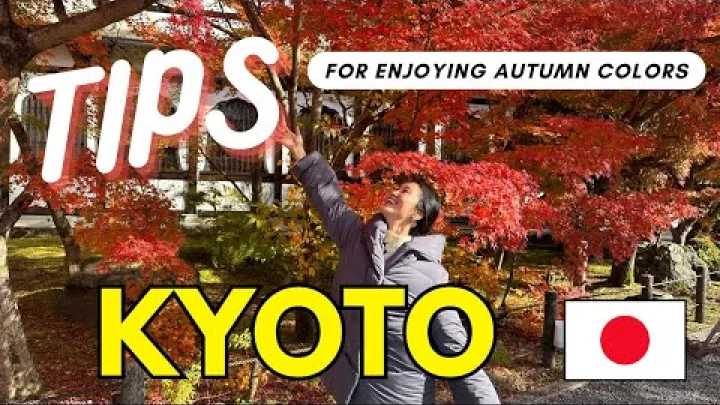
The best time to visit Kyoto depends on whether you value mild walking weather, cherry blossoms, autumn leaves, lower prices, or seasonal festivals. For most travelers, mid-April to mid-May and October offer the strongest balance of comfort and sightseeing. Late March to early April and mid-to-late November are better choices for peak seasonal scenery, but they also bring stronger demand. This guide compares Kyoto weather by month, rain and heat risks, crowds, costs, clothing, and practical city-stay planning.
Kyoto's Best Time to Visit at a Glance
Kyoto is a year-round destination, but its inland basin creates clear differences between cold winters, humid summers, and comfortable spring and autumn periods. Choose a broad season first, then adjust the exact dates to your main travel goal.
Best Overall for Comfortable Sightseeing
For comfortable temple visits, neighborhood walks, gardens, and cultural attractions, the best overall periods are usually mid-April to mid-May and October. Days are generally mild enough for long walks, while mornings and evenings are easier to manage than in winter or midsummer.
Mid-May can offer a better balance than the busiest early-April blossom period and the holiday-heavy start of May. Early to mid-October can also be more balanced than the peak autumn foliage period later in November. These are climate-based recommendations, not guarantees of dry or mild weather on every date. If quiet temples matter more than seasonal color, winter may be a better fit. If a festival is the priority, heat and crowd trade-offs may be worthwhile.
Best for Cherry Blossoms, Autumn Leaves, and Seasonal Scenery
The typical Kyoto cherry blossom window is late March to early April, while the strongest chance of autumn foliage is usually mid-to-late November. These periods are popular because the scenery can be exceptional, but timing differs by year, neighborhood, tree variety, garden, and elevation.
Peak scenery is not always the same as the best overall travel balance. Blossom and foliage peaks create more pressure on accommodation, transport, and famous temples. Travelers who want seasonal atmosphere with somewhat less demand can consider late April to May for fresh greenery or early December for the possibility of lingering autumn color.
Best for Lower Costs and Fewer Crowds
The period after New Year through February is commonly a quiet winter option for travelers who prefer temples, museums, food, and neighborhood exploration without peak seasonal demand. June and early July can also be less busy, although rain and humidity become more important. Mid-September is another possible shoulder-season window, but it can still feel warm and requires awareness of late-summer weather disruptions.
Prices are not fixed by month. Holidays, festivals, room type, booking timing, and current demand all affect the cost of a Kyoto stay. Think of these periods as generally lower-demand possibilities rather than guaranteed cheapest dates.
Kyoto Weather and Climate: The Planning Basics
Kyoto's climate affects not only what you pack but also how far you can comfortably walk between temples, stations, gardens, and traditional districts. Monthly averages are useful for choosing a travel window, while a current forecast is needed for daily decisions.
Kyoto's Inland Basin and Kansai Setting
Kyoto sits in an inland, mountain-fringed basin in the Kansai region. This setting contributes to pronounced seasonal contrasts. Summer heat and humidity can feel intense during a day of walking, while winter mornings and evenings can feel colder than a visitor expects from Kyoto's latitude.
Conditions in Kyoto should not be treated as identical to those in every nearby Kansai destination. Coastal areas, Lake Biwa, Osaka, and higher-elevation locations can have different wind, rain, temperature, or visibility conditions. Within Kyoto itself, the city center, the northern mountains, and areas such as Kibune may feel different. This matters when a city itinerary includes a northern or higher-elevation outing.
Kyoto Temperature and Rainfall Patterns
The table below gives rounded planning figures from the Kyoto station monthly climate statistics published by the Japan Meteorological Agency. Average low and high temperatures are shown in degrees Celsius, and precipitation is the approximate monthly total in millimeters. These are climate averages, not predictions for a particular trip, and precipitation totals do not show how many days will be wet.
| Month | Average low | Average high | Precipitation |
|---|---|---|---|
| January | About 1°C | About 9°C | About 51 mm |
| February | About 2°C | About 10°C | About 68 mm |
| March | About 5°C | About 14°C | About 113 mm |
| April | About 10°C | About 20°C | About 116 mm |
| May | About 15°C | About 25°C | About 150 mm |
| June | About 20°C | About 28°C | About 199 mm |
| July | About 25°C | About 32°C | About 224 mm |
| August | About 25°C | About 34°C | About 132 mm |
| September | About 22°C | About 29°C | About 176 mm |
| October | About 15°C | About 23°C | About 143 mm |
| November | About 9°C | About 17°C | About 69 mm |
| December | About 4°C | About 12°C | About 55 mm |
The broad pattern is straightforward: winter is cool and relatively dry, rainfall increases in spring, early summer is wetter and more humid, July and August are the hottest months, and autumn gradually becomes cooler. The figures are most useful for comparing months and planning layers, footwear, and the amount of outdoor walking you want to do.
Rainy Season, Typhoons, and Summer Heat
Kyoto's early-summer rainy season, called tsuyu, is different from the later risk of tropical storms. June and sometimes early July can bring frequent rain, cloud, and high humidity, but rainy-season weather is variable rather than continuously wet. July and August bring the greatest heat burden for long outdoor sightseeing, even when the rain is less persistent.
![Preview image for the video "Kyoto at 1:34 AM — 1 Hour Midnight Rain Before the Typhoon [4K 3D Binaural]".](/sites/default/files/styles/media_720x405/public/oembed_thumbnails/2026-08/iHVtHC_xD0Cp-8ILyZgzyhBdxN9jf4Z6W1Gwz4zgfM4.jpg.webp?itok=0IEl6-yM "Preview image for the video \"Kyoto at 1:34 AM — 1 Hour Midnight Rain Before the Typhoon [4K 3D Binaural]\".")
Typhoons and other tropical systems can affect Kyoto in late summer and early autumn. Kyoto is inland, but it can still experience heavy rain, strong winds, flooding concerns, or transport disruption when a system affects the region. A typhoon is not an everyday summer condition, so the practical approach is to distinguish ordinary humid weather from a developing severe-weather event. The JMA Tropical Cyclone Information map provides current information about cyclone locations, routes, and related wind-probability data.
Climate Averages Versus Live Forecasts
Climate normals help you decide whether January, May, or October suits your preferences. They cannot tell you whether a particular temple visit will be rainy, whether a hot spell will occur during your dates, or whether a storm will affect transport.
Use a simple three-step process:
- Use monthly averages to choose a broad season and decide what type of clothing and itinerary you can accept.
- Use the current JMA Kyoto forecast for near-term temperatures, rain, warnings, and advisories in the Kyoto Southern Region forecast area.
- During the trip, respond to current warnings and advisories rather than relying on the climate table.
Kyoto Month by Month: January to March
Winter transitions into spring gradually in Kyoto. The first quarter suits travelers who can accept cool conditions and want cultural experiences without the strongest blossom-season demand.
January: Cold, Relatively Dry, and Quiet After New Year
January is cold, with average low temperatures near freezing and cool daytime conditions. It is also among the relatively drier months in the climate pattern. Mornings and evenings can feel especially cold when walking between stations, temple grounds, and traditional streets.
The New Year period is different from the rest of the month. Domestic travel, temple visits, holiday schedules, and some business closures can affect a city stay. After that period, Kyoto often feels quieter, making January useful for travelers focused on museums, food, architecture, and calm cultural visits rather than blossoms or autumn color.
Pack a warm coat, insulating layers, warm socks, and comfortable winter footwear. Snow is possible, but visitors should not assume that every winter produces snow-covered temples or lasting accumulation.
February: Cold Low Season for Quiet Cultural Trips
February remains one of Kyoto's coldest periods. Precipitation is generally modest compared with the early-summer and midsummer pattern, but winter weather can still include rain, cold wind, or occasional snow. The main practical challenge is not usually prolonged sightseeing in one place, but moving between outdoor areas in low temperatures.
This month suits travelers who prioritize quiet temples, gardens, museums, markets, restaurants, and indoor cultural activities over flowers and foliage. It is commonly a lower-demand period, although the cheapest rate is never guaranteed in every hotel or booking market.
Insulated layers are useful because a cold outdoor visit may be followed by a heated train, shop, restaurant, or attraction. A warm mid-layer that can be removed indoors is more practical than relying on one very heavy garment.
March: Cool Spring Transition and Variable Blossom Timing
March marks a gradual move from winter to spring. Afternoons become milder, but mornings and evenings can remain cool, and conditions can change quickly during a walking day. Rainfall also increases from the winter pattern, although March is not usually as wet as the main rainy-season months.
Late March can enter Kyoto's cherry blossom period, while the beginning of the month usually feels more like a cool winter-to-spring transition. Bloom timing varies by year and site, so a late-March booking has a different level of blossom uncertainty from an early-April trip. As blossom likelihood increases, accommodation demand and planning pressure generally increase as well.
Bring flexible layers, a light waterproof outer layer, and shoes that remain comfortable if paths are damp. March is a good choice for travelers who want a chance of early spring scenery without committing the entire trip to peak blossom conditions.
Kyoto Month by Month: April to June
These months cover Kyoto's most popular spring conditions and the transition into humid, greener weather. They also show why the most comfortable climate does not always mean the fewest visitors.
April: Mild Weather, Cherry Blossom Peak, and Heavy Demand
April is one of the most comfortable months for walking in Kyoto. Daytime temperatures are often mild, while mornings and evenings remain cool enough to require an extra layer. The combination of comfortable weather and spring scenery makes early April one of the most sought-after travel periods.
The strongest cherry blossom demand often centers on the late-March to early-April window, although individual sites can differ. Late April also approaches Golden Week, a major domestic holiday period that can raise demand and affect transport and accommodation availability. Travelers seeking a calmer balance may prefer the later part of April outside the busiest holiday dates, but the exact scenery will depend on the year.
Light layers, a compact rain jacket, and comfortable walking shoes are practical. Comfortable temperatures should not be confused with low crowds: April can be easy on the body and demanding on reservations at the same time.
May: Warm Greenery and a Better Shoulder-Season Balance
May is warm but generally manageable for outdoor sightseeing, especially after the holiday-heavy start of the month. The period after Golden Week can provide a better crowd balance than early April while retaining good conditions for temple districts, gardens, and neighborhood walks.
Late-blooming cherry varieties, including yaezakura, and fresh green maple leaves provide seasonal interest after the main sakura rush. The Kyoto guidance from Japan Travel also highlights late April to May for these later blossoms and fresh greenery.
Rainfall increases as summer approaches, but the main rainy-season pattern is not yet at its strongest. Pack breathable clothes with a light jacket or overshirt for cooler periods, plus basic rain protection. Mid-May is one of the strongest choices for travelers who want a comfortable Kyoto city stay without making peak cherry blossoms the central goal.
June: Rainy Season, Lush Gardens, and Flexible Days
June is commonly influenced by tsuyu, bringing more rain, cloud, and humidity than spring. Rain does not necessarily last all day or occur every day, but wet conditions are common enough to affect how much outdoor walking feels enjoyable.
The reward is lush greenery and an atmospheric garden experience. Mossy landscapes, hydrangea-season scenery, shaded paths, and wet-stone temple grounds can appeal to travelers who value mood and vegetation more than clear skies. June can therefore be a specialized low-demand choice rather than a universally poor month.
Pack breathable clothing, a compact umbrella, water-resistant footwear, and protection for electronics. Build an itinerary that can alternate outdoor gardens and temple areas with museums, shops, cafes, or other indoor stops.
Kyoto Month by Month: July to September
Midyear travel requires more deliberate scheduling because heat, humidity, rain, festivals, and tropical-weather uncertainty can all affect the experience. Cultural events may make the trade-off worthwhile for some visitors.
July: Heat, Humidity, and Gion Matsuri
July is hot and humid, and rainy-season conditions may continue during the earlier part of the month. Long periods of walking through exposed streets or temple grounds can feel tiring, particularly when combined with hills, stairs, and limited shade.
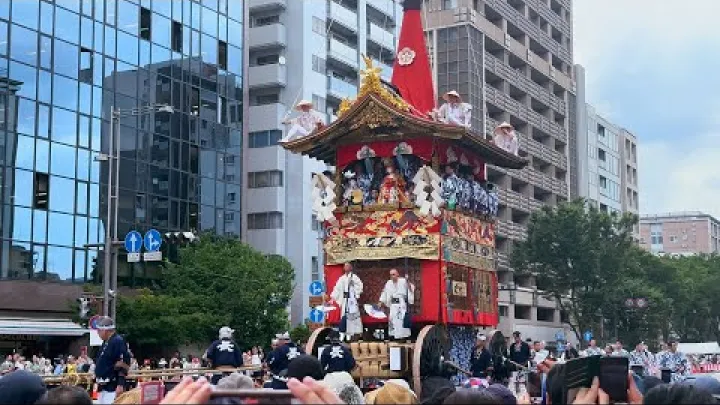
Gion Matsuri is the main cultural reason some travelers deliberately choose July. Festival activity changes the character of parts of Kyoto and can create different local crowd patterns from ordinary summer sightseeing. The event's cultural appeal should be weighed against the difficult conditions for extended daytime walking.
Travelers visiting in July often benefit from shorter outdoor loops, midday indoor breaks, and an itinerary that gives priority to atmospheric or cultural experiences rather than trying to cover every major district on foot. Light, breathable clothing and reliable rain protection are more useful than heavy sightseeing layers.
August: Kyoto's Hottest Month and Obon Crowds
August is usually Kyoto's most demanding month for heat and humidity. Average high temperatures are the year's highest, although rainfall may be less persistent than during June or the earlier part of July. Even when the sky is clear, a full day of outdoor sightseeing can create a substantial heat burden.
Obon can alter domestic travel demand, and late-summer storms can affect plans. August can be managed with preparation, but it is not the best choice for travelers whose main priority is mild weather.
Schedule outdoor visits for early morning or later afternoon, use shaded and indoor periods during the hottest part of the day, and take regular hydration and cooling breaks. Wear breathable clothing, use sun protection, and check official heat guidance before a strenuous sightseeing day. Treat unusual heat as a reason to reduce walking and change the order of activities rather than simply pushing through the original plan.
September: Cooling Shoulder Season with Typhoon Awareness
September often begins warm and humid, with more comfortable conditions developing later in the month. It can be a useful shoulder-season choice before the main autumn foliage demand, especially for travelers who prefer greenery and a quieter atmosphere to peak leaf color.
The trade-off is greater uncertainty from late-summer and early-autumn tropical systems. Storm risk is not certain for every September trip, but a developing system can affect trains, flights, roads, and access to outdoor sites. Use official tropical-cyclone information during this period and retain flexibility for transport or itinerary changes.
Pack breathable clothes for warm afternoons, along with a light layer for cooler evenings and rain protection. A flexible sequence of indoor and outdoor activities is more practical than planning every day around distant or weather-sensitive excursions.
Kyoto Month by Month: October to December
Autumn brings lower humidity, cooler evenings, and a gradual rise in demand as foliage develops. December then shifts Kyoto into early winter, with seasonal evening atmosphere and year-end schedule changes.
October: Comfortable Autumn Weather Before Peak Foliage
October is a strong all-round month for Kyoto. Days are often warm enough for comfortable walking, evenings are cool, humidity is lower than in summer, and the climate is generally well suited to temple districts, gardens, and long neighborhood walks.
Much of October can occur before peak foliage in Kyoto, which may help travelers avoid the most intense autumn demand. Some higher or more sheltered locations may begin changing earlier, but Kyoto neighborhoods do not all reach peak color together. October is especially suitable for travelers who value comfort more than seeing the most vivid possible leaf display.
Pack long sleeves, light jackets, and adaptable layers. A small rain layer remains useful because autumn is not completely dry, while comfortable walking shoes are important for combining several districts in one day.
November: Peak Autumn Colors and High Demand
November brings crisp, cooler conditions and a lower precipitation pattern than the early-autumn months. It is often one of the most rewarding months for walking, gardens, and temple visits if you prefer cool air and seasonal color.
Mid-to-late November is commonly associated with Kyoto's strongest foliage demand. Eastern temple areas, major gardens, and Arashiyama can become particularly busy when leaves are at their most attractive. Peak scenery brings a trade-off: accommodation and popular-site pressure are usually greater than during ordinary autumn weeks.
Use layered clothing, including a warmer outer layer for mornings and evenings. Foliage timing varies by year, location, tree type, and elevation, so November should be viewed as a strong seasonal probability rather than an exact site calendar.
December: Early Winter, Illuminations, and Year-End Changes
December marks the transition into early winter. Early in the month, some autumn atmosphere may remain in selected locations, while the latter part generally feels colder, especially after sunset. Precipitation is relatively low compared with June, July, and September.
Temple light-ups and evening seasonal atmosphere can make December appealing even without autumn color. Plan for cold nighttime walks and use warm layers rather than relying only on mild daytime temperatures.
Late December and New Year create a different travel experience from the quieter middle of the month. Demand, business hours, temple activity, and closures can change around the year-end holidays. Do not assume that a specific illumination or late-season foliage display will be available on every date.
Choosing the Best Time to Visit Kyoto by Travel Goal
There is no single best month for every traveler. Match the date range to the experience you value most, then accept the weather and demand trade-offs that come with it.
Cherry Blossoms and Spring Gardens
Choose late March to early April if cherry blossoms are the main reason for your Kyoto trip. This period offers the strongest general chance of seeing the classic spring landscape, with possible settings around the Philosopher's Path, Maruyama Park, and Kiyomizu-dera.
Late-blooming varieties provide an alternative after the central sakura period. Late April to May can bring yaezakura and fresh green maple leaves, creating a different but still distinctly seasonal experience with a potentially better balance than peak blossom dates.
Bloom timing varies from year to year and from site to site. Before committing to fixed dates, consult current Kyoto blossom updates from the city, individual temples and gardens, or local tourism organizations. Use those updates for specific sites rather than treating a general Kyoto blossom report as a guarantee for every neighborhood.
Autumn Foliage, Gardens, and Outdoor Walks
Choose mid-to-late November if peak autumn color is your central goal. Eastern Kyoto temple areas and Arashiyama, including the famous bamboo grove area, are examples of the type of landscape many foliage-focused visitors want to experience.
Early December can be a possible lower-pressure alternative if some autumn color remains, while October is usually the better choice for travelers who want comfortable walking weather without needing peak foliage. Cooler air supports long walks, but demand rises at major gardens and temples when color is strongest.
Do not assume that all sites peak at the same time. Differences in tree species, exposure, and elevation mean that one garden may be colorful while another is still changing or already past its best display.
Culture, Walking, and Nearby Nature
Mid-May and October are strong choices for a balanced city stay involving temple districts, gardens, shopping streets, food, museums, and neighborhood walks. Both periods usually make it easier to spend several hours outdoors without the cold of winter or the strongest summer heat.
June suits travelers who enjoy lush, atmospheric landscapes and can accept rain and humidity. Winter is better for visitors who prioritize quiet cultural experiences, indoor attractions, food, and a slower pace over seasonal color.
Northern Kyoto and places such as Kibune can provide a greener or cooler contrast to the central city, but they should not be treated as having identical conditions. The northern mountains and higher areas may feel cooler and have different rain or access conditions. Allow more time and consider local transport when adding them to a city itinerary.
Budget, Quiet Travel, and Festival Trips
For a quieter trip, compare the period after New Year through February, June and early July, and mid-September. Each has a different central trade-off:
- Winter: colder conditions, but a strong fit for quiet cultural sightseeing.
- June and early July: rain and humidity, balanced by greenery and potentially lower demand.
- Mid-September: warm conditions and possible storm uncertainty before the main autumn rush.
July may be worthwhile for travelers specifically interested in Gion Matsuri, while late December to early January may appeal to visitors seeking New Year temple traditions. These are deliberate festival or holiday choices, not general recommendations for comfort or low prices. Demand and closures can be significant around major events.
Crowds, Prices, and Practical Kyoto City-Stay Planning
Weather is only one part of choosing Kyoto dates. A comfortable month can still be difficult to book, while a rainy or cold month can be attractive if you value space, flexibility, and lower seasonal demand.
How Crowds and Prices Shift Through the Year
Kyoto's main demand peaks usually include the core cherry blossom period, Golden Week, peak autumn foliage, Obon, and the New Year period. Popular temple areas, scenic streets, and accommodation near central transport hubs can feel especially pressured during these times.
Generally quieter possibilities include mid-January through February, June, and mid-September. A simple comparison is:
- Peak demand: strongest seasonal scenery, festivals, or holidays, with more pressure on rooms and popular sites.
- Shoulder season: a compromise between weather, scenery, availability, and visitor levels.
- Lower demand: more potential flexibility, but a clearer trade-off such as cold, rain, heat, or storm uncertainty.
Accommodation and transport costs depend on current demand, event schedules, room type, and how early or late you book. Compare current availability and prices for your exact dates instead of relying on a permanent claim that one month is always cheapest.
What to Wear and Pack by Season
Winter calls for a warm coat, insulating layers, warm socks, and footwear suitable for cold or damp paths. Spring and autumn are easier with light layers, long sleeves, a light jacket, and comfortable shoes for extended walking. October evenings and November mornings may require a warmer outer layer than the daytime forecast suggests.
Summer clothing should be breathable and light, with sun protection and shoes that remain comfortable in humidity. Rainy-season travel is easier with a compact umbrella, water-resistant footwear, and a protective pouch or cover for electronics.
Adaptable layers are useful throughout the year. Kyoto days often move between outdoor temple grounds and indoor trains, shops, restaurants, museums, or attractions with heating or air conditioning. A flexible system is more useful than packing only for the average afternoon temperature.
How Rain and Heat Change a Day in Kyoto
Rain changes the practical experience of walking between temple grounds, gardens, shopping streets, and neighborhoods such as Higashiyama and Arashiyama. Slippery paths, wet umbrellas, and slower movement can make an ambitious outdoor route feel much longer. Group nearby outdoor stops together and leave room for an indoor break rather than crossing the city repeatedly.
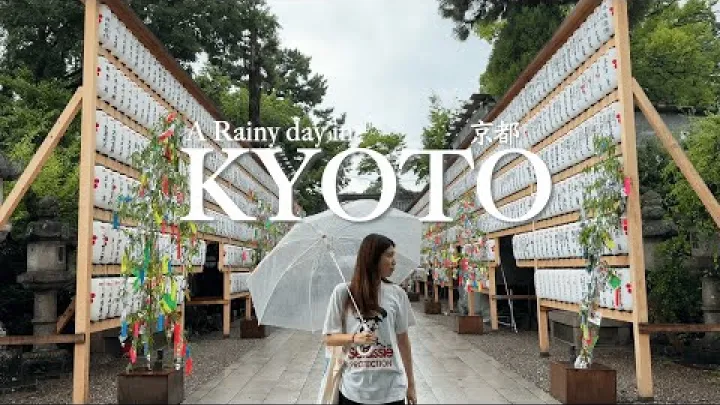
On hot days, visit exposed outdoor landmarks early, use shaded areas where available, and plan indoor activities during the hottest part of the afternoon. Museums, shops, cafes, and other cultural stops can provide useful pauses between temple or garden visits.
For either rain or heat, mix outdoor landmarks with indoor options. This keeps one weather change from cancelling the entire day while preserving the main character of a Kyoto itinerary.
Booking and Venue-Access Checklist
Peak blossom, foliage, holiday, and festival periods need more advance attention to accommodation and transport availability than lower-demand periods. There is no universal booking lead time, so the right approach depends on demand for your dates and the type of room or connection you need.
Before finalizing the itinerary, verify current:
- Accommodation availability and cancellation conditions.
- Transport schedules and access to northern or higher-elevation areas.
- Opening hours and seasonal closures for temples, gardens, museums, and other venues.
- Reservations, admission arrangements, and any restrictions at specific sites.
- Illumination schedules, festival arrangements, and event dates.
- Indoor alternatives near each major outdoor part of the itinerary.
This checklist connects your chosen season to the details that can change the experience. It is especially important when a trip depends on one event, one foliage location, or a fixed sequence of temple visits.
Conclusion: Match Your Kyoto Dates to Your Priorities
For the best overall balance, start with mid-May or October. Choose late March to early April for the strongest cherry blossom focus and mid-to-late November for peak autumn scenery, accepting higher demand. Choose winter for quiet cultural travel, June for lush rainy-season atmosphere, July for Gion Matsuri, or September for a shoulder-season visit with storm awareness. Once you select the season, use climate averages for broad planning and current official information for the dates, weather, access, and events that shape your actual Kyoto stay.
Select area
Create a post
Posting is free and no registration is required.