Where to Stay in Kyoto: Best Areas for First-Time Visitors
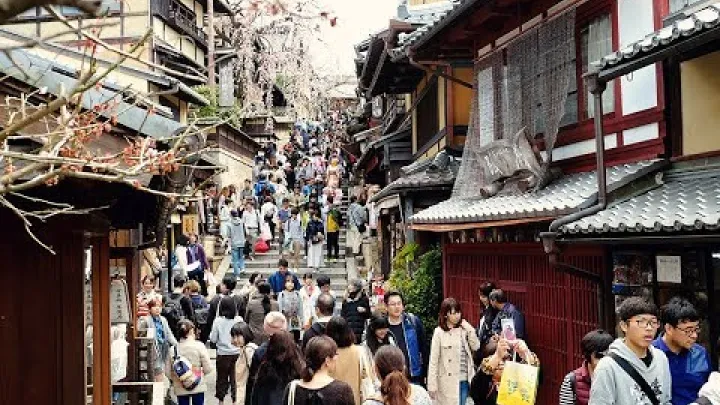
Where to stay in Kyoto depends less on finding one perfect hotel and more on choosing a base that matches your daily plans. For most first-time visitors, Downtown Kyoto around Shijo and Kawaramachi is the most flexible choice because it combines dining, walkability, sightseeing access, and city transport. Southern Higashiyama, Kyoto Station, Central Kyoto, Northern Higashiyama, and Arashiyama can be better for more specific priorities. This guide compares the main areas, accommodation types, booking decisions, and Kyoto-versus-Osaka options so you can choose a practical base with clear expectations.
Where to Stay in Kyoto at a Glance
Kyoto's attractions are spread across several districts, so the best place to stay depends on which journeys you want to make easy. A useful first step is to choose between city convenience, historic atmosphere, rail access, quiet surroundings, and nature. A current first-time visitor comparison from Bon Traveler also places Downtown Kyoto and Southern Higashiyama among the strongest starting points for many visitors.
The Best Default Base for Most First-Time Visitors
Downtown Kyoto around Shijo and Kawaramachi is the best default base for most first-time visitors. It offers a broad mix of restaurants, shops, markets, riverside walks, and urban transport. From this area, you can combine walking with local trains, subway services, buses, or taxis according to the day's sightseeing plan. It is especially useful when your group wants different things in the evening, such as dinner, shopping, a quiet walk beside the Kamo River, or a drink near Pontocho.
This is a practical default, not a universal winner. Southern Higashiyama may suit you better if your main goal is historic streets and temple access. Kyoto Station is more suitable when regional rail travel is central to the itinerary. Central Kyoto offers a calmer city base, while Northern Higashiyama and Arashiyama work well for visitors who value gardens, greenery, or a slower pace.
After choosing an area, compare properties within that area by their actual location. A hotel with a strong reputation can still be inconvenient if it is far from your preferred evening route, requires more transfers than expected, or has a room arrangement that does not fit your group. In Kyoto, the neighborhood decision often matters more than choosing accommodation by name alone.
Choose by Your Main Travel Priority
Use your main priority as the first filter, then compare the exact property location with your sightseeing plan:
- First Kyoto-focused visit: Start with Downtown Kyoto or Southern Higashiyama. Downtown favors restaurants and flexible transport; Southern Higashiyama favors historic scenery and temple walks.
- Rail day trips or a simple arrival: Choose Kyoto Station, particularly if regional train travel is a major part of the trip.
- Calmer evenings: Compare Central Kyoto and Northern Higashiyama. Central Kyoto offers a balanced urban setting, while Northern Higashiyama is more focused on temples, gardens, and walking.
- Nature or a traditional retreat: Consider Arashiyama, especially for a ryokan, onsen-oriented stay, or split itinerary.
- Evening dining and walkability: Downtown Kyoto is usually the most versatile starting point because restaurants, shopping, Nishiki Market, Pontocho, and the Kamo River are close to one another in the wider area.
- Lower-cost accommodation: Compare hostels, capsule hotels, business hotels, and apartment-style rooms across Downtown Kyoto, Kyoto Station, and Central Kyoto instead of assuming that one district is always the cheapest.
Kyoto attractions are not concentrated in one compact visitor zone. Choosing a base reduces the type of travel you least want to repeat, whether that is a late return after dinner, a long transfer to a day-trip station, or a daily walk through crowded approaches to a temple.
How Kyoto's Districts Change Your Stay
The names used by travelers are useful booking shortcuts, but they describe different experiences. Downtown Kyoto is a modern central area, Southern and Northern Higashiyama are eastern sightseeing zones, Central Kyoto surrounds important historic sites in a quieter city setting, Kyoto Station is a southern transport hub, and Arashiyama is a nature-focused area in the west. Understanding this geography helps you avoid booking a room that sounds central but does not match your itinerary.
Understand Kyoto's Sightseeing Geography Before Booking
Think of Kyoto as a group of connected bases rather than one single center. Downtown Kyoto around Shijo and Kawaramachi is the main choice for restaurants, shopping, and flexible urban movement. Southern Higashiyama and Gion extend east toward Kiyomizu-dera and Yasaka Shrine, with historic streets and temple approaches. Northern Higashiyama continues toward the Path of Philosophy, Nanzen-ji, Eikan-do, and Ginkaku-ji.
Central Kyoto lies around Nijo Castle and the Kyoto Imperial Palace. It is still within the central city but feels less focused on the preserved lanes associated with Gion. Kyoto Station is a major rail hub in the south of the city. It is convenient for arriving with luggage and for regional travel, but it is not the same as staying near Downtown Kyoto's dining and evening areas. Arashiyama is farther west and has its own concentration of riverside scenery, bamboo, and temples.
Your base affects more than the first journey of the day. It determines whether returning for a midday break is realistic, how easily you can find dinner near your room, how much walking is involved after a bus or train ride, and whether your evenings feel urban, historic, residential, or subdued. Look at the property on a map and compare it with your actual list of sights rather than relying only on a broad district label.
Compare Transport Access, Walkability, and Nighttime Atmosphere
Downtown Kyoto is the most balanced area for travelers who want to walk between several kinds of evening activity and connect to different parts of the city. Its subway and private-rail connections can be useful, while the dense street pattern gives you many dining choices. Southern Higashiyama is more pedestrian-focused. Walking through historic streets is part of the experience, but temple approaches can be narrow, crowded, uphill, or uneven.
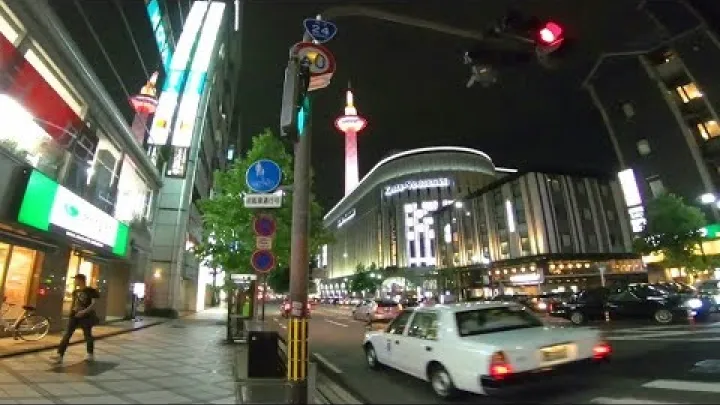
Kyoto Station prioritizes rail access. It is a practical base for people who want to begin or end the day at the station, while Central Kyoto offers a middle ground between city access and quieter streets. Northern Higashiyama is attractive for walking between temples and gardens, but it does not provide the same concentration of rail connections and evening restaurants as Downtown Kyoto. Arashiyama has a more subdued evening pattern and works best when the surrounding nature and temples are part of the reason for staying there.
Atmosphere is also a transport decision. Downtown Kyoto feels lively and convenient, Southern Higashiyama feels historic and intimate, Central and Northern Higashiyama are generally calmer in character, Kyoto Station feels modern and practical, and Arashiyama feels more like a retreat. These are broad descriptions, not guarantees for every street or property. A short distance on a map can still become a longer journey when crowds, buses, narrow roads, or uneven walking routes are involved.
Consider Safety, Crowds, and Responsible Travel
Choose a Kyoto neighborhood for its practical fit, not because one area can be labeled objectively safest. Ordinary travel precautions remain sensible in every district: keep belongings secure in crowded places, pay attention when crossing streets, and make sure everyone in your group knows the accommodation address. Busy visitor nodes such as Kyoto Station, Nishiki Market, Arashiyama, and the approaches to Kiyomizu-dera may feel very different from quiet residential lanes.
Nighttime atmosphere also changes by location. Downtown and Pontocho have more evening activity, while some parts of Higashiyama, Central Kyoto, Northern Higashiyama, and Arashiyama become much quieter after sightseeing hours. A quiet street can be pleasant, but it may have fewer open businesses and less activity when you return. If you arrive late, carry the property address in a form you can show to a driver or use for navigation.
Kyoto's visitor areas are often close to homes, workplaces, and cultural sites. The official Kyoto Travel guide asks visitors to stay considerate of the local community while sightseeing. For your own nighttime routine, choose and follow a well-lit main route when returning to your lodging, especially if you are unfamiliar with the area or traveling alone. This is a practical route choice, not a claim that other streets are automatically dangerous.
Best Kyoto Areas for First-Time Sightseeing
For a first trip, the most useful comparison is between Downtown Kyoto and the eastern historic districts. The other areas can be excellent, but they become more attractive when your itinerary, travel style, or need for quiet makes their tradeoffs worthwhile.
Downtown Kyoto Around Shijo and Kawaramachi
Downtown Kyoto around Shijo and Kawaramachi is the most versatile place to stay in Kyoto for many first-time visitors. It puts you near a large choice of restaurants, shopping streets, Nishiki Market, the Kamo River, and Pontocho. This combination matters because Kyoto sightseeing often ends at different times each day. You can return from a temple visit, find dinner without another long journey, and adjust your evening plan according to energy and weather.

The area also supports a flexible mix of walking and public transport. You can walk through central streets, use urban rail connections for selected journeys, and choose buses or taxis when they better match the route. This makes Downtown Kyoto a useful base for a group with varied interests or for a short visit when you do not want to spend much of each day changing bases.
The tradeoff is atmosphere. Downtown Kyoto feels like a modern Japanese city, not a preserved historic district. The livelier streets can bring more activity and noise than Central Kyoto or Northern Higashiyama. If historic architecture outside your door matters more than restaurant choice and urban convenience, compare Southern Higashiyama or Gion instead. Within Downtown Kyoto, a property near a main road and one on a quieter side street may also provide different experiences, so consider the immediate surroundings as well as the area name.
Southern Higashiyama and Gion
Southern Higashiyama and Gion are strong choices for travelers who want historic streets, traditional architecture, temple access, and a distinctive cultural atmosphere. The area is associated with landmarks and routes around Kiyomizu-dera and Yasaka Shrine, as well as preserved-looking lanes and older buildings. Staying nearby can make it easier to walk through the eastern sightseeing area early in the day or after many day visitors have left.
This setting is most valuable when the atmosphere outside the accommodation is part of your reason for visiting Kyoto. It can suit couples, photographers, repeat visitors, and travelers who want a traditional base more than a central restaurant district. The lodging mix includes boutique hotels, ryokan, machiya, and other atmosphere-led stays, but the category name does not guarantee a particular bath, meal, room style, or service level.
The practical cost of the historic setting is more walking logistics. Narrow streets and pedestrian approaches can make movement with large luggage or small children less simple, and direct transport is less concentrated than in Downtown Kyoto. Gion is also a living residential and cultural district, not a stage set. Before booking there, read current visitor guidance from Kyoto Travel about conduct near homes and cultural places. Follow signs, avoid obstructing entrances, and do not treat private streets or working areas as tourist displays.
Central Kyoto Around Nijo Castle and the Imperial Palace
Central Kyoto offers a quieter compromise for travelers who want a city base without staying in the busiest dining and nightlife zone. The area around Nijo Castle and the Kyoto Imperial Palace has local-feeling streets, cafés, restaurants, and access to major historic landmarks. It can work well for families, longer stays, and visitors who prefer to return to a calmer neighborhood after a full day.
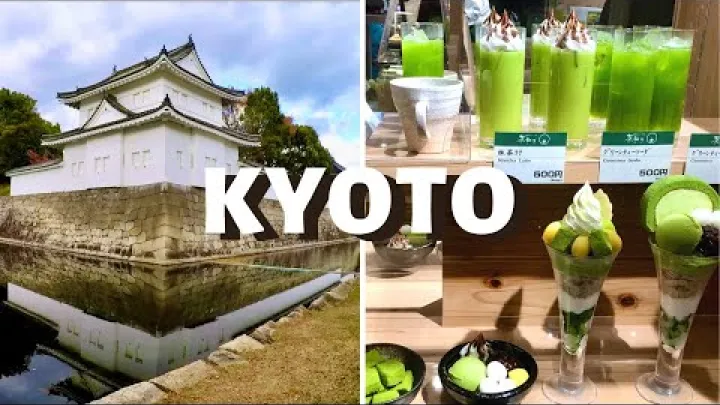
This district is balanced rather than specialized. It is not as immediately associated with preserved Gion lanes as Southern Higashiyama, and it does not provide the same concentration of evening activity as Downtown Kyoto. That can be an advantage if you value sleep and space, but a disadvantage if you want to step outside into a dense restaurant area each night.
Do not assume that Central Kyoto is always cheaper or always easier to reach. Rates and convenience depend on the property, the dates, and its position relative to public transport. Compare the actual walk to the nearest useful station or bus route with your planned sights, especially if you are traveling with children, carrying luggage, or planning frequent midday returns.
Best Kyoto Areas for Rail Access, Quiet, and Nature
These areas serve different purposes from the Downtown Kyoto default. Kyoto Station emphasizes regional movement, Northern Higashiyama emphasizes temple and garden walks, and Arashiyama emphasizes scenery and a slower stay.
Kyoto Station Area
Choose the Kyoto Station area when rail access is one of your main priorities. It is useful for a simple arrival or departure, regional day trips, and itineraries that begin with a train rather than a walk through central Kyoto. The station area has a broad mix of accommodation, including business hotels, larger conventional hotels, and apartment hotels.
The area is also practical for travelers who prefer a clear urban landmark when arriving with luggage. A large station can make the first and last day easier to organize, particularly when your accommodation is close to the station and your group has different departure plans. It can also provide a useful search area when Downtown Kyoto or Gion has limited availability.
The tradeoff is that Kyoto Station is modern and functional. The traditional streets, temple approaches, and evening atmosphere many visitors associate with Kyoto are not immediately outside every station-area property. A station address also does not mean that every sightseeing district is equally convenient. Compare your actual daily routes, not just the apparent advantage of being near a major rail hub.
Northern Higashiyama
Northern Higashiyama suits travelers who value greenery, temple architecture, gardens, and reflective walks over dense nightlife. Local anchors include the Path of Philosophy, Eikan-do, Nanzen-ji, and Ginkaku-ji. The area can be rewarding for repeat visitors, longer stays, and anyone who wants to spend several mornings or afternoons exploring eastern Kyoto at a slower pace.
The neighborhood's appeal is the relationship between accommodation and walking routes. You can build a day around temples, gardens, and quiet streets rather than treating the area as a short stop between transport connections. It can also provide a more subdued evening than Downtown Kyoto, although the experience varies by street, season, and time of day.
Transport and dining require more planning. There are fewer direct rail links and a smaller selection of evening restaurants than in Downtown Kyoto, so depending on the property you may rely more on walking, buses, bicycles, or taxis. Also distinguish between a property close to the main sightseeing path and one farther into the surrounding residential area. They may offer different levels of convenience even when both are marketed as Northern Higashiyama.
Arashiyama
Arashiyama is a strong choice for a nature-oriented retreat or a split stay. Its main anchors include the bamboo grove, Togetsukyo Bridge, riverside scenery, and a concentration of nearby temples. Travelers who choose a ryokan, onsen-oriented accommodation, or a slower hotel stay may enjoy giving this western district more time than a short daytime visit allows.
Staying in Arashiyama can create a different rhythm from staying in the central city. Morning walks, riverside scenery, and nearby temples are central to the experience, while evening activity is generally more subdued than in Downtown Kyoto. Morning and evening conditions can vary by season and time, so treat the possibility of a calmer experience as an advantage rather than a guarantee.
Arashiyama is less suitable as the only base for a short first visit focused on many different parts of Kyoto. Its relative distance from Downtown Kyoto means that cross-city sightseeing can require more planning, and the local evening restaurant selection is more limited than in the central areas. Check how the specific property connects to transport and where you will eat after returning from other districts. It may be ideal for two different types of stay when combined with a central base, but moving luggage creates its own work.
Choose the Right Type of Accommodation in Kyoto
The right accommodation type depends on how much service, privacy, space, flexibility, and traditional atmosphere you need. Choose the room setup together with the neighborhood; a low-cost room in an inconvenient location may not serve a budget itinerary well, while a larger apartment may be valuable even when its nightly rate is higher.
Hotels and Business Hotels for Simplicity
Conventional hotels suit short stays and travelers who value predictable check-in, a private bathroom, front-desk support, and a familiar room format. Business hotels can be particularly useful for solo travelers or couples who want a straightforward base rather than a large room or extensive on-site facilities. Conventional hotels cover a wide range of locations, from Downtown Kyoto and Kyoto Station to quieter parts of Central Kyoto.
Compare practical details rather than relying only on star categories. Important questions include how close the property is to a useful station or evening area, whether the room has enough space for your luggage, whether breakfast fits your schedule, how luggage handling works, and what the cancellation terms allow. A hotel near Kyoto Station may simplify a rail-heavy itinerary, while a Downtown Kyoto hotel may reduce evening transfers. A Central Kyoto property may be preferable when calmer surroundings matter more than immediate nightlife.
Room size, facilities, and price vary significantly by date, property, and room category. Do not treat a general hotel label as a promise about space or value. Compare the exact room offered for your dates with the needs of your group.
Ryokan, Machiya, and Resort-Style Stays
Choose a ryokan, machiya, or retreat-style stay when traditional design, cultural immersion, a slower pace, or a special couple's experience is more important than the easiest daily transport. Southern Higashiyama and Gion are natural areas to explore for atmosphere-led lodging, while Arashiyama can suit a more secluded or onsen-oriented stay.
These categories require careful reading because the name alone does not define the experience. A ryokan may use futon bedding, but bedding arrangements differ. Meals may be available, but they are not automatically included. A bath may be private, shared, or unavailable in the way you expect. Machiya properties may have stairs, house rules, limited front-desk hours, or a layout that is less convenient for guests with mobility needs.
Check meal schedules, bath arrangements, bedding, stairs, check-in times, and house rules before choosing this type of accommodation. Traditional atmosphere can come with less flexibility than a conventional hotel. That tradeoff is worthwhile when the stay itself is a central part of the trip, but it may be inconvenient for a schedule built around early trains, late dinners, or frequent cross-city travel. Treat resort-style accommodation as a property-specific retreat option rather than assuming that Kyoto has one standard resort format.
Hostels and Capsule Hotels for Lower Budgets
Hostels and capsule hotels can suit solo travelers, flexible travelers, and visitors who prefer to spend more of the budget on food, transport, and experiences. They are available in useful central and station-area search zones, but current rates and availability change substantially by date. A low headline price is only useful if the sleeping arrangement and location suit your trip.
Compare the actual format of the stay. A hostel may offer dormitory beds, private rooms, or both. A capsule hotel may provide more personal separation than a dormitory while still using shared facilities. Check whether bathrooms are shared, how lockers work, what quiet hours apply, and how much privacy the bed or capsule provides. These details matter for light sleepers, couples, older travelers, and anyone carrying valuable equipment.
Before booking, check baggage storage, the exact room type, age or gender policies, and cancellation conditions. Also consider the journey from the accommodation after an evening out. A budget room that requires an inconvenient return may cost more in time, transport, or comfort than its initial rate suggests.
Apartment Hotels and Serviced Accommodation for Families or Longer Stays
Apartment hotels and serviced accommodation can be useful for families, groups, and longer stays. Kitchens, multiple beds, and additional living space can make it easier to manage breakfast, snacks, laundry, and different sleep schedules. This format is especially attractive when a group wants more independence than a conventional hotel room provides.
MIMARU Hotels provides one current Kyoto Station example. Its official page describes a family-friendly apartment hotel about a five-minute walk from Kyoto Station, with rooms that can accommodate up to eight guests and kitchens in all rooms. This is an example of a property-specific offering, not a claim that every apartment hotel in Kyoto has the same capacity or facilities.
Use this checklist when comparing an apartment hotel:
- Confirm the maximum occupancy and whether the listed beds match your group's needs.
- Check the kitchen equipment, refrigerator, cooking tools, and dining space.
- Ask how laundry and cleaning work during the stay.
- Look for elevator access and consider stairs if anyone has mobility needs.
- Compare the location with your sightseeing plan, not only with the station name.
Booking Your Kyoto Accommodation
Good booking decisions combine season, location, room format, and cancellation flexibility. Start with the area that fits your itinerary, then compare the exact property and room rather than selecting the first available result.
Plan Around Season, Demand, and Availability
Kyoto accommodation can face strong demand during spring blossom and autumn foliage periods. One current Kyoto accommodation guide identifies March, April, May, October, and November as months when hotels and ryokan may be fully booked. Actual conditions vary by year and by dates within each month, but the pattern is useful for planning.
If your spring or autumn dates are fixed, reserve a cancellable room as soon as you know the dates and understand the cancellation deadline. This gives you a base while you continue comparing areas and room types. Flexible travelers can compare nearby dates, several Kyoto districts, and more than one accommodation category instead of treating Downtown Kyoto or Gion as the only acceptable choice.
Use relative price guidance rather than assuming a universal seasonal rate. Cost depends on the exact dates, property type, room capacity, demand, and location. A ryokan in a historic area, a family apartment near a station, a capsule bed, and a business hotel are not directly comparable even when they are listed for the same night. Look at the total cost for your group and the value of the location, not only the nightly figure.
Verify the Property Before You Reserve
The neighborhood name is only the beginning of the decision. Two properties marketed under the same area may differ greatly in street access, noise, room size, evening convenience, stairs, and transport connections. This is especially important for small hotels, ryokan, machiya, hostels, capsule hotels, and apartment hotels, where the operating format can vary widely.
Before payment, confirm the following details for the exact room and dates:
- Room and beds: Check the room category, number of beds, futon or standard bedding, maximum occupancy, and whether beds are shared or separated.
- Bathroom: Confirm whether it is private or shared, and read the description of any bath arrangement carefully.
- Check-in: Note reception hours, late-arrival rules, key collection, and what happens if your transport is delayed.
- Luggage: Check whether luggage storage is offered before check-in or after check-out and whether conditions apply.
- Meals and facilities: Confirm whether breakfast, dinner, kitchen equipment, laundry, or a bath is included, optional, or unavailable.
- Cancellation: Read the current cancellation deadline, payment schedule, and rules for changes or no-shows.
- Access: Consider the route from the nearest useful station or stop, the entrance, elevators, stairs, and the amount of walking with luggage.
Compare the official property page with the current booking listing when the description is unclear. Do not assume that an amenity or policy is standard for the accommodation category. Confirm the exact room type, bedding, bath arrangements, check-in rules, and cancellation terms in the current property listing before payment.
What to Do If Kyoto Is Fully Booked
If your preferred area is full, first expand the search within Kyoto. Downtown Kyoto and Gion are not the only workable bases. Check Kyoto Station, Central Kyoto, Northern Higashiyama, and other districts that still fit your itinerary. Changing the neighborhood may preserve the benefit of staying inside Kyoto while giving you more room choices.
If Kyoto inventory is unavailable or outside your budget, consider a nearby base. A current fallback guide from InsideKyoto identifies Osaka, Otsu, Nara, and Nagoya as possible alternatives. These are fallback bases, not equivalent Kyoto neighborhoods. They can solve availability, but they may change the rhythm of your trip.
Compare the possible savings or availability benefit with the extra travel, luggage handling, dinner plans, late return options, and number of days you will spend sightseeing in Kyoto. A cheaper room may not be better value if the location makes every Kyoto evening more complicated. Conversely, a nearby city can be a sensible choice when Kyoto prices are unusually high or the itinerary already includes substantial regional travel.
Kyoto or Osaka: Which Base Fits Your Itinerary?
The Kyoto-versus-Osaka decision is mainly an itinerary decision. Kyoto offers local atmosphere and easier access to Kyoto's own early and late hours, while Osaka or another nearby city may offer more availability or fit a broader regional trip. Decide after comparing the whole schedule, not just the room price.
Choose Kyoto for a Kyoto-Focused Trip
Stay in Kyoto when the main purpose of the trip is to experience Kyoto's districts, historic streets, temples, gardens, local restaurants, and evening atmosphere. A Kyoto base makes it easier to start sightseeing early, return for a break, and remain near the city when a temple or neighborhood is especially enjoyable. It also avoids adding an intercity journey to days that already include several local transfers.
Within Kyoto, choose according to the type of convenience you want. Downtown Kyoto is the broad default for dining, walking, and flexible city movement. Southern Higashiyama is better when historic atmosphere and eastern temple access are the main priorities. Kyoto Station is better when regional rail travel, arrival, or departure simplicity matters most.
For a short trip, one suitable Kyoto base is often simpler than splitting nights between Kyoto and Osaka. Moving means packing, checking out, storing or carrying luggage, and adapting to a second location. A single base is not always best, but it usually gives a short Kyoto-focused itinerary more usable sightseeing time.
Choose Osaka or Another Nearby Base as a Fallback
Osaka or another nearby city becomes practical when Kyoto is fully booked, available rooms do not meet your budget, or the trip already includes substantial travel around the Kansai region. It can also make sense when your group prefers a larger city environment and plans to divide its time between Kyoto, Osaka, and other destinations.
Before choosing an outside base, calculate the complete door-to-door journey for each important day. Include the walk from the accommodation to the station, the rail journey, transfers, the route to the first sight, and the return after dinner. Also consider luggage, late return options, total accommodation and transport cost, and the effect on early sightseeing or an early departure. Do not rely on a simple map distance or an approximate journey range when the decision depends on a specific train connection.
Nearby accommodation can solve a booking problem, but it may reduce the convenience and local feeling of staying inside Kyoto. Check current transport schedules before payment, especially if your plans include late dinners, early temple visits, or a departure at the beginning of the day. Choose the outside base only when its availability, price, or regional position clearly outweighs the additional travel.
Final Recommendation for Where to Stay in Kyoto
For most first-time visitors, start your search in Downtown Kyoto around Shijo and Kawaramachi. It is the strongest all-purpose base for restaurants, shopping, Nishiki Market, Pontocho, the Kamo River, walking, and flexible city transport. Choose Southern Higashiyama or Gion when historic atmosphere and temple access matter more than broad transport convenience; choose Kyoto Station for rail-heavy travel; choose Central Kyoto or Northern Higashiyama for a calmer stay; and choose Arashiyama for nature, a ryokan experience, or a split stay.
Then match the accommodation type to your trip. Select a conventional hotel for simplicity, a ryokan or machiya for atmosphere, a hostel or capsule hotel for a lower-cost and social format, and an apartment hotel for family space or a longer stay. Finally, compare the exact room, access, facilities, check-in rules, and cancellation terms. The best place to stay in Kyoto is the base that makes your most important days easier, not simply the property with the most attractive description.
Select area
Create a post
Posting is free and no registration is required.