Nagano Budget: Daily Travel Costs, Prices, and Ways to Save
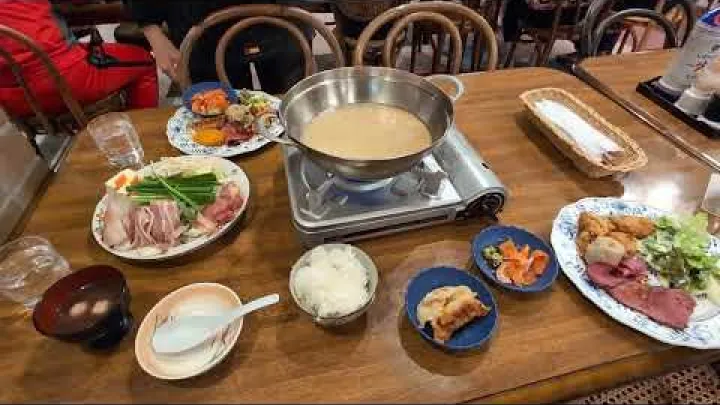
Nagano can be an affordable cultural destination or one of Japan’s more expensive winter resort trips. A few days based near Nagano Station or Matsumoto may fit a modest daily budget, while Hakuba Valley, Nozawa Onsen, and Shiga Kogen can cost much more once lodging, lift passes, rentals, and mountain meals are included. This guide explains typical Nagano travel costs in Japanese yen, compares city, onsen, rural, and ski bases, and shows how to build a realistic trip budget. The figures are planning ranges, not guaranteed quotes, so use them to compare choices before booking.
How Much Does a Nagano Trip Cost?
The most useful Nagano budget depends on the type of trip rather than on a single average price. A temple and castle itinerary has different cost drivers from a ski holiday or an onsen-focused stay. The broad planning framework below follows the kind of budget-conscious Nagano travel approach described by KKday, while the detailed ranges are organized for practical planning.
Daily Budget Ranges for Budget, Mid-Range, and Comfortable Travel
For a culture-focused trip based in Nagano City, estimate the following amount per person per day on the ground. The figures exclude international flights and are easiest to use when accommodation is converted to a per-person share.
| Travel style | Daily total | Accommodation | Food | Transport | Activities and extras |
|---|---|---|---|---|---|
| Budget | ¥8,000–¥14,000 | ¥2,500–¥6,000 | ¥2,800–¥3,700 | ¥300–¥1,000 | ¥400–¥2,000 |
| Mid-range | ¥15,000–¥25,000 | ¥6,000–¥12,000 | ¥6,000–¥12,000 | ¥500–¥2,500 | ¥1,000–¥3,000 |
| Comfortable | ¥25,000–¥40,000+ | ¥12,000–¥20,000+ | ¥8,000–¥15,000+ | ¥1,000–¥4,000+ | ¥2,000–¥5,000+ |
These ranges assume ordinary city sightseeing, meals, and local transport. A peak-season ski day can exceed the comfortable band by itself when the lift ticket, equipment rental, lesson, mountain lunch, and resort transfer are combined. Hakuba Valley, Nozawa Onsen, and Shiga Kogen are especially sensitive to winter demand, and a private room near a gondola or lift can move the total well above a normal Nagano City budget.
Use the ranges as a starting point in yen. The exchange rate, booking date, occupancy, meal inclusions, and cancellation conditions can all change the amount shown in a foreign currency. Treat the figures as approximate planning estimates, check dated prices before paying, and keep a separate contingency amount for unexpected transfers, weather-related changes, or higher prices during busy periods.
What the Daily Budget Includes and Excludes
An on-the-ground daily budget normally includes the following:
- Accommodation for one night, divided by the number of people sharing the room when appropriate.
- Breakfast, lunch, dinner, drinks, snacks, and small grocery purchases.
- Local trains and buses within the chosen base, plus ordinary sightseeing.
- Routine attraction admissions and small incidental spending.
Keep these costs separate from the daily figure:
- Travel to and from Nagano, such as the Hokuriku Shinkansen from Tokyo or a highway bus.
- Long regional journeys, airport transfers, taxis, and a rental car.
- Ski lift passes, equipment, clothing, lessons, lockers, and resort transfers.
- Travel insurance, major shopping, nightlife, and premium meals.
Room prices and person-based budgets are not directly comparable. A ¥12,000 room may be reasonable for two people but expensive for one person, while a ryokan may display a per-person price that includes dinner and breakfast. Families should also check child rates, bedding rules, and whether a room can accommodate everyone without booking an additional unit.
A Simple Formula for Your Total Nagano Trip Budget
Use this formula to turn the daily estimate into a trip budget:
Total trip budget = daily on-the-ground spending × number of days + arrival and departure transport + regional excursions + activity equipment and lessons + contingency.
For a cultural trip, calculate the daily amount first, then add the Tokyo-Nagano fare, any Nagano-Matsumoto or Yudanaka excursion, and paid admissions. For a ski trip, treat lodging, lift access, rentals, and lessons as separate advance costs because they can dominate the total before food is considered.
For example, a three-day city itinerary can begin with three times the budget or mid-range daily band. A seven-night ski itinerary should instead list seven nights of lodging, five ski days, five lift-pass costs, rental days, any lesson days, meals, local transfers, and the arrival journey. Keep the working calculation in yen and convert it to your home currency only as a changeable reference.
Accommodation Costs by Nagano Base
Where you sleep changes both the nightly rate and the amount you spend getting around. A station-centered room may cost more than a distant property but reduce taxi, shuttle, and transfer expenses.
Nagano City and Matsumoto for Lower-Cost Cultural Trips
Nagano City and Matsumoto are usually practical bases for travelers who want temples, castles, restaurants, and rail connections without paying a peak ski-resort premium. Around Nagano Station, Zenkoji Temple, Matsumoto Station, and Matsumoto Castle, use these approximate planning levels:

| Stay type | Planning range | Price unit to check | Best use |
|---|---|---|---|
| Hostel bed | ¥5,000–¥9,000 | Per bed per night | Solo travelers and shared-room trips |
| Simple private stay | About ¥5,000–¥9,000 in selected lower-cost examples | Usually per room per night | Couples or travelers wanting privacy |
| Business hotel | About ¥9,000–¥14,000 | Usually per room per night | Convenience, private facilities, and station access |
These are indicative city planning ranges rather than citywide averages. One Agoda listing snapshot for Nozaru Hostel showed about US$54 per room, which is useful as an example of a listing price but should not be treated as a permanent Nagano average. Compare the final yen total, occupancy, breakfast, taxes, cancellation terms, and room size.
Staying near Nagano Station can support walking to nearby shopping and dining and make a Zenkoji visit easier to organize. In Matsumoto, a location near Matsumoto Station can simplify a visit to Matsumoto Castle and reduce the need for taxis. A cheaper room farther away may still be good value if the local bus service is convenient and the savings are larger than the extra transport cost.
Ryokan and Onsen Towns: Shibu Onsen and Nozawa Onsen
Traditional accommodation in Shibu Onsen or Nozawa Onsen often costs more than a basic city room because the price may include a tatami room, Japanese breakfast, dinner, and access to an onsen. A broad non-peak planning range is about ¥10,000–¥20,000 for a night, with higher prices possible on weekends, during winter, or for more elaborate meal plans. Always check whether the displayed amount is per person or per room.

A Booking.com snapshot for Nozawa Onsen showed an average ryokan price of about US$139 per night and a weekend example of about US$168. These figures illustrate how a listing and a busy weekend can differ; they are not a fixed annual average. The rate can be more reasonable than it first appears if dinner and breakfast replace two restaurant meals.
Compare a meal-inclusive ryokan with a room-only stay by estimating the full day. A cheaper room may require a separate dinner, breakfast, drinks, and transport to restaurants. A higher ryokan rate may include two meals and a distinctive local experience, but it can be poor value if you plan to eat elsewhere or spend most of the day outside the town. Shibu Onsen is useful for a traditional hot-spring atmosphere, while Nozawa Onsen also functions as a major winter resort, so their prices can behave differently by season.
Hakuba Valley, Nozawa Onsen, and Shiga Kogen in Ski Season
Ski-season lodging needs a separate budget. Use roughly ¥5,000–¥10,000 per person per night for a shared lodge or basic shared option, about ¥12,000–¥20,000 or more per person for mid-range resort lodging, and over ¥30,000 per person for premium peak-season stays. These are cautious planning levels, not guaranteed rates.
Hakuba Valley, Nozawa Onsen, and Shiga Kogen can command a premium for ski-in or ski-out access, a central gondola or lift location, private chalets, international winter demand, and minimum-stay rules. A property outside the main resort center may have a lower room rate but add a shuttle, taxi, rental-car, or daily transfer cost. Compare the total cost of convenience rather than the room price alone.
A Hakuba accommodation listing snapshot showed a price from about US$397.25 for one night for two adults. This is a single listing example, not a typical rate for every property or date. It demonstrates why ski accommodation should be searched early and compared by total booking cost, occupancy, included meals, and access to the slopes.
How Timing and Room Inclusions Change the Nightly Rate
Winter ski demand is the clearest price driver, but weekends, Japanese holiday periods, autumn foliage weekends, festivals, and local events can also increase rates. A Sunday-to-Thursday stay may be easier to fit into a budget than a Friday-and-Saturday stay. Shoulder-season cultural travel can reduce lodging costs, although some outdoor services may operate on a different schedule.
When comparing accommodation, use this checklist:
- Is the quote per person, per bed, or per room?
- Are breakfast, dinner, taxes, and service charges included?
- Does the cancellation policy match your risk tolerance?
- Is there a weekend or resort minimum-stay rule?
- Will the location require a shuttle, taxi, or rental car?
Compare the complete accommodation total, including meals, taxes, cancellation terms, and any resort minimum stay, before paying. A fixed peak-week reservation can be cheaper than a flexible option in some cases, but flexibility may be worth more when mountain plans could change. Choose the rate that matches your itinerary instead of assuming that the lowest headline price is the lowest final cost.
Food Prices and Eating on a Nagano Budget
Nagano food costs are flexible. Soba, ramen, set meals, supermarkets, and convenience stores can keep a city day affordable, while local sake, yakiniku, wagyu, course meals, and resort dining can quickly raise the average.
Budget Meals: Convenience Stores, Ramen, Soba, and Set Meals
Use these approximate single-meal examples: ¥700–¥1,000 for a convenience-store meal, ¥600–¥1,200 for ramen or basic noodles, and ¥800–¥1,500 for a set meal. Nagano soba and station-area ramen can provide local food experiences without requiring a high restaurant budget.

A disciplined budget-day food plan is about ¥2,800–¥3,700 per person. One illustrative food basket could look like this:
- Breakfast: ¥700–¥800 for a bakery, rice-based meal, or convenience-store combination.
- Lunch: ¥800–¥1,000 for soba, ramen, or a simple set meal.
- Dinner: ¥1,000–¥1,200 for noodles or an ordinary set meal.
- Snack and drink: about ¥300–¥700, depending on the day.
A more flexible budget traveler should allow about ¥3,500–¥6,000 per person for food, especially when adding café stops, drinks, or a more substantial dinner. Budget eating does not need to mean eating only from convenience stores. Mixing one local noodle meal with a simple breakfast and a supermarket snack can preserve both savings and variety.
Mid-Range Dining, Izakaya, and Local Specialties
For a sit-down day, plan roughly ¥1,500–¥2,500 for conveyor-belt sushi, ¥2,000–¥5,000 for an izakaya meal with drinks, and ¥6,000–¥10,000 or more for a higher-end dinner. Japan Guide describes a typical izakaya meal as about ¥2,000–¥5,000 per person, with individual menu items often costing a few hundred yen.
A mid-range food allowance of about ¥6,000–¥12,000 per person works for a day that includes sit-down dining and alcohol. Specialty soba, local sake, yakiniku, wagyu, and course meals can make one dinner the main splurge. General Japanese meal examples from MATCHA also show how meat choice and portion size affect the bill.
Balance a special dinner with a lower-cost breakfast or lunch rather than cutting all local food. Decide which meal matters most, reserve that amount, and keep the other meals simple. This protects the experience while preventing one restaurant bill from affecting the rest of the day.
Resort Dining, Groceries, and Self-Catering
Mountain cafeterias and resort-village restaurants can cost more than ordinary city eateries. Plan about ¥1,000–¥1,200 for a simple ski lunch and from about ¥2,000 for a modest dinner, then add breakfast, drinks, and snacks. A ski food day therefore needs more room than a basic Nagano City food day, particularly if you eat every meal beside the slopes.
Groceries and self-catering are most useful in an apartment or kitchen-equipped hostel. For basic groceries, use a cautious range of about ¥2,000–¥3,000 per person per day, with occasional meals out. Do not assume that a business hotel or traditional inn allows cooking; check the room facilities and house rules.
- City food day: about ¥2,800–¥3,700 for simple meals and limited snacks.
- Ski food day: breakfast plus a ¥1,000–¥1,200 mountain lunch, dinner from about ¥2,000, and snacks; plan from roughly ¥4,000 upward according to the menu and drinks.
- Ryokan half-board day: breakfast and dinner may be included, leaving mainly lunch, snacks, and drinks as paid food.
Transport Costs and Access Across Nagano
Transport costs depend on whether you stay within one city or cross the prefecture for mountains, castles, hot springs, and wildlife. Separate walkable city transport from regional rail, bundled excursions, and arrival travel.
Nagano City, Matsumoto, and Local Buses
For planning, use approximately ¥150 per ride as an example for a Nagano City circular bus and about ¥200 per ride or ¥500 for a Matsumoto Town Sneaker day pass. These are fare examples to check against the current operator information, not timeless prices.
Walking between Nagano Station, central shopping areas, and Zenkoji can keep local transport close to ¥300–¥500 per day on a compact cultural itinerary. Buses are useful when carrying luggage, traveling in poor weather, or visiting places beyond a comfortable walking distance. A taxi can change the daily total quickly, so keep it outside the basic city transport allowance unless it is part of the plan.
City transport does not cover the cost of a Nagano-to-Matsumoto journey, travel to Yudanaka, or a day trip to a ski area. Put each regional segment in a separate line of the budget so a walkable-city estimate does not hide the cost of excursions.
Regional Trains and Passes
Regional rail segments can range from roughly ¥500–¥3,000 depending on distance and service. Nagano Dentetsu access toward Yudanaka is one useful example of a journey that should be budgeted separately from local Nagano buses. Japan’s tourism guidance also notes that fares differ by destination and should be checked using the relevant station fare chart or operator information.
| Option | Useful when | Main limitation |
|---|---|---|
| Individual tickets | One or two regional trips | Each journey is paid separately |
| JR EAST PASS for the Nagano and Niigata area | Several eligible JR journeys | Coverage, eligibility, and validity rules apply |
| Shinshu One-Day Pass | A dense day of covered local travel | Useful only on the included routes and dates |
| Shinano Railway Banzai Pass | Travel that matches its railway coverage | It may not cover the full itinerary |
A pass is valuable only when the journeys you actually plan are within its coverage and cost more as individual tickets. Compare route density, validity, coverage limits, eligibility, reservations, and payment requirements. Before a regional trip, check the current operator fare, pass validity, and whether the planned train or bus accepts your IC card or requires cash.
Jigokudani Snow Monkey Park Access and Bundled Passes
For Jigokudani Snow Monkey Park, compare the train-and-local-bus option from Nagano toward Yudanaka with a direct express-bus combination. The important budget difference is not only the ride price but also the number of transfers and the value of convenience.
Planning examples include about ¥5,100 for a train-and-local-bus pass that includes admission and about ¥6,800 for an express-bus combination. The park admission itself is much smaller: the listed example is ¥800 for an adult and ¥400 for a child, with infants free. The Snow Monkey Resorts information is useful for separating the admission charge from access costs.
Budget the excursion as transport plus admission rather than adding only the ¥800 entrance fee. On the travel day, check the official Jigokudani Snow Monkey Park information and the chosen access operator for opening hours, service updates, trail conditions, and any access limitations. This is particularly important in winter because the final walking section is not the same as a station-to-station transfer.
Shinkansen, Highway Buses, Car Rentals, and Taxis
Travel between Tokyo and Nagano is a one-time trip cost rather than a daily city expense. The Hokuriku Shinkansen offers speed and direct rail access; the route map from JR EAST shows the line structure. A highway bus may offer a lower-cost alternative, but compare the dated fare, journey time, luggage arrangements, and arrival location.
Car rental is most useful as a total-vehicle calculation. Add the rental quote, fuel, tolls, parking, insurance, one-way fees, and any winter equipment requirement. Divide the result by the number of passengers only after confirming that the vehicle is suitable for luggage and mountain conditions. A car is usually harder to justify for Nagano City, Zenkoji, and Matsumoto, where rail, buses, and walking can cover much of the itinerary. It may make more sense for several dispersed rural destinations or multiple mountain bases.
Taxis provide flexibility but should be treated as a separate allowance. A short taxi ride can erase the saving from a distant hotel, while a shared taxi may be reasonable when a group is carrying ski equipment. Compare the taxi total with a shuttle, bus, or central room before choosing a cheaper-looking base.
Attraction and Skiing Costs in Nagano
Admission fees are often smaller than lodging and regional transport, but ski activities can become the largest single part of a Nagano travel budget.
Low-Cost Cultural Sightseeing: Zenkoji and Matsumoto Castle
The outer grounds and main public areas of Zenkoji can be visited without buying the full inner access ticket. The available adult example for inner access is about ¥800. Matsumoto Castle examples are approximately ¥1,200 for an adult e-ticket, ¥1,300 for a paper ticket, and ¥400 for a child ticket.
| Culture-day item | Planning amount | Notes |
|---|---|---|
| Zenkoji inner access | About ¥800 per adult | Optional; exterior areas do not require the full ticket |
| Matsumoto Castle | About ¥1,200–¥1,300 per adult | Ticket format can affect the example price |
| Local transport | About ¥300–¥500 in a compact city plan | Excludes the regional fare between bases |
| Ordinary meal | About ¥800–¥1,500 | Higher for specialty dining or drinks |
A simple culture day using both paid sites, local transport, and one ordinary meal can therefore keep core admissions and basic spending modest, at roughly ¥3,100–¥4,100 before any Nagano-Matsumoto regional fare. Donations, souvenirs, museum additions, cafés, and premium meals are separate. This makes cultural sightseeing easier to protect when you need to reduce the overall Nagano trip cost.
Ski Lift Passes, Rentals, Lessons, and Equipment
A ski budget has several layers: lodging, lift access, equipment rental, lessons, clothing, mountain meals, local transfers, and possible locker or storage fees. Do not compare a room-only quote with a complete ski holiday total.
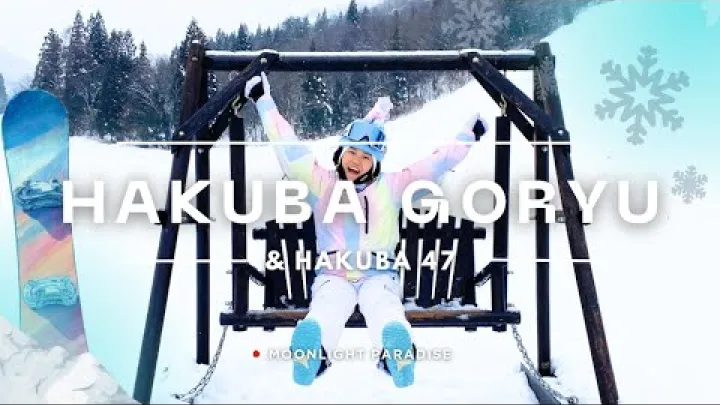
Available planning examples include about ¥11,100 for a one-day Hakuba Valley adult pass and about ¥7,500 for a one-day Nozawa Onsen adult pass. Lift prices can be dynamic, and listings such as OnTheSnow show why a single universal Nagano ski price is unreliable. A five-day calculation using five Hakuba one-day examples would be ¥55,500 before rentals and lodging; a multi-day product may use a different price.
For each ski day, write separate lines for the pass, rental package, lesson, clothing or equipment purchase, lunch, dinner, and transport. Beginners should decide whether a lesson is essential before comparing accommodation, while experienced skiers may spend more on lift access and less on instruction. The resort’s live ticket, rental, and lesson quote for the planned dates should be the amount used in the final calculation.
Compare Nagano Bases, Seasons, and Cost Drivers
Nagano Prefecture contains several travel styles. The best base is the one that matches your priority, not necessarily the place with the lowest advertised room rate.
Nagano City and Matsumoto Versus Onsen Towns and Rural Areas
The official Go Nagano tourism site reflects the prefecture’s range of city, hot-spring, rural, and winter destinations. Use the comparison below to connect the base with the way you plan to spend money.
| Base | Lodging pattern | Food pattern | Transport profile | Best fit |
|---|---|---|---|---|
| Nagano City | Hostels, simple stays, business hotels | Many separate low- to mid-range meals | Walking, local buses, rail station access | Zenkoji, city food, and predictable daily costs |
| Matsumoto | Budget hotels and private city rooms | Restaurants and cafés paid separately | Station access and local buses | Matsumoto Castle and cultural itineraries |
| Shibu Onsen | Traditional inns and ryokan | Meals may be bundled | Regional rail and local transfers | Onsen atmosphere and a traditional stay |
| Nozawa Onsen | Ryokan, lodges, and ski accommodation | Bundled meals or resort-village dining | Regional access plus ski-area transfers | Onsen culture combined with winter activities |
| Hakuba Valley or Shiga Kogen | Lodges, hotels, and premium resort rooms | Mountain cafeterias and resort restaurants | Shuttles, buses, taxis, or rental cars | Direct ski convenience and mountain access |
Nagano City and Matsumoto are often competitive for temples, castles, food, and rail access. Shibu Onsen and Nozawa Onsen may offer more experience value through meals and bathing but can have higher nightly prices. Hakuba and Shiga Kogen can reduce the time spent reaching the slopes while increasing the peak-season lodging and dining cost. A rural room is not automatically cheaper after transfers are included.
Peak Winter, Weekends, Events, and Shoulder Seasons
Winter ski demand, weekends, school holidays, festivals, cherry blossom periods, and autumn foliage weekends can raise room rates and transport demand. Flexible midweek cultural travel can cost less than a peak ski week even when the daily food choices remain similar. Shoulder-season travel may provide better accommodation value, but attractions, mountain services, and outdoor activities can have different operating schedules.
Use seasonality as a decision framework rather than assuming that one month is always the cheapest. Compare the same room and itinerary across a weekday, a weekend, and a peak event period. Before committing to nonrefundable winter plans, check mountain forecasts, resort operating status, and attraction availability. A date change can save more than removing a small admission fee or one inexpensive meal.
The Decisions That Move the Total Most
When the budget is limited, make decisions in this order:
- Choose the trip type: skiing usually adds the largest activity costs, while cultural travel keeps paid activities more modest.
- Choose the base: central city lodging may reduce transfers; a ski-in resort room may protect time and convenience.
- Choose the dates: weekdays and shoulder periods can change accommodation demand.
- Choose inclusions: breakfast and dinner can make a ryokan more valuable than a room-only rate.
- Limit regional excursions: each long trip adds rail, bus, food, and sometimes admission costs.
- Set the access mode: compare train, bus, rental car, and taxi as complete options.
- Control dining style: keep one planned specialty meal and make other meals simpler.
This priority ladder helps protect high-value experiences. For example, you may keep a premium soba or ryokan dinner while avoiding unnecessary taxi rides and unused transport passes.
Sample Nagano Budgets and Practical Ways to Save
The examples below show how the earlier ranges fit together. They are calculation structures, not booking quotes.
A Three-Day Nagano City and Matsumoto Budget
Assume three nights, one traveler, a hostel bed for the budget version, a private business hotel for the mid-range version, three ordinary food days, city buses and walking, one Matsumoto visit, Zenkoji inner access, and Matsumoto Castle. Exclude Tokyo-Nagano arrival transport, shopping, and a premium dinner so each can be added separately.
| Component | Budget version | Mid-range version |
|---|---|---|
| Three nights | ¥15,000–¥27,000 | ¥27,000–¥42,000 |
| Food for three days | ¥8,400–¥11,100 | ¥18,000–¥36,000 |
| Local transport | ¥900–¥1,500 | ¥1,500–¥3,000 |
| Zenkoji and Matsumoto Castle | About ¥2,000 | About ¥2,000 before extras |
| Working subtotal | About ¥26,300–¥41,600 | About ¥48,500–¥83,000 |
Add the current regional fare for the Matsumoto journey and the arrival or departure fare. If two people share a business hotel room, divide the room cost between them; do not divide person-based food or admission costs. The upper mid-range result reflects single occupancy and more expensive meals, so a couple sharing can have a lower per-person accommodation cost.
A Three-Day Snow Monkey and Onsen Budget
Compare a city-based plan with an experience-led onsen plan. The city option might use two nights in Nagano City, a Jigokudani Snow Monkey Park day trip, simple meals, and local buses. Using the bundled excursion examples, the basic structure is:
- Two city nights: about ¥10,000–¥28,000, depending on room type and occupancy.
- Three days of food: about ¥8,400–¥18,000, depending on whether the plan is budget or mid-range.
- Local city transport: about ¥600–¥1,500.
- Snow Monkey transport and admission bundle: about ¥5,100–¥6,800 in the planning examples.
This gives a working city-based range of about ¥24,100–¥54,300 before shopping, premium dining, and any other regional journey. The lower end uses simple accommodation and budget food; the higher end allows more private lodging and flexible meals.
An experience-led version might use one Nagano City night and one night in Shibu Onsen or Nozawa Onsen. Model it as the city-night rate plus a ryokan or regional hotel night of roughly ¥10,000–¥20,000, then check whether dinner and breakfast are included. Add the regional transfer and budget mainly for lunch, snacks, and drinks on the meal-inclusive day. Do not add a separate full dinner if the ryokan price already includes it.
A Seven-Day Nagano Ski Budget
Assume seven nights, five ski days, one person, and separate budgets for lodging, lift access, rentals, lessons, meals, local transfers, and arrival transport. The table shows known planning components before rental and lesson quotes are added.
| Component | Shared-lodge scenario | Private-room scenario |
|---|---|---|
| Seven nights | ¥35,000–¥70,000 | ¥84,000–¥140,000 |
| Five lift-pass examples | About ¥37,500–¥55,500 | About ¥37,500–¥55,500 |
| Food for seven days | About ¥24,500–¥42,000 | About ¥42,000–¥84,000 |
| Rentals and lessons | Add the resort quote | Add the resort quote |
| Local transfers and arrival | Add the route and access costs | Add the route and access costs |
| Known subtotal before rentals | About ¥97,000–¥167,500 | About ¥163,500–¥279,500 |
The lift range uses five examples at approximately ¥7,500 or ¥11,100 per day. A resort’s multi-day product may not equal five single-day purchases. Clothing, equipment level, lessons, mountain dining, and resort location can change the final total substantially. A non-ski seven-day cultural itinerary begins with seven times the ¥8,000–¥25,000 daily budget range, or about ¥56,000–¥175,000 before arrival and regional travel, and does not require lift passes or ski rentals.
Savings Tactics That Preserve the Experience
Apply savings in order of likely impact:
- Change dates first: Use midweek and shoulder-season dates when the experience remains available. This can affect lodging more than cutting a small attraction.
- Choose the base carefully: Stay near Nagano Station or a major village center when walking and public transport can replace repeated taxis.
- Book peak lodging early: Compare shared rooms, private rooms, and meal-inclusive ryokan before resort inventory becomes limited.
- Use the right transport product: Compare individual fares with a pass only after mapping the actual journeys. Rent a car only when several dispersed destinations justify the full vehicle cost.
- Mix food styles: Use a simple breakfast or lunch, local restaurants, and one planned specialty dinner instead of cutting all local dining.
- Protect high-value activities: Keep the temple, castle, onsen, or ski day that matters most and reduce unnecessary taxis, unused passes, and impulse purchases.
Small savings are useful after the major decisions are made. Walking a short route, carrying a reusable drink, and buying snacks before reaching a resort can help, but they will not compensate for an unsuitable peak-season base or an unplanned rental car.
Currency, Payment, and a Final Budget Checklist
Keep the working budget in Japanese yen. Foreign-currency conversions are useful for comparing costs, but the exchange rate can move between planning and payment. Acceptance also varies between major stations, private railways, local buses, rural businesses, small restaurants, temples, and ski-area services.
| Expense | Likely planning method | Action |
|---|---|---|
| Accommodation | Online booking, card, or local payment | Check the final total and cancellation terms |
| Shinkansen and reserved travel | Online booking or station purchase | Confirm the fare, date, and reservation conditions |
| City transport | IC card, ticket, or cash | Check whether the specific bus or railway accepts the chosen method |
| Small restaurants and temples | Often cash or locally accepted payment | Carry yen even when cards work elsewhere |
| Ski services | Online purchase, card, or resort payment | Check ticket, rental, lesson, and cancellation rules |
Before booking, confirm the room occupancy, meal inclusions, taxes, cancellation policy, minimum stay, transport reservations, attraction admission, regional pass validity, and ski rental availability. Before travel, confirm the payment method for small operators, keep enough cash for rural or mountain services, and set aside a separate yen contingency amount. On travel days, keep tickets, passes, and booking confirmations accessible so that a changed connection does not force an avoidable purchase.
Final Takeaway: Match Your Base, Season, and Daily Limit to Your Nagano Trip
A realistic Nagano budget starts with the itinerary. For a city-based cultural trip, ¥8,000–¥14,000 per person per day can support careful travel, while ¥15,000–¥25,000 allows more private lodging and sit-down meals. Comfortable travel and peak ski trips need more, especially when lift passes, rentals, lessons, and resort accommodation are included.
Choose Nagano City or Matsumoto for predictable access to culture and food, an onsen town when included meals and traditional lodging are part of the experience, and Hakuba Valley, Nozawa Onsen, or Shiga Kogen when direct mountain access is worth the premium. Set the dates and base first, separate one-time transport from daily spending, and protect the experiences that matter most. With the final booking totals checked in yen and a contingency kept aside, you can make a Nagano travel budget that is flexible, transparent, and easier to follow.
Select area
Create a post
Posting is free and no registration is required.