Nagano Best Time to Visit: Weather, Seasons & Monthly Guide

Nagano best time to visit depends on what you want to do. May and October are strong all-purpose choices for many travelers because valley sightseeing is usually comfortable and seasonal scenery is attractive, but winter is better for skiing and snow, while summer can be rewarding in the highlands. Nagano is a large, mountainous prefecture, so weather in Nagano City may differ greatly from conditions in Hakuba, Shiga Kogen, Kamikochi, or Jigokudani. This guide explains the best seasons, gives a month-by-month overview, compares regional conditions, and shows how to plan around rain, snow, crowds, and changing mountain access.
When Is the Best Time to Visit Nagano?
There is no single best month for every Nagano itinerary. Choose your dates by matching the season to your main activity, then account for elevation, local operating seasons, and the type of weather you can accept.
Best Overall for Mild Weather and General Sightseeing
For a first visit focused on temples, towns, food, onsen, light walks, and a mixture of city and countryside, May and October are among the strongest choices. May brings fresher greenery, spring scenery, and improving access to lower and mid-elevation attractions. October offers cool walking weather and the possibility of autumn color, especially when an itinerary includes higher areas as well as Nagano City.
These months are recommendations based on typical seasonal patterns, not guarantees of dry weather, empty trains, or peak blossoms and foliage. A particular year can bring early or late flowers, changing leaf color, rain, or an early cold spell. Japan Travel also presents Nagano through different seasonal experiences, including spring blossoms, summer mountain greenery, and winter activities. The best general answer is therefore May or October, unless skiing, a specific trail, or a specific seasonal event is the main reason for your trip.
Best for Skiing, Snowboarding, and Snowy Landscapes
Late December through February is the core period for a snow-focused Nagano trip. Higher resorts are more likely to offer established winter conditions during this period, and the landscape around ski areas, onsen towns, and northern valleys has a distinctly snowy character. January and February usually feel most like deep winter, while late December combines winter scenery with holiday demand and the transition into the main resort season.
March can suit travelers who prefer longer daylight, somewhat softer spring snow, and a less severe winter atmosphere. However, lower resorts and valley destinations can change more quickly as temperatures rise. Snow in Nagano City is not a reliable indicator of snow at a high resort, and the opening of one ski area does not mean that every lift or slope is operating. A local guide describes an extended season at the Kumanoyu area of Shiga Kogen, including the possibility of limited late-November operations, but this is a resort-specific example rather than a prefecture-wide promise. Snow Monkey Resorts notes the distinction between an official resort opening and earlier possible operations.
Best for Blossoms, Foliage, and Cool Mountain Air
Spring is a good choice for travelers who want cherry blossoms, fresh green landscapes, and views of snow remaining on higher peaks. Blossom timing varies by town, park, valley, and elevation, so late April to early May may work well for some locations without being the correct window for the whole prefecture. Lower areas generally change seasons before alpine destinations.

Autumn is attractive from late September through early November, with higher elevations often changing first and lower valleys following later. October is a useful compromise for foliage, walking, and cultural sightseeing, but peak color depends on the location and the year. Summer provides lush scenery and cooler air in places such as Shiga Kogen, Kamikochi, and Hakuba compared with lower basins. Rain, mist, and reduced visibility can still affect mountain views, so cool air does not automatically mean ideal hiking weather.
How Nagano's Climate Changes Across the Year
Nagano's seasonal calendar is easier to understand when the city basin and the surrounding mountains are treated as separate travel environments. Historical climate information can guide the month you choose, while conditions at the exact destination determine what you can comfortably do on a particular day.
Why Elevation and Geography Matter
Nagano is an inland prefecture surrounded by the Japanese Alps and other mountain ranges. Basin locations such as Nagano City can have warmer summer days and colder winter nights than a visitor may expect from a mountain destination. Highland and alpine areas gain altitude, exposure, and more complex weather, so they can remain cold when the city feels mild.

Shiga Kogen and Hakuba are important examples for winter sports and highland travel. Kamikochi has a strong warmer-season identity, but its high setting means spring access can lag behind the valley. Karuizawa is also a highland destination with cooler summer conditions than many lower Japanese cities. In general, higher areas tend to have later spring access, earlier autumn color, cooler summer temperatures, and more persistent winter snow. These differences are why a comfortable month for a city itinerary may be too early for a high trail or too late for a snow activity.
How to Use Climate Averages and Live Forecasts
Climate averages are useful for choosing a season, comparing months, and deciding whether to pack for heat, rain, or snow. The Japan Meteorological Agency publishes climatological normals for major observatories in Japan, including monthly and annual historical patterns. Use the station that most closely represents your base, and remember that a city station cannot describe conditions at a high trailhead.
A climate normal is a long-term baseline, not a forecast for your holiday. It cannot tell you whether a particular mountain view will be clear, whether a trail will be icy, or whether a bus will operate after severe weather. Use averages to select dates and pack sensibly; use current forecasts, warnings, and local operating information for decisions about individual outdoor days and transfers.
Rainy Season, Summer Heat, Typhoons, and Winter Snow
Early summer commonly brings a rainy-season pattern. Rain can arrive intermittently, and cloud or mist may reduce visibility around mountain viewpoints. This does not make the entire season unsuitable: June can be quiet and green, and some travelers value its cooler atmosphere. It does mean that walking, hiking, and sightseeing plans are more exposed to wet surfaces and changing views than they are in a stable high-pressure period.
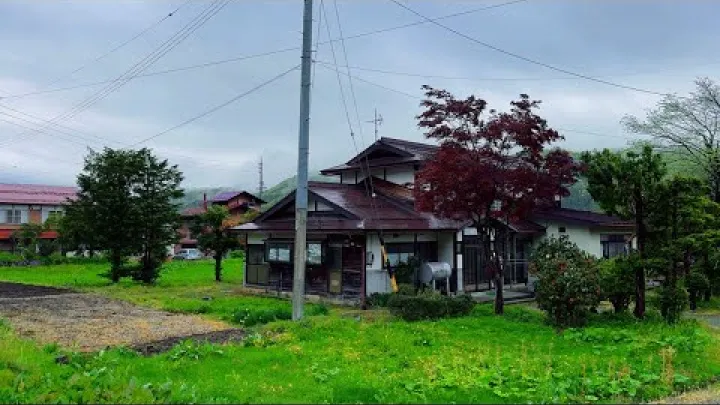
July and August are generally the warmest and more humid months in lower areas, especially around Nagano City and other inland basins. Higher destinations can feel cooler, which makes them appealing for hiking and heat relief, although rainfall and storms remain important factors. Late summer and early autumn can also bring storm systems that affect mountain travel. In winter, precipitation may fall as rain in lower areas and snow at higher elevations, with local exposure and altitude creating substantial differences across short distances.
Nagano Weather Month by Month
The following month-by-month guide describes the typical feel of Nagano rather than a guaranteed forecast. For mixed itineraries, compare the weather in your city base with the conditions expected at the highest destination on your route.
December to February: Snow Season and Deep Winter
- December: Winter becomes established, particularly in higher resorts and northern snow-country areas. Nagano City is cold, while mountain destinations can have snow-covered paths and active winter operations. Travelers combining temples or town walks with skiing need both insulated city layers and waterproof mountain clothing.
- January: This is a core deep-winter month. Higher destinations are the strongest choice for snow sports and snowy scenery, while city sightseeing requires warm layers, gloves, and shoes that remain comfortable on cold or wet surfaces. Shorter daylight also affects the timing of outdoor plans.
- February: Winter activities continue at suitable resorts, and the days begin to lengthen gradually without becoming mild. Snow, ice, and cold remain central planning factors in Shiga Kogen, Hakuba, Nozawa Onsen, and the Jigokudani area. A city-only trip may be manageable with normal winter clothing, but an alpine itinerary needs a more substantial system of layers.
Winter conditions are not uniform across Nagano. A clear or lightly snowy day in Nagano City does not describe the weather at a ski slope or mountain park. For walking, onsen visits, and winter scenery, allow more time for careful movement and choose clothing that remains warm when stationary outdoors.
March to May: Winter Transition, Blossoms, and Spring Comfort
- March: Valley areas begin to feel more like spring, but substantial snow can remain in the mountains. This is a useful month for visitors who want to combine city sightseeing with late-season skiing, but it is less predictable for a single itinerary that depends on both lowland flowers and highland trails.
- April: Temperatures become more comfortable in lower areas, and cherry blossoms appear at different times across Nagano. Snow can remain on higher peaks and routes. Popular sites may become busier around the late-April to early-May holiday period, while alpine access may still be limited by winter conditions.
- May: May is one of the best balanced months for general travel. Valley walks, cultural visits, and lower or mid-elevation outdoor activities benefit from greener scenery and moderate conditions. High-alpine routes can still have snow or a later opening pattern, so a pleasant day in Nagano City should not be taken as evidence that every mountain trail is ready.
Spring is especially suitable for layered packing. Mornings, shaded streets, and higher areas can feel much colder than sunny afternoons in the basin. If blossoms are the priority, build the route around specific viewing locations rather than assuming one prefecture-wide peak date.
June to August: Rainy Season, Green Landscapes, and Summer Highlands
- June: The rainy season begins to influence travel, bringing greener scenery, cooler highland conditions, and the possibility of mist or intermittent rain. It can be a quieter month for outdoor settings, but wet paths and cloud can reduce the appeal of long viewpoints or demanding hikes.
- July: Lower areas become warmer, wetter, and more humid. Higher places such as Kamikochi, Shiga Kogen, and Hakuba can offer relief from city heat and attractive summer landscapes. The practical trade-off is that mountain weather can change quickly, and a cool destination is not necessarily a dry one.
- August: This is usually the warmest part of the year in the lowlands. Mountain greenery is at its fullest, but rain and storms remain possible. Mid-August Obon travel can increase demand for accommodation and transport, so the period is less suitable for travelers seeking the quietest possible trip.
Summer itineraries work best when they allow some tolerance for rain and reduced visibility. Light, breathable clothing may suit Nagano City, but a highland day still calls for a waterproof outer layer and warmer clothing for mornings or exposed viewpoints.
September to November: Early Foliage, Peak Autumn Color, and First Snow
- September: Warm conditions can linger in lower areas, while higher elevations may begin showing early autumn color. Late-summer and early-autumn storms can still affect mountain plans, so September is a transition month rather than a guaranteed clear-weather season.
- October: October is one of the leading choices for comfortable walking and autumn scenery. Color often appears earlier in highland areas and later in valleys, allowing a carefully chosen route to follow the seasonal change. Cooler mornings and shorter days mean that layers are useful even when afternoons are pleasant.
- November: Lower-elevation foliage can continue into November, and quieter travel may appeal to visitors who do not need peak color. Temperatures decline, especially after sunset, and mountain areas begin moving toward winter conditions. This can make November less suitable for high-alpine hiking but pleasant for towns, temples, food, and onsen.
Foliage and early snow can overlap in some highland locations, but neither should be expected on a specific date without local information. The broader autumn window is useful for planning, while the exact destination determines whether you see green, peak color, bare trees, or a first winter landscape.
Best Time to Visit Nagano by Travel Purpose
The best season changes when the activity changes. A traveler seeking a clear mountain walk needs a different date range from a skier, a blossom viewer, or a visitor trying to reduce accommodation demand.
Hiking and Outdoor Exploration
For general walking, nature visits, and lower- or mid-elevation trails, May and October are strong starting points. May offers fresh greenery and a transition away from valley winter, while October adds autumn color and cooler walking conditions. These recommendations suit travelers who want outdoor time without making a high-alpine route the central purpose of the trip.
Summer can be worthwhile at elevation because the air is often cooler than in Nagano City, and the landscape is fully green. June is a quieter, wetter alternative for travelers who accept rain and mist. High-alpine hiking may have a later usable season than valley trails, and winter hiking is a specialist activity that requires appropriate experience, equipment, and judgment. Kamikochi, Shiga Kogen, and Hakuba represent different trail environments, so the route, altitude, and seasonal access matter more than the name Nagano alone.
Skiing and Snowboarding
Plan around late December through February if the main goal is a conventional winter ski holiday. This period offers the clearest alignment between winter temperatures, resort operations, and snowy scenery, although the experience still varies by elevation and by the season's snow conditions. New Year and other popular winter dates can also bring stronger demand.
March may suit visitors who prefer longer daylight, milder conditions away from the slopes, and spring snow. Higher resorts can continue operating later than lower areas, which is why Shiga Kogen and other elevated destinations may have a longer season than a valley base. Nozawa Onsen adds an onsen-town setting to the ski experience, while Hakuba has a different cluster of mountain resorts and valleys. Resort opening dates, lifts, terrain, and snow quality should be treated as operator-specific information rather than guaranteed prefecture-wide conditions.
Culture, Cherry Blossoms, Foliage, and Onsen
April to May and October are particularly useful for travelers combining cultural sightseeing with seasonal scenery. These periods generally support comfortable walking around temples, parks, historic areas, and towns, although spring blossoms and autumn leaves follow different calendars at different elevations. A city-based traveler does not need the same conditions as someone planning a high mountain route.
Cherry blossoms are a spring attraction, but a single viewing site cannot represent all of Nagano. Tourism guidance highlights late April to early May examples at some locations, while the actual timing can move with the year and local conditions. Go Nagano provides examples of blossom spots rather than a universal prefecture-wide calendar.
Autumn color generally progresses from higher elevations toward lower areas. Early October to early November is a useful broad planning window, but the best date depends on the destination and altitude. Go Nagano describes this changing foliage period and the movement toward winter scenery.
Onsen experiences are available throughout the year. Cold-weather settings such as Yamanouchi and Nozawa Onsen can feel especially atmospheric in winter, while spring, summer, and autumn offer their own landscape advantages. Onsen travel is less dependent on clear mountain views than an alpine excursion, so it can be a useful part of a mixed itinerary.
Budget Travel and Crowd Avoidance
Demand can be higher around New Year, the late-April to early-May Golden Week period, mid-August Obon, popular winter ski dates, and weekends during peak autumn foliage. These are not periods that every traveler should avoid: they may be the only practical dates for a ski trip or a holiday itinerary. They are less suitable, however, if your main priority is quiet accommodation, easier transport, or a relaxed schedule.
For a balance of weather and lower demand, compare non-holiday weekdays in May or October. Parts of June and November can also be quieter, but June brings more rain and November may offer less reliable highland access and fewer late-autumn options. Lower crowds do not guarantee lower prices, open trails, or ideal weather.
Compare availability for the specific base you plan to use rather than treating all of Nagano as one market. Reserve accommodation and important transport early around major holidays, popular ski periods, and peak foliage weekends. If your dates are flexible, weekdays and transition periods can make planning easier, but keep the weather trade-off clear when choosing them.
Regional Differences That Change the Best Travel Month
Nagano's attractions are spread across basins, valleys, highlands, and snow-country areas. The right month for one local anchor may be unsuitable for another, even when both are described as destinations in Nagano Prefecture.
Nagano City and Inland Basins
Nagano City is practical for cultural sightseeing, food, temples, and a city-based stay. Winter walking can be cold, and visitors should expect the need for warm layers, gloves, and footwear that handles wet or cold streets. Summer days in the basin can feel warm and humid, so breathable clothing, sun protection, and a plan for rain are useful.
Spring and autumn are often the easiest seasons for walking around the city because temperatures are less demanding than in deep winter or summer heat. Even so, a comfortable city day does not describe nearby highland conditions. A city base can be mild while a mountain destination remains snowy, misty, or difficult to access. Pack for the most demanding destination on the itinerary, not only for the place where you sleep.
Alpine and Highland Areas: Hakuba, Shiga Kogen, Kamikochi, and Karuizawa
Highland and alpine destinations usually have cooler summers, later spring access, earlier autumn change, and stronger winter conditions than Nagano City. This creates different best months within the same prefecture. May may be excellent for lower-elevation walks but still early for some high routes, while October can bring foliage to one highland area before a valley destination changes color.
Hakuba and Shiga Kogen are most closely associated with snow sports and winter resort planning, although both also have warmer-season scenery. Kamikochi is a major outdoor destination whose appeal is strongest when access and trails suit walking, while Karuizawa works well for a cooler highland escape, outdoor time, and town-based travel. Do not assign one opening date, rainfall pattern, or snow depth to every highland area. The exact destination, altitude, route, and operating season should determine your dates.
Northern Snow-Country Areas: Nozawa Onsen and Jigokudani
Nozawa Onsen and the Jigokudani Snow Monkey Park area have a stronger winter identity than many lower parts of Nagano. Winter can provide the most atmospheric combination of snow scenery, onsen, and cold-weather travel, but it also brings icy paths, difficult walking for some visitors, and greater clothing demands. Nozawa Onsen is closely linked with skiing and traditional hot-spring-town travel, while Jigokudani is a specific park environment in the Yamanouchi area.
First snow, accumulated snow, and resort-quality snow are different milestones. A light early snowfall does not mean that all roads, paths, or ski terrain have full winter coverage. Around Jigokudani, cold can be severe; a location-specific guide notes that temperatures may fall below -10°C in the coldest December and January conditions and recommends heavy winter layers and waterproof boots. Snow Monkey Resorts provides local preparation guidance. Snow, animal visibility, and access should not be guaranteed for a particular date.
How Elevation and Weather Affect Routes and Access
Rain, snow, ice, reduced visibility, and unstable mountain conditions can affect secondary roads, buses, walking routes, trailheads, and seasonal attractions. Major connections to Nagano City may continue while a smaller route into an alpine valley, resort, park, or trailhead changes or stops. A short distance on a map does not mean that two locations share the same travel conditions.
Plan extra time for mountain transfers and avoid building an important connection around a very narrow schedule. Before traveling to a highland destination, confirm the status of the exact train, bus, road, trail, attraction, or lift with the relevant local operator. This is particularly important when snow, heavy rain, ice, or poor visibility is part of the forecast. If access changes, keep a lower-elevation cultural or onsen option available rather than assuming that the original route will remain practical.
Practical Planning for Nagano Weather and Conditions
Good weather planning for Nagano is less about finding a perfect month than about matching clothing, activities, and backup plans to the highest and most exposed part of the itinerary.
What to Wear and Pack by Season and Elevation
Layers are useful in spring and autumn because mornings, afternoons, shaded areas, Nagano City, and mountain destinations can feel different on the same day. A light base layer, an insulating layer, and an outer layer make it easier to adjust without overpacking. Comfortable walking shoes are sufficient for many city plans, but not for every winter path or mountain route.
- Winter: Bring warm insulation, gloves, a hat, and waterproof footwear with good grip. Snow and ice can make uneven paths more difficult, including routes to winter attractions.
- Spring and autumn: Use adaptable layers and include a rain-resistant outer layer. Higher areas can remain cold in spring and cool quickly after sunset in autumn.
- Summer: Choose breathable clothing for warm lowland days, plus rain protection and a warmer layer for highland mornings or exposed viewpoints.
- Rainy periods: Pack waterproof clothing and footwear that can handle wet walking. An umbrella may help in town, but it is not a substitute for suitable outerwear on exposed trails.
Pack for the coldest and highest part of the itinerary rather than for Nagano City alone. A city outfit may be inadequate for Jigokudani, Nozawa Onsen in winter, a ski area, or a high mountain walk.
How to Plan Outdoor Days Around Changing Weather
Use climate averages to choose the month, then use current forecasts and warnings to decide whether to hike, visit a highland attraction, or make a mountain transfer. Check the destination itself rather than relying only on a Nagano City forecast. Conditions at a trail, pass, resort, or park can differ because of elevation and exposure.
Use flexible sequencing whenever possible. Put exposed viewpoints, long walks, and demanding hikes on the clearest suitable day. Keep temples, museums, food experiences, town walks, and onsen available for rain, snow, or poor visibility. This approach does not remove weather risk, but it reduces the chance that one wet or snowy day will undermine the whole trip.
Before each mountain or outdoor day, use this short checklist:
- Read the current forecast for the exact destination and review weather warnings.
- Confirm trail, attraction, lift, road, and public transport status with the relevant operator.
- Choose clothing and footwear for the forecast at the highest point, not only the departure city.
- Allow extra travel time and identify a lower-risk alternative.
- Account for daylight when planning a long walk or mountain transfer.
Historical averages are helpful for selecting dates, but they are never a go-or-no-go signal for a particular outdoor activity.
Final Recommendation: Match Your Nagano Dates to Your Main Priority
Choose May for a balanced spring trip with comfortable valley sightseeing, fresh greenery, and the possibility of blossoms. Choose October for cool walking conditions and autumn scenery, especially when your route includes highland areas. Choose late December through February for the clearest winter focus, including skiing, snow-covered landscapes, and cold-weather onsen experiences. Choose June through August if you want green mountains and cooler highland air and can accept rain, humidity, and changing visibility.
For the most reliable decision, name your main destination before choosing the month. Nagano City, Hakuba, Shiga Kogen, Kamikochi, Karuizawa, Nozawa Onsen, and Jigokudani do not share one travel calendar. Match your dates to your priority, reserve around major demand periods, pack for the highest and coldest part of the route, and make final outdoor decisions using current local weather and access information.
Select area
Create a post
Posting is free and no registration is required.