Nagano Where to Stay: Best Areas by Trip Type
![Preview image for the video "Kiso Valley - 7 of 9 - Our Japan Travel II [4K]".](/sites/default/files/styles/media_720x405/public/oembed_thumbnails/2026-08/byuQi3OR2CkmWdkvegyp2Wzp9afKnKISWuZELoJu40Y.jpg.webp?itok=WWd7FsAc "Preview image for the video \"Kiso Valley - 7 of 9 - Our Japan Travel II [4K]\".")
Choosing where to stay in Nagano starts with deciding which Nagano you mean: Nagano City or the much larger prefecture around it. For most first-time visitors staying one to three nights without a car, Nagano City is the practical default, especially near Nagano Station. Skiers, Snow Monkey visitors, onsen travelers, and Nakasendo hikers can save time by staying closer to their main activity instead. This guide compares the best areas, neighborhoods, accommodation types, access issues, winter considerations, and booking choices so you can select the right base rather than simply the cheapest room.
Nagano City or Nagano Prefecture? Choose Your Base First
Nagano is both the name of a city and the name of a broad prefecture in central Japan. These are not interchangeable hotel locations. A property in Nagano City may be useful for Zenkoji Temple, city dining, and regional rail or bus connections, while a property in Hakuba Valley, Yamanouchi, Matsumoto, Karuizawa, or the Kiso Valley may be better for a specific activity. The official Go Nagano area guide presents these places as distinct bases, which is a useful starting point for planning.
The Default Choice for First-Time Visitors
For a first visit of one to three nights, stay in Nagano City, with Nagano Station as the simplest default. The station area combines straightforward arrival, a broad selection of standard hotels, access to local and regional transport, and a manageable route toward Zenkoji Temple. It is particularly suitable if you are traveling without a car, arriving with luggage, making day trips, or departing early.
Staying near Nagano Station and staying near Zenkoji Temple are different experiences within the same city. The station area is designed around transport and practical hotel stays. The Chuo Dori and Zenkoji corridor is more suitable if you want to begin or end the day among temple streets and traditional buildings. A central location between these areas can offer a compromise, but the best choice depends on whether you value a short walk to transport or a stronger cultural atmosphere.
Choose Nagano City as your first shortlist when your plans include several different places, when you want predictable hotel services, or when you do not want to move luggage between towns. It is a general-purpose base, not a universal base for every attraction in the prefecture.
When a Specialist Base Is Better Than Nagano City
A specialist base is usually more efficient when one activity dominates your trip. Staying close to that activity reduces repeated transfers and gives you more time in the destination. Consider the following decision list:
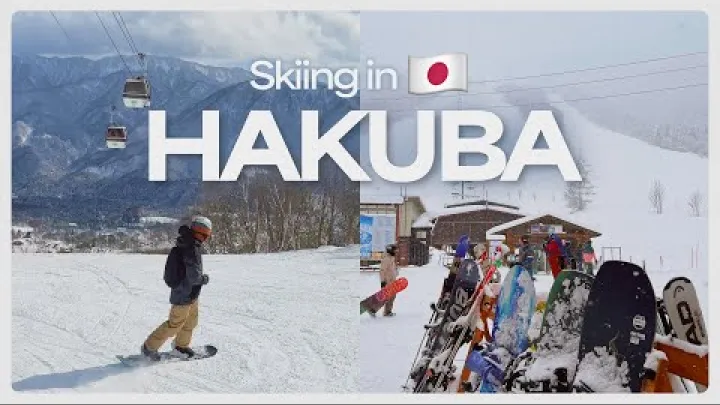
- Choose Hakuba Valley when skiing, snowboarding, or a mountain resort stay is the main purpose.
- Choose Yamanouchi, Yudanaka Station, or Shibu Onsen when hot springs, ryokan accommodation, and the Snow Monkeys are central to the visit.
- Choose Matsumoto when Matsumoto Castle, city walks, and selected alpine excursions are more important than northern Nagano.
- Choose Kiso Valley when the Nakasendo route, preserved post towns, and traditional lodging are the main focus.
- Choose Karuizawa when you want a highland resort environment, station access, shopping, and leisure-oriented accommodation.
Use four questions to make the choice: What is the primary activity? How many nights do you have? How much local transport are you willing to use? Would changing hotels improve the trip enough to justify packing and checking in again? The farther your main activity is from Nagano City, the more important these questions become.
Best Areas to Stay in Nagano Prefecture
The best place to stay in Nagano Prefecture depends more on your route than on a single ranking of hotels. Nagano City is the flexible choice, while the other areas provide a more focused experience. This comparison is a quick way to narrow the search.
| Base | Best for | Main advantage | Main trade-off |
|---|---|---|---|
| Nagano City | Short visits and public transport | Station, temple, dining, and regional connections | Not the closest base for every mountain area |
| Matsumoto | Castle sightseeing and alpine trips | Walkable city center and Matsumoto Station | Separate planning is needed for nearby nature areas |
| Hakuba Valley | Skiing and mountain holidays | Closer to the ski-village experience | Seasonal demand and fewer city services |
| Yamanouchi and Shibu Onsen | Snow Monkeys and hot springs | Traditional onsen-town atmosphere | Quieter evenings and more specialized lodging |
| Karuizawa | Resort and leisure stays | Station-based access and highland setting | Not a natural substitute for northern Nagano |
| Kiso Valley | Nakasendo and heritage travel | Historic routes and traditional guesthouses | Limited services in smaller towns |
Nagano City: A Flexible Rail, Bus, and Sightseeing Base
Nagano City is the strongest general-purpose base in the prefecture for travelers who want a simple arrival, a city hotel, and access to more than one type of excursion. Nagano Station is the practical transport focus, while Zenkoji Temple, Nagano Chuo Dori, and central dining provide reasons to stay in the city rather than treating it only as a transit point.
![Preview image for the video "[Japan Nagano]Bus tour of Togakushi Shrine and recommended sightseeing spots [Travel]".](/sites/default/files/styles/media_720x405/public/oembed_thumbnails/2026-08/8gSZOEubqi9RJNoRDMRLGPRe3zWwz9kjFdUnY-reaPI.jpg.webp?itok=W5_mwjr_ "Preview image for the video \"[Japan Nagano]Bus tour of Togakushi Shrine and recommended sightseeing spots [Travel]\".")
The accommodation mix includes business hotels, Western-style hotels, guesthouses, hostels, and more traditional options. The city can therefore suit solo travelers, couples, families, and visitors who need a private bathroom or early departure. It also works well for a short cultural visit in which you combine the temple area with meals and one or more regional outings.
Choose Nagano City when flexibility matters more than being immersed in one resort or onsen town. Do not choose it automatically for a ski trip, a multi-day alpine stay, or a heritage itinerary centered in the Kiso Valley. In those cases, a more local base may reduce daily travel.
Matsumoto: A Walkable Base for Castle and Alpine Trips
Matsumoto is a strong alternative when your itinerary is built around Matsumoto Castle, central city walks, cafés, museums, and selected alpine or onsen excursions. Matsumoto Station provides a clear arrival point, and the central area can be convenient for travelers who prefer to explore much of a city on foot after checking in.
![Preview image for the video "[4K/HDR/Binaural] Matsumoto Spring 2022 Walking Tour - Nagano Japan".](/sites/default/files/styles/media_720x405/public/oembed_thumbnails/2026-08/lncIWO6HKcC3AeODcqBCUAkpE2cuAuQDeoAMIMFXxNo.jpg.webp?itok=tTdyu2-B "Preview image for the video \"[4K/HDR/Binaural] Matsumoto Spring 2022 Walking Tour - Nagano Japan\".")
Compared with Nagano City, Matsumoto has a different sightseeing emphasis. Nagano is the better default for Zenkoji and northern regional outings; Matsumoto is more natural for the castle and the western or southern side of the prefecture. The choice may also depend on where the rest of your Japan itinerary comes from. If your route already runs through Matsumoto, staying there can avoid an unnecessary change of base.
Matsumoto suits a medium-length stay when you want urban comfort combined with day trips into the mountains. Nearby onsen districts and nature gateways may still require separate local transport planning, so a hotel near Matsumoto Station is not automatically a hotel near every alpine trail or hot spring.
Hakuba Valley and Yamanouchi: Choose Between Skiing and Onsen
Hakuba Valley and Yamanouchi should not be treated as interchangeable mountain destinations. Hakuba Valley is organized around a ski-village model, with lodging decisions shaped by the nearest resort area, ski transport, equipment, meals, and winter access. Yamanouchi and Shibu Onsen are better suited to travelers seeking hot springs, ryokan hospitality, quiet streets, and access to the Snow Monkey area.

For skiers, staying in Hakuba Valley can reduce the need to travel from a city base each day. For an onsen-focused visit, staying near Yudanaka Station or in Shibu Onsen gives the trip a more traditional character than a standard hotel in Nagano City. Both areas can be quieter outside their main seasonal periods, and dining or shopping choices may be more limited than in a city center.
Choose the activity area when immersion and proximity are more valuable than a wide selection of restaurants and transport options. Compare the exact property location within the valley or onsen area, because the name of a destination alone does not identify the practical distance to your intended resort, station, or walking route.
Karuizawa and Kiso Valley: Specialist Bases for Resort or Heritage Trips
Karuizawa and Kiso Valley serve two very different trip purposes. Karuizawa is a highland resort-style base associated with Karuizawa Station, shopping, leisure facilities, and stays that emphasize relaxation or a resort atmosphere. Kiso Valley is a slower heritage base for Nakasendo travel, preserved post towns, walking routes, and traditional guesthouses.
| Area | Access focus | Atmosphere | Best trip purpose |
|---|---|---|---|
| Karuizawa | Karuizawa Station | Highland resort and leisure | Relaxed stays, shopping, and a resort break |
| Kiso Valley | Local stations and route planning | Historic and rural | Nakasendo walking and traditional villages |
Neither area should automatically replace Nagano City if your itinerary centers on northern Nagano, Zenkoji Temple, or station-based regional excursions. In smaller historic towns, accommodation and dining can be limited, so travelers should treat the lodging itself as part of the experience and plan evening meals around the property's arrangements.
Where to Stay in Nagano City by Neighborhood
Nagano City is compact enough for several useful lodging zones, but each one creates a different daily rhythm. The best Nagano accommodation is not necessarily the property with the highest category. It is the property that places you near the transport node, streets, temple, or facilities you will actually use.
Nagano Station Area: Best for Transport and Short Stays
The Nagano Station area is the easiest choice for Shinkansen arrivals, early departures, regional buses, luggage, and short visits. It is especially useful when you are carrying ski equipment, arriving after a long journey, or planning several day trips. Business hotels and standard Western-style hotels are common fits for solo travelers, couples, and visitors who value a private bathroom and predictable facilities.
Current booking pages can show properties within a very short walk of the station, but displayed prices and availability are snapshots that change with dates, room type, demand, and cancellation terms. The station-area inventory on Booking.com is useful for comparing location and room options, not for treating one displayed rate as a permanent price.
- Check the exact station exit and the walking route with your luggage.
- Confirm whether luggage storage is available before check-in and after check-out.
- Check breakfast hours if you have an early train or bus.
- Read the late-arrival policy, especially if your connection reaches Nagano in the evening.
- Look for laundry, gear storage, parking, and room size when those facilities affect your trip.
Chuo Dori and the Zenkoji Area: Best for Temple Atmosphere
Staying along Nagano Chuo Dori or near Zenkoji Temple suits travelers who want the temple approach, traditional streets, and cultural atmosphere close to the hotel. This area can make early sightseeing more convenient and may offer a stronger sense of place than a station business district. Temple lodgings and traditional accommodation are also more relevant here than around a transport-focused hotel cluster.
The trade-off is practical. You may walk farther with luggage than you would from a station hotel, and the area can have fewer late-night dining choices than the streets around the station and Gondo Shopping Street. Use the exact property address, not only the neighborhood name, when estimating the walk. A hotel that is described as being near Zenkoji may still require a bus or taxi if you have heavy bags, limited mobility, or difficult weather.
Gondo Shopping Street and Central Dining: Best for Evening Meals
Gondo Shopping Street and the nearby central streets are useful for travelers who prioritize izakaya, restaurants, and a local evening atmosphere. The area is compact and small-city in scale, rather than comparable to a large metropolitan nightlife district. It can be a good middle choice between the station and Zenkoji, depending on the exact hotel.
Evening activity depends on the day, season, and individual venue. The local area context from Japan Travel by NAVITIME helps identify Gondo as an established after-work and weekend area, but it should not be read as a promise that every restaurant will be open every night. Check opening days, the return walk, and late-arrival instructions for the property you select.
Matsushiro and Outlying Nagano City Options
Outlying areas of Nagano City can suit travelers who prioritize parking, larger facilities, spa amenities, or road access over walking to the station. Matsushiro-area accommodation and hotels near the Nagano Interchange are examples of this type of base. They may work well for drivers, families with a car, or travelers who prefer a resort-style property.
The trade-off is less central access. A property outside the station and Zenkoji areas may be inconvenient for frequent walking, train-based travel, or late dining. One property in this category, Mercure Nagano Matsushiro Resort and Spa, describes its location as near the Nagano Interchange and approximately a 30-minute drive from central Nagano; its official property information illustrates why the exact address matters.
Before booking an outlying property, identify its parking conditions, any shuttle arrangement, and the actual journey to central Nagano at the times you expect to travel. Do not assume that a hotel labeled Nagano is a station-area hotel.
Choose the Right Accommodation Type in Nagano
Nagano offers more than one hotel style, and the right choice depends on your schedule, privacy needs, meal preferences, and tolerance for fixed check-in routines. Compare the accommodation format with the trip purpose before comparing star categories or photographs.
Business, Western-Style, and Resort Hotels
Business hotels are often a practical match for one or two nights, solo travelers, private bathrooms, predictable facilities, and early departures. Western-style hotels can offer more room configurations and services, while resort properties may be more appealing when you want parking, larger common facilities, public baths, or on-site leisure amenities.
More expensive accommodation is not automatically a better base. A large property far from your intended station, bus stop, or activity can add time and transport costs. Compare the features that affect daily use:
- Room size and bed configuration for the number of guests.
- Breakfast timing and whether the meal suits early departures.
- Laundry and drying facilities for longer or outdoor-focused trips.
- Ski, bicycle, or other gear storage where relevant.
- Parking rules, fees, and vehicle access for drivers.
- Distance to the transport node you will actually use.
Ryokan, Onsen Inns, and Zenkoji Shukubo
A conventional hotel provides flexibility and standardized services. A ryokan or onsen inn is an experience built around Japanese-style rooms, tatami, futon bedding, meals, and bathing. A Zenkoji shukubo is a temple lodging experience and may include a quieter schedule or opportunities connected with temple life. These categories overlap in some properties, so the individual listing matters more than the label.
Traditional lodging can be rewarding, but it may be less flexible for late arrivals, special diets, accessibility needs, or travelers who want nightlife. Meal times, bath arrangements, quiet hours, and check-in windows can be part of the operating model. Before paying, confirm the property's current rules directly, including:
- Whether breakfast or dinner is included, optional, or unavailable.
- Whether bathing is private, shared, public, or subject to set hours.
- Whether rooms use futons, beds, or a combination.
- How the property handles dietary requirements and allergies.
- Whether the building has stairs, step-free access, or other limitations.
- The check-in deadline and cancellation conditions.
Do not generalize from one ryokan or shukubo to another. The property page and direct communication are the reliable sources for the specific arrangement.
Hostels and Guesthouses for Lower Budgets and Social Stays
Hostels and guesthouses can be useful for solo travelers, lower-budget trips, and visitors who enjoy common areas or meeting other guests. They may offer dormitories, private rooms, shared kitchens, laundry, and communal spaces. A private room in a guesthouse can provide a middle ground between a dormitory and a conventional hotel.
The trade-offs involve privacy, noise, bathroom arrangements, luggage, and storage. Skiers and outdoor travelers should look specifically for gear storage and drying space rather than assuming that a guesthouse can handle equipment. The official Nagano City Official Travel Guide provides a city accommodation directory, while booking platforms can help compare current room types and availability.
Filter by the exact room type and read recent property-level reviews. A hostel category does not tell you whether a room is quiet, whether bathrooms are private, or whether late arrivals are accepted. Rates also vary substantially by season, room type, and booking conditions, so use a current search for your dates rather than a general budget assumption.
Serviced Apartments and Long-Stay Options
Serviced apartments and furnished rentals can suit families, longer stays, remote workers, and travelers who want cooking and washing facilities. They offer more independence than a standard hotel, but they may provide fewer reception services, less frequent cleaning, and a less central location.
Check the practical details before choosing an apartment-style stay. Reliable internet, a usable desk, kitchen equipment, laundry, cleaning frequency, minimum stay, and exact location all matter more than photographs. Also review deposits, identity requirements, cancellation terms, house rules, and the process for collecting keys.
For remote work, do not assume that an attractive apartment is a suitable workspace. Confirm the desk arrangement and internet conditions for the specific listing. For families, check sleeping arrangements, cooking equipment, washing facilities, and the distance to shops or transport. An apartment is valuable when the extra space and independence outweigh the hotel services you give up.
Where to Stay in Nagano for Different Trips
The best Nagano base changes with the main purpose of the trip. A short city break, ski holiday, Snow Monkey visit, castle itinerary, and Nakasendo walk should not use the same lodging logic.
One to Three Nights: Keep the Base Simple
For one to three nights, start with Nagano Station, followed by the Chuo Dori and Zenkoji corridor. This shortlist prioritizes simple arrival, luggage handling, walkable sightseeing, and access to regional transport. It is usually better to have one well-placed base than to spend a significant part of a short trip checking out, moving bags, and checking in again.
A single specialist night can be worthwhile when the entire visit is built around a ryokan, an onsen, or skiing. Otherwise, changing hotels for only one attraction may add more friction than value. Use this decision path:
- If city sightseeing and flexible transport are the priority, stay in Nagano City.
- If one mountain or onsen experience is the clear purpose, stay in that activity area.
- If two areas are equally important and you have enough nights, consider a split stay.
Where to Stay in Nagano for Skiing and Winter
For a ski-first trip, compare a ski-village stay in Hakuba Valley or another mountain resort area with a Nagano City base. A village stay can place you closer to the skiing experience and reduce daily travel. Nagano City can be more suitable for a mixed itinerary, a short winter stop, or travelers who want city dining and standard hotel services alongside one or two mountain days.
| Base | Works well when | Important accommodation checks |
|---|---|---|
| Ski village | Skiing dominates the itinerary | Lift or ski-bus access, gear storage, drying space, meals, and evening transport |
| Nagano City | The trip mixes city and regional activities | Bus connections, luggage, breakfast timing, and a practical return plan |
The most important winter features are not just the words resort or ski hotel. Check the distance to lifts or ski buses, equipment storage, drying space, breakfast timing, evening dining, parking, and whether snow access affects the walk from the stop. Before booking a mountain base, check current snow conditions, road conditions, resort operations, and the property's cancellation flexibility. Winter access can change, so a non-refundable reservation requires particular care.
Where to Stay in Nagano for Snow Monkeys and Onsen
For a Snow Monkey-focused trip, choose Yudanaka or Shibu Onsen when you want a traditional onsen-town stay. Yudanaka Station can be a useful reference point for the area, while Shibu Onsen is suited to travelers who want ryokan accommodation, bathing routines, and quiet streets. A Nagano City hotel is the more flexible option when the monkeys are only one stop in a wider city and regional itinerary.
Onsen-town lodging may involve dinner and breakfast at set times, futon rooms, public or shared bathing, and fewer late-night dining choices. That rhythm is part of the appeal, but it may not suit a traveler who arrives late, needs a flexible meal schedule, or prefers an urban evening. Choose Yamanouchi when the onsen and Snow Monkey experience deserve the main part of the stay; choose Nagano City when flexibility and multiple destinations matter more.
Where to Stay for Matsumoto, Hiking, and the Nakasendo
Use Matsumoto as the urban choice for Matsumoto Castle, central dining, city walks, and selected alpine excursions. It offers a different balance from Nagano City: more emphasis on the castle and western or southern routes, with the convenience of a city center around Matsumoto Station.
For the Nakasendo, choose Kiso-Fukushima or a preserved post town according to the experience you want. Kiso-Fukushima can be a practical compromise for travelers who want a recognizable local base, while a post-town stay offers deeper heritage immersion and quieter nights. Rural lodging may have limited evening services, so dinner arrangements and local transport are important parts of the accommodation decision.
Do not use a remote post town as a general base for all Nagano attractions. Matsumoto provides city comfort; Kiso Valley provides heritage immersion. Select between them by matching the lodging atmosphere and access pattern to the route you will actually follow.
Check Access, Walkability, and Safety Before Booking
A hotel can look close on a regional map and still be inconvenient for luggage, early departures, winter walking, or evening meals. Before comparing rates, identify the exact transport node and the route you will use after arrival.
Verify the Transport Node and Last Connection
First identify whether the property is near Nagano Station, a bus terminal, Yudanaka Station, a resort stop, a local railway station, or a highway interchange. Then compare the exact property-to-stop route rather than relying on the broad destination name. This distinction is especially important for Hakuba Valley, Yamanouchi, Kiso Valley, and outlying Nagano City.
Before making a non-refundable booking, complete this transport checklist:
- Write down the exact station, terminal, stop, or interchange used by the property.
- Check the current official train or bus timetable for your travel date and season.
- Confirm whether the service is direct or requires a transfer.
- Check the final connection of the day and what happens if an earlier service is delayed.
- Measure the walk with luggage, including slopes, stairs, and the route from the correct exit.
- Ask the property about pickup arrangements, luggage handling, parking, and late arrival.
Seasonal buses and resort services may not operate in the same way throughout the year. Use the current official operator information for precise departure times and stop names. A hotel near Nagano Station is not the same logistical choice as a hotel elsewhere in Nagano City, even when both use Nagano in the address.
Check Nighttime Walkability, Noise, and Dining Hours
Nighttime atmosphere varies by base. The station area and Gondo offer more central dining options, the Zenkoji area can feel more cultural and quiet after sightseeing hours, and ski villages and onsen towns may become quiet earlier. Rural accommodation can be peaceful but may have few open restaurants or shops within an easy walk.
Inspect the exact route from the station or bus stop. Look for lighting, slopes, stairs, snow or ice exposure, and the distance to restaurants that are open at the time you expect to eat. Recent property reviews can reveal noise from roads, trains, nightlife, or neighboring rooms, but they describe individual experiences rather than a permanent rating for an entire neighborhood.
A quiet area is not automatically unsafe, and a busy area is not automatically comfortable for every traveler. The practical question is whether the route, noise level, and evening services match your arrival time, mobility, luggage, and preferred routine.
Separate Everyday Lodging Safety from Mountain Risk
Everyday lodging decisions and mountain-risk decisions are related but not identical. A city hotel, an onsen inn, and a ski-area property may each be suitable for ordinary travel while requiring different planning for winter roads, outdoor activities, remote locations, or terrain beyond a managed resort.
For mountain-area travel, review current official travel and local emergency guidance, understand the property's access and emergency procedures, and save the relevant emergency contacts before leaving the city. If you plan to ski outside marked resort areas, hike in remote terrain, or drive in winter, use activity-specific guidance rather than treating general destination safety information as sufficient.
Keep a written record of the property name and address, your transport route, and a contact method that works during the stay. Ask the accommodation how it communicates access problems or emergencies. This is practical risk awareness, not a claim that one Nagano neighborhood is universally safe or unsafe.
Booking Strategy: Compare Properties Without Overpromising
Once you have chosen an area, compare the whole stay rather than a room photo or headline price. The best accommodation for your itinerary may be the one that reduces transfers, includes useful meals, or gives you the facilities needed for your length of stay.
Compare the Full Cost, Not Only the Room Rate
A room-only price does not show the complete cost of a base. Include breakfast or dinner plans, local trains and buses, resort transfers, parking, taxis, luggage services, and travel to activities. A traditional inn may include meals in its rate, while a cheaper city hotel may require separate meals and transport. A lower room rate can therefore produce a higher total cost if the property is remote.
Use this simple comparison for each shortlisted property:
- Room cost: record the total for the exact dates, guests, room type, and cancellation terms.
- Meals: add breakfast, dinner, restaurant meals, or food transport when the area has limited dining.
- Access: estimate regular trains, buses, resort transport, parking, and occasional taxis.
- Equipment and luggage: include storage, drying, delivery, or extra baggage costs when relevant.
- Flexibility: compare the value of refundable terms during winter or uncertain travel periods.
Displayed booking prices are date-specific evidence, not permanent price bands. Compare like with like, including taxes or included meals where shown, and separate confirmed costs from estimates.
Filter for Room Layout, Facilities, and Stay Length
Solo travelers may prioritize a private bathroom, compact room, laundry, and easy arrival. Couples may care more about bed configuration, room size, and evening dining. Families should check sleeping arrangements, bathroom access, luggage space, and whether cooking or washing facilities are available. Skiers need storage and drying space, while remote workers need a usable desk and a dependable internet arrangement.
- Confirm the bed type, room size, maximum occupancy, and whether beds are shared.
- Check whether the bathroom is private, shared, public, or located on another floor.
- Look for laundry, kitchen equipment, internet, luggage storage, and outdoor gear storage.
- Review parking access and any separate charges if you are driving.
- Check accessibility, stairs, elevators, and walking distance for everyone in the group.
- Read the minimum stay, meal plan, check-in window, cleaning schedule, and cancellation policy.
These details differ substantially between hotels, ryokan, hostels, shukubo, and apartments. Confirm the individual property's current policy before payment rather than assuming that the same accommodation type has the same facilities throughout Nagano.
Choose Between One Base and a Split Stay
One base is usually best for a short trip or an itinerary with several flexible day trips. Nagano City often works in this role because it combines city sightseeing with regional transport. It also avoids the time and inconvenience of moving luggage for a single night.
A split stay can improve a longer or more focused itinerary. Examples include combining Nagano City with Matsumoto, Nagano City with Hakuba Valley, Nagano City with Yudanaka or Shibu Onsen, or Matsumoto with Kiso Valley. The benefit is closer access and a stronger local experience. The cost is packing, check-in time, luggage movement, and greater exposure to disruption when connections or weather affect the schedule.
Use a simple rule: choose one base when the total number of nights is short or your activities are spread out; consider two bases when each area is a major purpose of the trip and the time saved locally outweighs the move. Treat any sample pattern as adaptable to your arrival, departure, luggage, and transport tolerance.
Frequently Asked Questions
Is Nagano City the same as Nagano Prefecture?
No. Nagano City is one city within Nagano Prefecture. Hakuba Valley, Yamanouchi, Matsumoto, Karuizawa, and Kiso Valley are separate regional bases, so a hotel in the prefecture may be far from Nagano City and its station.
Is it better to stay near Nagano Station or Zenkoji Temple?
Choose Nagano Station for transport, luggage, early departures, and short stays. Choose Zenkoji Temple or Chuo Dori for temple atmosphere and cultural walking. The better option depends on whether access or sightseeing atmosphere is your priority.
Where should I stay in Nagano for skiing?
Stay in Hakuba Valley or another ski-area base when skiing is the main purpose and you want to reduce daily travel. Stay in Nagano City when skiing is only part of a broader itinerary and you prefer city services and a flexible base.
Where should I stay in Nagano for the Snow Monkeys?
Choose Yudanaka or Shibu Onsen for an onsen-town and ryokan experience close to the Snow Monkey area. Choose Nagano City when the Snow Monkeys are one stop among several destinations or when you prefer urban accommodation.
What should I check before booking winter accommodation in Nagano?
Check current snow and road conditions, resort operations, the final train or bus connection, gear storage, drying space, meal hours, access arrangements, and cancellation flexibility. Winter conditions can affect both transport and the walk to the property.
Final Recommendation for Where to Stay in Nagano
For most first-time visitors, Nagano Station is the most practical starting point for where to stay in Nagano, especially for one to three nights, public-transport travel, and mixed sightseeing. Move the base to Hakuba Valley for a ski-first trip, Yudanaka or Shibu Onsen for Snow Monkeys and hot springs, Matsumoto for castle and alpine plans, or Kiso Valley for Nakasendo travel. Once the area is chosen, compare the exact transport node, walking route, accommodation rules, facilities, and full trip cost. The right base is the one that supports your main activity without adding unnecessary transfers or inflexible booking conditions.
Select area
Create a post
Posting is free and no registration is required.