Nagano Travel Guide: Bases, Seasons & Itineraries
This Nagano travel guide is designed for first-time visitors planning a trip in central Japan. Nagano combines temple and castle towns, hot springs, alpine scenery, historic routes, and seasonal outdoor activities, but its mountain geography makes location choice especially important. You will learn how the main areas differ, where to stay, how to travel by rail and bus, when to visit, and how to build a realistic Nagano itinerary. Use the guide to choose one or two well-matched bases instead of trying to cover the entire prefecture in a short visit.
Nagano at a Glance
Nagano is not a single compact sightseeing city. It is a large destination made up of connected but distinct travel areas, so the best route depends on your main interests, season, and tolerance for transfers.
Why Nagano Belongs on a Japan Itinerary
Nagano offers a different rhythm from Japan's largest urban destinations. A trip can combine the religious atmosphere of Zenkoji Temple, the castle-town character of Matsumoto, a stay at a hot spring resort, and walks in the Japanese Alps. Winter adds skiing and snowboarding in areas such as Hakuba Valley, Nozawa Onsen, and Shiga Kogen, while warmer months open more opportunities for highland walks, cycling, and alpine sightseeing.
The appeal is the range of experiences within one prefecture, not one single landmark. Nagano City, Matsumoto, Karuizawa, Kamikochi, and the northern mountain resorts suit different travelers and often require different transport plans. The official Go Nagano tourism site is a useful starting point for comparing these areas. Conditions also vary with elevation and season, so a route that works for a city visit may not work for a mountain outing on the same date.
How Nagano Is Organized for Travelers
For planning purposes, think of Nagano as a group of visitor clusters rather than as one place. This makes it easier to match an overnight stay with the activity you want to do.
- Nagano City: A rail-centered urban base for Zenkoji Temple, city walks, local food, and selected northern excursions.
- Matsumoto: A castle-town base with a walkable center and routes toward Kamikochi, Norikura Kogen, Shirahone Onsen, and the Kiso Valley.
- Hakuba Valley, Nozawa Onsen, and Shiga Kogen: Mountain resort areas suited to focused winter sports, onsen stays, and outdoor trips.
- Karuizawa: An eastern highland base associated with forest scenery, cafés, shopping, and a route toward nearby attractions such as Shiraito Waterfall.
- Kamikochi and the historic valleys: Seasonal or route-specific areas where access planning matters more than distance on a map.
Nagano Station and Matsumoto Station are useful rail hubs, but some major attractions are bus-dependent after the train journey ends. Treat the station as the beginning of the next travel leg, not as proof that every nearby-looking destination is easy to reach. The transport sections below explain how to plan these connections without assuming that one timetable or route operates throughout the year.
How Many Days to Spend in Nagano
Your ideal length of stay depends on whether you want depth in one area or a broad overview. These are planning frameworks, not official minimum stays:
- One to three days: Choose one main base. Nagano City works for Zenkoji and a selected northern outing, while Matsumoto works for the castle and central town. A seasonal alpine visit can replace one cultural day if access is suitable.
- Four to five days: Combine a cultural hub with one nature, resort, or onsen area. This allows more time for weather changes and reduces the need to make every mountain destination a day trip.
- Six to seven days or more: Use two main bases and add one focused area, such as a ski resort, hot spring town, alpine valley, or historic corridor. This length supports a slower pace but still does not make every major attraction practical.
Mountain transfers can use a meaningful part of a day even when two destinations appear close on a map. Build your itinerary around clusters, and decide whether an overnight stay is more useful than returning to a city after each outing.
Where to Stay in Nagano
The best place to stay in Nagano is determined by your main activity. A station-area hotel may be the simplest choice for rail travel, while a resort or onsen inn can save time when the destination itself is the purpose of the trip.
Nagano City for Zenkoji and Northern Excursions
Nagano City is a practical first base for travelers who want an urban setting, straightforward accommodation, and access to Zenkoji Temple. The area around Nagano Station is useful for arriving with luggage, finding restaurants and services, and connecting to trains or local buses. Staying closer to Zenkoji places you nearer the temple precinct and its surrounding streets, but it may require a local bus or a walk when you need to return to the station.
This base suits a short cultural visit and selected northern excursions, including trips toward the Jigokudani Wild Monkey Park area, Togakushi, or mountain resorts. It does not automatically make every distant attraction a convenient day trip. If your main goal is skiing or several days in the mountains, staying in Hakuba Valley, Nozawa Onsen, or Shiga Kogen can reduce repeated transfers and give you more time at the destination.
Matsumoto for Castle Towns and Alpine Access
Matsumoto is a strong base for travelers who want history and mountain scenery in the same trip. Matsumoto Castle anchors a central area where visitors can combine the castle with historic streets, museums, cafés, and the atmosphere of a traditional castle town. The center is suitable for walking between many common cultural stops, although the exact time needed depends on your interests and the sites you enter.
Matsumoto also works as a gateway toward Kamikochi, Norikura Kogen, Shirahone Onsen, and the Kiso Valley. These are not identical excursions: some are seasonal, some require transfers, and some are better as overnight stops. Choose Matsumoto when you want a cultural city base that can lead into the mountains, rather than assuming that every alpine area is equally accessible throughout the year. The official Matsumoto City tourism website is useful for local sightseeing and access information.
Hakuba Valley, Nozawa Onsen, and Shiga Kogen
These areas are better overnight bases when the focus is winter sports or a concentrated outdoor stay. Hakuba Valley has a multi-resort character and an international winter-sports profile. Nozawa Onsen combines a village setting with hot spring culture and winter activities. Shiga Kogen has a broad mountain-resort setting suited to travelers whose priority is time on the slopes or in the highlands.

The trade-off is convenience. A city base usually offers a wider choice of transport, shopping, and accommodation styles, while a resort base puts you closer to the activity but may depend more heavily on local shuttles, seasonal buses, or property transfers. Non-winter services and activities vary by resort. If you are visiting outside the main snow season, choose accommodation only after confirming what is operating in the specific area and dates.
Karuizawa and Other Route-Specific Bases
Karuizawa is a useful highland base for forest walks, cafés, shopping, churches, and relaxed sightseeing. Shiraito Waterfall, Kumoba Pond, and Old Karuizawa Ginza Street can form a route focused on scenery and town atmosphere. It is a good choice for travelers who want an accessible highland stop without making a ski resort the center of the trip.
Other places are best understood as route-specific stops. Yudanaka and Shibu suit travelers focusing on hot springs and the northern nature area around Jigokudani. The Kiso Valley is a better fit for a historic walking route through preserved Nakasendo post towns. These places should not be treated as interchangeable bases, because each belongs to a different travel corridor and has a different balance of accommodation and transport services.
| Base area | Best for | Travel character | Indicative stay pattern |
|---|---|---|---|
| Nagano City | Zenkoji and northern outings | Urban and rail-centered | One to two nights |
| Matsumoto | Castle, museums, alpine access | Walkable city base | One to three nights |
| Hakuba, Nozawa, or Shiga | Winter sports and outdoor stays | Resort and bus-dependent | Two or more nights |
| Karuizawa | Highland walks and cafés | Relaxed highland stop | One to two nights |
| Kiso Valley or Yudanaka | Historic routes or onsen | Route-specific stopover | One to two nights |
What to See and Do in Nagano
Nagano attractions are spread across cultural cities, mountain valleys, hot spring areas, and historic routes. Select experiences that match your base instead of treating the following list as one compact sightseeing circuit.
Zenkoji Temple and Nagano City
Zenkoji Temple is the cultural anchor of Nagano City. From Nagano Station, visitors can reach the temple area on foot or by local bus; the walk is about 30 minutes according to the Zenkoji Temple travel guide. The approach and temple precinct can be combined with nearby urban walks, making the visit suitable for part of a day or for a fuller city day with meals and additional stops.
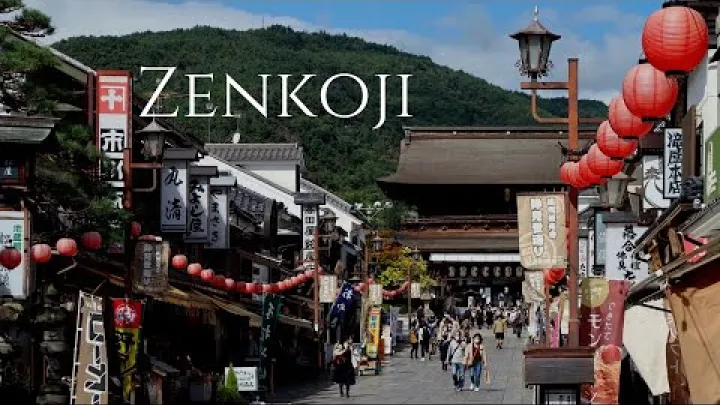
Plan the visit around the atmosphere you want rather than rushing through the temple and leaving immediately. Before arrival, review current visiting information, admission details for any areas that require them, event arrangements, and photography rules. Temple grounds and individual buildings may have different guidance, so follow the signs and instructions at the site.
Matsumoto Castle and Historic Townscapes
Matsumoto Castle is the main cultural anchor for a visit to Matsumoto. Pairing the castle with central streets and museums gives the day more context than treating the castle as an isolated stop. The surrounding townscape supports a slower walking plan, with time for cafés, local shops, and other cultural sites.
![Preview image for the video "[4K/HDR/Binaural] Matsumoto Spring 2022 Walking Tour - Nagano Japan".](/sites/default/files/styles/media_720x405/public/oembed_thumbnails/2026-08/lncIWO6HKcC3AeODcqBCUAkpE2cuAuQDeoAMIMFXxNo.jpg.webp?itok=tTdyu2-B "Preview image for the video \"[4K/HDR/Binaural] Matsumoto Spring 2022 Walking Tour - Nagano Japan\".")
A Matsumoto visit can stand alone in a short itinerary or become the cultural part of a longer route toward the Alps or the Kiso Valley. The castle visit itself is separate from the transport planning required for Kamikochi and other mountain destinations. Check the current official site information for opening arrangements, entry procedures, and visitor logistics before fixing the rest of the day. This helps prevent a cultural sightseeing plan from depending on an unrealistic mountain transfer.
Kamikochi and the Japanese Alps
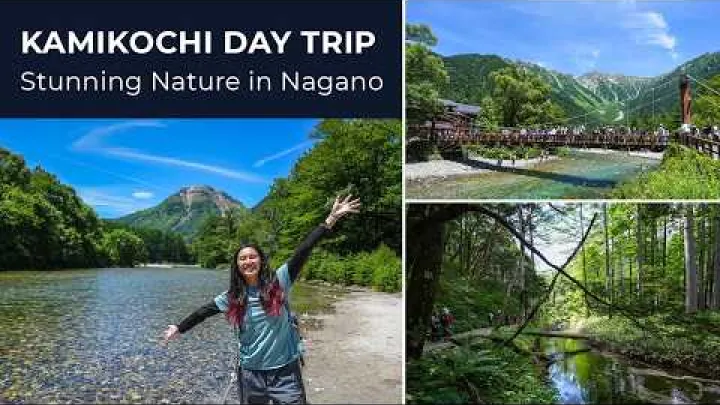
Kamikochi is an alpine valley known for clear mountain water, river scenery, mountain views, boardwalks, and walking routes. It can be approached from Matsumoto, commonly using rail and bus connections through Shin-Shimashima Station. The destination is suitable for different levels of activity: a visitor may enjoy a relatively easy valley walk, while longer routes require more preparation and should not be confused with a casual sightseeing stroll.
Access and facilities are seasonal, so Kamikochi should never be treated as a year-round attraction by default. Before booking a fixed itinerary, use the Kamikochi Official Website to confirm the current opening period, road access, public transport operation, trail information, and any destination restrictions. If one part of the route is closed or transport is not operating, replace the outing rather than trying to improvise an unsafe alpine plan.
Snow Monkeys, Togakushi, and Nakasendo Towns
These experiences appeal to different interests and should be chosen separately. Jigokudani Wild Monkey Park is a northern nature stop associated with wild Japanese macaques. Togakushi offers a forested shrine and cultural setting. The Kiso Valley follows a historic route where preserved Nakasendo post towns are experienced through walking and town exploration rather than a single landmark.
Choose the destination that fits your base and available time. A traveler staying in Nagano City may prioritize the northern nature area or Togakushi, while a traveler based in Matsumoto may connect the Kiso Valley with a westward route. Do not combine every northern and western excursion into one day simply because each appears on a regional map. Remote areas need realistic transfer allowances, and wildlife sites also have visitor rules that can affect how long the visit takes.
How to Get to and Around Nagano
Getting around Nagano usually means combining rail with buses, and sometimes a rental car. The most efficient arrival station depends on your chosen base, while the final connection to a mountain or valley destination often determines whether a day trip is realistic.
Arriving by Shinkansen and Limited Express
The Hokuriku Shinkansen is the main rail approach for Nagano-side destinations and also serves routes toward Karuizawa, Ueda, and Iiyama. Travelers heading to Matsumoto generally use limited express or conventional rail routes instead. This makes Nagano Station and Matsumoto Station different planning gateways, not interchangeable arrival points.
Choose the first major station according to your base. A Nagano City, northern resort, or Karuizawa plan may begin at a different station from a Matsumoto and Kamikochi plan. When buying tickets, consider operator boundaries, reserved-seat requirements, fare conditions, and whether a rail pass covers the complete route. A pass that covers one rail operator may not cover the bus or a connecting service needed at the end of the journey.
Using Buses to Reach Mountain Areas
Buses are essential for connecting rail stations with Hakuba, Jigokudani and Shiga Kogen, Kamikochi through Shin-Shimashima, and parts of the Kiso Valley. Depending on the destination, the service may be a local bus, an express service, a seasonal shuttle, or a destination-specific transfer. The Go Nagano Transport Guide provides a useful overview, but the operating company and timetable still determine the journey you can actually take.
A simple Kamikochi example is rail to Matsumoto, onward rail to Shin-Shimashima Station, and then a bus into the alpine area. For every mountain bus, confirm the current operator timetable, reservation rule, transfer point, boarding procedure, ticket method, transfer buffer, and last return service before leaving the rail station. Do not assume that a bus shown in an older itinerary still runs at the same time, or that a late arrival can be followed by an easy return.
When a Rental Car Helps and When It Does Not
A rental car can help on rural scenic routes, in areas with limited public transport, or on an itinerary that combines several villages without a convenient rail connection. It can also make luggage movement easier when you are changing between smaller accommodation areas. The benefit is flexibility, but that flexibility comes with rental, fuel, toll, parking, and route-planning costs.
A car is often unnecessary for common sightseeing in central Nagano City, central Matsumoto, or Karuizawa, where walking and local transport may cover the main attractions. Before renting, confirm that your driving licence and international driving permit are accepted, and review insurance, parking, winter equipment, road conditions, and possible closures. If the route includes mountain roads or winter travel, compare the freedom of driving with the extra responsibility and the possibility that a public transport option is more appropriate.
Walking, Cycling, and Tourist Information
Walking is practical in Nagano City, Matsumoto, Karuizawa, and preserved historic towns, especially when the day's sights are within one central area. Cycling can be enjoyable in suitable rural or highland corridors, but it is a destination-specific choice rather than a universal way to move around the prefecture. A casual town walk and a highland hike require different footwear, clothing, route planning, and weather preparation.
At Nagano Station and local city tourism offices, ask for current maps, local bus information, and practical advice for the area you are visiting. Save accommodation details and important schedules offline, and carry a printed schedule or route note for remote valleys and mountain areas. Extra preparation is useful when signage, transport connections, or navigation conditions are less predictable than they are in a major city.
When to Visit Nagano
The best time to visit Nagano depends on whether your priority is culture, foliage, highland walking, skiing, or onsen travel. Elevation and local operating periods matter, so one season does not produce the same experience everywhere.
Spring and Autumn for Culture and Scenic Walks
Spring and autumn are useful seasons for temple and castle visits, scenic walks, flowers, and foliage. They can be comfortable for exploring Nagano City, Matsumoto, Karuizawa, and historic towns, while higher areas may have a different seasonal rhythm. The timing of blossoms and autumn color changes with elevation, so a date that suits a city visit may not match a mountain valley.
Early and late shoulder periods can also bring partial services, residual snow, mud, or changing transport arrangements in alpine areas. Use flexible seasonal language when planning rather than relying on a fixed nationwide date. If blossoms, foliage, or a particular highland facility is central to the trip, look for destination-specific updates and opening information before booking non-refundable travel.
Summer for Highlands and Outdoor Activities
Summer is useful for Kamikochi, Karuizawa, Togakushi, Azumino, forest walks, cycling, and other highland activities. It is also a good season for combining a city or castle visit with time outdoors. These plans still need flexibility because mountain rain and thunderstorms can change a hiking route, a bus connection, or the amount of time that is sensible to spend outside.
Wear layers and suitable footwear, carry water, and avoid planning a demanding route when your clothing or experience is suited only to a casual walk. Keep a lower-altitude alternative available, such as a temple, museum, castle-town walk, or café area near your base. This makes the itinerary more resilient without assuming that every highland area has the same weather or services.
Winter for Skiing, Snow, and Onsen
Winter travel in Nagano is centered on skiing and snowboarding in Hakuba Valley, Nozawa Onsen, and Shiga Kogen, as well as onsen stays and snow-season scenery around northern destinations. Resort accommodation can make more sense than a city base when you want several days on the slopes. Nozawa Onsen can also suit visitors who want village and bathing culture alongside winter activities.
Winter sports require separate planning from a general sightseeing trip. Confirm current resort operations, equipment availability, clothing needs, lessons, and the transport route to the property. Snow can affect mountain roads and bus services, and high alpine destinations such as Kamikochi have seasonal closures. Book early for busy resort periods, but keep the route realistic if your main purpose is sightseeing rather than skiing.
Costs, Accommodation, and Booking
Nagano travel costs vary more by season, base, lodging style, and activities than by one standard daily average. Build the budget around the parts of the trip that are fixed, then add optional mountain or cultural experiences.
Build a Nagano Travel Budget
Separate your budget into intercity transport, local buses and trains, accommodation, meals, admissions, onsen visits, and optional outdoor expenses. Skiing and snowboarding can add lift tickets, equipment rental, lessons, and transport. Alpine outings may add transfers or guided activities, while a city sightseeing day may have fewer extra costs beyond accommodation, meals, and admissions.
- Lower-cost planning: Use a simple hotel or guesthouse, focus on city and historic-town walks, and limit long transfers and paid activities.
- Moderate planning: Combine comfortable accommodation with several paid attractions, local transport, and one nature or onsen experience.
- Higher-cost planning: Allow for resort lodging, traditional ryokan meals, private transfers, premium rooms, ski equipment, lessons, or guided outdoor activities.
Winter resorts and popular ryokan can require a separate budget from a city break. Keep essential transport and lodging separate from optional experiences so you can adjust the itinerary without losing the main purpose of the trip.
Choose Between Hotels, Ryokan, Guesthouses, and Ski Lodging
Station-area business hotels suit travelers who value simple access, predictable check-in, and a convenient base for rail travel. Traditional ryokan and onsen inns are better when the accommodation experience, meals, and bathing are part of the purpose of the stay. Ski lodges, pensions, apartments, and guesthouses can be useful for longer resort stays or travelers who need shared facilities and a more flexible setup.
Let the base determine the accommodation type. A station hotel may be efficient for Nagano City or Matsumoto, while a resort property may save daily transfer time in Hakuba, Nozawa Onsen, or Shiga Kogen. Confirm whether meals are included, how bathing facilities work, which payment methods are accepted, and what the check-in and cancellation rules are. Book earlier for winter resorts, popular foliage or blossom periods, Kamikochi's operating season, and busy weekends in Karuizawa.
One convenient city base reduces the number of hotel changes, but splitting the stay between a city and a specialized resort can make a longer trip more efficient. The right choice depends on whether you value fewer check-ins or more time near a particular attraction.
Cash, Cards, Connectivity, and Daily Supplies
A cash-and-card mix is prudent in Nagano. Major stations and larger hotels may offer more payment choices, while rural areas, small inns, traditional businesses, and some resort services can have different arrangements. Do not assume that every business accepts the same payment method. Withdraw enough yen before leaving a major station, and confirm ATM availability, operating hours, and payment options for your specific base.
Save reservations, addresses, maps, and key transport details for offline use. Connectivity can be less predictable in valleys and on trails than in urban centers, so do not make your only copy of a route or booking dependent on a live connection. Food, medicine, and other daily supplies are generally easier to arrange in Nagano City, Matsumoto, or another major hub than in a remote resort area. Travelers who use regular medication or have special dietary needs should prepare before leaving a major city.
Safety and Responsible Travel
Nagano travel is manageable when the itinerary matches the season and your experience. The most important habits are to respect access restrictions, treat mountain weather seriously, and follow the rules of temples, baths, wildlife sites, and resorts.
Mountain Weather, Trails, and Seasonal Closures
Use a clear go-or-no-go sequence before a highland outing. Start with the destination's official website, then review a destination-specific weather forecast, current trail or road status, and bus status. Consider daylight, your route experience, the planned turnaround point, and the time required to return to the transport connection. If any part of that chain is unsuitable, change the plan.
- Confirm that the destination and relevant facilities are operating.
- Review the forecast for the actual mountain or valley area, not only the city where you are staying.
- Check trail, road, and bus information for closures or disruptions.
- Choose layers, suitable footwear, water, and a route that matches your ability.
- Set a turnaround point and allow enough daylight and transfer time.
- Keep a lower-altitude alternative near your base if the outing becomes unsuitable.
A closure or access change should override a planned attraction. It is not a minor inconvenience to work around by entering a restricted route or continuing after conditions have changed.
Winter Sports and Mountain Driving
For skiing and snowboarding, stay on marked terrain and follow the resort's rules. Beginners should consider lessons or qualified guidance, and all travelers should review whether their insurance is appropriate for the activity. Confirm equipment, clothing, rental arrangements, and resort operations before traveling to a specialized base.
For driving, assess snow tires, road status, visibility, parking, and your own experience before starting. Mountain roads can require more time and attention than an urban route. Public transport is the safer choice when conditions exceed the driver's preparation or comfort. If you do drive, leave buffers around mountain activities so a delay does not create a missed connection or pressure to continue in poor conditions. Confirm rental requirements, insurance, equipment, and legal conditions with the provider.
Temple, Onsen, and Nature Etiquette
At an onsen, wash before entering the shared bath and follow the property's rules about towels, attire, bathing areas, and photography. Individual facilities may have additional guidance, so read posted instructions and ask staff when uncertain. At temples and shrines, follow signs and site-specific directions for worship, quiet areas, and photography rather than assuming every place follows identical rules.
At Jigokudani and other nature sites, keep a respectful distance, do not interfere with wildlife, and follow current instructions from the operator. The Jigokudani Wild Monkey Park official site is the appropriate place to review visitor guidance before the visit. Responsible behavior protects the animals and helps keep the experience safe for other visitors.
Nagano Itinerary Frameworks
A good Nagano itinerary has one clear geographic idea. The examples below are frameworks that you can adapt to the season, your arrival station, and the amount of time you want to spend outdoors.
A Two- to Three-Day First Visit
For a short first visit, choose one of two main patterns. The first uses Nagano City as the base, with Zenkoji Temple and a city walk on one day and one northern excursion on another. The second uses Matsumoto, with Matsumoto Castle and central townscapes as the cultural focus and a seasonal alpine visit if access and weather suit the dates.
Keep one main focus per day. Place arrival and departure logistics at the edge of the itinerary rather than assuming that a full sightseeing day is available after a long transfer. The alpine option is seasonal and transfer-dependent, so confirm access before committing to it. A short visit should prioritize one base instead of attempting to collect Zenkoji, Matsumoto, the northern nature area, Kamikochi, and several resorts in one route.
A Four- to Five-Day Culture and Nature Trip
With four to five days, split the trip between a cultural hub and one specialized area. For example, spend time in Nagano City or Matsumoto, then stay in or near Nozawa Onsen, Hakuba, Karuizawa, or the Kiso Valley according to your main interest. This creates room for one cultural day, one nature-focused day, and one slower or onsen-oriented day.
Choose alternatives by travel style rather than listing every attraction. Karuizawa suits highland walks and cafés, Nozawa Onsen suits village and bathing culture, Hakuba suits a focused outdoor stay, and the Kiso Valley suits historic walking. Use rail and bus gateways to reduce backtracking. If the selected area requires several transfers, an overnight there may be more efficient than a long return journey to a city base.
A Six- to Seven-Day Regional Trip
For six to seven days, use two main bases and one focused alpine, ski, onsen, or historic area. A non-winter route might combine Nagano City with Matsumoto and then add either Kamikochi, Karuizawa, the Kiso Valley, or a northern onsen area. A winter route might use a city or rail base for arrival and culture, then spend several nights in Hakuba Valley, Nozawa Onsen, or Shiga Kogen.
Do not assume that every named area fits comfortably into one week. Prioritize a coherent north, east, or west route and accept that choosing one corridor means leaving another for a future trip. Include rest time, a weather-flexible day, and a clear departure station or onward-travel plan. This is especially important when a mountain activity, bus connection, or winter road condition could affect the final day.
Final Planning Checklist for Nagano
Nagano works best when your route follows your interests instead of the outline of a map. Choose the base first, then add attractions that fit its transport corridor and the season.
Choose a Base, Check Conditions, and Leave Flexibility
- Choose Nagano City for Zenkoji and selected northern visits, Matsumoto for the castle and alpine access, Karuizawa for a relaxed highland stay, or a resort or historic town for a focused trip.
- Match the number of bases to the length of the trip. One base is usually easier for two or three days; longer visits can justify two specialized bases.
- Before departure, confirm accommodation details, train and bus schedules, site opening status, weather, road conditions, payment options, and any required equipment.
- Leave room to replace a mountain outing with a lower-altitude cultural or urban plan when access or weather is unsuitable.
Your next step is simple: select the one experience that matters most, identify the nearest practical base, and build the rest of the Nagano itinerary around that decision.
Select area
Create a post
Posting is free and no registration is required.