Banda Aceh Best Time to Visit: Weather by Month

The Banda Aceh best time to visit is usually June to August, when rainfall is relatively lower and outdoor plans are easier to manage. February to March can also be a useful window for travelers who want a drier period outside the main mid-year recommendation. Banda Aceh is hot and humid all year, so the main travel question is not temperature but rain, sea conditions, and how flexible your plans need to be. This guide explains the best months by travel style, the month-by-month weather feel, and practical planning for beaches, surfing, hiking, culture, and city travel.
Best Time to Visit Banda Aceh at a Glance
Banda Aceh sits at the northern end of Sumatra in Aceh Province, close to the equator and the sea. This means the weather is tropical, humid, and changeable in every season. The best travel window depends on whether you want beach days, surf, cultural sightseeing, or a slower city stay.
The Short Answer
For most visitors, the best time to visit Banda Aceh is generally June to August. These months usually bring the most reliable conditions for beaches, city sightseeing, short nature trips, and coastal plans. A practical Sumatra travel guide from Exploring Sumatra also points to June to August and February to March as the driest windows for northern Sumatra, including Banda Aceh.
February to March is the best secondary window. It comes after the wetter end-of-year period, so rainfall often eases, but showers are still possible. Temperatures remain hot and humid in both windows, so the advantage is mainly fewer rain interruptions rather than cooler weather.
Avoid thinking of Banda Aceh as having a completely dry season. Even in the better months, short tropical showers, cloudy periods, and sudden rain can happen. Check the forecast close to your travel dates and keep some flexibility in your daily plans.
Best Months by Travel Style
The best season for Banda Aceh changes by activity. Beach-focused travelers usually want fewer showers and calmer planning conditions. Surfers may prefer a different season because wave patterns matter more than sunshine.
| Travel style | Best timing | Main trade-off |
|---|---|---|
| Beach trips | June to August | Rain is still possible |
| General outdoor travel | June to August | Heat and strong sun |
| City sightseeing | February to March or June to August | Humidity all year |
| Hiking and nature | June to August, with February to March as a possible option | Muddy trails after rain |
| Surfing near Lhoknga | November to April | More rain risk |
| Flexible budget travel | Rainier months outside major holiday periods | Less reliable weather |
If your trip has fixed dates and depends on outdoor activities, choose June, July, or August when possible. If you are flexible and do not mind rain, February or March can be a good compromise.
Banda Aceh Climate Basics
The climate in Banda Aceh is shaped by its equatorial location, coastal setting, and tropical rainfall pattern. The seasonal difference is real, but it is not as sharp as in places with a cold winter or a clearly dry desert-like season.
Year-Round Heat and Humidity
Banda Aceh is hot and humid in every month. Average conditions are generally in the upper 20s Celsius, and daytime highs often reach the low 30s Celsius. Nights may feel warm rather than cool, especially when humidity is high.
There is no cold season, so travelers do not need winter clothing. The bigger challenge is heat management: drinking enough water, choosing shaded routes, taking air-conditioned breaks, and avoiding long walks in the hottest part of the day. Humidity can make the city feel hotter than the thermometer suggests, especially after rain or during still afternoons.
Rainy Season and Drier Windows
Banda Aceh has an equatorial climate with heat throughout the year and no completely dry season, according to the climate summary from Climates to Travel. The rainier period is roughly October to January, with the heaviest rain often around the end of the year.
June to August is the clearest relatively drier window. June often stands out as a strong month because rainfall is usually lower compared with many other months. February to March is another relatively drier period after the wettest part of the year weakens.
The seasonal contrast is mostly about how often it rains and how heavy showers become. Temperature changes are smaller, so you should choose your travel month based on rain risk, beach conditions, visibility, and transport flexibility.
Why Dry Season Still Means Possible Rain
Even the best months can bring rain. A good-weather trip to Banda Aceh can still include a sudden shower, a cloudy morning, or an afternoon storm that interrupts beach time. This is normal for a tropical coastal city.
Plan outdoor activities earlier in the day when possible, carry a small umbrella or light rain jacket, and keep phones, passports, and electronics in waterproof storage. If you are planning a beach day, nature outing, or coastal transfer, leave room to move plans by a few hours or to the next day.
Climate averages help you choose a better month, but they cannot promise sunshine on a specific date. Treat June to August as lower-risk, not risk-free.
Month-by-Month Weather Feel
A month-by-month view is useful because Banda Aceh changes gradually rather than switching suddenly from dry to rainy. The descriptions below explain the usual travel feel, not a guaranteed forecast for any individual year.
January to March
January is still part of the wetter period. Expect humidity, frequent showers, and a stronger need for flexible plans. This month can still work for city travel, food, museums, and cultural visits, but it is less ideal for travelers who want several reliable beach days.
February usually begins to feel more workable as the wettest conditions ease. Rain gear is still useful, but outdoor plans may become easier to arrange. March can be a good compromise month for travelers who want city sightseeing, beach visits, and regional travel without waiting until mid-year.
Surfers may also consider this period because it overlaps with the local surf season around Lhoknga. Non-surfers should still expect some rain and should avoid building a rigid itinerary around perfect sunshine.
April to June
April and May are transition months. They are warm, humid, and variable, with a mix of usable outdoor periods and possible rain interruptions. These months can suit travelers with flexible plans, but they are not as strong as the main June to August window.
June is usually one of the best months to visit Banda Aceh. Rainfall is comparatively lower, and beach days, city walks, and coastal plans tend to be easier to manage. Clearer skies also mean stronger sun, so sunscreen, a hat, sunglasses, and shaded breaks become especially important.
If you travel in June, plan demanding walks or outdoor sightseeing for the morning or late afternoon. Midday heat can be tiring, even when the weather is otherwise favorable.
July to September
July and August are among the best months for general travel in Banda Aceh. They are strong choices for beaches, casual swimming, sightseeing, and light outdoor activities. Rain can still happen, but the overall planning risk is usually lower than in the wetter months.
September remains workable, but it often feels more transitional. Rainfall and cloudiness can become more noticeable, so it is slightly less reliable than July or August. If you are choosing between these months and your main goal is weather comfort, July and August are usually the safer picks.
Because mid-year can overlap with wider holiday travel periods, fixed-date travelers should book important accommodation and transport earlier. Banda Aceh is not usually discussed like Indonesia's largest resort destinations, so avoid assuming extreme crowding, but early booking can reduce stress when plans are fixed.
October to December
October usually marks a move toward wetter conditions. Plans become less predictable, and travelers should expect more rain interruptions. November is firmly in the wetter part of the year and is less ideal for beach-focused or hiking-focused trips.
December is generally one of the least favorable months for travelers who want sunny beach days, clear views, and smooth outdoor logistics. Rainfall is often high, and holiday travel can add another layer of planning pressure.
These months can still work if your priorities are museums, food, city atmosphere, and slower travel. Build indoor backup plans into the itinerary, avoid overpacking each day, and check the forecast before committing to outdoor or coastal activities.
Best Time for Beaches, Surfing, Hiking, and Culture
The best month depends on what you want to do. Banda Aceh city sightseeing, Lhoknga beach time, surf trips, and nature outings each respond differently to rain, wind, waves, and heat.
Beach Days and Casual Swimming
June to August is the best period for travelers who want the highest chance of sunny beach days and fewer rain interruptions. Coastal areas near Banda Aceh and Lhoknga beaches are easier to enjoy when showers are less frequent and daily plans are more predictable.

Sea temperatures are warm year-round, so swimming comfort depends more on rain, wind, waves, visibility, and local sea conditions than on water temperature. After heavy rain or during rough seas, check local advice before entering the water. Conditions can change quickly, and monthly climate averages do not replace on-the-day judgment.
For a relaxed beach itinerary, allow more than one possible beach day instead of relying on a single perfect day. This gives you room to adjust if a shower arrives at the wrong time.
Surfing Near Lhoknga
Surfers may prefer a different travel calendar from casual beach visitors. A local Banda Aceh travel guide from Discover Sumatra describes the surf season around Lhoknga as November to April.
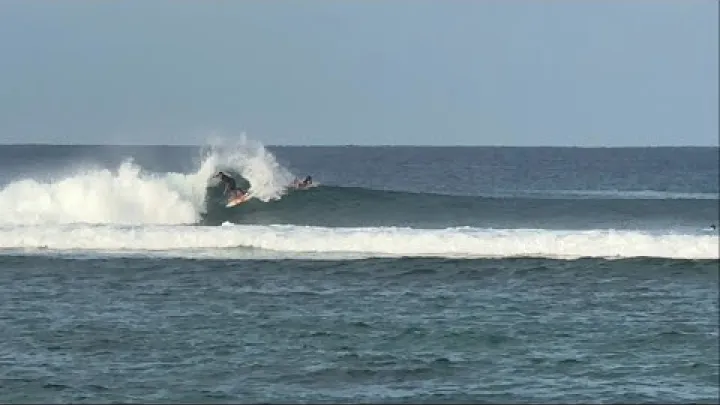
This creates a clear trade-off. November to April may be better for surfing, but part of that period overlaps with Banda Aceh's rainier months. Surfers may accept wetter travel conditions because wave quality is the priority, while non-surfing beach travelers will usually prefer June to August.
Before surfing, check local surf reports, tides, swell conditions, and operator guidance. Do not rely only on a monthly season label, especially if you are new to the area or planning around a short travel window.
Hiking and Nature Trips
For hiking and nature outings around northern Sumatra, the relatively drier months are usually best. June to August is the strongest window, while February to March can be a possible alternative for flexible travelers.

Heavy rain can make trails muddy and slippery. It can also reduce visibility, make viewpoints less rewarding, and increase the chance that a short outing takes longer than expected. Even when the forecast looks good, tropical ground conditions can remain wet after previous rain.
Start early to reduce heat exposure and improve your chance of completing the most active part of the day before afternoon showers. Bring water, sun protection, and rain protection, and ask locally about current trail or road conditions before leaving the city.
City Sightseeing and Cultural Visits
City sightseeing in Banda Aceh is less weather-dependent than beaches or hiking. Places such as Baiturrahman Grand Mosque and the Tsunami Museum can fit well into a mixed-weather itinerary, especially if you plan outdoor walking for cooler parts of the day.
Early morning and late afternoon are usually more comfortable for city walks and photography. Midday can feel hot and humid, so it is sensible to plan indoor breaks, meals, or air-conditioned stops during the warmest hours.
Dress modestly for mosque visits and conservative public settings. Long, loose clothing is practical because it respects local settings while also helping with sun protection. If you visit during Ramadan or around local events, check dates and opening arrangements because they can change by year.
Rain, Sea Conditions, and Travel Logistics
Weather affects more than comfort. In Banda Aceh, rain can influence city movement, coastal plans, and how much buffer time you need between activities.
Heavy Rain and Urban Movement
Heavy rain can slow movement around the city, make walking uncomfortable, and create temporary delays. This does not mean you should avoid Banda Aceh in every rainy month, but it does mean you should plan with more patience from October to January.

If you visit in the wetter period, leave extra time for transfers and avoid scheduling every hour of the day. Choose accommodation that makes your main activities easy to reach, and keep an indoor backup plan for rainy afternoons.
Use sensible tropical-rain planning rather than fear-based planning. A flexible itinerary, waterproof storage, and realistic travel times are usually more useful than trying to predict every shower in advance.
Coastal Conditions and Boat Plans
Coastal weather matters for beach trips, island connections, and any small-boat plans. Rain, wind, and sea conditions can affect comfort and may delay plans, especially in the rainier months.
If you plan to continue toward Pulau Weh, Sabang, or other coastal destinations, check current schedules and operator guidance close to departure. Avoid relying only on old timetables or general monthly weather descriptions.
Dry-season months usually give travelers more reliable outdoor and coastal planning windows, but they do not guarantee calm seas. If an onward connection is important, consider keeping one buffer day rather than scheduling a tight same-day chain of transport.
Climate Averages Versus Live Forecasts
Climate averages help you choose a travel month. Live forecasts help you decide what to do tomorrow morning. Both are useful, but they answer different questions.
Before departure and during your stay, check a reliable forecast such as the Met Office, along with local or Indonesian weather information when available. This is especially important before beach days, boat plans, or hiking trips.
No monthly guide can predict the exact weather for your travel week. If the forecast changes, adjust your itinerary: move beach time earlier, switch a hike to a city day, or keep a flexible afternoon for the Tsunami Museum, food, or rest.
What to Wear and Pack
Packing for Banda Aceh is mostly about heat, humidity, rain, sun, and respectful clothing choices. You do not need heavy layers, but you do need practical items that work in tropical weather.
Clothing for Heat, Humidity, and Modest Settings
Bring lightweight, breathable clothing that dries quickly and feels comfortable in humidity. Loose shirts, light trousers, long skirts, and airy layers can be more comfortable than tight clothing in hot weather.
For mosque visits and conservative public settings, modest clothing is recommended. Long, loose clothing is useful because it is culturally appropriate in many settings and also protects against sun exposure. A light scarf or cover-up can be practical for visitors who plan to enter religious sites.
No cold-weather clothing is needed. A very light layer may still be useful for air-conditioned transport, airport waiting areas, or indoor spaces where the temperature feels cooler than outside.
Rain Gear, Sun Protection, and Daily Timing
Pack a small umbrella or a light rain jacket in every season, including the relatively drier months. Sudden showers are part of the climate, and having simple rain protection makes city walking and transfers much easier.
For sun and heat, bring sunscreen, sunglasses, a hat, insect repellent, and a reusable water bottle. Waterproof storage for your phone, passport, and small electronics is useful during sudden rain or sea spray.
Plan demanding walks, beach time, and outdoor sightseeing for the morning or late afternoon when possible. This timing helps reduce heat exposure and gives you more flexibility if clouds or showers build later in the day.
Crowds, Prices, and Periods to Avoid
Weather is only one part of travel timing. Demand, local holidays, regional travel patterns, and your own flexibility also matter. Evidence for exact seasonal prices in Banda Aceh is limited, so it is better to think in terms of practical risk rather than guaranteed discounts or crowds.
High-Comfort Months and Demand
June to August offers the best weather comfort for many travelers. Because these months are easier for beaches and outdoor plans, they may attract more demand than wetter periods, especially when they overlap with school holidays or wider travel seasons.
If your dates are fixed, book important accommodation and transport earlier during the better-weather months. This is a simple risk-reduction step, not a guarantee that everything will be full.
Local events and regional movement can matter as much as climate. If you are planning a short trip around a holiday period, check availability early and keep your itinerary realistic.
Budget-Friendly Rainy Season Trade-Offs
Rainy-season travel may appeal to flexible budget travelers who do not need perfect beach weather. Accommodation or transport value may be better in lower-demand periods, but specific discounts are not guaranteed.
November, January, or early February can work for travelers who are comfortable with rain and slower plans. December deserves more caution because heavy rain risk often combines with holiday travel pressure.
The trade-off is clear: possible value and quieter travel in exchange for a higher chance of rain interruptions. If you book during wetter months, check cancellation policies and avoid locking every activity into a tight schedule.
When to Avoid Banda Aceh for Weather-Sensitive Trips
If your trip depends on sunny beach days, clear views, hiking, or smooth outdoor logistics, avoid November to January when possible, especially December. These months are not impossible, but they require more patience and backup planning.
Hiking-focused travelers should avoid the wettest weeks unless they are experienced, flexible, and prepared for muddy conditions. Beach-focused travelers should choose June to August instead of hoping for reliable sunshine during the rainier season.
Surfers are the main exception. Since the Lhoknga surf season can overlap with wetter months, a surfer may choose November to April while accepting rainier travel conditions. The simple rule is this: choose June to August for the easiest overall trip, February to March for a secondary drier window, and November to April mainly if surf is your priority.
Final Recommendation
The best time to visit Banda Aceh for most travelers is June to August, with June, July, and August offering the most reliable mix of beach weather, city sightseeing, and outdoor planning. February to March is the best alternative if you want a relatively drier period outside the mid-year window.
Choose November to April mainly if surfing near Lhoknga is your main reason for visiting, and be ready for wetter conditions. Avoid November to January, especially December, for weather-sensitive beach or hiking trips unless your schedule is flexible.
Whatever month you choose, remember that Banda Aceh stays hot, humid, and rain-prone year-round. Pack for sun and showers, plan outdoor activities early, respect local cultural settings, and check live forecasts before beach, boat, or nature plans.
Select area
Create a post
Posting is free and no registration is required.