Rantepao Travel Guide: Toraja Highlands, Sulawesi
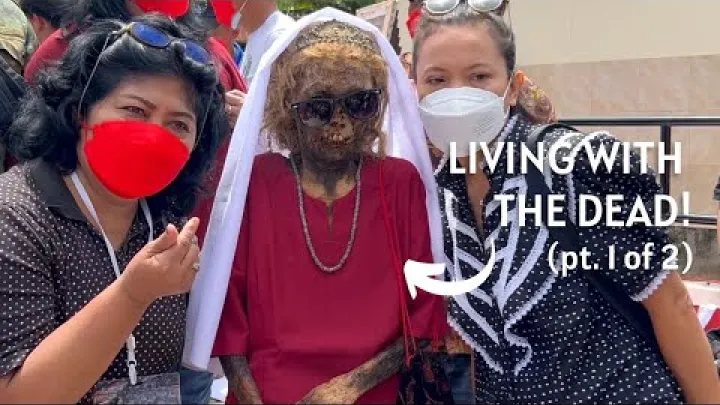
This Rantepao travel guide is for first-time visitors who want to explore the Toraja highlands with practical planning and cultural respect. Rantepao is the main visitor base in North Toraja Regency, South Sulawesi, and it is the place where many travelers arrange transport, guides, accommodation, and day trips to villages, burial landscapes, markets, and scenic highland routes. The town is not a polished resort area; it is a living highland town where travel services are useful but sometimes informal. Use this guide to plan when to go, how to get there, where to stay, what to prioritize, and what to confirm locally before you travel.
Rantepao at a Glance
Rantepao works best when you understand it as a base rather than a single attraction. Most of the best-known Toraja cultural and landscape sites sit outside the town, so your experience depends on transport, timing, weather, and respectful local guidance.
Why Travelers Base Themselves in Rantepao
Rantepao is the practical center for many Toraja trips because it brings together guesthouses, hotels, simple restaurants, local transport contacts, guides, shops, and market access. If you are arriving from Makassar after a long road journey, it is also a sensible place to rest before visiting rural sites.
The town has enough services to support independent travelers, but you should not expect the structure of a large tourist city. Some arrangements are made through accommodation, local drivers, informal rental points, or personal recommendations. That can work well, but it rewards travelers who leave time to ask questions and confirm details.
It is also important to remember that Rantepao is a living community. The market, streets, churches, schools, homes, and transport stops are part of everyday life. Treat the town as more than a sightseeing launchpad, and your visit will feel more grounded and respectful.
How Rantepao Fits Into South Sulawesi and Toraja
Rantepao is in North Toraja, a regency in South Sulawesi, Indonesia. International visitors often reach South Sulawesi through Makassar, the provincial capital and main regional gateway, then continue inland by road toward the Toraja highlands.
For travelers, the important distinction is simple: Makassar is the large coastal gateway, while Rantepao is the highland base for exploring Toraja culture and landscapes. The broader Toraja region includes places in and around North Toraja and Tana Toraja, so day trips may cross local administrative boundaries without feeling like a major change on the ground.
The move from Makassar to Rantepao is also a change in environment. You leave a warmer lowland and coastal setting and enter a cooler, hillier area with rural roads, rice fields, villages, and mountain weather patterns.
The Town Layout: Market Core, Main Streets, and Hotel Roads
The Rantepao central market area is one of the easiest orientation points. Around the center, travelers can find food, small shops, transport contacts, and everyday town activity. Main roads such as the Jalan A. Yani area may also help with orientation, but current tourist information services and office locations should be checked locally after arrival.
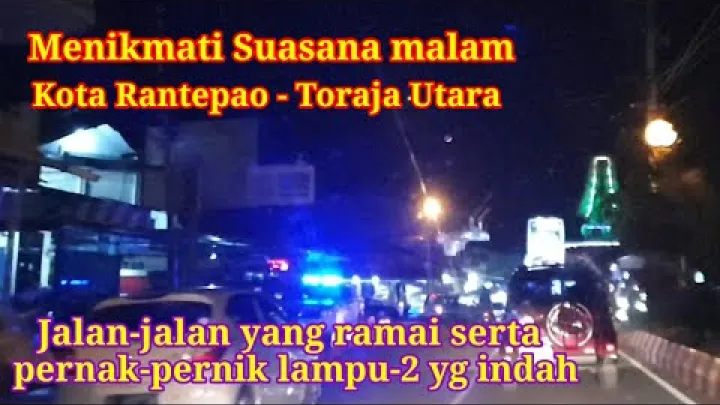
Central Rantepao is walkable for basic errands, meals, and orientation. However, most cultural sites, burial landscapes, highland viewpoints, and villages require a motorbike, hired driver, or guide. Accommodation may be in the compact center, along busier roads, or on quieter edges where the countryside begins.
| Area type | Best for | Trade-offs |
|---|---|---|
| Market core | Food, errands, walking, transport questions | More noise and traffic |
| Main roads | Vehicle access and practical hotels | Less atmosphere than rural edges |
| Scenic outskirts | Views, quiet stays, countryside feeling | Transport needed for meals and errands |
Best Time to Visit Rantepao
The best time to visit Rantepao depends on your tolerance for rain, your interest in scenic routes, and how flexible your itinerary is. The highland setting means conditions can feel different from broad national weather summaries.
Dry Season, Wet Season, and Highland Conditions
Indonesia is often described as having a generally drier period around May to September and a wetter period around October to April. SelectiveAsia gives this broad seasonal framing for Indonesia, but Rantepao’s highland location means local conditions can be cooler, cloudier, or wetter than lowland cities.
For most first-time visitors, the drier months are usually the easiest for planning. Roads are more comfortable, viewpoints are more likely to be clear, and walking around village paths or burial sites can be less slippery. Even then, rain is still possible, so bring a light rain layer and protect electronics.
Before traveling, check a current local forecast rather than relying only on a national climate summary. Weather can change quickly in the hills, and a flexible plan is more useful than a fixed checklist.
How Seasonality Affects Roads, Views, and Ceremonies
Seasonality matters most for movement. In drier weather, motorbike rides, countryside routes, and walks around sites are usually easier. During wetter periods, landscapes may look greener and visitor numbers may feel lower, but mud, slippery paths, cloud cover, and slower travel can affect your plans.
Pack for the conditions rather than for a perfect season. Shoes with grip are useful for uneven ground and caves. A light layer helps with cooler evenings and early starts. A rain jacket, dry bag, or waterproof cover can save a day trip when showers arrive unexpectedly.
Do not plan around a fixed funeral calendar. Toraja ceremonies are family and community events, not performances scheduled for travelers. If you hope to attend respectfully, ask your accommodation, a local guide, or a trusted contact what is appropriate during your visit.
How to Get to Rantepao
Most visitors reach Rantepao from Makassar by road. Flights may appear in searches, but road travel remains the safer default assumption unless you have confirmed a current, reliable flight and onward ground transport.
The Main Overland Route From Makassar
The usual route to Rantepao is overland from Makassar. The journey is long and is commonly treated as either a full-day road trip or an overnight bus journey, depending on the operator, route, road conditions, stops, and traffic.
Avoid tight onward connections on the same day you arrive. Even if your bus or car is expected at a certain time, mountain roads and city traffic can change the schedule. If you need to connect to a flight from Makassar later, add a buffer rather than returning from Rantepao at the last possible moment.
Confirm departure points, ticketing, seat type, and arrival location directly with your hotel, bus company, or local agent. On buses, keep your passport, phone, wallet, and essential medication with you rather than in stored luggage. A small day bag that stays at your seat is more practical than relying on access to your main bag during stops.
Makale, Bus Arrivals, and First-Day Orientation
Makale and Rantepao are both important places in the Toraja area. Makale is useful for some routes and local administration, while Rantepao is usually more convenient for visitors who want accommodation choice, guides, food options, and day-trip arrangements.
Before boarding, ask whether your bus stops in Makale, Rantepao, or at another drop-off point. This matters most if you arrive early in the morning, late at night, or with luggage. If you have booked accommodation, send the property your expected arrival details and ask for the easiest way to reach them from the drop-off point.
Keep your first day light. Check in, find cash, walk around the center, eat, and arrange the next day’s transport or guide. If you arrive with extra energy, visit one nearby site or the market area, but do not force a full sightseeing day after the long journey.
- Confirm your exact drop-off point before departure.
- Save your accommodation name, address, and phone number offline.
- Withdraw or prepare Indonesian rupiah before leaving town for rural sites.
- Use the arrival day to arrange transport, not to rush through major sites.
Flights to Toraja and What to Verify Before Booking
Pongtiku Airport (TTR) may appear on flight platforms as a regional airport serving the Toraja area. Expedia lists Pongtiku Airport, but this should not be treated as proof that convenient, frequent, or currently operating flights will match your travel dates.
Regional air schedules can change, and smaller airports may not work like major city airports. Before building an itinerary around a flight, verify current routes directly with airlines, booking platforms, local travel agents, or your accommodation in Rantepao.
If a flight is available, also check onward ground transport. Landing in the region does not remove the need to travel by road to your hotel or sites, and arrival times may affect whether onward travel is easy or expensive.
Getting Around and Choosing Where to Stay
Your base and transport choice will shape your trip more than almost any single attraction. Choose convenience if you are short on time, and choose the outskirts only if you are comfortable arranging rides for meals and day trips.
Walking, Motorbikes, Drivers, and Local Guides
Central Rantepao can be explored on foot for meals, errands, and basic orientation. For places such as Kete Kesu, Lemo, Londa, Bori Kalimbuang, Batutumonga, and rural villages, you will need transport.

Motorbike rental is a common independent option around Rantepao, and independent-travel accounts such as Time Travel Bee describe travelers using Rantepao as a base and arranging local motorbike transport. Treat any quoted rental price online as historical or indicative only, and check current prices locally.
Only ride if you are confident with hills, variable road surfaces, local traffic, and sudden rain. Wear a helmet, avoid unfamiliar rural roads after dark, and do not ride in heavy rain if visibility or traction is poor. A driver is often better for groups, families, photography stops, or visitors who do not want the stress of navigation.
A local guide is especially useful when cultural interpretation matters. Guides can explain what you are seeing, help with language, identify appropriate ceremony opportunities, and reduce the risk of accidental disrespect.
Best Base Areas for First-Time Visitors
For most first-time visitors without their own transport, a central or near-central stay is the easiest choice. You can walk to meals, ask questions, compare transport options, and handle cash or supplies before day trips.
Hotels along main roads may be quieter than the market core and easier for drivers to access. Scenic outskirts can be more atmospheric, but they work best if your property serves meals, helps arrange transport, or if you already have a driver or motorbike.
| Base area | Best for | Transport needs |
|---|---|---|
| Central Rantepao | Short stays, food access, first-time orientation | Walk in town; transport for sites |
| Near main roads | Quieter hotels with easy pickup | Short rides for the center and sites |
| Countryside edge | Views and a slower atmosphere | Regular transport for meals and errands |
Accommodation Types and Booking Expectations
Rantepao has a range of places to stay, from simple guesthouses and homestays to mid-range hotels and larger resort-style properties. Listings on Booking.com show that travelers can compare different accommodation types, but prices and availability should always be checked for your exact dates.
Recent reviews matter more than old descriptions. Look for comments about hot water, Wi-Fi, road noise, cleanliness, location, breakfast, and whether the property can help arrange guides, drivers, motorbikes, or bus tickets.
Advance booking is safer if you are staying only a few nights, arriving late, or traveling during a busy period. If you have more time and flexibility, some smaller places may be easier to assess locally, but you should still have at least your first night arranged after the long trip from Makassar.
Cultural Etiquette for Toraja Travel
Toraja travel is deeply connected to living culture, family obligations, architecture, ritual, and memory. Respectful behavior is not an optional extra; it is central to visiting well.
Understanding Funerals Without Treating Them as Performances
Toraja funerals are real family and community rituals. They are not shows created for visitors, even when guests from outside the community are welcomed. They can be complex, emotional, expensive, and socially important events with customs that vary by family, village, status, and circumstance.
Travel writing often focuses on the dramatic elements of Toraja funerals. A better approach is to see them as part of a wider system of kinship, respect, belief, and community responsibility. Background articles such as Time Travel Bee can help travelers understand why careful cultural framing matters, but local guidance is still essential.
Attend only when welcomed or properly introduced. If you are unsure, ask a guide, host, or accommodation contact. Being physically present does not automatically mean every moment is appropriate to photograph, discuss loudly, or approach closely.
Dress, Gifts, Photography, and Respectful Behaviour
Dress modestly at ceremonies, villages, and burial places. Simple, clean clothing that covers shoulders and knees is a safe starting point. Subdued behavior is more appropriate than loud commentary, joking, or treating ritual moments as entertainment.
Guests may be expected to bring a small contribution or gift, but there is no universal amount or item that applies to every situation. Ask your guide or host what is appropriate before attending. If you are not with a guide, it is better to be cautious and ask than to assume.
- Do ask before photographing people, coffins, mourning moments, bones, ritual acts, or close family spaces.
- Do follow the instructions of your host, guide, or local site attendant.
- Do keep your voice low at ceremonies and burial places.
- Do not climb on structures, graves, stones, or village features for photos.
- Do not touch bones, effigies, offerings, or ritual objects unless clearly invited.
- Do not enter private areas just because other visitors are nearby.
When a Local Guide Is Worth Hiring
A guide is worth hiring when you want more than transport. Good guides provide context, help with language, explain etiquette, identify which ceremonies are appropriate for visitors, and help you understand places that may otherwise look visually striking but remain culturally unclear.
For a first visit, consider a guide for any funeral attendance and for less-interpreted burial or village sites. A guide can also help build a route that avoids wasting time on long backtracking or unsafe roads after rain.
Agree on the price, route, transport, start time, end time, site fees, meals, and ceremony contributions before you begin. If you hire through accommodation, a tourist information point, or a trusted referral, still confirm exactly what is included.
Best Things to Do In and Around Rantepao
The best Rantepao itinerary balances famous cultural sites with slower experiences in markets, villages, and rural landscapes. Avoid trying to see everything in one day; the distances, roads, and cultural context deserve more time.
Traditional Villages and Ancestral House Architecture
Traditional Toraja villages are among the most memorable day trips from Rantepao. The most recognizable buildings are tongkonan, ancestral houses with dramatic curved roofs, carved panels, and symbolic importance. Rice barns, village layouts, and woodcarving details are also part of the visual and cultural landscape.
Kete Kesu is one of the commonly visited villages near Rantepao. Before visiting, check current access, entry arrangements, and etiquette locally. Some villages are living communities, not open-air museums, so stay on appropriate paths and avoid entering houses or private spaces unless invited.
A guide or site attendant can help explain what the buildings represent and how the village functions today. Even without a guide, move slowly, greet people politely, and avoid turning private life into a photo subject without permission.
Burial Sites, Caves, and Stone Landscapes
Many important Toraja sites around Rantepao are connected to burial traditions, memory, and ancestral presence. Places such as Lemo, Londa, and Bori Kalimbuang are often included in visitor routes, but each has its own setting and sensitivities.
You may encounter graves, cliff or cave settings, effigies, bones, memorial stones, or ritual spaces. Use careful language and careful behavior. These are not horror attractions; they are culturally meaningful places connected to families and communities.
Wear shoes with grip, especially if paths are wet or uneven. Do not touch remains or ritual objects. Use a flashlight only where it is allowed or useful, and avoid harsh close photography unless a local attendant or guide confirms it is appropriate.
Batutumonga and Scenic Highland Routes
Batutumonga is often associated with highland views, rice terraces, rural roads, and a cooler countryside atmosphere. For many travelers, the route itself is as rewarding as the destination because it passes villages, fields, and hill scenery.
Weather shapes the experience. Cloud cover can hide views, rain can make roads more difficult, and mist can change visibility quickly. Start early if conditions look promising, and ask locally about road conditions before committing to a motorbike ride.
Self-riding gives flexibility, but only experienced riders should take on hill routes, especially after rain. A driver can be a better choice if you want to relax, stop for photos safely, or avoid navigating unfamiliar roads.
Markets, Coffee, and Everyday Town Life
Rantepao’s market area is one of the best places to see everyday trade and town routines. It is useful for fruit, snacks, supplies, and orientation, but it is also a working place for local people, not a stage for visitors.
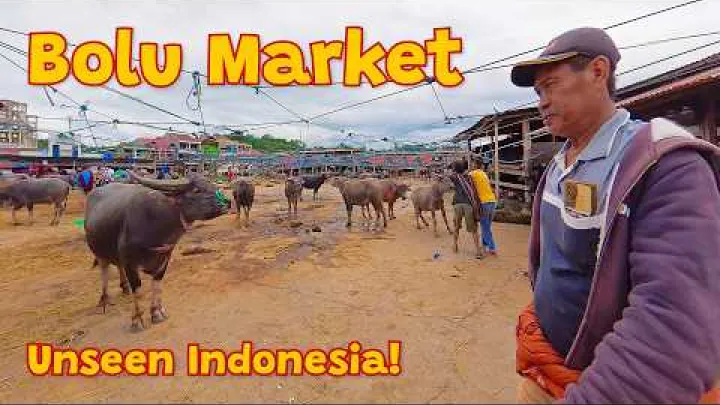
Ask before taking close photographs, especially of vendors or customers. Bargaining, where accepted, should be polite and calm. If you do not know the local price, observe first, smile, and keep the exchange respectful.
Toraja coffee is a regional product worth trying during your stay. Rather than chasing a fixed list of “best” cafés, ask your accommodation or guide where to find a fresh cup nearby. Evening food stalls and simple cafés can also be good ways to experience the town at a slower pace.
Food, Costs, Safety, and Daily Logistics
Rantepao is not difficult to manage, but daily logistics require some preparation. Cash, weather, transport, and communication can all affect how smoothly your trip works.
Where and What to Eat in Rantepao
Toraja food can include pork or buffalo, so travelers who avoid these should ask clearly before ordering. Vegetarian, vegan, halal, gluten-free, or allergy-sensitive travelers should prepare translation phrases and confirm ingredients rather than assuming staff will understand dietary terms in English.
Use normal food-hygiene judgment without being fearful. Choose busy places, check that food is cooked thoroughly, drink safe water, and carry basic stomach medicine if you are sensitive to changes in diet.
Typical Travel Costs and Cash Planning
Your main costs in Rantepao will be accommodation, food, local transport, guides, site fees, fuel if renting a motorbike, and ceremony contributions when appropriate. Prices can change by season, demand, booking channel, and negotiation, so treat any old online price as a rough clue rather than a current fact.
Carry enough Indonesian rupiah for day trips. Cards may work at some hotels or larger businesses, but rural sites, small restaurants, local transport, fuel stops, and contributions may require cash. Before leaving Rantepao for a full day, check that you have small notes as well as larger bills.
| Cost category | What to check | Planning tip |
|---|---|---|
| Accommodation | Location, reviews, inclusions | Book first night in advance |
| Transport | Motorbike, driver, fuel, pickup point | Confirm total cost before departure |
| Guides | Route, time, language, inclusions | Agree details clearly |
| Sites and ceremonies | Entry, donations, gifts | Carry small cash |
| Food | Warungs, cafés, guesthouse meals | Keep cash for simple places |
Connectivity, Health Basics, and Personal Safety
Wi-Fi and mobile data may be available in town, but service can be less reliable in rural areas and on highland routes. Download offline maps, save your hotel details, keep screenshots of bookings, and carry a power bank for long day trips.
Rantepao should be approached with normal travel awareness rather than fear. General safety guidance from Global PSU includes keeping valuables secure and personal belongings in sight, which is useful advice for buses, markets, and busy town areas.
Use helmets on motorbikes, avoid risky night riding, and follow local advice about roads and weather. Before visiting Indonesia, check current government travel advice and health guidance relevant to your nationality, vaccinations, insurance, and personal medical needs.
What to Verify Locally Before You Go
Because transport, weather, access, and ceremonies can change, local verification is part of good planning in Rantepao. This does not mean travel is difficult; it means you should leave room for updated advice.
- Confirm Makassar bus departure points, ticketing, arrival locations, and expected travel time.
- Check whether any regional flights are operating on your dates before relying on air access.
- Ask about current road conditions before motorbike rides or highland routes.
- Check site access, entry expectations, and whether a local attendant or guide is recommended.
- Ask about weather before visiting viewpoints such as Batutumonga.
- Confirm guide availability, language, price, route, and what is included.
- Ask about ceremony etiquette, gifts, clothing, and whether visitors are welcome.
Your best sources are your accommodation, local guides, transport operators, tourist information contacts where available, and official or operator channels when they exist. A flexible plan will give you a better trip than a rigid list.
Suggested Rantepao Itineraries
Rantepao rewards travelers who slow down. A short trip can work, but the long journey from Makassar means three to five days is usually more satisfying for a first visit.
Two-Day Starter Itinerary
A two-day visit is best for travelers who are short on time and accept that they will only get an introduction. On day one, arrive, rest, walk around the town center, visit the market area if timing works, find cash, and arrange a guide or transport for the next day. If you arrive early and feel rested, add one nearby cultural site rather than trying to cover a full route.
On day two, choose a balanced route: one traditional village, one burial landscape, and one slower town-life or market experience. Do not overload the day with every famous site. Travel times, weather, and conversation with a guide may be more valuable than rushing between stops.
Funeral attendance cannot be guaranteed on a two-day schedule. If a ceremony is appropriate and you are welcomed, adjust your plan. If not, focus on villages, landscapes, architecture, and learning the context respectfully.
Three-to-Five-Day Cultural and Landscape Itinerary
Three to five days is a better pace for most first-time visitors. Use the first day for arrival and orientation. Use one day for villages and burial landscapes near Rantepao. Use another day for a scenic countryside route such as Batutumonga if weather and roads are suitable.
If a ceremony is open to visitors and you have proper introduction, allow enough time to attend respectfully rather than treating it as a quick stop. If you prefer not to attend funerals, you can still have a meaningful trip focused on architecture, markets, coffee, rice fields, carving, viewpoints, and guided cultural explanation.
Extra time also protects you from rain. If clouds cover the hills one day, you can switch to sites closer to town, market time, or a slower food and coffee day, then try a scenic route when conditions improve.
How to Combine Rantepao With a Wider Sulawesi Trip
Rantepao most naturally combines with Makassar because Makassar is the main access point for many travelers. A simple plan is to arrive in Makassar, travel overland to Rantepao, spend several days in the Toraja highlands, then return to Makassar with a buffer before any flight.
Avoid planning a long Rantepao-to-Makassar road journey and an international or domestic flight with no margin on the same day. Road travel can be slow, and delays are easier to manage when you have time.
If you want to add more remote parts of Sulawesi, check current transport links carefully. Sulawesi is large, road journeys can be long, and routes that look close on a map may require significant time.
Final Planning Takeaways
Rantepao is the most practical base for a thoughtful first trip to the Toraja highlands. Stay near the center if you want easy food, cash, and transport access; choose the outskirts only if you are comfortable arranging rides. Plan overland travel from Makassar as the default, and treat regional flights as something to verify carefully before relying on them.
The best trips balance cultural sites, landscapes, markets, and rest. Visit villages and burial landscapes with respect, attend ceremonies only when welcomed or properly introduced, and use a local guide when context and etiquette matter. Carry cash, prepare for rain, download offline maps, and confirm current conditions locally.
With patience and flexibility, Rantepao becomes more than a gateway. It becomes a place to understand Toraja life through architecture, memory, landscape, food, and daily routines, while traveling in a way that respects the communities you have come to visit.
Select area
Create a post
Posting is free and no registration is required.