Rantepao Budget: Daily Travel Costs and Prices in Tana Toraja
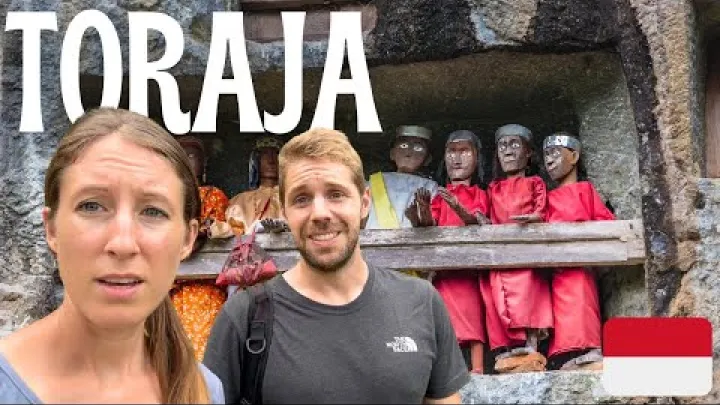
A realistic Rantepao budget is not only about finding a cheap room and eating local food. In Tana Toraja, the biggest cost differences usually come from guides, private cars, cultural visits, and how many days you stay after the long trip from Makassar. This guide breaks down typical daily travel costs in Indonesian rupiah, explains what makes prices rise, and shows how to save money without treating Toraja culture as a simple attraction. Use the ranges as planning estimates, then confirm current prices locally before you commit to transport, tours, or accommodation.
Quick Daily Budget Ranges for Rantepao
Rantepao can be good value compared with major resort areas in Indonesia, but it is not a place where every important experience is within walking distance. A low-cost traveller can keep spending modest by staying central, eating at warungs, and choosing only some guided days. A traveller who wants private transport, a knowledgeable guide, and more comfortable rooms should plan a higher daily total.
Budget, Mid-Range, and Comfortable Daily Totals
For on-the-ground travel costs in Rantepao and the wider Tana Toraja area, a practical planning range is around Rp400,000-700,000 per day for budget travellers, around Rp800,000-1,400,000 per day for mid-range travellers, and from about Rp1,500,000 per day or more for comfortable travel. These estimates exclude international flights, major shopping, unusual private packages, and the access cost between Makassar and Rantepao.
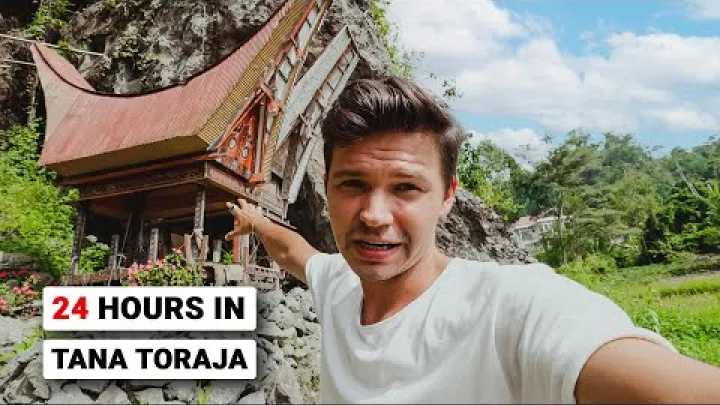
Indonesia-wide budget examples can be useful as context, but Rantepao has its own cost pattern. Never Ending Footsteps reports broad Indonesia daily spending benchmarks, yet in Toraja the deciding costs are often cultural access, local transport, guides, and event-period demand rather than beach clubs or resort facilities.
| Travel style | Accommodation | Food | Transport or guide | Activities | Estimated daily total |
|---|---|---|---|---|---|
| Budget | Simple room or homestay | Mostly warungs | Walking, bemos, ojeks, scooter if suitable | Small site fees, limited guided days | Rp400,000-700,000 |
| Mid-range | Comfortable guesthouse or small hotel | Warungs plus cafes | Some private car or guided touring | Several cultural sites | Rp800,000-1,400,000 |
| Comfortable | Higher-comfort room or scenic stay | Cafes, hotel meals, more drinks | Private car, driver, guide | Packaged or flexible guided days | From Rp1,500,000 |
Foreign-currency conversions should be treated only as rough examples because exchange rates move. Check the current rate before booking or comparing hotel prices shown in another currency.
What to Include and Exclude From the Daily Total
Your daily Rantepao travel budget should include accommodation, meals, drinking water, coffee or tea, local transport, entrance fees, donations or local site payments, laundry, mobile data, and small extras. If you plan to attend a funeral ceremony or visit culturally sensitive places, also include guide costs, transport, and any respectful offering recommended by a local host or guide.
Separate the Makassar to Rantepao access cost from normal daily spending. That journey is a fixed overhead, so it affects a short trip more than a longer stay. For example, if your return access cost is spread across three nights, it can make each day feel expensive. If you stay seven nights, the same access cost has a smaller effect on the daily average.
Group size also matters. A private car, driver, and guide may feel expensive for one person but much more reasonable for two, three, or four people sharing the same quote. Before you accept any offer, ask what is included and what is extra, especially fuel, parking, entrance fees, driver meals, guide meals, overtime, and pickup location.
Accommodation Costs in Rantepao
Accommodation in Rantepao ranges from simple guesthouses to more comfortable small hotels and scenic lodges outside the center. The cheapest room is not always the best value if it lacks hot water, reliable Wi-Fi, breakfast, or a practical location.
Budget Rooms, Homestays, and Simple Hotels
Low-cost accommodation in Rantepao usually means a simple guesthouse, homestay, small hotel, or basic local room rental. A cautious working range for a basic private room is about Rp100,000-250,000 per night, but the lowest advertised rates may come with limited facilities or locations that are less convenient for independent travellers.
When comparing budget rooms, look beyond the headline price. Check whether the room has a private bathroom, fan or air conditioning, hot water, Wi-Fi, breakfast, and a location close enough to central Rantepao for meals and errands. A slightly higher room rate can save money if it reduces daily transport needs.
Walking in may work outside busy periods, especially if you are flexible about comfort. During cultural-event periods, Indonesian holidays, or weekends with limited availability, advance booking is safer.
Mid-Range Guesthouses and Hotels
Mid-range Rantepao accommodation usually means a more comfortable guesthouse or small hotel with more predictable facilities. A cautious planning range is around Rp300,000-700,000 per night, depending on the season, room type, booking channel, and included services.
Local property anchors include Toraja Lodge, PIAS POPPIES HOTEL, and Hotel Indra Toraja. For example, the Toraja Lodge listing on Booking.com describes guesthouse-style rooms with private bathrooms and mountain views. Booking platforms also list Rantepao properties with facilities such as Wi-Fi, parking, terraces, restaurants, or gardens, but the exact value depends on the room and date you choose.
- Check whether breakfast is included.
- Confirm taxes, service charges, and cancellation terms.
- Look for reliable hot water if this matters to you.
- Ask whether the property can help arrange a guide, scooter, driver, or onward transport.
- Compare location carefully, not only room photos.
Do not assume mid-range means international-chain standards. In Rantepao, good value often means clean, practical, locally run accommodation with helpful staff rather than luxury facilities.
Scenic or Higher-Comfort Stays Outside the Center
Staying outside central Rantepao can be appealing if you want quiet surroundings, countryside views, or a slower atmosphere after the long trip into Tana Toraja. However, a rural or scenic room can raise your total budget if you need extra transfers, rely on on-site dining, or must pay more each time you visit town.
This option works best if you have a scooter, a private car, or a package that includes pickup and day-trip transport. Before booking, check whether breakfast, dinner, transfers, and tour arrangements are included. A cheaper rural room may not be cheaper after you add transport and meals.
Food, Drink, and Coffee Prices
Food is one of the easiest parts of a Rantepao budget to control. Simple local meals can keep costs low, while repeated cafe visits, beer, and Western-style dishes can double or triple the daily food total.
Local Warungs and Simple Meals
A practical low-cost food target is around Rp60,000-100,000 per day if you eat simple local meals and avoid frequent cafe stops. A basic day might include a simple breakfast or included hotel breakfast, a rice or noodle lunch, a local dinner, and water or simple coffee. If breakfast is included in your room rate, food becomes even easier to manage.
Local eating is not only cheaper. It also gives you a more realistic experience of daily life in town. Still, carry small notes because warungs and small shops may not be able to change large bills easily.
Tourist Cafes, Beer, and Toraja Coffee
Tourist-oriented cafes, specialty coffee shops, beer, desserts, and Western-style meals are comfort spending. They can be enjoyable, especially after long travel days, but they raise the daily budget quickly. A cafe-heavy day with espresso drinks, a Western meal, dessert, and beer can cost far more than a day built around warungs.
Toraja coffee is a worthwhile local experience. Kopi Toraja ToRi Coffee appears as a local cafe anchor on Tripadvisor, and Cafe Aras is another name travellers often encounter in Rantepao. Check current menus before assuming exact prices, because cafe pricing can change faster than general budget advice.
- Items that raise the bill include beer, espresso drinks, Western dishes, cakes, desserts, and repeated cafe stops.
- Items that help control costs include local rice dishes, noodle dishes, tea, water, and simple coffee.
- A balanced approach is to eat local most of the time and choose one or two cafe experiences intentionally.
Transport Costs That Shape the Trip
Transport is the category that often changes a Rantepao budget the most. The town center is useful for everyday needs, but many cultural sites, villages, burial areas, and viewpoints require some form of transport.
Walking, Bemos, Ojeks, and Scooters Around Town
Central Rantepao is partly manageable on foot for many travellers, especially for accommodation, restaurants, markets, agencies, ATMs, and basic errands. This is one reason a central base is often the best budget choice.
For a useful local transport anchor, Bolu bus terminal is about 2 km from central Rantepao, and Wikivoyage reports a bemo ride between Bolu and the center at Rp5,000. Treat this as a helpful reference point and confirm current fares when you arrive.
Ojeks and becak can fill short-distance gaps, but agree the fare before the ride. Scooters can be cost-effective for confident riders, especially for independent site visits, but rental prices should be checked locally. Consider helmet quality, licence validity, insurance coverage, weather, and rural road conditions before deciding that a scooter is the right way to save money.
Makassar to Rantepao Access as a Fixed Cost
The long access leg from Makassar to Rantepao can be one of the largest planning costs, especially on a short visit. Buses are the normal budget option, while private vehicles are a higher-cost comfort option. Better bus classes may cost more but can be worth considering because the journey is long.
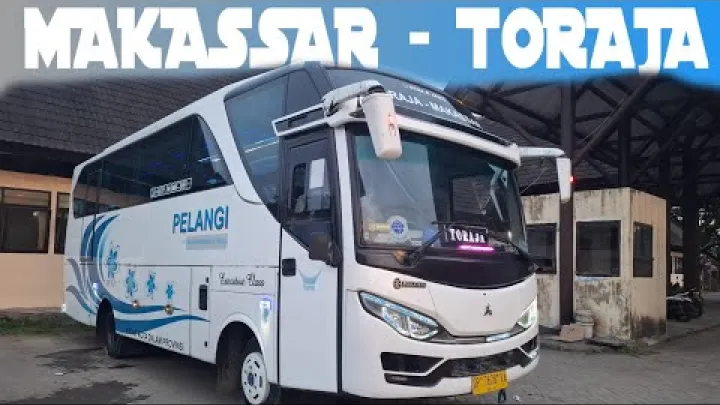
Keep this cost separate from your normal daily spending. If you visit Rantepao for only two or three nights, the access cost will dominate your average daily trip cost. If you stay longer, you can spread that fixed cost across more days and make the overall trip better value.
Before travelling, confirm current bus fares, operators, departure points, arrival points, luggage rules, and comfort levels. Prices and schedules can change, and a slightly more expensive seat may be a sensible comfort upgrade on this route.
Private Cars, Drivers, and Group Sharing
Private cars and drivers are convenient because Toraja sites are scattered. They are also one of the main reasons a Rantepao travel budget rises. Traveller reports have mentioned car hire around Rp500,000 per day excluding fuel and driver in some cases, but such figures are not official tariffs and should not be treated as universal.
When comparing quotes, separate every cost component. Ask whether the price includes the vehicle, fuel, driver, guide, entrance fees, parking, pickup, meals, waiting time, and overtime. Also confirm the route scope and the latest finish time before departure.
Sharing changes the calculation. A solo traveller pays the full private-car cost alone. A couple or small group can divide the same car and guide across several people, making a higher-quality guided day more affordable per person.
Activities, Guides, and Cultural Visit Costs
The most memorable parts of Tana Toraja often involve cultural context, local etiquette, and transport between dispersed places. Entrance fees may be modest, but the total activity cost depends on how you get there and whether you use a guide.
Village Sites, Burial Areas, and Small Entrance Fees
Sites around Rantepao often have small entrance fees, donations, or local site payments compared with the cost of reaching them. Local anchors include Lemo, Kete Kesu, burial caves, tongkonan villages, and other cultural locations around Tana Toraja. Check current tariffs locally because fees can change and may vary by site.
For planning, set aside a small daily amount for entrance fees and local payments, but remember that transport and guiding usually affect the total activity cost more than the entrance fee itself. If you hire a car for the day, the difference between visiting two nearby places and four places on the same route may be small compared with arranging separate transfers on different days.
At burial sites and villages, respectful behaviour matters. Dress modestly, follow local instructions, avoid intrusive photography, and treat these places as living cultural spaces rather than only paid attractions.
Guided Tours and Day Guides
Guides add cost, but they can improve context, logistics, language support, and respectful access. This is especially important if you hope to understand ceremonies, family compounds, burial customs, or sites where local etiquette is not obvious to visitors.
Some Toraja tour packages bundle guide service, air-conditioned car, entrance fees, and accommodation. For example, Local Guides describes a Toraja package that includes a guide, car with air conditioning, entrance fees, and accommodation in Rantepao. This kind of package can be convenient, but you should unpack the inclusions before comparing it with independent travel.
| Approach | Best for | Cost logic | Main caution |
|---|---|---|---|
| Independent scooter day | Confident riders and simple site visits | Lower transport cost, more self-planning | Safety, navigation, limited cultural context |
| Shared guide or shared car | Solo travellers and small groups | Costs divided between people | Less flexibility than a private day |
| Private car and guide | Comfort, cultural depth, flexible routing | Higher total cost, better support | Must confirm inclusions clearly |
Guide and tour prices vary by season, language, vehicle type, group size, route, length of day, and inclusions. Agree the plan before starting, including pickup time, finish time, meals, entrance fees, and what happens if the day runs longer than expected.
Funeral Attendance, Offerings, and Ethical Costs
Toraja funerals are living community events, not tourist shows. Budgeting for a funeral visit should therefore focus on respectful participation, not a ticket-style mindset. The main costs are usually guide, transport, and a suitable offering rather than an official entrance fee.
Offerings may include cigarettes, biscuits, or other locally advised items, but visitors should follow guidance from a local guide or host. Do not decide an offering only by price. The point is to participate respectfully in a way that is acceptable to the family and community.
Travel writing about Toraja funerals, including Time Travel Bee, highlights how important these ceremonies are in Tana Toraja. Paying a knowledgeable local guide can be part of responsible travel because it helps you understand where to stand, what to bring, when to take photos, and when not to intrude.
When Rantepao Gets More Expensive
Prices in Rantepao are not fixed across the year. Accommodation, vehicles, and guides can become harder to arrange when many visitors arrive for cultural events, holidays, or short high-demand periods.
Dry Season and Funeral Season Demand
Larger funeral activity is often associated with the drier months, but schedules are local and should be checked close to travel. Travel reports often identify late August and early September as busy periods for cultural events, but no visitor should assume that a specific ceremony will be available on a specific date.
When events cluster, guide availability, room availability, and vehicle availability can tighten. If your main reason for visiting is cultural access, arrange accommodation and guide support earlier than you would in a low-demand period. Once in town, ask locally about current ceremony schedules and whether visitors are welcome.
Weekends, Holidays, and Short Itineraries
Weekends, Indonesian holidays, and local events can affect room availability and driver demand. They can also reduce your negotiation leverage if many travellers need the same limited vehicles or guides.
Short itineraries make Rantepao feel more expensive because access and setup costs are spread over fewer nights. A longer stay usually makes Rantepao better value. It also gives you more flexibility to group nearby sites efficiently, wait for suitable cultural opportunities, and avoid rushed spending.
Multi-day arrangements may sometimes offer better value than separate one-off negotiations, but only if the inclusions are clear. Ask whether the quote includes the same guide, the same vehicle, entrance fees, meals, and any long-distance transfers.
Where to Base Yourself for Different Budgets
Your base affects both comfort and incidental costs. Central Rantepao is usually the easiest choice for saving money and staying flexible, while rural or scenic stays can be excellent if transport is already solved.
Central Rantepao for Low-Cost Convenience
Central Rantepao is the most practical base for many budget travellers. Accommodation, restaurants, ATMs, agencies, markets, and local transport are closer together, so you can reduce the number of paid transfers for everyday needs.
Bolu bus terminal is a useful nearby transport anchor, although it is outside the town center. Staying central also makes it easier to compare guide quotes, meet other travellers for cost sharing, and change plans if weather or local events affect your day.
Choose central Rantepao if your priority is saving money and staying flexible. Central does not always mean noisy or expensive, but exact location matters. Compare the distance to food, ATMs, and pickup points before booking.
Villages and Scenic Lodges for Views and Quiet
Villages and scenic lodges can offer views, quiet, and atmosphere that central accommodation may not provide. They work best for travellers with a scooter, private car, or package that includes transfers.
Before choosing a rural base, check whether breakfast, dinner, pickup, and day-trip transport are included. If meals are limited to the property and every town visit requires a paid ride, a lower room price can lead to a higher total daily cost.
| Base | Budget advantage | Possible extra cost |
|---|---|---|
| Central Rantepao | Easy food, errands, ATMs, guide meetings | Less countryside atmosphere |
| Scenic or rural stay | Views, quiet, local atmosphere | Transfers, meals, limited transport options |
Comparing Rantepao With Makassar and Resort Areas
Rantepao is usually not priced like a major resort destination, but its costs are shaped by guides, vehicles, and dispersed cultural sites. Cheap food and simple lodging can be offset by the need for transport and local expertise.
Makassar, as a larger city, offers more hotel and transport choice, but it is not a practical base for Toraja cultural visits because the access distance is too great for normal day trips. Rural Toraja villages may have fewer services and less transparent prices than central Rantepao, so convenience has value.
Compared with resort areas, Rantepao spending is less about beach facilities and more about logistics. Your best budget decision is not always the cheapest room or cheapest meal. It is the combination of base, transport, guide use, and length of stay.
Money Practicalities and Saving Tactics
Everyday spending in Rantepao is in Indonesian rupiah. Cash remains important, especially when you leave the town center or pay for small local services.
Cash, ATMs, Exchange Rates, and Card Use
Carry cash for local meals, bemos, ojeks, entrance fees, offerings, small shops, and independent drivers or guides. Cards may work at some hotels or larger businesses, but do not rely on cards for village visits, site payments, or small transport.
Withdraw or exchange enough cash in town before rural day trips, and carry small notes for fares, food, and donations. Large notes can be inconvenient for small purchases. Keep cash separated so you are not opening your full wallet for every minor payment.
Exchange rates move, so any USD or EUR conversion you see while planning is approximate. Currency data from Trading Economics shows why it is sensible to recheck the rupiah rate close to your trip. If a card terminal offers to charge you in your home currency, paying in Indonesian rupiah often gives you a better chance of avoiding poor dynamic conversion rates.
How to Lower Costs Without Missing the Best Experiences
The best-value formula for Rantepao is simple: stay central, eat local meals, use low-cost local transport where practical, group nearby sites into one route, and pay for local guidance when the cultural context requires it.
- Choose central accommodation if you want to reduce everyday transport costs.
- Eat most meals at warungs and choose cafes intentionally rather than by habit.
- Share cars or guides with other travellers when schedules and interests match.
- Use bemos, ojeks, walking, or scooters only when they are practical and safe for the route.
- Mix independent low-cost days with guided cultural days instead of booking a private package every day.
- Group nearby sites into one transport loop to avoid repeated long transfers.
- Ask clearly what is included in any guide, car, or tour quote before agreeing.
Do not cut costs in ways that disrespect funeral hosts, guides, or local communities. Saving money is useful, but in Tana Toraja the most meaningful experiences often depend on trust, etiquette, and good local guidance.
Final Budget Planning Checklist
Before you finalize your Rantepao budget, estimate costs in separate categories rather than relying on one daily number. This helps you see which choices are driving the total up and where you can save without weakening the trip.
- Set a daily style target: budget, mid-range, or comfortable.
- Keep Makassar-Rantepao access costs separate from normal daily spending.
- Choose a central base if flexibility and low incidental costs matter most.
- Compare accommodation by total value, including breakfast, location, hot water, Wi-Fi, and transport needs.
- Plan a realistic food budget based on how often you will use cafes, beer, or Western-style meals.
- Budget for entrance fees, local payments, offerings, and small cash expenses.
- Decide which days need a guide and which days can be independent.
- Ask tour and car providers to list inclusions and exclusions before you agree.
- Carry small rupiah notes and withdraw cash before rural day trips.
- Add a buffer for busy cultural periods, weekends, holidays, and weather-related plan changes.
A careful Rantepao budget does not need to remove the best parts of Tana Toraja. It should help you spend where it matters: safe transport, respectful cultural access, good local guidance, and enough time to experience the region without rushing every decision.
Select area
Create a post
Posting is free and no registration is required.