Rantepao Where to Stay: Best Areas for Tana Toraja
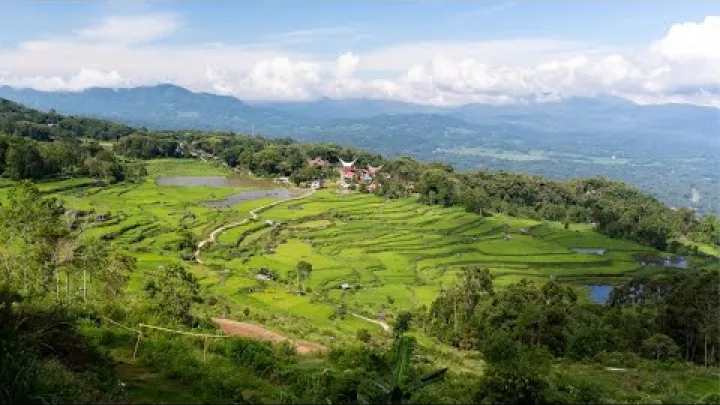
If you are deciding on Rantepao where to stay, the best answer for most first-time visitors is simple: choose central or near-central Rantepao for your first nights. Rantepao is the most practical base for exploring Tana Toraja because it has the easiest access to food, local arrangements, accommodation, markets, and transport connections. The town itself is not the main scenic highlight; it works best as a launch point for day trips to villages, viewpoints, rice terraces, and cultural sites around Toraja. This guide compares the main base options so you can choose by walkability, comfort, transport confidence, budget, weather, and length of stay.
Quick Answer: Where to Stay in Rantepao
The Best Default Base
For most travelers, the best place to stay in Rantepao is in or close to the town center. This is especially true if it is your first visit, your stay is only two or three nights, or you are arriving by long-distance transport from Makassar. Central Rantepao gives you the easiest access to restaurants, small shops, the main market area, guide contacts, motorbike rental options, and basic services.

Travel guides commonly treat Rantepao as the main practical base for visiting Tana Toraja; for example, Inbetweentravels recommends staying in Rantepao when visiting the region. That does not mean every traveler must sleep in the exact center, but it does mean that the town core is the lowest-friction logistical choice if you have not yet arranged transport or a guide.
The main trade-off is atmosphere. Central Rantepao is useful rather than especially quiet or scenic. You may hear traffic, market activity, or early-morning movement. Still, the convenience usually matters more than the view if you need to organize day trips, recover after a long journey, or find dinner without relying on a vehicle.
The Best Alternatives to the Center
The main alternative is an edge-of-town guesthouse or garden-style stay. These properties can be quieter than the center while still keeping you close enough to reach restaurants, shops, and transport by a short ride. This is often the best compromise for travelers who want better sleep and more space but do not want full rural logistics.
Rural village and hilltop stays are another option, especially around scenic areas associated with places such as Kete Kesu, Batutumonga, and Lolai. These bases can be beautiful and peaceful, but they are not automatically more convenient. They work best if you have a driver, confident motorbike skills, or confirmed transport from your host.
If you have four or five nights, consider splitting your stay: first in Rantepao for orientation and arrangements, then in a rural or hill area for scenery. If you have only two nights, staying central is usually the more efficient choice.
How Rantepao Works as a Base
Rantepao is not a single-resort destination where the best hotel solves every problem. Your base affects how easily you can eat, walk, arrange transport, and reach the countryside. Understanding how the town functions will help you choose better than simply sorting accommodation by rating.
Rantepao as the Practical Gateway to Tana Toraja
Rantepao is the main visitor base in Toraja Utara for many travelers exploring Tana Toraja and the surrounding highlands. Compared with smaller villages, it has a higher concentration of hotels, guesthouses, restaurants, tour contacts, shops, and transport access. This makes it useful even if your main interests are outside town.
Useful local anchors include Central Rantepao, Jalan Ahmad Yani, the Rantepao main market, and familiar traveler stops such as Cafe Aras. A Toraja destination brochure from Swisscontact identifies the government Tourist Information Office on Jl. A. Yani in Rantepao, although travelers should check current opening hours locally.
The important point is that many of the experiences people come for are outside the town itself. Rantepao is a base, not the final attraction. Choosing lodging here is mostly about reducing friction: where you can arrive easily, find food, meet a guide, rent or arrange transport, and return safely after a day in the countryside.
Why Your Base Affects Daily Sightseeing
Tana Toraja sights are dispersed. Villages, burial sites, rice-field landscapes, viewpoints, and ceremonial locations are spread across roads and hills rather than clustered in one walkable district. Places such as Kete Kesu, Batutumonga, and Lolai are useful orientation points, but they do not form a compact city sightseeing route.
Because tourist-oriented public transport is limited compared with large Indonesian cities, your lodging location matters. From a central base, it is usually easier to arrange a guide, driver, motorbike, or hotel-organized excursion after arrival. From a rural base, you may be closer to scenery but more dependent on pre-arranged transport for every meal, errand, and late return.
This is why a cheaper or prettier room outside town may not be the best value for a short stay. If every dinner, market visit, or tour meeting requires a paid ride, the total cost and effort can increase quickly.
Best Areas to Stay in and Around Rantepao
There is no single best area for everyone. The right base depends on whether you value easy food access, quiet nights, vehicle pickup, scenery, or low total cost. Use the comparison below as a practical starting point.
| Area or base | Best for | Watch out for | Cost feel |
|---|---|---|---|
| Central Rantepao | First visits, short stays, bus arrivals, food, markets | Traffic, noise, less scenery | Budget to midrange |
| Edge of town | Quieter nights with town access | Darker walks, meal planning after dark | Budget to comfortable midrange |
| Main road hotels | Organized tours, drivers, parking, facilities | Less spontaneous walking | Midrange to higher |
| Rural villages and hills | Scenery, photography, slow travel | Transport dependence, fewer restaurants, weather exposure | Variable |
Central Rantepao for Food, Markets, and Easy Logistics
Central Rantepao is the best default for first-time visitors, budget travelers, short stays, and anyone arriving without a fixed transport plan. Staying near the town core puts you closer to the Rantepao main market, restaurants, small shops, local services, and the places where guides or drivers can be arranged.
Evening walkability is generally better in the center because distances to food and shops are shorter. This does not mean every street is ideal at night or that safety can be guaranteed. It simply means that a central base usually reduces the need for long roadside walks after dark, especially if rain begins or you are tired after a day trip.
The disadvantages are predictable: more traffic, more town noise, less greenery, and possible early-morning market activity. If you are sensitive to sound, read recent reviews carefully and look for rooms set back from busy roads. Accommodation platforms such as Booking.com show a mix of Rantepao hotels and guesthouses, so use location and recent guest comments as much as price.
Edge-of-Town Areas for Quieter Nights
The edge of Rantepao can be the best choice if you want quieter nights but still want to remain connected to town. Many travelers prefer this balance because it can offer gardens, more space, and less traffic noise without the full dependence of a remote hill stay.
Properties such as Santai Toraja and similar edge-of-town stays are examples of the type of accommodation travelers may find in this category. The key is not the name of a specific property but the exact location. A guesthouse that is close enough for an easy daytime walk may feel different after dark, during rain, or when you are carrying luggage.
Before booking, check the map carefully and read recent reviews for comments on walking, road lighting, noise, and access to dinner. If the property is slightly outside the center, ask whether staff can help arrange transport, meals, or a driver. This simple check can make an edge-of-town stay feel calm rather than inconvenient.
Main Road Hotels for Organized Tours
Main-road and outlying hotels can work well for travelers who plan to use organized tours, private drivers, or hotel-arranged excursions. Larger properties may offer more parking, easier vehicle pickup, breakfast, and more predictable facilities than small central guesthouses.
This type of base is different from an independent-walker base. A hotel may be convenient for a driver but less convenient for spontaneous walks to the market or casual restaurants. If you expect to eat outside every night, check the distance to restaurants and whether the road feels reasonable for evening movement.
Toraja Heritage Hotel and similar larger properties are useful examples of this category, not guaranteed recommendations for every traveler. Before booking, confirm whether the hotel can arrange transfers, drivers, guided trips, meals, and early or late check-in support. This matters most if you are arriving after a long overland journey or traveling with family members who prefer fewer independent movements at night.
Rural Villages and Hilltop Stays for Scenery
Rural villages and hilltop areas are best for scenery, quiet surroundings, and a stronger sense of the highland landscape. Areas associated with Kete Kesu, Batutumonga, and Lolai can appeal to photographers, hikers, and travelers who want misty mornings, rice terraces, and village walks rather than town convenience.
The trade-off is logistics. Accommodation availability may be thinner online, restaurants may be limited, and evening walkability can be poor. Weather can also make remote roads less comfortable, especially for motorbike riders or late arrivals.
For many first-time visitors, a rural stay is better as a second base than a first-night choice. Arrive in Rantepao, understand the roads, arrange transport, then move to a scenic stay if conditions feel right. Before booking a rural property, confirm meals, pickup, road access, check-in time, and what happens if heavy rain affects your arrival.
Where to Stay by Travel Style
Your travel style changes the best base. A budget backpacker, a comfort-focused couple, and a photographer planning sunrise starts may all choose different locations for good reasons.
For Budget Travelers
Budget travelers usually get the best value from simple guesthouses or homestays in or near central Rantepao. A low room price outside town can become less attractive if you need paid rides for every meal, errand, or guide meeting. In Rantepao, total trip cost matters more than room price alone.
Prioritize practical basics: a clean bathroom, mosquito protection, a helpful owner, secure luggage handling, and easy access to affordable food. Star ratings are less useful than recent reviews that mention cleanliness, noise, bathroom condition, and whether staff can help with local arrangements.
Family-run stays can be especially useful if the owners help guests contact guides, drivers, or local information. Still, do not assume every homestay offers the same support. Ask before you arrive if you need help arranging a ceremony visit, day trip, motorbike rental, or early transport.
For Comfort-Focused Travelers
Comfort-focused travelers should consider edge-of-town hotels, garden properties, or tour-oriented hotels. These can offer quieter surroundings and more facilities than the simplest central rooms while keeping access to town manageable.
Check practical amenities rather than relying only on price. Important items include a private bathroom, breakfast, air conditioning or a fan, reliable hot water, secure parking, transfer help, and the ability to arrange a driver. Wi-Fi quality can vary, even at better-known properties, so recent reviews are important if you need to work, call family, or manage onward bookings.
Families and older travelers may prefer a property that can arrange transport directly. This reduces the need to negotiate rides after dark or walk along unfamiliar roads in rain. A slightly less central hotel can be a good choice if it removes daily stress.
For Photographers, Hikers, and Slow Travelers
Photographers, hikers, and slow travelers should consider a split stay if time allows. A simple plan is two nights in town for orientation and arrangements, followed by one or two nights in a hill or rural area for scenery. This gives you access to both practical services and quieter landscapes.
Sunrise viewpoints, rice terraces, village walks, and flexible countryside days are easier when transport is planned in advance. If you want pre-dawn starts or late returns, arrange a driver or confirm that your accommodation can help. Motorbike riders should be confident with hills, wet roads, and navigation after dark.
Slow travelers also benefit from flexibility around weather and local ceremonies. If you hope to attend a ceremony, ask locally about timing, etiquette, and whether a guide is appropriate. Do not build your entire accommodation plan around an event unless the details are confirmed after arrival.
Transport, Walkability, and Safety Before You Book
In Rantepao, transport and walkability are part of accommodation quality. A room can be clean and affordable but still be a poor choice if it leaves you isolated after dark or dependent on transport you have not arranged.
Arriving from Makassar or Palopo
Many travelers reach Rantepao overland from Makassar, often after a long journey. Because arrival can be tiring, an easy first-night location matters. If you arrive late, early in the morning, or without a local pickup, central or near-central Rantepao is usually the least stressful choice.

Palopo can also appear in regional access plans, but flight and transfer schedules can change. Treat Palopo as an option to check close to your travel date rather than a guaranteed simple route. Wherever you arrive from, confirm pickup points, estimated arrival time, and whether your accommodation can support early check-in or luggage storage.
If your bus or car journey ends before normal check-in time, message the property in advance. A guesthouse that can store bags, offer breakfast, or let you rest in a common area may be more useful than a slightly cheaper room with rigid check-in rules.
Getting Around for Day Trips
Day trips around Tana Toraja commonly require a motorbike, driver, guide, or hotel-arranged transport. Central Rantepao normally gives the easiest access to these arrangements because more visitor services are concentrated there.
A motorbike can be useful for independent travelers, but it should not be treated as the default for everyone. Roads can be hilly, wet, narrow, or unfamiliar. If you are not comfortable with mountain roads, rain, early starts, or late returns, choose a driver or guide instead.
If you do rent a motorbike, check the helmet, brakes, lights, parking situation, and whether your accommodation is easy to find after dark. If you stay outside town, make sure you understand the return route before leaving for the day.
Walking After Dark and Choosing a Safe Base
Safety in Rantepao should be framed mainly around practical movement: lighting, traffic, road shoulders, rain, and distance from restaurants. Available traveler safety evidence is limited and often anecdotal, so it is better to avoid strong claims that one area is completely safe or unsafe.
Central locations are usually more convenient for evening meals because walks are shorter and services are closer. Outlying roads can feel very different at night than they do in daylight, especially if lighting is weak or rain reduces visibility.
Use simple precautions. Stay on better-lit routes, avoid long roadside walks after dark, carry a small light, and arrange transport when you are unsure. If you are choosing a rural or edge-of-town stay, ask recent guests or the property how people usually get back after dinner.
Accommodation Types, Value, and Booking Timing
Rantepao accommodation is mostly practical rather than luxury-focused. You will find small hotels, guesthouses, homestays, and a limited number of larger properties that suit organized tours or comfort-focused stays.
Hotels, Homestays, and Guesthouses
Rantepao has a mix of accommodation types. Simple guesthouses and homestays often offer good value and local advice. Small hotels may provide more predictable rooms and private facilities. Larger properties may be better for travelers who want parking, breakfast, gardens, or help arranging drivers.
Examples that appear on accommodation platforms include Santai Toraja, PIAS POPPIES HOTEL, Toraja Lodge Guest House, Hotel Indra Toraja, and Toraja Heritage Hotel. These names should be treated as market examples, not a ranking. Conditions, management, room standards, and value can change over time.
When comparing properties, focus on recent reviews, map location, transport needs, bathroom setup, and how helpful the staff are with local arrangements. In a place like Rantepao, a responsive host can be as important as a larger room.
Price and Amenity Expectations
Rantepao generally offers budget and midrange value rather than a deep luxury hotel market. Expect simple fan rooms at the lower end, with private bathrooms, breakfast, gardens, parking, air conditioning, or tour help at more comfortable properties.
Do not assume that a higher price always means modern infrastructure. Wi-Fi, hot water, room condition, soundproofing, and bathroom quality can vary. Recent guest comments are often more useful than star ratings because they reflect current conditions.
Location is also part of value. A central room with basic facilities may be better for a short stay than a more attractive room outside town if it saves repeated transport costs. Before booking, also check payment methods, cancellation rules, and whether the property expects cash on arrival.
When to Book Ahead and What to Verify
Book earlier during busy travel periods, Indonesian holiday periods, and the main cultural travel season around mid-year. This is not only about getting a room; it is about having time to confirm transport, arrival support, and the practical details that matter in Toraja.
Use this checklist before you book:
- Check the exact location on a map, not only the area name.
- Read recent reviews for noise, cleanliness, bathroom condition, and staff help.
- Confirm breakfast, private or shared bathroom, Wi-Fi, hot water, and parking if needed.
- Ask about check-in time, luggage storage, and support for early bus arrivals.
- For rural stays, confirm meals, pickup, road access, and rainy-weather plans.
- For comfort-focused stays, ask whether drivers, guides, or transfers can be arranged.
A few messages before arrival can prevent many problems. This is especially important if you plan to arrive late, travel during rain, or stay outside the town center.
Season, Weather, and Length of Stay
Weather changes the best base in Rantepao more than many travelers expect. A rural stay that feels perfect in dry conditions can become less convenient when roads are wet, visibility is poor, or evening walks are uncomfortable.
How Weather Changes the Best Base
Drier months generally make rural and hilltop stays easier, while wetter periods often favor central or near-central bases. Rain can affect motorbike safety, walking comfort, road conditions, and the appeal of remote accommodation.
Indonesia-wide season guidance from Come2indonesia points to shoulder months such as May, June, and September as favorable for travel in many parts of the country. Local highland conditions can still vary, so check the forecast and ask locally before committing to a remote base.
If rain is likely, choose accommodation that reduces exposure: central access to food, easy vehicle pickup, and short walks. If conditions are dry and you have transport, a hill or rural stay can be more rewarding.
Suggested Base Plans for Two to Five Nights
For two nights, stay in central or near-central Rantepao. This reduces logistics and gives you the best chance of arranging one or two efficient day trips without wasting time on transport problems.
For three nights, choose either central Rantepao or an edge-of-town stay. Pick the center if you want maximum convenience, food access, and easy arrangements. Pick the edge of town if you value quieter nights and already feel comfortable arranging rides.
For four or five nights, a split stay can work well. Spend the first night or two in town to recover from the journey and arrange local plans, then move to a rural or hill area if weather and transport support it. Keep the plan flexible if you are hoping to attend ceremonies, because timing, etiquette, and access should be discussed locally.
Final Recommendation
For most first-time visitors deciding where to stay in Rantepao, the best default is central or near-central Rantepao. It is the most practical base for food, markets, guide arrangements, transport, and recovery after the long trip into Toraja.
Choose an edge-of-town guesthouse if you want quieter nights without giving up town access. Choose a main-road hotel if you will rely on organized tours, drivers, parking, or on-site arrangements. Choose a rural or hilltop stay only when scenery is the priority and you have confirmed transport, meals, road access, and weather conditions.
The simplest rule is this: stay in town first, then move outward if you have enough time and confidence. Rantepao works best when your accommodation supports your daily logistics, not just when it looks appealing in photos.
Select area
Create a post
Posting is free and no registration is required.