Sorong Budget Guide: Daily Costs, Prices & Money Tips

A Sorong budget can be simple for a short city stop, but it can change quickly if your trip continues to Raja Ampat. Sorong, in Southwest Papua, is a gateway city, so many travelers only stay one night before a ferry, flight, or dive trip. This guide separates ordinary Sorong city costs from the much higher costs of boats, diving, marine fees, and island travel. Use the ranges below as planning estimates, then check current prices for your exact dates before you book.
Quick Answer: How Much Does Sorong Cost Per Day?
For non-diving city days in Sorong, the main costs are accommodation, meals, short transport, and small personal expenses. The estimates below exclude international flights, domestic flights to Sorong, Raja Ampat visitor fees, dive packages, liveaboards, and private boat charters.
Daily Budget Ranges for Sorong City Days
A practical Sorong, Papua, Indonesia travel budget for city-only days is about USD 20-45 per day for budget travelers, USD 65-135 for mid-range travelers, and USD 125-250 or more for comfortable travelers. In Indonesian rupiah, this roughly means IDR 320,000-720,000, IDR 1,040,000-2,160,000, and IDR 2,000,000-4,000,000 or more if you use a planning rate near IDR 16,000 per USD. Exchange rates change, so treat the rupiah amounts as approximate.
| Travel style | Estimated daily total | Typical cost mix | Best for |
|---|---|---|---|
| Budget | USD 20-45 | Simple room, local meals, shared or basic transport, low-cost activities | Light packers, flexible travelers, short stays |
| Mid-range | USD 65-135 | Better hotel, local and restaurant meals, direct transfers, small extras | Travelers who want reliability before a ferry or flight |
| Comfortable | USD 125-250+ | Higher-standard hotel, hotel dining, private transfers, more convenience | Late arrivals, early departures, families, travelers with dive gear |
Indonesia-wide budget examples can be useful as a baseline, especially for food and general daily spending, but Sorong has its own location and supply factors. For a broad national comparison, Neverendingfootsteps notes that travelers who focus on street food can spend far less on meals than those who choose restaurants and drinks.
The Big Distinction: Sorong City Costs Versus Raja Ampat Costs
The most important rule is to build two budgets. One is for Sorong city days: hotel, food, short taxi or ojek rides, water, snacks, and small errands. The other is for Raja Ampat days: ferry tickets, Waisai transfers, visitor or marine fees, island accommodation, boat transfers, snorkeling trips, diving, and possibly liveaboards.
Sorong itself can be manageable for a short stopover. Raja Ampat is different because many costs are fixed or semi-fixed. A marine fee, a return ferry, a private boat transfer, or a dive day can cost more than a full day of simple city spending in Sorong. Think of your itinerary as city days, transfer days, and marine days. This makes the total trip cost easier to understand.
Why Sorong Prices Feel Different From Other Parts of Indonesia
Sorong prices do not fit neatly into a simple cheap or expensive label. Some local meals and basic transport can still be affordable, but reliable hotels, imported items, specialist tourism services, and Raja Ampat-related logistics can raise the overall trip cost.
Gateway Demand and Remote Supply Chains
Sorong is the main arrival point for many Raja Ampat trips. Travelers often need a dependable hotel for one night, a quick airport transfer from Domine Eduard Osok Airport, or a stress-free connection to Sorong ferry harbour. This gateway demand can support higher prices for convenient services, especially when many travelers arrive or depart around the same ferry and flight patterns.
Remote supply chains also matter. Items that are easy to find cheaply in Java or Bali may cost more in Southwest Papua if they need longer transport. Imported goods, specialty food, dive-related services, and higher-standard hotel facilities can feel expensive compared with some western Indonesian destinations. This does not mean every item in Sorong is expensive. It means the cheapest local choices and the most convenient tourist choices can sit far apart.
Season, Weekends, and Booking Timing
Hotel prices in Sorong can change by season, weekday, local demand, and Raja Ampat travel patterns. A room that looks reasonable one week may cost more on another date if flights, ferry connections, dive groups, or holidays create extra demand.
Booking platforms show that Sorong accommodation ranges from low-cost rooms to more comfortable hotels, and availability can shift quickly. Current hotel search data from Momondo is useful for checking price signals, but it should not be treated as a permanent price rule. Always search your own dates.
If your schedule is flexible, compare midweek and weekend stays. Around popular dive periods, public holidays, or tight ferry connections, booking earlier can be cheaper than waiting. Timing is one of the largest budget factors you can control without reducing comfort.
Accommodation Costs in Sorong
Accommodation is usually the largest daily cost during a Sorong city stay. The best choice depends less on luxury and more on timing, luggage, ferry plans, and how much stress you want to avoid.

Budget Guesthouses and Simple Rooms
Budget guesthouses and simple rooms are the lowest-cost tier in Sorong. They are suitable if you mainly need a bed, a shower, and a place to rest before a ferry or flight. Prices can be attractive, but the trade-offs may include simpler facilities, fewer reviews, limited English-language booking visibility, fewer inclusions, or a less convenient location.
Before choosing the cheapest room, check what is included. Air conditioning matters in Sorong. A private bathroom may not be included in every budget listing. Breakfast can save money if it is available early enough for your departure. Also check whether the property can help with an airport or harbour transfer, but confirm whether that transfer is free or paid.
Mid-Range and Comfortable Hotels
Mid-range and comfortable hotels usually cost more because they provide practical reliability. You may get air conditioning, private bathrooms, breakfast, on-site dining, easier taxi access, a pool, business-hotel facilities, or staff who are more familiar with early transfers. These features are useful if you arrive late, leave early, carry dive gear, or need a safe rest between long travel days.
Higher hotel prices can still be good value if they reduce transport problems. A hotel that is slightly more expensive but closer to your next connection may prevent a missed ferry or a stressful morning. During high-demand dates, however, prices can rise sharply, so compare several booking platforms and read recent reviews before paying.
How to Choose the Best Base for Your Budget
For a one-night transit stay, choose your base around the next move. If you arrive at Domine Eduard Osok Airport late at night and fly out again early, an airport-side option may be practical. If you leave for Waisai the next morning, a location with easier access to Sorong ferry harbour may be worth paying for. If you stay longer in the city, look for walking distance to local food stalls, minimarkets, and transport options.
The cheapest room is not always the cheapest total stay. If a remote hotel requires two extra car rides, the transport cost can erase the room saving. For longer stays, a base near food and basic services helps control both meal costs and local transport spending.
Food and Drink Prices in Sorong
Food costs in Sorong depend heavily on where you eat. Local food stalls keep costs low, while hotel restaurants, seafood meals, imported items, and alcohol can raise the daily budget quickly.
Local Food Stalls and Cheap Meals
Eating at local food stalls is one of the best money-saving tactics in Indonesia, and it is relevant in Sorong too. Small warung-style places may serve rice, noodles, chicken, fish, vegetables, soup, or simple mixed plates. Exact Sorong prices vary by location and menu, so check the posted price or ask before ordering.
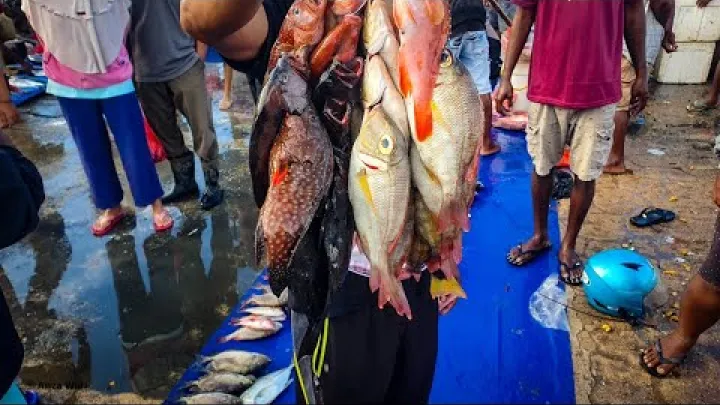
For travelers who mainly eat local meals, avoid alcohol, and buy simple drinks, a food budget of about USD 5-10 per day can be possible. This is easiest if breakfast is included with your room or if you are comfortable choosing simple Indonesian meals. For a general explanation of how warungs help travelers eat cheaply in Indonesia, Adventuresofjellie gives useful context, though prices in Sorong should still be checked locally.
Hotel Restaurants, Seafood Meals, and Drinks
Hotel restaurants and more formal restaurants cost more than local food stalls. They may be worth it after a late flight, during heavy rain, or when you need an easy meal without arranging transport. Sorong also has seafood and hotel-based dining options, including more formal places and lounge-style venues such as Vega Star Restaurant & Capella Lounge, but you should check current menus and prices before assuming a specific cost.
Seafood can be especially variable if it is priced by size, weight, or market availability. Imported items, specialty coffee, soft drinks, and alcohol can also push a simple food budget upward. If you are trying to keep a Sorong budget low, use restaurants selectively rather than for every meal.
Food Budget Tips That Actually Save Money
A hotel breakfast can save money if it is included at a fair room price and served before your departure. It is less useful if you must leave before breakfast starts. For ferry days, airport waits, and early transfers, buy water, snacks, fruit, or simple packed food in advance when possible.
Ask prices before ordering at small eateries, especially for seafood or dishes that are not clearly priced. Keep small IDR notes for local meals, tea, coffee, bottled water, and small shops. Large notes can be inconvenient for simple purchases, especially early in the day.
Local Transport Costs in Sorong
Transport in Sorong is not only about fare price. Luggage, rain, arrival time, heat, safety, and ferry timing can make a more expensive direct transfer the better decision.
Airport, Port, and Short City Transfers
The main route for many travelers is between Domine Eduard Osok Airport and Sorong ferry harbour. The ride is relatively short, but cost depends on whether you use a private taxi, ride-hailing where available, an ojek, or shared local transport. Stayrajaampat notes that the airport-to-harbour taxi ride is commonly around 10-20 minutes depending on traffic, making it a key transfer to include in your budget.
Private taxis cost more but reduce stress, especially with bags or dive equipment. Motorbike taxis can be cheaper for light travelers, but they are less practical with large luggage. Shared minibuses can be the lowest-cost option if you have time and understand the route, but they are not ideal when you are close to a ferry departure.
| Transport type | Cost level | Main advantage | Main caution |
|---|---|---|---|
| Shared minibus | Lowest | Cheap local travel | May be slow or confusing with luggage |
| Motorbike taxi | Low to moderate | Fast for solo light travelers | Not suitable for large bags |
| Car taxi | Moderate to high | Direct and convenient | Confirm price before departure |
| Private driver | Highest | Flexible and comfortable | Often charged by time or minimum hire |
Shared Minibuses, Motorbike Taxis, Car Taxis, and Private Drivers
Local shared minibuses, often called bimos or similar local terms, are useful for very low-cost movement if you have light luggage and flexible timing. Ojeks, or motorbike taxis, can be convenient for short trips, but they require comfort with riding on a motorbike and are not the best choice with heavy bags.
Private drivers are much more convenient but cost more. A recent local transport account from SeeBeeZee described private driver pricing by the hour with a minimum hire pattern, which is a useful reminder that convenience transport can quickly become a major daily cost. Whatever option you choose, confirm the total price before the ride starts.
Cash, Cards, ATMs, and Payment Practicalities
Indonesian rupiah is the working currency for local expenses in Sorong. Carry cash for local food stalls, small transport, ferry-related incidentals, tips, small shops, and minor purchases. Cards may be accepted at some hotels and larger restaurants, but you should not rely only on cards for daily spending.
A practical cash buffer for a short Sorong stop is enough to cover one or two days of meals, local transport, water, snacks, and a backup taxi. For longer trips or Raja Ampat transfers, carry more cash in small and medium notes. Check your bank fees, ATM withdrawal limits, and current exchange rate before travel.
Raja Ampat Costs to Add to a Sorong Trip
Raja Ampat costs should be added separately to your Sorong budget. This is where many travelers underestimate the trip, because access fees, boats, diving, and island logistics can dominate the total.
Ferry, Waisai Access, and Marine Park Fees
Many travelers continue from Sorong to Waisai in Raja Ampat by ferry. Budget for one-way ferry tickets, the return ferry, transfers to and from the harbour, and any waiting-time expenses such as meals or snacks. Economy and VIP ferry prices differ, and schedules or ticketing processes can change, so verify the latest details close to travel.
Raja Ampat visitor or marine park fees are separate from ordinary Sorong spending. Treat them as fixed access costs, not as part of your daily city budget. If you only visit Raja Ampat briefly, these fixed costs make the average daily cost much higher because they are spread over fewer days.
Homestays, Boat Charters, Diving, and Liveaboards
Raja Ampat accommodation and activities operate in a higher cost category than Sorong city. Full-board homestays may include meals, but you still need to check what is included: transfers, drinking water, snorkeling trips, equipment, taxes, and any conservation or local fees. Resorts, dive packages, and private boats can cost much more.
Liveaboards are a separate budget category. They can cost thousands of US dollars per trip depending on the vessel, cabin level, route, number of dives, equipment, park fees, and inclusions. Lagaligoliveaboard gives examples of mid-range Raja Ampat liveaboards costing several thousand dollars per trip, which shows why liveaboard costs should never be mixed into a normal Sorong daily budget.
Inter-island transport is another major driver. Public transport between islands is limited, so many trips depend on arranged boat transfers or private charters. Phinisi Trip highlights the importance of private boat arrangements for island travel, so ask operators exactly what transfers are included before you compare prices.
How to Average Raja Ampat Costs Across the Whole Trip
Use a simple formula: Sorong city days plus Raja Ampat days plus fixed access costs plus flights. This prevents a common mistake: comparing only daily hotel and food costs while ignoring ferry tickets, visitor fees, boat transfers, and diving.
For example, a traveler with one Sorong night, four Raja Ampat nights, return ferry tickets, a visitor fee, and several boat or snorkeling costs will have a much higher average daily cost than a traveler spending two quiet days in Sorong only. A short Raja Ampat visit can be expensive per day because fixed costs are spread over a small number of nights. If your schedule allows, adding one or two extra island days may improve value because the same access costs support a longer experience.
Sample Budgets and Saving Strategies
The examples below are planning scenarios, not promises. They help you decide where your money will go and what to check before booking.
One-Night Transit Budget
For a one-night Sorong transit, include one hotel night, two or three meals, transport from airport to hotel, transport from hotel to port or airport, water, snacks, and a small cash buffer. Exclude flights, Raja Ampat fees, diving, and liveaboards from this sample.
| Travel style | Planning total | What it usually covers |
|---|---|---|
| Budget transit | USD 35-70 | Simple room, local meals, basic transport, small buffer |
| Mid-range transit | USD 80-160 | More reliable hotel, direct transfers, mixed meals, snacks |
| Comfortable transit | USD 150-300+ | Better hotel, hotel dining, private transfers, extra convenience |
Choose accommodation based on the next morning. If you leave by ferry, avoid saving a small amount on a room that creates a difficult harbour transfer. If you fly out early, a hotel with reliable airport access can be worth the added cost.
Two or Three Days in Sorong Without Raja Ampat
A city-only Sorong stay can be much cheaper than a Raja Ampat itinerary. You can keep costs low with local meals, short shared transport, walking where safe and practical, and simple activities. Current entrance fees, opening times, and local transport costs should be checked after arrival or with your accommodation.
Keep expectations realistic. Sorong is a useful gateway and city stop, not only a standalone resort destination. If you spend two or three days here, budget for rest, errands, casual exploration, food, and transport rather than assuming a full schedule of low-cost attractions.
Sorong Plus Raja Ampat Budget Checklist
Before booking, list every major cost item. This helps you avoid focusing only on daily food and hotel prices while missing the expensive access and marine costs.
- Domestic flights to and from Sorong
- Sorong hotel nights before or after island travel
- Airport, hotel, and port transfers
- Return ferry tickets between Sorong and Waisai
- Raja Ampat visitor or marine fees
- Island accommodation and included meals
- Boat transfers from Waisai to your island base
- Snorkeling trips, dive days, or guide costs
- Equipment rental, if not included
- Drinking water, snacks, and small cash purchases
- Taxes, service charges, tips, and emergency buffer
- Extra transport if plans change or weather causes delays
This checklist works for backpackers and mid-range travelers because it separates fixed access costs from daily spending. It also helps you compare packages fairly. A higher room rate may be better value if it includes meals and transfers that another property charges separately.
Ways to Reduce Costs Without Creating Problems
The best savings come from smart trade-offs, not extreme cuts. Travel outside the most expensive dates when possible. Book accommodation early during high-demand periods. Compare midweek rates. Eat at local food stalls for ordinary meals, and use restaurants when convenience matters.
For transport, use shared options when you have time and light luggage, but pay for a direct transfer when missing a ferry or flight would cost more. Choose hotels that reduce transfer costs. For Raja Ampat, look for shared boat trips, confirm inclusions in writing, and avoid unnecessary backtracking between islands.
- Strongest hotel saving: compare dates and book early for busy periods.
- Strongest food saving: use local food stalls for most meals.
- Strongest transport saving: stay near your next connection when timing is tight.
- Strongest Raja Ampat saving: share boats and confirm what is included.
- Strongest risk control: do not cut costs in ways that threaten flights, ferries, or prepaid tours.
Final Budget Advice for Sorong
A sensible Sorong budget starts with the purpose of your stay. If you are only transiting, focus on a reliable hotel, simple meals, and smooth airport or harbour transfers. If you stay in the city for a few days, food and local transport choices will shape your daily costs. If you continue to Raja Ampat, build a separate budget for ferry access, visitor fees, boats, diving, and island accommodation.
The safest planning approach is to keep city costs and marine costs separate. Sorong can be affordable for basic daily spending, but Raja Ampat can make the total trip expensive. Check current rates, carry enough rupiah cash for small expenses, and spend more where reliability protects your itinerary.
Frequently Asked Questions
How much should I budget per day in Sorong?
For Sorong city days, plan about USD 20-45 per day on a budget, USD 65-135 for mid-range travel, and USD 125-250 or more for a comfortable stay. These estimates exclude flights, Raja Ampat fees, diving, liveaboards, and private boat charters.
Is Sorong expensive compared with other parts of Indonesia?
Sorong is not expensive for every item, but some costs feel higher because it is remote and serves as a gateway to Raja Ampat. Local meals can be affordable, while reliable hotels, imported goods, private transport, and marine tourism services can cost more.
What is the cheapest way from Sorong airport to the ferry harbour?
Shared local transport is usually the cheapest option, and a motorbike taxi may be cheaper than a private car if you travel light. A private taxi costs more but can be worth it with luggage, rain, late arrival, or a tight ferry connection. Confirm the fare before starting the ride.
How much extra should I budget if I continue to Raja Ampat?
Add separate costs for return ferry tickets, Waisai transfers, visitor or marine fees, island accommodation, meals, boat transfers, snorkeling or diving, and a cash buffer. Raja Ampat can add hundreds or thousands of dollars depending on trip length, diving, boat use, and whether you choose homestays, resorts, or liveaboards.
Do I need cash in Sorong or can I use cards?
You should carry Indonesian rupiah cash for local food stalls, small transport, ferry incidentals, tips, and small shops. Some hotels and larger restaurants may accept cards, but cards should not be your only payment method for daily expenses in Sorong.
Select area
Create a post
Posting is free and no registration is required.