Sorong Travel Guide: Papua’s Raja Ampat Gateway

This Sorong travel guide is for travelers who are planning a first trip to Southwest Papua, usually on the way to Raja Ampat. Sorong is not a classic resort city, but it is one of the most important travel hubs in eastern Indonesia. A realistic plan here can protect your ferry, liveaboard, homestay, dive trip, and flight connections. This guide explains where to stay, how to move between Domine Eduard Osok Airport, the Port of Sorong, and Waisai, what to prepare before the islands, and how to use your time without overloading your schedule.
Sorong at a Glance
Sorong sits on the western side of the island of New Guinea and functions as the main urban gateway for many Raja Ampat trips. For most visitors, the city is valuable because of its airport, harbor, hotels, restaurants, banks, shops, and transport connections.
What Sorong Is Best For
Sorong is best understood as a practical gateway city rather than a polished holiday destination. Travelers usually come here because they need to reach Raja Ampat, join a liveaboard, wait for a ferry to Waisai, buy supplies, or rest after a long series of flights.
That does not mean Sorong is useless for visitors. It can be a helpful urban buffer before or after remote island travel. You can arrange transport, withdraw cash, buy medicine or toiletries, enjoy seafood, and sleep in an air-conditioned room before moving to places where services are more limited.
Expect a working port city with busy roads, commercial areas, waterfront activity, and limited classic sightseeing. The strongest reason to plan Sorong well is not because you need many days in the city, but because a small mistake here can affect a much larger Raja Ampat itinerary.
How Long to Stay
Most travelers should plan one night in Sorong when connecting between flights and Raja Ampat ferries, homestay boats, resort transfers, or liveaboards. This is especially sensible if you arrive in the afternoon or evening, have checked luggage, or need time to buy supplies before leaving the city.
Two nights can be a smart choice when your onward plan is expensive or difficult to change. Divers, families, first-time visitors to Indonesia, and travelers with tight international connections often benefit from the extra buffer. Heavy rain, delayed flights, changed ferry timing, public holidays, or rougher sea conditions can all make a conservative schedule more comfortable.
Same-day connections may be possible for some morning arrivals, but they should not be assumed. If missing a boat would create major costs, protect the plan with an overnight stay. Longer stays are usually best for travelers with a specific purpose, such as work, regional touring, food exploration, or slow travel.
City Layout and Best Base Areas
Sorong is easier to understand by transport nodes than by tourist neighborhoods. Your best base depends less on scenery and more on whether your next departure is by ferry, liveaboard, private boat, or early flight.
The Airport to Port Corridor
Most visitor movement follows the corridor between Domine Eduard Osok Airport, central Sorong, and the harbor area. The airport is commonly referred to by its code, SOQ. The Port of Sorong and nearby public harbor areas are the key anchors for onward sea travel, especially toward Waisai on Waigeo.
Local road names such as Jalan Basuki Rahmat and Jalan Sam Ratulangi can help with orientation when looking at maps, hotel locations, or transfer routes. In practice, however, first-time travelers should think in terms of airport, hotel, port, supermarket, ATM, and restaurant rather than trying to choose a neighborhood for atmosphere.
The distances can look short on a map, but timing still depends on traffic, rain, baggage handling, pickup rules, and port procedures. If you are landing with a ferry deadline, ask your hotel, liveaboard, resort, or homestay contact how much time to allow on that specific day.
Staying Near the Port
Staying near the Port of Sorong is usually the most convenient choice for early ferries, liveaboard boarding, and short transit stays. It reduces morning stress, especially if you have heavy luggage, dive gear, children, or a fixed check-in time at the harbor.
The trade-off is that port-area accommodation is generally chosen for convenience rather than scenery. The waterfront can feel busy and practical, with traffic, loading activity, and a stronger city-port atmosphere than a resort environment.
Hotel names and standards change over time, so treat examples as location references rather than endorsements. Listings near the Port of Sorong often include properties such as Royal Mamberamo Hotel, Marina Mamberamo Hotel, and Belagri Hotel and Convention; booking platforms such as Expedia can help you compare current availability and location. Before booking, check whether the hotel can arrange transport, store luggage, serve early breakfast, and accept your preferred payment method.
Staying in the City Center or Airport Road Area
A city center or airport-road base may be better if your main concern is an early flight, easier dining, supply shopping, or a quieter stay away from the waterfront. This can also work well when you arrive late and do not need to be at the port early the next morning.
The airport and port are relatively close in city terms, but weather and traffic still matter. If you are leaving by ferry, avoid choosing a hotel only because it looks slightly cheaper. A difficult transfer at the wrong time can erase the saving.
When comparing hotels, ask practical questions. Do you need to be at the harbor early? Do you need to leave for SOQ before breakfast? Do you need help contacting a driver? Do you need a supermarket, pharmacy, ATM, or restaurant within easy reach? In Sorong, these questions are often more useful than trying to find the most attractive area.
Getting to Sorong and Continuing to Raja Ampat
The main travel chain is simple in theory: enter Indonesia, fly domestically to Sorong, transfer to the harbor or hotel, then continue by ferry or boat toward Waisai and the Raja Ampat islands. In practice, each step has timing details that deserve attention.
Entering Indonesia Before Flying to Sorong
Most international travelers enter Indonesia through another gateway before taking a domestic flight to Sorong. Common planning points include passport validity, visa eligibility, onward travel proof, and whether your planned activities match the permission you are using to enter the country.
Visa rules can change, and they vary by nationality and purpose of travel. The official Indonesia eVisa site is the best place to check current electronic visa information and passport requirements before you book onward domestic travel. Tourism, work, research, filming, journalism, volunteering, and business activity can require different permissions, so do not assume that one entry option fits every purpose.
Because Sorong is a domestic destination, immigration formalities normally happen before you reach the city. Keep your passport, visa evidence, domestic flight details, hotel booking, and onward Raja Ampat arrangements easy to access during your travel day.
Flights to Domine Eduard Osok Airport
Domine Eduard Osok Airport is Sorong’s main air gateway and the usual arrival point for Raja Ampat trips. Travelers commonly connect through major Indonesian hubs before reaching SOQ, but airline routes and schedules can change, so treat current flight search results as more reliable than old route summaries.
The most important planning issue is timing. A morning arrival may allow more options for a same-day transfer, while an afternoon or evening arrival usually points toward an overnight stay in Sorong. Checked luggage, domestic delays, terminal processes, and the need to reach the harbor can all affect whether a ferry connection is realistic.
If you are joining a liveaboard or prepaid resort transfer, confirm whether the operator expects you to arrive the day before departure. For expensive trips, arriving one day early is often a small cost compared with the risk of missing the boat.
Airport, City, and Harbor Transfers
Common transfer options in Sorong include taxis, hotel-arranged cars, ride-hailing where available, motorbike taxis for light luggage, and local minibuses for experienced budget travelers. For most international visitors with bags, a hotel or operator pickup is the least stressful option.

The airport-to-harbor route is short in principle, but the real experience can vary with rain, traffic, waiting time, baggage, and where vehicles are allowed to pick up passengers. Some operators describe the airport-to-harbor taxi ride as quick and relatively inexpensive; Papua Explorer gives practical examples of this connection, but fares and procedures should be treated as date-sensitive.
Carry Indonesian rupiah cash for local transfers. If you are landing with a ferry deadline, do not rely only on an app-based pickup without checking local rules. Message your hotel or boat operator before arrival and ask for a clear pickup point, estimated transfer time, and backup plan.
Ferries, Waisai, and Private Boats
The standard public route to Raja Ampat is from Sorong to Waisai, the main town on Waigeo. From Waisai, travelers continue to homestays, resorts, dive centers, or other island pickup points. This makes Waisai one of the most important names to know when planning the Sorong to Raja Ampat journey.
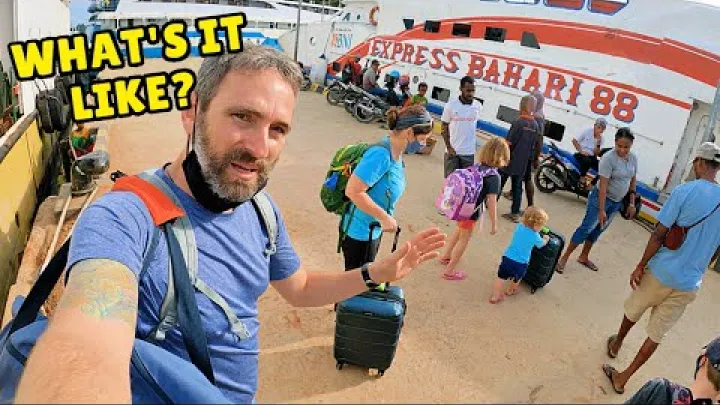
Public ferries are different from private speedboats, resort transfers, homestay boats, and liveaboard arrangements. A public ferry may get you to Waisai, but your island accommodation may still need to collect you from there. A resort transfer may begin in Sorong or Waisai depending on the property. A liveaboard may ask you to board directly in Sorong or meet at a specific harbor area.
Travel companies such as Phinisi Trip describe the usual journey structure from Indonesian hubs to SOQ and onward by public ferry to Waisai. Before your travel day, confirm departure times, ticket class, port location, baggage handling, Waisai pickup, visitor fee procedures, holiday operations, and likely weather effects. Do not build your trip around a single ferry schedule found online without checking close to departure.
Best Time to Visit and Weather Planning
Sorong travel planning is closely linked to weather and sea conditions.
How Sorong Weather Affects Travel Days
Sorong has a humid tropical climate, so heat, rain, and sudden downpours can affect comfort and logistics. Even when distances are not long, wet streets, slower traffic, and more difficult luggage handling can make a travel day feel heavier.
Pack with transfers in mind. Use breathable clothing, a light rain layer, waterproof luggage covers or dry bags, and footwear that can handle wet ground. Keep passports, phones, medication, and travel documents protected from rain during airport and harbor movements.
Seasonal summaries can be useful, but they should not replace a current forecast. Before flight, ferry, or boat days, check updated weather information and ask your accommodation or operator about local conditions. In this region, flexible timing is often more useful than trying to choose a perfect weather day months in advance.
Raja Ampat Sea Conditions and Trip Timing
Many travelers choose when to visit Sorong based on Raja Ampat sea conditions rather than sightseeing in the city. Calm water can make inter-island transfers, snorkeling trips, diving days, and small-boat journeys more comfortable. Rougher conditions can slow transfers or change plans, especially for remote islands.
There is no month that is perfect for every traveler and every activity. Divers, snorkelers, photographers, families, and budget backpackers may all value different things. A diver may care about visibility and liveaboard schedules, while a family may care more about avoiding stressful boat crossings.
If you are prone to seasickness, short on time, or traveling to a remote homestay, plan conservatively. Ask your accommodation how they handle bad sea conditions, whether pickup times can change, and what happens if a boat transfer is delayed.
Why Buffer Days Matter
Buffer days are one of the most useful planning tools for Sorong and Raja Ampat. An extra night in Sorong can protect a liveaboard departure, a remote homestay booking, a domestic flight, or an international connection.
Common causes of disruption include late flights, heavy rain, rough seas, public holidays, changed ferry schedules, and slower-than-expected transfers. None of these is guaranteed, but all are realistic enough to consider when the onward plan is expensive or hard to rearrange.
A budget backpacker may use one buffer night to avoid paying for a private boat after missing a ferry. A diver may arrive a day early to protect a liveaboard. A family may use the buffer to rest and buy supplies. A time-limited visitor may place the buffer before the most important commitment, rather than at the end when it cannot help.
Costs, Accommodation, Food, and Supplies
Sorong is the place to handle practical expenses before moving into more remote parts of Raja Ampat. Costs vary widely, but the major categories are predictable.
Typical Cost Categories to Budget For
A Sorong and Raja Ampat budget usually includes domestic flights, one or more Sorong hotel nights, airport and harbor transfers, ferry or private boat costs, visitor or conservation fees, island accommodation, meals, diving or snorkeling, and cash reserves.
| Budget category | What to consider | Planning tip |
|---|---|---|
| Domestic flights | Routes, arrival time, luggage, delays | Choose timing that protects ferry plans |
| Sorong hotel | Port or airport access, breakfast, transfers | Book for convenience, not only price |
| Boats and ferries | Public ferry, resort transfer, homestay boat | Confirm the full route to your island |
| Island stay | Meals, activities, pickup, electricity | Ask what is included before arrival |
| Cash reserve | ATMs, card limits, remote payments | Withdraw enough in Sorong |
Avoid relying on old price examples as firm current costs. Fuel prices, ferry procedures, accommodation rates, and conservation fees can change. Ask your hotel, ferry contact, or island accommodation to confirm the latest amount and payment method.
Choosing Accommodation for Convenience
Sorong accommodation ranges from budget guesthouses to practical city hotels and more comfortable business-style properties. For one or two nights, location and service often matter more than style. A plain hotel with reliable air-conditioning, easy transport, and early breakfast may be better than a more attractive property in an inconvenient place.
Check whether the hotel can arrange an airport pickup, call a trusted driver, store luggage, accept cards, and communicate clearly about port transfers. If you need to leave early, ask whether breakfast is available before your departure or whether a packed option is possible.
During busy Raja Ampat travel periods and Indonesian public holidays, book early and reconfirm. If you are carrying dive equipment or fragile camera gear, ask about room access, storage, and vehicle space before arrival.
Seafood, Local Meals, and Simple Dining
Food is one of the easier ways to enjoy a short Sorong stay. Seafood is a practical highlight, and travelers often look for fish, grilled dishes, rice meals, soups, and simple Indonesian restaurant food before heading to islands where dining choices may be limited.
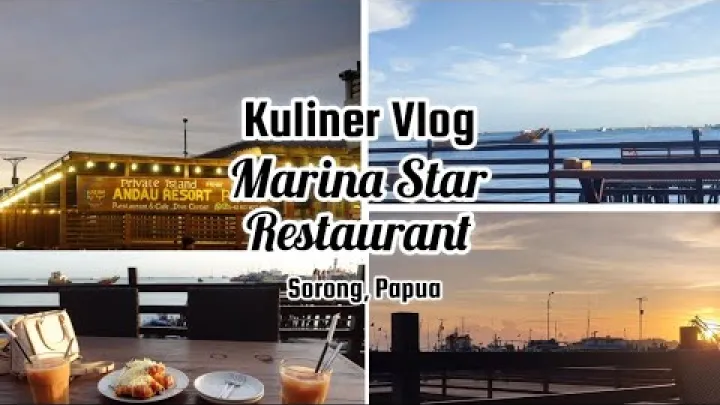
Restaurant examples mentioned by travel writers include Mamberamo Seafood and Balobe Seafood; Sally in the Galley gives a useful traveler-style look at several casual food stops in Sorong. Treat named restaurants as ideas to check, not as a fixed best-of list, because opening hours and quality can change.
Hotel restaurants, warungs, and casual Indonesian eateries are common options. If you have dietary restrictions, prepare simple Indonesian phrases, carry backup snacks, and consider eating at your hotel when communication is important. This is especially useful before moving to remote accommodation with set meals.
Cash, ATMs, Internet, and Island Supplies
Sorong is the practical place to withdraw cash, buy snacks, toiletries, medicine, sun protection, batteries, chargers, dry bags, and last-minute gear. ATMs and card acceptance are generally more reliable in the city than on remote islands, but you should not assume every machine works or every business accepts cards.
Before leaving Sorong, download offline maps, ferry or boat details, hotel confirmations, passport copies, insurance documents, and translation tools. Save important phone numbers in more than one place. If you use an eSIM or local SIM, test data before heading to the islands.
- Withdraw enough Indonesian rupiah for transfers, tips, small purchases, and island payments.
- Buy personal medicine, mosquito repellent, sun protection, and basic first-aid items.
- Protect electronics with dry bags or waterproof cases.
- Carry a power bank and charging cables.
- Bring personal snorkel or dive gear if fit and quality are important to you.
- Pack light rain protection for airport, port, and boat transfers.
Things to Do in and Around Sorong
Sorong has some city stops that can fill spare hours, but it is important to keep expectations realistic. The strongest experiences for most visitors are still in Raja Ampat and the wider coastal region.
Easy City Sights
If you have time between transport connections, you can consider simple city stops such as the port area, Masjid Raya Al Akbar, Vihara Buddha Jayanti, and Dofior Wall. Indonesia Tourism mentions Dofior Wall for sea scenery and sunset context, and Indonesia Tourism provides general visitor information on Sorong city.
These places are best treated as low-effort additions, not as the main reason to travel to Sorong. If you are tired, short on time, or unsure about transport, it is completely reasonable to skip sightseeing and focus on logistics.
At religious sites, dress modestly, behave quietly, and ask before photographing people. Walking conditions may not always be comfortable, so use trusted transport when distances, traffic, or weather make walking difficult.
Short Excursions Before or After Raja Ampat
Some activities marketed as Sorong experiences may actually be outside the city or require boats, guides, private transport, or local arrangements. Before booking, ask exactly where the activity starts, how long transfers take, whether permission is needed, and what happens if weather changes.
Nearby coastal, island, or cultural excursions can be interesting for travelers with extra time, but they should not be forced into a tight transit day. A short activity that looks simple online can become stressful if it conflicts with ferry timing or a fixed pickup.
If your main trip is Raja Ampat, protect that priority. Use Sorong excursions only when you have a clear return plan, a reliable contact, and enough time to handle delays.
What to Skip if Time Is Short
If you have only one night in Sorong, prioritize transfers, rest, cash, supplies, and confirmed onward logistics. Sightseeing should come after these tasks, not before them.
There is no need to turn Sorong into a full sightseeing stop if your main goal is Raja Ampat. Many travelers use the city successfully as a transit base and still have an excellent trip. This is not a failure to experience Sorong; it is a realistic way to protect the larger journey.
On a ferry day, avoid trying to visit multiple city stops before departure. The stress of traffic, heat, baggage, and port timing can outweigh the benefit of squeezing in one more attraction.
Safety, Health, and Local Etiquette
Sorong is a real working city in a remote part of Indonesia, so good planning matters. Use current information, standard urban safety habits, and health precautions suited to tropical travel and island logistics.
Current Safety and Advisory Checks
Travel advisories for Papua can be complex because risk levels may differ by province and area. Sorong and Raja Ampat should not be automatically treated the same as higher-risk areas elsewhere in Papua, but travelers should still check current official advice before departure. The U.S. Department of State provides one example of an official advisory that distinguishes risk by area.
Use standard city precautions. Keep valuables discreet, avoid isolated areas at night, use trusted transport, be cautious around demonstrations, and ask accommodation staff or operators about current local conditions. If there are disruptions, adjust plans rather than pushing through uncertainty.
Natural hazards and weather can also affect travel. Monitor local updates during heavy rain, port delays, or flight disruption. If your operator changes a boat plan for safety reasons, take that seriously.
Health Precautions for a Tropical Gateway
Heat, humidity, mosquitoes, unfamiliar food, and remote onward travel are the main health planning issues. Drink enough water, use mosquito protection, wash or sanitize hands, and be careful with food if you have a sensitive stomach.
Before traveling to tropical Papua, consult a travel health professional about vaccines, malaria prevention, and personal medical risks. Do not rely on general travel articles for medical decisions, especially if you are pregnant, immunocompromised, traveling with children, or planning remote stays.
Travel insurance is strongly recommended, and divers should check that diving is covered. Remote island travel can make medical evacuation complicated and expensive. Carry personal medication, a small first-aid kit, rehydration salts, insect repellent, sunscreen, and copies of prescriptions.
Cultural Respect and Responsible Travel
Sorong is culturally and religiously diverse, with Indonesian and Papuan influences visible in daily life, food, language, markets, ports, and places of worship. Simple respectful behavior goes a long way.
Dress modestly at religious sites, speak calmly during delays, ask permission before photographing people, and be patient when communication is limited. In ports and markets, keep your bags controlled and avoid blocking work areas while taking photos.
When continuing to Raja Ampat, respect local communities and marine conservation rules. Do not touch coral, stand on reefs, chase wildlife, or leave plastic waste behind. Follow the guidance of homestays, guides, dive centers, and boat crews, especially in village areas and sensitive marine environments.
Practical Itineraries and Final Planning Advice
A good Sorong itinerary is simple, flexible, and built around the next transport step. The following plans work as starting points, but your exact timing should follow current flights, ferry operations, and operator instructions.
One Night in Sorong
One night is the standard plan for many travelers arriving before a ferry, liveaboard, or island transfer. Keep the day conservative and use your energy for preparation rather than sightseeing.

- Arrive at Domine Eduard Osok Airport and collect luggage.
- Transfer to a hotel near the port if you have an early ferry or liveaboard boarding.
- Confirm the next day’s ferry, boat, Waisai pickup, or operator meeting point.
- Withdraw cash and buy essential supplies.
- Eat a simple meal, repack waterproof items, and rest.
- Depart the next morning with extra time for traffic, rain, and port procedures.
If you arrive early and all logistics are secure, you can add a short meal or nearby city stop. If not, skip sightseeing and protect the onward journey.
Two Days in Sorong
Two days in Sorong is a stress-reduction choice, not a requirement. It is most useful for divers with expensive bookings, families, travelers arriving after long international connections, and anyone who wants extra protection before a remote island stay.
Use the first day for arrival, rest, and essential logistics. Use the second day for supplies, dining, one or two easy city sights, and reconfirming transport. If weather or schedule changes occur, the second day can become your insurance day rather than a sightseeing day.
Keep activities flexible. Avoid filling the buffer day with anything that creates a new risk of missing your actual Raja Ampat departure.
Final Checklist Before Leaving for the Islands
Before you leave Sorong for Waisai or the islands, make one final check. This is often the last easy place for urban errands before remote travel.
- Confirm ferry, private boat, resort transfer, homestay pickup, or liveaboard boarding time.
- Confirm where you will be met in Waisai, if Waisai is part of your route.
- Withdraw enough cash and confirm any card or bank transfer requirements.
- Check visitor fee or conservation fee procedures for your Raja Ampat plan.
- Download offline documents, maps, tickets, and booking confirmations.
- Test phone data and save emergency and operator contacts.
- Pack medicine, mosquito protection, sun protection, and rain protection.
- Waterproof passports, electronics, camera gear, and important papers.
- Charge power banks and devices before departure.
Sorong works best when you use it for what it does well: connections, preparation, rest, and flexibility. Keep expectations realistic, build buffer time into important plans, and the city can make the journey to Raja Ampat much smoother.
Frequently Asked Questions
Is Sorong worth visiting or is it only a gateway to Raja Ampat?
Sorong is mainly a gateway to Raja Ampat, but it is still useful for travelers. It is the place to rest, withdraw cash, buy supplies, arrange transport, and enjoy a simple city meal before or after island travel. It is not usually the main highlight of the trip.
How many nights should I stay in Sorong before going to Raja Ampat?
Most travelers should stay one night before continuing to Raja Ampat. Stay two nights if you arrive late, have an expensive liveaboard or resort transfer, need time to recover from long flights, or want a safer buffer against delays.
How do I get from Sorong airport to Waisai?
First travel from Domine Eduard Osok Airport to the harbor area in Sorong by taxi, hotel car, or arranged transfer. Then take the public ferry or another arranged boat to Waisai. From Waisai, confirm pickup with your homestay, resort, dive center, or operator.
When is the best time to visit Sorong and Raja Ampat?
Most travelers choose timing based on Raja Ampat sea conditions, diving plans, and boat comfort rather than Sorong sightseeing. Weather and sea conditions can vary, so check forecasts and ask operators for current guidance before finalizing transfer days.
Is Sorong safe for international travelers?
Many international travelers pass through Sorong without major problems, but you should use normal urban precautions and check current travel advisories. Keep valuables discreet, use trusted transport, avoid demonstrations, and ask your hotel or operator about local conditions.
Do I need cash before leaving Sorong for the islands?
Yes. Withdraw enough Indonesian rupiah in Sorong before leaving for Waisai or remote islands. ATMs, card payments, and reliable connectivity are more limited outside the city, and cash may be needed for transfers, small purchases, tips, and local payments.
Select area
Create a post
Posting is free and no registration is required.