Sorong Best Time to Visit: Seasons & Monthly Guide

The Sorong best time to visit is usually from October to April, especially if your trip continues by boat to Raja Ampat. Sorong is warm, humid, and rainy in every month, so the main planning question is not temperature but rain, wind, sea state, and transfer comfort. This guide explains Sorong weather by season and month, with practical advice for diving, snorkeling, short city stays, budget travel, and boat connections to Waisai and nearby islands.
Quick Answer: The Best Time to Visit Sorong
For most travelers, the best time to visit Sorong is when the surrounding seas are more comfortable and travel plans are less likely to be affected by wind and rough water. That usually points to the October to April window, with some shoulder-month flexibility.
Best overall months for most travelers
The best overall months to visit Sorong are generally October to April. This is especially true for travelers using Sorong as the gateway to Raja Ampat, where boat transfers, snorkeling trips, diving days, and liveaboards depend heavily on marine conditions.
Mid-October to mid-December is often one of the most attractive periods. Conditions are commonly improving after the windier middle of the year, light can be good for island scenery, and the busiest year-end holiday period has not fully arrived. Still, no month is guaranteed dry or calm. Sorong has a tropical climate, so rain can fall even during the most recommended travel months.
The best time is not about avoiding cold weather. Sorong stays hot and humid year-round. The real difference between months is how rain, wind, cloud cover, and sea conditions may affect your plans.
Best months if Sorong is your Raja Ampat gateway
Many visitors spend only one night in Sorong before continuing to Raja Ampat. Even then, timing matters. Flights arrive at Domine Eduard Osok Airport, and many travelers then connect to ferries or private boats toward Waisai, resorts, homestays, or liveaboards.

If your itinerary includes crossings toward Waisai, the Dampier Strait, or more remote island stays, prioritize sea state over air temperature. A hot day in Sorong city may be manageable, but a choppy boat transfer can affect comfort, timing, and seasickness risk.
It is also useful to separate Sorong city weather from offshore conditions. Rain in the city does not always mean a whole day is lost, and a calm morning near the harbor does not always describe conditions farther offshore. Ask your accommodation, ferry contact, liveaboard operator, or homestay host about current conditions close to your travel date.
Months that need more flexibility
June, July, and August often need more flexibility, especially for itineraries built around small boats and exposed water. These months are not impossible for travel, but they are less ideal for first-time visitors who want the smoothest possible Raja Ampat connection.
If you visit during this period, avoid scheduling critical boat transfers too close to onward flights. Add buffer time, keep plans simple, and check with local operators before committing to long day trips or remote transfers.
These months can still work for travelers focused on Sorong city, lower-demand travel periods, or sheltered activities. The key is to treat seasonal advice as a guide, not a guarantee. Live conditions should always override a general month-by-month rule.
How Sorong's Climate Works
Sorong sits in a hot, humid tropical part of eastern Indonesia. Seasonal changes are more subtle than in destinations with a clear cool season or a sharply defined dry season.
Warm temperatures and warm sea all year
Sorong is warm throughout the year, with only small seasonal temperature changes. Climate-normal summaries from Climate Data put the average annual temperature around the mid-20s Celsius, but travelers often feel hotter because of humidity, direct sun, and urban heat.
For practical planning, pack for heat rather than for seasonal cold. Light clothing, sun protection, and hydration matter in January as much as in August. Nights are usually warm, and cold-weather clothing is rarely needed for a normal city stay.
Sea temperatures around Sorong and Raja Ampat are also warm enough for marine activities throughout the year. Divers and snorkelers should think more about visibility, currents, wind, rain, and comfort on the boat than about whether the water will be cold.
Rain, humidity, and sunshine patterns
Sorong receives rain in every month. Available climate data suggests annual rainfall above two meters, so it is better to think of Sorong as continuously wet with seasonal shifts rather than as a place with a simple dry-versus-rainy split.
A rainy day does not always mean rain from morning to night. Tropical showers can be brief, intense, and followed by usable daylight. At other times, clouds and repeated showers can slow road transfers, make walking less pleasant, or reduce visibility for views and photography.
Different weather summaries may identify different wettest months, so it is safer not to build a trip around one exact “wettest month” claim. Instead, assume humidity, wet roads, short delays, and the need for rain protection in any month.
Why wind and sea state matter more than temperature
Because Sorong's temperature is stable, the biggest travel difference often comes from wind and sea state. Calm seas make ferries, small boats, snorkeling, kayaking, diving, and liveaboards more comfortable. Windier conditions can make the same route feel tiring, wet, or rough.
This matters most if your trip goes beyond Sorong city. A traveler staying near the city for work, a short stopover, or a local beach visit may only need to manage heat and rain. A traveler crossing to islands needs to think about waves, boarding conditions, luggage protection, and seasickness.
Do not rely on exact wave expectations from general climate guides. For boat days, check marine conditions and local advice close to departure.
Seasons in Sorong and Nearby Raja Ampat Waters
Sorong and Raja Ampat are closely linked for travel planning, but they are not identical environments. Sorong is the city gateway; Raja Ampat travel depends more directly on open-water conditions.
October to April: calmer-sea travel season
October to April is the commonly recommended window for marine-focused trips in the Sorong and Raja Ampat area. Local seasonal guidance from Kawasan Konservasi Perairan Raja Ampat describes tropical rain patterns in the region and helps explain why travelers should consider both season and real-time conditions.
During this period, calmer seas can make transfers, snorkeling, kayaking, and diving more comfortable. This is why many travelers plan Raja Ampat trips around these months, even if they spend only a short time in Sorong itself.
This is not a fully dry season. Rain can still fall, and late December to early January may be busier because of holiday travel. If you plan to visit at year-end, reserve key accommodation, liveaboards, and transfers earlier than you would in quieter periods.
May to September: wetter and windier travel season
May to September can be more unsettled for marine travel, especially in exposed channels and on longer small-boat routes. June to August are the months that most often deserve extra caution if your itinerary depends on frequent open-water movement.
This period should not be described as a total off-season. Sorong city remains visitable, and some travelers choose these months because they have flexible schedules, prefer quieter periods, or are focused on city logistics rather than island-hopping.
Before committing to a tight schedule, contact your hotel, homestay, resort, ferry contact, or boat operator. Ask whether your planned route is usually comfortable at that time and whether you should add buffer days.
April, September, and October as shoulder months
April, September, and October can work well for travelers who want a balance between conditions and availability. These months sit near the edges of the main marine season, so they may offer more flexibility than peak-demand weeks.
April can still be humid and rainy, but it may suit travelers who can adapt plans and want to avoid the most crowded periods. September is often transitional as conditions begin to improve after the windier middle of the year.
October is especially strong in many travel accounts because it often combines improving sea conditions with good trip-planning potential. Even so, treat October as a favorable tendency, not a weather promise.
Month-by-Month Guide to Sorong
The following month-by-month guide gives a practical feel for Sorong weather and travel conditions. It summarizes average tendencies, not a forecast for your exact dates.
| Month | General feel | Best for | Main caution |
|---|---|---|---|
| January | Warm, humid, rainy at times | Raja Ampat trips and marine plans | Holiday demand early in the month |
| February | Warm with tropical showers | Diving, snorkeling, island transfers | Rain can still interrupt plans |
| March | Generally favorable marine period | Liveaboards and flexible island stays | Humidity and showers |
| April | Shoulder month | Flexible travelers | Rain and changing conditions |
| May | Transitional | City stays and adaptable itineraries | Less predictable sea comfort |
| June | Often windier | Flexible, sheltered plans | Small-boat comfort |
| July | Often challenging for exposed water | City logistics and quiet travel | Rougher seas possible |
| August | Breezy and unsettled at times | Flexible travel | Check boat conditions locally |
| September | Improving shoulder month | Travelers with buffer time | Still transitional |
| October | Often one of the best months | Raja Ampat gateways and marine trips | Rain remains possible |
| November | Prime marine season | Diving, snorkeling, island stays | Book popular options early |
| December | Good season, higher demand late | Marine trips and holidays | Rain and year-end availability |
January to April: strong marine conditions with tropical showers
January and February usually fall within the favorable marine season. They can be good months for travelers continuing to Raja Ampat, with warm water and generally workable conditions for boat-linked trips. Rain is still normal, so keep dry bags and flexible timing in your plan.
March often remains a strong choice and may feel slightly less pressured than the busiest holiday weeks. April is more of a shoulder month. It can still be attractive if you want flexibility and do not need perfect weather every day.
May to August: flexible travel for city stays and sheltered plans
May is transitional, with marine conditions becoming less predictable as the windier period approaches. It can still work well for short stays, city logistics, or travelers who do not mind adjusting boat plans.
June and July are often treated as the most challenging months for small-boat comfort. August may still be breezy and unsettled, although some climate summaries suggest that not every weather measure is at its worst during this month.
If you travel from May to August, keep expectations realistic. This is not usually the best time for a first Raja Ampat trip with a tight schedule, but it can be possible for flexible travelers who confirm routes locally.
September to December: improving conditions and peak-season build-up
September is a transition month as conditions begin to improve after the windier middle of the year. It can be a good choice if you have buffer time and want to travel before the strongest peak-season demand.
October is one of the standout recommendations for many visitors. It often offers improving seas and strong potential for marine-focused plans without the full pressure of late December travel.
November and December are part of the prime marine season, but late December can be busier. If your trip includes popular liveaboards, resorts, or specific homestays, plan early and allow for rain even during good-season weeks.
Best Time by Travel Purpose
The best month for Sorong depends on what you want to do. A diver, a budget traveler, and a person spending one night before a ferry may make different choices.
Diving, snorkeling, and liveaboards
For diving, snorkeling, and liveaboards connected to Raja Ampat, October to April is the main planning window. Specialist operator guidance from Calico Jack Charters points to this period for calmer seas and stronger visibility potential, but these are practical tendencies rather than guarantees.

Snorkelers benefit from similar timing because calmer water makes boat rides and surface conditions more comfortable. Divers should also ask operators about currents, site selection, safety procedures, and what exposure protection is recommended.
May to September can still work in sheltered areas, but you should expect more need for local decision-making. Operators may adjust routes, sites, or timing according to daily conditions.
City stays, short beach visits, and sightseeing
Sorong city can be visited year-round. Its weather is hot and humid in every month, and most city activities are not strongly seasonal. The main issues are heat, rain, traffic delays during heavy showers, and comfort when walking outdoors.
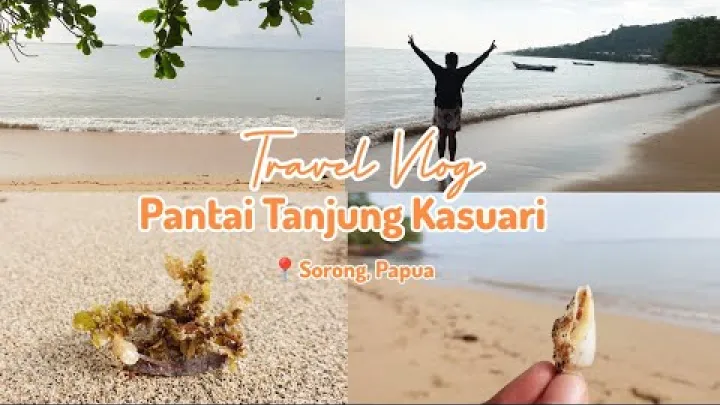
For markets, coastal viewpoints, errands, and short visits to places such as Tanjung Kasuari Beach, mornings and late afternoons are usually more comfortable than midday. Carry water, wear breathable clothing, and use sun protection even when the sky is cloudy.
Keep indoor backup plans for heavy showers. A short rain interruption is normal in Sorong and does not always mean the whole day is lost.
Budget travel and quieter trips
Budget travelers may prefer shoulder or lower-demand periods, but it is better to avoid firm assumptions about discounts. Prices and availability can change with holidays, group bookings, fuel costs, and operator schedules.
April, September, and parts of May to August may suit travelers who value quieter conditions and can adapt to weather. The trade-off is that sea conditions may be less predictable, especially in the middle of the year.
Do not save money by removing all buffer days from a boat-dependent itinerary. One extra night in Sorong or Waisai can be more useful than a very tight connection that leaves no room for weather delays.
Rainy Season, Rough Seas, and What to Check Before You Go
Weather planning for Sorong is about managing probability. A best-season guide helps you choose dates, but it cannot replace current forecasts and local marine advice.
How to think about Sorong rainy season
Sorong does not have a clean dry-versus-wet split like some other destinations. Rain is common all year, and the practical concern is how rain combines with wind, waves, and your type of travel.
For a city stay, rain may mean wet roads, slower transfers, and the need for sandals or quick-drying shoes. For an island itinerary, rain plus wind can affect boat comfort and visibility.
Use the phrase “rainy season” carefully. It is more useful to ask whether your dates are likely to be calm enough for your planned route than to ask whether rain is possible, because rain is always possible.
Small-boat crossings, seasickness, and itinerary buffers
If you have a tight onward flight, avoid placing your most important small-boat transfer at the last possible moment. This is especially important when traveling between Sorong, Waisai, and more remote island stays during windier months.
Build buffer time into the start and end of the trip. Keep essential medication, documents, and electronics protected from spray and rain. If you are sensitive to motion, bring seasickness treatment that you know works for you and use it according to medical advice.
Because boat conditions are local and change quickly, confirm plans directly with your accommodation, ferry contact, homestay, resort, or boat operator before travel days.
Climate averages versus live forecasts and official alerts
A best-time guide uses climate averages and seasonal patterns. Your actual travel safety depends on live weather, official alerts, and local operator decisions. Before boat travel or time-sensitive transfers, check BMKG for current Indonesian weather information and compare it with local advice.
Heavy rain, thunderstorms, and rough-sea warnings should matter more than a general statement that a month is “good.” If conditions are poor, be ready to delay, change a route, or choose a sheltered activity.
This is not a reason to avoid Sorong. It is simply the correct way to plan in a warm, wet, sea-linked destination where daily conditions matter.
What to Pack and How to Plan Your Days
Packing for Sorong is simple if you prepare for heat, humidity, rain, and boat logistics. The same basic kit works in most months.
Clothing, rain gear, and sun protection
Bring light, breathable clothing that dries quickly. A compact rain jacket or poncho, waterproof phone pouch, and dry bag are useful in every month, especially if you will move between airport, harbor, ferry, and island accommodation.
For footwear, choose sandals or shoes that handle wet ground. Use sun protection, including a hat and high-SPF sunscreen. If you will snorkel or dive, ask your operator what gear is included and whether reef-safe sun protection is required or recommended.
Insect protection is also useful, particularly around vegetation, wet areas, and evening outdoor spaces. Warm nights mean you rarely need cold-weather layers for Sorong city.
Daily timing for transfers, walks, and beach visits
Plan outdoor errands, walks, and beach visits for the morning or late afternoon when heat and glare are usually easier to manage. Midday can feel tiring because of humidity, even when the air temperature does not look extreme on a weather app.
If you arrive at Domine Eduard Osok Airport and need to continue to the harbor, leave time for traffic, rain, luggage handling, and boarding. A short tropical shower can slow a simple transfer.
For a one-night stop in Sorong before Raja Ampat, keep the plan practical: confirm the next day’s boat timing, prepare cash and documents, protect electronics, and avoid scheduling too many outdoor activities in a small time window.
Frequently Asked Questions
What is the best month to visit Sorong?
October is one of the best months to visit Sorong, especially for travelers continuing to Raja Ampat. November to April are also generally strong months for marine-focused trips, although rain remains possible.
Is Sorong rainy all year?
Yes. Sorong receives rain in every month, so it is better to plan for rain protection year-round. Rain may be brief and intense rather than continuous all day.
Is June to August a bad time to visit Sorong?
June to August is not necessarily bad, but it needs more flexibility. These months can be windier and less comfortable for small-boat travel, while city stays and sheltered plans can still work.
When is the best time to visit Raja Ampat from Sorong?
The best time to visit Raja Ampat from Sorong is generally October to April. This period is commonly preferred for calmer seas, diving, snorkeling, and more comfortable transfers.
Should I check a live forecast before traveling to Sorong?
Yes. Always check a live forecast and local operator advice before boat travel. Climate averages help with date planning, but current rain, thunderstorms, and sea conditions should guide final decisions.
Final Recommendation
For most travelers, the best time to visit Sorong is October to April, with October, November, March, and early December especially useful for many itineraries. Choose these months if your trip depends on Raja Ampat transfers, diving, snorkeling, liveaboards, or comfortable time on the water.
If you travel from May to September, keep plans flexible, add buffer time, and confirm boat conditions locally. Sorong is warm and visitable year-round, but the smartest itinerary respects rain, humidity, wind, and real-time marine conditions.
The simplest rule is this: use October to April as your planning window, pack for rain in every month, and check current forecasts and local advice before any important boat transfer.
Select area
Create a post
Posting is free and no registration is required.