Harbin Best Time to Visit: Weather, Seasons & Travel Tips

Choosing the best time to visit Harbin is mainly a choice between a winter spectacle and an easier outdoor city break. Late December and January are usually strongest for ice and snow, June to August bring greenery and summer activities, and late September to mid-October offers a balanced period for walking, photography, and autumn scenery. Harbin’s continental monsoon climate creates sharp contrasts, so the right dates also depend on cold tolerance, rain flexibility, festival access, crowd levels, and budget. This guide compares the seasons, gives a month-by-month feel, and explains what to wear and how to check conditions.
Quick Answer: When Is the Best Time to Visit Harbin?
Harbin can work in every season, but each season offers a different city. Decide first whether the trip is built around frozen attractions, green parks, or long comfortable walks.
The Short Answer
Choose late December through January if the main purpose of your trip is the Harbin Ice and Snow Festival, large illuminated ice displays, snow activities, and the classic Ice City atmosphere. February can also work for winter sightseeing when festival venues and seasonal attractions remain open, but the exact experience depends on that year's schedule and conditions.
Choose June through August for green parks, riverfront walks, family activities, and a warmer summer escape. Harbin is often more manageable in summer than China's hottest destinations, although July and August are also the wetter months. If you want summer-like activities with a potentially quieter feel, early June or early September can be useful alternatives.
For comfortable city walks, architecture, photography, and autumn scenery, late September through mid-October is the strongest general compromise. Late April, May, and the period after the early-October holiday may suit travelers who prefer a quieter cultural trip and can accept less predictable transition weather. There is no single best month for every visitor.
Choose Your Dates by Experience
Use the comparison below to match the best season in Harbin to the type of trip you want. The recommended periods are broad planning windows rather than guarantees of specific weather or attraction operations.
| Experience | Good timing | Main trade-off |
|---|---|---|
| Ice and snow spectacle | Late December to January | Severe cold and stronger demand |
| Green parks and outdoor leisure | Mid-June to late August | Rain, humidity, and summer demand |
| Autumn walks and photography | Late September to mid-October | Chilly nights and early-October crowds |
| Quieter culture trip | Late April to May or after early October | Variable spring weather or less seasonal spectacle |
| Potentially better value | Late March to May, early September, or November | Transition weather or winter attractions in preparation |
Winter is best when the cold itself is part of the experience. Summer and autumn are easier choices for travelers who want to spend many hours walking, while the shoulder seasons trade peak scenery for a calmer atmosphere and possible flexibility.
Harbin's Climate and Four Seasons
Harbin's location in Northeast China gives it strong seasonal contrasts. Understanding that pattern helps you choose dates, but it does not replace a live forecast for a particular day.
A Continental Monsoon Climate in Northeast China
Harbin is an inland city in Heilongjiang in Northeast China. The China Meteorological Administration describes it as having a temperate continental monsoon climate with four distinct seasons. In practical terms, the annual cycle moves from a long, cold, relatively dry season to a warmer and wetter summer, with short transition periods in between.
Because the city is inland, this is not a beach-weather decision. Snow, cold, rain, wind, cloud, and visibility affect sightseeing more than sea conditions. Coastal typhoon calendars are not normally the main basis for choosing Harbin dates, although a wider weather system can still affect a particular trip. Climate patterns help you select a month; the exact conditions on your travel dates are a separate question.
Winter: Ice, Snow, and Severe Cold
Winter is long, cold, and comparatively dry. From late December through February, frozen landscapes, snow activities, and illuminated ice structures create the setting that gives Harbin its Ice City identity. The Ice and Snow World and other seasonal venues are especially attractive for visitors who want large-scale winter displays and nighttime photography.
The physical demands are substantial. Wind can make outdoor conditions feel harsher than a temperature reading suggests, and short periods outside may be more comfortable than a full day without breaks. Pack insulated, windproof layers, protect your hands, feet, ears, and face, and plan regular warm indoor breaks. This is essential for extended visits to outdoor attractions, not just a minor comfort adjustment.
Summer: Cooler, Wetter, and Green
June to August brings warmer air, higher humidity, more greenery, and a livelier outdoor atmosphere. Harbin is often described as a summer refuge because it can feel more manageable than much hotter Chinese cities, but it is not consistently cool or dry. Daytime conditions can still feel warm, particularly when humidity is high.
Rain is the main summer planning issue. July and August generally have the greatest rainfall, and showers or thunderstorms can interrupt outdoor sightseeing. Plan parks, the Songhua River area, the Sun Island Scenic Area, or Volga Manor in flexible time blocks, and keep an indoor alternative for each longer sightseeing day. An itinerary that can move a walk or museum visit by several hours is more reliable than one built around fixed outdoor timing.
Spring and Autumn: Short Shoulder Seasons
Spring and autumn are brief transition periods, and conditions can change noticeably from one month to the next. Spring may bring thawing snow, muddy or slushy paths, wind, dry air, and rapid changes between daytime and nighttime conditions. May is generally milder and greener than March or April, making it a better spring choice for ordinary city exploration.
Late September and October usually offer crisp air, cooler nights, less summer humidity, and better conditions for long walks and photography. Autumn is useful for cultural sightseeing and seasonal scenery, but it should not be treated as a fixed foliage calendar. These shoulder seasons can be quieter and more comfortable than peak periods, while spring is usually the less predictable choice for outdoor plans.
Harbin Weather by Month
Harbin weather by month changes quickly across the transition seasons. The following guide describes the usual travel feel rather than a guaranteed forecast.
January and February: Festival Winter
January is usually the coldest part of the year and one of the central months for a full winter visit. Snow and ice attractions are the main draw, while shorter daylight and severe cold make walking days more demanding. Visitors should expect to combine outdoor displays with warm indoor stops rather than treating the city like a destination for uninterrupted sightseeing on foot.
February remains firmly wintry, although daylight gradually changes and conditions can feel different from the deepest part of January. Winter activities may continue, but availability and the atmosphere at particular venues can vary by season. Demand can also shift within these months, especially around major holiday travel periods, so a specific week should not automatically be assumed to be quiet or inexpensive.
March to May: Thaw, Wind, and Greener Days
March is a transitional month. Melting snow, slush, wet surfaces, wind, and rapid temperature changes can make long walks less comfortable, even when the calendar suggests that winter is ending. April is often quieter and remains changeable, while May is generally milder, greener, and more suitable for ordinary city exploration.
Spring outdoor plans need a little more caution than autumn plans. Strong winds, dust, or sandstorm conditions can affect comfort and visibility. Check local weather alerts for these conditions before planning extended outdoor activities, particularly walks in open areas or visits that cannot easily be moved indoors.
June to August: Warm, Humid, and Rainy
June marks the beginning of Harbin's greener summer season, with increasing warmth, humidity, and rainfall. July and August are generally the warmest and wettest part of the year. A reference from Climate-Data.org also identifies January as the lowest-precipitation month and July as the highest in its climate data.
Rainfall averages describe the overall pattern, not the time or severity of rain on a particular day. Use flexible blocks for outdoor attractions, carry a compact umbrella or light waterproof layer, and group museums, indoor cultural sites, or relaxed meals as backup options. A shower does not necessarily ruin a summer trip, but a rigid outdoor schedule makes disruption more likely.
September to December: Autumn to Early Winter
September is a comfortable transition toward autumn, with cooler nights and less summer humidity. It is often a good month for walking, photography, and parks before winter conditions return. October is generally crisp and can be scenic, although the early-October public holiday can change the crowd level and pace of a trip.
November and December show the gradual return of freezing conditions and winter tourism. November may feel like a value-oriented transition month, while December becomes more attractive to visitors seeking ice and snow. Early snow, completed displays, and festival operations should not be assumed from a fixed calendar date because seasonal facilities and schedules can differ from year to year.
Best Time to Visit Harbin by Travel Purpose
The best season depends on what you want to do more than on a single average temperature.
Ice Festival and Winter Sports
Late December through January is the strongest general window for visitors whose priority is the Harbin Ice and Snow Festival, winter photography, snow activities, and illuminated displays. February is another possible option when venues remain open and conditions support the planned activities. The cold is part of the attraction, but it is also the main limitation on how long you can comfortably stay outdoors.
A seasonal overview from China Highlights describes the annual festival as opening in December and lasting around two months into late February. Treat that as a broad seasonal pattern, not a fixed promise. Confirm the current festival venue dates, closing dates, and operating status before booking a winter trip, especially if the Ice and Snow World is the main reason for traveling.
Summer Escape and Outdoor Sightseeing
Mid-June through late August suits visitors seeking green parks, riverfront leisure, family activities, and Harbin's summer identity. July and August offer the fullest summer atmosphere, but they also bring the greatest likelihood of rain and can coincide with stronger domestic demand. This is a good season for travelers who can adjust the order of outdoor activities when showers arrive.
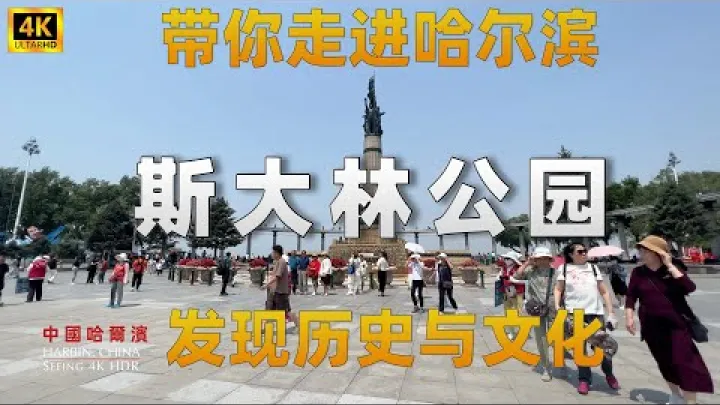
Early June or early September may suit visitors who want some summer-like activities with a potentially quieter feel. These dates are not guaranteed to be dry or warm, so choose them for flexibility rather than for a precise weather promise. Plan an indoor replacement for a park, riverfront, or manor visit and keep footwear practical for wet streets.
Culture, Photography, and Comfortable City Walks
Late September to mid-October is a strong compromise for architecture, parks, riverfront areas, and photography. Cooler air and generally lower rainfall than the summer period can make long walking days easier, while autumn color adds seasonal interest. The Songhua River area and Sun Island Scenic Area can fit naturally into this type of itinerary when access and conditions are suitable.

Late April and May are alternatives for travelers who prefer a quieter city experience without deep winter cold. They can work well for museums, architecture, food, and flexible walks, but spring is more changeable and may offer less complete greenery. If a specific foliage period is important, allow flexibility rather than choosing dates based only on a general autumn label.
Budget Travel and Fewer Crowds
Potential value windows include late March to May, early September, the period after the early-October holiday, and possibly November. These periods may bring lower demand than the winter festival peak, but lower demand does not mean the best weather. March can be affected by thaw and wind, spring attractions may feel less seasonal, and November can sit between autumn sightseeing and the full winter program.

July and August may be less expensive than the winter festival period in some travel plans, but they are not automatically low-demand months. Avoid relying on a precise percentage saving without checking current prices. Compare flexible dates, weekday and weekend rates, accommodation location, and attraction availability, then decide whether the financial benefit is worth accepting rain, humidity, or reduced seasonal spectacle.
Crowds, Prices, and Dates to Approach Carefully
Seasonal demand is separate from climate. A month with comfortable weather can still be busy, while a quieter month may require more tolerance for transition conditions.
Peak Demand and Seasonal Price Pressure
Winter festival months and the main summer holiday period are usually the two strongest demand seasons for Harbin. Higher demand can reduce accommodation and transport flexibility and can put upward pressure on hotel, intercity travel, and attraction costs. The exact effect varies by date and booking channel, so use relative terms such as higher demand rather than assuming a fixed price difference.
For a fixed-date winter trip, plan early and compare weekdays with weekends where possible. A schedule with one or two flexible days can make it easier to manage availability and avoid building the entire trip around the busiest evening or attraction time.
Chinese New Year and National Day Golden Week
The Chinese New Year travel period can overlap with prime winter festival demand. That combination may intensify crowding, booking pressure, and competition for intercity transport. It is not an automatic reason to cancel, but it is a period that rewards early planning.
The National Day Golden Week in early October can also interrupt an otherwise attractive autumn window. If you must travel during either major holiday period, reserve accommodation and intercity transport early, arrange any timed attraction entry as soon as practical, and allow additional time for queues and slower transfers.
Shoulder-Season Trade-Offs
Spring and autumn can offer a calmer atmosphere, possible value, and comfortable conditions for cultural sightseeing. Their limitation is that they do not provide the most complete version of Harbin's main seasonal spectacles: spring may lack winter ice and full summer greenery, while autumn has a shorter window for color and can become chilly at night.
The choice is simple: accept transition weather for potentially lower demand and more flexibility, or travel in peak season for the strongest chance of experiencing a complete winter or summer atmosphere. Choose the shoulder season when your itinerary is experience-led but adaptable; choose peak season when one seasonal attraction is non-negotiable.
What to Wear and How to Check Conditions
Harbin packing changes more between seasons than between ordinary city breaks. Walking comfort, wind protection, rain readiness, and the ability to add or remove layers matter more than bringing a large general-purpose wardrobe.
Winter Clothing for Harbin's Outdoor Attractions
For winter, prioritize an insulated, wind-resistant outer layer, warm base layers, gloves or mittens, a hat that covers the ears, a scarf or face covering, warm socks, and footwear suitable for snow and ice. Protecting hands, feet, ears, and face is especially important during extended visits to Ice and Snow World or other outdoor winter attractions.
Removable layers are practical because you may move repeatedly between very cold outdoor venues and heated indoor spaces. Choose shoes that remain stable on snowy or icy surfaces and avoid packing footwear based only on appearance. Plan warm indoor breaks instead of expecting to stay outside continuously for the whole day.
Summer and Shoulder-Season Clothing
For summer, pack light, breathable clothing, a thin layer for cooler evenings and air-conditioned interiors, and an umbrella or light waterproof layer. Shoes should remain comfortable for long walks and practical on wet streets after showers.
Spring and autumn are easier with layers. A warmer top, light jacket, and protection from wind can cover changes between daytime warmth, nighttime chill, and exposed areas near the river. Keep the list season-specific: winter insulation is unnecessary in summer, while a single light outfit may be insufficient in a windy spring or autumn evening.
Climate Averages Versus Live Forecasts
Climate averages help you choose a month, but they cannot predict the exact temperature, rainfall, wind, visibility, or operating conditions during a particular trip. A current short-range forecast is more useful for deciding whether to schedule an outdoor winter evening or a summer day around parks and riverfront areas.
Before finalizing your packing and outdoor schedule, check a current official or reputable forecast such as the Met Office and review any relevant local weather alerts. Confirm cold and wind before a winter festival night, and check rain or thunderstorm risks before a summer day trip. Recheck close to each major outdoor activity and adjust the order, clothing, or indoor alternatives when necessary.
Final Recommendation for Choosing Your Harbin Travel Dates
For the Harbin Ice and Snow Festival and winter displays, start with late December through January and accept the need for severe-cold preparation. For green parks and outdoor leisure, choose June through August if you can keep plans flexible around rain. For comfortable walks, architecture, and autumn photography, late September to mid-October is the best general compromise, while late spring and other shoulder-season windows can offer a quieter and potentially better-value trip. The best time to visit Harbin is ultimately the period that matches your preferred experience, cold tolerance, flexibility, and budget.
Select area
Create a post
Posting is free and no registration is required.