Phan Thiet Travel Guide: Mui Ne, Beaches and Tips
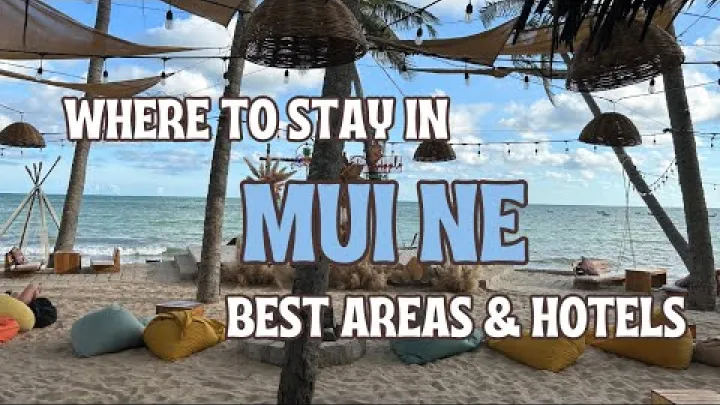
This Phan Thiet travel guide is for first-time visitors who want a practical coastal break in Vietnam without confusing Phan Thiet, Ham Tien, and Mui Ne. The area combines a working city, a long resort strip, fishing villages, beaches, sand dunes, seafood, and easy overland access from Ho Chi Minh City. It is not the simplest fly-in beach destination, but it can be very rewarding if you understand the layout before booking. This guide covers when to visit, how to get there, where to stay, what to do, how to get around, safety, costs, and simple itinerary ideas.
Why Visit Phan Thiet?
Phan Thiet is a coastal destination in Binh Thuan Province on Vietnam's South Central Coast. For travelers, its main appeal is the mix of beach time, local city life, seafood, wind sports, and unusual landscapes such as the Red Sand Dunes, White Sand Dunes, and Fairy Stream. The Vietnam National Authority of Tourism is a useful official starting point for general tourism context in Vietnam, while local details such as transport and opening times should still be checked close to travel.
Phan Thiet, Mui Ne, and Ham Tien at a Glance
The first thing to understand is the geography. Phan Thiet is the city, while Ham Tien and Mui Ne are coastal areas to the east that many international visitors use as beach bases. In travel conversations, the name Mui Ne is often used loosely for the wider resort coast, even when a hotel is actually in Ham Tien or another nearby section.
This matters because distances affect almost every decision. A hotel in Phan Thiet city may be better for markets, local food, and practical services. A hotel on Nguyen Dinh Chieu Street in Ham Tien may be easier for restaurants, beach access, and tour desks. A property marketed as Mui Ne may be closer to dunes, fishing-village scenery, or Mui Ne Bay, but it may be farther from city sights.
Think of the destination as three connected experiences: the working coastal city of Phan Thiet, the resort-oriented beach strip around Ham Tien, and the Mui Ne area with dunes, fishing activity, and wind-sport culture. Choosing the right base is more important here than in a compact city.
Who This Destination Suits Best
Phan Thiet suits travelers who want a slower coastal stop after Ho Chi Minh City or as part of a longer route along the South Central Coast between places such as Ho Chi Minh City and Nha Trang. It is especially appealing if you enjoy relaxed beach days, seafood meals, light cultural sightseeing, sand-dune landscapes, and activities such as kitesurfing or wingfoiling.
It is less ideal for travelers who want direct airport access, a compact walkable beach town, or large-scale nightlife. The area is spread out, and transport planning matters. If you prefer a polished fly-in resort experience with minimal transfers, another Vietnamese beach destination may be easier. If you are comfortable with overland travel and a slightly fragmented layout, Phan Thiet can be a rewarding and flexible stop.
Best Time to Visit Phan Thiet
Weather is one of the main reasons travelers choose Phan Thiet, but it should still be treated with flexibility. The coast is known for sunny conditions compared with many parts of Vietnam, yet wind, showers, sea conditions, and local beach quality can vary.
Dry Season, Rainy Season, and Beach Comfort
Many travelers plan a Phan Thiet or Mui Ne beach trip around the drier months, often roughly from November to April. This period is commonly favored for beach comfort, outdoor trips, and fewer interruptions from rain. Broad South Central Coast climate summaries, including those from Oxalis Adventure, describe the region as warm and generally suitable for coastal travel, but local weather can still change.
The warmer and wetter months can still be possible, especially for travelers who want lower crowds or are not planning every day around the beach. The trade-off is that you may need to adjust around showers, humidity, rougher sea conditions, or reduced visibility for excursions. Before departure, check a current weather forecast and ask your accommodation about recent beach and road conditions.
Wind Season and Water Sports Planning
Mui Ne and the Phan Thiet coast are associated with wind sports, especially kitesurfing and similar activities. Wind is part of the destination's identity, but it can affect non-sport travelers too. A windy beach can be exciting for riders, less comfortable for sunbathing, and less suitable for casual swimming.

If water sports are a major reason for your visit, contact local schools or operators before booking lessons. Ask about current wind patterns, lesson availability, equipment, insurance, and beginner conditions. If you do not kitesurf, consider choosing accommodation with a pool, a sheltered outdoor area, or easy transport to different beach sections so you have options when the wind is strong.
How to Get to Phan Thiet
Most first-time international visitors reach Phan Thiet by land, usually from Ho Chi Minh City. The best option depends on your final hotel location, budget, luggage, and comfort level.
From Ho Chi Minh City by Bus or Train
Ho Chi Minh City is the most common gateway. Bus and sleeper-bus services often advertise transfers to Phan Thiet, Ham Tien, or Mui Ne, and booking platforms such as Klook show that direct overland transfer options exist. These services can be convenient because some may stop closer to the resort strip than the train.

Trains can be a comfortable alternative for travelers who prefer a more predictable station-to-station journey. The main planning issue is that a train arrival may still require a taxi, hotel transfer, ride app where available, or local bus to reach Ham Tien or Mui Ne. Before booking, confirm the exact departure point, arrival point, luggage rules, cancellation terms, and how far the arrival location is from your hotel.
From Nha Trang and Other Coastal Stops
Phan Thiet can also fit into a longer coastal route. Travelers moving north or south along Vietnam's South Central Coast may use it as a beach break between larger destinations such as Ho Chi Minh City and Nha Trang. This can make the overall journey feel less rushed and gives you time to experience a different style of coastal Vietnam.
Because route frequency and schedules can change, compare bus, rail, and private transfer options close to your travel dates. If you are traveling during holidays or busy domestic travel periods, book earlier and avoid planning a tight same-day connection after a long intercity journey.
Arrival Tips for Reaching Your Hotel
Before arrival, confirm whether your hotel is in Phan Thiet city, Ham Tien, Mui Ne, or a more isolated coastal area. Save the hotel name, full address, phone number, and map pin offline. This reduces confusion because booking platforms, drivers, and travelers may use the name Mui Ne in different ways.
If you arrive at a bus stop or station, possible onward options include taxis, ride apps where available, hotel-arranged transfers, and local buses. Ask your hotel in advance what they recommend from your exact arrival point, especially if you will arrive at night or with large luggage.
Where to Stay: Best Base Areas
Your base will shape your trip more than any single attraction. The table below gives a quick decision guide, followed by more detail on each area.
| Base area | Best for | Main trade-off |
|---|---|---|
| Phan Thiet City | Local life, markets, services, city food | Less convenient for resort beaches |
| Ham Tien | First-time beach stays, restaurants, tour desks | Atmosphere and beach quality vary by section |
| Mui Ne | Dunes, fishing scenery, water sports planning | Can be farther from Phan Thiet city |
Phan Thiet City for Local Life and Practical Services
Phan Thiet city is the better choice if you want everyday Vietnamese city life rather than a resort-focused stay. It is useful for local restaurants, cafes, markets, shops, pharmacies, and practical services. It can also be a good base if you are more interested in food, culture, and short excursions than in walking directly from your room to the sand.
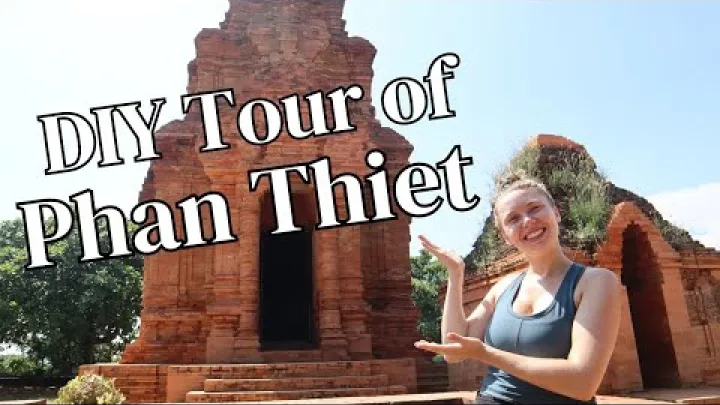
The main disadvantage is that beach time usually requires transport. If your image of the trip is a simple beach holiday, the city may feel too urban or inconvenient. Choose it when local atmosphere matters more than resort convenience.
Ham Tien for Easy Beach Access and Tourist Services
Ham Tien is often the most practical base for first-time visitors. The long coastal strip, including parts around Nguyen Dinh Chieu Street, has many guesthouses, resorts, restaurants, cafes, spas, small shops, and tour desks. It is usually easier here to arrange dune trips, transport, and beach time without too much planning.

Do not rely only on the accommodation name. Check the exact map location, whether the property is beachfront or inland, and recent guest comments about beach access. Some places marketed as Mui Ne may actually be in Ham Tien, and beach conditions are not uniform along the whole strip.
Mui Ne for Dunes, Fishing Village Atmosphere, and Water Sports
Mui Ne can refer to a specific local area and also to the wider beach destination in travel marketing. Staying closer to Mui Ne may suit you if you want easier access to the Red Sand Dunes, Mui Ne Bay scenery, fishing-village atmosphere, and some water-sport operators.
The trade-off is distance from Phan Thiet city services and some cultural stops. If you stay in a quieter section, confirm restaurant choices, evening transport, and how you will return from tours. This is especially important if you do not plan to rent a scooter.
Top Things to Do in Phan Thiet
The best Phan Thiet itinerary balances beach time with a few short trips. The area is not only about resorts; it also has dunes, streams, Cham heritage, seafood, and day-trip options.
Spend Time on the Beaches and Mui Ne Bay
Beaches are the main reason many travelers come. Depending on your base and conditions, you can swim where safe, walk along the coast, relax at a resort, enjoy sunset views, or watch water-sport activity. Mui Ne Bay and the surrounding coastline are especially important to the area's identity.
Keep expectations realistic. Wind, waves, tides, erosion, and local maintenance can make one beach section very different from another. Ask your hotel where swimming is safest, pay attention to warning signs, protect yourself from strong sun, and explore beyond one hotel frontage if conditions are not ideal.
Visit the Red and White Sand Dunes and Fairy Stream
The Red Sand Dunes, White Sand Dunes, and Fairy Stream are signature attractions near the Mui Ne area. They provide a very different landscape from the beach and are popular for photos, short walks, sunrise or sunset light, and organized jeep-style tours.
Early morning or late afternoon is usually more comfortable than midday because sand can become very hot. Wear shoes or sandals suitable for sand and shallow water, carry sun protection, and bring drinking water. If a tour includes ATVs, jeeps, or paid extras, check the price, safety standards, and what is included before agreeing.
Fairy Stream is generally experienced as a shallow walk through a scenic stream area, but conditions can change after rain. Bring footwear that can get wet and avoid carrying valuables loosely. The dunes and stream are accessible enough to be popular, so do not expect remote wilderness.
See Po Sah Inu Cham Towers
Po Sah Inu Towers are a worthwhile cultural stop that adds historical context to a beach-focused trip. Visitor platforms such as Tripadvisor identify the towers as a known Phan Thiet attraction, but you should check current opening hours, entry fees, and access details before visiting.
The site pairs well with time in Phan Thiet city or nearby coastal sightseeing. Dress and behave respectfully, especially if there are religious or ceremonial elements. Avoid climbing on restricted structures, and do not assume that every historical claim you hear from a driver or informal guide is accurate.
Plan Day Trips to Ta Cu Mountain or Ke Ga Lighthouse
Ta Cu Mountain and Ke Ga Lighthouse are optional excursions for travelers with more time. They are best seen as nature, views, photography, and cultural or maritime scenery rather than compulsory stops for every visitor. Once transfers are included, these trips can take a half day or more.
Before planning, check current access, weather, mobility requirements, and any cable car or boat operations that may affect the trip. If you are traveling with children, older relatives, or limited mobility, ask your hotel or tour operator about walking distances, steps, heat, and waiting times.
Food, Culture, and Local Life
Food is one of the easiest ways to understand Phan Thiet beyond the beach. Try to eat in both the city and the resort strip, because the atmosphere and pricing can feel quite different.
Try Seafood and Learn About Fish Sauce Culture
Phan Thiet's coastal identity is closely connected with seafood and fish sauce culture. Seafood restaurants range from simple local places to tourist-oriented beachfront dining. In general, city eateries may feel more everyday, while Ham Tien and Mui Ne restaurants are often easier for international visitors because menus, staff, and locations are more traveler-focused.
Fish sauce is part of the region's identity, but do not assume factories or workshops are open for casual visits. If you are interested, ask locally whether any visits are currently possible and appropriate. For meals, check prices before ordering seafood by weight, especially at places where live seafood is displayed.
Markets and Everyday City Experiences
Spending a few hours away from the resort strip can make your trip more memorable. In Phan Thiet city, you can experience local commerce, cafes, street food, and daily routines that feel different from the visitor-oriented parts of Ham Tien and Mui Ne.
Carry small cash, be patient with language differences, and ask before photographing people closely. If you are unsure about prices, observe first or choose places with posted menus. The goal is not to treat local life as a performance, but to experience the city respectfully and practically.
Getting Around, Costs, and Safety
Phan Thiet is spread out along the coast, so transport planning affects both cost and comfort. A place that looks close on a map may still require a taxi, bus, or scooter ride because of heat, traffic, road layout, or limited walking infrastructure.
Local Transport Choices and Typical Cost Ranges
Local options can include buses, taxis, ride apps where available, motorbike rental, bicycle rental, and hotel-arranged cars or tours. A local transport guide from Nasha Planeta gives examples of city buses and fare ranges, but prices, routes, and operating hours should be checked locally because they can change.
Taxis and hotel transfers are usually easier for short visits, late arrivals, families, or travelers with luggage. Buses can be economical if the route matches your plan. Scooters offer flexibility but carry higher safety and insurance risks. Bicycles may work for short local trips in some areas, but heat, traffic, and road conditions can limit comfort.
Budget Planning for Different Travel Styles
Costs in Phan Thiet depend mainly on where you stay and how many organized activities you book. A budget traveler can reduce costs by staying inland or in the city, eating local food, using buses where practical, and choosing only one or two paid excursions. A mid-range traveler may prefer a comfortable Ham Tien guesthouse or resort, a few taxis, and a dunes tour. A comfort-focused traveler may choose beachfront accommodation, private transfers, water-sport lessons, and day trips.
Instead of relying on fixed daily budgets, break your planning into categories: accommodation, meals, local transport, intercity transport, tours, water sports, and day trips. Beachfront rooms, private vehicles, imported food, and organized activities usually raise costs. City stays, local meals, and shared transport usually lower them.
Safety Tips for Roads, Beaches, and Tourist Areas
The U.S. Department of State highlights petty crime as a concern in popular tourist locations, so keep phones, bags, passports, and wallets secure, especially in busy areas or when using motorbikes.
Road safety is the biggest practical concern for many visitors. Before renting a scooter or motorbike, consider your experience, license validity, travel insurance coverage, helmet quality, night-riding comfort, and ability to handle unfamiliar traffic. If you are not confident, use taxis, hotel transfers, or organized tours instead.
Beach safety also matters. Check sea conditions before swimming, avoid going far from shore when wind or currents are strong, and protect yourself from heat and sun exposure. For tours, use operators that explain costs, timing, safety equipment, and return arrangements clearly.
Suggested Itineraries and Final Planning Tips
The best itinerary depends on whether you want a simple beach break or a fuller first visit. Build in flexibility, because transport delays, strong wind, heat, or showers can affect plans.
Two to Three Days for a Quick Beach Break
For a short trip, stay in Ham Tien or another convenient beach-strip location. On arrival day, keep plans simple: check in, walk the beach, eat seafood, and confirm any next-day tour. On the main full day, visit the Red Sand Dunes, White Sand Dunes, or Fairy Stream early or late in the day, then return for beach or pool time.
If you have a third day, add Po Sah Inu Towers or a short visit into Phan Thiet city for food and local atmosphere. If weather is poor or wind is strong, switch the order: use the calmer period for outdoor sights and spend rougher periods on cafes, meals, spa time, or city exploration. Do not overpack a two-day stay, because transfers can consume more time than expected.
Four to Five Days for a Balanced First Visit
With four or five days, you can balance the main experiences without rushing. A practical plan could include one or two relaxed beach days, one dunes and Fairy Stream outing, one cultural and city-food day, and one optional day trip to Ta Cu Mountain or Ke Ga Lighthouse. This pace also gives you a buffer if wind, heat, or rain changes your plans.
Make the itinerary modular. If you care most about the beach, choose Ham Tien or a comfortable resort and keep excursions light. If you care about food and local life, spend more time in Phan Thiet city. If you want water sports, choose your base around reputable schools and current wind conditions rather than only room price.
Final Checklist Before You Go
Before you travel, confirm your intercity transport schedule, arrival point, hotel location, weather forecast, attraction access, and payment needs. Save offline maps and your hotel address, carry some small cash, and avoid assuming that Phan Thiet, Ham Tien, and Mui Ne are interchangeable when booking.
For most first-time visitors, Ham Tien is the easiest base because it balances beach access, restaurants, and traveler services. Phan Thiet city is better for local life and practical services, while Mui Ne can be better for dunes, fishing scenery, and wind-sport planning. Phan Thiet works best when you understand the city-versus-coast layout and plan transport accordingly.
Frequently Asked Questions
Is Phan Thiet the same as Mui Ne?
No. Phan Thiet is the city, while Mui Ne is a coastal area to the east. Travelers often use Mui Ne as a shorthand for the wider beach strip, including Ham Tien, so always check the exact hotel location on a map.
How many days do you need in Phan Thiet?
Two to three days is enough for a quick beach break with one dunes or Fairy Stream outing. Four to five days is better if you want beach time, Phan Thiet city, Po Sah Inu Towers, local food, and one optional day trip.
What is the easiest way to get from Ho Chi Minh City to Phan Thiet?
For many visitors, a direct bus or sleeper-bus transfer is easiest, especially if it stops near Ham Tien or Mui Ne. Trains can also work, but you may need a local transfer from the station to your hotel.
Where should first-time visitors stay: Phan Thiet City, Ham Tien, or Mui Ne?
Ham Tien is usually the most convenient first-time base because it has beach access, restaurants, accommodation, and tour services. Choose Phan Thiet city for local life and services, or Mui Ne for easier access to dunes, fishing-village scenery, and some water sports.
Is Phan Thiet worth visiting if I do not kitesurf?
Yes. Kitesurfing is only one part of the area. Non-kitesurfers can enjoy beaches, seafood, dunes, Fairy Stream, Po Sah Inu Towers, city food, and day trips such as Ta Cu Mountain or Ke Ga Lighthouse.
Is it safe to rent a scooter in Phan Thiet?
Renting a scooter can be convenient, but it is only sensible if you have the right license, valid insurance, a good helmet, and real riding experience. If you are unsure, use taxis, hotel transfers, local buses, or organized tours instead.
Select area
Create a post
Posting is free and no registration is required.