Phan Thiet Budget Guide: Daily Costs & Travel Prices

A Phan Thiet budget depends strongly on where you stay and how beach-focused your trip is. The city center can feel like a local Vietnamese coastal city, while Ham Tien and Mui Ne are more resort-oriented and can cost more when you choose beachfront rooms, Western restaurants, bars, and watersports. This guide gives practical daily budget ranges, typical cost categories, and local decision points for Phan Thiet, Mui Ne, and the Ham Tien beach strip. Treat all figures as planning estimates and check live VND prices for your own dates before booking.
Phan Thiet Budget at a Glance
For most travelers, the main cost question is not whether Phan Thiet is expensive in general. It is whether you want a local city stay, a value beach break, or a resort-heavy holiday. Accommodation is usually the biggest variable, followed by paid activities and restaurant choices.
Quick Daily Budget Ranges
A typical Phan Thiet travel budget can start quite low if you use simple accommodation, eat mostly local food, and spend your days at beaches, markets, and self-guided sights. Mid-range travelers should plan more for comfortable hotels or simple resorts in Ham Tien or Mui Ne. Comfortable travelers should add a larger allowance for beachfront rooms, private transfers, seafood meals, bars, lessons, tours, and resort services.

Use Vietnamese dong as the main reference. USD equivalents are only rough mental conversions because exchange rates change. Couples and groups can often reduce the per-person cost of rooms and transfers, while solo travelers may pay more per person for private rooms and taxis.
| Traveler type | Accommodation | Food | Transport | Activities | Typical daily total |
|---|---|---|---|---|---|
| Budget | Simple guesthouse, hostel-style room, or basic hotel | Local meals, small cafes, convenience stores | Walking, limited taxis, shared options when available | Mostly beach time and free sights | About 600,000 to 1,100,000 VND |
| Mid-range | Better hotel or simple resort | Mix of local food, seafood, and some Western meals | Occasional taxi, transfer, or motorbike rental | Some paid sightseeing or one activity | About 1,200,000 to 2,500,000 VND |
| Comfortable | Beachfront or higher-end hotel | Restaurants, bars, seafood, hotel meals | Private transfers and taxis | Tours, lessons, spa, or resort services | About 2,500,000 to 5,000,000 VND or more |
What Is Included in Each Budget Level
A budget traveler in Phan Thiet usually accepts simple comfort. This can mean a basic private room or hostel-style accommodation, local noodle soups and rice dishes, short walks along the main strip, and low-cost days built around the beach rather than paid attractions. This level works best when you are flexible with location and do not require a pool, sea view, or daily Western meals.
A mid-range traveler usually wants comfort without resort-level spending every day. This budget can include a clean hotel or simple resort, breakfast if included, a mix of local and tourist-area restaurants, occasional taxis, and selected paid sightseeing. It is often the best value level for a short Ham Tien or Mui Ne beach break.
A comfortable traveler spends more for ease. This can include beachfront rooms, better pools, ocean-view categories, private transfers, restaurant meals, cocktails, family facilities, spa treatments, tours, or watersports lessons. Phan Thiet can still feel affordable compared with many international beach destinations, but this style is expensive compared with local city living.
How to Read Prices in Vietnamese Dong
Most day-to-day spending in Phan Thiet is easiest to manage in Vietnamese dong. Taxis, local restaurants, small shops, markets, parking, short rides, drinks, and small services are commonly priced in VND. Cards are more likely to be accepted at larger hotels, resorts, and some higher-end venues, but cash remains important for smaller vendors.
Carry small notes for local meals, bottled water, snacks, short rides, tips where appropriate, and incidental fees. Before using a card or ATM, check your bank’s foreign transaction fees and withdrawal charges. Also check whether your hotel requires a deposit, whether the deposit can be paid by card, and whether the final room price includes taxes and service charges.
Where Your Money Goes in Phan Thiet
Your total cost is shaped by five main categories: accommodation, food, local transport, activities, and timing. The same traveler can spend very differently depending on whether they sleep in Phan Thiet city center, stay on Nguyen Dinh Chieu Street in Ham Tien, or book a beachfront resort closer to Mui Ne.
Accommodation Costs
Accommodation is usually the largest daily cost for a short trip to Phan Thiet and Mui Ne. Live hotel platforms show that simple rooms can start at low rates in Mui Ne, while resort and beachfront properties rise quickly depending on date, room type, filters, taxes, and demand. For example, Booking has shown Mui Ne hotel listings from around US$14, but that does not mean the same rate will be available for every date or room category.
Another example from Agoda described a value resort example around US$28 and compared it with a higher stated local average. Use examples like this as signals of the market range, not as guaranteed prices.
| Lodging type | Best for | Strengths | Drawbacks | Approximate nightly range |
|---|---|---|---|---|
| Hostel or very simple guesthouse | Backpackers and tight budgets | Lowest room cost | Basic comfort and fewer facilities | About 250,000 to 600,000 VND |
| Budget hotel | Value travelers | Private room and simple convenience | May be away from the beach | About 350,000 to 800,000 VND |
| Simple beach resort | Beach breaks on a moderate budget | Pool or beach-area setting may be included | Rates vary widely by date | About 600,000 to 1,300,000 VND |
| Mid-range resort | Comfort-focused travelers | Better facilities and location | Food and services can add cost | About 1,200,000 to 2,500,000 VND |
| Higher-end beachfront property | Resort holidays and families | Convenience, views, pools, services | Highest total spend | About 2,500,000 VND and up |
Before comparing two rooms, check whether breakfast, air conditioning, a private bathroom, Wi-Fi, pool access, and beach access are included. A cheaper room can become less attractive if it requires paid transport every day or does not include essentials you expected.
Food and Drink Prices
Food is one of the easiest parts of a Phan Thiet budget to control. Local Vietnamese meals, small noodle shops, rice plates, market snacks, and basic cafes usually cost far less than Western restaurants, resort dining, and cocktails on the tourist strip. Mui Ne and Ham Tien also have seafood restaurants, beach bars, and international menus, especially around Nguyen Dinh Chieu Street.
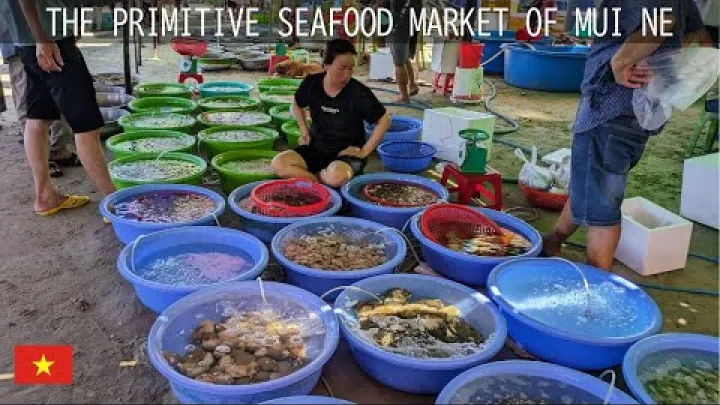
Travelers who eat mostly local food can keep daily meal spending modest. A practical low-cost pattern is a local breakfast, a simple lunch, bottled water and snacks from shops, and a casual Vietnamese dinner. A mid-range pattern might add seafood or a tourist-area cafe once per day. A higher-spend pattern includes hotel meals, imported coffee, Western dishes, cocktails, and frequent seafood dinners.
Seafood prices can vary by species, weight, preparation, and whether the restaurant mainly serves locals or visitors. Before ordering seafood sold by weight or market price, confirm the weight, price, cooking method, and any service charges. For local context on Mui Ne food and travel, Legal Nomads describes the area’s seafood and practical traveler experience, including the role of local food in keeping costs manageable.
Local Transport Costs
Local transport costs depend on how far your accommodation is from your main activities. If you stay near the section of Ham Tien or Mui Ne where you plan to eat, swim, or take lessons, you may walk often and spend little on daily movement. If you stay in Phan Thiet city center but visit the beach strip every day, the cheaper room may be partly offset by taxis or transfers.
A common cost reference is the journey from Phan Thiet Railway Station to Mui Ne. Dichungtaxi describes the station-to-Mui-Ne distance as about 30 kilometers and gives an example fare from 219,000 VND for two people. Treat this as an example only, because fares vary by provider, vehicle, timing, party size, luggage, and booking method.
Motorbike rental can reduce daily transport costs for confident riders, but it is not suitable for everyone. Consider your license, insurance, road experience, weather, and comfort with Vietnamese traffic before renting. Use taxis or booked transfers for luggage-heavy arrivals, late arrivals, or group travel where the cost per person is reasonable.
Activities and Sightseeing Costs
Phan Thiet and Mui Ne can be enjoyed cheaply if you balance paid activities with free or low-cost days. Beach time, market visits, fishing harbor views, self-guided walks, and sunset watching can keep spending low. Small incidental costs such as drinks, parking, snacks, or short rides still add up, but they are easier to control than tours and lessons.
Paid activity days cost more. Ta Cu Mountain is one example of a paid attraction outside the beach strip; Klook lists TTC World Ta Cu Mountain Cable Car and notes its location near National Highway 1A in Ham Thuan Nam district. Other higher-cost choices can include organized excursions, watersports, kitesurfing lessons, equipment rental, and resort services.
Budget activities by day rather than pretending every day will cost the same. For example, one day with a tour or lesson may exceed your normal daily budget, while the next day can be a lower-cost beach and market day. Before booking, check whether transport, equipment, instructor time, insurance, pickup, and cancellation rules are included.
Best Areas to Stay for Different Budgets
Choosing the right base is one of the most important budget decisions in Phan Thiet. The cheapest room is not always the cheapest trip if it puts you far from the beach, restaurants, or activities you want most.
Phan Thiet City Center for Local Prices
Phan Thiet city center is often the better fit for travelers who want local restaurants, markets, lower-cost rooms, and a less resort-focused environment. The budget advantage comes from city-style pricing rather than beach-resort pricing. This can be useful for longer stays, remote workers on tighter budgets, and travelers who do not need a beachfront hotel.
The trade-off is location. If your main goal is daily beach time in Mui Ne or Ham Tien, city-center savings may shrink once you add transport. Also check hotel map locations carefully, because some listings use broad Phan Thiet names while the property may be closer to the beach strip or outside the area you expected.
Ham Tien and Mui Ne for Beach Convenience
Ham Tien and Mui Ne are the most convenient bases for beach access, resort stays, restaurants, bars, and watersports. The Mui Ne and Ham Tien beach strip, including areas around Nguyen Dinh Chieu Street, is where many visitor-focused hotels, restaurants, cafes, and beach businesses cluster.
This does not mean every room in Mui Ne is expensive. There are simple guesthouses, value hotels, and mid-range properties as well as higher-end resorts. Costs rise when you choose direct beach frontage, pools, sea views, larger rooms, resort facilities, Western menus, and peak dates. For a short holiday, the convenience can justify the higher room price because you spend less time and money moving around.
Inland and Rural Edges for Lower Costs
Areas away from the main beach strip may offer quieter settings and sometimes lower room prices, but they usually have less tourist infrastructure. This can work for independent travelers, longer stays, or visitors with a specific reason to be outside the main tourist zone.
Be careful with the total cost. A low nightly rate can be offset by daily taxis, fewer food options, difficult check-in logistics, or more time spent traveling. Before booking an inland or rural stay, verify transport options, nearby restaurants, language support, arrival arrangements, and whether you can comfortably reach the places you plan to visit.
Sample Budgets for Common Trip Styles
The following examples show how different choices create different budgets. Use them as planning models, then replace the estimates with current room rates and activity prices for your dates.
Backpacker or Tight Budget Trip
A tight-budget day works best with a simple room, local meals, limited transport, and mostly free activities. You might start with a local breakfast, walk along the beach or main strip, eat a simple lunch, visit a market or fishing harbor area, and end with a casual Vietnamese dinner. Paid activities are occasional rather than daily.
A realistic category split might include a basic room, low-cost local meals, bottled water and snacks, a small transport allowance, and a buffer for laundry, mobile data, sunscreen, ATM fees, or unexpected rides. The tightest budget is easier outside peak dates and harder during weekends, holidays, or last-minute booking periods.
Mid-Range Beach Break
A mid-range beach break is the most likely fit for travelers who want comfort without luxury pricing. This style usually includes a simple resort or better hotel, breakfast if included, local lunches, some Western or seafood dinners, occasional taxis or motorbike rental, and selected paid sightseeing.
Accommodation remains the largest category, so value details matter. A slightly more expensive room may be better value if it includes breakfast, a good location, pool access, flexible cancellation, and a lower need for transport. If you want a mid-range room during dry season or holiday periods, booking earlier can protect your budget from last-minute price increases.
Comfortable Resort Stay
A comfortable resort stay is flexible and can vary widely. One traveler may book a value resort and spend moderately on food, while another may choose a five-star beachfront property, ocean-view room, spa services, family facilities, private transfers, and daily activities.
The base hotel price is only part of the total. Resort restaurants, room upgrades, airport or station transfers, children’s policies, meal plans, spa treatments, watersports lessons, and tours can push spending well beyond the room rate. Before booking, check the final price with taxes, cancellation conditions, meal inclusions, and any property-specific fees or policies.
Long-Stay or Remote Work Budget
Long stays can reduce the daily accommodation cost if you rent an apartment, negotiate weekly or monthly rates, or choose a local neighborhood instead of short-stay resort accommodation. Monthly living costs are different from short-holiday spending because you may cook, do laundry, use mobile data, pay utilities, and spend more time in cafes or coworking-style environments.
For a longer stay, inspect or confirm internet quality, noise, air conditioning, kitchen access, laundry options, electricity costs, and distance to the beach or work locations. A cheaper apartment far from your daily routine can become less economical if it creates constant transport costs.
When Prices Rise and How to Time Your Trip
Timing affects value in Phan Thiet because beach demand changes by weather, weekends, holidays, and activity seasons. Flexible travelers can often save money by avoiding the most popular nights and booking refundable options when plans are uncertain.
Dry Season, Rainy Season, and Weather Trade-Offs
Weather influences both the experience and the price-value balance. Hotels.com Go Guides describes the broad pattern as dry season from November to March and rainy season from April to October. Dry-season beach conditions are generally more attractive for many visitors, which can support stronger demand for rooms and activities.
Rainy-season travel can bring better value, but the trade-off is less predictable beach time, humidity, and possible rain showers. Shoulder periods can be a useful compromise if you want value without fully accepting the wettest conditions. If kitesurfing is part of your plan, check wind conditions, school availability, and lesson schedules before committing to non-refundable accommodation.
Weekends, Holidays, and Event Demand
Weekends can be more expensive in beach destinations because domestic travelers may visit for short breaks. Vietnamese holidays, New Year periods, Tet, school holidays, and local events can increase demand and reduce availability. Temporary spikes can happen even outside a simple high-season framework.
Compare Friday and Saturday rates with Sunday through Thursday rates before booking. If your dates are flexible, moving one or two beach nights to weekdays can lower accommodation costs. If traveling near a major holiday, book earlier and consider refundable rates if your plans may change.
Practical Ways to Save Money in Phan Thiet
Saving money in Phan Thiet is less about one trick and more about matching your base, room type, meals, transport, and activities to the trip you actually want. The best value comes from reducing costs that do not improve your experience.
Book the Right Type of Stay
Choosing the right accommodation type is the fastest way to control the total trip cost. Compare city hotels, non-beachfront guesthouses, simple resorts, and beachfront properties by total value rather than room price alone. A room that includes breakfast, air conditioning, a private bathroom, reliable Wi-Fi, pool access, or beach access may be better value than a cheaper listing without those inclusions.
- Check the exact map location, not only the area name.
- Compare the final price after taxes and fees.
- Confirm whether breakfast and air conditioning are included.
- Estimate daily transport from the room to your main activities.
- Review cancellation rules, especially in uncertain weather or holiday periods.
Eat Locally Without Missing the Beach
A hybrid food strategy works well for many travelers: local breakfasts and lunches, simple seafood or Vietnamese dinners, and occasional Western meals or beach bars. Tourist-strip restaurants are convenient, but using them for every meal can raise your daily spend quickly.
Check menus before sitting down, especially for seafood sold by weight or market price. Confirm the price, weight, preparation style, and any service charges if they apply. Buy water, snacks, and simple drinks from convenience stores or local shops instead of relying only on hotel minibars and bars.
Use Transport Strategically
Transport savings begin with location. Stay near the places you will visit most often, and you may spend much less on taxis. If you are based on the main strip and your plans are nearby, walking can be the best budget option.
Use taxis or booked transfers for luggage-heavy arrivals, late arrivals, and longer moves between Phan Thiet Railway Station, Phan Thiet city center, Ham Tien, and Mui Ne. Groups may find a shared taxi or private transfer cost-effective per person. Consider motorbike rental only if you are experienced, properly licensed, insured, and comfortable with local road conditions.
Choose Paid Activities Selectively
Phan Thiet and Mui Ne can be low-cost if you balance paid attractions with free beach and market time. Instead of paying for activities every day, group paid experiences into planned days. For example, schedule one lesson, tour, or excursion day, then follow it with a lower-cost beach, cafe, and local food day.
Evaluate activities by total cost, not only the headline price. Check whether equipment, pickup, instructor time, safety support, insurance, entrance fees, and cancellation rules are included. When appropriate, compare booking platforms with direct operator prices, but also consider reliability and refund terms.
Planning Your Phan Thiet Travel Budget
A good Phan Thiet budget separates fixed costs from flexible spending. Pay attention to arrival and departure transfers, because these can be higher than normal daily transport costs and should not distort your average day.
A Simple Budgeting Checklist
- Choose your trip length and travel season.
- Decide whether your base is Phan Thiet city center, Ham Tien, Mui Ne, or a quieter edge area.
- Check live accommodation rates for your dates and note the final price with taxes.
- Confirm inclusions such as breakfast, air conditioning, Wi-Fi, pool access, and beach access.
- Choose your meal style: mostly local, mixed, or restaurant-heavy.
- Estimate arrival and departure transfers separately from daily transport.
- List paid activities by day, not as a vague average.
- Add a cash buffer for laundry, SIM data, water, sunscreen, snacks, ATM fees, and unexpected transport.
- Check exchange rates, ATM fees, card fees, and cancellation rules before paying.
What to Verify Before You Go
Before you travel, verify the price-sensitive details that can change quickly: hotel total price, taxes, breakfast, transfer fares, motorbike rental terms, attraction tickets, lesson prices, and holiday dates. Online listings, booking filters, and local menus can change, so use this guide to make decisions rather than to freeze exact prices.
Also confirm the exact location of your accommodation relative to Mui Ne, Ham Tien, Phan Thiet city center, and Phan Thiet Railway Station. Keep flexibility in your budget for weather changes, transport changes, and activity cancellations. When possible, confirm current VND prices instead of relying only on converted USD estimates.
Conclusion
A practical Phan Thiet budget starts with choosing the right base. Phan Thiet city center can help control costs through local food and city-style pricing, while Ham Tien and Mui Ne offer stronger beach convenience at a wider range of prices. Budget travelers can keep costs low with simple rooms, local meals, and free activities; mid-range travelers should focus on hotel value and selective paid sightseeing; comfortable travelers should plan for resort services, restaurants, transfers, and activities. Check live rates, think in VND, and build a buffer so your beach trip remains comfortable as well as affordable.
Select area
Create a post
Posting is free and no registration is required.