Hanoi Getting There: Flights, Trains, Buses and Transfers
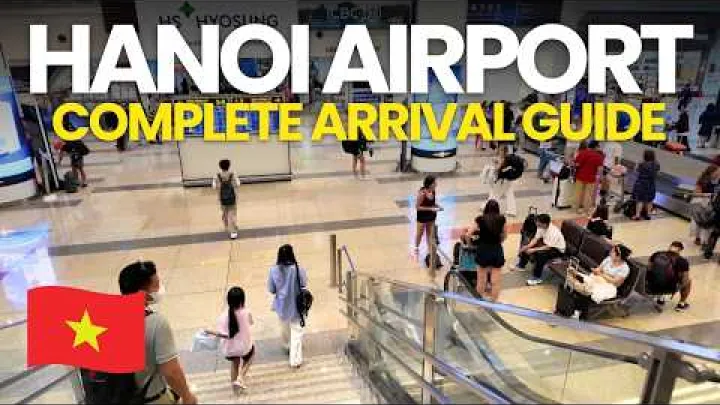
Hanoi getting there decisions are usually about choosing the right gateway, not just finding the cheapest ticket. Most international travelers arrive by air at Nội Bài International Airport, while travelers already in Vietnam may compare flights, trains, buses, and tourist shuttles. Overland routes from nearby countries can also work for flexible travelers, but they need more checking because schedules, border rules, and operators can change. This guide explains the main ways to get to Hanoi, where you are likely to arrive, and how to plan the final transfer into the city safely.
Start With the Best Route for Your Trip
The best way to reach Hanoi depends on where you start, how much time you have, and how comfortable you want the journey to be. Before booking, compare the full door-to-door route, including the arrival terminal, station, or bus office in Hanoi.
Quick answer for most travelers
For most international visitors and long-distance domestic travelers, flying into Nội Bài International Airport is the simplest option. It reduces travel time, gives the clearest booking process, and usually offers the easiest onward transfer into Hanoi compared with a multi-leg overland journey.
Trains are useful if you are coming from other major Vietnamese cities and prefer a sleeper berth, a slower scenic trip, or an overnight arrival pattern. They are not always the fastest option, but they can be more comfortable than a long bus ride and often arrive closer to central Hanoi than the airport does.
Buses, sleeper buses, limousine vans, and tourist shuttles are common for Northern Vietnam routes and some cross-border trips. They can be economical and convenient for places such as mountain towns, coastal areas, and nearby provinces, but the exact pickup and drop-off point matters. Always check schedules, fares, seat types, and terminal details close to departure.
Compare speed, cost, comfort, and booking effort
Use this comparison as a planning tool rather than a fixed timetable. Prices, travel times, and service frequency change by season, operator, weather, holidays, and route conditions.
| Mode | Best for | Convenience | Booking notes |
|---|---|---|---|
| Air | International arrivals and long domestic distances | Usually fastest, with an airport transfer needed | Check baggage rules, terminal, and connection time |
| Train | Travelers from central or southern Vietnam who want a sleeper option | Slower than flying, often more comfortable than buses | Confirm station name, berth class, and ticket source |
| Interprovincial bus | Budget travel and regional routes | Varies by vehicle, traffic, and terminal location | Confirm exact terminal, seat type, and luggage rules |
| Tourist minivan | Nearby tourist routes and hotel-area pickup | Often easier for visitors with luggage | Check pickup address and whether hotel transfer is included |
| Cross-border overland | Flexible travelers from China or Laos | Rewarding but less predictable | Verify visas, border procedures, and current service status |
Travelers from cities such as Bangkok or Singapore usually compare flights first. Travelers within Vietnam often compare air and rail for long distances, then buses or vans for shorter regional journeys. Overland international routes can be memorable, but they are best for travelers who can absorb delays and route changes.
Arriving in Hanoi by Air
Air travel is the main arrival method for many visitors because Hanoi is well connected within Vietnam and to regional hubs. The key planning point is that the airport is outside the center, so the airport-to-city leg should be part of your arrival plan.
Nội Bài International Airport as the main gateway
Nội Bài International Airport, often shown by the airport code HAN, is Hanoi’s main air gateway. The official airport site identifies the airport at Phú Minh, Sóc Sơn District, Hanoi City, and travelers can confirm current airport information through Noi Bai International Airport.
Nội Bài has separate terminal areas for domestic and international flights. In simple terms, Terminal 1 at Nội Bài International Airport is commonly associated with domestic travel, while Terminal 2 at Nội Bài International Airport is commonly associated with international travel. You should still follow your ticket and airline instructions, especially if you have a domestic-to-international connection or a self-transfer between flights.
International flight gateways to Hanoi
Many international visitors reach Hanoi through regional hubs in Southeast Asia and East Asia. Common planning patterns include connecting through major cities such as Bangkok, Singapore, Seoul, or Guangzhou, but routes and frequencies are seasonal and should not be assumed.
Travelers from North America, Europe, or Oceania often connect through another Asian hub or through another Vietnamese city before arriving in Hanoi. The best connection is not only the shortest one. It should also allow enough time for immigration, baggage, terminal changes, and possible delays.
When comparing international flights, check the airline’s own route map, timetable, baggage rules, and airport information before paying. For example, Vietnam Airlines provides official flight booking and route information that can help travelers confirm current services rather than relying only on old route summaries.
Domestic flights into Hanoi from within Vietnam
Domestic flights are usually the fastest way to reach Hanoi from distant Vietnamese cities when current routes operate. Travelers commonly compare flying from southern or central Vietnam with taking an overnight train or a long sleeper bus.
From places such as Ho Chi Minh City, Da Nang, Hue, Nha Trang, or Phu Quoc, a flight can save substantial travel time, but the lowest fare may not include the baggage you need. Compare the complete cost, including checked luggage, seat selection if important, airport transfers at both ends, and the value of your time.
Vietnam Airlines, Vietjet, Bamboo Airways, and other carriers may operate domestic services depending on route and season. Check the current airline websites rather than assuming a route is available every day. If you have a tight onward connection, leave a buffer for weather, air traffic delays, baggage collection, and the transfer from Nội Bài into the city.
Arriving in Hanoi by Train
Rail travel is a practical and atmospheric way to arrive in Hanoi from other parts of Vietnam. It works best when the journey itself is part of your plan, or when an overnight berth helps you save a hotel night and avoid a daytime transfer.
Hanoi Railway Station and other rail arrival points
Hanoi Railway Station at 120 Lê Duẩn is the main rail arrival point for many travelers. It is much closer to central districts than Nội Bài Airport and many outer bus terminals, which can make the final transfer easier if you are staying near Hoàn Kiếm Lake or the Old Quarter.

Do not assume every ticket marked Hanoi brings you to the same station. Some services or booking channels may refer to other rail points, including Gia Lâm Railway Station when relevant to particular routes. Check the station name before booking accommodation, arranging pickup, or telling a driver where to meet you.
It is useful to save the station name in Vietnamese and keep your hotel address in a map app. This reduces confusion when you arrive tired, especially if your train reaches Hanoi early in the morning or late at night.
Long-distance train routes from other parts of Vietnam
Trains can be a good choice from central and southern Vietnam if you want a sleeper cabin, more space to move, and a slower view of the country. Routes involving cities such as Hue, Da Nang, Ho Chi Minh City, or Lao Cai should be checked through current railway or operator information before planning around them.

The train is usually slower than flying and may be slower than road travel on some expressway-linked regional routes. Its advantage is comfort and predictability for travelers who prefer a fixed station, a berth, and less time on winding roads.
Ticket class matters. A soft sleeper berth, hard sleeper berth, seat, private tourist carriage, or basic carriage can feel very different. Check whether the ticket is issued directly by the railway or through an agency, what the cancellation terms are, and whether your luggage is manageable at both departure and arrival stations.
International rail from China and current-operation caveats
International rail links between China and Hanoi have existed, but travelers should not treat them as a simple default route without current confirmation. Cross-border rail operations can be affected by policy changes, border procedures, ticketing rules, and service interruptions.
If you are considering rail from China to Hanoi, confirm whether the service is operating, which stations are used, how tickets are purchased, and what procedures apply at the border. Also confirm visa requirements separately for each country involved. Transport tickets do not replace immigration permission.
Cross-border buses may be an alternative for some overland travelers, but they also require current checks. If your overland arrival is important, keep a backup route and avoid scheduling an important flight, trek, cruise, or meeting immediately after arrival in Hanoi.
Arriving in Hanoi by Long-Distance Bus or Minivan
Buses and minivans are central to travel in Northern Vietnam. They can be convenient and affordable, but they require more attention to pickup points, terminal names, arrival times, and operator reliability.
Main interprovincial bus terminals in Hanoi
Hanoi does not have one single long-distance bus station that covers every route in a visitor-friendly way. Important terminals include Mỹ Đình Bus Station, Giáp Bát Bus Station, and Nước Ngầm Bus Terminal. The correct terminal depends on the route direction, operator, and current city transport arrangements.

Local oversight can affect interprovincial bus operations, terminal management, and transport business checks. The Hanoi Government has reported inspections of transport operations across the city, which is a useful reminder to verify current bus operations rather than relying only on old blog posts or screenshots.
Some tourist sleeper buses and minivans do not use a major terminal for every passenger. They may depart from or arrive at private offices near the Old Quarter, hotel pickup zones, or roadside meeting points. When booking, confirm the exact address, not only the city name Hanoi.
Domestic road routes and tourist shuttles
Road travel is common for Northern Vietnam routes such as Sapa, Ha Giang, Ninh Binh, Halong Bay, and other regional destinations when services are operating. These routes may use large interprovincial buses, sleeper buses, limousine vans, private shuttles, or hotel-area pickup services.
The same destination can have several styles of service. A sleeper bus may be cheaper and run overnight. A limousine van may be more comfortable and use smaller pickup points. A tourist shuttle may be timed for a cruise, trek, or hotel transfer. The best choice depends on your luggage, arrival time, budget, and tolerance for uncertainty.
Expressways can make road travel competitive on some regional routes, but traffic, rain, road works, and mountain weather can change the experience. Before booking, check the luggage allowance, whether a hotel pickup is included, and where the vehicle will actually drop you in Hanoi.
Cross-border buses from neighboring countries
Reaching Hanoi overland from China or Laos can be possible for some itineraries, but it is not as simple as booking a short domestic bus. Long travel times, border formalities, vehicle changes, and language issues can all affect the journey.
China-to-Hanoi and Laos-to-Hanoi bus travel should be treated as check-before-travel options. Confirm whether the route is operating, which border crossing is used, what time the border is expected to be open, and whether the bus company assists passengers through procedures. Visa rules must be checked separately from transport availability.
Do not assume there is a direct Cambodia-to-Hanoi bus that fits your dates. Many travelers may need to route through another Vietnamese city if no direct service is operating. For any long overland arrival, keep one flexible night in Hanoi before joining a cruise, trek, course, or flight.
Connecting From Hanoi Gateways to the City Center
After you arrive in Hanoi, the last step is getting from the airport, station, terminal, or private office to your accommodation. The best transfer balances price, safety, time, and how tired you are.
From Nội Bài Airport to the Old Quarter
From Nội Bài Airport to the Old Quarter, common transfer choices include airport express bus, public bus, taxi, and app-based ride-hailing. Public buses are usually cheaper, while taxis and ride-hailing are simpler with luggage or late arrivals. The Old Quarter and Hoàn Kiếm Lake are common visitor reference points, but they are not the only central destinations.

Vietnam Airlines’ airport transfer guide notes public bus options including Bus 86 and other routes such as Bus 07 toward Kim Mã and Bus 17 toward Long Biên, but travelers should confirm current routes and operating hours before relying on them for a late arrival through Vietnam Airlines.
For taxis, use official stands or reputable channels where possible. For app rides, check the driver, plate number, pickup point, and fare estimate before entering the vehicle. If you arrive after a long flight, simplicity may be worth more than saving a small amount on the first transfer.
From railway stations to central Hanoi
Hanoi Railway Station at 120 Lê Duẩn is relatively central. Many travelers can reach the Old Quarter, Hoàn Kiếm Lake, or nearby districts by a short taxi or ride-hailing trip. Walking may be possible for some central accommodations, but it is less attractive with heavy luggage, heat, rain, or late-night arrival.
Gia Lâm Railway Station is a separate rail point and needs its own transfer plan. If your ticket or booking confirmation shows Gia Lâm, do not go to Lê Duẩn by default. Check the station name, save a map pin, and prepare your accommodation address in Vietnamese or in a map app format.
From bus terminals and private bus offices to central Hanoi
Arrivals at Mỹ Đình, Giáp Bát, or Nước Ngầm usually require a taxi, ride-hailing trip, local bus, or arranged pickup to reach your accommodation. These terminals can feel confusing to first-time visitors, especially after an overnight bus or with large luggage.
Private bus companies may drop passengers at offices closer to the Old Quarter, which can reduce transfer time. This is convenient only if you know the exact office address and opening situation when you arrive. If your bus reaches Hanoi late at night or very early in the morning, plan the next transfer before boarding.
Save your hotel name, address, and phone number offline. Avoid accepting transport from people who approach aggressively inside or outside terminals. If you need a taxi, choose a clear official queue, a known booking channel, or an app-confirmed ride.
Booking Strategy and Schedule Checks
Transport information in Vietnam can change quickly, especially for buses, seasonal flights, holiday periods, and cross-border routes. A good booking strategy reduces the chance of arriving at the wrong place or missing a connection.
Use official and operator sources first
Start with official and operator sources whenever possible. For flights, check airline websites, airport information, baggage rules, and terminal details. For trains, check current railway or operator schedules and confirm the exact station. For buses, check the operator’s own website, office contact, or a reputable booking channel that shows pickup and drop-off points clearly.
Aggregator platforms can be useful for comparing options, but they may not always reflect last-minute changes, terminal switches, service suspensions, or pickup changes. Treat them as comparison tools, not as the only authority.
For international overland routes, transport confirmation is only one part of planning. Check visa rules, border procedures, border opening conditions, and whether the operator can carry foreign passengers on that route. If any part is unclear, keep a backup route or choose air travel.
Plan around holidays, weather, and late arrivals
Vietnamese holiday periods can increase demand for flights, trains, and buses. Around major holidays, book earlier and avoid assuming you can buy the best seat or berth at the last minute.
Weather and road conditions can affect mountain and coastal routes in Northern Vietnam. Rain, fog, traffic, and road works may influence bus and minivan timing, especially on routes connected with trekking, cruises, or remote provinces.
If you land late at night, confirm whether public buses are still running and whether your hotel check-in is available. If you have an onward cruise, trek, domestic flight, class, meeting, or international connection, add buffer time. A cheaper ticket is not useful if it creates a high risk of missing the next part of your trip.
What to verify before paying
Before paying for any transport to Hanoi, check the details that affect your real arrival experience. This is especially important when a booking platform lists only Hanoi as the destination while the actual arrival point is far from your hotel.
- Correct city and route direction
- Exact airport terminal, railway station, bus terminal, or private office
- Departure and expected arrival time
- Seat, sleeper berth, cabin, or vehicle type
- Baggage allowance and oversized luggage rules
- Refund, change, and cancellation policy
- Operator contact number or messaging channel
- Arrival transfer plan from the gateway to your accommodation
Take screenshots or save offline copies of tickets, maps, addresses, and booking messages. Keep some Vietnamese dong or a working payment method for your first transfer after arrival.
Safety and Arrival Hassles to Avoid
Hanoi is a major city with busy arrival points. Most journeys are straightforward, but a few practical precautions can reduce stress during the first hour.
Taxis, ride-hailing, touts, and overcharging
Airports, railway stations, and bus terminals can attract unofficial transport offers. This does not mean you should be alarmed, but it does mean you should slow down before choosing a ride.
Use official taxi stands, reputable taxi channels, or app-based rides with confirmed driver and fare details. If you use a conventional taxi, agree on the fare basis or check that the meter is being used before departure. If something feels unclear, step away and choose another option.
Do not hand over your phone or luggage to someone unless you are sure they are connected with your booked service. Keep your destination address visible and confirm it before the vehicle leaves.
Luggage, overnight buses, and first-hour orientation
Keep passports, money, cards, phone, essential medicine, and important documents with you rather than in checked bus luggage or a lower storage compartment. This is especially important on sleeper buses and multi-stop routes.
Overnight buses and early-morning arrivals can be tiring. Plan your first transfer before boarding, not after you step off the bus half asleep. Save the hotel name, address, phone number, and map pin in advance.
Students, remote workers, and long-stay travelers often carry larger bags and electronics. For the first hour after arrival, choose the route that is easiest and safest, not necessarily the absolute cheapest. Once you are settled, you can learn cheaper local transport options with less pressure.
Recommended Routes by Traveler Type
Different travelers should choose different arrival styles. Use these recommendations as a starting point, then confirm the current route and operator details for your exact date.
First-time international visitors
For most first-time international visitors, flying into Nội Bài International Airport is the lowest-stress way to reach Hanoi. Choose flights with sensible connection times and, if possible, an arrival hour when transfers to the city are simple.
Staying near the Old Quarter or Hoàn Kiếm area can make the first arrival easier because many services, hotels, and visitor facilities are familiar with international arrivals. Other districts may be better for work, study, long stays, or quieter accommodation, but they may need a more specific transfer plan.
Check visa and entry requirements separately from transport planning. A flight ticket does not guarantee entry, and immigration rules can change.
Travelers coming from elsewhere in Vietnam
If you are already in Vietnam, compare the full journey rather than only the ticket price. Domestic flights are usually best for speed over long distances. Trains are good for travelers who want overnight comfort or a more relaxed journey. Buses and minivans are strong choices for nearby regional routes when the operator and pickup point are clear.
From central or southern Vietnam, flying may save time, while a train may offer a better overnight experience. From Northern Vietnam destinations such as Sapa, Ha Giang, Ninh Binh, or Halong Bay, road transport is often the practical category to compare, but current route status and pickup details matter.
Arrival point can change the real cost. A cheap bus to an outer terminal may require an extra taxi. A slightly more expensive van to an Old Quarter office may be easier with luggage. Always calculate the door-to-door route.
Slow travelers and cross-border arrivals
Overland arrivals can suit travelers with flexible itineraries, regional interests, or budget priorities. They can also be rewarding if the journey is part of the experience rather than an obstacle.
Build in extra time for border formalities, missed connections, route changes, and weather. China and Laos routes require current verification, and Cambodia-to-Hanoi travel may require routing through another Vietnamese city if no direct route is operating.
After a long overland journey, avoid planning an important commitment immediately on arrival. Book flexible first-night accommodation in Hanoi and keep enough cash or payment access for an unplanned transfer.
Conclusion: Plan Your Arrival Into Hanoi With a Backup
The easiest way to get to Hanoi for most travelers is by air through Nội Bài International Airport, followed by a planned transfer to the Old Quarter, Hoàn Kiếm Lake area, or another district. Trains are a strong alternative for travelers who value comfort and overnight movement, while buses and minivans are useful for regional Northern Vietnam routes and some flexible overland journeys.
Whatever you choose, confirm the current schedule, exact arrival point, luggage rules, and final transfer before paying. Hanoi is straightforward to reach when you plan by gateway, not just by city name. Keep a backup for late arrivals, holidays, weather, and cross-border uncertainty, and your first hours in Vietnam’s northern capital will be much smoother.
Select area
Create a post
Posting is free and no registration is required.