Best Time to Visit Hanoi: Weather by Month Guide
The Hanoi best time to visit depends on how much heat, humidity, rain, and crowd activity you are willing to manage. For most travelers, Hanoi is easiest in spring and autumn, when walking around the Old Quarter, Hoan Kiem Lake, museums, cafes, and day-trip gateways is more comfortable. This guide explains Hanoi weather by season and month, then gives practical advice for packing, timing your days, and combining the city with Ha Long Bay, Ninh Binh, or Sapa. Use it to choose a travel window, then check current forecasts close to your trip.
Quick Answer: The Best Time to Visit Hanoi
Best Overall Windows for Most Travelers
The best time to visit Hanoi is usually from early February to mid-April and from late September to late November. These periods often give the best balance of comfortable temperatures, manageable rain risk, and good conditions for walking-heavy city travel.
If you want the narrowest sweet spots, look at late March to early April and late October to early November. Late spring can be mild before summer heat becomes intense, while late autumn often brings more comfortable air and lower rain risk than midsummer.
There is no guaranteed perfect month. Hanoi combines seasonal humidity, cloud cover, mist, short heavy showers, and holiday-related crowd changes. The best choice is the month that matches your travel style, not only the month with the lowest rainfall total.
Months That Need the Most Flexibility
June is commonly one of the hottest periods in Hanoi, and July to August are usually the most difficult months for heat, humidity, heavy rain, and possible storm disruption. These months are not impossible for travel, but they reward slower plans, early starts, indoor breaks, and flexible day trips.
December and January can be good for travelers who dislike tropical heat. However, they can feel cloudy, damp, and cool, especially in the morning and evening. Low rainfall does not always mean bright sunshine in Hanoi winter.
Tet, the Vietnamese Lunar New Year, is a separate timing issue. It usually falls in late January or February. It can be culturally memorable, but transport demand, prices, opening hours, and restaurant availability can change around the holiday period.
How Hanoi Weather Works
Hanoi is in Northern Vietnam, in the Red River Delta, so its weather rhythm is different from both the central coast and the far south. Long-term climate data is useful for understanding this seasonal pattern, and the World Bank Climate Change Knowledge Portal provides climate-normal context for Vietnam.
Northern Vietnam Seasons Are Not the Same as the Rest of Vietnam
Generic Vietnam weather advice can be misleading if you apply it directly to Hanoi. Northern Vietnam has a more noticeable cool season than southern Vietnam, while the timing of heavy rain differs from some central coastal areas.
In Hanoi, the cooler and relatively drier period generally runs from about November to April. The hotter and wetter period generally runs from about May to October. This broad pattern matters because it affects how comfortable it is to walk, how often plans may be interrupted by showers, and how much flexibility you need for outdoor trips.
If your itinerary includes several regions, do not assume that one best month for Vietnam is perfect everywhere. A Hanoi-focused trip, a central coast beach trip, and a southern city trip can all have different weather trade-offs in the same week.
The Cool Dry Season, Rainy Season, and Shoulder Months
Hanoi’s cool, relatively dry season is roughly November to March or April. Rainfall is generally lower, but the sky may be cloudy, misty, or drizzly. This is why dry season in Hanoi should not be understood as constant sunshine.
The hot rainy season is roughly May to October. Rain risk is usually highest in midsummer, when humidity and heat also become more demanding. Rainy season does not mean every day is washed out, but heavy showers and thunderstorms can interrupt plans.
The shoulder months are often the easiest compromise. March to April can feel increasingly mild before peak summer. October to November often brings more comfortable temperatures after the wettest months. These windows are especially useful if you plan to spend long days walking, eating outdoors, or taking regional day trips.
Hanoi Weather by Month
Monthly averages help you understand the likely feel of a season, but they cannot predict the weather for your exact travel dates. Hanoi-specific climate summaries such as Climates to Travel show the general pattern: January is usually the coolest month, June and July are among the hottest, and annual rainfall is concentrated in the warmer months.
| Month | Typical feel | Travel note |
|---|---|---|
| January | Cool, cloudy, relatively dry | Pack layers for damp mornings and evenings |
| February | Cool to mild, often drier | Check Tet timing before booking |
| March | Milder, cloudy or drizzly at times | Good for walking with light rain protection |
| April | Warm, often pleasant | One of the stronger months for city travel |
| May | Hotter and more humid | Transitional; plan for showers |
| June | Very hot and muggy | Use early starts and indoor breaks |
| July | Hot, humid, wet | Keep outdoor plans flexible |
| August | Hot, humid, wet | Allow for heavy showers and storms |
| September | Still humid, gradually improving | Later in the month can be better |
| October | More comfortable, less rainy | Excellent for walking and day trips |
| November | Mild to cool, often pleasant | One of the best overall months |
| December | Cooler, often drier, cloudy at times | Good if you prefer cool weather |
January to March: Cool, Cloudy, and Increasingly Mild
January is usually the coldest month in Hanoi. It can feel cool in the morning and evening, with frequent cloud, mist, or damp air. Rainfall may be limited compared with summer, but winter days are not always bright or sunny.

February remains cool to mild and relatively dry in many years. The main planning issue is Tet, which can change transport demand and business hours. If your dates fall around the holiday, book earlier and keep meal and sightseeing plans flexible.
March often becomes more comfortable for walking, especially later in the month. Light drizzle and cloud can still occur, so a compact umbrella, a light rain jacket, and layers are useful without needing heavy winter clothing.
April to June: Warmer Days and the Start of Summer Rain
April is often one of the best months to visit Hanoi. It is usually warmer than winter but not yet as intense as midsummer. For many travelers, April works well for the Old Quarter, lakeside walks, street food, and cultural sites.
May is more variable. It often marks the practical start of more frequent rain, rising humidity, and warmer nights. It is not automatically a bad month, but it is better for travelers who can accept transitional weather.
June is commonly among the hottest periods. Heat and humidity can make long midday walks tiring. Start early, rest in the shade, drink water regularly, and schedule museums, cafes, or longer meals during the hottest part of the day.
July to September: Peak Rain, Humidity, and Storm Awareness
July and August are typically the most challenging months for Hanoi weather. They often bring the strongest combination of heat, humidity, heavy showers, and thunderstorm risk. Outdoor sightseeing is still possible, but you should avoid planning every day as a full outdoor day.

Rainy season does not usually mean constant all-day rain. Many days may include dry periods, followed by intense showers or storms. The practical problem is timing: a short storm can still affect street food plans, lake walks, airport transfers, or a day trip departure.
September begins the transition toward autumn, especially later in the month, but rain risk can remain significant. If you visit in this period, keep boat trips, mountain excursions, and long outdoor plans flexible and check forecasts frequently.
October to December: Autumn Comfort and Early Winter Chill
October and November are among the most attractive months for Hanoi. Temperatures are usually more comfortable than summer, and rain risk generally declines. Late October to November is especially strong for city walking, photography, food exploration, and day trips.
November is one of the safest recommendations for most first-time visitors. It usually suits long walks around Hoan Kiem Lake, market visits, cafe breaks, and cultural sightseeing without the heaviest heat stress of summer.
December is cooler and often relatively dry, but it can feel cloudy, misty, and chilly at night. It remains a valid choice for travelers who prefer cool weather. Pack light layers and do not expect tropical warmth every day.
Best Time to Visit Hanoi by Travel Style
The Official Vietnam Tourism Website is a useful starting point for visitor-oriented planning, but your best Hanoi timing also depends on what you want to do. A food-focused city break, a budget trip, and a Hanoi-plus-Sapa itinerary do not have exactly the same ideal weather window.
City Sightseeing, Food, and Culture
For walking-heavy sightseeing, the best periods are usually late March to early April and late October to November. These windows are comfortable for moving between the Old Quarter, Hoan Kiem Lake, temples, museums, cafes, and evening food stops.
These months reduce the main problems that make city travel tiring: high heat, strong humidity, and frequent heavy rain. They also make it easier to enjoy unplanned wandering, which is one of Hanoi’s main pleasures.
Winter can still work well for culture, food, cafes, and atmospheric street scenes. If you visit from December to February, pack for cool, damp weather and keep expectations realistic about cloud and mist.
Budget Travel and Lower Crowds
Better weather often overlaps with stronger demand. Autumn, the cooler season, and popular holiday periods can bring more competition for hotels, tours, and transport. Exact prices vary by year, booking timing, weekends, and domestic travel patterns.
May, June, and early September can be possible value periods for travelers who accept heat and rain risk. These months may offer more availability in some cases, but the trade-off is that you need more flexible daily plans.
For budget travel, avoid relying only on the calendar. Compare flexible bookings, choose accommodation with good transport access, and keep a list of indoor alternatives in case rain changes your plans.
Festivals and Tet Travel
Tet usually falls in late January or February, depending on the lunar calendar. It can be one of the most culturally meaningful times to be in Vietnam, with family gatherings, decorations, and a different rhythm in the city.
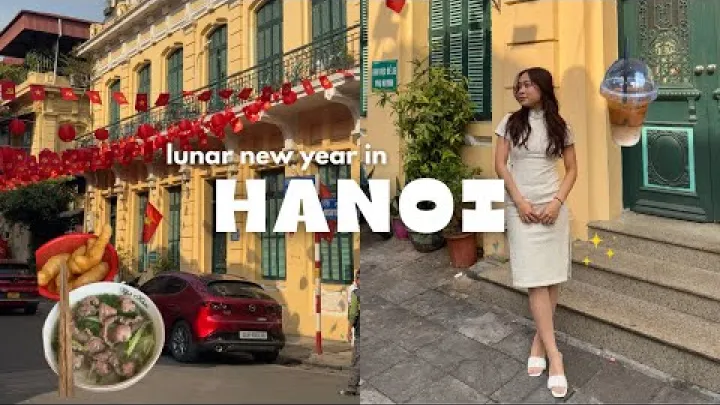
However, Tet travel can be logistically complex. Some businesses, restaurants, shops, and services may close or operate reduced hours. Transport can be busy before and after the holiday as people travel to see family.
If Tet is your goal, plan deliberately and check the dates for your specific year. If convenience is your priority, avoid arriving with no bookings during the peak holiday movement period.
Day Trips to Ha Long Bay, Ninh Binh, and Sapa
Many travelers use Hanoi as a base for Northern Vietnam. If you plan to add Ha Long Bay, Ninh Binh, or Sapa, consider the broader region, not only city weather in Hanoi.
Spring and autumn are generally better for combining Hanoi with outdoor extensions. Ninh Binh sightseeing is more comfortable outside peak heat. Sapa can be colder and foggier in winter because of elevation. Ha Long Bay and the Northern Gulf of Tonkin can be sensitive to storms and sea conditions, especially during unsettled weather.
For any boat trip, mountain transfer, or long outdoor day, check the current forecast shortly before departure. Monthly averages are useful for choosing a season, but they are not enough for safety-sensitive plans.
What to Pack and Wear in Hanoi
Cool-Season Layers
From November to March, pack light layers, comfortable walking shoes, and a warmer outer layer for evenings. Hanoi winter is not extreme, but dampness, wind, and limited indoor heating in some places can make it feel cooler than the temperature number suggests.
A compact umbrella or light waterproof layer is useful for mist, drizzle, or short rain. Travelers coming from tropical climates may want a warmer jacket, while travelers from colder climates may find a light coat or fleece enough.
Hot-Season and Rainy-Season Essentials
From May to October, pack breathable clothing, sun protection, and rain protection. A small umbrella or light rain jacket can be useful, but in peak humidity, quick-drying clothes may be more comfortable than heavy waterproof layers.
Choose shoes that can handle wet streets and still be comfortable for walking. Plan for humidity as much as temperature: clothing that dries quickly, a refillable water bottle, and a slower pace can make a major difference.
Practical City Planning for Heat, Rain, and Humidity
Daily Timing for Walking, Museums, Cafes, and Markets
During hot months, plan outdoor walking for the morning and evening. Use midday for museums, long lunches, cafes, rest, or covered markets. This approach helps you avoid the strongest heat and gives you backup options if a storm arrives.
A practical summer day might include an early walk near Hoan Kiem Lake, a late breakfast or coffee stop, an indoor cultural visit, and a return to street food or market areas after the heat eases. You do not need to cancel the day because of rain, but you may need to change its order.
A slower itinerary works better in peak humidity. Leave extra time between activities so that rain, traffic, or a cooling break does not make the whole day stressful.
Rain Logistics in the Old Quarter and Around Hoan Kiem Lake
The Old Quarter and the area around Hoan Kiem Lake are compact and walkable, but they can feel much harder to navigate during heavy rain, strong heat, or high humidity. Short distances may take longer when you are waiting out a shower or moving around crowded, wet sidewalks.
On wet-season days, allow extra time for short rides, walking detours, and drying off before meals or museum visits. Keep lakeside walks and street food plans flexible if thunderstorms are possible.
Flexibility is more useful than fear. Hanoi still functions in rainy season, and many travelers enjoy the city then. The key is to avoid building an itinerary that depends on perfect weather all day.
Climate Averages Versus Live Forecasts
Use Monthly Averages to Choose Your Season
Climate averages are best for choosing a travel month. They help you understand whether a period is generally cool, hot, dry, wet, or transitional. They also help you decide whether you need light layers, rain protection, or heat-management strategies.
Averages cannot predict exact weather for your trip. January may be relatively dry but cloudy. August may be wet on average but still include usable dry hours. October is often favorable, but it is not rain-free every year or every week.
Use monthly patterns for big decisions, such as whether to travel in autumn or midsummer. Use live forecasts for day-by-day decisions, especially when outdoor travel is involved.
Check Current Forecasts Before Boats, Mountains, and Stormy Days
Before travel days that involve boats, mountain roads, airports, or long outdoor routes, check official or reputable forecasts. Vietnam’s National Center for Hydrometeorological Forecasting is an important source for current meteorological updates, especially when storms or thunderstorms are possible.
Live forecasts matter most for Ha Long Bay boat plans, Sapa mountain conditions, airport or road timing, and days when thunderstorms are likely. In these situations, official updates and operator instructions are more important than monthly climate averages.
Do not rely on an evergreen travel guide for real-time weather. Use this guide to choose your season, then check the forecast close to departure and again during your trip if conditions are unsettled.
Final Recommendation
For most travelers, the best time to visit Hanoi is late March to early April or late October to November. These periods usually offer the best mix of comfortable city walking, lower rain disruption than midsummer, and practical access to nearby trips.
If you prefer cool weather, December to February can work, but pack for damp, cloudy conditions and watch Tet timing. If you are traveling on a budget or fixed schedule, May, June, and early September can still be manageable if you accept heat, humidity, and rain flexibility. July and August require the most preparation because they are typically the most challenging months for comfort and storm disruption.
Choose your month based on your main activity. Pick autumn or spring for first-time sightseeing, winter for cool-weather food and culture, and only choose midsummer if you are comfortable with slower travel and flexible plans.
Frequently Asked Questions
What is the absolute best month to visit Hanoi?
November is often the strongest single month for most travelers because it is usually comfortable for walking, food exploration, photography, and day trips. Late October and early April are also excellent choices.
When is the rainy season in Hanoi?
Hanoi’s rainy season generally runs from about May to October, with the highest rain risk usually in July and August. Rain often comes as heavy showers or thunderstorms rather than constant rain all day.
Is July or August a bad time to visit Hanoi?
July and August are not impossible, but they are usually the hardest months for heat, humidity, heavy rain, and possible storm disruption. Visit with flexible plans, early starts, indoor breaks, and current weather checks.
Is Hanoi cold in December or January?
Hanoi can feel cool in December and January, especially in the morning and evening. It is usually not severely cold, but damp air, cloud, mist, and limited indoor heating can make layers important.
What is the best time to visit Hanoi, Sapa, and Ha Long Bay together?
Spring and autumn are generally the best choices for combining Hanoi, Sapa, and Ha Long Bay. Late March to April and October to November often balance city comfort, mountain travel, and better outdoor conditions, but always check current forecasts before boats or mountain routes.
Select area
Create a post
Posting is free and no registration is required.