Ha Giang Best Time to Visit: Weather by Month
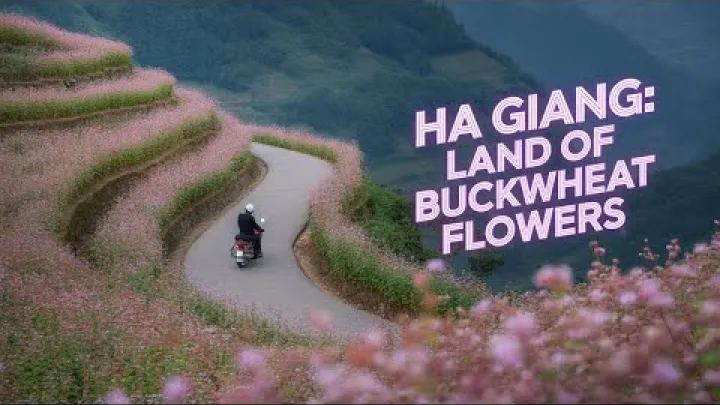
The Ha Giang best time to visit depends on what you want most: clearer mountain roads, rice terraces, buckwheat flowers, quiet villages, or a safer-feeling Ha Giang Loop ride. In general, March to April and October to November are the strongest overall travel windows because they offer a good balance of scenery, comfort, and lower rainfall risk. Ha Giang is an inland mountain destination in Northern Vietnam, so weather affects visibility, road grip, clothing, hiking conditions, and daily logistics. This guide explains Ha Giang weather by season and month, with practical advice for Dong Van, Meo Vac, Ma Pi Leng Pass, the Nho Que River area, Hoang Su Phi, Yen Minh, and Ha Giang city.
Quick Answer: The Best Time to Visit Ha Giang
The best time to visit Ha Giang for most travelers is either March to April or October to November. March and April are usually mild, increasingly green, and suitable for first-time visitors who want lower weather risk. October and November are excellent for autumn scenery, cooler days, and seasonal landscapes, but they can be busier because many travelers choose this period.
If you are planning the Ha Giang Loop by motorbike, choose a month when roads are more likely to be dry and visibility is more reliable. If you are mainly interested in photography, late September to early October can be rewarding for rice terraces, while November is often associated with buckwheat flowers in the northern highlands. If your itinerary is fixed and you have little riding experience, be cautious about July and August because these are among the least reliable months for mountain travel.
- Best overall months: March, April, October, and November.
- Best months for first-time Loop riders: March and April, with October and November also strong.
- Best for golden rice scenery: late September to October, depending on farming conditions.
- Best for quieter dry-season travel: December to February, if you can handle cold mornings and evenings.
- Most cautious period: July and August, especially for fixed schedules and inexperienced riders.
Weather and Seasons in Ha Giang
Ha Giang has a northern Vietnam mountain climate with a cooler, generally drier part of the year and a warmer, wetter part of the year. Broad Vietnam climate data from the World Bank Climate Change Knowledge Portal supports the wider monsoon pattern, but Ha Giang’s highland terrain means local conditions can change quickly between valleys, passes, and districts.
Dry Season from October to April
October to April is the generally drier and cooler period in Ha Giang. This does not mean every day is sunny, but it is usually a more stable time for mountain views, motorbike routes, trekking, and multi-day itineraries. The best balance within this period is often March to April and October to November.
March and April are especially good for travelers who want mild weather without the deeper winter cold. October and November offer cooler days and attractive autumn scenery. These windows are practical for the Ha Giang Loop because dry roads, clearer visibility, and comfortable daytime temperatures matter more than chasing a single perfect date.
December to February can be beautiful and quiet, but it is not tropical in the highlands. The roads around Dong Van, Meo Vac, Yen Minh, and Ma Pi Leng Pass can feel very cold in the early morning or late afternoon, especially on a motorbike. Mist and low cloud can also reduce visibility on some days.
Rainy Season from May to September
May to September is typically wetter, warmer, and more humid. The rainy season is not impossible for travel, but it requires more flexibility and a stronger safety mindset. Early in the wet season, especially May and sometimes early June, the landscape can be very green and water-filled terraces can be photogenic. The trade-off is increasing rain, heat, and humidity.
July and August are the most cautious months for travelers with fixed schedules. Heavy rain can make mountain roads slick, reduce visibility, create muddy trails, and cause delays. Weather-related disruption is possible in the highlands, but it varies by day and by route. Do not assume a road is safe or unsafe based only on the month; current conditions matter more.
Late September is a transition period. Rain may begin to ease in some years, and rice scenery can become more attractive, especially in terraced areas such as Hoang Su Phi. However, agriculture and weather shift year by year, so treat seasonal scenery as a likely pattern rather than a guarantee.
Climate Averages Versus Live Forecasts
Climate averages help you choose a travel month. Live forecasts help you decide whether to ride, hike, delay, shorten a route, or change transport on a specific day. This distinction is important in Ha Giang because the same week can include clear views, fog, warm afternoons, cold passes, and heavy local showers.
Ha Giang is not a beach destination, so practical weather concerns are different from coastal Vietnam. You are planning for mountain roads, visibility, clothing, trekking comfort, and access to rural areas. Heavy rain systems can affect travel plans, but it is better to check current warnings than to rely on fixed assumptions about storms.
Before departure and during your trip, check Vietnam’s official forecasts and warnings from the National Center for Hydrometeorological Forecasting. This is especially important from May to September, but it is also useful in the dry season for fog, cold spells, and unexpected rain.
Month-by-Month Travel Feel in Ha Giang
The table below gives a practical month-by-month feel for Ha Giang. It is designed for travel planning rather than exact weather prediction. Ha Giang city, high passes, remote valleys, and districts such as Dong Van, Meo Vac, Yen Minh, and Hoang Su Phi can feel different on the same day.
Month-by-Month Snapshot Table
Ha Giang-specific climate summaries, including data from Climate-Data.org, indicate a cooler dry winter and a much wetter summer pattern. Use the following table as a decision guide, not as a promise of exact conditions.
| Month | Weather feel | Scenery | Road or logistics note | Best for | Main caution |
|---|---|---|---|---|---|
| January | Cold and often dry | Clear views possible, quiet landscapes | Cold riding on high roads | Quiet travel, dry-season Loop | Chilly mornings and nights |
| February | Cool to mild | Spring signs may appear | Generally manageable, but check holiday transport | Light trekking, quieter routes | Tet timing can affect services |
| March | Mild and usually pleasant | Spring landscapes and better comfort | Good broad window for the Loop | First-time riders, hiking | Occasional showers or mist |
| April | Mild to warmer | Green hills and spring scenery | Still strong, with increasing showers | Loop, trekking, sightseeing | Heat and rain begin to rise |
| May | Warm, humid, wetter | Water-filled terraces and lush valleys | Plan flexible routes | Photography, flexible trips | Rain risk increases |
| June | Hot, humid, often wet | Very green scenery | More difficult riding and hiking days | Flexible photographers | Heavy rain and humidity |
| July | Peak wet-season feel | Lush mountains | Higher disruption risk | Experienced, flexible travelers | Slick roads and poor visibility |
| August | Very wet and humid | Deep green landscapes | Daily condition checks are essential | Flexible plans only | Rain-related delays |
| September | Transition month | Rice scenery improves late in month | Rain risk may remain early | Harvest views, flexible itineraries | Unpredictable conditions |
| October | Cooler and usually drier | Golden rice and clear mountain scenes | Strong Loop month | Scenery, riding, trekking | More demand in popular areas |
| November | Cool and often dry | Buckwheat flowers may be visible | Good road comfort | Photography, Loop, culture | Busy viewpoints and cool evenings |
| December | Cold and generally dry | Quiet highland atmosphere | Dry roads possible, but cold riding | Quiet travel, clear days | Wind chill on passes |
December to February: Cold, Dry, and Quiet
December to February is usually one of the drier periods in Ha Giang. For travelers who dislike heavy rain, this can be a good time to ride or explore. Roads may be easier to manage than in peak wet season, and the atmosphere can feel quieter outside major holiday periods.
The main challenge is cold. Forecast temperatures do not always show how cold it feels on a motorbike, especially when wind, elevation, and early starts are involved. Bring warm layers, gloves, a wind-resistant jacket, and clothing that keeps you comfortable during long descents and exposed passes.
Mist or low cloud can appear in valleys and on passes, so do not plan every viewpoint as if visibility is guaranteed. If you are going from Ha Giang city toward Yen Minh, Dong Van, Meo Vac, or Ma Pi Leng Pass, allow enough time to ride slowly when the road is damp, foggy, or cold.
March and April: Mild Weather and Spring Landscapes
March and April are among the best months to visit Ha Giang for first-time travelers. Temperatures are usually more comfortable than winter, and rainfall is often more manageable than in summer. This makes planning easier for the Ha Giang Loop, light trekking, village walks, and general sightseeing.
Spring landscapes can include fresh greenery and seasonal blossoms, although exact bloom timing depends on elevation and yearly weather. Visibility can be good, but mountain haze and showers are still possible. April can feel warmer than March and may bring more rain as the wet season approaches.
If you want a safer-feeling broad window without the coldest mornings or the highest summer rain risk, choose March or April. These months also work well if you are not confident riding in difficult conditions and want to keep your itinerary realistic.
May and June: Green Terraces and Rising Rain
May and June bring a clear trade-off. The scenery becomes greener, rice terraces may hold water, and the countryside can look very alive. For photographers with flexible schedules, this can be rewarding.
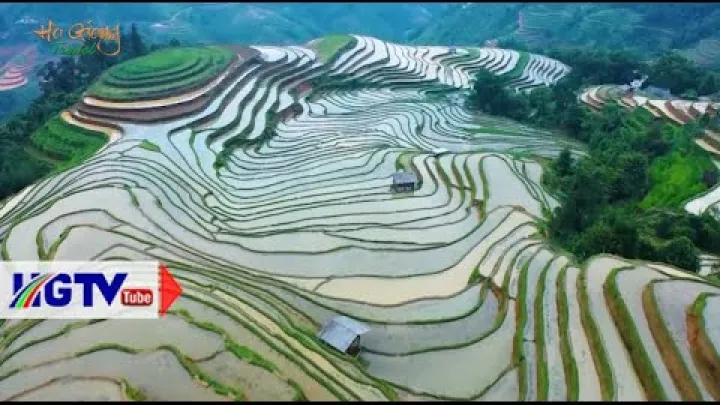
The cost of that scenery is rising rain, humidity, and heat. June can be challenging because repeated showers make both riding and hiking more tiring. Trails may become muddy, and mountain roads can change quickly after heavy rain.
If you travel in May or June, carry waterproof outerwear, a rain cover for luggage, quick-dry clothing, and shoes with traction. Build flexibility into the route. A slower itinerary is better than trying to complete every planned viewpoint in poor conditions.
July and August: Peak Rain and Highest Travel Risk
July and August are the least reliable months for travelers with limited time or limited riding experience. Heavy rain can reduce braking grip, hide road hazards, lower visibility, and make long riding days physically tiring. Trails around rural areas and terraces can become muddy and slippery.
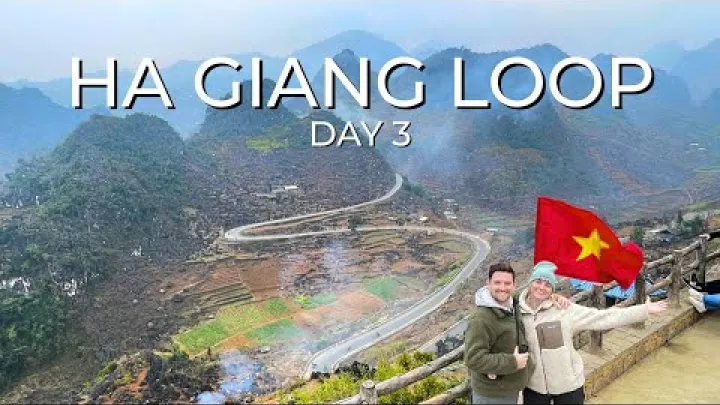
Experienced travelers may still visit for lush landscapes, but they should make safety the priority. Completing the full Loop should not be more important than avoiding heavy rain, darkness, fog, or sections that local hosts advise against.
Use a day-by-day approach. If rain is heavy, delay departure, shorten the day, use a car or guided option, or stay another night. Avoid riding at night, and do not assume that conditions in Ha Giang city match conditions on high passes near Dong Van or Meo Vac.
September to November: Harvest Views, Buckwheat Flowers, and Cooler Days
September to November is one of the most attractive periods in Ha Giang. Late September and October can bring golden rice scenes, especially in terraced areas such as Hoang Su Phi. The exact timing depends on planting schedules and weather, so it is better to ask locally than to rely on fixed dates.
October often combines cooler temperatures, improving rainfall patterns, and strong scenery. November is widely associated with buckwheat flower landscapes in the northern highlands, including areas around Dong Van and Meo Vac, although bloom timing can shift each year.
This is also a popular season. Accommodation in small towns and scenic areas may be less flexible during weekends, festivals, and peak autumn periods. If autumn scenery is your main goal, book earlier and keep some route flexibility for weather changes.
Best Time for the Ha Giang Loop
The best time for the Ha Giang Loop is not only about beautiful scenery. It is also about road surface, visibility, fatigue, temperature, and how much flexibility you have. Local loop guidance from Ha Giang Vision also emphasizes the practical difference between the drier riding season and the wetter months.
Best Months for First-Time Riders
For many first-time riders, March and April are the best months for the Ha Giang Loop. The weather is usually mild, roads are more likely to be manageable than in peak wet season, and cold is less severe than midwinter. October and November are also excellent, especially if you want autumn landscapes.

Most travelers begin in Ha Giang city, then continue toward places such as Yen Minh, Dong Van, Meo Vac, Ma Pi Leng Pass, and the Nho Que River area. On this route, the difference between a dry, clear day and a wet, foggy day is significant. Comfortable weather helps you ride slower, stop safely, and enjoy viewpoints without rushing.
If you are not an experienced motorbike rider, do not choose a rainy-season itinerary just because it fits your calendar. Consider an easy-rider service, a guided tour, a car, or a shorter route when conditions are uncertain.
Best Months for Scenic Rides and Photography
The best weather and the best scenery do not always happen at the same time. March and April are strong for comfort and general views. Late September to early October can be ideal for golden rice scenery when the harvest timing is favorable. November can be excellent for buckwheat flowers and cooler riding weather.
May to early June can also be attractive for photographers who want water-filled terraces and intense green landscapes. However, this is a flexible-traveler choice, not the safest general recommendation. If rain arrives, viewpoints around Ma Pi Leng Pass or the Nho Que River area may have poor visibility, and road conditions may require delays.
For photography, plan fewer stops per day than you think you need. This gives you time to wait for clearer light, respond to weather, and avoid riding late after a long photo stop.
Rainy-Season Riding Decisions
In the rainy season, the right question is not only whether Ha Giang is open. The better question is what decision is safest today. Live conditions should override any month-by-month recommendation.
- Proceed when rain is light, visibility is acceptable, and local hosts or guides say the route is reasonable.
- Delay when heavy rain is forecast, fog is thick, or you are already tired.
- Shorten the route when conditions are mixed but you still want to move safely.
- Use a car or guided option if you are uncomfortable riding wet mountain roads.
- Skip high-risk sections when local information suggests poor visibility, runoff, debris, or difficult road surfaces.
Avoid night riding in all seasons, but especially during rain. Slow down on wet roads, keep more distance, and treat local advice seriously because mountain impacts can be highly localized.
Best Time by Travel Purpose
Different travelers need different answers. A motorbike rider, a hiker, a photographer, and a budget traveler may all choose different months. Use your travel purpose to refine the general seasonal advice.
Trekking and Hiking
The best time for trekking and hiking in Ha Giang is usually February to April and late September to November. These periods offer a better balance of trail comfort, scenery, and lower rain risk. Winter can also be suitable for dry trails, but cold mornings and evenings require warmer clothing.
Peak wet season is less suitable for most hikers because trails can become muddy and slippery. Heat, humidity, and poor visibility can also reduce comfort. This matters in Ha Giang because many walks follow steep rural paths, terraced hillsides, and village routes rather than flat urban trails.
Wear sturdy footwear, carry water, and avoid pushing into remote areas when rain is heavy. In villages and terraced areas, respect local paths, crops, and private work spaces.
Culture, Festivals, and Local Life
Ha Giang’s seasonal appeal is closely connected to local life. Spring can bring blossoms and a fresh start to the agricultural year. May and June may show water-pouring or early rice-field scenes in some terraced areas. Autumn can bring harvest landscapes, and late autumn is often associated with buckwheat flowers.
Hoang Su Phi is especially known for terraced rice landscapes, while Dong Van and Meo Vac are common anchors for late-autumn flower routes and highland markets. Festival dates, local events, and flower timing can change, so check current information with local tourism offices, accommodation, or guides. For official Vietnam tourism context, travelers can also consult the Viet Nam National Authority of Tourism.
When visiting villages, be respectful. Ask before photographing people closely, do not disrupt farm work, and avoid treating cultural life as a performance. The best cultural experiences often come from slow travel and polite observation.
Budget Travel and Crowd Avoidance
The quietest-feeling periods are often winter and parts of the rainy season, but each has weather trade-offs. Winter can be cold, especially on the Loop. Rainy-season travel can be cheaper-feeling or less busy in some places, but it may cost you time if weather delays your route.
October, early November, major festivals, and Vietnamese holiday periods may bring higher demand and less accommodation flexibility. Tet, the Vietnamese Lunar New Year period, is especially important to check because transport demand, opening hours, and local travel patterns can affect plans.
Do not assume that low season always means lower prices. Rates may vary by demand, room availability, and local events. If you want both scenery and flexibility, reserve key nights in autumn and keep transport plans adaptable.
Weather Risks, Road Logistics, and Packing
Ha Giang is rewarding because of its mountains, passes, valleys, and remote roads. These same features make weather planning important. A good itinerary should include not only the month but also clothing, road decisions, and local condition checks.
Road Conditions, Visibility, and Weather Hazards
Rain affects mountain-road safety in several practical ways. It can make surfaces slick, reduce braking grip, increase runoff, move debris onto roads, and lower visibility. It can also make riders tired faster, which increases risk late in the day.
Cold and fog bring different problems. In winter, high roads around Dong Van, Meo Vac, and Ma Pi Leng Pass can feel much colder than Ha Giang city. Fog can reduce the time you have to react to bends, traffic, animals, or road surface changes.
Landslide or flood disruption is a weather-dependent risk in mountain areas, not a guaranteed event on every rainy day. The practical approach is to avoid rigid schedules, ask local hosts about road conditions, and change plans when current information suggests caution.
What to Wear in Each Season
For winter, pack warm layers, wind protection, gloves, socks, and clothing suitable for early mornings and high passes. If you ride a motorbike, remember that wind can make you feel colder than the forecast temperature.
For spring and autumn, pack flexible layers, a light jacket, sun protection, and comfortable walking shoes. These seasons can include cool mornings, warm afternoons, and occasional rain, so clothing should be easy to adjust.
For rainy season, bring waterproof outerwear, quick-dry clothing, a rain cover for luggage, and shoes with good traction. A waterproof phone pouch or dry bag can be useful for riders and hikers. Avoid heavy cotton clothing if you expect repeated rain because it dries slowly.
How to Check Current Weather Before You Go
Use a simple workflow. First, choose your month based on climate patterns and your travel purpose. Second, check the live forecast before departure. Third, verify road and trail conditions locally before each day’s ride or hike.
Look for heavy rain, storm, flood, or landslide-related warnings when planning mountain routes. Forecasts are especially important from May to September, but they still matter in the dry season because fog, cold, and unexpected showers can affect high passes.
Ask your accommodation, guide, motorbike rental provider, or transport operator about the day’s route. Local impacts can be very specific: one valley may be clear while a pass is foggy, or Ha Giang city may be dry while higher sections are wet.
Frequently Asked Questions
What is the single best month to visit Ha Giang?
If you must choose one month, March is a strong choice for many first-time visitors because it is usually mild, relatively manageable for rain, and comfortable for the Ha Giang Loop. October is another excellent choice if autumn rice scenery is your priority.
When is the rainy season in Ha Giang?
The rainy season in Ha Giang typically runs from May to September. July and August are usually the most cautious months for fixed itineraries because rain can affect roads, visibility, and hiking conditions.
Is the Ha Giang Loop safe in the rainy season?
It can be possible, but it is not the best choice for inexperienced riders or tight schedules. Check the forecast daily, ask local hosts about roads, avoid night riding, and delay or shorten the route when rain is heavy.
Is December too cold to visit Ha Giang?
December is not too cold for everyone, but it can feel very cold on motorbikes and high passes. Bring warm layers, gloves, and wind protection, especially for routes around Dong Van, Meo Vac, and Ma Pi Leng Pass.
Do I still need to check the forecast in the dry season?
Yes. The dry season is generally more stable, but fog, cold spells, and unexpected rain can still affect mountain roads and viewpoints. Always check current conditions before long rides or hikes.
Final Recommendation for Visiting Ha Giang
For the best overall balance of weather, comfort, and travel practicality, visit Ha Giang in March to April or October to November. Choose March or April if you want a mild, safer-feeling window for the Ha Giang Loop and trekking. Choose late September to November if your priority is harvest scenery, buckwheat flowers, and cooler autumn landscapes.
Travelers with flexible plans can still enjoy May, June, or even peak rainy season, but they should be ready to delay rides, change routes, or use guided transport when conditions are poor. Winter from December to February can be dry and quiet, but cold weather and fog require the right clothing and patience.
The most reliable plan is simple: choose your season based on averages, confirm your dates with live forecasts, and verify each route locally. In Ha Giang, current mountain conditions matter more than any perfect month on paper.
Select area
Create a post
Posting is free and no registration is required.