Ha Giang Where to Stay: City, Loop Towns & Homestays

If you are searching for Ha Giang where to stay, the most important decision is not one hotel name. It is choosing the right base for your arrival time, transport plan, riding ability, and route. Ha Giang is both a city and a large mountain province, so the best place to sleep before the loop is usually different from the best overnight stop on the loop. This guide explains the most practical default base, the main loop towns, quieter homestay options, and practical booking checks for a smoother trip.
Quick Answer: Where to Stay in Ha Giang
For most first-time visitors, stay in Ha Giang City before and after the loop, then move between overnight stops on the route. If you are not doing the classic loop, consider Thon Tha Village for a quiet rural stay near the city or Hoang Su Phi for rice terraces and trekking.
Choose Ha Giang City as the default first base
Ha Giang City is the most practical first base for most travelers. It is the gateway for buses from Hanoi, the easiest place to find tour offices and motorbike rental providers, and the most forgiving option if your night bus arrives very early or late.
Stay centrally if you want food, taxis, reception support, and onward transport within easier reach. The city is not the best base for seeing every mountain highlight, because places such as Dong Van, Meo Vac, Ma Pi Leng Pass, and the Nho Que River are several hours away by mountain road. Use Ha Giang City as a logistics base, not as a one-place solution for the whole province.
Before booking, message the property to confirm late check-in, early arrival rules, luggage storage, and the best way to reach the entrance from your bus drop-off point.
Sleep in loop towns instead of using one fixed base
The Ha Giang Loop is normally not done from one static hotel base. Travelers usually sleep in different towns or villages as they move around the route, commonly including Yen Minh, Dong Van, Meo Vac, Du Gia, or sometimes Bao Lam depending on the itinerary.
This is not only about sightseeing. It is also about road distance, daylight, mountain weather, and rider comfort. A route that looks short on a map can take much longer because of bends, road works, fog, rain, photo stops, or a slower group pace.
Choose Thon Tha or Hoang Su Phi for slower trips
Thon Tha Village is a good choice if you want a quieter homestay atmosphere close to Ha Giang City. It suits travelers who want local culture, village walks, and a softer start or finish without being deep inside the loop.
Hoang Su Phi is a different trip style. It sits in western Ha Giang and is better known for rice terraces, trekking, photography, and slower rural travel. Do not treat it as a quick substitute for the classic Ha Giang Loop. Transport, meals, and weather planning matter more when you choose a remote base.
How to Choose the Right Ha Giang Base
The best area to stay in Ha Giang depends on what you are doing next: arriving, renting a bike, joining a tour, riding the loop, resting after the loop, or trekking in a separate part of the province.
Separate Ha Giang City from Ha Giang Province
Ha Giang City is the provincial capital and main gateway. Ha Giang Province is the wider mountain region that includes loop bases and rural destinations such as Dong Van, Meo Vac, Du Gia, Thon Tha, and Hoang Su Phi.
A simple mental map helps. Start in Ha Giang City for transport and planning. Move north and east along loop roads such as QL4C for plateau towns including Yen Minh and Dong Van. Continue toward Meo Vac for Ma Pi Leng Pass and the Nho Que River area. Consider Du Gia or Bao Lam only if your route, weather, and transport plan support it.
Accommodation in Ha Giang often overlaps with transport planning. Oxalis Adventure notes that hostels and local homestays are among the common accommodation types in Ha Giang and are often connected with motorbike rental or loop logistics.
Plan around arrival times, rental hubs, and onward transport
Many travelers arrive in Ha Giang City by bus from Hanoi. Schedules and drop-off points can change, so choose your first night for practical access rather than scenery alone. A central hotel or hostel is usually easier if you need a taxi, a tour briefing, a motorbike check, or a place to store luggage.
Public transport within the province can be limited for independent travelers, especially between smaller villages. Your accommodation may be an important coordination point for pick-up, drivers, rentals, loop packages, or onward transfers. Ask specific questions before arrival instead of assuming these services are included.
- Can I check in late or rest if I arrive before normal check-in time?
- Where exactly does the bus stop, and how should I reach the property?
- Can you help with a reliable driver, easy-rider tour, private car, or motorbike rental?
- Can I leave large luggage while I travel around the loop?
- If I book a tour, are overnight stays, meals, and private rooms included?
Check daylight, weather, and road comfort before booking remote stays
Remote homestays can be memorable, but they can also be stressful if you arrive after dark, during heavy rain, or when roads are slower than expected. Ha Giang has mountain roads, changing visibility, cooler nights in higher areas, and sections where confidence matters.
If you are a nervous rider, a non-rider, traveling with children, or visiting during poor weather, choose more accessible towns and guided transport. Before committing to a remote stay, ask your host or tour provider about current road conditions, realistic arrival time, meal arrangements, and the safest route for that day.
Ha Giang City: Best Gateway Base Before and After the Loop
Ha Giang City is the best place to solve practical problems. It is where you can rest after the overnight journey, compare tour options, arrange luggage storage, and recover after several days on mountain roads.
Best area in Ha Giang City for convenience
For convenience, stay in central Ha Giang City. Central streets near food options, the Lo River area, tour offices, and transport services are the easiest choice for most visitors. This is especially useful if you arrive tired, have heavy luggage, or need to leave early.
Walkability in Ha Giang City is practical rather than nightlife-focused. Being central means you can reach simple restaurants, cafes, pharmacies, and reception desks more easily. At odd hours, use a taxi or arranged pick-up instead of walking far with luggage in the dark.
Hostels and tour-linked stays for riders
Hostels are popular with riders and backpackers because they often combine dorm beds, social spaces, tour desks, parking, motorbike rental contacts, and group departures. This can simplify the first day if you want an easy-rider tour or a guided group loop.
The tradeoff is privacy and noise. A social hostel may not be ideal before a demanding riding day if you need quiet sleep. Tour-linked accommodation is also not automatically safer than an independent provider. Compare recent reviews and ask direct questions.
- What helmet type is provided, and can I inspect it before departure?
- Is travel or motorbike insurance included, or do I need my own cover?
- Who is the driver if I book an easy-rider option?
- What room type is included on the loop?
- Are meals, rain gear, fuel, and entrance fees included?
- Can I store luggage securely until I return?
Mid-range hotels for comfort-focused travelers
Couples, families, and tired loop travelers may prefer a private hotel in Ha Giang City. Useful comfort features include a private bathroom, reliable reception, breakfast, luggage storage, secure parking, quieter room placement, and clear check-in support.
Booking platforms can help you compare current categories and facilities. For example, Booking.com lists a range of Ha Giang City accommodation types, from hostels and city hotels to bungalow or retreat-style stays. Treat hotel names as examples, not permanent rankings, because availability, management, and reviews change.
Check recent reviews for hot water, heating or air conditioning, street noise, lift access, breakfast timing, and early check-in. In colder months or higher areas, room warmth can matter as much as location.
Quiet stays near the city for a softer start
If you want calm before or after the loop, consider a near-city homestay or countryside stay rather than a central hostel. These places can offer quieter nights, more space, and a gentler introduction to rural Ha Giang.
The tradeoff is access. You may need a taxi or motorbike for restaurants, bus offices, and rental shops. These stays work best if you arrive in daylight or arrange a transfer in advance. They are not always the easiest choice for a night-bus arrival with luggage.
Where to Stay on the Ha Giang Loop
On the loop, the best overnight stop depends on your route length and daylight plan. The table below gives a quick comparison, but always adjust for weather, road conditions, and your group pace.
| Loop base | Best for | Main caution |
|---|---|---|
| Yen Minh | Practical first-night pacing | Simple facilities; route may change |
| Dong Van | Classic plateau base and markets | Can be colder; book central if walking |
| Meo Vac | Valleys, markets, Ma Pi Leng access | More rustic than the city |
| Du Gia | Quieter village-style final night | Best for slower routes |
| Bao Lam | Route variants and quieter stays | Verify lodging and access locally |
Yen Minh for a practical first-night stop
Yen Minh is often used as a functional first-night stop between Ha Giang City and the higher plateau areas. It can reduce the pressure to ride too far on the first day, especially if you started late after a bus arrival, briefing, or rental check.

Expect simple hotels, guesthouses, or homestays rather than luxury accommodation or extensive nightlife. Whether Yen Minh is the best first stop depends on your route, daylight, and weather. If the plan requires fast riding to arrive before dark, choose a closer or simpler itinerary.
Dong Van for the classic plateau base
Dong Van is the classic highland base for many Ha Giang Loop itineraries. It is useful for the Dong Van Karst Plateau, the old town area, local markets, and onward routes toward Lung Cu Flag Tower, Ma Pi Leng Pass, and Meo Vac.
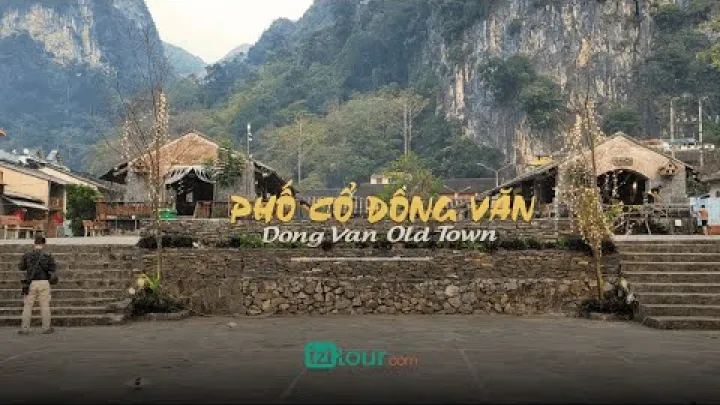
Dong Van suits travelers who want a recognizable town base with food and walking access in the evening. If you want to walk to dinner or markets, stay near the center rather than outside town. Nights can feel colder in the highlands, especially in winter, so check room comfort, blankets, hot water, and heating or cooling details before booking.
Meo Vac for markets, valleys, and homestays
Meo Vac is a scenic and cultural base near Ma Pi Leng Pass and the Nho Que River area. It suits travelers who want valley views, markets, and community-style homestays rather than a city-hotel experience.
Accommodation can be more rustic than in Ha Giang City and sometimes simpler than in Dong Van. Local anchors such as Pa Vi and Lo Lo Village may appear in route planning, but do not assume every property in the area has the same access, comfort, or view. Verify market days, room availability, meals, and transport before arranging your route around Meo Vac.
Du Gia or Bao Lam for a quieter final night
Du Gia is often chosen for a quieter village-style stop on loop variants. It can be appealing if you want a slower final night, a homestay atmosphere, and less town activity than Dong Van or Ha Giang City.
Bao Lam should be approached more cautiously because publicly visible accommodation evidence is thinner and route use varies. It may work well with a guide, private driver, or carefully planned route, but you should confirm lodging, meals, road access, and pick-up arrangements before relying on it.
These bases are usually better for slower itineraries than rushed two-day plans. Remote stays are most rewarding when they do not force late riding or complicated transfers.
Alternative Bases Beyond the Classic Loop
Not every Ha Giang trip needs to focus only on the loop. If you have extra time, alternative bases can give you a quieter or more place-based experience.
Thon Tha Village for responsible tourism near Ha Giang City
Thon Tha Village is a rural homestay base near Ha Giang City. It is a good option for travelers interested in local culture, quiet nights, village walks, and a gentler start or finish. Ha Giang Responsible Tourism describes a local cooperative presence in Thon Tha and lists homestay services connected with the village through Ha Giang Responsible Tourism.
Do not assume all homestays operate identically. Message ahead about meals, transfer options, bathroom setup, bedding, and arrival time. Thon Tha is calmer than central Ha Giang City, but it is less convenient for night-bus arrivals, rental shops, and spontaneous food choices.
Hoang Su Phi for rice terraces and trekking
Hoang Su Phi is a different base choice from the classic Ha Giang Loop. It is best for rice terraces, trekking, photography, and slow travel in western Ha Giang rather than a quick loop itinerary.
Transport is more complex, and accommodation is often homestay or ecolodge-style. Lodging choice may shape your trekking route because stays are scattered across villages and valleys. If you want to combine Hoang Su Phi with the loop, build in extra time and confirm transfers rather than assuming it is a short detour.
Remote eco-retreats when the stay is the destination
Remote retreats can be excellent for rest, views, and special occasions. They are less useful if your main goal is easy bus access, motorbike rental, or flexible loop logistics.
Before booking a remote retreat, ask a simple question: is the accommodation a base for exploring, or is it the main experience itself? If the property is the destination, plan around its meals, transfers, road access, and limited walkability. If you need independence, a central town base may be better.
Where to Stay by Travel Style
Your travel style should decide your base as much as the map does. First-time riders, non-riders, backpackers, families, and photographers often need different accommodation choices.
First-time loop travelers
First-time loop travelers should usually book Ha Giang City before and after the loop, then stay in overnight stops on the route. A simple pattern might be Ha Giang City, Yen Minh or Dong Van, Meo Vac, Du Gia, then back to Ha Giang City, adjusted for your tour format and pace.
Prioritize clear logistics, daylight arrivals, reliable rooms, and safe transport over the most remote view. If you do not have mountain-riding experience, consider an easy-rider tour or guided option rather than riding independently.
Non-riders, families, and private-room travelers
Non-riders and families should start with central Ha Giang City hotels or private-room homestays. This makes it easier to compare easy-rider tours, private car options, or lodging providers that can coordinate transport.
Confirm private bathrooms, room type, luggage storage, check-in flexibility, and meal arrangements in writing. Families should also ask about daily road duration and motion comfort before booking remote routes. Private rooms may be available on some loop packages, but they are not guaranteed unless confirmed directly.
Backpackers and social travelers
Backpackers often choose Ha Giang City hostels for dorms, group dinners, tours, motorbike rental contacts, and budget-friendly planning. This can be a good way to meet other travelers before the loop.
Check recent reviews for noise, crowd size, communication, vehicle condition, and safety practices. The cheapest bed is not always the best choice if it leads to poor sleep before a long road day. On the loop, quieter homestays can still offer social meals without a party atmosphere.
Photographers and slow travelers
Photographers and slow travelers should sleep closer to the subjects they care about. Dong Van and Meo Vac can work for plateau scenery, markets, and the Ma Pi Leng area. Du Gia can suit quieter village scenes. Thon Tha works for near-city rural life, while Hoang Su Phi is better for terraces and trekking.
Build in extra nights for weather, road changes, and local walks. Do not count on perfect sunrise, clear views, or harvest conditions. Ask local hosts about respectful photography, access rules, and whether certain areas are private or culturally sensitive.
Booking, Safety, and Practical Tips
Accommodation in Ha Giang is part of your safety and transport plan. The right stay can reduce stress, help you avoid riding after dark, and make communication easier when plans change.
Book the first night before you arrive
Book at least your first night in Ha Giang City before taking a night bus or arriving late. Better-located and better-reviewed stays can fill during busy travel periods, and arriving without a plan is stressful if you are tired or carrying luggage.
Send a short message before departure: Hello, I will arrive in Ha Giang by bus around [time]. Is reception open? Can I check in or rest early if I arrive before normal check-in? What is the best way to reach your property from the bus drop-off point? Can I store luggage during the loop?
If your accommodation is outside the center, do not rely on walking in the dark. Arrange a taxi, pick-up, or clear directions before you arrive.
Ask lodging providers the right transport questions
Lodging providers often understand local routes and common traveler needs, but they are not official transport authorities. Use their advice, compare reviews, and confirm important details in writing.
- Can you arrange pick-up from my bus drop-off point?
- Do you provide or recommend motorbike rental, easy-rider drivers, or private cars?
- What route do you suggest for my number of days and experience level?
- Is insurance included, and what does it cover?
- Where can I park securely?
- Can I store luggage while I am away?
- If I book a package, which accommodation, meals, and room types are included?
Prepare cash, connectivity, and basic comfort needs
Withdraw enough cash in Ha Giang City before heading to smaller towns and villages. Card payment, ATMs, and online payment options may be limited outside the city, especially in rural homestays.
Wi-Fi, phone signal, hot water, laundry, heating, and room insulation can also vary. For higher plateau towns such as Dong Van and remote homestays, check bedding, hot water, and room warmth. Bring warm layers, rain protection, a charged power bank, and saved booking details in case translation apps or mobile data are not working well.
Avoid plans that require riding after dark
A good Ha Giang lodging plan should allow daylight arrival at each overnight stop. Mountain roads are more stressful after dark, and remote homestays become harder to reach if rain, road works, or slow riding delay the day.
Use this practical rule: if the route depends on perfect weather and fast riding, choose a nearer base. Ask locally about current road conditions on the day of travel, and be willing to shorten the route if needed. Adventures of A+K describes Ha Giang Loop planning as a multi-day road trip where lodging is commonly part of the itinerary, which is why each overnight stop should match the day’s realistic distance.
Frequently Asked Questions
Is Ha Giang City or Dong Van better for a first stay?
Ha Giang City is better for a first stay because it is easier for bus arrivals, rentals, tour briefings, taxis, food, and luggage storage. Dong Van is better as a loop overnight stop after you have started the route.
Can you stay in one place for the whole Ha Giang Loop?
Usually no. The loop is normally done by moving between overnight stops such as Yen Minh, Dong Van, Meo Vac, and Du Gia. Staying in one place would create long mountain-road days and reduce daylight safety margins.
Where should non-riders stay in Ha Giang?
Non-riders should start in central Ha Giang City, where it is easier to arrange an easy-rider tour, private car, or guided transport. For quieter nights, private-room homestays near the city can work if transfers are arranged.
Is it necessary to book Ha Giang accommodation in advance?
Book at least the first night in Ha Giang City in advance, especially if you arrive by night bus. For loop towns, advance booking is also wise if you need private rooms, travel during busy periods, or have a fixed route.
What is the quietest place to stay in Ha Giang?
For a quiet stay near the city, Thon Tha Village is a strong option. On the loop, Du Gia and some homestays around Meo Vac can feel quieter, but access and comfort vary, so confirm transport and meals before booking.
Final Recommendation: The Best Base for Most Travelers
The best base for most travelers is central Ha Giang City for the first and last night, with overnight stops on the loop instead of one fixed hotel. Choose Yen Minh for practical pacing, Dong Van for the classic plateau base, Meo Vac for valleys and markets, and Du Gia for a quieter slow-route stop.
If your goal is culture and calm near the city, choose Thon Tha. If your goal is terraces and trekking, plan separately for Hoang Su Phi. In every case, let daylight, weather, transport, and room reliability guide where you stay, not only the most scenic photo on a booking page.
Select area
Create a post
Posting is free and no registration is required.