Mae Hong Son Best Time to Visit: Seasons and Monthly Weather

Mae Hong Son best time to visit decisions are different from beach-focused Thailand travel advice. This inland mountain province in Northern Thailand has cool dry months, a hot and sometimes hazy season, and a rainy green season that changes road, trekking and waterfall conditions. For most travelers, the best months are from mid-November to February, but the right choice depends on whether you want clear viewpoints, cooler trekking weather, lush landscapes, lower demand or flexible budget travel. This guide explains Mae Hong Son weather by season and month, with practical planning tips for Mae Hong Son town, the Mae Hong Son Loop, Pai routes and the surrounding highlands.
Quick Answer: The Best Time to Visit Mae Hong Son
Best Overall Window: Mid-November to February
The best time to visit Mae Hong Son is generally from mid-November to February. December and January are usually the most comfortable months because the weather is typically drier, humidity is lower, and mornings and nights can feel pleasantly cool in the highlands.

This period works well for first-time visitors because it suits the main reasons people come to Mae Hong Son: temple visits, walking around town, scenic viewpoints, mountain drives, trekking and short excursions into the province. Visibility is also often better before the regional smoke risk becomes more noticeable later in the dry season.
This is a climate-based recommendation, not a promise of perfect weather. Mountain valleys can still have cool mornings, occasional rain or mist, and conditions can vary between Mae Hong Son town, Pai, rural villages and higher viewpoints.
Best Shoulder Choices
Late October and early November can be good shoulder-season choices if the rains are easing. The landscape is often greener than in the late dry season, waterfalls may still have strong flow, and visitor pressure is usually lower than during the December and January peak. The main trade-off is that rain can linger, so flexible plans are useful.
Early to mid-February is another strong shoulder option. Conditions are often still dry and comfortable, but the main risk is different: haze can begin in some years as the region moves toward the burning-season period. If clear mountain views are important, check air quality trends before confirming outdoor-heavy plans.
These shoulder periods suit travelers who want a balance of pleasant weather and less intense peak holiday demand. They may also offer better value in some places, but prices depend on demand, accommodation type and local availability.
Months to Treat Carefully
March and April can be challenging in Mae Hong Son because of heat and the possibility of regional burning-season haze. Outdoor exertion can feel harder, views may be reduced, and travelers sensitive to poor air quality may need more cautious planning.
June to October is not automatically a bad time to visit. It is the rainy green season, with lush hills and a quieter feel. However, frequent rain can mean muddy trails, slippery paths, slower road travel and a greater need to adjust plans around local conditions.
August and September are best treated as peak rainy-season months rather than absolute no-go months. Flexible travelers may still enjoy them, but they should plan with more buffer time and check conditions before remote trips, river activities or long mountain drives.
Mae Hong Son Weather and Seasons
Mae Hong Son has three broad travel seasons: cool dry, hot and hazy, and rainy green. The practical differences are important because the province is mountainous, inland and more seasonal than many coastal areas of Thailand.
Local Climate Context in the Northern Thailand Highlands
Mae Hong Son is an inland province in the Northern Thailand highlands, close to the Myanmar border area. It is not a coastal destination, so advice about beach monsoons, sea conditions or island weather does not apply directly.
The province has valleys, hills and mountain roads. These features can create cool nights, morning mist and stronger seasonal contrast than lowland cities or southern beaches. Mae Hong Son town sits within this broader highland setting, while nearby routes toward Pai and the Chiang Mai gateway pass through mountain terrain.
The Tourism Authority of Thailand describes Mae Hong Son as a province with all three seasons and highlights activities such as Burmese- and Lanna-style temples, hot springs, hill tribe villages, trekking, rafting and national parks. That range of activities is why travel timing matters: the same month may be comfortable for town stays but less ideal for long hikes or remote roads.
The Mae Hong Son Loop is a common travel context for the province. Weather can affect comfort, visibility and road confidence on mountain routes, so long driving days should be planned with current conditions in mind rather than only seasonal averages.
Cool Dry Season: November to February
November to February is the main cool dry season. Days are often warm and sunny, rain risk is lower, and mornings and nights can feel cool, especially in December and January. In the coldest part of the season, light layers are useful even if daytime clothing is light.
The Tourism Authority of Thailand advises that visitors to northern regions such as Mae Hong Son may want a long-sleeved shirt or light jacket during the cool season. This is practical advice for early morning viewpoints, evening walks and accommodation in higher or less urban areas.
This season is the best fit for sightseeing, walking, temples, scenic viewpoints, trekking and mountain travel. It is also the high season. Around Christmas, New Year, January weekends and Thai holiday periods, accommodation demand can be stronger, so booking earlier is wise.
Hot Season and Haze: March to May
Heat rises from March and often feels most intense around April. By May, pre-monsoon storms may start to bring some relief, but conditions can still be hot and humid. Travelers with fixed dates should plan early starts, shade breaks and lighter activity during the hottest part of the day.
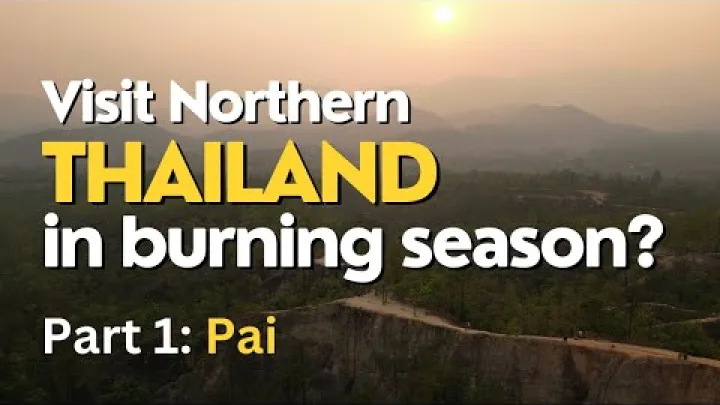
Mae Hong Son can also be affected by Northern Thailand’s regional burning-season haze. The severity varies by year and by day. It does not mean every day is smoky, but it can reduce mountain visibility and make outdoor exercise less pleasant.
If you travel during March, April or early May, check live air-quality information and build flexibility into outdoor plans. People with asthma, heart or lung conditions, or strong sensitivity to smoke should consider professional health guidance before planning strenuous outdoor activity during high-haze periods.
Rainy Green Season: June to October
June to October is the rainy green season. Weather is usually warm and humid, with frequent showers and occasional heavy downpours. The benefit is that the landscape becomes lush, waterfalls are often stronger, and the province can feel quieter than during the cool-season peak.

The main trade-off is practical rather than visual. Trails can be muddy, steps and rocks can be slippery, rural access can take longer, and mountain roads may have reduced visibility during rain. Localized flooding or debris can occur after strong storms, so remote trips need current checks.
July to September are typically the wetter core of the season. Flexible travelers who enjoy green scenery may still like this period, but it is less suitable for tight itineraries, long motorbike days or multi-day trekking plans that cannot be adjusted.
Mae Hong Son Climate by Month
Use the table below as a general climate and travel-feel guide, not as a forecast. In mountain regions, the exact experience can change with elevation, storm patterns, smoke, and local road or trail conditions.
Month-by-Month Travel Feel
Climate averages help show the broad pattern. Climate-Data.org lists Mae Hong Son with an average annual temperature of about 23.9 degrees Celsius and annual rainfall of about 1,338 millimetres, with rainfall strongly concentrated in the wet season. The monthly labels below are therefore best used for choosing a travel window, not for predicting a specific day.
| Month | Typical season feel | Rain tendency | Best-fit traveler |
|---|---|---|---|
| January | Cool mornings, warm days | Low | First-time visitors, trekking, photography |
| February | Dry and warming | Low | Scenic trips, early shoulder travel |
| March | Hotter, haze-prone | Low to rising | Flexible travelers with air checks |
| April | Very hot, haze risk | Some storms possible | Short town stays, light schedules |
| May | Hot, turning wetter | Increasing | Value seekers with flexibility |
| June | Green and humid | Moderate to high | Waterfalls, quieter trips |
| July | Wet and lush | High | Flexible green-season travelers |
| August | Peak rainy-season feel | High | Slow travel, photography with rain gear |
| September | Very wet-feeling in many years | High | Flexible itineraries only |
| October | Rain easing, still green | Moderate, decreasing | Shoulder travel, waterfalls |
| November | Drier, cooler, greener than late dry season | Low to moderate early | Strong shoulder choice |
| December | Cool dry prime month | Low | Most travelers, views, hiking |
Climate Averages Versus Live Forecasts
Climate averages are useful for choosing when to visit Mae Hong Son. They show which months are usually dry, hot, hazy or wet. They do not tell you whether rain, smoke or a storm will affect your exact travel dates.
Before and during your trip, check official local weather and rainfall updates, especially in rainy season or during unusual heat. The Thai Meteorological Department provides Mae Hong Son station information and links to weather tools such as radar, satellite images and flash-flood-related updates.
This distinction matters for daily decisions. A climate table can help you choose January over September for a first trip, but a live forecast helps you decide whether to leave early for a viewpoint, postpone a drive, carry a rain jacket or adjust a trekking plan.
Best Time by Travel Purpose
The best season depends on what you want to do. Mae Hong Son town stays, trekking, scenic driving, photography and budget travel each have different weather trade-offs.
First-Time Sightseeing and Town Stays
For most first-time visitors staying in Mae Hong Son town, November to February is the best choice. The drier weather makes it easier to walk between local sights, visit temples, explore markets and take short excursions without planning every day around rain.
Cooler mornings and evenings also make town stays more comfortable. This is useful if you want to enjoy early viewpoints, lakeside walks, local food areas or temple visits without the stronger heat of March and April.
Do not rely on general Thailand beach-season advice for this decision. Mae Hong Son is an inland mountain destination, so local highland weather, haze and mountain-road conditions are more relevant than sea conditions or island monsoons.
Trekking, Hiking and Waterfalls
The cool dry season is usually the best period for longer hikes and trekking. Trails are generally drier, temperatures are more comfortable, and lower humidity makes sustained walking easier than in the hot or wet seasons.

Rainy season can still be excellent for green scenery and waterfalls. The hills look fresh, rivers and cascades may be stronger, and photography can be rewarding. The trade-off is that paths may be muddy or slippery, and local guides or operators may adjust plans based on rain, river levels or access.
March and April are less comfortable for strenuous hiking. Heat, haze and reduced visibility can make midday exertion unpleasant and sometimes risky. If you hike during this period, start early, keep routes shorter and avoid pushing hard in the hottest hours.
Mae Hong Son Loop and Scenic Driving
The cool dry months offer the best balance for the Mae Hong Son Loop and other scenic mountain drives. Roads are more likely to be dry, visibility is often better, and temperatures are more comfortable for motorbike riders and car passengers.
Rainy-season driving needs more caution. Curves can be slick, visibility can drop during heavy rain, and debris or localized flooding may affect some stretches after storms. This does not mean travel is impossible, but long driving days should include extra time and current weather checks.
Hot season has different drawbacks. Motorbike riders may experience heat fatigue, and haze can reduce the views that make the route famous. Before long driving days between Chiang Mai, Pai and Mae Hong Son, verify current road and weather conditions locally.
Budget Travel, Photography and Quieter Trips
Green season and shoulder months can be appealing for budget-conscious travelers because demand is often lower than in the cool-season peak. This may lead to quieter stays or better value, but discounts are not guaranteed and depend on the property, date and local demand.
For photography, late November to January is often the strongest window for mist, mountains and clearer viewpoints before haze risk rises. December and January can be especially rewarding if you want cool mornings and dry access to viewpoints.
Rainy season can also be beautiful for photography. The landscape is lush, clouds add atmosphere, and waterfalls may be stronger. Protect cameras and phones with waterproof bags, and accept that some plans may be delayed by rain.
Seasonal Risks and Practical Impacts
Mae Hong Son’s seasonal risks are manageable when you plan realistically. The main issues are heat, cool nights, smoke, rain, storms and access checks for outdoor or remote activities.
Heat, Cold Nights and Clothing
December and January nights can feel cold in the highlands even when the daytime weather is warm. A light jacket, long sleeves or a thin fleece can make early mornings, viewpoints and evenings more comfortable.
From March to May, heat management becomes more important. Plan sightseeing early, rest in shade, drink water regularly and avoid strenuous midday activities. If your accommodation has limited cooling, consider how well you tolerate hot nights before booking.
Pack by season. In cool season, bring light layers plus sun protection. In hot season, choose breathable fabrics, a hat, sunscreen and a hydration plan. In rainy season, bring quick-dry clothing and footwear with grip.
Burning Season and Air Quality Checks
Late February to April is the period when smoke can become a practical issue in Northern Thailand, with March and early April often the higher-risk window. The severity varies by year, so it is best to check live air-quality data rather than assume conditions will be either fine or severe.
Smoke can affect mountain views, photography, outdoor exercise and general comfort. Some travelers may only find it inconvenient, while others may need to limit exposure or adjust activities.
If air quality is poor, consider wearing a high-filtration mask, choosing indoor breaks, reducing strenuous outdoor exercise or changing the order of your itinerary. Sensitive travelers should be especially cautious during fixed-date trips in this period.
Rain, Storms and Access Checks
The monsoon affects Mae Hong Son through frequent rain, heavy downpours, higher river levels and possible localized flooding or landslides. These impacts are most relevant for trekking, river activities, rural roads and mountain driving.
Mae Hong Son is not a coastal storm or beach destination, but inland rainfall can be enhanced by wider regional weather systems, including storm remnants. The practical result may be heavier rain than expected, even if the province is far from the sea.
Before remote trips, rafting, trekking or long driving days, check official weather, rainfall and local access information. If local operators advise changing plans after heavy rain, treat that advice seriously.
Crowds, Prices and Booking Timing
Weather and demand move together in Mae Hong Son. The best weather window is also the period when more travelers want accommodation, transport and tours.
High Season Demand
The cool dry season is the most popular time to visit, especially in December and January. Christmas, New Year and Thai holiday periods can bring stronger demand in Mae Hong Son town, Pai and along popular Northern Thailand routes.
If you plan to travel on peak dates, book accommodation earlier and confirm key transport arrangements in advance. This is especially useful if you have a limited schedule or want a specific guesthouse, hotel style or route connection.
Higher demand is the main trade-off for the best weather window. You gain comfortable conditions, but you may have less flexibility if you wait until the last minute.
Shoulder and Low Season Value
Early November, late February, May and parts of the rainy season can be useful value periods for flexible travelers. Lower demand may mean quieter accommodation and more relaxed town stays, although this varies by date and location.
Wet months require more planning around tours and rural activities. Some operators may adjust schedules because of rain, trail conditions or river levels. Before relying on a specific trek, rafting trip or remote excursion, confirm availability close to your visit.
Do not choose heavy-rain periods only to save money if your itinerary depends on long drives, remote access or outdoor activities every day. The best value is the period that matches both your budget and your tolerance for weather disruption.
Practical Packing and Planning Checklist
What to Pack by Season
A simple seasonal packing plan is enough for most Mae Hong Son trips. Focus on layers, sun protection, rain protection and footwear that matches your activities.
- Cool season: Bring a light jacket or long sleeves for mornings and nights, plus sunglasses, sunscreen and comfortable walking shoes for sunny days.
- Hot season: Pack breathable clothes, a hat, sunscreen and a refillable water bottle. If haze is present, a high-filtration mask can be useful.
- Rainy season: Bring a light rain jacket or poncho, quick-dry clothing, footwear with good grip and a waterproof bag or dry sack for electronics.
- For scenic driving: Carry a warm layer for early starts, rain protection in wet months and enough water for slow mountain travel.
- For trekking: Use practical footwear, quick-dry layers and a small waterproof cover for valuables. Confirm local trail conditions before setting out.
Conclusion: The Best Time for Your Mae Hong Son Trip
For most travelers, mid-November to February is the best time to visit Mae Hong Son, with December and January usually offering the most comfortable mix of dry weather, cool mornings and good conditions for sightseeing, trekking and scenic routes. Early November and early to mid-February can also be strong shoulder choices if you understand their different risks.
March and April need careful planning because of heat and possible haze, while June to October suits flexible travelers who want lush landscapes, waterfalls and quieter stays. Whatever month you choose, separate climate averages from live forecasts, check current weather and air quality before outdoor plans, and match your itinerary to the season rather than forcing the season to match your itinerary.
Select area
Create a post
Posting is free and no registration is required.