Mae Hong Son Travel Guide: Loop, Bases and Travel Tips
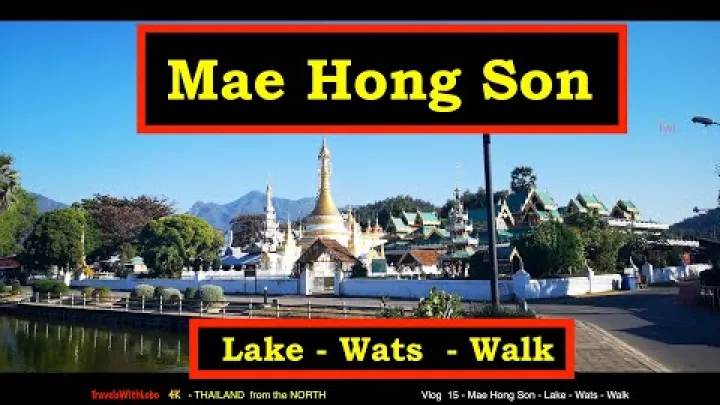
This Mae Hong Son travel guide is for travelers who want mountain scenery, small towns, temples, road trips, and slower days in Northern Thailand. Mae Hong Son is a remote province near the Myanmar border, and it feels very different from the easier travel corridors around Chiang Mai. This guide covers Mae Hong Son town, Pai, Mae Sariang, the Mae Hong Son Loop, seasonal planning, transport, costs, safety, and respectful ways to visit rural communities.
Mae Hong Son at a Glance
Mae Hong Son rewards travelers who plan around mountain roads, changing weather, and limited transport rather than short map distances. The official destination overview from the Tourism Authority of Thailand highlights the province for temples, hot springs, hill communities, trekking, rafting, national parks, and mountain landscapes.
What Makes Mae Hong Son Different
Mae Hong Son sits in far northwestern Thailand, surrounded by mountains and close to Myanmar. For many visitors, the appeal is not a single famous landmark but the combination of misty valleys, forested roads, Shan and Burmese-influenced temples, lakefront evenings, and small towns where the pace is slower than in Chiang Mai.
The province is not untouched or unknown. Pai is well established on the traveler trail, and Mae Hong Son town receives domestic and international visitors. Still, the province is quieter and more logistically demanding than Thailand’s beach destinations or the main Chiang Mai sightseeing circuit.
This guide covers both Mae Hong Son town and the wider province, including Pai, Mae Sariang, Ban Rak Thai, Pang Oung, and the Mae Hong Son Loop. Visit for scenery, road trips, trekking, temples, cooler mountain air in season, and a more rural experience of Northern Thailand.
Who Should Visit and Who May Prefer Elsewhere
Mae Hong Son is a strong choice for travelers who enjoy outdoor plans, winding roads, and small-town stays. It suits people who can accept slower logistics, simple local transport, and days where the journey is part of the experience.
It may not be ideal if you want beaches, major nightlife, luxury resort concentration, or transport that works with little planning. Travel times matter more than distances because roads climb, curve, and slow down through the mountains.
Choose Pai if you want the most social base, with more cafes, tours, guesthouses, and nightlife. Choose Mae Hong Son town if you want the best balance of walkable sights and day-trip access. Choose Mae Sariang if you prefer a quiet stop on Highway 108 and a calmer slow-travel rhythm.
Best Time to Visit Mae Hong Son
The best time to visit Mae Hong Son depends on whether you value cool weather, green scenery, fewer crowds, or easier road conditions. Mountain weather can vary locally, so treat seasonal patterns as planning guidance rather than guarantees.
Cool Season, Hot Season, and Rainy Season
In broad terms, Mae Hong Son has a cooler and drier period from about November to February, a hotter period from March to May, and a wetter monsoon period from around May to October. Weather summaries such as Kupi describe the hot season and rainy season in this general pattern, but daily conditions can still vary by elevation and year.
For a first visit, the cool season is usually the easiest window. It is more comfortable for temple walks, viewpoints, trekking, and multi-day driving on the Mae Hong Son Loop. It is also the period when many travelers hope for misty mornings, although visibility is never guaranteed.
| Season | General pattern | Best for | Main cautions |
|---|---|---|---|
| November to February | Cooler and generally drier | First visits, loop trips, viewpoints, trekking | Higher demand on weekends and holidays |
| March to May | Hotter late dry season | Flexible travelers and lower-key sightseeing | Heat and possible haze can affect comfort |
| May to October | Wetter monsoon period | Green landscapes and slower travel | Heavy rain can affect roads, trails, and waterfalls |
The rainy season can be beautiful, with greener hills and fewer visitors, but it requires more flexibility. Waterfalls may be more impressive, yet access roads and trails can be slippery or temporarily affected by weather.
Air Quality, Festivals, and Booking Timing
Late dry-season haze can affect Northern Thailand, including mountain areas. If your plans depend on viewpoints, trekking, cycling, or long motorbike days, check current air quality close to your travel dates and be ready to adjust outdoor activities.
Book accommodation ahead for high-demand periods, especially if you want a specific lakeside, mountain, or central location. Outside peak periods, you may have more flexibility, but it is still wise to check current opening times, road conditions, and weather before moving between towns.
How to Get to Mae Hong Son and Move Around
Chiang Mai is the main gateway for most international travelers visiting Mae Hong Son. From there, you can enter the province by road through Pai on Highway 1095 or through Mae Sariang on Highway 108.
Routes from Chiang Mai by Road
Highway 1095 is the best-known approach from Chiang Mai to Pai and onward toward Mae Hong Son town. It is scenic and useful if Pai is your first stop, but it is also famous for many curves. Passengers who are prone to motion sickness should prepare before travel.
Highway 108 runs south from Chiang Mai toward Mae Sariang and then north toward Mae Hong Son town. This route is often used by travelers doing the Mae Hong Son Loop because it creates a natural circuit rather than an out-and-back trip.
Neither route should be judged only by distance. Mountain roads, rain, construction, traffic, and rest stops can change how long the journey feels. Self-drivers should plan conservative days, avoid rushing, and drive in daylight when possible.
Buses, Minivans, and Flight Checks
Buses and minivans connect key points such as Chiang Mai, Pai, Mae Hong Son town, and Mae Sariang, but schedules can change. Booking platforms such as BusOnlineTicket.co.th can help with route planning, but travelers should confirm current departure times close to travel.
Book ahead during high season and before holidays. If you are sensitive to motion sickness, choose seats carefully when possible, eat lightly before departure, and carry suitable medication after checking with a pharmacist or doctor.
Mae Hong Son Airport (HGN) exists, but small-airport service can change. Do not build tight same-day international connections after a regional flight or a long mountain road transfer from Mae Hong Son. Add buffer time, especially in the rainy season.
Local Transport in Towns and Villages
Mae Hong Son town is fairly compact around Nong Chong Kham Lake. Many central sights, including Wat Chong Kham and Wat Chong Klang, can be reached on foot if you stay near the lake or central area.
For places outside town, such as Ban Rak Thai, Pang Oung, Tham Pla, Pha Suea Waterfall, rural villages, or trekking trailheads, you will usually need a scooter, car, taxi, songthaew, private driver, or organized tour. Public transport may exist on some routes, but it is not always convenient for day trips with multiple stops.
Only rent a scooter or motorbike if you are licensed, insured, helmeted, and confident on steep, winding roads. Travelers without their own vehicle can still enjoy Mae Hong Son, but they should plan fewer side trips and allow more time.
Where to Stay and Base Yourself
Your base shapes the whole trip. Mae Hong Son town, Pai, Mae Sariang, Ban Rak Thai, and Pang Oung all offer different experiences, so choose based on transport, atmosphere, and how much time you have.
Mae Hong Son Town for First-Time Visitors
Mae Hong Son town is the most balanced base for many first-time visitors. It has a compact center, lake scenery, temples, food options, and access to day trips north and south of town.
Staying near Nong Chong Kham Lake makes evenings easy. Wat Chong Kham and Wat Chong Klang sit by the lake, while Wat Phra That Doi Kong Mu rises above town and works well as an early orientation stop. If a walking street or night market is operating during your visit, the central area is also convenient for casual dining.
The nightlife is much quieter than Pai, which can be an advantage if you want calm evenings. Travelers without a vehicle should prioritize central accommodation to reduce the need for taxis or private transport after dark.
Pai for Social Energy and Easy Tours
Pai is within Mae Hong Son province, but it has its own travel style. It is the most developed and social base, with more cafes, guesthouses, nightlife, yoga and wellness options, and organized tours than most other parts of the province.
Pai works well as an entry or exit point from Chiang Mai, especially if you have limited time. Nearby stops such as Pai Canyon and local viewpoints can be combined with a short stay, and many travelers use Pai as one stage of the Mae Hong Son Loop.
The trade-off is atmosphere. Pai can feel busy in peak season and may not provide the quiet, remote feeling some travelers expect from Mae Hong Son. Book ahead during popular periods and choose accommodation location carefully if noise matters to you.
Mae Sariang for Slow Travel
Mae Sariang is a quieter southern base on Highway 108. It is useful as an overnight stop for loop travelers and appealing for visitors who want a slower riverside town rather than a busy social hub.
The town has a calmer pace, temples, local food, and access to surrounding rural areas when arranged with local support. It is not a major attraction hub in the same way as Pai, so it works best for travelers who value atmosphere and route balance.
Public transport can be possible, but schedule flexibility is important. If you want to explore outside town, ask locally about drivers, guides, and current road conditions.
Ban Rak Thai and Pang Oung for Short Rural Stays
Ban Rak Thai and Pang Oung are better treated as scenic extensions rather than default first bases. Both are popular for mountain atmosphere, especially in the cool season, but they require more planning than staying in Mae Hong Son town.

Ban Rak Thai is known for lakeside scenery, tea culture, and Chinese-influenced heritage. Pang Oung is a scenic reservoir and rural stay area often associated with cool mornings and forested surroundings. For both places, private transport or a local tour is usually more practical than relying on public transport.
Before visiting, check accommodation availability, access rules, and any permissions that may apply. This is especially important during cool-season weekends and holiday periods.
Top Things to Do in and Around Mae Hong Son Town
Mae Hong Son town is small, but it is a useful base for temples, viewpoints, waterfalls, national park areas, and day trips into the mountains. Plan activities by direction so you do not spend the day backtracking on winding roads.
Nong Chong Kham Lake and the Lakeside Temples
Nong Chong Kham Lake is the visual and practical heart of Mae Hong Son town. It is a natural place for morning walks, slow evenings, and first impressions of the town’s pace.
Wat Chong Kham and Wat Chong Klang are the key lakeside temple landmarks. Their architecture reflects the Shan and Burmese-influenced character that helps distinguish Mae Hong Son from other parts of Northern Thailand.
These are active religious spaces, so dress modestly, move quietly, and follow local signs. If a walking street or night market is operating during your visit, the lake area can also become the easiest place for an evening meal.
Wat Phra That Doi Kong Mu and Viewpoints
Wat Phra That Doi Kong Mu sits on a hill above Mae Hong Son town and is one of the classic viewpoints in the province. It is a good place to understand the town’s setting, with the valley below and mountains around it.
Sunrise and late afternoon are often atmospheric times to visit, but mist, haze, cloud, and rain can all change visibility. Go for the setting rather than a guaranteed photograph.
Access options include walking, scooter, car, taxi, or local transport. The climb can be steep and hot, so walkers should carry water and choose the time of day carefully.
Ban Rak Thai, Tham Pla, and Pha Suea Waterfall
North of Mae Hong Son town, Ban Rak Thai, Tham Pla, and Pha Suea Waterfall can form a full day-trip cluster for travelers with a vehicle, driver, or tour. The route is scenic but winding, so it should not be rushed.
Ban Rak Thai offers tea, lake views, and a cooler mountain feel. Tham Pla, often known as the Fish Cave area, is a common natural stop on the way. Pha Suea Waterfall can be added when access and conditions are suitable.
Park fees, opening arrangements, road conditions, and waterfall conditions can change, especially after heavy rain. Ask locally before setting out and avoid overloading the day with too many stops.
Khun Yuam, Sunflower Fields, and Mae Surin Waterfall
South of Mae Hong Son town, the road toward Khun Yuam and Namtok Mae Surin National Park offers another day-trip direction. It is a longer outing, so it is best for travelers who enjoy road scenery and have enough time.
The Thung Bua Tong sunflower fields are seasonal and are generally associated with the cool-season period. Do not plan a trip around the bloom without checking current local updates, because timing can vary.
Mae Surin Waterfall is a major nature stop in the area, but national park access, trails, fees, and safety conditions depend on park management and weather. Outside the bloom season, consider whether the long drive still fits your priorities.
How to Plan the Mae Hong Son Loop
The Mae Hong Son Loop is one of Northern Thailand’s classic road trips. It is rewarding, but it requires realistic pacing because the roads are curvy, mountain weather can change, and side trips take longer than they look on a map.
Route Options and Direction Choices
A clockwise loop usually goes from Chiang Mai toward Mae Sariang first, then Mae Hong Son town, Pai, and back to Chiang Mai. A counter-clockwise loop usually starts with Pai, continues to Mae Hong Son town, then Mae Sariang, and returns to Chiang Mai.
Neither direction is automatically best for everyone. Choose based on your comfort with mountain roads, your preferred first stop, how many days you have, and whether you want a social start in Pai or a quieter start through Mae Sariang. Weather and road conditions can also affect the better choice.
How Many Days to Allow for the Loop
A rushed Mae Hong Son Loop is possible, but it is rarely the most satisfying version. The loop is about slow roads, viewpoints, small towns, and detours, not only reaching the next hotel.
| Pace | Typical use | Sample allocation |
|---|---|---|
| 3 to 4 days | Short loop with limited detours | Pai, Mae Hong Son town, Mae Sariang |
| 5 to 7 days | Better first-time pace | Extra nights in Pai or Mae Hong Son town plus selected day trips |
| 8 or more days | Slow travel | Add Ban Rak Thai, Pang Oung, trekking, rest days, or weather buffers |
Avoid combining a long riding day with many detours. If you are riding a motorbike, rest days and short travel days are not wasted time; they are part of safer planning.
Motorbike, Car, or Public Transport
Motorbikes offer the most flexibility for viewpoints, small villages, and spontaneous stops, but they also carry the greatest risk. Ride only if you have the right license, suitable insurance, a helmet, rain protection, and real confidence on steep curves.
A rental car gives more comfort, luggage space, and protection from rain or cold mornings. It can be a better choice for couples, families, or travelers who do not want long days exposed to weather.
Public transport can work between major towns such as Chiang Mai, Pai, Mae Hong Son town, and Mae Sariang. The limitation is flexibility: you may miss roadside viewpoints, waterfalls, rural stays, or early-morning stops unless you add local tours or private transfers.
Costs, Safety, and Responsible Travel
Mae Hong Son can be affordable, but costs depend heavily on how you move around. Food and simple accommodation may be modest, while private drivers, vehicle rental, fuel, tours, and remote stays can raise the total.
Typical Costs and Budget Priorities
Think in categories rather than a fixed total. Your main costs are accommodation, meals, intercity transport, local transport, vehicle rental, fuel, tours, national park or site fees, laundry, and contingency money.
| Travel style | Budget priority | Planning note |
|---|---|---|
| Budget | Guesthouses, local meals, buses or minivans | Less flexibility for rural side trips |
| Mid-range | Central stays, selected tours, scooter or car rental | Good balance for first-time visitors |
| Comfort-focused | Private drivers, better rooms, slower pacing | Higher cost but easier logistics |
Carry some cash for small towns, markets, rural stops, local transport, and fees where card payment may not be available. High season and popular rural stays can raise accommodation prices, especially when supply is limited.
Road Comfort, Health, and Motion Sickness
Winding roads are one of the biggest practical challenges in Mae Hong Son. The Chiang Mai to Pai section and the road between Pai and Mae Hong Son town can be difficult for passengers who get motion sickness.
Prepare with water, light meals before travel, rest stops, and suitable medication if recommended by a pharmacist or doctor. If you are riding, add sun protection, rain gear, layers for cool mornings, and a plan for fuel stops.
After a long mountain transfer, avoid scheduling an intense trek or another long ride immediately. Basic travel insurance is also important, especially if you plan to ride a motorbike, hike, or visit remote areas.
Border-Area Awareness and Current Conditions
Mae Hong Son province lies near the Myanmar border, so travelers should check current conditions before visiting border-adjacent areas. Official travel advice such as GOV.UK is useful for current safety, insurance, legal, and regional advisory information.
This does not mean standard tourist areas are automatically unsafe. It means conditions can change, and travelers should avoid informal border crossings, restricted zones, and politically sensitive areas unless clearly permitted and properly guided.
Before departure, verify road conditions, park access, weather, and any flight availability. This is especially important during the rainy season, after storms, or during periods of regional uncertainty.
Trekking and Village Visits with Care
Trekking, rafting, and village visits can be meaningful parts of travel in Mae Hong Son, but they require care. Communities should not be treated as displays, and photography should always follow local rules and individual consent.
Responsible tourism guidance from Responsible Travel emphasizes small groups and local guides for hill-tribe trekking in Thailand. For Mae Hong Son, this means choosing tours with transparent pricing, local ownership or local benefit, clear cultural explanation, and respectful visitor behavior.
Be especially thoughtful with visits involving Kayan, Karen, and other hill communities. Research the ethics of specific tours, ask how fees are shared, follow dress and photography guidance, and avoid language that turns people into attractions.
Final Planning Checklist for Mae Hong Son
Mae Hong Son is best for travelers who want Northern Thailand at a slower pace: mountain roads, quiet towns, lakeside temples, viewpoints, rural stays, and a road-trip structure that rewards patience.
- Choose your base first: Mae Hong Son town for balance, Pai for social energy, Mae Sariang for slow travel, or Ban Rak Thai and Pang Oung for short scenic extensions.
- Plan by season, and check current weather, haze, and accommodation demand close to your dates.
- Allow buffer time for winding roads, transport changes, rain, rest days, and motion sickness.
- Do not attempt the Mae Hong Son Loop by motorbike unless you are licensed, insured, equipped, and experienced enough for mountain roads.
- Carry cash, book ahead in peak periods, and verify park access, rural stay rules, and local transport before long day trips.
- Use local guides for trekking and village visits, and choose experiences that respect and benefit host communities.
If you plan with realistic travel days and flexible expectations, Mae Hong Son can become one of the most memorable parts of a Northern Thailand itinerary.
Select area
Create a post
Posting is free and no registration is required.