Zamboanga Travel Guide: First-Time Visitor Tips

This Zamboanga travel guide is for first-time visitors who want a practical, balanced overview before planning a trip. Zamboanga City is a distinctive destination in the southern Philippines, known for coastal scenery, local food, heritage sites, weaving traditions, and a strong mix of cultural influences. It is not a mass-tourism beach resort, so a good trip depends on realistic expectations, flexible planning, and current local information. This guide covers where Zamboanga is, how to get there, where to stay, what to do, when to visit, safety considerations, costs, and sample itineraries.
How to Use This Zamboanga Travel Guide
Use this guide as a planning framework rather than a fixed schedule. Details such as transport schedules, island access, opening hours, sea conditions, and local advisories can change, so confirm important arrangements close to your travel date. If a route, excursion, or activity is essential to your trip, check it directly with your accommodation, tour provider, transport operator, or relevant local office before building your whole itinerary around it.
Is Zamboanga a Good Fit for Your Trip?
Zamboanga is a good fit if you enjoy cities with strong local identity, coastal views, markets, heritage sites, and food culture. It suits travelers who prefer a real working city over a highly packaged tourist zone. A typical visit may include Fort Pilar, Paseo del Mar, weaving-related shopping, seafood meals, and a coastal excursion if conditions allow.
The city can feel less familiar to international travelers than major Philippine hubs such as Manila, Cebu, or popular island resort areas. You may find fewer international-style tourist services, less predictable online information, and more need to ask locally. For prepared visitors, this can be part of the appeal, but it also means you should plan carefully and keep your schedule flexible.
Because current safety, transport, and access conditions can vary, avoid assuming that older travel reports are still accurate. Before you go, check current travel advice from your own government, local updates, weather forecasts, and guidance from your accommodation. This guide avoids broad claims that Zamboanga is always safe or unsafe; instead, it focuses on practical steps for a respectful and informed visit.
Suggested Trip Lengths and Travel Styles
For a short first visit, two to three days can work if you focus on the city center, the waterfront, heritage stops, food, and one major excursion. This length is best for travelers who arrive by air, stay centrally, and do not want to spend much time on longer day trips.
Four to five days gives you a better balance. You can spend time around Fort Pilar and Paseo del Mar, visit markets, look for weaving products, try different eating areas, and keep one day open for a coastal or upland trip. This pace is more comfortable because rain, sea conditions, or booking rules can affect outdoor plans.
Five to seven days is better for slower travelers, families, food-focused visitors, and people who want weather buffers. If you are combining Zamboanga with wider Mindanao travel, allow extra time for route checks, onward connections, and advisory reviews. First-time visitors who do not need a wider regional route may find it easier to keep the trip focused on Zamboanga City and nearby experiences.
Where Zamboanga Is and How the City Is Laid Out
Zamboanga is easiest to understand by thinking in practical visitor zones: the central city, the waterfront, the airport corridor, and outer areas used for quieter stays or day trips. This approach is more useful than trying to memorize district boundaries before arrival.
Zamboanga City, the Peninsula, and Western Mindanao
Zamboanga City is in the Zamboanga Peninsula area of Western Mindanao in the Philippines. It has long had an important coastal and port character, which helps explain why sea travel, fishing, trade, and regional movement shape the city’s identity.
This guide focuses on Zamboanga City and nearby visitor experiences, not the entire Zamboanga Peninsula or the islands farther beyond it. The wider region has many different communities, routes, and local conditions. If you plan to travel beyond the city, treat that as a separate planning task and check current transport and advisory information for each route.
Visitor Areas: Downtown, Waterfront, Airport Corridor, and Outskirts
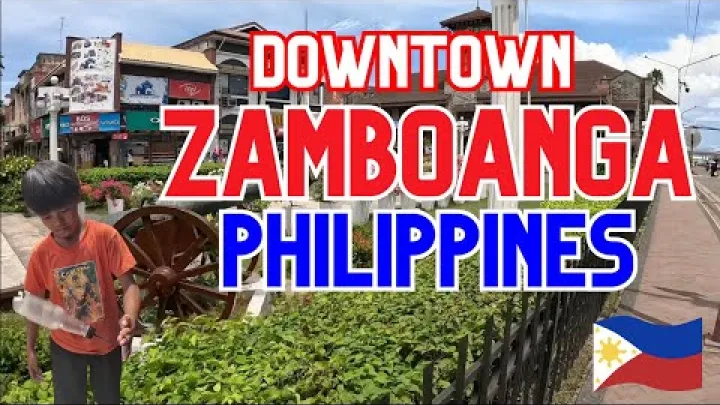
The downtown core is usually the most practical base for a first visit. It gives easier access to shops, banks, casual food, markets, and central points of interest. The trade-off is that it can be busy, noisy, and traffic-prone, especially during peak local movement.
The waterfront area is useful for evening walks, sea views in suitable areas, and access to landmarks such as Paseo del Mar and Fort Pilar. However, not every waterfront street is equally scenic, quiet, or convenient for walking. Check the exact location of your accommodation rather than relying only on a broad area name.
The airport corridor around Zamboanga International Airport can be practical for early flights, late arrivals, or travelers who value simpler transfers. Outer areas may offer a quieter stay, but you should plan transport in advance because frequent sightseeing can become less convenient. Ask your accommodation about current road conditions, transport availability, and realistic travel times before you commit to a location outside the central zones.
Best Time to Visit Zamboanga
Zamboanga is a warm tropical destination where heat, humidity, rain, and sea conditions matter more than big temperature changes. Instead of planning only around a single “best month,” think about how weather could affect your activities.
Weather, Heat, and Rain Planning
Outdoor plans are usually more comfortable earlier in the day when the heat is lower. For city walking, heritage stops, markets, and waterfront time, start with the most exposed activities first and leave indoor breaks for the hottest or wettest parts of the day.
Rain can affect boat trips, upland roads, waterfall visits, and walking conditions. If Sta. Cruz Islands or Merloquet Falls is a priority, place that activity earlier in your stay rather than on your final day. This gives you more room to reschedule if weather or access conditions change.
Pack for heat and sudden rain. Useful items include sun protection, a refillable water bottle, light rain gear, quick-drying clothing, secure sandals or walking shoes, and a small dry bag for electronics. Before any boat trip or upland excursion, check the local forecast and ask the operator or accommodation whether conditions are suitable.
Festivals, Holidays, and Booking Timing
Public holidays, school breaks, religious observances, and local celebrations may affect hotel availability, traffic, opening hours, and crowd levels. This can make the city more interesting, but it can also make simple logistics slower.
If you plan to visit during a major holiday period or a local celebration, book accommodation earlier than you normally would. Also allow more time for transfers, meals, and sightseeing. When visiting religious or community events, dress respectfully, ask before taking close-up photos, and follow local guidance about where visitors should stand or sit.
Getting to Zamboanga and Moving Around
For many first-time visitors, flying into Zamboanga City is the simplest option. Sea and overland routes may be possible depending on your wider itinerary, but they require more careful checking.
Arriving by Air
Zamboanga International Airport is the main arrival point for many visitors. When booking flights, check current airline schedules, baggage rules, connection times, and arrival transfer options. Flight availability and timing can change, so do not rely on old route information.
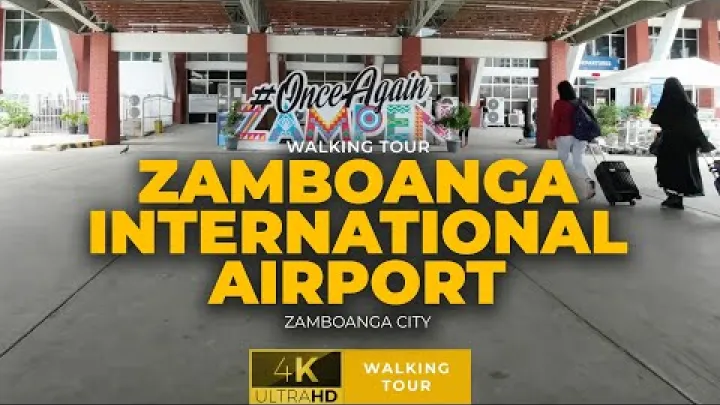
If you arrive late, arrange your first transfer in advance or ask your accommodation for guidance. Carry some small cash for immediate expenses, and confirm the approximate cost of your transfer before you start the ride. If you have an onward connection, build in buffer time for weather, delays, baggage collection, and traffic.
Sea and Overland Travel Considerations
Zamboanga has sea and road connections, but these are more complex than a simple airport arrival. Ferry, fastcraft, bus, and road route details can change due to weather, operator adjustments, checkpoints, maintenance, or local advisories.
If you are considering sea or overland travel, verify schedules and route conditions with current operators or official transport channels. Avoid planning sensitive or remote onward routes based only on informal reports. A useful decision rule is simple: if the wider route is not essential, keep your first visit focused on Zamboanga City and nearby places that can be arranged locally.
Local Transport, Traffic, and Navigation
Common local transport options may include taxis, tricycles, jeepneys, walking in limited central areas, and arranged transfers. For first-time visitors, taxis or arranged rides are often easier than trying to understand local route systems immediately after arrival.
Traffic, heat, rain, and landmark-based navigation can affect how long it takes to move around. Instead of planning tightly timed days, group nearby stops together. For example, combine waterfront time with nearby heritage stops, or combine market visits with lunch in the same area.
Before setting out, ask your hotel or host about approximate fares, reliable pickup points, and areas where walking is practical. Keep bags secure, avoid displaying valuables, and do not rush through unfamiliar streets late at night if you are unsure of the area.
Where to Stay in Zamboanga
The best area to stay in Zamboanga depends on your trip length, arrival time, comfort needs, and sightseeing priorities. First-time visitors usually benefit from convenience more than isolation.
Downtown Core for Convenience
Downtown is practical if you want access to shops, banks, eateries, markets, and central attractions. It is a good choice for a short Zamboanga travel itinerary because it reduces the time spent arranging transport for basic needs.
The trade-offs are noise, traffic, crowds, and sometimes older accommodation stock. When choosing a place to stay, prioritize recent guest reviews, helpful front-desk support, clear transport access, secure entry, and reliable communication. If you plan early starts or late returns, ask about reception hours and transfer arrangements.
Waterfront or Port Area for Evenings and Island Departures
A waterfront or port-area stay can be appealing if you want easier access to evening walks, sea-facing areas, Paseo del Mar, Fort Pilar, or possible coastal departure logistics. These areas can be atmospheric, but they are not all the same. Port activity, traffic, restaurants, public spaces, and accommodation may sit close together while serving very different purposes.
Before booking, check the exact address, noise comments in reviews, walking conditions, and whether the property is near the part of the waterfront you actually want to use. If Sta. Cruz Islands is part of your plan, confirm current access rules and departure arrangements locally rather than assuming that a waterfront hotel is automatically convenient.
Airport Corridor and Quieter Outskirts
Staying near the airport corridor can make sense for early departures, late arrivals, business travel, or travelers who prefer simpler transfers. It can also suit visitors who want a more comfortable hotel and are willing to arrange rides for sightseeing.
Quieter outer or coastal areas may work for families, slower travelers, or people who want less city noise. The main disadvantage is transport. If you stay outside the central zones, ask in advance about transfer availability, road conditions, late-hour transport, and how much time you should allow to reach central attractions.
What to See and Do in Zamboanga
Zamboanga’s main visitor experiences combine heritage, coastal scenery, weaving, markets, food, and optional nature trips. Choose activities based on your interests and the current conditions, not only on a checklist.
Historic and Cultural Sites
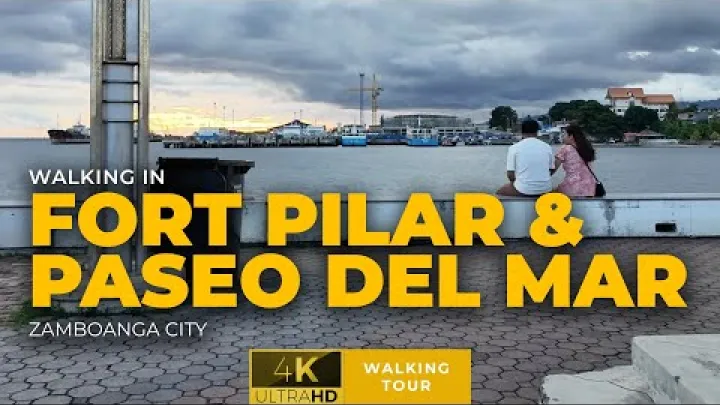
Fort Pilar is one of Zamboanga City’s major historic anchors and is often included in first-time itineraries. The surrounding area may also connect with religious, heritage, and waterfront experiences, making it a useful starting point for understanding the city’s layered identity.
When visiting heritage sites, churches, mosques, shrines, or cultural spaces, keep your behavior respectful. Dress modestly where appropriate, speak quietly, follow posted rules, and ask before photographing people, ceremonies, or private areas. If a museum or site is important to your plan, confirm current opening hours before you go.
Sta. Cruz Islands and Coastal Experiences
Sta. Cruz Islands are closely associated with Zamboanga and are a key coastal excursion for many visitors. The islands are often known for unusual sand tones and clear coastal scenery, but access may be regulated and conditions can change.
Do not build your entire itinerary around an island trip without confirming current rules. Boat trips may depend on permits, visitor limits, sea conditions, weather, and official arrangements. Ask where to book, what is included, what to bring, what rules apply, and what happens if the trip is postponed.
Practice responsible beach behavior. Bring back your waste, avoid disturbing marine life, follow guide instructions, and respect any protected or managed areas. If conditions are not suitable, choose a city-based backup plan such as markets, food, heritage stops, or a relaxed waterfront evening.
Weaving, Markets, Food, and Local Culture
Yakan weaving is an important cultural experience for many visitors to Zamboanga. A visit to a weaving village or weaving-related shop can be a good way to learn about textile traditions and buy meaningful souvenirs. Shop respectfully: ask before photographing artisans, avoid aggressive bargaining, and remember that handmade work reflects time and skill.
Markets are also useful for understanding daily life. You may see seafood, produce, snacks, household goods, textiles, and regional products. Go with patience, keep valuables secure, and ask before taking photos of vendors or customers.
Food in Zamboanga reflects coastal life and multicultural influences. Expect seafood, grilled dishes, rice-based meals, market snacks, and regional flavors. Rather than searching only for a single “must-eat” dish, try a mix of casual eateries, restaurants, and busy food areas while using normal food safety judgment.
Waterfalls and Upland Day Trips
Merloquet Falls is a commonly mentioned upland excursion from Zamboanga City. It can appeal to travelers who want a nature break, but it should be treated as an optional day trip rather than an essential stop for every visitor.
Upland trips can involve longer drives, changing road conditions, walking, slippery surfaces, and weather-related risk. Before going, ask locally about access, transport, recent rainfall, and whether the route is suitable for your group. Wear secure footwear, bring water, protect yourself from sun or rain, and avoid risky swimming or climbing, especially after heavy rain.
Food, Costs, Safety, and Practical Tips
Good practical planning will make your Zamboanga trip smoother. Think about meals, cash, transport, weather buffers, and personal safety before you arrive, not only after a problem appears.
What to Eat and Where to Be Careful
Zamboanga is a strong food city for travelers who enjoy seafood, grilled dishes, rice meals, snacks, and local flavors shaped by different communities. You can eat in casual eateries, restaurants, market areas, seaside food spots, and hotel dining rooms depending on your comfort level.
Use basic food safety habits. Choose busy stalls where food moves quickly, prefer freshly cooked items, be careful with raw seafood or items that have been sitting out, and drink water from a safe source. If you have allergies, halal requirements, or dietary restrictions, explain them clearly and do not assume that every vendor will understand your needs without discussion.
Be sensitive to religious and cultural contexts. Alcohol availability, dining hours, and food choices may vary by area and observance period. A respectful question is usually better than an assumption.
Budget Planning and Typical Cost Categories
Zamboanga can be manageable for budget and mid-range travelers, but your total cost depends on comfort level, transport choices, excursion planning, and how many arranged services you use. Instead of relying on fixed prices from old reports, build your budget by category.
| Cost category | What to consider | Planning tip |
|---|---|---|
| Accommodation | Location, comfort, reviews, security, transfers | Book earlier for holidays or major events |
| Local transport | Taxis, tricycles, jeepneys, arranged rides | Confirm approximate fares before riding |
| Food | Markets, casual eateries, restaurants, seafood meals | Keep cash for small vendors |
| Excursions | Boat trips, guides, permits, day trips | Leave a buffer for weather changes |
| Extras | Entrance fees, tips, laundry, mobile data, delays | Add a small contingency fund |
Carry enough cash for small vendors, local transport, and markets, while using cards where they are accepted. Keep some budget flexibility for extra transfers, rescheduled activities, or a more comfortable ride when weather or timing makes it worthwhile.
Safety, Advisories, and Respectful Travel
A sensible safety approach in Zamboanga starts before you travel. Check current advice from your government, local updates, weather notices, and your accommodation. Ask about areas to avoid, suitable transport after dark, and whether any planned excursions need special arrangements.
On the ground, plan routes in daylight when possible, avoid unfamiliar isolated areas, secure your belongings, and follow local instructions. Be especially cautious with sea travel, late-night movement, and wider regional routes beyond the city. If conditions change, adjust your plan rather than forcing an activity.
Respectful travel is also part of safety. Zamboanga has Muslim and Christian communities, local traditions, and varied cultural spaces. Dress appropriately at religious sites, ask before photographing people, avoid intrusive behavior in markets or communities, and treat local customs with patience. Good manners and local guidance will help you move through the city more confidently.
Sample Zamboanga Itineraries
These itineraries are flexible templates. Adjust them for flight times, weather, current access rules, personal pace, and local advice.
Two to Three Days in Zamboanga
Day 1: Arrive, settle into a central hotel, and keep plans light. If timing allows, visit a nearby waterfront area such as Paseo del Mar, have a relaxed meal, and ask your accommodation for current advice on transport and excursions.
Day 2: Focus on the city center and heritage areas. Include Fort Pilar if access is suitable, nearby cultural or religious stops where appropriate, and a market or food-focused visit. Keep the afternoon flexible for heat or rain, then return to the waterfront or a recommended dining area in the evening.
Day 3: Use this day for one major excursion if conditions allow. Sta. Cruz Islands may be an option if access, weather, and booking rules are favorable. If boat trips are unavailable, choose a backup such as weaving-related shopping, more food exploration, museums or cultural spaces with confirmed hours, or a slower city day before departure.
Five to Seven Days in Zamboanga
With five to seven days, slow the pace and avoid stacking major excursions back to back. Start with one or two central days for Fort Pilar, Paseo del Mar, markets, food, and orientation. Use this time to confirm local conditions for island, weaving, or upland trips.
Place a coastal excursion early enough in the trip to allow rescheduling. Add a separate day for Yakan weaving, markets, and souvenir shopping. If Merloquet Falls or another upland outing is suitable, schedule it with a full-day mindset and ask locally about road and weather conditions.
For a longer stay, you may also consider changing base: begin downtown for convenience, then move to a quieter area if you want a slower final stretch. Only do this if transport is clear, because changing accommodation can add complexity. Keep your final day simple, especially if you have an early flight or onward connection.
Conclusion: Planning a Balanced Zamboanga Trip
Zamboanga rewards travelers who arrive with curiosity, patience, and practical planning. The city offers heritage sites, waterfront evenings, weaving traditions, markets, seafood, and access to coastal or upland experiences, but it is best approached with flexible expectations.
For a smooth first visit, choose a convenient base, confirm transport and excursion details locally, check current advisories and weather, and leave room for changes. With a balanced plan, Zamboanga can be a memorable city-focused trip in the Philippines with a strong sense of place and culture.
Select area
Create a post
Posting is free and no registration is required.