Zamboanga Getting There: Flights, Ferries and Buses

Zamboanga getting there planning is mainly about choosing between speed, budget, comfort, and route reliability. The city is reachable by domestic flights, long-distance ferries, regional sea routes, and overland buses from other parts of Mindanao. For most visitors, flying is the simplest option, while ferries and buses can be useful for slower travel, large luggage, island connections, or trips already starting in Mindanao. This guide explains the main gateways, what to check before booking, and how to handle arrival at the airport, port, or bus terminal.
Quick Answer: Best Ways to Get to Zamboanga
The best way to get to Zamboanga depends on where you start. Travelers coming from Manila, Cebu, or abroad usually save the most time by flying into Zamboanga International Airport. Travelers already in Mindanao may find a bus practical, while ferry travel is better suited to slow itineraries, onward island routes, or passengers who prefer sea travel.
Best option for most travelers
For most travelers, the fastest and simplest way to reach Zamboanga City is by air. Domestic flights to Zamboanga International Airport reduce a long surface journey to a short airport-to-airport trip, especially when starting from Manila or Cebu. If you are arriving from outside the Philippines, the usual plan is to fly first to a larger Philippine international gateway, then connect to a domestic flight to Zamboanga.
The exact best airport for connection depends on your airline, ticket price, baggage rules, and connection time. Manila is often the most flexible gateway because it has the widest range of domestic and international flights. Cebu can also be a practical gateway, especially for travelers already in the Visayas or connecting through Mactan-Cebu International Airport.
Fast recommendation: if your schedule is short, choose a domestic flight and give yourself enough buffer time between connecting flights. If you are using separate tickets, leave extra time for immigration, baggage claim, terminal transfer, and re-check-in.
When ferries or buses make more sense
Ferries can make sense if you are not in a hurry, if you are carrying more luggage than an airline ticket easily allows, or if your trip includes nearby island destinations. Zamboanga is a major sea gateway for routes toward Basilan, Sulu, and Tawi-Tawi, so the port may be part of your wider itinerary even if you arrive in the city by air.
Buses are most useful for travelers already in Mindanao, especially those starting from places such as Davao, Pagadian, Dipolog, Cagayan de Oro, or Cotabato. Overland travel can be long, but it can reduce the need to backtrack through Manila or Cebu.
| Mode | Best for | Main caution |
|---|---|---|
| Flight | Fast trips from Manila, Cebu, or international connections | Fares, baggage, and schedules vary by airline and date |
| Ferry | Slow travel, luggage flexibility, and island connections | Weather and sailing schedules can change |
| Bus | Travel within Mindanao or the Zamboanga Peninsula | Long road journeys can be tiring |
Arriving by Air Through Zamboanga International Airport
Air travel is the easiest arrival method for many visitors because it avoids long sea or road segments. The key is to check current airline schedules close to your travel date and avoid assuming that every route operates daily.
Current airport, code, and city-center proximity
Zamboanga International Airport is the main air gateway for Zamboanga City and uses the airport code ZAM. Publicly available airport descriptions identify it as serving Zamboanga City and place it in Barangay Canelar, close to the urban area; one general reference is Wikipedia. Because airport details and infrastructure plans can change, use your airline ticket, airport announcements, and your accommodation’s directions as the most important travel-day references.
The word “International” in the airport name can be confusing. For practical trip planning, most travelers should treat Zamboanga as primarily a domestic flight destination unless they find current official evidence of a scheduled international service that matches their dates. If you are flying from another country, plan for a domestic connection through Manila, Cebu, or another Philippine gateway.
Airport relocation has been discussed at different times, but travelers should not rely on future airport plans for current travel. When booking hotels or transfers, confirm that your driver or accommodation is referring to the airport currently used for scheduled passenger flights.
Main domestic flight gateways
Manila and Cebu are the most important air gateways for many travelers going to Zamboanga. Manila is often the easiest place to find domestic connections from abroad, while Cebu can be convenient for travelers already in the Visayas or those entering the Philippines through Cebu.
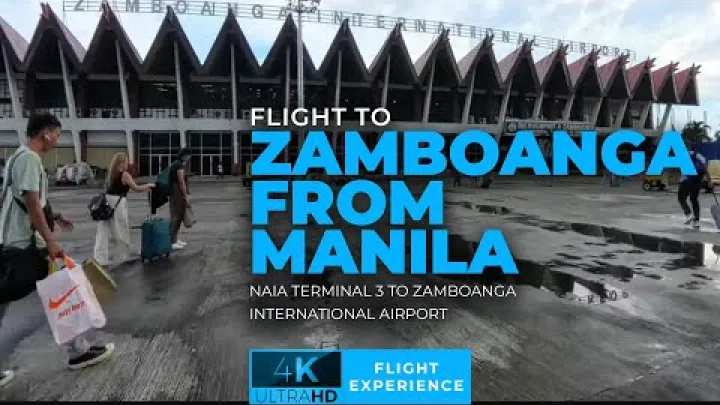
Philippine Airlines provides route and booking information for Cebu to Zamboanga flights on its official booking pages, and travelers can use Philippine Airlines or other airline operator sites to check current schedules and fares. Do not rely only on old route summaries, because airline networks can change by season, aircraft availability, and demand.
Davao and Iloilo may appear in route searches at certain times, but you should treat them as routes to confirm rather than guaranteed services. If no direct flight is available from your preferred origin, compare a connection through Manila or Cebu with a road or ferry alternative. Flight prices can vary widely depending on season, booking date, baggage allowance, seat selection, and fare rules.
Airport to central Zamboanga
After arriving at Zamboanga International Airport, common local transport options include taxis, tricycles, jeepneys, and pre-arranged hotel pickup. For most first-time visitors, taxis or hotel-arranged transfers are the easiest choice, especially with luggage, children, late arrivals, or an unfamiliar address.
Tricycles can be useful for shorter local trips, but agree on the fare before you start if there is no meter. Jeepneys are usually the lowest-cost option for confident travelers with light luggage and a clear understanding of the route, but they are less convenient if you are carrying large bags or arriving after a long flight.
Before leaving the airport, save your hotel name, street, and phone number offline. If your accommodation is near a known area, landmark, or main road, keep that information ready to help the driver understand the destination.
Arriving by Ferry Through the Port of Zamboanga
The Port of Zamboanga is important for both long-distance ferry travel and regional island connections. It can be the right arrival point for travelers who prefer sea travel or who are continuing to nearby islands, but schedules require more checking than flights.
Port location and why it matters
The Port of Zamboanga is the city’s main maritime gateway. It is commonly associated with the central waterfront area, and some ferry listings identify NS Valderoza Street as a port address. For official port information pathways, travelers can refer to the Philippine Ports Authority and then confirm the exact passenger terminal, gate, or ticketing area with the ferry operator.

The port matters because Zamboanga is not only a destination; it is also a connection point. Passengers may use it for long-distance ferries from Luzon or the Visayas, or for regional routes toward Basilan, Lamitan, Isabela, Jolo, Bongao, and other island destinations when services are operating.
Port arrivals can feel busier than airport arrivals. Expect crowds, baggage handling, queues, and local transport negotiation near the terminal. Keep valuables secure, avoid accepting rushed offers, and confirm your destination and price before taking a taxi or tricycle.
Long-distance ferries from Manila and the Visayas
Manila to Zamboanga ferry travel is a surface option, but it is much slower than flying. Long-distance ferry journeys can involve overnight or multi-day travel depending on the vessel, sailing day, and route pattern. The safest planning method is to check current sailing dates through an operator schedule such as 2GO Travel rather than relying on old travel-time estimates.

Ferry travel may be attractive if you want to avoid airport baggage restrictions, prefer a cabin or berth, or enjoy slower travel. However, the total value depends on the cabin class, meals, baggage rules, port reporting time, and whether the schedule matches your itinerary. A cheap fare is not always the best choice if it causes an awkward arrival time or a long wait before your next connection.
For Visayas connections, check current ferry operator information carefully. Routes can change, and not every city that appears in older travel discussions has a direct, practical sailing to Zamboanga on your dates.
Regional and international sea routes
Zamboanga is a gateway to nearby island destinations in western Mindanao and the Sulu archipelago. Depending on current operations, travelers may find routes connected with Basilan, Lamitan, Isabela, Jolo, Bongao, or other ports. Always confirm the operator, terminal, departure time, ticketing process, and return schedule before building a tight itinerary around an island connection.
Weather, coast guard restrictions, vessel maintenance, and operator changes can affect sea travel. If your trip includes an onward flight, important appointment, or limited hotel booking, add buffer time rather than arriving at the port at the last possible moment.
Sandakan in Malaysia is sometimes mentioned in discussions of Zamboanga sea links, but international sea travel requires extra caution. Do not assume a current passenger service, visa eligibility, or immigration arrangement without checking official requirements and the ferry operator close to your travel date.
Arriving by Bus or Road From Mindanao
Road travel to Zamboanga is most practical if you are already in Mindanao. It can be cheaper than flying for some travelers, but journey times can be long, and comfort matters more than it does on a short city bus ride.
Main overland gateways in Mindanao
Common Mindanao starting points for road travel include Pagadian, Dipolog, Cagayan de Oro, Cotabato, and Davao. Routes from the Zamboanga Peninsula may be more direct, while longer journeys from northern, central, or eastern Mindanao can require many hours on the road.
When comparing buses, check more than the fare. Consider the departure time, arrival time, seat type, number of stops, restroom breaks, terminal location, and whether the route is direct or requires transfers. A daytime route can be easier for first-time visitors because it reduces confusion on arrival, but an overnight route may save one hotel night if you can sleep on buses.
Road operations can change because of demand, road conditions, weather, or operator decisions. Use current operator information or recent government route notices for schedules, and confirm again before departure for long routes.
Davao to Zamboanga bus route
A direct Davao to Zamboanga bus route has been reported by the Philippine Information Agency, with the route passing through Digos, Kidapawan, Kabacan, Midsayap, Cotabato, Pagadian, Buug, Imelda, and Ipil before reaching Zamboanga City. This route can reduce transfers for Mindanao travelers who would otherwise need to piece together several bus segments. The reported route information is available from the Philippine Information Agency.
Even with a direct route, Davao to Zamboanga is a long overland journey. Choose the most comfortable bus class available within your budget, bring water and snacks, keep important documents with you, and avoid placing valuables in luggage compartments. Before traveling, check the current operator, fare, departure point, arrival terminal, and estimated arrival time.
Bus terminals and the last ride into the city
Bus arrival points in Zamboanga can depend on the operator and route. Ceres Bus Station is one known terminal anchor in Zamboanga listings, including a terminal page from Bookaway. Still, your ticket or bus operator should be treated as the final guide for the exact terminal.
Before arrival, save your terminal name and accommodation address offline. From a bus terminal, taxis, tricycles, and jeepneys may be available depending on the time and exact location. If you arrive late at night or after a tiring trip, a taxi or pre-arranged pickup is usually easier than negotiating several local transfers.
As with airport and port arrivals, confirm the fare or meter before starting your ride. If possible, ask your accommodation for the best local name of the area, because drivers may recognize landmarks more easily than a full street address.
Typical Routes From Major Gateways
The following route examples are planning frameworks, not fixed schedules. Use them to decide which transport mode fits your trip, then check current airline, ferry, or bus information before paying for tickets.
From Manila to Zamboanga
From Manila, flying is normally the fastest route to Zamboanga. A direct domestic flight, when operating, avoids the long surface distance between Luzon and western Mindanao and is usually the best choice for travelers with limited time.
The Manila to Zamboanga ferry is the main slower surface option to investigate. It can work for travelers who prefer sea travel, want more luggage flexibility, or are building a slow itinerary. However, ferry schedules are less frequent than major air routes, and sailing time is far longer than flight time.
A pure land route from Manila to Zamboanga is not a simple short bus ride. Surface travel from Luzon to Mindanao generally involves ferry connections and multiple legs, and it can take much longer than flying. If you choose this style of travel, plan it as a multi-day overland and sea journey rather than a direct city-to-city bus comparison.
| Route style | Practical use | What to verify |
|---|---|---|
| Manila flight | Fastest normal choice | Airline schedule, baggage, terminal, fare rules |
| Manila ferry | Slow travel or luggage flexibility | Sailing date, cabin class, port reporting time |
| Multi-leg surface route | Only for flexible overland travelers | All ferry and bus connections, total travel days |
From Cebu, Davao, and Iloilo to Zamboanga
From Cebu, check direct domestic flight options first. Cebu is useful for travelers coming from the Visayas and for international visitors who enter the Philippines through Cebu instead of Manila. If flights match your dates, this is usually simpler than creating a ferry or multi-leg land-and-sea route.
From Davao, compare air and bus options. A flight, if available and reasonably priced, saves time. A direct or through bus can be useful for budget travelers, those carrying more luggage, or those who prefer to stay on the ground, but it is still a long trip across Mindanao.
From Iloilo, treat Zamboanga as a route that needs schedule checking. If a direct flight is not available on your dates, compare a connection through Manila or Cebu. Avoid assuming direct ferry service unless a current operator schedule clearly supports it.
From abroad to Zamboanga
Most international travelers should plan to reach Zamboanga through a Philippine international gateway. Manila and Cebu are the most common connection points, but your best route may depend on your country of departure, airline alliance, baggage rules, and ticket price.
There is no strong current basis to assume regular scheduled international flights directly into Zamboanga for most travelers. Treat the city as a domestic destination unless your airline shows a confirmed international itinerary that matches your dates.
If you book separate international and domestic tickets, allow generous connection time. You may need to clear immigration, collect baggage, pass customs, move between terminals, and check in again. A missed self-connection is usually your responsibility, so schedule buffers are important.
Sea travel from Sandakan to Zamboanga, if available, is a niche option and should only be considered after checking current service, immigration rules, visa requirements, and security conditions. Do not rely on old forum posts or outdated schedules for an international sea crossing.
Comparing Time, Cost, Comfort, and Reliability
No single transport mode is best for every traveler. A business traveler, backpacker, student, returning resident, and island-hopping visitor may all make different choices for good reasons.
How to choose between flight, ferry, and bus
Choose a flight if time, simplicity, and predictable arrival are your top priorities. Flights are usually the easiest way to reach Zamboanga from Manila, Cebu, or an international connection. The main disadvantages are fare changes, baggage limits, and possible delays or cancellations.
Choose a ferry if the journey itself is part of the trip, if you want more luggage flexibility, or if you are already connecting through a port. Ferries can be cost-effective in some cases, but the true cost includes meals, port transfers, cabin choice, and the value of the time spent traveling.
Choose a bus if you are already in Mindanao and the route is direct or convenient. Buses can be practical from places such as Davao, Cotabato, Pagadian, Dipolog, or Cagayan de Oro, but road fatigue is real. On long journeys, comfort, departure time, and arrival time can matter as much as the fare.
| Priority | Best match | Reason |
|---|---|---|
| Shortest travel time | Flight | Usually fastest from major gateways |
| Large luggage | Ferry or bus | May be easier than strict airline baggage rules |
| Mindanao origin | Bus | Can avoid backtracking by air |
| Island connections | Ferry | Useful for Basilan, Sulu, or Tawi-Tawi routes when operating |
| First-time arrival | Flight plus taxi or hotel pickup | Simpler terminal experience and easier last mile |
Booking and schedule checks that reduce risk
For flights, use official airline websites or reputable booking platforms, then check the airline directly before travel. For ferries, use current operator schedules and confirm the departure port, reporting time, and cabin or seat type. For buses, check the operator, terminal, route, and whether the service is direct or involves transfers.
Confirm transport again the day before departure, especially for ferries, remote island routes, and long-distance buses. Weather and operational changes can affect sea travel, and long road routes can be affected by traffic, road work, or route changes.
- Save your ticket, booking reference, terminal name, and operator contact details offline.
- Check baggage rules before paying, especially for flights and ferries.
- Allow buffer time before onward flights, ferries, exams, meetings, or hotel check-in deadlines.
- Keep important documents, medicine, money, and electronics in your hand-carry bag.
- Ask your accommodation for the best arrival point and local transport advice.
Practical Safety, Scams, and Arrival Pitfalls
Most transport problems are avoidable with calm planning. The main risk is not usually one dramatic issue, but a series of small mistakes: an outdated schedule, a wrong terminal, a rushed fare negotiation, or a connection with no buffer time.
Common transport pitfalls in Zamboanga
Outdated transport information is a common pitfall. Ferry schedules, bus departures, airline routes, and fare estimates can change, so treat old blog posts, screenshots, and forum comments as starting points only. Before paying, confirm the details with the operator or an official channel whenever possible.
At airports, ports, and terminals, be careful with informal fare quotes. This does not mean every driver is dishonest; it means travelers should agree on the fare or confirm the meter before starting a ride. If a quote feels unclear, step aside and ask another driver, your hotel, or an official terminal desk when available.
Busy port and terminal areas can be distracting. Keep your phone, passport, wallet, and tickets secure. Avoid handing bags to people unless you understand whether they are official porters and whether a fee is expected.
Another possible source of confusion is airport naming or future airport relocation discussion. If local directions change in the future, older hotel instructions or map labels may become less reliable. For current travel, use your airline ticket and accommodation’s latest directions.
Current-condition checks before longer routes
Before long ferry or road routes, check current local news, operator notices, government advisories, and port updates. Sea travel can be affected by weather and coast guard restrictions, while conditions in the wider region can vary by route and date. Keep the tone practical: check, confirm, and build in time rather than making assumptions.
If you are connecting onward to Basilan, Jolo, Bongao, Lamitan, Isabela, or another island destination, avoid same-day tight connections unless the operator confirms that the timing is realistic. A missed ferry can change your whole itinerary, especially if services are not frequent.
For road travel, choose arrival times that make sense for your comfort. If you arrive late, consider using a taxi or pre-arranged pickup instead of trying to navigate several local transfers while tired.
Frequently Asked Questions
What is the fastest way to get to Zamboanga?
The fastest usual way to get to Zamboanga is by domestic flight to Zamboanga International Airport. This is especially true from Manila, Cebu, or an international connection through a major Philippine gateway.
Can I fly directly to Zamboanga from outside the Philippines?
Most international travelers should not assume a direct international flight to Zamboanga. Plan to connect through Manila, Cebu, or another Philippine international airport unless your airline shows a confirmed direct international itinerary.
Is there a ferry from Manila to Zamboanga?
Manila to Zamboanga ferry travel can be available through long-distance operators, but schedules must be checked close to your travel date. It is much slower than flying and is best for flexible travelers, sea travel preferences, or luggage needs.
Can I travel to Zamboanga by bus from Davao or other Mindanao cities?
Yes, bus travel is practical for some Mindanao routes, including reported direct service from Davao to Zamboanga. Check the current operator, terminal, fare, and departure time because long-distance bus operations can change.
How do I get from Zamboanga airport, port, or bus terminal to the city center?
Taxis, tricycles, jeepneys, and hotel pickups are common options. For first-time visitors, travelers with luggage, or late arrivals, a taxi or pre-arranged pickup is usually the easiest choice. Confirm the fare or meter before the ride starts.
Conclusion: The Easiest Way to Plan Your Trip to Zamboanga
The easiest way to plan a trip to Zamboanga is to start with your origin and choose the mode that best matches your priorities. Fly if you want the simplest and fastest route, consider ferries if you have time or onward island plans, and use buses mainly when you are already in Mindanao. Before booking, check current schedules through airlines, ferry operators, bus operators, port information, or government route notices. Build in buffer time, save your terminal details offline, and arrange a practical last ride into the city so your arrival in Zamboanga is smooth and predictable.
Select area
Create a post
Posting is free and no registration is required.