Zamboanga Budget Guide: Daily Costs and Travel Prices
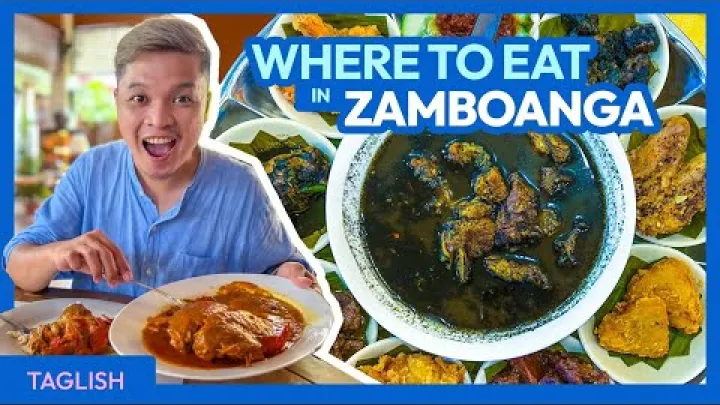
A practical Zamboanga budget starts with daily local spending, not only airfare. Zamboanga City can be good value for private rooms, local meals, cultural sights, and short city trips, but costs rise quickly when you add island boats, private transport, seafood meals, or regional side trips. This guide breaks down typical Zamboanga travel budget ranges for accommodation, food, local transport, attractions, shopping, and cash planning. Use the estimates as planning ranges, then check current hotel rates, menus, fares, schedules, and access rules before you travel.
Zamboanga Budget at a Glance
For most visitors, Zamboanga is not expensive by major resort-destination standards, but it is not automatically cheap if you travel solo and book private transport or boat-based activities. The easiest way to control your trip cost is to separate ordinary city days from higher-cost day trips.
Daily Budget Ranges for Budget, Mid-Range, and Comfortable Travel
As a working estimate, budget travelers can plan around ₱1,200–₱1,800 per person per day in Zamboanga after arrival. A mid-range traveler may spend around ₱2,000–₱3,500 per day, while a comfortable traveler using better hotels, taxis, signature meals, or private arrangements may spend ₱4,000–₱6,000 or more per day.
![Preview image for the video "Zamboanga Peninsula 🇵🇭 [EP.01] | ZAMBOANGA CITY | DIY Solo Budget Travel Itinerary".](/sites/default/files/styles/media_720x405/public/oembed_thumbnails/2026-06/rTB-4wyRwi7ZdnDdq8qyiTLBuc1qrxPDxuLf95R9DPQ.jpg.webp?itok=5TvAvHVQ "Preview image for the video \"Zamboanga Peninsula 🇵🇭 [EP.01] | ZAMBOANGA CITY | DIY Solo Budget Travel Itinerary\".")
These figures exclude flights to Zamboanga, major shopping, travel insurance, extra baggage, and unusually expensive private tours. They are local spending estimates for accommodation, meals, city transport, ordinary sightseeing, and small snacks or drinks. For broad Philippines backpacking context, Gigasure places a comfortable backpacker budget in the Philippines around the low thousands of pesos per day, which is a useful comparison point but should be adjusted for your Zamboanga itinerary.
| Travel style | Daily total | Accommodation | Food | Transport | Activities |
|---|---|---|---|---|---|
| Budget | ₱1,200–₱1,800 | Simple shared private room or low-cost room | Carinderias, bakeries, local meals | Jeepneys, short tricycle rides | Mostly city sights |
| Mid-range | ₱2,000–₱3,500 | Better private room or business hotel | Local meals plus one nicer stop | More taxis or tricycles | One paid experience or shared day trip |
| Comfortable | ₱4,000–₱6,000+ | Higher-comfort hotel | Signature meals and seafood | Taxis, arranged transfers, private transport | Island or nature trips with extras |
What the Daily Budget Includes and Excludes
The daily budget in this guide means local spending after you arrive in Zamboanga City. It includes your room, ordinary meals, local transport, basic sightseeing, snacks, drinking water, and small incidental payments.
It does not include Manila to Zamboanga flights, ferry access from another region, travel insurance, large pasalubong purchases, upgraded baggage, or multi-day travel before and after Zamboanga. This separation matters because flights can change the full trip total far more than a meal or a short city ride.
Group size also changes the numbers. A solo traveler paying ₱1,600 for a simple private room spends the full ₱1,600 alone. Two friends sharing the same room spend ₱800 each before food and transport. The same logic applies to tricycles, taxis, boats, guides, and private vans.
The Main Cost Drivers in Zamboanga
The biggest cost drivers are accommodation, seafood or signature meals, private transport, island boat arrangements, outlying day trips, and shopping. Local meals and city sightseeing can be inexpensive, but a single nature day or boat trip can raise the average for the whole stay.
Fixed costs are especially important. A boat, taxi, guide, or van often costs nearly the same whether one person or several people use it. This makes Zamboanga easier to budget for couples, families, and small groups than for solo travelers who want many private excursions.
Room prices can also shift with weekends, public holidays, local events, business travel demand, and last-minute availability. To keep costs lower, choose more city-based sights, eat local for most meals, share fixed costs when appropriate, and reserve a separate budget for special experiences.
Currency, Cash, and Payment Planning
Zamboanga uses the Philippine peso. International visitors should build the trip in pesos first, then convert into their home currency using a current exchange rate.
Using Philippine Pesos and Simple Exchange-Rate Estimates
The official exchange-rate table from the Bangko Sentral ng Pilipinas is a useful reference for Philippine peso to US dollar movements. Recent rates often place the peso in the mid-50s per US dollar, but exchange rates change, so treat any conversion as an estimate.
For quick mental planning, you can roughly think of ₱500 as a small meal-and-transport amount, ₱1,000 as a useful daily cash block, and ₱3,000 as a mid-range local spending day for many travelers. If the exchange rate is around ₱55 to US$1, then ₱500 is about US$9, ₱1,000 is about US$18, and ₱3,000 is about US$55. Check the current rate before you withdraw or exchange money.
Cash, Cards, ATMs, and Small Payments
Plan to use cash for small transport, market purchases, street food, carinderias, bakeries, sari-sari stores, tips, and minor terminal or entrance payments. Larger hotels, malls, and established restaurants may accept cards, but do not assume every business will do so.
ATMs are useful, but fees can add up. Your home bank may charge a foreign withdrawal fee, and the local ATM may also charge a service fee. If you withdraw many small amounts, those fees become a hidden travel cost.
Carry small bills for jeepneys, tricycles, snacks, and short purchases. Keep your main cash reserve separate from the money you carry for the day, and keep an emergency card or reserve fund in a different place from your daily wallet.
Accommodation Costs in Zamboanga City
Zamboanga City accommodation is usually based around private rooms, pension houses, simple hotels, and business-style properties rather than a large hostel dormitory scene. Your room choice will often be the largest daily cost.
Budget Hotels and Simple Guesthouses
Budget lodging in Zamboanga usually means a simple private room, pension house, or basic hotel. Hotel aggregators show that low-cost rooms can be available, especially when booked early or on less busy dates. For example, Momondo has listed low recent Zamboanga City room prices, but exact rates depend on date, availability, room type, and booking channel.
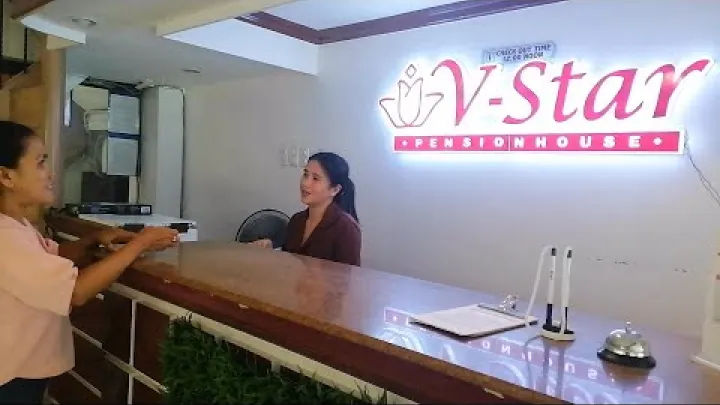
Cheaper rooms may come with trade-offs. You may give up central location, room size, breakfast, strong Wi-Fi, flexible cancellation, newer facilities, or easier access to restaurants and transport. Check whether the room has air conditioning, a private bathroom, clear security arrangements, and a location that fits your itinerary.
Couples or friends can make budget accommodation much cheaper per person by sharing a private room. Solo travelers should compare the total price carefully because the lack of a large dorm market can make the nightly room cost feel higher than expected.
Mid-Range Hotels and Better-Value Upgrades
A mid-range hotel can be a strong value in Zamboanga if it reduces transport friction, includes breakfast, offers better service, or places you closer to the city center, airport corridor, malls, waterfront, or restaurants. The cheapest room is not always the cheapest day if it forces repeated private rides.
| Room example | Solo cost | Cost for two people | Budget lesson |
|---|---|---|---|
| ₱1,400 room | ₱1,400 each | ₱700 each | Good for sharing |
| ₱2,400 room | ₱2,400 each | ₱1,200 each | Can be reasonable if central |
Before booking, compare the total price including taxes, service charges, breakfast, payment terms, and cancellation rules. A slightly higher room rate may be worthwhile if it saves time and repeated tricycle or taxi costs.
When Room Prices Can Rise or Fall
Room prices can shift with booking date, room availability, local events, holidays, school breaks, and business travel. Flexible travelers should test different arrival days and lengths of stay before committing.
A practical workflow is simple: search flexible dates, compare map location, check inclusions, read recent reviews, compare direct hotel rates with booking platforms, and then book the option with the best total value. If your dates fall around holidays, festivals, or major local events, book earlier rather than waiting for last-minute discounts.
Food and Drink Costs in Zamboanga
Food can be one of the easiest categories to control in Zamboanga. Local meals keep costs low, while seafood, cafes, alcohol, and well-known restaurants can move you into a mid-range or comfortable daily budget.
Cheap Local Meals, Carinderias, and Breakfasts
Low-cost eating options include carinderias, bakeries, local breakfast spots, rice meals, food stalls, and simple eateries. Travelers can often keep meals affordable by eating local breakfasts and lunches, then saving one meal for a special restaurant.
Zamboanga food-price data from Numbeo can give a rough baseline for staples such as rice and eggs, but user-submitted cost data should not be treated as a fixed menu. Menu prices change by restaurant, portion size, location, and date.
Affordable local food experiences may include satti, Tausug snacks, baked goods, rice meals, and simple noodle or grilled dishes. If you are on a tight food budget, limit cafe-style drinks, imported snacks, and premium seafood stops.
Signature Restaurants and Seafood Splurges
Many travelers want to budget for Zamboanga food experiences such as curacha, Alavar-style seafood, Tausug meals, kahawa Sug, bangbang Sug, and knickerbocker. These can be memorable, but they should be treated as planned splurges rather than everyday meals if you are trying to control costs.
Seafood and restaurant platters are often easier to manage when shared. A dish priced by weight or served as a large platter can be expensive for one person but reasonable for a group. If menu prices are not displayed clearly, ask before ordering.
A useful mid-range strategy is to eat a simple breakfast, choose a local lunch, and reserve dinner for one signature meal. This keeps the full day more predictable while still allowing you to experience Zamboanga cuisine.
Groceries, Snacks, Alcohol, and Seafood Seasonality
Supermarkets, public markets, bakeries, and sari-sari stores can reduce daily spending on water, fruit, bread, breakfast items, and snacks. This is especially useful if your hotel does not include breakfast or if you have an early island or nature trip.
Imported snacks, convenience foods, cafe drinks, and alcohol can raise your daily total more than expected. Alcohol is optional, but if you drink every evening, add it as a separate line in your food budget.
For a simple daily food ladder, tight travelers can aim for mostly local meals and snacks, comfortable local travelers can add one restaurant meal, and food-focused travelers should set aside more for seafood and specialty dishes. The BFAR notes an annual sardines closed fishing season in waters including the Basilan Strait, East Sulu Sea, and Sibuguey Bay from December 1 to March 1 for conservation. This is a narrow seafood availability factor, not a reason to assume all seafood will become expensive.
Local Transport and Day-Trip Transport Costs
Transport inside Zamboanga City can be inexpensive when you use public or short-distance options. Costs rise when you use private rides repeatedly, travel with luggage, go out late, or visit distant attractions.
Getting Around the City by Jeepney, Tricycle, and Taxi
Jeepneys are usually the lowest-cost option for ordinary city movement if the route fits your plan. Tricycles are more flexible for short trips, while taxis are useful for comfort, luggage, late arrivals, or direct transfers.
Because current local fare evidence can be limited, avoid building your budget on a single exact fare. Instead, keep a small daily transport allowance and confirm tricycle fares before starting the ride. If a posted fare guide is available at a terminal or public area, use it as a reference.
To save money, group nearby sights into one outing. For example, a city day can combine Fort Pilar, the National Museum of the Philippines – Zamboanga, Paseo del Mar, nearby restaurants, and mall stops instead of crossing the city several times.
Airport, Port, and Short Transfer Budgeting
Zamboanga International Airport, the port area, Paseo del Mar, and hotel transfers are common transport points. Your cost depends on distance, luggage, arrival time, weather, and whether you choose a tricycle, taxi, or arranged transfer.
Set aside an arrival and departure buffer instead of assuming every transfer will cost the minimum possible fare. This is especially helpful if you arrive at night, have several bags, or stay far from the center.
A farther hotel can look cheaper per night but cost more in transfers and time. If you plan to visit Fort Pilar, Paseo del Mar, SM Mindpro, central restaurants, and the port, a central or well-connected base may produce a lower total trip cost.
Basilan and Regional Side Trips as Budget Items
Basilan side trips are separate budget items, not ordinary city sightseeing. A trip toward Lamitan Port or Isabela City, Basilan can add ferry tickets, port procedures, local ground transport, possible guide costs, meals, schedule buffers, and return-trip risk.
As a broad baseline, Rome2rio lists Zamboanga City to Basilan Island transport combinations with estimated costs and travel time, but travelers should verify current ferry schedules, ticket classes, local transport prices, and port procedures directly before making plans.
Also check current official travel advisories and local guidance before adding Basilan or other regional side trips. Conditions, schedules, and local access requirements can change, and a missed return connection can turn a cheap side trip into an expensive one.
Attraction and Activity Costs
Zamboanga has several low-cost cultural stops, but signature island and outlying nature trips can change the budget. Always budget the full day, not only the entrance fee.
Free and Low-Cost Cultural Sights
Fort Pilar and the National Museum of the Philippines – Zamboanga are core cultural anchors in the city. The National Museum of the Philippines identifies NMP – Zamboanga as the historic Fort Pilar, a National Cultural Treasure.
Nearby plazas, waterfront walks, Paseo del Mar, and city cultural stops can fill a low-cost day. The main costs are usually transport, snacks, drinks, and souvenirs rather than expensive admission.
Yakan Weaving Village is another cultural and shopping stop where your spending depends largely on whether you buy textiles. Before visiting any cultural site, check current opening hours, access rules, and any applicable fees.
Great Santa Cruz Island and Boat-Sharing Costs
Great Santa Cruz Island is one of Zamboanga’s signature experiences, but it should be budgeted separately from an ordinary city day. The total cost can include boat arrangements, permits, environmental or access fees, food, cottage or shelter use, and transport to the jump-off point around Paseo del Mar.
The most important cost variable is group size. If a boat or arranged trip has fixed costs, a solo traveler pays far more per person than a group. Two, four, or six people sharing the same fixed cost can reduce the per-person total significantly.
Do not rely on old boat, terminal, or environmental fee posts as current prices. Managed-island policies can change, so verify booking procedures, allowed visiting days, fees, capacity rules, and weather-related access before you commit.
Nature Trips, Waterfalls, and Outlying Attractions
Nature trips around Zamboanga can be excellent, but the transport often costs more than the entrance fee. Merloquet Falls, the Vitali district, and Pasonanca-area attractions may require vans, habal-habal rides, taxis, arranged transport, or careful return planning.
These trips are usually better for mid-range budgets or groups unless shared transport is easy to arrange. A solo traveler may find that a low entrance fee still becomes expensive after paying for private transfers or waiting time.
Before committing to an outdoor day, check road conditions, weather, local access rules, and return transport. Rain, rough roads, or limited late-day transport can affect both safety and cost.
Souvenirs, Pasalubong, and Market Spending
Souvenirs are optional, but they are a common reason travelers exceed their Zamboanga budget. Canelar Barter Trade Center, Yakan textiles, local food gifts, woven goods, and small pasalubong items can be tempting.
Set a shopping limit before visiting markets or weaving areas. Textile prices vary by material, size, design, and vendor, so avoid assuming one fixed price for all items.
Also consider luggage space and airline baggage allowance. Heavy pasalubong can create extra baggage costs, especially if you are flying onward from Zamboanga International Airport.
Choosing a Base and Building Sample Budgets
Your base affects accommodation price, transport cost, food access, and how easy it is to join tours or reach departure points. Think in terms of total daily cost, not room price alone.
City Center as the Default Budget Base
For first-time visitors, a city-center or well-connected Zamboanga City base usually minimizes transport friction. It can give easier access to Fort Pilar, Paseo del Mar, SM Mindpro, restaurants, the port, and airport transfers.
A slightly higher room rate may be better value if it reduces repeated private rides. It can also make it easier to return to your room between activities, find meals at different prices, and handle early departures.
When choosing a base, consider price, safety, access, payment reliability, recent reviews, and how you will move around with luggage. The lowest nightly rate is not always the best travel budget decision.
Outlying Districts, Rural Attractions, and Resort-Style Choices
Outlying districts and rural areas can be quieter and may offer lower room prices, but they can also mean fewer food choices and higher transfer costs. Resort-style choices may provide comfort, but you should check whether they match your itinerary or create extra travel time.
| Base type | Best for | Budget risk |
|---|---|---|
| Central city | Culture, food, port, short stays | Higher room price on busy dates |
| Outlying area | Quiet stays, specific attractions | More transfers and fewer meal options |
| Nature-focused base | Waterfalls, rural scenery, slow travel | Return transport and weather delays |
| Comfort hotel or resort-style stay | Rest, convenience, family travel | Higher nightly rate and paid extras |
If your trip is mainly city culture and food, stay central. If your trip is mainly a waterfall or rural attraction, calculate the transport savings before choosing a distant base. If your goal is comfort, treat the room as part of the experience rather than only a place to sleep.
Sample Two-Day, Three-Day, and Comfortable Trip Budgets
These sample budgets exclude flights and long-distance access. They are rounded planning examples, so update them with current hotel prices, menus, ferry schedules, and activity fees.
| Trip type | Sample local total | What it includes |
|---|---|---|
| Two-day city-focused trip | ₱2,400–₱3,600 per person | Budget room share or simple room, local meals, city transport, cultural sights |
| Three- or four-day balanced trip | ₱6,000–₱14,000 per person | Mid-range daily spending, city sights, one paid or shared experience, some restaurant meals |
| Comfortable trip | ₱4,000–₱6,000+ per day | Better hotel, taxis or arranged transfers, signature meals, higher-cost activities |
For Santa Cruz Island, tricycles, taxis, private vans, and tours, group size changes the final number. A solo traveler should add a buffer for fixed costs, while two or more travelers can divide many of the same expenses.
Money-Saving Tactics and Final Price Checks
The best savings in Zamboanga usually come from planning the large and fixed costs well. Cutting a small snack may save less than sharing a boat, choosing a better-located hotel, or avoiding last-minute private transport.
Share Fixed Costs for Boats, Tricycles, Taxis, and Tours
Shared fixed costs are one of the biggest Zamboanga budget advantages. Boats for Great Santa Cruz Island, tricycles, taxis, guides, private vans, and some day-trip arrangements become cheaper per person when shared safely and clearly.
For example, if an arranged ride or boat cost is fixed, two travelers pay half each, and four travelers pay one quarter each. The actual price must be checked locally, but the cost logic is the same.
Only share arrangements when it is safe, appropriate, and agreed in advance. Confirm the total price, what is included, waiting time, return plan, and payment method before leaving.
Time Bookings and Meals to Control the Largest Expenses
Book accommodation early when your dates are fixed, especially around holidays, school breaks, festivals, and busy local periods. Compare room inclusions before choosing, because breakfast, central location, or flexible cancellation can be worth paying for.
For food, use a simple balance: local breakfasts and lunches, one or two signature meals, and limited alcohol if you are saving money. This lets you enjoy Zamboanga food without turning every meal into a splurge.
Avoid last-minute private transport when possible. If you know you need an early transfer, island trip, or nature excursion, ask about options in advance and compare the full cost, not only the first quoted fare.
Final Price-Check Checklist Before You Go
Before traveling, check the hotel total, taxes, cancellation terms, airport or port transfer options, current menus, Santa Cruz Island procedures, boat or permit fees, day-trip transport, ferry schedules, attraction hours, and cash needs.
- Confirm your room price and whether breakfast is included.
- Set an arrival and departure transfer buffer.
- Check current food prices for any restaurant you are planning around.
- Verify Great Santa Cruz Island booking rules, fees, and weather access.
- Confirm ferry schedules and local guidance for Basilan or other regional side trips.
- Add a contingency buffer for ATM fees, fare changes, delays, and private transport.
The practical takeaway is simple: Zamboanga can be budget-friendly when you plan around accommodation, local food, and shared transport. Keep city days low-cost, treat island and nature trips as separate budget items, and update prices before you go.
Frequently Asked Questions
How much money should I budget per day in Zamboanga?
Plan around ₱1,200–₱1,800 per day for budget travel, ₱2,000–₱3,500 for mid-range travel, and ₱4,000–₱6,000 or more for a comfortable style. These estimates exclude flights and major shopping.
Is Zamboanga cheaper than major Philippine resort destinations?
It can be cheaper for private rooms, local meals, and city sightseeing. However, island trips, private transport, seafood meals, and solo fixed costs can raise the daily average.
Do I need cash in Zamboanga?
Yes. Carry cash for jeepneys, tricycles, markets, small eateries, snacks, tips, and minor fees. Cards may work at larger hotels, malls, and established restaurants, but payment options should be checked.
How much extra should solo travelers set aside for island or nature trips?
Solo travelers should add a flexible buffer because boats, taxis, guides, and private transport are often fixed costs. The exact amount depends on the activity, but sharing with others can reduce the per-person cost sharply.
Are flights included in the daily Zamboanga budget estimates?
No. The daily estimates cover local spending after arrival in Zamboanga. Flights, long-distance ferries, insurance, extra baggage, and pre-trip transport should be budgeted separately.
Which Zamboanga prices should I verify before traveling?
Verify hotel totals, airport or port transfer costs, restaurant menus, Santa Cruz Island rules and fees, day-trip transport, ferry schedules, attraction hours, ATM fees, and current cash needs.
Select area
Create a post
Posting is free and no registration is required.