Zamboanga Best Time to Visit: Weather by Month

The Zamboanga best time to visit is generally January to April, with February and early March often offering the strongest mix of lower rainfall, clearer skies, and manageable travel conditions. Zamboanga City is warm and humid all year, so timing your trip is less about finding cool weather and more about reducing rain, storm disruption, and rough sea conditions. This guide explains the dry and rainy seasons, the month-by-month feel, and the best timing for beaches, city sightseeing, culture, hiking, and budget travel. Weather averages are useful for planning, but always check current forecasts and local advisories close to your travel dates.
Best Time to Visit Zamboanga at a Glance
For most visitors, the safest planning choice is to aim for the drier part of the year and keep some flexibility for tropical showers. The table below gives a quick overview before the detailed seasonal guide.
| Period | Best for | Planning note |
|---|---|---|
| January to April | First-time visits, beaches, island trips, city walks | Most reliable general window, especially February to early March |
| May | Flexible trips, value-focused travel | Hotter and more transitional, with showers becoming more likely |
| June | Flexible city stays | Wetter pattern often begins, so plan outdoor days carefully |
| July to October | Travelers with flexible schedules | Highest planning risk because of wetter weather and tropical cyclone influence |
| November to December | Holiday atmosphere, flexible sightseeing | Improving conditions, but not as reliable as February to April |
Overall Best Months
The overall best months to visit Zamboanga are typically January to April. Within that window, February and early March are usually the strongest choices for travelers who want lower rainfall, more sunshine, and better odds for outdoor activities. These months are especially useful if you are planning a short trip and cannot easily move beach, island, or sightseeing days.
Even in the best season, Zamboanga remains tropical. Expect heat, humidity, and the possibility of short rain showers. The advantage of the core dry months is not guaranteed perfect weather, but a better chance of clearer skies and fewer rain-related interruptions.
Good Shoulder Months
May, November, and December can work well for travelers who are flexible. May is often hot and transitional, so it can feel more uncomfortable during the day even when there are sunny periods. November and December may bring improving weather, but rain and storm-related uncertainty can still occur, especially earlier in the period.
These shoulder months may suit travelers who want a livelier local atmosphere, more date flexibility, or possible value outside the most convenient holiday weeks. The trade-off is less predictable weather than February or March.
Months to Approach With More Flexibility
July to October is the period that needs the most flexible planning. This does not mean Zamboanga is impossible to visit, but it is the time when heavy rain, cloudier skies, tropical cyclone influence, and rougher sea conditions can affect plans more often.
If you travel during these months, choose refundable or changeable bookings where possible. Add buffer days before important flights or boat trips, and check official weather updates frequently. The practical risks are not only rain during sightseeing, but also delayed transport, cancelled marine activities, and reduced visibility for scenic trips.
Zamboanga Weather and Climate Basics
Zamboanga sits in the southern Philippines on the Zamboanga Peninsula, with Zamboanga City facing coastal conditions linked to the Sulu Sea. The climate is tropical, so warmth and humidity are constants throughout the year.
Dry Season, Rainy Season, and Transition Months
The Philippines is commonly described as having a dry season around December to May and a rainy season around June to November. PAGASA explains the broad national climate pattern, including warm temperatures, high humidity, and seasonal rainfall differences. Local conditions can vary, so national season dates should be treated as a framework rather than an exact rule for every city.
For practical Zamboanga planning, January to April is generally the relatively drier period, while June to October is usually wetter. May and November are transition months. Rain can still happen in the dry months, and dry or sunny breaks can still occur in the rainy months. This is why climate averages help with choosing dates, but daily forecasts matter for final decisions.
Heat and Humidity
Zamboanga is warm to hot throughout the year, with only modest seasonal temperature changes. The air can feel hotter than the temperature suggests because humidity slows cooling and makes walking or waiting outdoors more tiring.
Heat-sensitive travelers, families with children, and older visitors should plan early starts, shaded breaks, and slower afternoons. Drink water often, use sun protection, and choose lightweight breathable clothing. May and the early rainy-season months can feel especially heavy because heat and moisture combine.
Typhoon and Heavy Rain Risk
The Philippines has a tropical cyclone season, and PAGASA identifies July through October as the national peak period for typhoon development. Zamboanga is not affected in exactly the same way as the most exposed eastern and northern parts of the country, but storms and weather systems can still influence rain, wind, sea conditions, and transport.
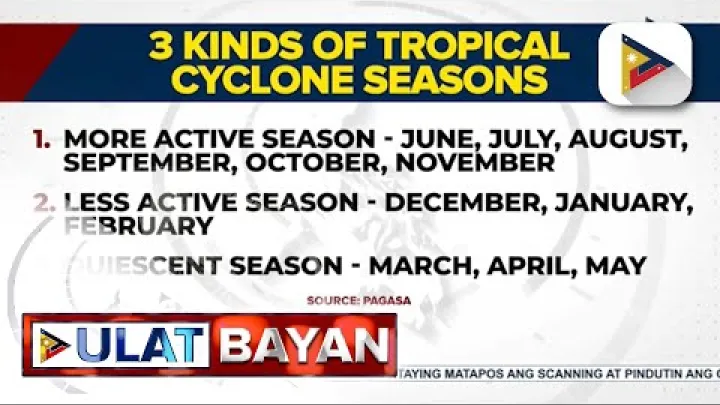
If you plan to travel from June to November, and especially from July to October, check PAGASA bulletins and local advisories before flights, boat trips, and remote excursions. Historical averages cannot predict an individual storm, so live information should guide your final plans.
Coast, Islands, and Inland Conditions
A city stay in Zamboanga City, a coastal day on the Sulu Sea, and an inland excursion in the wider Zamboanga Peninsula can feel different even in the same week. In the city, rain mainly affects walking comfort, traffic timing, and outdoor sightseeing. Along the coast or on island trips, wind, swell, rain, and visibility matter more than water temperature, because the sea is generally warm in tropical conditions.
For inland or rural excursions, wet-season rain can affect trail comfort, road travel time, visibility, and schedule reliability. Avoid assuming that a city forecast fully explains conditions on the water or in rural areas. Ask local operators about current access, sea state, and route conditions before committing to a long day outside the city.
Month-by-Month Feel in Zamboanga
Month-by-month climate summaries are useful for choosing travel dates, but they should not replace a current forecast. Zamboanga-specific climate summaries from Climates to Travel describe a hot tropical climate with a relatively dry season from January to April and a rainier period from June to October.
| Month | Typical feel | Travel advice |
|---|---|---|
| January | Warm, often becoming drier | Good for city walks and outdoor plans |
| February | Often one of the driest, clearest months | Excellent general choice |
| March | Dry but hotter | Good for beaches and island trips with heat planning |
| April | Sunny and hot | Good weather odds, but avoid midday heat |
| May | Very warm, more transitional | Flexible plans and sun protection are important |
| June | Wetter and cloudier in many years | Keep backup plans for rain |
| July to October | Wettest and highest weather-risk period | Use flexible bookings and monitor advisories |
| November | Improving but still variable | Possible, with weather flexibility |
| December | Generally improving and festive | Book early around holidays |
January to April
January to April is the core best-weather period for most visitors. January is often slightly more comfortable than later dry-season months and can become increasingly dry. February is usually the strongest all-round month for clearer skies and lower rainfall. March remains favorable but feels hotter, while April can be sunny and useful for outdoor plans if you manage the heat.
This period is the best fit for first-time travelers, city sightseeing, beaches, and island trips. It is also the best period if you have limited time and want to reduce the chance of rain disrupting several days in a row.
May and June
May is mainly a heat and transition month. It can still offer usable weather windows, but daytime conditions may feel intense, and showers can become more frequent. Plan active sightseeing early in the morning and rest during the hottest part of the day.
June often marks a move toward wetter and cloudier conditions. It can still work for city stays and flexible travelers, but it is less ideal for a trip built around beaches, boat rides, or long outdoor excursions. Bring rain protection and avoid overloading your schedule.
July to October
July to October is the wettest and highest weather-risk part of the year for planning purposes. Expect a greater chance of frequent showers, overcast periods, heavier rain episodes, and weather systems that can affect outdoor and marine plans. Not every day will be rainy or stormy, but the odds of disruption are higher.

If you visit during this period, build in buffer days and keep indoor alternatives ready. Choose flexible hotel and transport arrangements when possible. Check official advisories before island trips, coastal activities, and long travel days.
November and December
November is a transition month. Conditions may improve compared with the wettest months, but storm risk and rain uncertainty have not fully disappeared. It can be a reasonable choice for flexible travelers who are not depending on perfect beach weather.
December generally feels more promising and can have a festive atmosphere, but it is not as reliable as February to April for weather. Christmas, New Year, and related travel periods can also affect availability, so book earlier if you plan to arrive around major holidays.
Best Time by Travel Style
The best season for Zamboanga depends on what you want to do. A city-focused trip can tolerate more weather variation than a trip that depends on boats, beaches, or long rural excursions.
Beaches, Swimming, and Island Trips
For beaches, swimming, and island trips, late January to April is the best general window, with February and March especially strong. The main advantage is a better chance of sunshine, lower rain, and more dependable outdoor conditions.
Sea water is generally warm year-round, so the key seasonal issue is not cold water. The more important factors are rain, wind, swell, visibility, and boat comfort. Always confirm conditions with local boat operators before committing to an island or coastal day, even during the dry season.
City Sightseeing, Food, and Culture
For city sightseeing, food exploration, markets, and cultural visits, January to March is usually the most comfortable period. Rain interruptions are typically lower, and the heat is often easier to manage than in the hotter transition months. Still, plan outdoor walks early or late in the day, and use shaded routes or short transport hops when needed.
November and December may appeal if you want a livelier holiday feel, but weather can be more variable than in the core dry period. If your trip depends on a specific public celebration, check current city tourism pages, accommodation notices, and official event calendars before booking because dates and arrangements can change.
Hiking, Rural Excursions, and Eco-Tourism
For hiking, rural excursions, and eco-tourism in the Zamboanga Peninsula, February to early April is generally the safest seasonal choice. Trails and rural routes are more likely to be dry, and visibility is often better. April can be hotter, so begin early and carry enough water.
The wet season can make landscapes greener, but it can also bring mud, slippery paths, reduced visibility, and schedule disruptions. For long or remote outdoor activities, local advice should override a general seasonal guide. Avoid committing to demanding excursions during heavy-rain periods unless local operators confirm that conditions are suitable.
Budget Travel
The cheapest time to visit Zamboanga is not always the best weather time. Prices can change with holidays, events, airline demand, accommodation supply, and national travel periods. Wetter or shoulder months may sometimes offer better value, but only if you are comfortable with heat, rain, and flexible plans.
February or March can be a strong compromise for some travelers because the weather is often favorable while demand may be less intense than the busiest holiday weeks. However, rates are never guaranteed. Compare flexible dates, check cancellation terms, and book earlier for travel around Christmas, New Year, Holy Week, and major Philippine holidays.
Practical Packing and Planning Tips by Season
Packing for Zamboanga is mainly about heat, humidity, rain protection, and practical footwear. You rarely need cold-weather clothing for the city itself.
What to Wear in Hot and Humid Weather
Choose lightweight, breathable clothing that dries quickly. A sun hat, sunglasses, comfortable walking shoes or sandals, and suitable sunscreen are useful throughout the year. If you plan beaches or marine activities, consider water-friendly footwear and sun protection that is appropriate for coastal environments.
Evenings are usually warm, so heavy layers are unnecessary for most city stays. Pack a modest outfit option for cultural or religious sites, formal meals, or situations where more covered clothing is respectful.
Rain Logistics for City Stays
For city travel, bring a compact umbrella or a light rain jacket, especially from May to November. A small waterproof pouch or dry bag helps protect phones, documents, and electronics. Footwear that can handle wet streets is more practical than delicate shoes.
During wetter months, schedule outdoor sightseeing in the morning when possible and keep indoor options for the afternoon. Allow extra time for taxis, short transfers, and last-minute changes. A rainy hour does not need to ruin a city day if your schedule is not too tight.
Planning Boat Trips and Outdoor Days
For island trips, coastal activities, and outdoor excursions, confirm schedules and weather conditions with local providers before you go. Forecast checks are especially important from June to November and during any active storm system.
Do not place an important flight, ferry, or long transfer immediately after a weather-sensitive excursion during the rainy season. If official warnings are issued, seas are rough, or operators cancel trips, postpone rather than trying to force the plan. Local safety decisions should come first.
Crowds, Prices, and Local Events
Weather is only one part of choosing when to visit Zamboanga. Holidays, school breaks, airline schedules, and local events can affect the feel of the city and the availability of flights and rooms.
Holiday and High-Season Travel
Christmas, New Year, Holy Week, and major Philippine holidays can increase domestic travel movement across the country. Zamboanga may not follow the same crowd pattern as larger resort destinations, but availability can still tighten around important travel periods.
If you plan to visit in December, early January, or a holiday week, book flights and accommodation earlier than you would for a flexible weekday trip. This is especially important if you need specific dates, a particular hotel location, or convenient arrival times at Zamboanga International Airport.
How to Check Events Before Booking
Before choosing final dates, check current city tourism pages, official event calendars, airline schedules, and accommodation notices. Event dates and public arrangements can change from year to year, and they may affect hotel availability, traffic, and the overall mood of the city.
If culture is a main reason for your visit, plan around verified current events rather than relying only on old festival listings. If weather is your top priority, choose the dry-season window first, then check whether any events or holidays fall within your preferred dates.
Final Recommendation for Visiting Zamboanga
For most travelers, the best time to visit Zamboanga is January to April, especially February and early March. This period gives the best general chance of lower rainfall, clearer skies, and smoother plans for city sightseeing, beaches, island trips, and outdoor excursions.
May, November, and December can be good alternatives if you are flexible and understand the trade-offs. July to October needs the most caution because wetter conditions and the national tropical cyclone peak can affect rain, seas, and transport. Whatever month you choose, treat climate averages as planning guidance, then check current PAGASA updates, local advisories, and operator guidance before important outdoor or marine activities.
Select area
Create a post
Posting is free and no registration is required.