Bacolod Travel Guide: Where to Stay, Eat, and Explore
This Bacolod travel guide is for first-time visitors who want a practical, honest overview of the city and nearby Negros Occidental. Bacolod is often associated with food, festivals, heritage, and warm city life rather than a classic beach-resort holiday inside the city. It works well as a short cultural stop, a food-focused weekend, or a base for exploring nearby places such as Talisay, Silay, Iloilo, Guimaras, and other parts of Negros Island. This guide covers when to go, how to arrive, where to stay, what to do, what to eat, and how to plan your days without depending on unverified schedules or fixed prices.
Why Visit Bacolod?
Bacolod is a practical and enjoyable city for travelers who like regional food, heritage architecture, relaxed urban exploration, and onward travel across the Visayas. It is not a destination where the main appeal is a white-sand beach in the city center, so expectations matter. Visit Bacolod for its local flavor, easy access to nearby heritage towns, and a slower city rhythm compared with larger Philippine gateways.
What Bacolod Is Best Known For
Bacolod is a city on Negros Island in the central Philippines and one of the most useful bases for exploring Negros Occidental. For many travelers, its identity is shaped by chicken inasal, sugar-linked sweets, heritage sites, and the festive atmosphere associated with the MassKara Festival.
The city is widely known by the phrase City of Smiles. Visitors often connect that identity with friendly service, casual dining, and an approachable urban atmosphere, but it is best understood as a civic identity rather than a guarantee of every travel experience. Like any city, Bacolod has busy roads, practical logistics, and changing local conditions.
What makes Bacolod rewarding is the mix of everyday city life and regional culture. You can visit Bacolod Public Plaza and San Sebastian Cathedral, eat grilled chicken with garlic rice, buy piaya or napoleones, and make short trips to The Ruins in Talisay or heritage houses in Silay.
How Bacolod Fits into a Philippines Itinerary
Bacolod fits best into a Visayas itinerary. Many travelers combine it with Iloilo by ferry, add Guimaras as a nearby island stop, continue overland within Negros toward Dumaguete, or connect more broadly with Cebu, Boracay, or other Philippine destinations.
For most first-time visitors, two to four days is enough for a balanced introduction. One day can cover food and a few city landmarks. Two or three days allow time for Talisay, Silay, cafes, local sweets, and a less rushed pace. A longer stay makes sense if you want to use Bacolod as a base for countryside trips, family visits, festival events, or remote work.
If your dream trip is mainly tropical swimming beaches, Bacolod should be a cultural and food stop rather than the beach center of the itinerary. If you enjoy local cities, heritage towns, and regional cuisine, it can be one of the more satisfying short stops in the central Philippines.
Best Time to Visit Bacolod
Bacolod is warm and humid throughout the year, so planning is usually about rain, heat, festivals, and transport reliability rather than major temperature changes. Weather can affect sea crossings, rural roads, and outdoor sightseeing, so build flexibility into your schedule.
Weather and Seasonal Planning
For outdoor sightseeing, heritage stops, and day trips, the generally drier part of the year is usually easier. You are more likely to enjoy walking around plazas, visiting The Ruins, exploring Silay, or taking rural excursions when there is less rain and better visibility.
During wetter periods, Bacolod can still be enjoyable if you focus on food, cafes, malls, bakeries, and flexible city activities. Keep a backup plan for indoor meals, pasalubong shopping, or rest time. Avoid building an itinerary that depends on perfect weather every day.
Before travel, check current weather forecasts and local advisories, especially if your plan includes ferry travel, mountain or highland areas, long overland trips, or rural sightseeing. Carry water, light clothing, sun protection, and a compact umbrella or rain jacket. Midday breaks are useful because heat and humidity can make short walks feel tiring.
MassKara Festival and Busy Travel Periods
The MassKara Festival is strongly associated with Bacolod and is one of the main reasons some travelers choose to visit. Festival periods can bring parades, performances, nightlife, road changes, and a lively city atmosphere. They can also mean crowds, traffic delays, and higher demand for accommodation.

If you are visiting for the festival, book accommodation early and choose your base carefully. Staying near your main activity areas can reduce transport stress. Confirm event schedules close to your travel dates because public programs and road arrangements can change.
Other busy travel periods may include Christmas, New Year, Holy Week, long weekends, and school holiday periods. During these times, it is wise to reserve rooms and transport earlier than you would for an ordinary weekday trip.
Best Months for Different Traveler Types
There is no single best month for every traveler. The right timing depends on whether you want easier sightseeing, festival energy, lower demand, or a food-centered city break.
| Traveler type | Best timing approach | Planning note |
|---|---|---|
| First-time sightseers | Choose generally drier periods when possible | Better for heritage stops and day trips |
| Festival travelers | Visit during major event periods | Book early and expect crowds |
| Food-focused travelers | Flexible year-round | Keep indoor dining options for rainy days |
| Budget-conscious travelers | Consider less busy periods | Availability may be easier outside holidays |
| Remote workers | Choose stable accommodation over season | Verify internet quality before booking |
How to Get to Bacolod
Bacolod is reached by air, sea, and overland travel within Negros Island. Because schedules, operators, terminals, and weather conditions can change, confirm current details close to your departure date.
Arriving by Air through Bacolod-Silay Airport
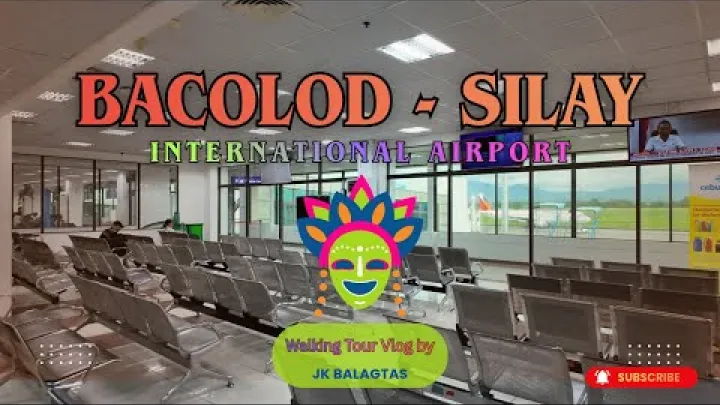
The main airport serving Bacolod is Bacolod-Silay Airport, located in Silay outside Bacolod city proper. This matters because you should plan an onward transfer rather than expecting to step directly into the city center.
Common transfer options may include taxis, vans, hotel-arranged transfers, and app-based options where available. Availability can vary by time of day, demand, and local operating conditions, so ask your accommodation for current advice before arrival if you are landing late or traveling with heavy luggage.
Allow buffer time between the airport and your first activity, especially if you have a hotel check-in, ferry connection, meeting, or dinner reservation. For a smoother arrival, prepare your hotel address, carry some cash in Philippine pesos, and keep valuables close while handling bags.
Arriving by Ferry from Iloilo and Nearby Islands
The Bacolod-Iloilo sea connection is a common regional route and one of the most practical ways to combine Bacolod with Iloilo and, with additional planning, Guimaras. This route is useful for travelers building a central Visayas itinerary without relying only on flights.

Ferry schedules, terminal assignments, ticketing rules, and operators should be checked near your travel date. Weather and sea conditions may affect services, so avoid planning extremely tight same-day connections if the next leg is important.
Arrive early at the correct terminal, keep your ticket and identification accessible, and protect valuables in crowded waiting areas. If you are traveling onward to Guimaras, confirm the current route from Iloilo separately rather than assuming a direct connection from Bacolod.
Overland Routes within Negros Island
Bacolod can also be reached overland from other parts of Negros Island, including routes that may connect with Dumaguete depending on current schedules and chosen transport. Buses, vans, and private transfers are common planning categories, but availability and comfort can vary.

Overland travel across the island can take time because distances, road conditions, stops, and winding sections affect the journey. If you are prone to motion sickness, prepare accordingly. If you have a flight or ferry after an overland trip, add extra time instead of depending on the fastest possible connection.
Check with bus terminals, transport operators, or your accommodation before departure. Bacolod works well as part of a wider Negros itinerary, but the best route depends on where you are coming from, how much luggage you have, and whether you prefer low cost, comfort, or flexibility.
Getting Around Bacolod
Most visitors use a mix of motorized transport and short walks. Bacolod has areas where walking is useful, but the city is not best experienced as one fully walkable tourist zone.
Taxis, Jeepneys, Tricycles, and Ride-Hailing
Taxis and ride-hailing services, where available, are usually easier for first-time visitors because they reduce the need to understand local routes. They are especially useful at night, during rain, when carrying luggage, or when going to a place outside your immediate area.
Jeepneys are a budget-friendly part of local transport, but routes can be confusing if you are new to the city or do not know the landmarks. They are best for travelers who are comfortable asking directions and allowing extra time. Tricycles may be useful for shorter local trips where they operate, especially in areas where larger vehicles are less convenient.
Carry small bills for local transport and small purchases. Before starting a ride, confirm whether the fare is metered, fixed, or agreed in advance. If you do not speak Hiligaynon, keep your destination written clearly on your phone and use maps to follow your general direction.
Walking, Traffic, and Daily Movement
Bacolod has walkable pockets around commercial areas, plazas, churches, malls, and dining streets, but most visitors will still use transport between areas. Heat, humidity, uneven sidewalks, rain, and traffic can make even moderate distances less comfortable than they look on a map.
Plan your day in clusters. For example, combine nearby downtown landmarks, then take transport to a restaurant or mall area, then use a separate trip for Talisay or Silay. This approach reduces backtracking and helps you avoid spending too much time in traffic.
Give yourself extra time for airport transfers, ferry departures, bus trips, festival activities, and restaurant meetups. If you plan to walk at night, first understand the area during the day, stay on well-used streets, and use reliable transport when you are tired or unsure.
Where to Stay in Bacolod
The best place to stay in Bacolod depends on your trip style. First-time visitors usually benefit from convenience, while repeat visitors or long-stay travelers may prefer quieter areas with more local rhythm.
Central Commercial Areas for First-Time Visitors
Central commercial areas are the easiest default choice for most first-time visitors. They usually place you near hotels, restaurants, malls, pharmacies, banks, supermarkets, transport options, and everyday services. This matters if you are arriving late, traveling with family, or using Bacolod as a base for day trips.
The trade-off is that commercial convenience can come with road noise, traffic, and a less traditional atmosphere. If you are sensitive to noise, choose accommodation slightly away from the busiest roads or ask for a quieter room location.
This type of base is best for travelers who want a simple trip: easy meals, easy transport, and quick access to services. It is also useful during festival or holiday periods when moving across the city can take longer.
Historic Downtown for Local Character
The historic downtown area near older civic and religious landmarks can offer a more local and budget-oriented experience. It may suit travelers who enjoy markets, street life, older buildings, and being close to places such as Bacolod Public Plaza and San Sebastian Cathedral.
Downtown can also be busy, noisy, and less polished than newer commercial zones. Sidewalks may be uneven, traffic can be intense, and some buildings may be older. These are normal urban trade-offs rather than reasons to avoid the area completely.
Choose downtown if you are comfortable with active Philippine city environments and want a stronger sense of everyday Bacolod. If you prefer quiet streets, newer hotels, and simple evening transport, a central commercial area may be easier.
Waterfront and Quieter Outer Areas
Some waterfront or near-water areas can be pleasant for sunset views, dining, or evening atmosphere. However, Bacolod’s urban waterfront should not be treated as a classic swimming beach destination. If swimming beaches are central to your trip, plan separate coastal or island time outside the city.
Outer or suburban areas can suit long stays, family visits, travelers with private transport, or people who want a quieter base. They may offer more space and less city noise, but they can be less convenient for short sightseeing trips.
| Base area | Best for | Main trade-off |
|---|---|---|
| Central commercial areas | First-timers, short stays, easy services | Traffic and road noise |
| Historic downtown | Local character, landmarks, budget stays | Crowds and older urban infrastructure |
| Waterfront or near-water areas | Dining, sunset atmosphere, evening walks | Not a beach-resort setting |
| Outer areas | Long stays, quiet, family visits | Less convenient without transport |
Best Things to Do in Bacolod
Bacolod rewards a simple approach: eat well, visit a few local landmarks, explore nearby heritage towns, and leave room for relaxed city time. Do not plan every hour around attractions far from each other.
City Landmarks and Cultural Stops
Bacolod Public Plaza and San Sebastian Cathedral are useful anchors for a city-center walk. They give first-time visitors a sense of the older civic and religious core without requiring a complicated itinerary.
City-center sightseeing in Bacolod is more human-scale than monumental. The value is in observing daily life, seeing public spaces, visiting churches respectfully, and understanding how the city functions. Dress and behave respectfully in religious spaces, keep your voice low, and avoid photographing people closely without permission.
You may also find museums, civic spaces, local streets, and small cultural stops depending on current opening arrangements. Check hours and access before making a special trip, especially on holidays, Mondays, or during local events.
The Ruins, Talisay, and Silay Heritage Houses
The Ruins in Talisay is one of the most recognized heritage-related stops near Bacolod. It is often included in first-time itineraries because it is close enough to pair with a city stay and visually distinct from the urban center.
Silay is another logical extension for travelers interested in heritage houses, architecture, and the history of sugar-era wealth in Negros Occidental. These places help explain the region beyond food and festivals, but they should be approached thoughtfully. Heritage buildings can be beautiful, while the economic systems behind them were complex and unequal.
Before visiting, check current access, opening arrangements, and whether guided tours are available. If you are using public transport or hired vehicles, confirm the return plan in advance so you are not stranded or rushed.
Food Experiences: Inasal, Sweets, and Local Cafes
Food is one of the strongest reasons to visit Bacolod. Chicken inasal is the city’s signature dish for many travelers: grilled chicken usually served with rice, dipping sauces, and a casual eating style. It is approachable, filling, and central to the Bacolod food experience.
Local sweets are also important. Piaya is a flat sweet pastry often associated with muscovado-style filling, while napoleones is a layered pastry with custard and sugar glaze. Both connect to the wider sugarcane identity of Negros and are common pasalubong, or gifts to bring home.
Try different layers of the food scene: carinderias for simple local meals, bakeries for sweets, pasalubong shops for take-home items, and modern cafes for slower breaks. Carry cash for small eateries, avoid peak meal times if you dislike waiting, and ask staff about popular dishes if the menu is unfamiliar.
Day Trips from Bacolod
Good day trips from Bacolod can be grouped by theme. Heritage-focused travelers can prioritize Talisay and Silay. Food-focused travelers can combine city meals with bakeries and pasalubong shops. Nature or countryside travelers can look into highland, coastal, or rural areas depending on current access and weather.
Iloilo and Guimaras are also common regional planning ideas, but they require ferry and onward transport coordination. Depending on schedules and your travel style, they may work better as overnight add-ons rather than rushed day trips.
Before committing to any rural, coastal, or sea-based excursion, check weather, transport, and site access. Day-trip feasibility depends on your transport mode, how early you start, how much you want to see, and how comfortable you are with long travel days.
Suggested Bacolod Itineraries
A good Bacolod itinerary should leave room for meals, traffic, weather, and unplanned discoveries. The city is more enjoyable when you do not treat it like a checklist.
One Day in Bacolod
With one day in Bacolod, keep the plan compact. Start with a simple city orientation around Bacolod Public Plaza and San Sebastian Cathedral if they fit your route. Then focus on a strong food experience, especially chicken inasal.
If time and transport allow, add one nearby heritage stop such as The Ruins in Talisay. Do not try to include downtown landmarks, Talisay, Silay, multiple cafes, shopping, and a ferry or airport connection all in the same short day.
End with a dessert or pasalubong stop for piaya, napoleones, or other local sweets. If you are arriving by flight or ferry, reduce the plan and allow time for check-in, luggage, meals, and traffic.
Two to Three Days in Bacolod
Two to three days is a good balance for most first-time visitors. Use the first day for arrival, city orientation, chicken inasal, and a relaxed cafe or sweets stop. This gives you time to understand the city before making longer trips.
Use the second day for heritage sites such as Talisay and Silay, depending on current access and transport. If you prefer a slower pace, choose one main area rather than trying to cover everything. Add a good dinner back in Bacolod.
On a third day, choose your priority: a nature or countryside trip, more food, festival events, shopping, or a rest day before onward travel. Festival travelers may replace some sightseeing with events. Remote workers or families may prefer fewer transfers and longer meal breaks.
Combining Bacolod with Iloilo, Guimaras, Cebu, or Dumaguete
Bacolod combines naturally with Iloilo when ferry schedules work for your dates. From Iloilo, many travelers also consider Guimaras as an island add-on. This combination can create a varied trip with city food, heritage, sea travel, and island scenery.
Dumaguete is a broader Negros itinerary possibility, usually involving overland planning. Cebu and Boracay can also fit into a longer Visayas route, but they require more careful coordination of flights, ferries, buses, and buffer days.
Think of Bacolod in three possible roles. It can be a destination if you are coming for food, heritage, or MassKara Festival. It can be a base if you want nearby day trips in Negros Occidental. It can be a transit point if you are moving between islands, but even then, it is worth allowing time for at least one proper meal and a short city stop.
Costs, Money, Connectivity, and Practical Tips
Bacolod can be a good-value city for travelers, especially if you eat local food and keep transport simple. Exact budgets vary widely by season, comfort level, and how many private transfers or day trips you use.
Typical Travel Costs and Budget Style
Budget travelers can usually keep costs lower by choosing simple accommodation, eating at local eateries, using jeepneys when routes are clear, and limiting long private transfers. This style works best for flexible travelers who are comfortable with basic facilities and local routines.
Mid-range travelers may prefer hotels in convenient areas, taxis or ride-hailing where available, a mix of local restaurants and cafes, and one or two organized or privately arranged trips. This is often the easiest style for first-time international visitors.
Comfort-focused travelers will spend more on higher-end accommodation, private transport, flexible drivers, better room locations, and relaxed pacing. Festival and holiday periods may affect availability and pricing, so book earlier if your dates are fixed.
| Travel style | Accommodation | Food and transport |
|---|---|---|
| Budget | Simple guesthouses or basic hotels | Local meals, shared transport, fewer day trips |
| Mid-range | Convenient city hotels | Mix of local dining, cafes, taxis, short tours |
| Comfort | Higher-comfort hotels or larger rooms | Private transfers, flexible pacing, more dining choice |
Cash, Cards, ATMs, and Everyday Services
Cash is important in Bacolod for small eateries, markets, jeepneys, tricycles, tips, and smaller shops. Carry small denominations because drivers and small vendors may not always have change for large bills.
Cards are more likely to be useful in hotels, malls, supermarkets, and larger restaurants, but they should not be your only payment method. International cards can sometimes fail because of bank security settings, machine issues, or connectivity problems.
ATMs, pharmacies, supermarkets, laundries, and other everyday services are part of normal city travel planning, especially in commercial areas. Withdraw cash before going to rural areas, smaller towns, or transport terminals where options may be more limited.
Mobile Data, Wi-Fi, and Remote Work Basics
Urban connectivity in Bacolod is usually adequate for normal travel needs such as messaging, maps, ride coordination, and browsing, but speed and reliability can vary by building, provider, weather, and crowding.
If you depend on navigation or online bookings, consider a local SIM or eSIM option and download offline maps. Keep your accommodation address saved in your phone and written somewhere accessible in case your battery runs low.
Remote workers should choose accommodation based on recent internet reviews or direct confirmation from the property. If video calls or uploads are essential, keep mobile data as a backup and avoid scheduling important calls immediately after arrival, during storms, or during major event periods.
Safety, Etiquette, and Responsible Travel
Bacolod is a functioning city, so safe travel depends on normal urban awareness, weather planning, transport judgment, and respectful behavior. Avoid both fear-based assumptions and careless habits.
Common-Sense Safety in Bacolod
Use normal city awareness in crowded areas, transport hubs, markets, nightlife zones, and festival crowds. Keep your phone and wallet secure, avoid displaying expensive items unnecessarily, and stay aware when taking photos or checking maps in public.
At night, use reliable transport when you are far from your accommodation or unsure of the area. Share your route with a travel companion if needed, and keep your hotel name and address available. If you drink alcohol, plan your return before the night gets late.
Weather is also a safety factor. Heavy rain, storms, or poor sea conditions can affect ferries, roads, and outdoor activities. Check current official advisories and local updates before and during travel, especially if your plan includes sea crossings or rural excursions.
Local Etiquette and Cultural Respect
Simple politeness goes a long way. Greet people respectfully, be patient in queues and traffic, and speak calmly if there is confusion. English is widely useful in many visitor settings, while local greetings or basic Filipino courtesy words may be appreciated.
Dress and behave respectfully in churches such as San Sebastian Cathedral. Avoid loud behavior during services, and ask before photographing people closely, especially children, vendors, workers, or religious activities.
Responsible travel also means supporting local businesses, reducing waste, and treating food, festivals, and heritage sites with respect. Enjoy MassKara Festival or heritage houses as living parts of the community, not as displays created only for visitors.
Final Tips for Planning Your Bacolod Trip
Bacolod is best approached as a food, culture, heritage, and regional-access destination. Stay in a convenient area if it is your first visit, keep transport plans flexible, and avoid overloading each day with distant stops.
For a short trip, prioritize chicken inasal, local sweets, a city-center walk, and one nearby heritage excursion. For a longer trip, add Silay, Talisay, countryside ideas, or onward routes to Iloilo, Guimaras, Dumaguete, Cebu, or other Visayas destinations.
Before you go, confirm current weather, ferry or bus schedules, site access, and accommodation details. With realistic expectations and a flexible plan, Bacolod can be a memorable and practical stop in the Philippines.
Select area
Create a post
Posting is free and no registration is required.