Bacolod Budget Travel Guide: Daily Costs and Tips

A Bacolod budget can be very flexible because the city has affordable local meals, public transport, simple rooms, malls, heritage stops, and easy side trips across Negros Occidental. Most visitors spend modestly inside Bacolod City, then spend more on airport transfers, private rides, resort days, or island excursions. This guide focuses on travel costs for visitors, not public or government budgets. Use the ranges below as planning estimates in Philippine pesos, then check current hotel rates, fares, menus, and attraction fees before you book.
How Much to Budget for Bacolod
Your Bacolod travel budget depends most on where you sleep, how often you use private transport, and whether you add paid day trips outside the city. Food can stay affordable if you focus on local meals, but café-hopping, desserts, buffets, and nightlife can raise the total quickly.
Daily budget ranges by travel style
For in-destination spending in Bacolod, excluding flights, a practical daily budget is around PHP 1,200 to PHP 1,800 for a strict budget traveler, PHP 2,000 to PHP 3,500 for a mid-range traveler, and PHP 3,500 to PHP 6,000 for a more comfortable trip. These are planning ranges, not guaranteed prices. Hotel rates change by date, and transport fares or menus can change over time.
| Travel style | Daily budget | Typical choices |
|---|---|---|
| Strict budget | PHP 1,200-1,800 | Simple room or shared stay, local meals, jeepneys, mostly free sights |
| Mid-range | PHP 2,000-3,500 | Private hotel room, mixed local and café meals, some ride-hailing, paid stops |
| Comfortable | PHP 3,500-6,000 | Better hotel, private transfers, restaurants, guided options, side trips |
Solo travelers usually pay more per person because they cannot split a room or private transfer. Couples and groups can reduce per-person costs by sharing accommodation, tricycles, taxis, and last-mile transfers to places such as The Ruins, Mambukal, or Lakawon Island.
What the budget includes and excludes
The estimates in this guide cover daily spending in Bacolod City and selected nearby Negros Occidental trips. They include lodging, local meals, common city transport, basic sightseeing, and selected day trips. They do not include international flights, domestic flights to Bacolod-Silay Airport, major shopping, medical expenses, expensive nightlife, or luxury resort stays unless mentioned separately.
This distinction matters because a cheap city day can look very different from a resort or island day. A day spent around San Sebastian Cathedral, Capitol Lagoon Park, Bacolod Public Plaza, SM City Bacolod, and Manokan Country may be inexpensive. A day that includes a private transfer, entrance fees, boat fees, rentals, and resort meals will have a higher average cost.
Sample total costs for two, four, and seven days
For a two-day city break, a strict budget traveler might plan around PHP 2,400 to PHP 3,600 excluding flights, while a mid-range traveler might prepare PHP 4,000 to PHP 7,000. This works best for a food-focused visit with simple sightseeing and no expensive side trip.
For a four-day long weekend, plan around PHP 4,800 to PHP 7,200 on a strict budget, PHP 8,000 to PHP 14,000 for mid-range comfort, and PHP 14,000 or more if you prefer private rides and better hotels. One paid day trip to Talisay, Silay, Mambukal, or a resort area can raise the average daily cost even if your city days are low-cost.
For a seven-day stay, a strict traveler might plan around PHP 8,400 to PHP 12,600, while a mid-range traveler might plan PHP 14,000 to PHP 24,500. Add a buffer if your stay includes MassKara Festival dates, long weekends, several cafés, airport taxis, or more than one excursion outside Bacolod City.
Money Basics Before You Spend
Bacolod uses the Philippine peso. Many everyday travel expenses are small transactions, so how you carry and manage money affects convenience as much as total cost.
Philippine pesos, cash, cards, and small bills
Cash is still important for jeepneys, tricycles, small eateries, bakeries, public markets, and low-cost local attractions. Keep coins and smaller notes ready because drivers and small vendors may not have change for large bills, especially early in the day.
Cards are more practical at hotels, malls, larger restaurants, supermarkets, and online booking platforms. If you are visiting from outside the Philippines, check your bank fees, foreign transaction charges, and ATM withdrawal limits. Domestic travelers should also prepare cash for fares and smaller food stops, even if most hotel or mall spending can be cashless.
How to build a price buffer for changing rates
A Bacolod budget should include a small buffer because rates can change by date and demand. Hotels may be higher on busy weekends or festival periods. Menus and transport costs can also change, and ride-hailing prices may vary with traffic or availability.
A practical approach is to add PHP 300 to PHP 700 per person per day if you expect to use ride-hailing, eat in cafés, or make spontaneous stops. During peak events or if you are booking late, a larger buffer is safer. This cushion is not for luxury spending; it protects your plan from normal price variation and small decisions that add up.
Accommodation Costs in Bacolod
Accommodation is usually the largest fixed cost in a Bacolod travel budget. The cheapest room is not always the best value if it adds transport costs or makes side trips harder, so compare the total trip cost rather than the nightly rate alone.
Budget rooms, transient stays, and simple inns
Budget options in Bacolod include transient rooms, older pension houses, simple inns, guesthouses, and small rental units. Locally advertised stays can sometimes start near the low thousands of pesos per night; for example, one Bacolod transient listing promoted a starting rate of PHP 980 per night on Facebook. Treat this as a local example, not a citywide promise, because availability, condition, location, and inclusions vary.

Before booking a budget stay, confirm whether the room has air conditioning, a private bathroom, towels, Wi-Fi, and secure access. Check if taxes, cleaning fees, extra-person fees, deposits, and cancellation terms are included. If the listing says it is near Lacson Street or in central Bacolod, look at the exact map location because a small difference in location can affect your daily transport cost.
Mid-range hotels and central location trade-offs
Mid-range hotels are the practical choice for many visitors who want a private room, air conditioning, better security, reception support, and easier access to restaurants or transport. Booking platforms show a broad Bacolod hotel inventory with date-sensitive rates; Expedia lists many Bacolod hotels and lets travelers compare room rates and availability by date.
Central areas around Lacson Street, mall districts, and business zones can cost more than less central stays, especially during busy periods. However, a central room can save money if it reduces ride-hailing, makes food choices easier, or lets you reach terminals and meeting points without extra transfers. For a short trip, location often matters as much as the nightly rate.
Breakfast, shuttle, taxes, and other lodging add-ons
Room-only rates can look cheaper, but add-ons may change the final cost. Breakfast, airport shuttle, extra beds, early check-in, late check-out, service charges, and taxes can all affect the total. A hotel breakfast may be convenient, but budget travelers can often eat more cheaply outside if the area has bakeries, local eateries, or fast food nearby.
Before booking, check these lodging costs: whether breakfast is included, whether the bathroom is private, whether the room has air conditioning, whether the rate includes taxes, whether airport transfer is free or paid, whether extra guests are allowed, and whether cancellation is flexible. A hotel shuttle can be good value for a group, but a solo traveler should compare it with shared vans, taxis, or ride-hailing.
Food and Drink Costs in Bacolod
Food is one of the best parts of a Bacolod trip and one of the easiest budget categories to control. You can eat simply and spend little, or build the trip around restaurants, cafés, desserts, and special meals.
Cheap local meals and chicken inasal
Bacolod is strongly associated with chicken inasal, and Manokan Country is a useful anchor for food budgeting because it represents the kind of filling local meal many visitors seek. SM City Bacolod has promoted Manokan Country vendors and chicken inasal meals through Facebook, showing how central this dish is to the visitor food experience.
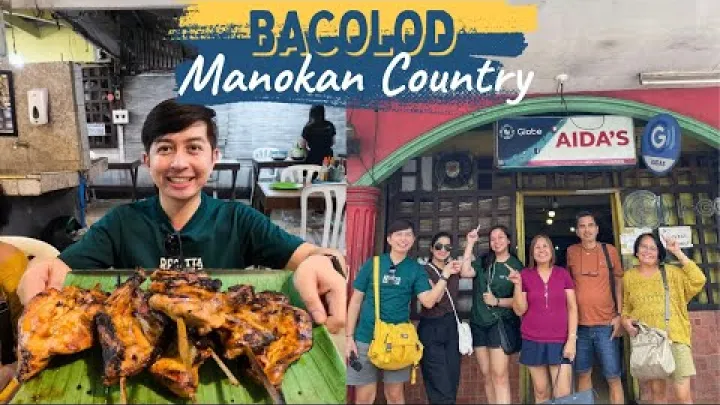
For low-cost eating, combine chicken inasal, carinderia meals, fast food, bakeries, and simple Filipino dishes. The final bill depends on rice, drinks, extra orders, soup, desserts, and whether you choose air-conditioned restaurants or simpler local places. A strict budget traveler can keep food spending low by choosing mostly local meals and limiting paid drinks or desserts.
Cafes, desserts, buffets, and nightlife spending
Cafés, desserts, buffet meals, and nightlife are common reasons a Bacolod food budget rises from budget to mid-range. A coffee, cake, or dessert stop may look small, but doing it several times a day can equal the cost of another meal. Bacolod has a visible café and dessert culture, but you do not need to turn every meal into a café stop to enjoy the city.
A simple way to control spending is to plan one treat per day. For example, eat local meals for breakfast and lunch, then choose one café, dessert shop, buffet, or bar visit. If you are traveling mainly for food, decide which meals are worth splurging on and keep the rest simple.
Food budget plans for different eating styles
Use your eating style to set a daily food budget before you arrive. The ranges below are approximate and assume ordinary visitor meals, not luxury dining.
| Eating style | Daily food budget | Best for |
|---|---|---|
| Basic local meals | PHP 300-600 | Carinderias, bakeries, fast food, simple inasal meals |
| Balanced food trip | PHP 600-1,200 | Local meals plus one café, dessert, or better restaurant |
| Comfort-focused dining | PHP 1,200-2,000+ | Restaurants, buffets, drinks, multiple treats, nightlife |
Self-catering can help if you book a rental with a kitchen, but it is not required for budget travel in Bacolod. Many travelers save more easily by choosing simple local meals and avoiding too many unplanned café stops.
Transport Costs Around Bacolod
Transport costs in Bacolod depend on how much convenience you want. Public transport keeps the budget low, while private rides are useful for luggage, late arrivals, groups, or less direct attractions.
Jeepneys, city buses, and tricycles
Jeepneys and city buses are usually the cheapest common ways to move around Bacolod. A local fare advisory cited a modern public utility jeepney base fare of PHP 14 and an ordinary city bus base fare of PHP 13, with per-kilometer charges after the base distance, according to Facebook. Use these as base-fare examples and check current fare notices locally, because routes and fare rules can change.
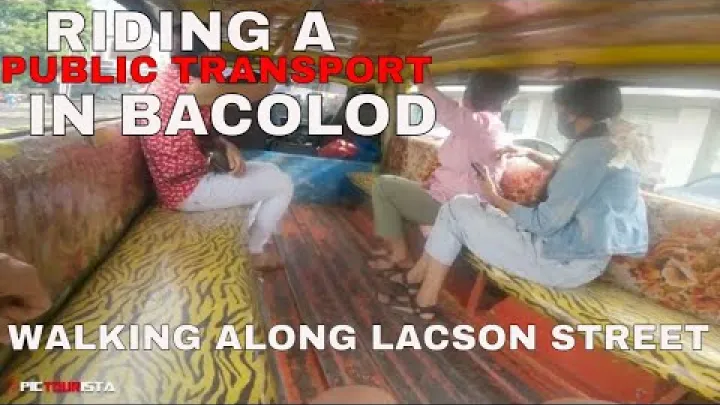
Tricycles are useful for short routes, last-mile connections, or places not served directly by jeepneys. They usually cost more per ride than a jeepney, especially if you ride alone or request a special trip. Some areas use local fare matrices; one public tricycle fare announcement on Facebook showed a minimum fare example of PHP 25 for one person, but tricycle rates can differ by route, area, distance, and whether the ride is shared.
Keep small bills and coins ready. This makes fare payment easier and helps avoid problems when drivers cannot change large notes.
Airport transfers, taxis, and ride-hailing
Bacolod-Silay Airport is outside the city center, so your arrival and departure transfers need a separate budget. Shared vans or buses are usually more economical per person when available, while taxis, ride-hailing, and hotel transfers cost more but save time and effort.

Choose based on per-person cost, luggage, arrival time, waiting time, and comfort. A private ride may be reasonable for two or more people splitting the fare, especially at night or with heavy bags. A solo traveler arriving during the day may save money by comparing shared options first. If your hotel offers a shuttle, ask whether it is free, per room, or per person.
Side-trip transport to nearby towns and attractions
Transport is often the main cost difference between a simple Bacolod city day and a wider Negros Occidental itinerary. Silay City and Talisay City are close enough for many travelers to visit from a Bacolod base, while The Ruins, Mambukal, Lakawon Island, and other resort or nature areas may require more planning.
Buses and jeepneys can keep many nearby trips affordable, but the last-mile ride can raise the total. A short intercity fare may be low, then a tricycle, taxi, private transfer, boat, or resort shuttle may become the larger expense. If you are traveling with friends, sharing these last-mile costs is one of the easiest ways to reduce the per-person budget.
Activities and Day Trip Costs
Many Bacolod activities are low-cost, especially if you enjoy churches, public spaces, parks, food areas, and heritage streets. The expensive days are usually the ones that involve paid attractions, guided tours, resorts, boats, or long transfers.
Free and low-cost city sights
Free and low-cost city anchors can include San Sebastian Cathedral, Capitol Lagoon Park, Bacolod Public Plaza, New Government Center, and public mall areas such as SM City Bacolod. Expedia notes San Sebastian Cathedral as a Bacolod attraction without an admission fee on its activities page, making it a good example of a low-cost city stop through Expedia.
Even on a free-sightseeing day, you still need to budget for transport, meals, drinks, and snacks. Walking between nearby points, using jeepneys when practical, and grouping sights by area can keep activity spending close to zero for the day.
Paid heritage stops, museums, and guided options
Paid heritage stops, museums, and guided options add moderate costs to a Bacolod itinerary. The Ruins in Talisay is one of the most common paid heritage anchors near Bacolod, while museums or private guided tours can add context for travelers interested in sugar heritage, architecture, and local history.
Separate entrance fees from transport when planning. A site fee may be manageable, but the total can rise if you use a private ride both ways or add a guide. Before visiting, check current opening days, admission fees, and whether discounts apply to students, seniors, children, or local residents.
Resort, mountain, and island excursion costs
Mambukal, Lakawon Island, beach areas, and other nature or resort trips can be the most expensive days in a Bacolod-based itinerary. These trips often combine several cost categories: bus or van fare, tricycle or last-mile transfer, entrance or environmental fees, boat fees where relevant, rentals, lockers, showers, and resort-priced meals.
Older budget accounts for Bacolod and Negros Occidental, such as The Poor Traveler, are useful for understanding the structure of side-trip expenses, but their old prices should not be treated as current. For today’s planning, check resort or operator pages and ask about package inclusions, boat sharing, terminal fees, and food rules before finalizing your budget.
Choosing the Best Base for Your Budget
Where you stay affects both your room cost and your daily movement cost. Bacolod City is usually the easiest base for budget travelers, but side-trip goals may change the best choice.
Staying in Bacolod City for value
Bacolod City is often the most practical base because it has more hotels, more food options, malls, public transport, and access to terminals. Staying near Lacson Street, SM City Bacolod, or transport corridors can reduce friction if you want restaurants, cafés, supermarkets, and ride options nearby.
The trade-off is that central rooms can cost more, especially during busy dates. A less central room may be cheaper per night, but it can increase transport time and ride costs. Choose your base according to your main trip style: food trip, heritage trip, business trip, slow travel, or side-trip-heavy itinerary.
Visiting Silay and Talisay as day trips
Silay and Talisay are common heritage-oriented day trips from Bacolod. A day trip can be cheaper than changing hotels because you avoid moving luggage and paying for another base. It works best when you can group several nearby stops into one efficient day.
The Ruins is the key Talisay cost anchor because it usually involves both admission and last-mile transport. Silay can work well as a heritage-walk stop, but paid sites and museums should be checked for current fees and opening hours. In many cases, the last-mile tricycle or private ride matters more to the total than the intercity fare itself.
When beach or nature bases cost more
Beach, island, and remote nature bases can cost more because there may be fewer accommodation choices, fewer low-cost meals, and less flexible transport. Lakawon, Mambukal, Cauayan, Sipalay, and Danjugan represent different cost environments, so do not assume they price the same way. A simple town stay may be affordable, while a remote resort stay may have higher food and transfer costs.
The higher cost can be worthwhile if your main goal is beaches, mountain air, diving, nature, or slow resort time. Compare the total cost, not only the room rate. Include transfers, meals, entrance fees, boat costs, travel time, and the value of staying close to the experience you actually want.
Peak Dates, Cost Drivers, and Saving Tactics
Bacolod can be affordable, but timing and convenience choices can move your budget upward. The most important cost drivers are accommodation demand, private transport, food habits, and paid excursions.
MassKara Festival, holidays, and weekend pressure
MassKara Festival, Philippine holidays, long weekends, and peak local travel dates can increase accommodation demand and reduce cheap-room availability. Public transport base fares may be regulated, but your practical budget can still rise because of traffic, ride-hailing availability, taxi demand, and less convenient room locations.
If you travel during a peak period, book earlier, compare several areas, and prepare a larger buffer. If central rooms are expensive, consider a less central stay only if the transport savings still make sense for your itinerary.
Decisions that make Bacolod more expensive
Bacolod becomes more expensive when you choose convenience repeatedly. Private airport transfers, taxis for short distances, central hotels during busy dates, buffet meals, multiple café stops, nightlife, paid guided tours, island trips, and last-minute bookings can all raise the daily average.
This does not mean those choices are wrong. A private ride can be worth it late at night, and a better hotel may be worth it for a short business trip. The key is to choose comforts intentionally. For example, you might eat chicken inasal at Manokan Country one day and choose a café or buffet the next, instead of paying for premium meals every time.
Practical ways to save money in Bacolod
- Stay in a simple but well-located room so you save on both lodging and transport.
- Use jeepneys or city buses when routes are convenient and conditions are comfortable.
- Keep small bills and coins ready for fares, bakeries, and small eateries.
- Eat mostly local meals, then plan one café, dessert, buffet, or restaurant splurge per day.
- Group nearby attractions into the same day to avoid repeated transfers.
- Share tricycles, taxis, boats, and private transfers when traveling with others.
- Alternate free city days with paid side trips to keep the average daily budget stable.
- Check current room inclusions, menus, fares, opening hours, and attraction fees before committing.
- Do not cut costs in ways that reduce safety, especially late at night, in bad weather, or with heavy luggage.
Final Takeaways for Planning a Bacolod Budget
A realistic Bacolod budget starts at about PHP 1,200 to PHP 1,800 per day for strict budget travel, PHP 2,000 to PHP 3,500 for a mid-range trip, and PHP 3,500 to PHP 6,000 for a more comfortable style, excluding flights. The city itself can be affordable if you choose simple lodging, local meals, public transport, and free or low-cost sights.
The main budget increases come from peak travel dates, central hotels, private transfers, cafés, nightlife, guided tours, resorts, and island or mountain excursions. Build a buffer, verify current prices, and decide which comforts matter most. With a clear plan, Bacolod can work well for a low-cost food trip, a heritage weekend, or a more comfortable Negros Occidental base.
Select area
Create a post
Posting is free and no registration is required.