Bacolod Getting There: Flights, Ferries, Buses and RORO
Bacolod getting there is mainly a choice between flying into Bacolod-Silay Airport, crossing by ferry to the Bacolod port area, or using bus and RORO routes across Negros and nearby islands. The best route depends on where you start, how much luggage you have, whether you are traveling with a vehicle, and how much schedule flexibility you need. This guide compares the main arrival options for Bacolod, Philippines, including routes from Manila, Cebu, Iloilo, Panay, Boracay, Dumaguete, and Mindanao. It also explains what to check before booking so you can avoid common transfer problems.
Quick Decision Guide: Best Ways to Reach Bacolod
Bacolod is accessible by air, sea, and road-and-sea combinations. For most short trips from major Philippine gateways, flying is the simplest. For regional island itineraries, ferries and buses may be more practical.
Choose by speed, budget, luggage, and transfer tolerance
If speed matters most, look first for flights to Bacolod-Silay Airport. This is usually the fastest approach for travelers coming through Manila or Cebu, especially if they are already connecting from an international flight. The airport is in Silay City, north of Bacolod, so you still need a road transfer into Bacolod city center after landing.
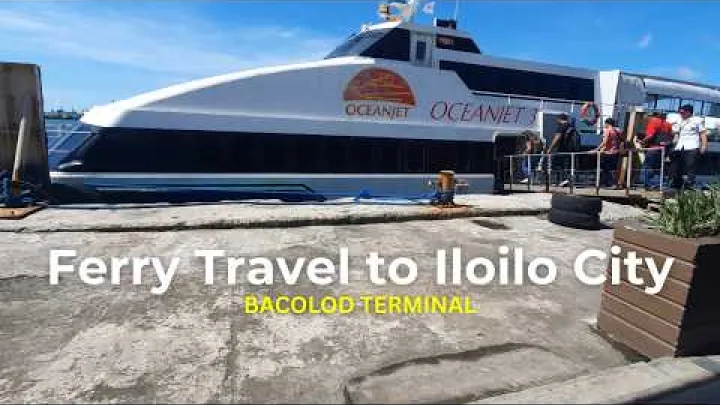
If you are coming from Iloilo or elsewhere on Panay Island, a passenger ferry or fastcraft to Bacolod is often the most direct surface route. These services normally suit foot passengers and travelers with normal luggage. If you have a car, motorcycle, large cargo, or a long overland itinerary, a RORO route may be more suitable.
Bus and bus-RORO travel works best for travelers who accept longer travel times in exchange for lower cost, more regional coverage, or the ability to move between islands without flying. These routes can be useful from Dumaguete, Cebu, northern Negros, and some Mindanao-connected itineraries, but they require more schedule checking.
| Mode | Best for | Typical complexity | What to verify |
|---|---|---|---|
| Flight to Bacolod-Silay Airport | Fast arrival from Manila, Cebu, or another air hub | Low, plus airport-to-city transfer | Flight time, baggage, terminal, transfer pickup |
| Iloilo-Bacolod fastcraft | Foot passengers from Panay or Iloilo | Moderate | Exact terminal, sailing time, boarding deadline |
| Long-distance ferry | Travelers with time, cargo, or vehicle needs | Moderate to high | Sailing day, accommodation class, baggage or vehicle rules |
| Bus or bus-RORO | Budget travel across Negros and nearby islands | High on multi-leg routes | Terminal, through-ticket rules, ferry connection |
What to verify before booking any route
Before you commit to a route, verify the current schedule, fare, terminal name, baggage rules, and service status with the airline, ferry operator, bus operator, booking platform, or terminal. Bacolod routes are practical, but schedules can change because of weather, port operations, holidays, maintenance, route changes, and demand.
This is especially important when you combine modes on the same day. A delayed flight can affect a ferry connection. A ferry boarding cutoff can affect a bus connection. A terminal change can add confusion if you are carrying luggage or arriving late. Build buffer time into any itinerary that connects airport, port, and bus terminal movements.
Arriving by Air at Bacolod-Silay Airport
Air travel is the most straightforward option for many visitors. Bacolod-Silay Airport is the main air gateway serving Bacolod, but it is not in the city center, so plan the arrival transfer as part of your route.
Main flight gateways and booking approach
When booking flights, search for Bacolod-Silay Airport and the airport code BCD. Some booking sites may show variations of the airport name, including Bacolod, Bacolod-Silay, or New Bacolod-Silay. The key point is that the airport serving Bacolod is located in Silay City, not in the central business area of Bacolod.
Many international visitors first enter the Philippines through larger gateways such as Manila or Cebu, then connect domestically to Bacolod. Domestic route availability, airline schedules, and fare levels can change, so avoid assuming that the same flight pattern will be available every day or every season. Compare direct domestic flights, connecting flights, baggage allowances, and the amount of time needed between separate tickets.
If you book an international arrival and a domestic Bacolod flight separately, allow extra time for immigration, baggage claim, customs, terminal movement if required, and domestic check-in. A cheaper connection can become stressful if the arrival window is too tight.
Airport arrival basics and route-status checks
Checking live flight status matters when you have a hotel check-in, ferry departure, bus trip, or late-night transfer after landing. Even a modest schedule adjustment can affect onward transport, especially if your next connection has a strict boarding deadline.
Before travel day and again close to departure, check your airline’s own updates and a live arrival or departure board. For a quick status check, Skyscanner provides a Bacolod-Silay Airport arrivals and departures board that can help you compare the published timing with your planned transfer.
Keep airport plans simple unless you have current information. Confirm your pickup point, keep your booking reference accessible, and do not plan an immediate sea or bus connection without allowing time for baggage retrieval and road travel from Silay City to Bacolod.
Getting from the airport toward Bacolod city center
After landing, the main practical choices toward Bacolod city center are ride-hailing, taxis, and pre-arranged transfers. Ride-hailing is useful because it can show an estimated or upfront fare and a defined pickup process. Taxis may be available depending on airport operations and demand. Pre-arranged transfers can be easier for families, groups, business travelers, or anyone arriving late with luggage.

The Grab airport transfer page lists Bacolod-Silay Airport service information with upfront fare checking, so app-based pickup can be a practical option when operating normally.
Whichever option you choose, confirm the destination, fare basis, pickup point, and payment method before you ride. If you are staying in a hotel, ask the property for the correct address format and whether they recommend a pickup arrangement for your arrival time.
Arriving by Sea Through Bacolod Ports
Sea routes are important for Bacolod because the city is part of the wider Western Visayas and Negros transport network. Ferries can be excellent for travelers coming from Iloilo, Panay, and some longer Philippine routes, but exact terminals and schedules should always be checked on the ticket.
Bacolod-Iloilo fastcraft route
The Bacolod-Iloilo fastcraft corridor is one of the key sea routes for travelers moving between Negros and Panay. It is commonly used by foot passengers connecting Bacolod with Iloilo City. In Bacolod, services are associated with the waterfront port area, including Bredco Port and nearby passenger facilities such as the Simplicio A. Palanca Seaport Terminal, depending on the operator and ticket. In Iloilo, travelers commonly refer to the fastcraft terminal area in Lapuz, but you should follow the terminal printed on your booking.
This route is often the most practical choice if you are already in Iloilo or if your itinerary combines Bacolod with Panay. It avoids the need to fly through a larger hub and can be simpler than a multi-leg road-and-sea route. However, do not rely on old departure times from blogs or screenshots. Check the ferry operator or booking platform for the current sailing time, check-in process, baggage rules, and boarding deadline.
Fastcraft services are normally passenger-focused. If you are bringing a car or motorcycle, look for a RORO option instead of assuming a fastcraft ticket will handle a vehicle.
Long-distance ferry options from Manila and Mindanao
Long-distance ferries may connect Bacolod with farther Philippine gateways at certain times, including routes discussed by travelers from Manila or parts of Mindanao such as Cagayan de Oro. These services can be useful, but they need current confirmation before you build an itinerary around them.
Long-distance ferries suit travelers who have more time, large baggage, cargo needs, vehicle needs, or a preference for overnight sea travel. They may also be useful when airfares are high or when a trip is part of a wider island-hopping plan. Compared with flying, they are slower and more dependent on sailing days, boarding procedures, accommodation class, and port operations.
Before booking, confirm the exact departure port, arrival port, boarding deadline, ticket class, baggage limit, meal arrangements if relevant, and whether vehicle space must be reserved separately. Also check how far the arrival terminal is from your Bacolod accommodation.
When to choose RORO instead of passenger fastcraft
RORO means roll-on/roll-off ferry. These ferries are designed for vehicles such as buses, cars, motorcycles, trucks, and cargo vehicles to roll on at one port and roll off at another. In the Philippines, RORO is important for inter-island travel because it links road networks across sea crossings.

Choose a passenger fastcraft when you are traveling on foot, want a simpler terminal experience, and do not need to bring a vehicle. Choose RORO when you are driving, transporting a motorcycle, carrying cargo, or using a bus route that boards a ferry as part of the journey.
The distinction matters because the terminal, fare structure, boarding process, and luggage handling may be different. A bus-RORO trip may feel like a single journey if you buy a through ticket, but it can still involve waiting at ports and following ferry procedures. Always ask whether your ticket covers only the ferry, only the bus, or the full through journey.
Arriving by Bus and RORO Across Negros and the Visayas
Bus travel is a major part of regional transport around Bacolod. It is useful for routes within Negros and for travelers connecting across nearby islands, but it requires patience and schedule awareness.
Ceres Liner and major bus corridors
Ceres Liner is a major bus operator across Negros and the Visayas, with online information for routes, schedules, terminals, and fares. For current bus planning, the Ceres Liner website is a practical starting point before you confirm details at the terminal or through the operator.
Bacolod functions as an important bus hub for western Negros and for onward travel across the Visayas. From Bacolod, travelers often connect to other Negros destinations by road, while some longer routes use ferry crossings as part of a bus-RORO journey. Exact terminal operations, route availability, and departure frequency can change, so avoid planning from memory alone.
Bus travel can be cheaper than flying, especially for regional journeys, but it usually requires more time and flexibility. It is best for travelers who can accept longer travel windows, terminal waiting time, and possible changes caused by ferry operations.
Routes from Dumaguete, Cebu, and northern Negros
From Dumaguete, travelers can reach Bacolod overland across Negros. One commonly discussed pattern is the route through the Mabinay corridor, which connects the southeastern side of Negros with the western side. This can be a useful way to combine Dumaguete, central Negros, and Bacolod in one itinerary, but travelers should confirm the active route, departure terminal, and current travel conditions before departure.

From Cebu, surface travel usually involves reaching a Cebu-side port, crossing by ferry or RORO to Negros, and then continuing by road to Bacolod. Depending on current services, routes may involve Negros ports such as San Carlos or Escalante before continuing toward Bacolod. These corridors can be practical for budget travelers, vehicle travelers, and those who want to see more of the region.
These routes are more complex than flying. You may need to coordinate a bus, a ferry, another bus, and a final city transfer. Do not assume every leg runs late at night or connects smoothly. Confirm the day’s route with the bus operator or terminal before you begin.
How to manage multi-leg bus-ferry trips
For any bus-ferry itinerary, start by identifying the first terminal you must reach. Then ask whether your ticket is a through ticket or whether you need separate tickets for the bus and ferry. A through ticket means one booking covers more than one leg, but it does not always mean there will be no waiting or no port procedure.
Check ferry boarding cutoffs, because arriving at the pier near the published departure time may be too late. Carry small cash for possible terminal fees, local transport, snacks, or short transfers. Keep a digital backup of your ticket if available, but do not rely only on mobile data in a busy terminal.
Ask the operator what happens to luggage during ferry crossings. On some routes, passengers may stay with luggage; on others, luggage may remain in a vehicle or be handled separately. Rules can differ by operator, vessel, and route, so ask before boarding rather than guessing.
Typical Routes from Major Gateways
The best Bacolod route depends heavily on your starting point. The following patterns are useful for planning, but current schedules should decide your final booking.
From Manila to Bacolod
From Manila, flying to Bacolod-Silay Airport is usually the fastest and simplest route. This is especially true for travelers arriving in the Philippines internationally through Manila and continuing to Bacolod as a domestic destination. Compare flights by total travel time, baggage allowance, terminal convenience, and the risk of a missed connection if you book separate tickets.
Ferry or bus-RORO alternatives from the Manila area are slower and require more planning. They may make sense for travelers with vehicles, cargo, large baggage, or flexible itineraries. If you choose a sea-based route, verify the sailing day, boarding location, ticket class, and arrival port before arranging accommodation in Bacolod.
International travelers should leave enough time for immigration, baggage claim, customs, possible terminal transfers, and domestic check-in. If your international and domestic flights are not on one protected ticket, build a larger buffer.
From Cebu to Bacolod
From Cebu, the simplest option is to fly to Bacolod-Silay Airport if a suitable flight is operating at your travel time. Do not assume direct availability without checking current schedules, because domestic routes can change.

The surface alternative is a land-and-sea route. This may involve traveling from Cebu City or another Cebu point to a ferry or RORO port, crossing to Negros, then continuing by road to Bacolod via a port such as San Carlos or Escalante when services are operating. This pattern can be cheaper or more flexible for some travelers, and it can be especially useful for those with vehicles.
A longer option is to travel from Cebu toward Dumaguete or southern Negros, then continue overland to Bacolod. This is more of a multi-stop itinerary than a fast transfer. It can be rewarding if you are visiting several places, but it is not ideal for tight schedules.
From Iloilo, Panay, and Boracay to Bacolod
From Iloilo, the most straightforward route is normally the passenger fastcraft corridor to Bacolod when services are operating. This is a key route for travelers combining Iloilo City and Bacolod in one trip, and it is usually simpler than flying through another hub.
From other parts of Panay, first plan your road transport to Iloilo, then match it with a ferry departure to Bacolod. This means your itinerary depends on both road timing and ferry timing. Avoid arriving at the Iloilo terminal too close to the ferry’s boarding cutoff.
From Boracay or Caticlan, travelers usually need to reach Iloilo first for a surface route to Bacolod, unless a suitable air connection through a larger hub is better for their dates. Do not assume a direct Bacolod-Caticlan flight is available without checking current booking platforms and airline schedules.
From Mindanao to Bacolod
From Mindanao, travelers may have several possible patterns, but each requires current confirmation. One option is to use long-distance ferries where available, including routes that may involve gateways such as Cagayan de Oro. Another option is to travel through Cebu and continue by ferry, bus, or bus-RORO toward Bacolod.
For many travelers, comparing a flight-based route with a ferry-based route is the most practical approach. Flights may reduce travel time, while ferries may help with baggage, cargo, vehicles, or lower-cost multi-island travel. The best choice depends on sailing days, total journey time, ticket class, comfort needs, and onward transport after arrival.
Because long-distance ferry schedules are not always convenient for short trips, check the full itinerary before booking accommodation. A route that looks cheaper may require an extra night near a port or a long wait between legs.
Arrival Practicalities in Bacolod
Once you reach Bacolod, the last-mile experience depends on whether you arrive at the airport, port, or bus terminal. Plan this final segment before travel day, especially if you carry luggage or arrive at night.
Port, airport, and terminal last-mile choices
The airport arrival point is in Silay City, so it normally requires a road transfer into Bacolod city center. This makes ride-hailing, taxi service, hotel pickup, or pre-arranged private transfer useful, especially for first-time visitors.
Port arrivals are closer to Bacolod’s waterfront and may be more convenient for central accommodation, depending on your hotel location and the exact terminal used. Still, confirm whether your ferry arrives at Bredco Port, the Simplicio A. Palanca Seaport Terminal, or another designated area on your ticket.
Bus arrivals depend on the route and terminal used. If you know your hotel address, ask the bus staff or terminal information point which local transport option is most practical. With heavy luggage, a taxi, app-based ride, or pre-arranged pickup is usually easier than navigating local routes immediately after arrival.
Late arrivals, luggage, and cautious transport choices
If you arrive at night, prioritize official, app-based, hotel-arranged, or clearly marked transport. This is not because Bacolod is uniquely difficult, but because late arrivals everywhere reduce your margin for error. You may have fewer transport choices, less local information, and more pressure to accept the first offer.
Use simple safety habits. Confirm the fare or app price before boarding. State your destination clearly. Avoid pressure from unsolicited touts. Keep valuables close in crowded terminals. If a price or route sounds confusing, pause and ask a terminal desk, hotel, or operator staff member before committing.
Carry small cash for local transport, possible terminal fees, or short purchases. At the same time, keep backup digital payment options if available. Splitting cash and cards between bags can reduce disruption if one item is misplaced.
Local public transport and ongoing modernization
Bacolod has local public transport options such as jeepneys, taxis, and ride-hailing, but jeepney routes can be difficult for first-time visitors without local guidance. If you plan to use jeepneys from a terminal, ask for the correct route after arrival rather than relying only on old maps or general advice.
Bacolod has also been part of discussions and initiatives related to public transport modernization and e-mobility. For context, Clean Air Asia has reported on Bacolod’s e-mobility development work with national and local partners.
For visitors, treat modernization as useful context rather than a guarantee that a specific electric route or vehicle will be available for your trip. Check local transport information after arrival if you plan to rely on public routes.
Costs, Booking, and Schedule Reliability
Prices and reliability vary by season, route, class, and booking channel. Rather than relying on a single fare example, compare the factors that affect your total cost and your risk of disruption.
How fares usually compare by mode
Flights can be inexpensive during promotions or when booked early, but they may become expensive close to departure or during high-demand periods. Fastcraft fares on short sea routes are often easier to compare across operators, but final costs may include terminal fees, baggage, seat class, or booking charges.
Buses are usually budget-friendly for regional travel, but the tradeoff is longer travel time and greater exposure to traffic, port waiting, and ferry timing. Long-distance ferries vary widely because accommodation class, vehicle space, baggage, and cabin type can change the final price.
| Mode | Cost pattern | Main price factors |
|---|---|---|
| Flights | Can be low in promotions, higher close to departure | Date, baggage, airline, connection, demand |
| Fastcraft | Often predictable for short sea hops | Seat class, terminal fees, baggage, operator |
| Bus | Usually budget-friendly but slower | Distance, bus class, route, ferry inclusion |
| Long-distance ferry | Varies by comfort and vehicle needs | Accommodation class, cargo, vehicle space, sailing date |
Where to book and when to reconfirm
For flights, use airline websites, reputable flight aggregators, or travel agents you trust. If baggage, schedule changes, or refunds matter, direct booking with the airline can make later support simpler.
For ferries, use the ferry operator, a reputable booking platform, or the terminal when appropriate. Confirm the exact terminal, boarding deadline, ticket class, and whether your ticket is for a passenger-only service or a vehicle-capable route.
For buses, use bus operator websites, terminals, hotlines, or official booking channels where available. Reconfirm route status close to departure, especially for long-distance bus-RORO services, holiday periods, or routes that depend on ferry crossings.
Holiday peaks, weather disruption, and backup plans
Philippine holiday periods can affect seat availability and prices. If your travel date is fixed, book earlier and avoid assuming you can always buy the best ticket on the day of travel. This applies to flights, ferries, and popular bus routes.
Sea and air travel can also be affected by weather and operational conditions. The practical response is not to avoid travel, but to plan with flexibility. Avoid tight onward commitments on the same day as a major island crossing. Choose accommodation with flexible terms when your arrival depends on ferry timing.
Good backup plans include an extra night near a gateway, refundable or changeable tickets, a second route option, and enough cash or card capacity for an unexpected hotel or transfer. This is especially useful if you are crossing between islands or combining several modes.
Common Traveler Mistakes to Avoid
Most Bacolod arrival problems come from assumptions: assuming a direct flight exists, assuming a ferry carries vehicles, or assuming two separate transport legs will connect without delay. A little checking prevents most issues.
Assuming Bacolod has direct international flights
International visitors should check whether any direct international service exists at their travel time. If not, plan to enter the Philippines through a larger gateway such as Manila or Cebu, then connect domestically to Bacolod-Silay Airport.
Airport naming can also cause confusion. Search using Bacolod-Silay Airport and BCD when comparing flights. If a booking site uses a slightly different airport name, confirm that it refers to the airport in Silay City serving Bacolod.
If you connect from an international arrival to a domestic flight, allow enough time for formalities and terminal movement. This is particularly important on separate tickets, where a delay on the first flight may not protect your onward domestic booking.
Confusing passenger ferries, RORO ferries, and bus-RORO routes
A passenger fastcraft is mainly for foot passengers. A RORO ferry carries vehicles. A bus-RORO route is a bus journey that includes a ferry crossing, with the bus or route network continuing on the other side.
This distinction affects terminal choice, ticketing, luggage handling, vehicle rules, and travel time. For example, a traveler walking from Iloilo to Bacolod may choose a passenger fastcraft, while a traveler bringing a motorcycle needs a vehicle-capable ferry route. A traveler coming from Cebu by surface transport may need a bus-RORO pattern instead of a simple passenger ferry.
Before paying, ask exactly what your ticket covers. Does it cover only the ferry crossing, only the bus leg, or the entire through journey? If the answer is unclear, clarify at the operator counter before you board.
Planning tight same-day connections without buffer time
Do not assume that a flight, ferry, and bus can be connected with minimal time between legs. Common causes of missed connections include delayed flights, baggage retrieval, ferry boarding cutoffs, port queues, traffic, and confusion between terminals.
A safer plan gives each mode room to run late. If you land at Bacolod-Silay Airport and need an onward ferry or bus, allow time for the road transfer from Silay City, possible waiting for transport, and ticket procedures. If you arrive by ferry and need a bus, allow time to leave the port area and reach the correct terminal.
For important events, business meetings, school reporting dates, or non-refundable onward travel, arrive in Bacolod earlier than the last possible connection. The small cost of a time buffer is often less than the cost of a missed connection.
Conclusion: The Smartest Way to Get to Bacolod
The smartest way to get to Bacolod depends on your starting point and travel style. Fly to Bacolod-Silay Airport when speed and simplicity matter. Use the Iloilo-Bacolod fastcraft corridor when coming from Panay as a foot passenger. Choose buses, RORO, or long-distance ferries when budget, vehicles, baggage, or multi-island travel matter more than speed.
Before booking, confirm the current schedule, terminal, fare, baggage rule, and boarding deadline with the operator or booking channel. Add buffer time whenever you connect between flights, ferries, buses, and local transfers. With those checks in place, reaching Bacolod can be straightforward whether you arrive by air, sea, or a road-and-sea route across the Visayas.
Select area
Create a post
Posting is free and no registration is required.