Bacolod Best Time to Visit: Weather, Seasons & Tips
The Bacolod best time to visit depends on whether you want easier city sightseeing, festival energy, lower prices, beach side trips, or a slower food-focused stay. Bacolod City is warm throughout the year, so the main travel questions are usually about rain, humidity, heat, crowds, and transport flexibility. This guide explains the practical feel of each season and month without treating any period as perfect. Use it to choose a realistic travel window for Bacolod, Negros Occidental, and nearby side trips in the Negros Island Region.
Quick Answer: The Best Time to Visit Bacolod
For most visitors, the easiest Bacolod travel window is usually during the drier early part of the year. Festival travelers may prefer October, while budget travelers may accept wetter months in exchange for quieter conditions and more flexible pricing.
Best Overall Months for Most Travelers
The best time to visit Bacolod for most travelers is generally from January to March, when conditions are usually more comfortable for walking, food trips, heritage visits, and day trips around Negros Occidental. These months tend to offer a better balance of warmth, manageable humidity, and fewer rain interruptions than the core rainy-season months.
Bacolod is not a cold-weather destination at any time of year. Even in the more comfortable months, you should expect tropical warmth, bright sun, and the possibility of occasional showers. The main advantage of this period is not a dramatic temperature change, but easier planning: less need to rearrange outdoor activities, fewer rain-related delays, and better comfort for moving around the city.
Best Special-Purpose Travel Windows
If your trip is focused on food, cafes, city landmarks, and nearby heritage areas such as Silay, the drier months are usually the most convenient. They make it easier to walk, take short rides across the city, and keep a full day of plans without constantly adjusting for weather.
If your main goal is to experience the MassKara Festival, October can be the right time to visit. However, festival travel is a different kind of trip. Expect more competition for rooms, busier restaurants, more traffic near event areas, and the need to check the current official schedule before booking. Weather can also still be mixed at this time of year.
Budget-focused travelers may prefer parts of the rainy season, especially if they are comfortable with slower days, indoor food stops, cafes, and flexible plans. This can work well for visitors who do not need guaranteed beach weather or a strict day-by-day itinerary.
Months That Need the Most Flexibility
June to September usually requires the most flexibility. This period is commonly treated as the wetter low-season stretch, when showers, grey skies, and changing conditions can affect walking plans, traffic, ferry connections, and outdoor excursions.
Rainy-season travel in Bacolod is possible, but it is best planned with buffers. Tropical weather systems can affect the city indirectly through rain bands, stronger winds, rougher sea conditions, or delays that affect flights, buses, and boats elsewhere in the region. This does not mean every day is unsafe or rainy, but it does mean you should avoid tightly packed schedules.
If you are traveling during wetter months, check current weather advisories close to your travel dates, especially before ferry trips, coastal resorts, island visits, or highland excursions. Build in a simple decision rule: if there is an advisory, rough sea warning, or heavy rain forecast, adjust the plan rather than forcing the itinerary.
Bacolod Weather and Seasons at a Glance
Bacolod has a tropical city climate with warm conditions year-round. Instead of thinking in terms of spring, summer, autumn, and winter, it is more useful to think about drier months, hotter months, and wetter months.
Dry Season Feel
The drier part of the year is the easiest time for outdoor city exploration. It is better for walking between restaurants, visiting markets, exploring plazas and churches, and making day trips to nearby heritage towns. It is also more convenient if you want to combine Bacolod City with coastal or upland plans in Negros Occidental.
Dry season does not mean rain-free. Brief showers can still happen, and tropical weather can change quickly. The practical difference is that rain is usually less likely to dominate the entire trip, so travelers have more usable time outdoors.
Early dry-season months often feel more comfortable for city movement, while the later dry-season period can feel hotter and brighter. If you are sensitive to heat, plan long walks in the morning or late afternoon and use midday for lunch, museums, cafes, shopping centers, or rest.
Hot Season Feel
March to May can be useful for outdoor plans, but the heat often becomes more intense as the season progresses. Bright sun, high humidity, and warm pavements can make midday sightseeing tiring, especially for travelers arriving from cooler climates.
A practical Bacolod itinerary during hot months should start early. Visit outdoor sites in the morning, take an indoor break after lunch, then return outside in the late afternoon or evening. Food trips are still enjoyable, but it is better to group stops by area instead of crossing the city many times in the heat.
Wear breathable clothing, carry water, use sun protection, and choose comfortable footwear. If you plan to visit open-air places or wait for public transport, assume that shade may not always be available.
Rainy Season Feel
The rainy season in Bacolod is usually more humid, more changeable, and more likely to interrupt outdoor plans. Rain may arrive as a short heavy downpour, a longer wet spell, or unsettled weather influenced by larger regional systems.

For a city stay, the most common practical issues are wet streets, slower traffic, harder walking conditions, and increased demand for taxis or ride-hailing during heavy rain. For upland trips, rain can reduce visibility and make paths or roads less comfortable. For coastal and island plans, rougher sea conditions may affect boat operations even if the city itself only feels cloudy or damp.
Rainy-season travel is not automatically a bad idea. It can be pleasant for food, cafes, and slow exploration. The key is to keep outdoor plans flexible and avoid depending on a single perfect-weather day for your most important activity.
Month-by-Month Feel in Bacolod
This month-by-month guide describes the usual travel feel rather than a fixed forecast. Weather varies from year to year, so use monthly patterns for choosing a travel window and live forecasts for daily decisions.
| Period | Usual Travel Feel | Best For |
|---|---|---|
| January to February | Generally comfortable and easier for outdoor plans | City sightseeing, food trips, heritage visits |
| March to May | Sunny but increasingly hot and humid | Early starts, coastal breaks, shorter outdoor sessions |
| June to September | Wetter and more changeable | Flexible trips, cafes, indoor plans, lower crowds |
| October to December | Festival and holiday season with improving conditions later | MassKara, festive travel, year-end visits |
January and February
January and February are among the most comfortable choices for many visitors. They are usually better for relaxed walking, city sightseeing, and food-focused travel because rain is less likely to disrupt every day and the heat is often more manageable than later in the dry season.
This is a good period for exploring Bacolod City at a steady pace, visiting cafes and restaurants, and adding nearby heritage stops such as Silay. It can also work well for travelers who want to continue to other parts of Negros Occidental without building every plan around rain delays.
The period immediately after the Christmas and New Year rush may feel easier than peak holiday weeks. Still, occasional showers can happen, and popular weekends can still bring local movement, so booking ahead remains useful for preferred hotels.
March to May
March to May can be sunny and active, but the heat becomes a bigger planning factor. March may still feel comfortable for many visitors, while April and May often require stronger heat management, especially for long walks and open-air sightseeing.
Start early, carry water, rest indoors during the hottest part of the day, and avoid overloading the itinerary. This is also a time when domestic school breaks, long weekends, and Holy Week can affect crowds and accommodation demand. Because Holy Week dates change each year, check the current calendar before finalizing plans.
Coastal and highland side trips can be appealing during this period, but they still depend on daily conditions. A sunny morning can be excellent for a short excursion, while midday heat can make exposed areas tiring.
June to September
June to September is usually the main rainy-season and low-season stretch. This does not mean it rains all day, every day. It means travelers should expect more variable weather, more cloud cover, and a higher chance that outdoor plans will need to move or change.
The advantage is that the city may feel quieter outside major local events and holidays. Depending on demand, accommodation may also be better value, although discounts are never guaranteed. This period suits travelers who enjoy chicken inasal, sweets, coffee stops, markets, and slow city exploration more than strict beach or hiking schedules.
If you visit during these months, add buffer days for ferries, flights, long bus rides, and outdoor excursions. Keep your most weather-dependent activity early in the trip if possible, so you have another chance if rain forces a change.
October to December
October is important for travelers interested in the MassKara Festival. It can be one of the most exciting times to visit Bacolod, with more city activity, events, and a festive atmosphere. The trade-off is that bookings can be more competitive, central areas can be busier, and weather may still be mixed. Always check the current festival dates and event schedule before booking.

November often feels like a transition month. Conditions may become more comfortable later in the month, but travelers should still stay weather-aware, especially for coastal or island plans.
December can be appealing because of year-end energy and often more favorable travel conditions, but it is also a busy holiday period in the Philippines. Accommodation, flights, buses, and ferries can fill earlier around Christmas and New Year. Book ahead if you plan to travel at this time.
Best Time to Visit Bacolod by Travel Style
The best month for Bacolod changes depending on your travel style. A food traveler, a festival visitor, and someone planning island side trips may each choose a different window.
Food, Cafes, and City Sightseeing
For food, cafes, and city sightseeing, January to March is usually the easiest period. The weather is generally more comfortable for moving between restaurants, markets, bakeries, and public spaces. It is also easier to combine several short stops in one day without rain or heat becoming the main focus of the trip.
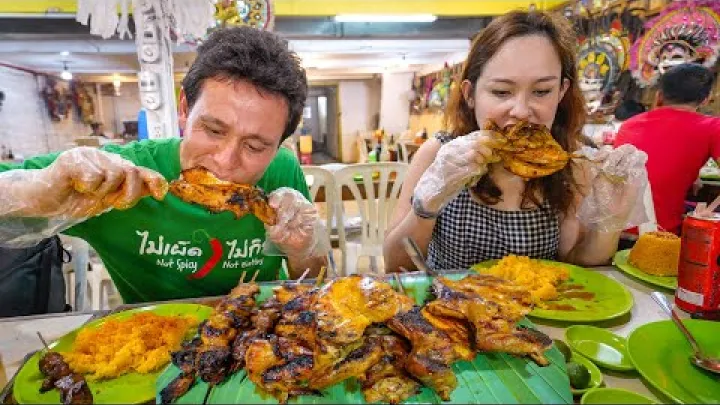
Bacolod has a strong food identity, especially for chicken inasal, sweets, and pastries. A food-focused visit can still work well in the rainy season because many experiences are indoors or under cover. If rain is likely, plan a day around nearby restaurants and cafes instead of long outdoor walks.
For city sightseeing, cluster activities by area. This reduces time in traffic, limits exposure to heat or rain, and makes the day more comfortable.
Beaches, Islands, and Coastal Resorts

Do not assume that calm conditions in Bacolod City guarantee calm seas. Squalls, rougher water, or regional weather advisories can affect boats across the Guimaras Strait or nearby coastal areas. This is especially important if your itinerary depends on a same-day return or a tight flight connection.
Before departure, verify current boat schedules, operator advisories, and sea conditions. If a beach or island day is important to your trip, avoid placing it at the very end of your itinerary with no backup day.
Highland Resorts and Light Hiking
Upland areas near Bacolod can feel cooler than the city, which makes them attractive during warm months. Places such as Mambukal and nearby highland areas can offer a different travel experience from the city center, but conditions may also differ from Bacolod itself.
Drier months are generally better for clearer views, easier walking, less mud, and more predictable access. Heavy rain can reduce visibility, make paths slippery, and affect roads or site operations. This matters even for light hiking or casual nature visits.
Before committing to a day trip, check current site status, local weather, and transport availability. If the forecast suggests heavy rain, move the highland plan to another day or choose a city-based activity instead.
Crowds, Prices, and Event Timing
Weather is only one part of choosing when to visit Bacolod. Holidays, festivals, school breaks, and long weekends can affect how busy the city feels and how early you should book.
Peak Booking Periods to Plan Around
Major holidays, long weekends, Holy Week, Christmas, New Year, and festival periods can increase travel demand. During these times, popular hotels, flights, ferry seats, and bus routes may require earlier planning.
October can be especially busy because of MassKara-related travel and city-center events. If you want to stay near the action, book accommodation earlier and expect more movement around event venues. If you prefer a quieter stay, consider choosing a location slightly away from the busiest areas or visiting outside the main festival dates.
Because event schedules and public holidays can change each year, check the current calendar before making non-refundable bookings.
Low-Season Value and Trade-Offs
Rainy-season months may offer quieter travel and better-value accommodation, depending on demand. This can be useful for flexible visitors who want a slower trip and do not mind adjusting plans around weather.
The trade-off is uncertainty. Outdoor plans may be delayed, ferry or coastal activities may change, and walking around the city can become less comfortable during heavy rain. Lower prices are not worth it for every traveler, especially if your main goal is a beach trip, island hopping, or a strict schedule.
If you choose the low season, look for flexible booking terms where possible, keep buffer time between transport connections, and plan several indoor alternatives. Bacolod’s food scene makes it easier to enjoy a rainy day than in destinations where most attractions are outdoors.
Practical Weather Planning for a Bacolod City Stay
Good timing helps, but daily planning matters just as much. A comfortable Bacolod trip often comes down to pacing, clothing, transport buffers, and checking the forecast at the right time.
Heat, Humidity, and What to Wear
Pack light, breathable clothing for Bacolod at any time of year. Comfortable shoes are important because even short city walks can feel tiring in heat and humidity. Sun protection, a refillable water bottle, and a small umbrella are useful year-round.
Air-conditioned interiors can feel cool after being outside, so some travelers may appreciate a light layer for malls, restaurants, buses, or long indoor stops. During March to May, focus more on sun protection and pacing. During rainy months, choose quick-drying clothing and footwear that can handle wet streets.
Avoid planning as if you can walk outdoors all day without rest. Even when the weather looks favorable, tropical humidity can make a simple city day feel more tiring than expected.
Rain Logistics, Transport Buffers, and Daily Timing
During hot or wet months, schedule outdoor activities early in the day when possible. Morning plans are often more comfortable, and they leave more room to adjust if rain arrives later.
Heavy showers can slow city traffic, make walking less pleasant, and increase demand for taxis or ride-hailing. If you need to reach the airport, a bus terminal, or a ferry connection, allow extra time during rainy periods. Weather disruption can also be indirect: a ferry delay, road slowdown, or late inbound vehicle can affect your connection even if your immediate area looks manageable.
Cluster activities by neighborhood to reduce unnecessary movement. For example, plan a food route, shopping stop, and cafe break in the same part of the city instead of crossing Bacolod several times in one day.
Climate Averages Versus Live Forecasts
Climate patterns help you choose the best month to visit Bacolod, but live forecasts help you decide what to do each day. A normally favorable month can still have rain, and a normally wet month can still include several usable sunny periods.
Check current weather advisories close to travel, especially during the rainy season or when planning ferries, beaches, island visits, and highland trips. This is also important if your plans involve the Guimaras Strait, coastal resorts, or upland roads outside the city.
Use averages for broad planning and forecasts for final decisions. This simple separation keeps expectations realistic and reduces the chance of being disappointed by normal tropical variability.
Conclusion: Choosing Your Bacolod Travel Window
For most travelers, January to March is the best overall time to visit Bacolod because it usually offers the easiest balance of weather comfort and practical mobility. March to May can work well if you manage heat carefully, while June to September is better for flexible, food-focused, and lower-crowd trips. October is ideal for travelers who prioritize the MassKara Festival, but it requires earlier booking and weather awareness. If your plans include Lakawon Island, coastal resorts, Mambukal, or other outdoor side trips in Negros Occidental, choose drier months when possible and confirm conditions close to departure.
Select area
Create a post
Posting is free and no registration is required.