Baguio Budget Guide: Trip Costs, Hotels and Tips

A Baguio budget can be modest or surprisingly high depending on when you travel, where you sleep, and how often you use taxis, cafes, and paid attractions. The city is one of the Philippines’ most popular cool-weather destinations, so hotel demand can rise quickly on weekends, holidays, and festival dates. This guide breaks down typical Baguio travel budget ranges for accommodation, food, local transport, activities, and short-trip totals. Use the figures as planning estimates, then check current rates for your exact dates before booking.
How Much Budget Do You Need for Baguio?
For most visitors, the simplest way to estimate a Baguio trip budget is to separate daily spending from the one-time cost of getting to and from the city. Daily spending covers your room, meals, local rides, snacks, and attractions inside Baguio. Long-distance bus, fuel, tolls, or private transfers should be added separately.
Quick Daily Budget Ranges
A practical daily Baguio budget per person starts around ₱1,500–₱2,000 for budget travel if you share a room or use a dorm, eat simply, walk or use jeepneys, and choose mostly free or low-fee stops. A mid-range traveler should plan around ₱2,500–₱3,500 per person per day for a private room, casual restaurants, some cafes, and occasional taxis. A comfortable traveler may spend ₱4,000–₱6,000 or more per person per day, especially with a central hotel, more taxi rides, restaurant meals, and several paid activities.
These ranges are estimates, not fixed rules. A solo traveler in a private hotel room can spend more than a couple sharing the same room. A group in a transient house can lower the per-person room cost, but may spend more on taxis, food, and shopping.
| Travel style | Estimated daily budget per person | Typical cost pattern |
|---|---|---|
| Budget | ₱1,500–₱2,000 | Shared or basic stay, simple meals, jeepneys, walking, low-fee sights |
| Mid-range | ₱2,500–₱3,500 | Private room, casual dining, cafe stops, occasional taxis, paid attraction or two |
| Comfortable | ₱4,000–₱6,000+ | Central hotel, taxis, restaurants, cafes, museums, larger buffer |
When making your own estimate, start with the room cost first. Then add food, city transport, attraction fees, snacks, and a buffer. This is more reliable than using one headline number for every traveler.
Sample Budgets for Two-Day and Three-Day Trips
A 2-day, 1-night Baguio trip is often cheaper than a 3-day, 2-night trip, but the difference is not only one extra day of food. The second night of accommodation is usually the largest added cost. Long-distance bus fare, however, is paid once per round trip, so it should be listed separately from daily costs.
| Traveler type | 2 days, 1 night estimate | 3 days, 2 nights estimate | Notes |
|---|---|---|---|
| Solo budget traveler | ₱3,000–₱4,500 plus long-distance transport | ₱5,000–₱7,000 plus long-distance transport | Dorms or very basic rooms help keep costs low |
| Couple, mid-range | ₱5,000–₱8,000 per person plus long-distance transport | ₱8,000–₱12,000 per person plus long-distance transport | Room sharing lowers the per-person cost |
| Small group | ₱3,500–₱7,000 per person plus long-distance transport | ₱6,000–₱10,000 per person plus long-distance transport | Transient houses and taxi splitting can help |
Peak weekends, December holidays, Panagbenga season, and last-minute bookings can push totals well above these examples. If your dates are fixed during a busy period, check accommodation first before building the rest of your budget.
What Makes a Baguio Trip Cheap or Expensive?
Baguio can be a low-cost city break, but it is not automatically cheap. The same itinerary can feel affordable on a weekday and expensive on a holiday weekend because rooms, traffic, waiting time, and transport decisions all change.
Season, Weekends, and Festival Demand
Accommodation is usually the biggest cost variable in Baguio. Weekends, Christmas season, New Year, long weekends, school breaks, and Panagbenga-related travel periods often bring heavier demand. During these dates, the cheapest acceptable rooms may sell out early, leaving higher-priced rooms or less convenient locations.
Hotel price tools also show that month-to-month differences can be large. For example, KAYAK has shown lower average hotel rates in March than in December, illustrating how timing can affect accommodation costs. Do not treat one month as permanently cheap, because live prices change with availability, events, and booking lead time.
If you want a lower Baguio trip cost, compare weekday rates, avoid major holidays where possible, and book early when your travel dates are not flexible. Shoulder-season trips can also make it easier to find central rooms near Session Road, SM Baguio, or Burnham Park without paying peak rates.
Travel Style and Group Size
Travel style changes your cost more than most small entrance fees. The main cost levers are room type, eating style, transport mode, number of paid attractions, shopping, and date of visit. A central private room, cafe breakfasts, taxis, and paid museums create a different budget from a shared room, carinderia meals, jeepneys, and walking.
Group size also matters. Solo travelers pay the full room price alone unless they use dorm beds or shared accommodation. Couples split one room across two people. Families and barkada groups can split transient houses, apartments, taxis, and sometimes large food portions. However, groups may also need larger vehicles, extra-person charges, or multiple rooms.
- Choose a dorm or shared room if the lowest possible cost matters most.
- Choose a central hotel if your stay is short and you want to reduce taxi time.
- Choose a transient house if your family or group can share the total room cost comfortably.
- Use jeepneys and walking for simple routes, then save taxis for hills, rain, luggage, or late evenings.
- Plan paid attractions instead of adding every optional stop on impulse.
Accommodation Costs in Baguio
Accommodation is the first line item to check for any Baguio travel budget. Prices vary widely by date, location, room size, bathroom setup, parking, breakfast, cancellation rules, and whether the rate is for the room or per person.
Budget Hotels, Inns, and Central Rooms
Budget hotels and inns are popular because many travelers want a private bathroom, clear check-in rules, and easy access to restaurants and transport. Basic rooms may be enough for students or short-stay visitors who only need a place to sleep. Lower mid-range hotels are better for couples and families who want more predictable comfort.
Staying near Session Road, SM Baguio, Burnham Park, or the city center can cost more per night, but it may reduce local transport spending. If you can walk to meals, shopping, and evening areas such as Harrison Road Night Market, a slightly higher room rate may still be good value. For a stay far from the center, add the expected cost and time of taxis or jeepneys before deciding.
| Accommodation type | Best for | Budget notes |
|---|---|---|
| Basic inn or budget hotel | Couples, short stays, simple private rooms | Check bathroom, location, breakfast, and cancellation rules |
| Central hotel | First-time visitors, short trips, walkers | Higher room price may reduce local ride costs |
| Transient house | Families, barkada groups, longer stays | Confirm capacity, deposits, and whether pricing is per room or per person |
| Hostel dorm | Solo budget travelers | Usually lowest private-cost alternative, but with shared space |
Transient Houses, Apartments, and Group Stays
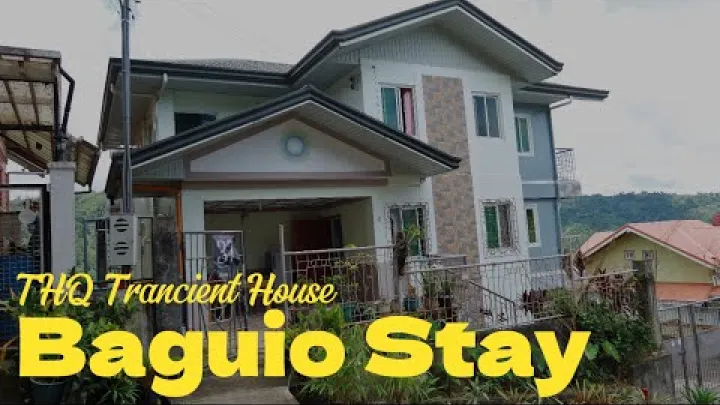
Transient houses are an important Baguio accommodation option, especially for families and groups. They can be cheaper per person than separate hotel rooms when several guests share one family room, apartment, or whole unit. They may also include kitchen access, dining space, and flexible sleeping arrangements, but inclusions vary.
As a local example, Baguio Transient lists different weekday rates for solo rooms, budget rooms, private-bathroom rooms, and family rooms near SM Baguio and Session Road, showing how room type and date can change the final cost. Use such listings as a comparison point, not as a guarantee that every property has the same price or quality.
Before paying, confirm the exact address, walking distance to landmarks, maximum capacity, bathroom setup, check-in time, check-out time, deposit, cancellation rule, parking, kitchen use, quiet hours, and extra-person charges. If booking directly through social media or messaging apps, reduce risk by checking recent reviews, asking for written terms, confirming the business identity, and avoiding pressure to pay a large deposit without clear proof of the property.
Hostels and Dorm Beds for Solo Travelers
Hostels can be the cheapest practical option for solo travelers because one person does not need to pay for an entire private room. A dorm bed may keep the nightly cost low and free up money for food, transport, or attractions. This can be useful for students, backpackers, and travelers who plan to spend most of the day outside.
The trade-off is privacy. Dorms usually mean shared sleeping space, shared bathrooms, lockers instead of full storage, and less control over noise. Private hostel rooms can be more comfortable, but they may approach budget hotel prices during busy dates. Solo travelers should compare dorm beds, private hostel rooms, budget hotels, and small transient rooms before deciding.
A simple rule is useful: choose a dorm for the lowest cost, a private hostel or budget hotel room for privacy, and a transient house or apartment when several people can split the cost.
Food and Drink Costs in Baguio
Food spending in Baguio is flexible. You can keep meals simple with local eateries and food courts, or you can spend much more with cafes, desserts, specialty coffee, and popular restaurants.
Typical Meal Budgets
A tight food budget can be around ₱300–₱500 per person per day if you eat at carinderias, fast-food outlets, bakeries, food courts, or simple eateries. A carinderia is a small local eatery that serves cooked dishes at modest prices. A mid-range food budget is closer to ₱600–₱900 or more per day if you add casual restaurants, coffee, desserts, and snacks.
| Food style | Estimated daily spend | Example pattern |
|---|---|---|
| Tight budget | ₱300–₱500 | Simple breakfast, local lunch, budget dinner, limited snacks |
| Mixed budget | ₱500–₱800 | Local meals plus one snack, drink, or casual restaurant meal |
| Mid-range | ₱600–₱900+ | Casual restaurants, cafe stop, dessert, and drinks |
A tight sample day might be bakery bread or a simple breakfast, a carinderia lunch, a fast-food or food-court dinner, and one affordable snack. A mid-range sample day might include breakfast in a cafe, a shared casual restaurant lunch, coffee or pastries in the afternoon, and a sit-down dinner. Menu prices change, so check current menus if you are planning around a very exact number.
Where Food Costs Stay Low
Food costs stay lower when you eat where students, workers, and local residents eat. Look for carinderias, university-area eateries, food courts, fast food, bakeries, and casual restaurants with large portions. Areas around Session Road and university districts can be useful for budget meals, though the best choice depends on your location and schedule.
Popular Baguio food names such as Good Taste, 50’s Diner, and Grumpy Joe are often discussed by travelers looking for filling meals or group-friendly dining. Treat them as examples to compare, not as a fixed ranking. Sharing large portions can reduce the per-person cost for couples and groups, especially when ordering rice meals, pasta, pizza, or family-style dishes.
The main saving tactic is to decide which meals deserve more spending. For example, you might choose simple breakfasts and lunches, then spend more on one memorable dinner. This avoids the common problem of overspending on every meal without noticing.
Cafes, Snacks, and Night Market Spending
Baguio’s cool weather makes coffee, hot chocolate, pastries, strawberry snacks, and desserts tempting. These small purchases can quietly raise your daily total. One cafe stop per day can add a meaningful amount to a tight budget, especially if you order drinks and dessert for more than one person.

Harrison Road Night Market is a useful local anchor for evening food and budget shopping, but spending depends on what you buy. A traveler who only eats a snack will spend far less than someone who adds clothes, souvenirs, and multiple food items. Bring small cash, set a limit before walking through the stalls, and separate your food budget from your shopping budget.
If you want a realistic Baguio travel budget, include a snack and drink allowance. Even ₱100–₱300 per day can make your estimate more accurate than pretending you will only pay for three meals.
Transport Costs for Getting There and Moving Around
Transport has two parts: the long-distance cost of reaching Baguio and the local cost of moving around the city. Keep these separate so your daily budget stays clear.
Long-Distance Bus Costs to Baguio
Many travelers reach Baguio by bus from Metro Manila or other parts of northern Luzon. Major operators include Victory Liner and JoyBus, with different fare classes, terminal options, and schedules. JoyBus, for example, operates premium coach services on the Manila to Baguio route.

Check current fares directly with the operator or booking channel before finalizing your budget. Ordinary air-conditioned buses, deluxe buses, and premium coach services can have different prices and comfort levels. Treat the round-trip fare as a separate upfront cost, then add your daily Baguio spending after that.
If you travel by private car, include fuel, tolls, parking, and possible accommodation parking charges. A car may be convenient for families, but traffic and parking in central Baguio can reduce the value of driving for short city visits.
Taxi, Jeepney, and Walking Costs in the City
Inside Baguio, walking, jeepneys, and taxis are the most common budget choices. Walking is free and practical in central areas, but Baguio is hilly, and weather can change quickly. A route that looks short on a map may feel tiring when climbing uphill or carrying bags.
Jeepneys are usually the lower-cost option for many local routes. The Philippine News Agency reported a Baguio jeepney fare structure with a ₱20 minimum fare and an added amount per succeeding kilometer for city routes. Fare rules can change, so carry small peso notes and check local notices when you ride.
| Mode | Cost level | Best use |
|---|---|---|
| Walking | Lowest | Central areas near Session Road, SM Baguio, Burnham Park, and Harrison Road |
| Jeepney | Low | Local routes when you know the destination and have small cash |
| Taxi | Medium | Hills, rain, luggage, groups, late evenings, or tired travelers |
| Mixed transport | Flexible | Most short trips where budget and comfort both matter |
Staying near Session Road, SM Baguio, Burnham Park, or Harrison Road can reduce daily transport costs because many meals and evening activities are walkable. Taxis are still worth using at times, especially for groups splitting the fare, rainy days, steep routes, or travel with children or older companions.
DIY Sightseeing Versus Taxi Day Hire
DIY sightseeing is usually cheaper because you combine walking, jeepneys, and occasional taxis. This works well for travelers who have time, light bags, and a simple list of stops. For example, you might walk around Burnham Park and Session Road, take a jeepney or taxi to Mines View Park, and choose only one outlying attraction for the day.
Taxi day hire or private car hire costs more, but it can save time and reduce stress. It may be sensible for families, groups of three or four, travelers with mobility concerns, or visitors who want to cover several separated stops in one day. If a driver offers a package, confirm the total price, hours, included stops, waiting time, parking, and any extra charges before starting.
The decision rule is simple: choose DIY for the lowest cost, choose private hire for a convenience-heavy day, and split the cost carefully if you travel as a group. Private tours are not required to visit Baguio, but they can be useful when time is limited.
Activities, Attractions, and Nearby Cost Add-ons
Many Baguio attractions are affordable compared with major resort destinations, but small fees, snacks, rides, and transport can add up. Families should multiply every per-person cost by the number of travelers before deciding whether an attraction is still low-cost.
Free and Low-Cost City Stops
Budget-friendly Baguio stops often include Burnham Park, Mines View Park, public viewpoints, walking areas, and central streets. Some places may not require a major entrance fee, but you can still spend money on boat rides, bicycle rentals, souvenirs, snacks, photos, or transport. This is why free stops are not always zero-cost stops.
Baguio Botanical Garden is another common visitor stop, but access rules and fees can change. Before visiting, check current city announcements or ask locally about entrance fees, opening hours, and any resident or visitor categories. The same cautious approach applies to parks and public attractions where policies can change during events or maintenance periods.
| Spending level | Examples | Budget reminder |
|---|---|---|
| Free or nearly free | Walking areas, viewpoints, public spaces | Transport, snacks, and souvenirs may still cost money |
| Low fee or optional spend | Parks, rentals, small activities | Set a per-person limit before adding extras |
| Paid attraction | Museums, cultural sites, guided activities | Include entry plus transport in your total |
Museums and Cultural Attractions
Museums and cultural attractions are worth budgeting for if they match your interests. They can add depth to a short trip and provide a break from crowded viewpoints or shopping areas. The important point is to include both admission and transport, especially for places outside the central walking zone.
BenCab Museum is a concrete example of a paid cultural stop. The official BenCab Museum information page lists admission categories such as general admission, senior or PWD, and student rates, along with closure days. Check the current page before going because museum hours, holidays, and admission policies can change.
Tam-Awan Village is another cultural stop that many travelers consider. Before visiting, confirm current entrance fees, operating hours, transport options, and whether any special events affect access. If you are on a tight budget, choose one paid cultural attraction that you really want to see instead of paying for several stops quickly.
La Trinidad Strawberry Farm and Nearby Benguet Costs
La Trinidad Strawberry Farm is a common add-on, but it is in nearby Benguet rather than central Baguio. The cost depends on how you visit. A simple photo and snack stop can be modest, while strawberry picking, produce shopping, souvenirs, and extra food can raise the total.
Strawberry prices and picking fees can vary by season, supply, and demand, so it is better to check locally than to rely on an old per-kilo figure. If you are visiting mainly for photos, set a snack and transport budget. If you plan to buy produce or pick strawberries, add a separate shopping allowance.
Staying outside Baguio, including in La Trinidad or other nearby areas, can sometimes help when central Baguio rooms are expensive or full. However, it is not automatically cheaper for every traveler. Add commute time, local transport, traffic, and the inconvenience of returning late before choosing a base outside the city center.
Example Baguio Budget Plans
The following sample plans show how different choices create different totals. Use them as starting points, then replace the estimates with live room rates, current fares, and your own eating style.
Budget Traveler Plan
This plan fits students, backpackers, and solo travelers who want the lowest reasonable Baguio trip cost. It assumes a dorm bed or low-cost shared room, simple meals, walking, jeepneys, and mostly free or low-fee attractions. The trade-off is less privacy, fewer taxis, fewer cafe stops, and limited paid activities.
| Category | Daily estimate per person | How to keep it low |
|---|---|---|
| Lodging | ₱700–₱1,200 | Dorm, shared room, or simple transient |
| Food | ₱300–₱500 | Carinderias, bakeries, food courts, simple meals |
| Local transport | ₱100–₱250 | Walk and use jeepneys, with limited taxis |
| Activities and buffer | ₱300–₱500 | Free stops, small fees, snacks, and emergency buffer |
A budget traveler might spend around ₱1,500–₱2,000 per day before long-distance transport. For a 2-day, 1-night trip, prepare roughly ₱3,000–₱4,500 plus your round-trip bus fare. Do not make the plan unrealistically cheap by ignoring snacks, transfers, small attraction fees, or weather-related taxi rides.
Mid-Range Traveler Plan
This plan is likely the best fit for many couples and small groups. It assumes a private budget hotel room or better transient room, casual restaurants, some cafes, occasional taxis, and one or two paid attractions. It gives comfort without treating the trip as a luxury stay.
| Trip length | Estimated per person total | What it usually includes |
|---|---|---|
| 2 days, 1 night | ₱5,000–₱8,000 plus long-distance transport | Shared private room, casual meals, taxis, cafe stop, low-fee or paid attraction |
| 3 days, 2 nights | ₱8,000–₱12,000 plus long-distance transport | Two room nights, more meals, transport buffer, paid stop or museum |
Accommodation sharing is the main reason couples and groups can keep mid-range costs reasonable. If the room costs ₱3,000 per night, two people effectively pay ₱1,500 each, while four people in a suitable family room may pay less per head. Add a buffer for peak dates, unexpected taxi rides, rain, and price changes.
Comfortable Traveler Plan
A comfortable Baguio budget is not necessarily luxury. It usually means fewer restrictions: a central hotel, more taxis, restaurant meals, cafe stops, shopping time, and paid attractions. This style is useful for short stays because it saves time and reduces planning stress.
Plan around ₱4,000–₱6,000 or more per person per day, especially if you want a central room near Session Road, SM Baguio, or Burnham Park. December, major holidays, Panagbenga dates, and last-minute booking can push this category higher because accommodation availability becomes tighter.
Families may spend more overall, but larger rooms or apartments can reduce the per-person room cost. The key is to check peak-season rates early and compare the total cost of central convenience against a cheaper room that requires more daily transport.
Money-Saving Tips and Final Takeaway
The best Baguio budget strategy is not extreme cutting. It is choosing where money improves the trip and where it does not. Good timing, a suitable base, and controlled daily spending usually matter more than saving a few pesos on one small item.
Booking and Timing Tactics
- Travel on weekdays when possible, especially if your goal is cheaper accommodation.
- Avoid major holidays, peak weekends, and festival dates if your schedule is flexible.
- Book accommodation early when traveling in December, long weekends, or Panagbenga season.
- Compare cancellation policies, not only room prices.
- Check whether breakfast, parking, extra-person charges, towels, and private bathrooms are included.
- Compare central and non-central stays by total trip cost, including taxis and time.
Flexibility with dates is often the biggest savings tool. A room that is affordable on a weekday may be much more expensive on a busy weekend. If you cannot change dates, reduce risk by booking earlier and keeping a larger buffer.
Daily Spending Tactics
Carry small Philippine peso notes and coins for jeepneys, markets, small eateries, snacks, and minor fees. Cards may work in malls, hotels, cafes, and chain restaurants, but cash remains useful for daily small purchases. Do not rely on one payment method for every situation.
| Daily cash item | Why it matters | Suggested approach |
|---|---|---|
| Jeepney and short rides | Small cash is easier | Keep low-denomination notes ready |
| Meals and snacks | Small eateries may prefer cash | Separate food cash from shopping cash |
| Markets and night market | Spending can rise quickly | Set a limit before browsing |
| Emergency buffer | Rain, traffic, or fatigue can add taxi costs | Keep extra cash apart from daily spending |
Use jeepneys and walking for suitable routes, then reserve taxis for hills, rain, luggage, or tired evenings. Share meals when portions are large, choose local eateries for routine meals, limit cafe splurges to one planned stop, and decide which paid attractions are worth your money before the day starts.
When Paying More Is Worth It
Paying more can be sensible when it saves time, improves safety, or reduces stress. A central room may be worth it for a 2-day trip because you spend less time commuting. A taxi may be worth it for steep routes, rainy weather, older companions, children, or a group that can split the fare. A paid museum or cultural site may be worth it if it is one of your main interests.
The final takeaway is clear: Baguio can be affordable, but accommodation timing and transport choices decide the real budget. Calculate your trip by category: long-distance transport, lodging, food, local rides, attractions, snacks, shopping, and buffer. This method is more accurate than relying on one average number and helps you choose where to save and where to spend.
Frequently Asked Questions
How much budget do I need for a 2-day Baguio trip?
For a 2-day, 1-night Baguio trip, plan around ₱3,000–₱4,500 per person for a tight budget, ₱5,000–₱8,000 for mid-range travel, and more for a central hotel or peak dates. Add your round-trip long-distance transport separately.
How much budget do I need for a 3-day Baguio trip?
For a 3-day, 2-night trip, a practical estimate is ₱5,000–₱7,000 per person for budget travel and ₱8,000–₱12,000 for a mid-range trip, before long-distance transport. The second hotel night is usually the biggest added cost.
Is Baguio cheaper than Manila for travelers?
Baguio can be cheaper for some meals, local activities, and short sightseeing days, but accommodation can become expensive during weekends, holidays, and festivals. Compared with Manila, the main budget risk in Baguio is seasonal room demand.
Should I stay in a hotel, transient house, or hostel in Baguio?
Choose a hotel for privacy and predictable service, a transient house for families or groups sharing costs, and a hostel dorm for the lowest solo budget. Always compare location, bathroom setup, extra-person charges, and cancellation rules.
How much cash should I carry in Baguio?
Carry enough small Philippine peso notes for jeepneys, snacks, markets, small eateries, and minor fees, plus a separate emergency buffer for taxis or unexpected costs. Cards may work in malls, hotels, and chains, but cash is still useful for daily spending.
Can I visit Baguio on a tight budget without a private tour?
Yes. A DIY Baguio trip can be affordable if you walk in central areas, use jeepneys for suitable routes, limit taxis, eat at local budget eateries, and choose mostly free or low-fee attractions. Private tours are optional for convenience, not required.
Select area
Create a post
Posting is free and no registration is required.