Baguio Best Time to Visit: Seasons & Rainy Months
The Baguio best time to visit is usually from late December to March, when the city is cool and the risk of heavy rain is lower than in the wet season. Baguio City sits in the Benguet highlands of the Cordillera Administrative Region, so its weather feels very different from many lowland Philippine destinations. This guide explains the best season for sightseeing, festivals, quieter trips, and outdoor plans, plus what to expect during the Baguio rainy season. It also covers typhoon risk, mountain-road safety, packing, and why you should still check live forecasts before traveling.
Quick Answer: Best Time to Visit Baguio
If you want the simplest trip, choose the cooler and relatively drier months. If you want lower crowds or a slower cafe-focused stay, the answer can change, especially if you are flexible with rain and transport delays.
Best Overall Months for Most Travelers
The best overall time to visit Baguio is from late December to March, with January and parts of March often being the easiest choices for general sightseeing. During this period, Baguio is usually cooler and drier than it is during the core wet months, making it better for walking, viewpoints, parks, markets, and short city breaks.
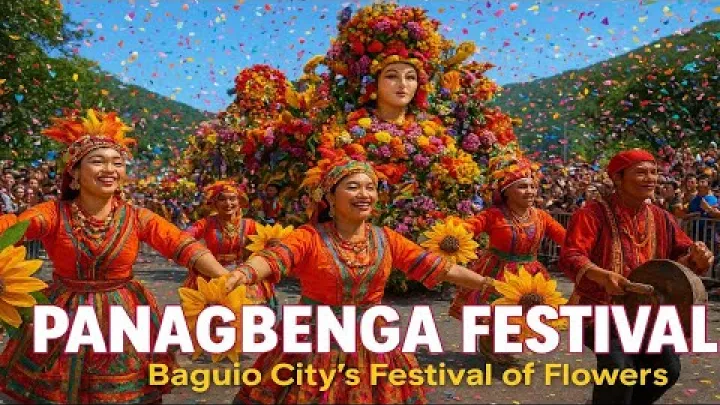
January is a strong choice if you want cool weather after the Christmas and New Year rush. March can also work well, especially for travelers who want comfortable city walks before the warmer pre-monsoon period becomes more noticeable. February is popular because of the Panagbenga Festival atmosphere, but major event weekends can bring heavier traffic, higher demand for rooms, and crowded attractions.
No month guarantees clear skies every day. The recommendation is based on lower rain risk and more comfortable conditions compared with the wet season, not on a promise of perfect weather.
Times to Think Twice About Visiting
June to October is the main period to reconsider if you need clear views, fixed schedules, or the easiest mountain-road travel. These months are commonly treated as the core wet season for Baguio trip planning, with more frequent rain, mist, cloudy days, and a higher chance of disruption.
August and the surrounding wet-season months are usually the most rain-sensitive period for visitors. This does not mean every trip will be unsafe or unpleasant. It means you should avoid rigid itineraries, allow extra travel time, and be ready to move outdoor plans to another day.
Rainy-season travel can still work for budget-conscious travelers, remote workers, or visitors who mainly want cafes, rest, cool air, and a quieter city stay. It is less suitable for travelers who are visiting Baguio mainly for viewpoints, mountain scenery, road trips, or time-sensitive events.
Baguio Weather and Seasons at a Glance
Baguio’s weather is shaped by altitude, monsoon patterns, and its location in the Cordillera highlands. The city is not a beach destination, so the best season depends more on rain, visibility, road access, and evening temperatures than on sea conditions.
Baguio's Highland Climate
Baguio is much cooler than many lowland Philippine cities because it is located in the Benguet highlands. Official PAGASA climatological normals show Baguio’s average temperatures are generally mild, with typical values around the mid-teens to low 20s Celsius rather than the hotter conditions common in lowland urban areas.
For visitors, this means Baguio often feels comfortable for walking during the day and cool in the evening. Travelers coming from Manila, Cebu, Singapore, Bangkok, or other warmer places may notice the difference quickly, especially at night or after rain.
The cooler climate is one of Baguio’s main attractions. It also changes what you should pack: a light jacket, sweater, or long trousers can be useful even when the rest of your Philippines itinerary requires mostly light summer clothing.
Season Calendar: Dry, Warm, Rainy, and Transition Months
The Philippines has a tropical maritime climate with high humidity and abundant rainfall, according to PAGASA. For Baguio, the national dry and rainy season framework is useful, but mountain conditions make rain especially important because it can affect visibility, slopes, drainage, and road access.
| Period | Practical season | Travel meaning |
|---|---|---|
| December to February | Cool dry period | Best for cool weather, walking, parks, and general sightseeing; busy during holidays and festival periods. |
| March to May | Warmer dry or pre-monsoon period | Good for sightseeing, but warmer than January and February; demand can rise during school breaks and Holy Week. |
| June to October | Core wet period | More rain, mist, and possible delays; better for flexible, slower, or budget-oriented trips. |
| November | Transition month | Often improves compared with the wettest months, but rain risk remains and conditions vary by year. |
Typhoons and monsoon surges can influence conditions, especially from the wet season into the later part of the year. A typhoon will not affect every rainy-season trip, but the possibility is important enough that travelers should check current forecasts and local advisories close to departure.
Climate Averages Are Not a Live Forecast
Climate averages help you choose a month, but they do not predict the weather for exact travel dates. A month that is usually favorable can still have rain, fog, or a passing weather system. A wet-season week can also include pleasant breaks between showers.
Before traveling, check the latest PAGASA forecast and local advisories, especially from June to November. This is important for families, travelers with medical needs, people driving private vehicles, and anyone with non-refundable or tightly timed plans.
For a specific year, conditions can change because of monsoon activity, tropical cyclones, or year-to-year climate variability. Treat this guide as a planning baseline, then make your final go-or-delay decision using current information.
Month-by-Month Guide to Baguio Travel Conditions
The following month-by-month guide focuses on the feel of travel in Baguio rather than exact daily predictions. Use it to choose the right season, then check live forecasts before you leave.
| Months | Best for | Main caution |
|---|---|---|
| December to February | Cool weather, sightseeing, parks, cafes, festivals | Holiday and festival crowds |
| March to May | Outdoor walks, escaping lowland heat | Warmer days and peak domestic travel dates |
| June to October | Quiet stays, cafes, flexible budget trips | Heavy rain, mist, road delays |
| November | Shoulder-season compromise | Transition weather and remaining rain risk |
December to February: Cool and Relatively Dry
December to February is one of the best periods for a first Baguio trip. The air is cool, rainfall risk is generally lower than during the wet season, and the weather is more comfortable for walking around Burnham Park, browsing markets, visiting viewpoints, and spending time in cafes.

Evenings can feel chilly, particularly in January and after rain. Bring layers rather than assuming that all Philippine destinations feel hot. A light jacket, sweater, and comfortable shoes are more useful in Baguio than beachwear or heavy winter clothing.
The trade-off is demand. Christmas, New Year, and the main February festival period can bring more visitors, heavier traffic, and stronger competition for accommodation. If you want cool weather but fewer crowds, consider dates outside major holiday weekends and verify the Panagbenga Festival schedule for your travel year.
March to May: Warmer and Popular for Escaping Lowland Heat
March to May is warmer than the cool dry months, but Baguio still feels cooler than many lowland destinations in the Philippines. This makes it a popular escape during hot periods in Manila and other lower-elevation areas.
March and April are generally useful months for outdoor sightseeing, city walks, and short nature side trips when conditions are favorable. May can feel more humid and more rain-prone as the wet season approaches, so it is wise to keep some flexibility in your schedule.
Domestic travel demand can be high during school breaks, Holy Week, and long weekends. If you are traveling during these periods, book accommodation earlier, expect slower movement around popular areas, and avoid planning too many activities in one day.
June to October: Wet Season With Mist and Heavy Rain
June to October is the wettest and most disruption-prone period for Baguio travel planning. Expect more frequent rain, cloudy skies, mist, reduced visibility, and a higher chance that outdoor plans will need to change. Viewpoints may be covered by fog or low cloud, and walking around the city can be less comfortable during downpours.
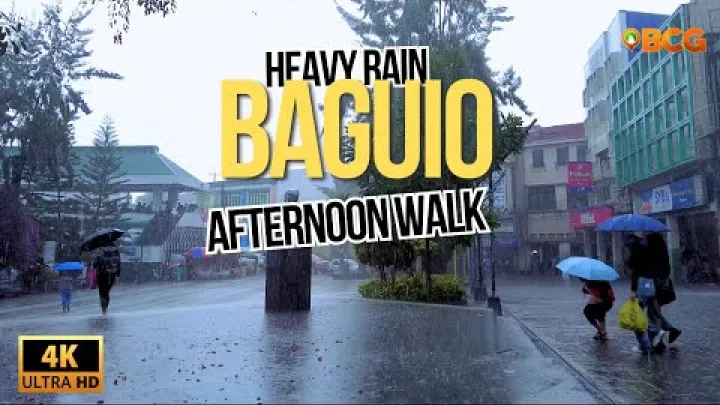
This season can still be attractive if you enjoy cool rain, quiet cafes, slower travel, and fewer visitors in some periods. It may also be a practical choice for remote workers or travelers who plan to stay longer and can adjust their schedule around weather windows.
The important caution is safety and logistics. Heavy rain in a mountain city can affect slopes, drainage, and road conditions. During active weather advisories, avoid exposed outdoor plans and follow current guidance from local authorities.
November: Transition Toward Clearer, Cooler Days
November is a transition month. Conditions often begin to improve compared with the core rainy season, but it is not the same as January or February. Early November can still feel uncertain, while later November may start to feel closer to the cool dry period in many years.
This can be a good compromise month for travelers who want cooler weather and fewer major holiday crowds. It can also work for people who want a city stay with a mix of indoor and outdoor activities.
Because transition months vary, check the forecast before treating November as a dry-season trip. If clear viewpoints or road travel beyond the city are important, keep backup plans ready.
Best Time to Visit Baguio by Travel Style
The best month to visit Baguio depends on what you want to do. A festival trip, a quiet remote-work stay, and a first-time sightseeing weekend do not need the same conditions.
First-Time City Sightseeing and Viewpoints
For first-time visitors, January to March is usually the best balance of cool weather, lower rain risk, and easier sightseeing. These months are well suited to classic city activities such as walking around Burnham Park, visiting viewpoints, exploring markets, and spending time in cafes.

For viewpoints, visibility matters more than temperature alone. A cool day can still be cloudy, especially near or during wet periods. If a viewpoint is a priority, schedule it early in your stay rather than saving it for your final day, so you have another chance if fog or rain arrives.
Central Baguio can be explored at a slower pace. Avoid overloading your itinerary, especially on weekends and holidays, because traffic and crowds can make short distances take longer than expected.
Festivals, Holidays, and Cultural Events
February is commonly associated with the Panagbenga Festival, one of Baguio’s best-known cultural events. It can be a memorable time to visit if you want a lively atmosphere, floral displays, parades, and a busier city mood. Exact dates and major parade schedules should always be checked for the travel year because event calendars and road arrangements can change.
Christmas, New Year, Holy Week, and long weekends are also periods when Baguio can feel much busier. The benefit is energy: more visitors, more activity, and a festive atmosphere. The downside is traffic, higher accommodation demand, and crowded attractions.
If your priority is culture and events, accept the crowds and plan early. If your priority is quiet, choose dates just outside the biggest holiday and festival weekends.
Outdoor Walks, Hiking, and Nature Side Trips
Late December to April is usually the best period for outdoor walks and nature side trips around Baguio and nearby highland areas. The lower rain risk improves your chance of better visibility, safer walking surfaces, and a more comfortable day outside.
There is a difference between easy city walks and more exposed nature excursions. Walking around central parks and commercial areas is more flexible than visiting slopes, trails, or rural side-trip areas where rain can make paths slippery and roads more sensitive to delays.
During the wet season, avoid exposed outdoor plans during heavy rain or active advisories. If you plan to go beyond the city center, ask local guides, your accommodation, or transport providers about current access and conditions before leaving.
Budget Travel and Quieter Stays
The rainy season can be appealing for travelers who value quieter stays and possible better accommodation availability. Price changes vary by property, date, and demand, so it is better to think in relative terms rather than expecting guaranteed discounts.
June, October, and November can be compromise months for flexible visitors. June marks the start of wetter conditions, October may still be rain-affected, and November can improve but remains variable. These months are more suitable if you can stay longer, work remotely, or move outdoor plans around rain.
The trade-off is clear: you may gain a calmer atmosphere, but you accept more weather uncertainty. Build your trip around slow mornings, cafes, indoor stops, markets, and rest time rather than a tight list of viewpoints and day trips.
Rain, Typhoons, and Road Safety in Baguio
Rain in Baguio is not only a question of comfort. Because the city is in a mountainous setting, heavy rain can affect slopes, drainage, visibility, and road movement. This is the main reason rainy-season planning should include safety and transport checks.
What Heavy Rain Means in a Mountain City
Baguio City’s disaster office notes that the city’s mountainous setting makes it vulnerable to heavy rains that can trigger landslides and floods; travelers can review local hazard guidance from Baguio CDRRMO. This does not mean visitors should avoid Baguio whenever it rains, but it does mean severe rain should be taken seriously.
During strong rain or official warnings, avoid steep slopes, river edges, drainage channels, road cuts, and visibly flooded areas. Do not continue an outdoor plan just because it was on your itinerary. In a highland city, conditions can change quickly, and slippery steps or pavements can become a practical problem even inside urban areas.
If you are staying in accommodation on a slope or away from the center, ask staff about safe access during heavy rain. Local knowledge is useful because hazards can be specific to a road, neighborhood, or hillside.
Road Access: Kennon Road and Mountain Routes
Mountain access roads to Baguio can be affected by rain, landslides, fog, and official closures or restrictions. Kennon Road is the best-known local example, and public advisories shared through the PIA Cordillera Administrative Region have included closures during heavy rains.
Do not assume that any route is open or closed based on old information. Before departure, check current updates from DPWH, PIA, local government channels, your bus operator, your driver, or your accommodation. This is especially important during the rainy season and after several days of continuous rain.
If you are using private transport, avoid making route decisions based only on map apps. Mountain roads can have temporary restrictions, fog, falling debris, or delays that are not always reflected immediately in navigation tools.
When to Delay Travel or Keep Plans Flexible
Consider delaying or adjusting travel during active typhoon warnings, heavy-rain advisories, known road closures, or conditions where your itinerary cannot absorb delays. This is particularly important if you are catching a flight, attending a fixed event, traveling with children, or driving at night.
During the wet season, add buffer time for bus or private-vehicle travel. A delay of several hours can affect hotel check-in, onward transport, or event plans, so avoid scheduling important commitments immediately after arrival.
Keep indoor alternatives ready for rainy days. Cafes, museums, markets, rest time, and short central walks can make a wet day useful without forcing unsafe outdoor plans.
What to Pack and Check Before Traveling
Packing for Baguio is different from packing for many other Philippine destinations. You need to prepare for cool evenings, walking, and rain management rather than only heat and sun.
Clothing for Cool Dry Months
For December to February, bring light layers, a jacket or sweater, long trousers, and comfortable walking shoes. Daytime can be mild, but nights and early mornings may feel cool, especially if you are used to tropical lowland heat.
A light jacket is usually enough for most travelers, but people who get cold easily may want a warmer layer. Indoor spaces can also feel cool in the evening, particularly after a rainy or windy day.
Avoid overpacking heavy winter clothing unless you know you need it personally. Baguio is cool by Philippine standards, not a snow destination.
Rain Gear and Footwear for Wet Months
For June to October, pack a compact umbrella, a light waterproof jacket, quick-dry clothing, and protection for your bag or electronics. Rain can arrive repeatedly, and staying dry matters because cool wind and rain can feel uncomfortable even when temperatures are not extremely low.
Footwear is important. Choose shoes or sandals with good grip because pavements, steps, roadside areas, and market streets can become slippery during downpours.
If your trip includes nature side trips, bring practical clothing that can handle mud or wet surfaces. You do not need technical hiking equipment for a normal city stay, but you should avoid smooth-soled shoes in the rainy season.
Forecast and Advisory Checklist Before Departure
Before traveling to Baguio, check a short list of current information rather than relying only on seasonal averages. This checklist is most important from June to November, during long weekends, and before festival or holiday travel.
- Check the latest PAGASA weather forecast for Northern Luzon and Baguio.
- Look for Baguio City disaster or local government advisories during heavy rain.
- Verify road advisories if you are using Kennon Road, Baguio-Bontoc Road, or other mountain routes.
- Ask your bus operator, driver, or accommodation about current access and expected delays.
- Confirm Panagbenga Festival dates, parade schedules, or event road closures if your trip is event-focused.
- Keep indoor alternatives ready if rain affects viewpoints or outdoor walks.
This habit matters even for trips planned in a generally good month. Climate helps you choose when to visit; current advisories help you decide how to travel safely on the actual day.
Frequently Asked Questions
What month is best to visit Baguio?
January is one of the best months for most travelers because it is cool and generally less rainy than the wet season. March is also a good option, while February is best if you want the Panagbenga Festival atmosphere and can handle bigger crowds.
When is the rainy season in Baguio?
For practical travel planning, June to October is the main rainy season in Baguio. Rain risk can begin increasing in May and may still affect parts of November, depending on the year.
Is it okay to visit Baguio from June to October?
Yes, it can be okay if you are flexible and accept rain, mist, and possible delays. It is not the best period for clear viewpoints, tight schedules, or exposed outdoor activities during heavy rain.
Do I need a jacket in Baguio?
Yes, a light jacket or sweater is useful in Baguio, especially from December to February and during cool evenings year-round. Rain can also make the air feel colder.
Can typhoons or heavy rain affect the road to Baguio?
Yes. Heavy rain, landslides, fog, and official restrictions can affect mountain roads to Baguio, including Kennon Road and other routes. Always check current road advisories before departure during rainy weather.
Does the best time to visit Baguio change for a 2026 trip?
The general seasonal pattern is the same, but exact 2026 travel decisions should use current forecasts, climate outlooks, event calendars, and road advisories close to your trip dates.
Conclusion: Choosing the Right Baguio Season
For most travelers, the best time to visit Baguio is from late December to March, especially January and parts of March for cool weather with fewer major event crowds than peak festival weekends. Choose February if festivals are your priority, late December to April for outdoor walks and nature side trips, and June to October only if you are comfortable with rain and flexible plans.
The main period to treat carefully is the wet season, when mist, heavy rain, typhoon influence, and mountain-road delays can affect your trip. Use climate patterns to choose your month, but make final decisions with live forecasts, local advisories, and current transport updates. With the right timing and preparation, Baguio can be a comfortable highland escape in the Philippines throughout much of the year.
Select area
Create a post
Posting is free and no registration is required.