Best Time to Visit Bohol: Weather, Seasons, and Travel Tips

The best time to visit Bohol depends on whether you care most about beach weather, lower prices, cooler sightseeing, diving conditions, or flexible travel. For most first-time visitors, the safest broad answer is the dry season from December to May, especially January to April. This guide explains Bohol weather by season and month, with practical advice for Panglao Island, Tagbilaran City, the Chocolate Hills, Loboc River, Balicasag Island, Cabilao Island, and ferry travel. It also explains when the rainy season can still work, and when you should build in extra flexibility.
Quick Answer: The Best Time to Visit Bohol
If you want the simplest planning rule, choose the dry season and avoid putting every important outdoor activity on one fixed day. Bohol is a tropical island province, so even good-weather months can have brief showers, and rainy-season months can still have sunny periods.
Best Overall Months
December to May is generally the best broad window for Bohol, with January to April often giving the strongest balance of sunshine, calmer seas, and reliable outdoor planning. This is usually the best time for Panglao beach stays, island hopping, countryside tours, and first-time itineraries that include the Chocolate Hills.
December to February usually feels more comfortable by tropical Philippine standards, while March to May is often sunnier but hotter. Local travel guidance from Bohol Nature Tours also points travelers toward the drier months for more stable conditions, although exact weather can still vary from year to year.
Best Months by Travel Style
Different travelers should choose different months. Families and comfort-focused travelers may prefer December to February. Beach, snorkeling, diving, and island-hopping travelers often prefer January to April. Budget travelers can consider June to October if they accept rain, changing sea conditions, and possible transport disruption.
| Travel style | Best timing | Main trade-off |
|---|---|---|
| Comfort and families | December to February | Good weather, but peak holiday demand can raise prices |
| Beaches and Panglao resorts | January to April | Reliable beach weather, but March to May can feel hot |
| Diving and snorkeling | January to April | Often better sea conditions, but check local dive reports |
| Budget travel | June to October | Lower crowds, but more rain and more need for flexibility |
| Value and shoulder season | November or late May | Useful compromise, but weather can be transitional |
Months to Approach With Flexibility
June to October is the period to approach with the most flexibility. It can still be enjoyable, especially for travelers who like quieter destinations and can change plans at short notice. However, you should use refundable bookings where possible, leave buffer days around boat trips, and avoid tightly connecting ferries with same-day international flights.

September and October deserve extra caution because they fall within the peak tropical cyclone season nationally. November and late May can work well as shoulder periods, but conditions are transitional, so they are best for travelers who are comfortable checking forecasts and adjusting activities.
How Bohol’s Seasons Work
Bohol follows the wider Philippine pattern of dry and rainy seasons, but local conditions can still vary between the coast, inland hills, and nearby sea routes. Think of seasonal guidance as a planning tool, not a guarantee.
Dry Season, Cool Dry Season, and Hot Dry Season
The Philippine weather agency PAGASA describes the dry season as running from December to May, with a cool dry season from December to February and a hot dry season from March to May. For travelers, this means the dry months are usually easier for beaches, boat trips, countryside tours, road travel, and photography.
In Bohol, dry season does not mean no rain. It means lower rain likelihood and usually more dependable conditions for outdoor plans. You may still get a short shower in Panglao, cloud cover over the Chocolate Hills, or a windy day that affects boats.
Rainy Season and Monsoon Patterns
The broad rainy season in the Philippines is usually discussed as June to November. During this period, the southwest monsoon can bring more humidity, more showers, and less predictable sea conditions. In practice, this can mean afternoon or evening rain, wetter roads, more itinerary changes, and occasional rougher boat rides.
Rainy season does not mean it rains all day every day. Many days still include dry or sunny intervals, especially if no major weather system is nearby. The key is to plan important outdoor activities during favorable forecast windows and keep indoor, food, spa, or city-based alternatives ready.
Why Local Forecasts Still Matter
Monthly climate patterns cannot replace live forecasts. Before island hopping, ferry travel, diving, motorbike trips, or a long countryside tour, check current Visayas or local Bohol forecasts and advisories. The PAGASA Visayas Forecast is a useful official starting point for current regional conditions.
Weather can also differ across the province. Panglao Island may have different cloud, wind, or shower timing from Tagbilaran City, the coastal towns, or the inland areas near Carmen and the Chocolate Hills. When an activity depends on the sea, local boat operators and dive shops should guide the final go or no-go decision.
Bohol Weather Month by Month
A month-by-month view helps you match your trip to your comfort level. These descriptions are practical seasonal patterns, not exact forecasts for a specific year.
December to February: Cooler Dry Season
December to February is one of the most comfortable periods to visit Bohol. Rain risk is generally lower than in the wet season, and the heat is usually less intense than in the late dry season. This makes it a strong choice for first-time visitors who want a balanced itinerary: Panglao beaches, Chocolate Hills viewpoints, Loboc River activities, and relaxed time in Tagbilaran City.
The main drawback is demand. Christmas, New Year, and parts of January can be busy, especially around Panglao resorts and popular tours. Book accommodation, ferry seats, flights, and guides earlier if you travel during these dates. Also remember that brief showers can still occur.
March to May: Hot Dry Season
March to May often brings strong sunshine and excellent beach reliability, but it can also be the most tiring period for travelers sensitive to heat. These months are popular for swimming, island hopping, snorkeling, and photography, especially when travelers want a lower chance of rainy-day disruption.
For inland sightseeing, start early. Visit the Chocolate Hills in Carmen, countryside stops, and walking-heavy attractions in the morning or late afternoon. Use midday for lunch, rest, air-conditioned transfers, or shaded beach time. Easter, Holy Week, and school-holiday periods can also increase demand when they fall in this window.
June to October: Rainy and Low Season
June to October is wetter, more humid, and usually quieter for tourism. Travelers may find better accommodation value and fewer crowds, but the trade-off is less predictable weather. Heavy rain, choppy seas, and transport delays are more possible, especially when a storm or active monsoon pattern affects the region.
This period can still suit flexible travelers. Plan outdoor activities around the forecast, keep backup activities ready, and avoid placing every important boat trip or countryside tour at the end of your stay. The landscape can look greener during wetter months, but comfort and visibility depend on the actual weather during your visit.
November: Transition Toward Better Weather
November is a transition month. Rain can still occur, and tropical cyclone risk is not zero, but conditions often begin moving toward the drier pattern that becomes more dependable in December. It can be a useful compromise for travelers who want fewer crowds than the Christmas period and better odds than the wetter months.
Choose November if you are comfortable with some uncertainty. It is a value and flexibility month rather than a guaranteed best-weather month.
Best Time for Beaches, Diving, and Island Hopping
Bohol’s coast and nearby islands are a major reason to visit, so sea conditions matter as much as sunshine. The best beach month is not only about rain; wind, waves, and advisories also affect boats and comfort.
Panglao Beaches and Island Hopping
For Panglao Island, Alona Beach-area stays, swimming, and island-hopping plans, the dry season is usually the best choice. January to April is often the strongest period when lower rain chances and calmer seas are the priority. December to February is especially attractive for travelers who want beach time without the strongest late-dry-season heat.

Even in dry months, sea conditions should be checked locally. A sunny beach morning does not always mean a smooth boat day, and a short shower does not always mean activities are impossible. Let local advisories and boat operators guide same-day decisions.
Diving and Snorkeling Around Balicasag and Cabilao
Dry-season months are usually preferred for diving and snorkeling around Balicasag Island and Cabilao Island because surface conditions and visibility are often more favorable. These areas are important local anchors for marine activities, and many travelers plan their Bohol trip around them.
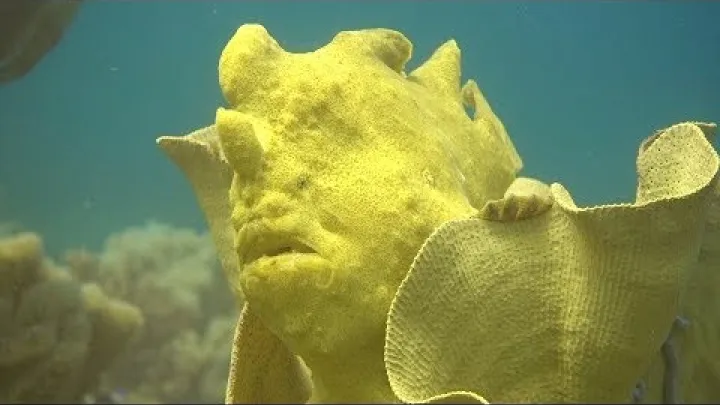
Diving can be possible year-round, but rainy-season visibility, swell, currents, and boat comfort can vary. Do not plan a dive trip based only on monthly averages. Confirm conditions with licensed dive operators close to your travel date, and do not assume wildlife sightings are guaranteed.
Sea Conditions and Boat Trip Planning
Rain alone may not cancel a boat trip, but wind, waves, storms, and official advisories can affect ferries, island hopping, and dive boats. This matters for travelers using the Cebu-Bohol ferry route, as well as those connecting a boat excursion with a flight or long transfer.
If you visit during the rainy season, add buffer time. Avoid scheduling a major flight immediately after a weather-sensitive boat trip if you can. This is not a reason to avoid Bohol; it is a simple way to reduce stress when the sea is less predictable.
Best Time for Chocolate Hills and Inland Sightseeing
Inland Bohol has a different rhythm from the beach. Heat, cloud, road conditions, and vegetation color can shape your experience as much as rainfall.
Chocolate Hills Color, Visibility, and Heat
The Chocolate Hills are accessible in both dry and wet seasons, but the experience changes. During the late dry season, the hills may look browner, which creates the classic “chocolate” appearance. During rainy months, the surrounding landscape may look greener, but clouds or showers can reduce visibility.
There is no exact date when the hills change color every year. If you visit in March to May, go early in the morning or late in the afternoon to reduce heat discomfort. If you visit during rainy months, watch the forecast and try to choose a clear window for the trip to Carmen.
Loboc River, Tarsier Visits, Forest Roads, and Waterfalls
Inland attractions such as the Loboc River, tarsier viewing areas, the Bilar Man-Made Forest, and waterfalls are usually easier to plan in the dry season. Roads are generally more comfortable, walking paths are less wet, and visibility is often better for scenery and photos.
Rainy-season landscapes can be lush and beautiful, but heavy rain can affect road comfort, trail conditions, river views, and waterfall access. If you use a motorbike or travel through hilly and forested areas, be cautious during downpours. Slow down, avoid flooded sections, and change plans if conditions feel unsafe.
Crowds, Prices, Holidays, and Budget Timing
The best-weather months are also the months when many other travelers want to visit. Choosing the right time means balancing weather reliability with cost and crowds.
Peak Travel Periods
Peak demand in Bohol often overlaps with Christmas, New Year, January travel, Holy Week, Easter, and Philippine long weekends. These periods can make Panglao accommodation, ferries, flights, and popular tours busier than usual.
Bohol can also receive travelers combining Cebu and Bohol, especially during busy travel periods in Cebu. If your itinerary depends on the Cebu-Bohol ferry route, book earlier during holidays and avoid assuming you can arrange everything at the last minute.
Shoulder and Low Season Value
November, late May, and parts of June can be useful compromise periods, depending on the year. They may offer fewer crowds than peak dry season, but they also come with more weather uncertainty than January to April.
June to October can offer better value and a quieter trip, but it works best for flexible travelers. Choose refundable bookings where possible, consider travel insurance, and leave space in the itinerary for weather changes. Low season is not always cheap and not always rainy, but it does require a different planning style.
Typhoon Risk, Heat, Rain, and Practical Packing
Bohol is a warm tropical destination year-round. Good preparation is simple: respect forecasts, plan around heat, and pack for both sun and sudden rain.
Typhoon and Heavy Rain Planning
Bohol is not typhoon-free. It may be described by some travelers as less exposed than more eastern or northern Philippine destinations, but tropical cyclones can still affect travel, seas, power, roads, and outdoor plans. PAGASA notes that the peak of the Philippine typhoon season is July through October, when a large share of typhoons develop nationally; see PAGASA for official tropical cyclone information.
If you travel during this period, monitor forecasts, follow local advisories, keep backup plans, and avoid sea activities when conditions are unsafe. Do not treat a sunny interval as permission to ignore official warnings.
Heat and Humidity in Tagbilaran and Panglao
Bohol feels warm and humid throughout the year. March to May often feels hottest for outdoor sightseeing, especially during midday. In Tagbilaran City and Panglao, air conditioning, shade, hydration, and rest breaks can strongly affect comfort.
Plan active sightseeing early in the morning. Use midday for lunch, indoor stops, transfers, hotel rest, or shaded beach time. If you are traveling with children, older travelers, or anyone sensitive to heat, the cooler dry months from December to February may be more comfortable.
What to Wear and Pack
Pack lightweight breathable clothing, swimwear, sunglasses, a hat, sun protection, a reusable water bottle, and comfortable sandals or walking shoes. For beach and boat days, bring quick-dry clothing and a waterproof pouch for your phone, passport copy, and small valuables.
For rainy-season trips, add a light rain jacket or poncho, footwear that can handle puddles, and extra dry bags for electronics. If you plan to snorkel or dive, consider reef-safe sun protection and clothing that reduces the need for repeated sunscreen use in the water.
Conclusion: Choosing Your Bohol Travel Window
For most travelers, the best time to visit Bohol is January to April, with December to February best for comfort and March to May best for sun-focused beach trips if you can handle the heat. November and late May can be good shoulder choices, while June to October can suit budget travelers who have flexible plans and understand the rainy-season trade-offs.
Choose your travel window based on your main activity. Pick dry season for Panglao beaches, Balicasag or Cabilao diving, island hopping, and easier countryside sightseeing. Choose the wetter months only if you are comfortable checking forecasts, changing plans, and leaving buffer time for boats, roads, and outdoor activities.
Select area
Create a post
Posting is free and no registration is required.