Bohol Travel Guide: Where to Stay, Things to Do and Tips
This Bohol travel guide is designed for first-time visitors who want clear, practical decisions before booking. Bohol is an island province in Central Visayas known for beaches, countryside scenery, wildlife, river trips, and marine activities, and it can work as a short side trip from Cebu or as a relaxed island stay. The main planning choices are where to base yourself, how to arrive, how to move around, and how much time to allow for beaches, countryside, and boat trips. Schedules, prices, weather, and local rules can change, so treat this guide as a planning framework and check current details before you travel.
Bohol at a Glance
Bohol is compact enough for a varied holiday but spread out enough that your base affects the feel of the trip. The official Bohol Provincial Tourism Office is a useful starting point for destination orientation and local tourism updates.
Why Bohol Works for First-Time Visitors
Bohol works well for first-time visitors because it combines several classic Philippines experiences without requiring a complicated multi-island plan. You can stay near Panglao Island for beaches and boat trips, spend a day exploring the countryside, visit the Chocolate Hills, see tarsiers in a conservation-focused setting, and take a river trip around Loboc.
It is also flexible. If you are already visiting Cebu, Bohol can be added as a short ferry trip. If you want a slower beach holiday, you can spend several nights on Panglao or split your stay between Panglao and a quieter area such as Loboc or Anda. Bohol is accessible and varied, but it is not a place where every attraction is next door to every hotel, so planning your route matters.
How Bohol Is Laid Out
A simple mental map helps. Panglao Island sits off the southwest side of Bohol and is home to Bohol-Panglao International Airport, Alona Beach, many resorts, restaurants, dive shops, and common island-hopping departures. Nearby Tagbilaran City is the main urban center and an important ferry arrival point through Tagbilaran ferry port.

The interior of Bohol includes countryside attractions such as the Loboc River, Corella, Bilar, Carmen, Sagbayan, the Bilar man-made forest, and the Chocolate Hills. Anda is on the east coast and feels more separated from Panglao and Tagbilaran, which can be a benefit for travelers seeking a quieter coastal stay. Offshore experiences often include Balicasag Island and the Virgin Island sandbar area, although access, rules, and sea conditions should always be checked locally.
Where to Stay in Bohol
Your best base depends on trip length and travel style. Most first-time visitors choose Panglao for convenience, but Tagbilaran, Loboc, and Anda each make sense for specific types of trips.
| Base area | Best for | Main tradeoff |
|---|---|---|
| Panglao Island and Alona Beach | First trips, beaches, restaurants, diving, boat tours | Busier and more commercial in peak periods |
| Tagbilaran City | Ferry access, errands, transit, lower-cost city stays | Not the main beach atmosphere |
| Loboc and countryside | River scenery, nature, slower travel, countryside tours | Less beach access and fewer dining choices |
| Anda and east coast | Quiet beach time, couples, divers, slow travel | Less convenient for short Panglao-based trips |
Panglao Island and Alona Beach
Panglao Island is the easiest default base for a first Bohol trip. Alona Beach and its surrounding area offer the widest concentration of visitor services, including accommodation, restaurants, tour desks, dive shops, and beach access. It is also convenient for Bohol-Panglao International Airport and for many marine activities.
![Preview image for the video "🐵 [HD #BOHOL 🇵🇭] ALONA BEACH : A Day and Night Walking Tour of Panglao Bohol's Paradise".](/sites/default/files/styles/media_720x405/public/oembed_thumbnails/2026-06/KSd3aNoWvZG7fJ7H7LFLVqAPbD5Xex3glWmf5eZGVpA.jpg.webp?itok=T8Lp77ib "Preview image for the video \"🐵 [HD #BOHOL 🇵🇭] ALONA BEACH : A Day and Night Walking Tour of Panglao Bohol's Paradise\".")
Choose Panglao if you have only three to five days, want minimal logistics, or prefer being near restaurants and tour options in the evening. It suits couples who want a simple beach base, families who value easy transport, divers who want quick access to dive shops, and short-stay travelers who do not want to move hotels.
The tradeoff is atmosphere. Around Alona Beach, the experience can feel busy and commercial, especially during holidays and peak travel periods. If you want a quieter stay but still want Panglao convenience, look for accommodation away from the busiest beachfront and confirm how you will reach restaurants, boat departures, and pickup points.
Tagbilaran City
Tagbilaran City is Bohol’s main urban and ferry hub. It is useful for travelers arriving by boat, handling errands, visiting banks or malls, or staying somewhere practical before moving on. It can also make sense for budget-conscious travelers who prefer city accommodation over resort areas.
For most leisure travelers, Tagbilaran is not the main beach base. Many visitors continue to Panglao, Loboc, Anda, or another coastal area after arriving at Tagbilaran ferry port. Still, the city has a practical role in a Bohol itinerary, especially if your ferry arrives late, your onward transfer is the next morning, or you want easy access to supplies before heading to a quieter area.
Loboc and the Countryside Interior
Loboc and nearby interior areas suit travelers who want a quieter, more nature-focused stay. The Loboc River is a central attraction, and the area connects well with countryside routes that may include Corella, Bilar, the Bilar man-made forest, the Sipatan Twin Hanging Bridges, Carmen, and the Chocolate Hills.
Many visitors see Loboc as part of a day trip from Panglao, but staying overnight can make the countryside feel less rushed. It can be a good choice for families, repeat visitors, photographers, and travelers who enjoy riverside scenery and slower evenings. The tradeoff is that you will be farther from the main beach and marine-tour hub, and dining options may be more limited than in Panglao.
Anda and the East Coast
Anda is a quieter coastal alternative on Bohol’s east side. It can suit couples, divers, snorkelers, and travelers who want a slower beach stay away from the busiest Panglao scene. It is often better as a second base or a longer-stay choice than as the only base for a very short first trip.
Before booking Anda, check your transfer options carefully. It is farther from Panglao, Tagbilaran, and many common day-tour routes, so it is less convenient if you want frequent Panglao-based boat trips or a tightly packed itinerary. If your goal is rest, coastal scenery, and a less commercial atmosphere, Anda can be rewarding; if your goal is maximum convenience, Panglao will usually be easier.
How to Get to and Around Bohol
Bohol is commonly reached by air or by ferry. Once you arrive, transport choices range from scooters and tricycles to private vans, taxis, public transport, and organized tours.
Flying into Bohol-Panglao International Airport
Bohol-Panglao International Airport is the main air gateway for many visitors. It is especially convenient if you plan to stay on Panglao Island or around Alona Beach, but it also connects to Tagbilaran City and mainland Bohol bases by taxi, transfer, or arranged vehicle.
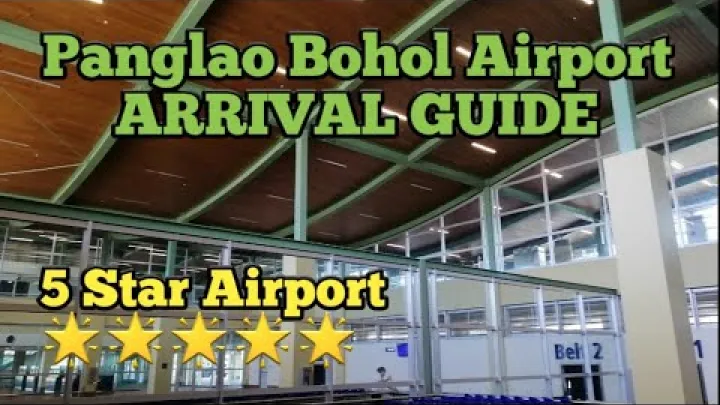
If you arrive late, travel with large luggage, or plan to go directly to Loboc or Anda, arrange transport before arrival when possible. Airport transport availability and ride-hailing options can change, and fares depend on distance, vehicle type, and local conditions. Confirm your pickup point, payment method, and destination name in advance to avoid confusion.
Taking the Ferry from Cebu and Nearby Islands
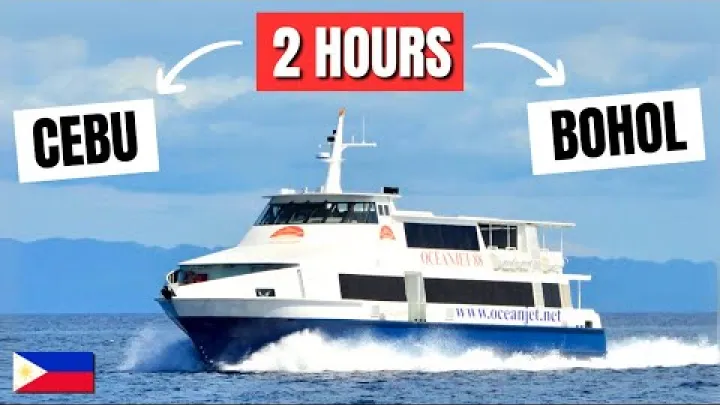
The Cebu to Bohol ferry is one of the most common routes for Central Visayas itineraries. Tagbilaran is a key arrival port, and some routes may also use other Bohol ports depending on the operator and schedule. Travel blogs such as Bel Around The World describe the route as a practical option, but ferry operators, terminals, schedules, fares, and baggage rules can change.
For a smoother ferry day, confirm your departure pier, arrive early enough for check-in, keep your ticket and identification accessible, and allow buffer time before flights or fixed tours. Book ahead during weekends, holidays, and peak travel dates. Weather can affect ferry operations, so monitor operator notices and avoid planning a tight same-day connection if your schedule is important.
Local Transport, Tours, and Scooter Rentals
Local transport in Bohol depends on distance, confidence, budget, and comfort. Scooters can be flexible for experienced riders, tricycles are useful for short local trips, private cars or vans work well for families and groups, and organized tours reduce planning stress. Public buses and jeepneys can be cheaper but usually require more time and patience.
A practical transport overview from Klook highlights the range of options travelers commonly compare, including scooters, ferries, and local transfers. Use these options based on your skill level rather than only on price.
| Transport option | Good for | Important caution |
|---|---|---|
| Scooter | Confident licensed riders and flexible exploring | Wear a helmet and check insurance coverage |
| Tricycle | Short local rides and simple transfers | Agree on fare and destination before leaving |
| Private car or van | Groups, families, countryside loops | Confirm inclusions, waiting time, and route |
| Organized tour | Low-stress sightseeing and first visits | Check pickup points and weather policies |
| Bus or jeepney | Budget travelers with flexible time | Routes and timings may be less convenient |
Do not rent a scooter if you are inexperienced or uncomfortable with local road conditions. Rain, heat, unfamiliar roads, and night driving can increase risk. Check whether your travel insurance covers motorcycle or scooter use, and follow helmet and license requirements.
Best Time to Visit Bohol
Bohol has a tropical climate, so planning is less about finding a guaranteed perfect week and more about balancing beach weather, sea conditions, crowds, and booking flexibility.
Dry Season, Wet Season, and Sea Conditions
Bohol generally has drier and wetter parts of the year, but weather can vary and short tropical rain can occur even during popular travel months. Drier periods are often better for beach days, countryside sightseeing, snorkeling, diving, and boat trips. Wetter periods may still be enjoyable, especially for flexible travelers, but rain and sea conditions can disrupt ferries and island-hopping.
Before any boat trip to places such as Balicasag Island or the Virgin Island sandbar area, check the local forecast, marine conditions, and operator advice. If a boat operator or local authority advises against travel because of weather, follow that guidance. Build at least one flexible day into your itinerary if marine activities are important to you.
Crowds, Prices, and Booking Windows
Demand can rise during Christmas, New Year, Easter, long weekends, and local holiday periods. During these times, accommodation in Panglao, ferry seats, flights, airport transfers, and popular tours may book earlier or cost more than during quieter periods.
If you are traveling during a peak period, reserve your key accommodation and main transport first. If you are traveling off-peak, you may have more flexibility, but you should still confirm cancellation terms for weather-dependent boat trips and check whether smaller operators are running on your intended dates. Budget travelers should compare the total trip cost, not only hotel prices, because transport and tour costs can offset a cheaper room in a less convenient area.
Best Things to Do in Bohol
Bohol’s main experiences fall into three groups: inland countryside, wildlife and river scenery, and coastal or marine activities. A first trip usually combines at least one countryside day with one beach or boat day.
Chocolate Hills and Interior Viewpoints
The Chocolate Hills are Bohol’s most iconic landscape and a central stop on many countryside tours. The main viewing areas are associated with interior towns such as Carmen and Sagbayan, and they are usually combined with other inland attractions rather than visited as a stand-alone long journey.
For a more comfortable visit, go earlier in the day when possible, carry water, and expect exposed viewpoints to feel hot in sunny weather. Crowd levels vary by season and time of day. If photography is important, allow time for changing light and do not rush the stop as part of an overloaded itinerary.
Ethical Tarsier Viewing in Corella
Tarsiers are one of the main wildlife reasons travelers visit Bohol, but they should be treated as sensitive wild animals rather than photo props. Prioritize conservation-focused viewing around Corella and the Philippine Tarsier Sanctuary, and follow all guide instructions on site.
Basic etiquette matters: keep your voice low, do not touch wildlife, do not use flash, and stay on approved paths. Rules, fees, and access details can change, so confirm current visitor information before going. A respectful visit is usually quieter, slower, and better for both the animals and the visitor experience.
Loboc River, Forest Stops, and Countryside Tours
The Loboc River is a key countryside experience, known for riverside scenery, cruises, and nearby soft-adventure options. Many travelers combine Loboc with the tarsier viewing areas, the Chocolate Hills, Bilar man-made forest, and sometimes the Sipatan Twin Hanging Bridges in one countryside loop.
A guided or private tour is often the easiest option if you are based in Panglao and want a low-stress day. Self-guided travel can work for confident drivers, but distances, heat, rain, and navigation can make the day more tiring than it looks on a map. If you book a tour, confirm what is included, whether entrance fees are separate, how long stops last, and where pickup and drop-off happen.
Beaches, Balicasag, and Snorkeling or Diving
Panglao is the easiest launch point for many beach, snorkeling, diving, and island-hopping experiences. Alona Beach is the best-known visitor hub, while other Panglao areas may suit travelers who want a quieter stay. Balicasag Island is a common focus for marine trips, and Anda can also appeal to travelers who prefer a quieter coastal base.
Marine trips are weather-dependent and may be affected by permits, access rules, sea conditions, and conservation limits. Do not assume wildlife sightings are guaranteed. Practice reef-safe behavior: do not stand on coral, do not touch marine life, use sun protection responsibly, and follow boat crew instructions. If diving, choose an operator that checks certification, conditions, and safety procedures clearly.
Suggested Bohol Itineraries
The best Bohol itinerary depends on how much you want to move around. For a first trip, avoid packing every distant attraction into one day. Group nearby activities and protect your ferry or flight days with buffer time.
3-Day First-Time Bohol Itinerary
A three-day Bohol trip is best based in Panglao to reduce hotel changes and transfer time.
- Day 1: Arrive by flight or ferry, transfer to Panglao, settle in, and spend the afternoon around the beach or nearby restaurants.
- Day 2: Take a countryside loop including tarsier viewing around Corella, Loboc River, forest stops near Bilar, and the Chocolate Hills around Carmen or Sagbayan.
- Day 3: Choose a beach, snorkeling, diving, or island-hopping activity if weather allows, then keep enough time for departure logistics.
This plan works for a quick overview, but it requires prioritizing. It is not ideal if you want to include Anda, stay overnight in Loboc, or build in several rest days.
5-Day Balanced Bohol Itinerary
Five days gives you a more comfortable first trip. You can stay in Panglao for the full visit or add one night inland if you prefer slower countryside time.
- Day 1: Arrive, transfer, and keep the day light.
- Day 2: Do a countryside loop with Chocolate Hills, Corella, Loboc, and selected nearby stops.
- Day 3: Plan a marine day such as snorkeling, diving, or island-hopping, subject to sea conditions.
- Day 4: Keep a flexible day for rest, a second beach day, diving, a food-focused Panglao day, or a weather backup.
- Day 5: Depart with buffer time for traffic, ferry check-in, or airport transfer.
Families may prefer a private vehicle for the countryside day and a gentler beach day instead of a long boat tour. Divers may want to replace the flexible day with another dive day. Travelers who do not enjoy boats can focus on beaches, river scenery, and inland viewpoints.
7-Day Slow Itinerary with Anda or Loboc
With a week, consider splitting your stay. Start with Panglao for beaches, restaurants, airport access, and boat trips, then move to Loboc for river and countryside atmosphere or Anda for a quieter east-coast beach stay. Moving bases is worthwhile when it reduces repeated long drives or gives you a different pace of travel.
Choose an Anda extension if your priority is quiet coastal time, snorkeling or diving, and a less commercial atmosphere. Choose a Loboc extension if you prefer rivers, countryside evenings, forest scenery, and easier access to interior routes. If you dislike packing and transfers, staying in Panglao for all seven days can still work, especially if you book one or two private day trips and leave space for rest.
Costs, Booking, Safety, and Responsible Travel
Bohol can suit budget, midrange, and comfort travelers, but costs vary by base, season, transport style, and activity choices. The most important planning habit is to compare the whole itinerary cost rather than one item at a time.
Typical Costs to Plan For
Your main cost categories are accommodation, arrival transport by ferry or flight, local transfers, countryside tours, food, marine activities, entrance fees, tips, and small cash expenses. Panglao and peak travel periods can be more expensive than quieter towns or off-peak dates, especially if you want beachfront accommodation or private transport.
| Budget style | Typical choices | Planning note |
|---|---|---|
| Lower budget | Simple rooms, local eateries, shared or public transport | Allow more time for logistics |
| Midrange | Comfortable hotels, selected tours, some private transfers | Often the easiest balance for first trips |
| Comfort | Resorts, private vehicles, guided activities, dive packages | Book early for peak dates |
Carry some cash for tricycles, small operators, local fees, tips, and places that may not accept cards. ATMs and card acceptance are easier in busier areas than in remote spots, but availability can change.
What to Book Ahead and What to Arrange Locally
Book accommodation, key ferries or flights, and high-demand tours ahead if you are traveling during holidays, weekends, or peak periods. If your plan depends on a specific dive operator, private driver, or airport transfer, confirm it before arrival.
Some simple transport, short tricycle rides, meals, and basic local arrangements can often be handled after you arrive, especially outside peak dates. For boat trips and weather-dependent tours, check the cancellation policy, pickup point, inclusions, payment terms, and what happens if the sea is unsafe or the trip is canceled.
Safety, Weather Disruption, and Advisory Checks
Bohol is a normal travel destination where standard precautions still matter. Before and during your trip, check current official travel advice, weather forecasts, ferry notices, and insurance coverage. GOV.UK provides current Philippines travel-advice framing on safety, security, insurance, and travel disruption.
Use common precautions with valuables, avoid poorly lit or isolated areas late at night, and choose safe transport after dark. Road safety is a major practical issue for travelers who rent scooters, so wear a helmet, avoid riding in heavy rain if possible, and do not drive if tired or inexperienced. Heat, storms, ferry delays, and natural hazards can affect plans; follow local authority and operator instructions during severe weather, seismic events, or transport disruption.
Responsible Travel Around Reefs, Wildlife, and Communities
Bohol’s appeal depends on reefs, wildlife, beaches, rivers, and local communities. Small traveler choices make a difference. Do not touch coral, stand on reefs, chase marine animals, use flash near tarsiers, leave plastic waste on beaches, or ignore local rules at protected areas.
Choose operators that explain safety and environmental rules clearly. Keep noise low in wildlife areas, dress and behave respectfully in local communities, and support local businesses where practical. Responsible travel is not about limiting enjoyment; it helps keep the experiences that make Bohol special in good condition for residents and future visitors.
Frequently Asked Questions
How many days do you need in Bohol?
Three days is enough for a quick first visit based in Panglao, with one countryside day and one beach or boat day. Five days is more comfortable, and seven days lets you add Anda, Loboc, or more rest time.
Is Panglao or Anda better for a first trip to Bohol?
Panglao is usually better for a first trip because it is more convenient for the airport, restaurants, tours, diving, and island-hopping. Anda is better for travelers who want a quieter coastal stay and do not mind being farther from Panglao and Tagbilaran.
What is the easiest way to travel from Cebu to Bohol?
The ferry from Cebu to Bohol is a common and practical option, often arriving at Tagbilaran. Check the current operator, pier, schedule, fare, baggage rules, and weather notices before travel.
Do you need to rent a scooter in Bohol?
No. A scooter is useful only for confident, properly licensed riders. Many visitors use tricycles, private cars, vans, taxis, or organized tours instead, especially for countryside routes or family travel.
Is Bohol suitable for first-time visitors to the Philippines?
Yes. Bohol is suitable for many first-time visitors because it offers beaches, countryside, wildlife, and marine activities in one province. It is easiest if you plan your base carefully, book key transport, and keep weather flexibility in your schedule.
Final Planning Advice for Bohol
For most first-time travelers, the simplest Bohol plan is to base in Panglao, take one countryside tour, reserve one flexible marine or beach day, and keep buffer time around ferries or flights. Choose Tagbilaran for transit convenience, Loboc for rivers and countryside atmosphere, and Anda for a quieter coastal extension.
The best Bohol trip is not the one with the longest checklist. It is the one that matches your pace, places related activities together, and leaves space for weather, transport changes, and rest. Check current schedules and local rules before you go, travel respectfully around reefs and wildlife, and Bohol can be one of the most rewarding stops in Central Visayas.
Select area
Create a post
Posting is free and no registration is required.