Bohol Getting There: Flights, Ferries, Buses and RORO
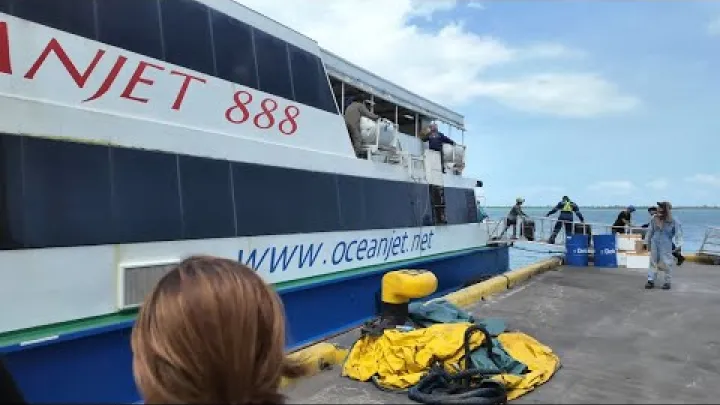
Bohol getting there is usually simple once you understand the island’s main gateways. Most visitors arrive by domestic flight at Bohol-Panglao International Airport or by ferry through Tagbilaran City Port, while slower routes use bus-ferry chains or RORO services. The best choice depends on where you start, how much luggage you have, your budget, and how much risk you can accept with connections. This guide explains the practical route choices from Manila, Cebu, Dumaguete, Siquijor, Camiguin, Mindanao, and nearby islands, with realistic advice on schedules, transfers, and arrival planning.
Start with the Best Route for Your Trip
Bohol is an island destination in Central Visayas, so almost every route includes either a flight or a sea crossing. Before comparing tickets, decide whether your priority is speed, cost, comfort, or flexibility.
Fastest, cheapest, and most flexible choices
Flying is usually the fastest and simplest way to reach Bohol, especially if you are coming from Manila or connecting from an international flight. Ferries are practical when you are already in Cebu, Dumaguete, Siquijor, or another nearby island. Bus-ferry chains and RORO routes can work for slow travel, regional movement, or private vehicles, but they require more coordination.
| Option | Best for | Main trade-off |
|---|---|---|
| Flight to Bohol-Panglao International Airport | Short trips, families, heavy luggage, tight schedules | Can cost more during peak dates or when booked late |
| Fast ferry to Tagbilaran City Port | Travelers already in Cebu, Dumaguete, or Siquijor | Depends on sea conditions, terminal timing, and current schedules |
| Bus-ferry chain | Budget travelers with time and patience | Multiple legs increase delay and missed-connection risk |
| RORO with vehicle | Motorcycles, private cars, regional road trips | Vehicle space, paperwork, port queues, and loading cut-offs |
Exact schedules and fares change often. Before paying for any ticket, check the current airline, ferry operator, port, or terminal information for your travel date. This is especially important around holidays, bad weather, and late-night arrivals.
Main Bohol gateways to know
The main air gateway is Bohol-Panglao International Airport (TAG), located on Panglao Island and used by travelers heading to Panglao, Alona Beach, Tagbilaran City, and the rest of Bohol. Older articles may still mention the former Tagbilaran Airport, but scheduled passenger flights should be planned around Bohol-Panglao International Airport when checking current tickets.
Tagbilaran City Port is the most useful ferry gateway for many first-time visitors because it is close to Tagbilaran City and convenient for onward travel to Panglao Island, Alona Beach, and central Bohol. Getafe Port can be useful for some northern Bohol or Cebu-side routes, while Jagna Port is important for some eastern Bohol and Camiguin-related movements.
For land transport within Bohol, Dao Integrated Bus Terminal is a practical hub. Travelers use it for buses, jeepneys, and other local transport toward towns such as Loboc, Carmen, Anda, Ubay, and other parts of the island.
Flying to Bohol-Panglao International Airport
For many visitors, flying is the most direct answer to how to get to Bohol. It reduces transfer steps and is often the easiest option if your trip is short or your arrival time matters.
Domestic flights to TAG
Bohol-Panglao International Airport uses the airport code TAG and is the main airport for Bohol. It serves as the gateway to Tagbilaran and the rest of mainland Bohol for domestic air travelers, as summarized by Wikipedia. When searching for flights, use TAG rather than looking for the old Tagbilaran Airport.

Manila is usually the most important domestic gateway for Bohol flights. Routes from other Philippine cities can vary by airline, season, and demand, so avoid relying on an old route list. Check baggage rules carefully, especially if you are carrying diving equipment, large suitcases, sports gear, or multiple domestic and international tickets.
Flying is usually best for short vacations, family trips, travelers with heavy luggage, and anyone connecting from an international flight. It is also useful when you want to avoid the uncertainty of ferry schedules or when your accommodation is already on Panglao Island.
International access through Manila or Cebu
Many international travelers reach Bohol by first flying into Manila or Cebu, then continuing by domestic flight or ferry. Cebu can be especially useful because travelers can combine Mactan-Cebu International Airport with a ferry to Bohol if the timing works.
Current flight availability should be checked close to booking. Flight search platforms such as Skyscanner can help compare available routes, but final times, baggage rules, and disruption policies should be confirmed with the airline or ticket issuer.
Be careful with separate tickets. If your international flight, domestic flight, and ferry are booked separately, a delay on one leg may not protect the next leg. If you arrive late at night, travel during stormy weather, or need to catch an important onward flight, consider staying overnight in Manila or Cebu before continuing to Bohol.
Taking Ferries to Bohol
Ferries are central to Bohol transport. They are often convenient from nearby islands, but schedules can change because of weather, maintenance, demand, port conditions, or operator decisions.
Cebu to Tagbilaran or Getafe
Cebu to Bohol is one of the most common ferry corridors. It suits travelers already in Cebu City, travelers arriving at Mactan-Cebu International Airport who do not want another flight, and travelers combining Cebu and Bohol in one itinerary.
For most first-time visitors, Tagbilaran City Port is usually the more convenient Bohol arrival point. It gives easier onward access to Tagbilaran City, Panglao Island, Alona Beach, and many central Bohol routes. Getafe Port can be useful for northern or eastern Bohol plans, but it may add onward land transport if your final destination is Panglao or Tagbilaran.
Fast ferry schedules, terminals, seat classes, check-in rules, and fares should be verified with current operator sources before travel. Book earlier for weekends, public holidays, Holy Week, Christmas and New Year travel, and local festival periods. If you are connecting from a flight, remember that you still need time to leave the airport, reach the correct Cebu pier, check in, and handle luggage.
Dumaguete, Siquijor, and Camiguin routes
Bohol fits naturally into Central Visayas island-hopping itineraries. Dumaguete and Siquijor can connect toward Bohol when services operate, with Tagbilaran often used as the Bohol-side arrival point for many visitor routes.

Camiguin is different. Some Camiguin-related routes involve Jagna Port on Bohol, which is not as convenient for Panglao or Tagbilaran as arriving directly at Tagbilaran City Port. If you plan to use Jagna, check sailing days, check-in time, and onward land transport before booking accommodation.
These routes suit relaxed travelers who can adapt their plan. Smaller inter-island routes may be more affected by weather and sea state, and they may not run every day. If your schedule is tight, flying through a larger hub or routing through Cebu may be simpler.
Long-distance ferry options from Manila
Reaching Bohol from Manila by sea may be possible, but it is much slower than flying. It is not the default route for short visits, especially if you have hotel bookings, tours, or onward flights already fixed.
This option is more relevant for travelers avoiding flights, carrying more luggage, or intentionally building a slow overland-and-sea itinerary. Direct or indirect ferry services can depend on the operator, day of week, season, and current route status. Some travelers may need to route through Cebu or another hub depending on what is operating.
If you choose a long sea route, use generous buffers. Do not schedule a major tour, non-refundable hotel arrival, or international flight too close to the expected arrival time. Comfort also matters: a long ferry can save a flight, but it can add fatigue, waiting time, and uncertainty.
Reaching Bohol by Bus, RORO, or Private Vehicle
Land-based travel to Bohol still requires a sea crossing. Buses, vans, private vehicles, and motorcycles can form part of the route, but ports and ferries are the key connection points.
No train service and what that means
Rail is not a practical option for reaching Bohol. Travelers from countries with strong train networks should reset expectations: Philippine island transport is built around flights, ferries, buses, vans, jeepneys, and private vehicles.
This matters because route planning depends on ports and ferry schedules, not train stations. If you search for a train to Bohol, you will lose time. Focus instead on the nearest airport, ferry port, bus terminal, and the final transfer to your town or accommodation.
Bus-ferry chains from Luzon, the Visayas, and Mindanao
Long-distance bus-ferry chains can connect regions indirectly, but they require patience. The usual pattern is simple in theory: take a bus to a port, cross by ferry or RORO, then continue by another bus, ferry, van, or local transfer toward Bohol.
In practice, the details matter. You need to know whether the bus is a through-service or whether you must buy separate tickets. You also need to confirm the terminal point, the port used, whether luggage stays with you, and what happens if one leg is delayed.
For long routes, carry small cash, water, snacks, basic medicine, and a charged phone. Keep valuables close, especially during transfers and waiting periods. Avoid planning a tight arrival time because delays can accumulate across several legs.
Bringing a vehicle on RORO routes
Private cars and motorcycles can reach Bohol only by vehicle-capable ferry or RORO service. This gives flexibility once you are on the island, especially if you plan to visit areas beyond Panglao, Tagbilaran, Loboc, Carmen, Anda, or Ubay.
The trade-off is added planning. Check whether the vessel carries vehicles, whether vehicle slots are available, what documents are required, and when loading closes. Peak holidays can create long queues and limited vehicle space, so do not assume you can arrive at the port at the last moment.
Ask the operator or terminal about payment steps, staging areas, driver instructions, and unloading procedures. If you are renting a vehicle, confirm whether the rental agreement allows inter-island travel before attempting a RORO route.
Getting from Bohol Gateways to Your Accommodation
After reaching Bohol, your next task is the last-mile transfer. The easiest option depends on whether you arrive at the airport, Tagbilaran City Port, Jagna Port, Getafe Port, or a bus terminal.
From Bohol-Panglao International Airport
From Bohol-Panglao International Airport, the main onward directions are Panglao resort areas such as Alona Beach, Tagbilaran City, and Dao Integrated Bus Terminal for wider island connections. If your accommodation is in Panglao, a direct vehicle transfer is usually the simplest arrival method.

Transport choices may include airport buses, taxis, vans, prebooked transfers, and informal transport outside the immediate airport area. Availability can vary by time of day. Late-night arrivals may reduce public transport choices and increase reliance on prearranged or private transport.
Prebooked shared transfer services are one option for travelers who want to reduce arrival stress; for example, Klook lists airport transfer options between Bohol-Panglao International Airport and Panglao Island areas. Always check the pickup point, waiting policy, luggage limit, and whether the price is per person or per vehicle.
From Tagbilaran City Port
Tagbilaran City Port is useful for Tagbilaran center, Panglao, Alona Beach, and Dao Integrated Bus Terminal. The port area is also a common place to arrange onward transport after ferries from Cebu, Dumaguete, Siquijor, or other routes.

Transport options can include tricycles, taxis, vans, jeepneys where practical, and onward buses from Dao. Bookaway places Tagbilaran City Port along Tagbilaran Wharf Road and notes a route pattern involving bus access to Dao Integrated Bus Terminal and a tricycle connection.
Budget travelers can ask for the route to Dao Integrated Bus Terminal, then continue by bus or jeepney toward their next town. Comfort-focused travelers, travelers with heavy luggage, or late arrivals may prefer a direct taxi, van, or arranged transfer. At the port exit, confirm the destination and price before leaving, and clarify whether the fare is per person or per vehicle.
From Dao Integrated Bus Terminal to the rest of Bohol
Dao Integrated Bus Terminal is the practical hub for local buses and jeepneys to many parts of Bohol. Depending on current routes, travelers may use it for Loboc, Carmen for the Chocolate Hills area, Anda, Ubay, and other towns.
Local public transport may not work like a tourist shuttle with a clear online timetable. Some vehicles depart when full or follow local operating patterns that are easier to confirm at the terminal than online. Signage can be limited, so ask conductors, terminal staff, or local passengers for the correct bay or vehicle.
If you arrive late in the day, do not assume there will be convenient public transport to a distant town. You may need a private transfer, a night in Tagbilaran or Panglao, or a revised plan for the next morning.
Booking, Timing, and Reliability Tips
Bohol is accessible, but transport reliability depends on timing. The safest plan is to verify each leg close to travel, leave reasonable buffers, and avoid building a route that fails if one vehicle is late.
Verify schedules before you commit
Check current airline, ferry, and bus information close to your travel date. Ferry routes in the Philippines can change because of weather, vessel maintenance, demand, port conditions, or operator decisions. Bus and van patterns may also change around holidays or local events.
For flights, confirm the airport code, departure airport, baggage rules, and whether your ticket is protected if you miss a connection. For ferries, confirm the port, terminal, sailing time, check-in deadline, baggage policy, and whether the sailing is still operating that day. For buses or vans, confirm the terminal, destination, transfer point, and likely arrival window.
Avoid relying only on old blogs, screenshots, or copied schedule tables. They can be useful for understanding route patterns, but they should not be treated as current operating information.
Avoid risky same-day connections
Same-day ferry-to-flight or flight-to-ferry connections can fail for ordinary reasons: traffic, port processing, delayed sailing, weather, baggage collection, or confusion at the terminal. The risk is higher when the tickets are separate or when the next leg is the last departure of the day.
Examples include trying to travel from Tagbilaran City Port to Bohol-Panglao International Airport for a flight, or landing at Mactan-Cebu International Airport and trying to catch a ferry from Cebu City the same day. Both can work with enough time, but neither should be planned too tightly.
Use a simple rule: if missing the next leg would be expensive, add a buffer. For important international flights, separate tickets, bad-weather periods, or last ferries, consider staying overnight in Cebu, Manila, Tagbilaran, or Panglao.
Manage late-night arrivals, fees, and touts
Late arrivals can reduce public transport choices and increase dependence on taxis, vans, tricycles, or prebooked transfers. This is not a reason to avoid Bohol; it is a reason to arrange your first transfer before you are tired and carrying luggage.
Traveler reports, including discussions on Facebook, often mention practical concerns about airport pickup rules, tricycle access, and pricing. Treat these reports as local context, not official policy, and confirm current arrangements on arrival or with your accommodation.
Protect yourself with simple habits. Use official counters where available, agree on the fare before boarding, ask whether the price includes all passengers and luggage, keep small cash, and avoid rushed decisions. If someone offers unsolicited help, stay polite but keep control of your bags, tickets, and phone.
Route Recommendations from Major Gateways
The best route to Bohol depends strongly on your starting point. These recommendations are route patterns, not guaranteed schedules, so confirm current operations before booking.
From Manila to Bohol
For most travelers, the default Manila to Bohol route is a domestic flight to Bohol-Panglao International Airport. It is the fastest and simplest choice, especially for short trips, families, business travelers, and visitors connecting from international flights.
Long-distance ferry options from Manila are slower and better for flexible travelers, people avoiding flights, or those who specifically want a sea journey. Some routes may be direct or indirect depending on current operations, and some may involve Cebu or another hub.
If you arrive in Manila on a separate international ticket, consider a buffer before the domestic Bohol flight. Manila airport delays, immigration, baggage collection, terminal transfers, and weather can all affect timing. Best for speed: fly. Best for slow travel: ferry or mixed sea route. Best for low stress: arrive in Manila, rest, then continue.
From Cebu to Bohol
Cebu is one of the most practical gateways for getting to Bohol. You can use it as an air-and-sea connection point, especially if direct Bohol flights are expensive, inconvenient, or not aligned with your international arrival.
The ferry from Cebu to Tagbilaran is usually the most useful choice for visitors heading to Tagbilaran City, Panglao Island, or Alona Beach. Getafe may fit northern Bohol plans better, but it can add land travel if your accommodation is in Panglao or Tagbilaran.
If you arrive at Mactan-Cebu International Airport and choose the ferry, remember that the airport is not the ferry pier. You must transfer to the correct terminal, allow time for traffic, check in, and confirm the sailing status. Check the ferry terminal location, check-in time, baggage rules, and current sailing status before leaving for the pier.
From Dumaguete, Siquijor, Camiguin, or Mindanao to Bohol
Dumaguete, Siquijor, Camiguin, and Mindanao routes are best treated as regional or island-hopping routes rather than the simplest first-time arrival path. They can be excellent for flexible travelers but less suitable for tight itineraries.
Dumaguete and Siquijor commonly connect toward Tagbilaran when services operate. Camiguin routes may involve Jagna Port, which requires special attention because it is not the same arrival point as Tagbilaran City Port. Check sailing days, weather, and onward land transport carefully.
From Mindanao, access may involve RORO, bus-ferry chains, or routing through larger hubs depending on current operations. If your priority is certainty, consider flying through Manila or Cebu. If your priority is slow regional travel, confirm each leg locally and keep extra time between connections.
Frequently Asked Questions
What airport do I fly into for Bohol?
Fly into Bohol-Panglao International Airport, airport code TAG. It is the main airport for Bohol and is the correct airport to search for when planning flights to Panglao, Alona Beach, Tagbilaran, or central Bohol.
Is it better to fly to Bohol or take the ferry from Cebu?
Fly if you want the simplest and fastest route. Take the ferry from Cebu if you are already in Cebu, want to combine Cebu and Bohol, or find a better schedule or fare by sea. Check current ferry times before choosing.
Can I get to Bohol by train?
No. Train service is not a practical option for reaching Bohol. Use flights, ferries, buses, vans, or RORO routes instead.
How much time should I allow between a ferry and a flight?
Allow a generous buffer, especially for separate tickets, international flights, last ferries, or bad weather. If missing the next leg would be expensive, travel the day before or stay overnight near the airport or port.
Do ferries to Bohol run every day?
Some major ferry routes may operate frequently, but not every route runs daily and schedules can change. Always check the current operator or terminal information for your exact travel date.
Final Checklist Before Going to Bohol
Use this final step to reduce surprises. Bohol transport is manageable when you confirm the exact gateway, schedule, and first transfer before travel.
Confirm your route, tickets, and backup plan
Start by choosing your route: flight, ferry, bus-ferry chain, or RORO. Then verify the current schedule, book the ticket, plan the arrival transfer, and keep a buffer for delays. Confirm the exact airport, port, terminal, destination town, and late-night transport availability.
- Use TAG when searching for flights to Bohol-Panglao International Airport.
- Check whether your ferry arrives at Tagbilaran City Port, Getafe Port, or Jagna Port.
- Know whether you need Dao Integrated Bus Terminal for onward travel.
- Save booking details offline and keep your phone charged.
- Carry small cash for local transport, terminal payments, and short transfers.
- Add extra time during bad weather, holidays, and separate-ticket connections.
The main takeaway is simple: Bohol is accessible, but the best route depends on your starting point, time, budget, luggage, and tolerance for transfers. Fly for speed, use ferries for nearby islands, and choose bus-ferry or RORO routes only when you have the time and flexibility to manage the extra steps.
Select area
Create a post
Posting is free and no registration is required.