Sittwe Budget: Daily Costs & Travel Planning in Myanmar
A Sittwe budget needs two separate calculations: what you spend in the city each day and what you pay to reach it. This guide gives provisional 2026 planning ranges for budget, mid-range, and comfortable travel, then breaks them into accommodation, food, local transport, activities, and incidentals. It also explains why a modest daily spend can exist alongside a very expensive or changing access fare. Use US dollars as a comparison currency, keep the actual local payment plan in Myanmar kyat, and treat all ranges as planning aids rather than guaranteed quotes.
The most important decision is whether you are estimating daily spending or the complete trip cost. A short stay can look affordable on paper while access, fixed fees, and one extra night greatly increase the final total.
Sittwe Budget at a Glance: What You Will Actually Pay For
Sittwe travel costs are easier to understand when they are divided into on-the-ground spending and fixed trip costs. The first group changes with your travel style. The second group can remain high even if you eat locally, walk frequently, and choose a basic room.
Separate Daily Spending from Fixed Trip Costs
The daily figures in this guide are per person and include one share of accommodation, meals and drinks, local mobility, activities, and small purchases. The budget and mid-range examples generally assume that two people share a private room. A solo traveler should use the full room price rather than dividing it by two. The comfortable range can also be built around a shared room, but it provides more room for higher rates, restaurant meals, private transport, and contingency.
| Cost group | What it includes | How to use it | Evidence or timing |
|---|---|---|---|
| Daily city spending | Room, meals, drinks, local rides, activities, and incidentals | Multiply by the number of days in Sittwe | Provisional 2026 planning ranges |
| Intercity access | Airfare or another currently operating access option | Keep arrival and departure costs separate | Use a current carrier or operator quote |
| Local arrival costs | Airport transfer, terminal transfer, or other first and last rides | Add each direction separately | Current local quote required |
| Country-level fixed costs | Visa expenses and other one-time fees | Add once per traveler or once per trip | Use the applicable current official fee |
| Optional costs | Boat trips, guides, excursions, donations, and extra entrance fees | Add only if you plan to use them | Confirm with the current provider |
| Contingency | Price changes, an extra night, disrupted access, and unexpected transfers | Keep it as a separate reserve | Personal planning allowance |
For a complete estimate, use this formula: daily city budget multiplied by the number of days in Sittwe, plus arrival and departure access costs, local transfers, fixed fees, optional activities, and contingency. A two- or three-night visit is especially sensitive to fixed costs because there are fewer days over which to spread them. A longer stay does not make the access fare cheaper, but it reduces the access fare as a share of each day.
Why Sittwe Is Not Priced Like a Typical Myanmar Stop
Sittwe can combine relatively modest local spending with unusually high or unstable access costs. The International Crisis Group has described severe economic hardship in Rakhine linked to blockade conditions and sharply rising prices. That material is useful context for understanding volatility, but it is not a current Sittwe hotel rate, menu, or transport tariff.
Several factors can raise the final bill:
- Supply disruption: If food, fuel, medicines, or other goods have to move through constrained channels, local prices can change quickly.
- Limited accommodation competition: A small number of usable rooms can make the available rate more important than a national hotel average.
- Exchange-rate movement: The same Myanmar kyat price can look very different when converted using different rates or on different dates.
- Dates and events: Festivals, public holidays, weekends, and periods of high demand can affect room availability and access fares.
- Location: A cheaper room may require more paid rides, while a more central room may save transport time and money if its current location is practical.
- Travel flexibility: A low-cost ticket or room with strict change conditions can cost more if access changes or an extra night becomes necessary.
Do not use a national Myanmar average, a rural price, or a resort listing elsewhere in Rakhine as a direct Sittwe price. Those figures may describe different supply conditions, facilities, or transport networks. Broad ranges are more useful here than a single average.
Sittwe Daily Budget Ranges by Travel Style
The following ranges cover spending inside Sittwe and exclude intercity airfare or other access costs. They are deliberately broad because the available city-level price evidence is limited and because one room quote, restaurant meal, or transfer can change the daily average.
| Travel style | Daily range per person | Typical approach | Excluded from the range |
|---|---|---|---|
| Budget | US$30–45 | Basic shared room, local meals, walking, short rides, and few paid activities | Intercity access, visa, and major excursions |
| Mid-range | US$50–75 | More reliable private room, mixed dining, regular short rides, and some activities | Intercity access and one-time fees |
| Comfortable | US$80–120 | Higher room allowance, more restaurant meals, flexible transport, activities, and contingency | Intercity travel and country-level fixed costs |
These are planning bands, not guaranteed minimums or maximums. They work best when you replace each broad category with a live room quote, a recent food observation, and a current access fare before booking.
Budget Travel: Basic Room, Local Meals, and Walking
A practical budget Sittwe estimate is about US$30–45 per person per day, excluding intercity access. It assumes a basic private room shared by two people, simple local meals, walking for suitable central trips, a small number of paid activities, and limited purchases beyond essentials.
| Budget line | Working amount per person per day | Planning assumption |
|---|---|---|
| Room share | US$12–18 | Lower part of a shared basic-room estimate |
| Food and drinks | US$8–12 | Mostly local meals, water, tea, and limited snacks |
| Local mobility | US$3–5 | Walking where suitable plus a small number of short rides |
| Activities | US$0–3 | Markets, walks, and occasional low-cost cultural visits |
| Incidentals | US$4–6 | Data, laundry, toiletries, and small purchases |
| Working total | US$30–45 | Rounded band that allows for small price changes |
The accommodation line uses a shared-room assumption. If a room costs US$20–50 per night, dividing that cost between two travelers can keep the daily room share near the lower end of the table. A solo traveler pays the full nightly rate, so the same food and transport choices may still produce a higher daily total.
The main trade-offs are room quality, dining choice, and flexibility. Budget travel usually means accepting a simpler room, choosing local eateries instead of cafés or restaurants, walking when the distance and conditions are suitable, and limiting paid excursions. It is not a guaranteed minimum: an unavailable basic room, a higher food bill, or a required local transfer can push the day above US$45.
Mid-Range Travel: More Reliable Comfort and Flexible Meals
A mid-range Sittwe budget of about US$50–75 per person per day allows more flexibility while still using local services. It can include a private room in the lower or middle part of the available hotel range, a mix of local eateries and sit-down dining, regular short rides, and occasional cultural or activity fees.
A useful working allocation is approximately US$15–28 for a shared room, US$15–22 for food and drinks, US$5–8 for local transport, US$3–6 for activities, and US$7–11 for incidentals and a separate small contingency. These amounts are not individual price promises, and the category limits will not all be reached on every day. They are a worksheet for deciding where your money goes.
Room sharing makes the mid-range band much easier to reach. If one person travels alone, replace the shared room line with the full current nightly rate. The daily average can then rise substantially even if the traveler continues to eat local meals and walk short distances. Conversely, two people who share a room and use mostly local dining may spend closer to the lower end.
Mid-range travel is also vulnerable to one-off costs. One expensive room night, restaurant meal, private transfer, or unexpected extra night can move the average above US$75. Keep those risks visible instead of hiding them inside an overly precise daily number.
Comfortable Travel: Higher Room Rates, Dining, and Contingency
A comfortable planning band is roughly US$80–120 per person per day, excluding intercity travel. It assumes a higher room allowance, more frequent restaurant or café meals, private or hired local transport when it is available and appropriate, optional activities, and a larger reserve for changes.
One illustrative allocation is US$30–50 for accommodation, US$24–35 for meals and drinks, US$8–14 for local mobility, US$4–8 for activities, and US$10–16 for contingency and incidentals. A solo traveler should again replace the accommodation share with the complete room quote. The upper end is more likely when the room is scarce, private transport is needed, or imported goods are part of the daily routine.
Comfortable in Sittwe means buying more reliability and flexibility, not a promise of international luxury standards. A higher room price may reduce the need for long rides or provide a preferred payment and cancellation arrangement, but it does not automatically guarantee better facilities. For five on-the-ground days, the comfortable city-spending portion alone would be approximately US$400–600 before airfare, fixed fees, and larger excursions.
Accommodation Costs in Sittwe
Accommodation is often the largest daily cost that you can control. Compare the nightly rate with what is included, how far you need to travel each day, and how much flexibility the booking gives you if plans change.
Guesthouses and Small Hotels: What the Listings Suggest
The available Agoda city listing presents Sittwe options around US$20–50 per night. Use this as a lower and middle market benchmark, not as a permanent rate. Listing availability, room type, taxes, and travel dates can change the price, and the evidence available for this guide does not provide a dated quote for every property.
Kiss Guest House is a useful budget-facing example, but its online price, any walk-in price, and prices shown in older reviews should not be assumed to match. Hotel Memory Sittwe is a named two-star reference point. Its listing describes a 30-room property and places it around a 25-minute walk from View Point. A star category and room count help identify the property, but they do not establish a current nightly rate or guarantee a particular standard of service.
Before paying, confirm the room price, availability, room type, inclusions, payment method, and cancellation terms directly with the property or a live booking page for your dates. Ask whether the quoted amount includes breakfast, air conditioning, Wi-Fi, water, taxes, or other charges. Also ask whether the price is in Myanmar kyat or another currency. This check is especially important when comparing an online listing with a walk-in conversation or an old review.
Choose a Room by Total Value, Not Sticker Price
A low nightly rate is not automatically the cheapest choice. Compare the room with the cost of reaching meals, markets, and sights; the reliability of power and water; available connectivity; breakfast; and the consequences of changing plans. A central room near Sittwe Myoma Market may reduce short local rides, but only if the location is currently accessible and suitable for your itinerary.
Use this checklist for Hotel Memory, Kiss Guest House, or another live option:
- Confirm the total nightly price, currency, taxes, and any deposit.
- Ask whether the room has the facilities you need, including air conditioning, Wi-Fi, water, and power arrangements.
- Check whether breakfast is included and whether it replaces a meal you would otherwise buy.
- Confirm the payment method, cancellation terms, check-in conditions, and policy for an extra night.
- Compare the location with likely daily rides rather than judging the room by its sticker price alone.
Do not assume that a walk-in rate is cheaper or that a higher rate guarantees better facilities. The best-value room is the one whose total cost and change terms fit the trip you can realistically complete.
Food, Drinks, and Market Prices
Food is one of the categories where local choices can keep a Sittwe budget manageable, but it is also affected by supply conditions. Build the food estimate around a meal pattern rather than a long list of supposedly fixed prices.
Local Meals versus Cafés and Mid-Range Restaurants
Dated or user-reported reference points place simple local meals at around US$1–2 and a higher-priced restaurant dish at around US$4. These figures are useful for showing the difference between dining tiers, but they are not current universal prices. A meal may also include different portions, drinks, service, or side dishes, so two amounts with the same dollar value may not be directly comparable.
Café de Sittwe and River Valley Restaurant can be used as named examples of different dining patterns: a café-style stop and a more conventional restaurant meal. Treat their historical menu or review prices as references only. The useful question is how often you will choose each tier.
For a practical worksheet, count how many meals you expect to buy locally, how many drinks or snacks you will add, and how many times you may choose a café or restaurant. Breakfast included in a room rate can lower the daily food total, while bottled drinks, imported items, and restaurant add-ons can raise it. Ask for the current menu or observe recent market prices close to departure rather than converting an old kyat amount into a seemingly precise dollar figure.
Why Sittwe Food Prices Can Move Faster Than Expected
The February 2024 Rakhine State market report provides a useful dated example: selected vegetable prices fell in many Rakhine markets, while isolated Sittwe saw increases of roughly 33–50% for some items. This does not mean every cooked meal rose by the same percentage. It shows instead that Sittwe market conditions can move differently from nearby markets when supply links are constrained.
Market-price changes can affect ingredients, portions, availability, and menus. A restaurant may absorb a change, substitute an ingredient, change the portion, or update its menu at a different time. Keep a separate food buffer in your budget and recheck a recent menu, market observation, or local contact close to departure. The February 2024 example should demonstrate volatility, not serve as a current 2026 quote.
Water, Drinks, and Small Daily Purchases
National Myanmar price ranges for bottled water and drinks are historical context only because current Sittwe-specific evidence is incomplete. Treat water, tea, soft drinks, alcohol, snacks, SIM or data, laundry, toiletries, and convenience purchases as separate lines instead of assuming that they are included in a meal or room rate.
Separate essential and optional spending. Drinking water, basic data, and necessary toiletries belong in the essential worksheet; alcohol, imported drinks, extra snacks, and convenience items are discretionary. Items affected by supply disruption can be particularly unpredictable, so use a flexible incidentals allowance and replace it with local observations when you have them. This makes it easier to cut optional purchases without compromising necessities if prices are higher than expected.
Transport Costs: Moving Around Sittwe and Reaching the City
Transport has two very different effects on a Sittwe budget. Short city rides affect daily spending, while the cost and availability of reaching Sittwe can dominate the entire trip. Keep those scales separate so a high intercity fare does not make the local daily budget look artificially high.
Local Transport Inside Sittwe
A central itinerary around Sittwe Myoma Market, View Point, the Rakhine State Cultural Museum, and other city landmarks may reduce the number of paid short rides. That is a planning possibility, not a current fare estimate. Historical Myanmar tuk-tuk, taxi, or scooter figures should be treated as background because current Sittwe fares and operator availability are not sufficiently documented here.
Estimate local mobility by listing the trips you genuinely expect to make:
- Walking: Allow US$0 for the ride itself, but check distance, heat, weather, road conditions, and whether walking is appropriate on the day.
- Short urban rides: Ask for a current fare before boarding or confirm the quote with the driver. Record both directions because return prices may not match.
- Airport or terminal transfers: Price these separately from ordinary city rides and confirm whether the provider is operating at your arrival time.
- Hired vehicle or scooter: Request the full period, fuel, deposit, driver, and change terms rather than comparing only an hourly headline rate.
A central room can reduce the number of short rides, but the saving is worthwhile only after comparing the room premium, accessibility, and current conditions. Do not assign an exact local fare without a recent Sittwe quote.
Airfares and Overland Access Can Dominate the Budget
Access to Sittwe can overwhelm several days of local spending. BNI Online reported a one-way Sittwe–Yangon fare of around one million Myanmar kyat ahead of the Thingyan festival. That is an event-specific example, not a normal year-round fare, and it should not be used as an annual average.

Road, river, and bus availability can change. Old travel accounts that describe a cheap route cannot be treated as current access or pricing guidance without a current operating confirmation. Before paying for nonrefundable travel to or from Sittwe, check current official and local access information. Price is important, but a low historical fare is not useful if the service, permission, schedule, or operating conditions have changed.
Build a Flexible Arrival and Departure Allowance
Use this formula for access planning: daily on-the-ground budget multiplied by the number of nights, plus the current fare into Sittwe, the current fare out, local arrival and departure transfers, fixed fees, optional costs, and contingency. Check both directions separately. A return fare, one-way fares, taxes, baggage, booking charges, and change fees may not be interchangeable.
Before paying, confirm the current fare, operating schedule, baggage conditions, change policy, cancellation terms, and the provider's payment method directly with the carrier or operator. Then price a contingency for an extra night, an alternative transfer, or a delayed departure. A cheaper inflexible ticket can become the more expensive choice if the schedule changes. Do not use a historically cheap bus or boat option as a current alternative until its operation, access requirements, and safety conditions are confirmed.
Activities, Payment, and Money Planning
Sittwe can support a low-cost city day, but activity and payment assumptions need their own lines. A walk or market visit may have no obvious ticket price, while a museum, boat trip, guide, or excursion can introduce a separate fee.
Low-Cost Sittwe Sights and Optional Excursions
Useful local activity anchors include View Point, Sittwe Myoma Market, the Rakhine State Cultural Museum, and religious or cultural landmarks. City walks, market visits, and cultural stops may be inexpensive, but do not label them free or assign an entrance fee without current local confirmation. A donation, local ride, guide, or changing opening arrangement can still affect the budget.
Keep a simple activity line in the worksheet for confirmed entrance fees, local rides, and small donations. Put boat trips, guides, Mrauk U travel, and other excursions in a separate optional-cost section. Their availability, permissions, fares, and return arrangements need to be checked locally, so they should not be hidden inside the normal daily activity allowance.
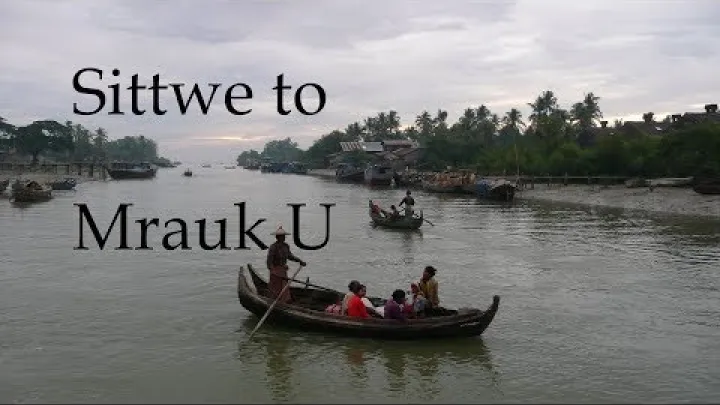
Mrauk U or another longer visit should be treated as a separate trip cost, including access, accommodation, guides, and return arrangements. Route visuals can help with planning, but current availability, permissions, and fares need to be established separately.
Cash, Currency, and Payment Assumptions
Reliable current Sittwe-specific information about ATMs, card acceptance, exchange access, and payment reliability is incomplete. Do not build the trip around an assumption that a particular hotel, restaurant, transport provider, or activity operator will accept a card or provide easy cash access.
Use US dollars as the comparison currency in the tables, but prepare the local spending worksheet in Myanmar kyat. The same kyat price can produce a different dollar cost when the exchange rate changes. Record the rate, date, and exchange method used for every major conversion rather than comparing a current kyat quote with an old dollar estimate.
Arrange sufficient cash in Myanmar kyat and a backup payment plan before leaving a major hub, after checking what your accommodation, carrier, restaurants, transport providers, and activity operators accept. Confirm whether cash can be obtained at your intended stop, whether a provider requires exact change or advance payment, and how you will cover an extra night or disrupted departure. Do not rely on an ATM, card, or favorable unofficial exchange rate without current confirmation.
How to Treat Fees, Data, and Incidentals
Keep visa costs and other country-level fixed fees outside the Sittwe daily figure. Add SIM or data, laundry, toiletries, donations, entrance fees, and small purchases as individual lines that can be filled with current local prices. This prevents a large one-time fee from being mistaken for a normal daily food or accommodation cost.
A useful final worksheet has four columns: item, Myanmar kyat quote, comparison-currency amount, and whether the cost is essential or optional. Include the room, meals, water, local rides, airport or terminal transfers, data, laundry, activities, visa or fixed fees, intercity access, and contingency. Keep optional activity fees separate so you can remove an excursion without rebuilding the essential budget.
Ways to Save Money Responsibly in Sittwe
The safest savings usually come from making the budget more deliberate, not from assuming that every low price is available. Compare total value, protect flexibility, and avoid choices that create a larger cost when access or local supply changes.
Lower Food and Accommodation Costs Without Overpromising
Compare current room listings by total value and mix locally oriented meals with occasional sit-down dining. A lower online price may be unavailable on your travel date, may exclude breakfast or other services, or may have stricter cancellation terms. Ask whether a room's location will reduce enough local transport to offset a higher nightly rate.
| Choice | Possible saving | Trade-off to check |
|---|---|---|
| Share a private room | Splits the nightly cost between travelers | Less privacy and no saving if the room rate rises for extra guests |
| Choose local meals more often | Can reduce the food tier compared with cafés or restaurants | Menus, portions, hygiene expectations, and availability vary |
| Stay near daily anchors | May reduce short paid rides | Confirm current access, room quality, and whether the rate premium is justified |
| Skip optional excursions | Removes a large variable cost | Reduces the scope of the trip and may affect the reason for visiting |
A practical central location can be useful when it is accessible and appropriate, but do not bargain aggressively over small amounts when local supply conditions are putting pressure on residents and businesses. The lowest price is not always the most responsible or reliable value.
Reduce the Cost of Transport and Access
Daily transport savings and intercity access savings are different. You may reduce local spending by grouping nearby activities, walking suitable central trips, or sharing a transfer. These choices should depend on the current service, location, time, and conditions rather than on price alone.
For access, compare fares and availability before peak periods when possible, but do not choose an unsuitable or inflexible option simply because an old report described it as cheap. A flexible booking or cancellation arrangement can be better value than a lower fare that becomes unusable after a schedule change. Price the complete journey, including transfers, baggage, fees, and a possible extra night.
Add a Contingency and Recalculate Before Departure
Build a separate buffer for price changes, an extra night, disrupted access, higher food costs, and unexpected local transfers. Keep it outside the daily categories so you can see whether the trip is affordable without pretending that every day will use the same amount.
Track spending in Myanmar kyat and the chosen comparison currency, recording the exchange method and every major fixed cost. Recalculate the complete trip after receiving current accommodation and access quotes. Fixed access costs become less significant per day on a longer stay, but they remain a major upfront expense and do not become cheaper simply because you stay longer.
Use this predeparture checklist:
- Confirm the room rate, availability, inclusions, payment method, and cancellation terms.
- Confirm access fares in both directions, schedules, baggage rules, change fees, and operating conditions.
- Check recent food or market prices and add a separate food buffer.
- Arrange sufficient kyat cash and a backup payment plan.
- List local transfers, fixed fees, data, laundry, entrance fees, and optional activities separately.
- Decide whether an extra night or disrupted departure can be funded without relying on an unverified payment method.
Make the final go-or-no-go decision using the complete trip cost rather than the room rate or daily estimate alone.
Bottom Line: Plan a Flexible Sittwe Travel Budget
For on-the-ground spending, begin with about US$30–45 per person per day for budget travel, US$50–75 for mid-range travel, or US$80–120 for a more comfortable plan. These ranges assume different room, food, transport, activity, and contingency choices, and they exclude the cost of reaching Sittwe, returning from it, visa expenses, and major excursions.
The best Sittwe budget is a flexible worksheet rather than a single number. Use current accommodation and access quotes, keep food and payment assumptions visible, separate optional activities from essentials, and reserve money for an extra night or changing prices. That approach gives you a more realistic view of the complete trip cost while leaving room to adjust your travel style responsibly.
Select area
Create a post
Posting is free and no registration is required.