Sittwe Travel Guide: Access, Safety, Transport and Things to Do
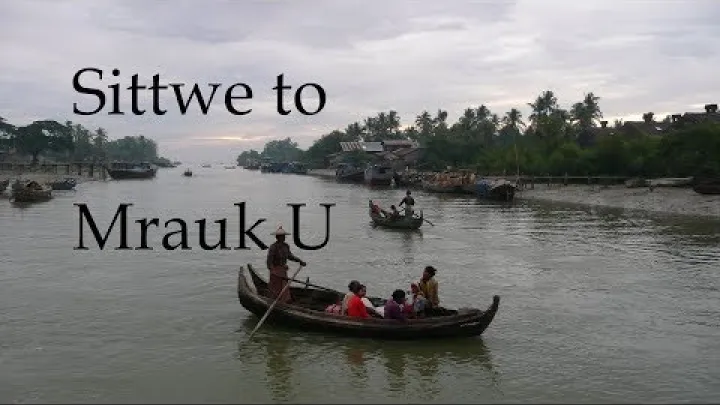
A Sittwe travel guide must begin with access and safety rather than with a sightseeing list. Sittwe is a coastal city and an important regional gateway in Rakhine State, but travel conditions, permissions, and transport can change quickly. This guide explains how to decide whether a visit is appropriate, how to verify entry and local movement requirements, and how to plan flights, river routes, accommodation, food, and daily costs. It also shows how to build a useful short itinerary without treating old schedules or standard tourism information as current guarantees.
Check Current Access and Safety Before Planning a Sittwe Trip
Sittwe should be planned as a conditional destination. Complete the access and safety checks before choosing dates, paying deposits, or arranging a connection to another Rakhine destination.
Decide Whether a Sittwe Visit Is Appropriate Now
At the time of writing in 2026, the U.S. Embassy in Burma lists Myanmar at Travel Advisory Level 4: Do Not Travel. Its travel information refers to ongoing violence in Rakhine State, displacement, and civilian casualties. This is a direct reason to treat a leisure trip to Sittwe as a serious go-or-no-go decision, not as a normal city break.
The wider human-rights context also matters. A January 2026 UK Government country note says that Rohingya people in Rakhine State are likely to face a real risk of persecution or serious harm from non-state actors. Travelers should not treat affected communities, displacement sites, or reports of hardship as sightseeing opportunities.
Use the following framework before making a booking:
- Follow the advisory first. If your own government advises against travel to Rakhine State or Myanmar, defer a leisure visit. An attractive itinerary does not outweigh a clear do-not-travel warning.
- Check the reason for any lower advisory level. A notice that permits only essential travel, limits movement, or warns about weak consular support may still make a tourism trip unsuitable.
- Review insurance conditions. Ask whether your policy covers Sittwe, internal transport, evacuation, cancellation, and travel against an advisory. Many policies exclude areas subject to a do-not-travel warning.
- Consider your ability to manage disruption. A traveler who cannot tolerate route changes, limited communication, sudden closure, or a delayed return should not choose Sittwe while conditions remain uncertain.
Read your own government's Myanmar and Rakhine advisory immediately before booking and again before departure. If the advice, insurance position, or practical access is unclear, postponing the trip is the safer decision.
Verify Documents, Permissions, and Local Access
Having a valid passport and a Myanmar visa, where required, does not automatically prove that a foreign visitor can enter Sittwe, pass every checkpoint, board a particular boat, or stay at a particular property. National entry rules, regional movement permissions, transport procedures, and hotel acceptance are separate questions.
Before paying for transport, obtain current answers from the relevant authorities, carrier, hotel, or a reputable local contact. The Consulate General of India, Sittwe maintains an important-alert page that can be one local notice point, but it should not replace your own government's advisory or direct confirmation from the operator you plan to use.
Ask these questions in writing where possible, and record the name of the person who answered and the date of confirmation:
- Does my passport and visa status allow this trip, and is any additional registration required?
- Are foreign visitors currently eligible to enter Sittwe and travel on my intended route?
- Do I need a regional permit, permission letter, guide, or checkpoint document for any part of the itinerary?
- Will the airline, road operator, or boat operator accept me for the exact departure I want to use?
- Is the hotel open, accepting foreign guests, able to register my arrival, and able to explain current local procedures?
- What happens if a checkpoint, route, jetty, flight, or hotel changes its position after payment?
An online hotel listing, an old blog post, or a flight search result is evidence that a service was advertised at some point. It is not proof of current foreign visitor access. Keep copies of confirmations and avoid nonrefundable arrangements until the legal and local access questions are resolved.
Understand Sittwe's Setting, Layout, and Travel Style
Sittwe is easier to plan when you understand it as a river and coastal city rather than as a conventional resort destination. Its geography influences both its atmosphere and the practical way travelers move through it.
Understand Sittwe's Estuarial Setting and Regional Role
Sittwe is the capital of Rakhine State and stands on estuarial land formed where the Kaladan, Mayu, and Lay Mro rivers meet. The Myanmar Ministry of Hotels and Tourism describes this setting as a defining feature of the city. The river environment opens toward the coast, so Sittwe has an administrative, commercial, maritime, and regional-gateway character.
This geography explains why the city is often connected with Mrauk U in travel planning. A river route can look simple on a map, but the actual departure, permissions, river conditions, and operating status determine whether that connection is usable. Sittwe should therefore be viewed as a possible gateway, not as a guaranteed transport hub for every wider Rakhine itinerary.
For a first-time visitor, the travel rhythm is likely to feel more locally oriented and less standardized than in the main central Myanmar tourist circuit. Plan for basic services, changing information, and a city experience built around the waterfront, religious sites, markets, and everyday activity rather than a dense schedule of organized attractions.
Use the Waterfront, Central Area, and Harbor as Orientation Anchors
Sittwe does not need to be divided into precise tourist districts for a short visit. A more useful approach is to choose a confirmed central base and organize activities around a few recognizable anchors: the waterfront, Sittwe Viewpoint, Sittwe Beach, the harbor and river-jetty area, central markets, and the main cultural sites.
Use this as a plain-language route sequence, not as a promise about walking time or current access:
- Start from a confirmed central accommodation base and identify the nearest transport and food options.
- Walk or arrange a short local transfer toward the waterfront and Sittwe Viewpoint.
- Visit the harbor or river-jetty area only when its current access and photography expectations are clear.
- Group nearby pagodas, Shwezedi Monastery, and the Rakhine State Cultural and Archaeological Museum into a separate cultural block if they are open.
- Use Sittwe Beach as an optional coastal block, with timing and access based on current local advice.
This sequence keeps a short itinerary simple and reduces unnecessary crossings of the city. Do not use a map to infer access to outlying neighborhoods, restricted areas, or river facilities. If a local contact advises against a route, follow that advice rather than trying to find an alternative independently.
Choose the Best Time to Visit Sittwe
Weather can affect comfort, sightseeing, river movement, and coastal plans, but the climate does not override security or access conditions. Choose dates only after checking the current forecast and relevant alerts.
Compare the Drier and Wetter Travel Periods in Sittwe
Travel information commonly divides Sittwe's year into a broadly drier period from November to April and a wetter monsoon period from May to October. This is useful as general context only. The drier months are often more practical for outdoor sightseeing and potential river travel, while the monsoon months can bring heavier rain, wet surfaces, and more disruption.
These labels are not guarantees. A drier month does not ensure that a flight, road, boat, beach, or cultural site will operate. Likewise, a wet-season visit may still have useful clear periods, but it requires more flexibility and stronger preparation for rain. Avoid relying on old monthly averages or a fixed historical boat schedule.
Before fixing dates, consult a current meteorological service or recognized forecast provider and check any coastal, storm, or cyclone alerts relevant to western Myanmar. Use the forecast for the exact travel window, especially if your plan includes a river departure or a beach visit. If the weather outlook and the transport operator's information conflict, do not assume that the older or cheaper option will work.
Plan for Heat, Rain, and Coastal Conditions
Sittwe's coastal setting can mean heat, humidity, strong sun, sudden rain, and slippery surfaces. A practical packing list is more useful than a large collection of sightseeing clothes.
- Wear light, breathable clothing that also provides respectful coverage at religious sites.
- Carry a compact rain layer or umbrella during the wetter period.
- Use shoes with secure soles for wet streets, uneven paths, and temple areas.
- Bring drinking water, sun protection, and a hat for exposed waterfront or beach areas.
- Keep essential medicines, documents, and electronics protected from rain and humidity.
- Pack a small amount of clothing and supplies in your day bag in case a transfer takes longer than planned.
Morning and late afternoon are often the most comfortable times for outdoor stops, with shaded or indoor activities reserved for the hotter part of the day. Do not assume that a beach is suitable for swimming or that a clear morning will produce an uninterrupted sunset. Obtain current medical and weather advice that fits your own needs before departure.
How to Get to and Around Sittwe
Transport is the least dependable part of many Sittwe plans. Reconfirm every flight, road departure, and river departure directly with the current carrier or local operator before each leg. Keep a flexible alternative, allow time for disruption, and avoid building a nonrefundable itinerary around a historical timetable.
Check Flights to Sittwe Airport
Sittwe Airport, identified by the IATA code AKY, is the main air-access anchor when flights are operating and foreign visitors are eligible to use them. It functions as a regional domestic gateway, but route availability, airlines, frequency, fares, connection points, and boarding conditions can change.
Do not publish or rely on an assumed current timetable. For example, FlyTeam shows past schedules for the Sittwe to Mandalay route, including historical months, rather than providing proof of a current departure. Use any schedule page as a starting point only, then confirm directly with the airline or a current ticketing contact.
Before committing to a flight, confirm the departure date, connection point, ticket conditions, baggage rules, passenger eligibility, and the process for changing or cancelling the booking. Also arrange or confirm how you will transfer from AKY to your accommodation. An airport transfer listed by a hotel is helpful only when the hotel is operating and can accept your arrival.
Compare Road and River Travel Only When Routes Are Open
Air, road, and river travel serve different purposes. Air travel may be the quickest practical option when available. Road travel can provide an overland alternative but may require long hours and additional checkpoint or route planning. The Kaladan River route toward Mrauk U is a potentially meaningful part of a wider itinerary, but it is not a guaranteed public service.
| Mode | Typical role | Comfort and uncertainty | What to verify |
|---|---|---|---|
| Air | Regional access through AKY | Usually faster, but schedules and eligibility can change | Live flight, boarding status, baggage, airport transfer, fallback |
| Road | Overland connection when the route is open | Longer travel with route, checkpoint, and vehicle uncertainty | Open route, permissions, vehicle, departure point, arrival plan |
| River to Mrauk U | Potential regional connection | Scenic and slower, with river and operator uncertainty | Current departure, jetty, passenger eligibility, ticket, cancellation, return plan |
A Jenny Faraway travel account historically describes a government boat operating a few times each week and taking about six hours, along with private boat options. Those details should not be treated as a current schedule, duration, fare, or guarantee that the service is operating. Confirm the route with a current operator, hotel, or reputable local contact and ask what happens if the boat is cancelled.
Allow at least one flexible block between an uncertain river or road arrival and an important onward connection. Do not connect a possibly delayed boat directly to a nonrefundable flight unless you have a realistic alternative. A confirmed return route is as important as the outbound journey.
Move Around Sittwe with Short Local Transfers
Walking may be useful for central waterfront and cultural stops, but distance, heat, rain, road conditions, luggage, and current access can change what is practical. Local trishaws, taxis, or other vehicles may be available for longer transfers, but do not assume a fixed network, fixed fare, ride-hailing application, or 24-hour service.
Ask your accommodation about the current way to arrange a vehicle and agree on the destination, waiting time, and fare before leaving when possible. Keep the name of your hotel and destination written in a form that can be shown to a driver. A hotel-arranged transfer may be simpler than relying on an online platform that does not operate reliably in the city.
For harbor, airport, or jetty journeys, leave extra time and ask whether the vehicle can wait while you complete local procedures. Ask a current local contact about appropriate movement after dark and about any road or area that should be avoided. Do not assume that a short map distance means a simple transfer.
Where to Stay and How Long to Spend in Sittwe
Accommodation should support your logistics first. A central, currently operating base is usually more useful than a remote property if you need transport, food, communication, and help with changing plans.
Choose a Practical Place to Stay in Sittwe
If your visit is lawful and current conditions permit it, look first for a confirmed central property near transport links, the waterfront, and basic services. Centrality can reduce transfer complexity and make a short visit easier to manage. It is a logistical recommendation, not a guarantee of safety, unrestricted movement, or reliable services.
If Sittwe is mainly a stop before Mrauk U, the most useful location may be the one that can explain the current jetty, departure procedure, and vehicle arrangement. A slightly less central property may still work if it can provide dependable local assistance. Keep a second accommodation option in case the first property closes, stops accepting foreign guests, or cannot accommodate a changed arrival.
Ask each property to confirm that it is open on your dates, accepts your nationality and type of travel document, can register foreign guests if required, and can arrange or recommend current local transfers. Confirm the full price, payment method, deposit, cancellation terms, and arrival procedure before paying. Do not select a hotel only because an online booking site shows rooms.
Decide How Many Nights to Spend
There is no single ideal length for a Sittwe visit. One night may suit a confirmed transit stop. Two or three nights may allow a slower city visit and provide some room for a delayed transfer, provided the accommodation and local activities are available. A longer stay makes sense only when you have a clear reason, such as a confirmed regional connection or a city-focused visit.
A simple transit plan could be:
- Arrive on a confirmed flight or other confirmed service.
- Check in, confirm the next departure, and keep the rest of the day light.
- Use the following day for the onward connection only after the operator confirms it.
A city-focused plan could use optional blocks rather than fixed appointments:
- Arrival and orientation around the central area and waterfront.
- A morning or late-afternoon block for Sittwe Viewpoint, Sittwe Beach, or another open coastal site.
- A separate cultural block for the pagodas, monastery, museum, and a local food stop.
- An extra buffer for weather, transport changes, or a closed site.
If you are combining Sittwe with Mrauk U, separate the city stay from the regional travel days. Do not count an old boat departure as a guaranteed itinerary day, and do not add outlying stops that depend on permissions you have not confirmed.
What to See, Eat, and Do in Sittwe
Sittwe's appeal is its coastal and estuarial setting, religious landmarks, local food, and everyday city atmosphere. Treat every attraction as subject to current opening and access conditions.
Explore the Viewpoint, Beach, Waterfront, and Harbor
For a short city visit, begin with the places that explain Sittwe's relationship with water. The main planning anchors are:
- Sittwe Viewpoint: a possible stop for seeing the coastal and estuarial setting, when the area is open and accessible.
- Sittwe waterfront: a place to observe the city's relationship with the river, coast, markets, and daily movement.
- Sittwe harbor and river-jetty area: useful for understanding regional transport when access is permitted and current procedures are clear.
- Sittwe Beach: an optional coastal visit rather than a promise of resort facilities or swimming conditions.
These are local recreation and observation areas, not a resort shoreline with guaranteed services. You may see river or sea views, fishing activity, working boats, markets, or a sunset if conditions allow, but do not assume that every section is open or suitable for visitors.
Early morning and late afternoon can be more comfortable for exposed places. Keep the decision to visit a beach, swim, enter an isolated section, photograph a working harbor, or remain out late separate from the general decision to see the waterfront. Ask a current local contact about each activity and follow any access instruction on the day.
Visit Pagodas, Monasteries, the Museum, and Markets
When they are open and accessible, Payagyi Pagoda, Lawkananda Pagoda, Shwezedi Monastery, and the Rakhine State Cultural and Archaeological Museum provide the main cultural anchors for a Sittwe itinerary. The Myanmar Ministry of Hotels and Tourism regional overview is a useful starting point for understanding the official tourism context, but it does not replace current site-level information.
Religious sites are active places of worship, not only photo stops. Wear modest clothing, remove footwear where required, keep your voice low, and follow directions from monks, site staff, or worshippers. Ask before taking photographs inside buildings or of ceremonies. Do not assume that a familiar pagoda rule applies in exactly the same way at every location.
The museum and religious sites can complement one another: the museum may help organize cultural and archaeological information, while the pagodas and monastery show how religious places function in everyday life. Rakhine history includes complex and contested subjects. Treat official tourism descriptions and museum displays as particular institutional presentations, and avoid reducing the history of the region or its communities to a simple sightseeing narrative.
Confirm opening hours, photography rules, admission arrangements, and foreign visitor access before setting aside a full day for these sites. If a site is closed, use the waterfront or a locally operating market or tea shop only when the route and activity are appropriate.
Try Rakhine Food and Observe Everyday Life Carefully
Sittwe is a useful place to look for Rakhine food built around seafood, rice, and locally available ingredients. Rakhine Mont Di is a regional specialty to seek if it is being prepared and served during your visit. Menus and vendors can change, so ask what is available rather than expecting a particular dish at a particular hour.

Markets, tea shops, and locally operating restaurants can offer a more realistic food experience than a fixed restaurant list. Choose venues that are open and busy, ask about ingredients if you have allergies or dietary restrictions, and carry enough water for the day. Prices, portion sizes, and payment methods should be confirmed at the venue.
Everyday observation requires care. Ask before photographing people, workers, children, religious activity, boats, or market stalls, and accept a refusal without argument. Use particular discretion around security personnel, checkpoints, government buildings, harbors, and any place described as sensitive. Displacement sites, restricted communities, and conflict-affected areas are not tourist attractions. Do not enter them, photograph them, or describe residents' hardship as part of an itinerary.
Budget and Book a Sittwe Trip Without Fixed Assumptions
A Sittwe budget is difficult to state responsibly without current local quotes. Accommodation availability, airfares, route changes, payment restrictions, and the cost of a delayed night can affect the total more than ordinary meals or short city transfers.
Estimate Sittwe Travel Costs from Current Prices
The available destination information does not establish reliable current price ranges for Sittwe. Do not turn old guidebook figures or an invented daily budget into a fixed promise. Instead, build a live estimate from the categories below and update it whenever a provider changes the quote.
| Cost category | What to include | Question to ask the provider |
|---|---|---|
| Accommodation | Nightly rate, taxes, meals, extra nights | Is the property open and accepting foreign guests? |
| Main transport | Flight, road, or other access to Sittwe | What is included, and what are the change and refund rules? |
| River or road connection | Transfer, boat, vehicle, jetty, and waiting costs | Is the route operating on my date and what happens if it stops? |
| Food | Meals, tea, water, and dietary alternatives | Which payment methods and currencies are accepted? |
| Local movement | Airport, jetty, hotel, site, and market transfers | Is the vehicle arranged privately or shared? |
| Sites and communication | Admission, guide, data, calls, and small local charges | Are there current fees or access conditions? |
| Disruption reserve | Extra night, replacement transfer, meals, and cancellation loss | What costs are excluded if the plan changes? |
Live trip estimate: add accommodation, main transport, regional transfers, meals, local rides, site and communication costs, then add a separate reserve for disruption. Record every quote with its date, currency, inclusions, deposit requirement, accepted payment method, and cancellation condition. A low headline fare may not include airport transfers, jetty transport, luggage, waiting time, or an extra night.
Before paying, ask each provider for the current total price rather than only a starting rate. Keep the contact details of the person or office that confirmed it, and make sure your payment plan still works if cards, online transfers, or other methods are not accepted locally. Do not exchange a flexible arrangement for a cheaper nonrefundable booking unless the route and access conditions are firmly confirmed.
Final Sittwe Travel Guide Takeaways
Sittwe can offer a distinctive view of Rakhine's rivers, coast, religious places, food, and everyday urban life, but it is not a destination to plan from old schedules or generic Myanmar travel advice. The correct order is to read the latest travel advisory, establish that your visit and route are permitted, check the weather window, confirm transport and accommodation, and then choose a modest itinerary around the waterfront, cultural sites, and locally available food.
Keep the trip short or flexible unless you have a clear reason to stay longer. Build a live budget instead of relying on unsupported price ranges, and treat Mrauk U connections as possible only when current operators confirm them. If the safety, legal, insurance, or transport checks do not align, postpone the visit rather than improvising after arrival.
Select area
Create a post
Posting is free and no registration is required.