Sittwe Where to Stay: Areas, Safety and Booking Checks
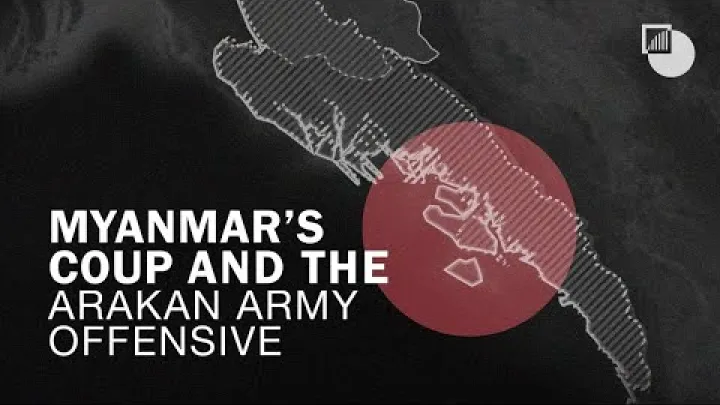
Where to stay in Sittwe is currently a conditional planning question, not a normal exercise in comparing hotels. The first decision is whether travel should proceed at all, given the available official advisory and conflict context. If a future stabilized visit or approved professional stay is appropriate, this guide compares downtown and Kyay Pin Gyi Quarter, the Strand Road waterfront and Point, and airport and peripheral options. It also explains how to choose between a guesthouse and a basic city hotel, and how to verify access, operations, transport, price, and essential services without treating an online listing as proof of safety.
Decide Whether You Should Stay in Sittwe at All
Before comparing neighborhoods or accommodation types, make a separate travel decision. A convenient room cannot compensate for conditions that affect the whole city, the journey to it, or the support available after arrival.
Read the Current Myanmar Travel Advisory Before Comparing Hotels
Begin with the U.S. Department of State Burma travel advisory, rather than a hotel search page. The available advisory places Myanmar at Level 4: Do Not Travel and strongly urges U.S. citizens to avoid travel because of serious risks including civil unrest, armed conflict, arbitrary enforcement, and limited health and emergency infrastructure. It is a national assessment, not a live, block-by-block assessment of Sittwe.
Read the advisory's displayed update date and recheck it immediately before booking, before departure, and whenever the itinerary changes. Compare it with guidance from your own government, your insurer, and the organization responsible for the trip. For professional travel, obtain a locally informed risk assessment that can address Sittwe specifically rather than relying only on a broad Myanmar-wide notice.
A central address, positive review, open booking calendar, or apparently comfortable room cannot remove the underlying security risk. Hotel selection should come only after the wider travel decision has been made and supported by current information.
Separate Leisure Travel From Essential, Professional, or Humanitarian Travel
The evidence available for this guide does not support recommending Sittwe as a casual leisure base at present. A hotel with a view is not a reason to treat a conflict-affected destination as an adventure trip, and individual caution alone is not an adequate substitute for a formal risk decision.
The International Crisis Group describes Sittwe within the wider fight for Rakhine State. That context matters for accommodation because a public listing does not show whether a property is vetted, secure, open to foreign guests, suitable for a particular nationality or purpose, or backed by an operating organization.
Essential work, research, journalism, shipping, and humanitarian travel should be led by the responsible organization. Its assessment should cover communications, approved movement, accommodation, medical support, evacuation or relocation contingencies, and who makes the go-or-no-go decision. This is a need for lawful, supported travel planning, not a guide to bypassing checkpoints, restrictions, or authorities.
Understand Sittwe's Main Lodging Areas
If travel is approved, begin with geography rather than hotel stars. Sittwe is an estuarial city on an island formed at the confluence of the Kaladan River and other waterways, as summarized by Wikipedia: Sittwe. That setting helps explain why the central streets, waterfront corridor, airport connection, and port connection should be considered separately.
The areas below are map-level planning categories, not claims about live availability. The current evidence does not support a reliable district-by-district hotel ranking.
Downtown and Kyay Pin Gyi: The Default Convenience Base
Downtown Sittwe and Kyay Pin Gyi Quarter are the default geographic areas to investigate for a future or formally approved stay. They provide the most useful starting point for considering Sittwe Myoma Market, the Rakhine State Cultural Museum, central streets and services, and the route toward the waterfront. A compact location may reduce dependence on uncertain local transport during a short stay.
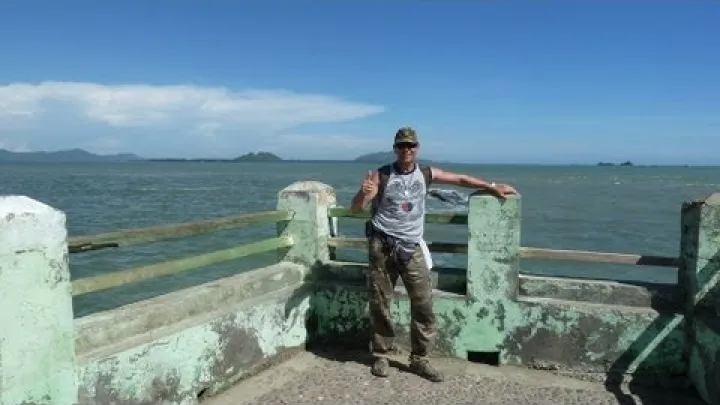
On a map, the central area may offer ordinary daytime convenience and potential walkability for errands. That does not confirm that every market stall, museum, restaurant, hotel, or road remains open. It also does not establish nighttime walkability. Do not turn daytime proximity into a night plan, and do not treat this area as a current safety endorsement.
For a possible central property, ask what is actually operating nearby. A listing may use downtown as a broad location label while being farther from the services you need. Confirm the exact address, the condition of the connecting streets, and whether the property can receive guests on the intended dates.
Strand Road, the Waterfront, and Point: Scenic Access With Trade-Offs
Strand Road and the waterfront corridor connect the central area with Point, also known as Viewpoint, toward the southern end of the urban area. Wikipedia: Point, Sittwe identifies Point as an urban park on Shukhin Tha Kanar Road in East Sanpya Quarter, making it a useful orientation anchor even when an actual visit is not possible.
For an approved visitor who prioritizes a maritime setting, possible river or sea views, or the route toward Point, a waterfront address may appear attractive. The trade-offs should be tested rather than assumed. A room near the waterfront may experience port activity, road traffic, wind, or noise, and a waterfront location may have different access or sensitivity considerations from an inland street. None of those factors can be rated reliably from an address alone.
Ask a trusted local contact or the responsible organization whether the intended road, public waterfront spaces, Point, and nearby businesses are accessible on the planned date. Confirm the exact property location because a description such as waterfront may cover a wider area than expected. Do not infer that the waterfront is automatically safer, less safe, quieter, or more scenic in current conditions.
Airport Corridor and Peripheral Quarters: Verify Before Treating Them as Alternatives
Sittwe Airport is outside the dense central lodging area, so the airport-to-town connection is part of the accommodation decision. The supplied evidence does not establish a dependable current inventory of airport hotels or a well-documented set of foreigner-friendly properties in peripheral quarters. This is an evidence gap, not proof that no lodging exists.
Outer quarters may be less central, less documented, and more dependent on a vehicle or arranged transfer. They are not automatically safer simply because they are farther from the core. A nearby map pin also does not show that a road is open, usable, or suitable for the traveler.
If considering an airport-area or peripheral base, ask a trusted local contact or the responsible organization to confirm the district and connecting roads for the exact travel date. Obtain the property's exact address and a realistic arrival plan. Do not choose a location solely from a booking page, a map label, or a claimed short distance from Sittwe Airport.
The following is a decision framework, not a list of currently available Sittwe hotels.
| Area | Consider it when | Main trade-off | Confirm locally |
|---|---|---|---|
| Downtown and Kyay Pin Gyi | Central errands, market, museum, or a short approved stay are priorities | Daytime convenience does not establish night access or property operation | Open property, central services, roads, room, and arrival process |
| Strand Road, waterfront, and Point | The waterfront setting or Point is important to the approved itinerary | Noise, traffic, wind, port activity, and access may differ by address | Exact address, corridor access, public spaces, and nearby businesses |
| Airport corridor and peripheral quarters | The verified arrival point, project site, or local destination is there | Less documented and more dependent on transport | Airport-town route, district access, transfer, and open room |
The available research does not support a dependable area-by-area cost ranking either. Compare current quotes only after confirming that the property, route, and required services exist for your dates.
Match the Base to Your Main Priority
There is no single best area for every approved itinerary. Choose the base by the destination you must reach and the services you can verify, then use the following priorities to narrow the search.
Sightseeing Priorities: Central Access Over Hotel Ranking
For a future stabilized visit or an approved short sightseeing stay, begin by checking downtown Sittwe and Kyay Pin Gyi Quarter. It is the clearest conditional default because it aligns with Sittwe Myoma Market, the Rakhine State Cultural Museum, central services, the route toward Strand Road, and the general orientation toward Point. This is a geographic convenience recommendation, not a statement that a particular hotel is currently operating.
A compact central base may be more practical for a short stay than a poorly documented peripheral property when transport options are uncertain. Compare candidates by access during permitted daytime hours, food and basic services, building condition, noise, power and water arrangements, and restrictions affecting movement. Star labels, review counts, and attractive photographs should come later because they do not answer whether the property can support the itinerary.
No individual Sittwe hotel ranking is offered here. The supplied evidence does not verify a current, stable set of properties, prices, or review conditions, so a ranking would create false precision. Search the central area first, then select only a property that passes the direct-operation checks below.
Airport, Port, and Work-Related Access: Choose for the Verified Destination
Work-related access changes the answer. A traveler going to Sittwe Airport, Sittwe port, an office, a project site, or an organizational compound should choose lodging based on the verified destination and approved route, not on a generic tourist map. These locations are useful orientation anchors, but proximity on a map does not prove that a journey is available or permitted.
Ask the responsible organization where the transfer ends, which lodging has been assessed, what arrival window is supported, and how the traveler will move between the room and the work site. Organization-provided housing, a vetted guesthouse, or a compound-based arrangement may take priority over any publicly bookable hotel.
Confirm the route, any required movement permissions, transfer arrangements, and current access with the organization. A room that looks close to the port or central administrative area may still be the wrong base if the approved movement plan begins somewhere else.
Budget and Longer Stays: Compare Services, Not Just the Nightly Rate
Budget comparisons in Sittwe need more than a nightly price. As a planning framework, a simple guesthouse may offer lower cost and local practicality, while a basic city hotel may offer a more formal room setup and potentially more predictable private facilities. Those are category differences, not guarantees about current Sittwe properties.
General Myanmar accommodation prices found in older or national travel material should be treated as historical context only. They are not current Sittwe rates. The available evidence does not verify a dependable present range of hostels, resorts, or serviced apartments in the city. Ask for a live quote from the property or responsible organization in the agreed currency, and specify whether taxes, meals, electricity, internet, transport, laundry, and other charges are included.
For a longer stay, service continuity matters more than the lowest first-night price. Confirm water, electricity, power backup, communications, food access, laundry, room maintenance, staff availability, and the possibility of changing dates. Before sending money, obtain the current total price, currency, payment method, cancellation policy, and refund terms in writing. Do not make a non-refundable transfer because a listing shows a low rate or a room appears available.
Choose the Accommodation Type and Minimum Standards
Once the area and purpose are clear, select an accommodation type by the facilities you need rather than the label used in an advertisement. In Sittwe, the label may be less reliable than direct confirmation of the room and the people responsible for operating it.
Guesthouse Versus Basic City Hotel
A guesthouse can be a logical category for a budget traveler or someone with a trusted local connection, while a basic city hotel can be more suitable for a traveler who needs a formal booking process, a private room, or a more predictable set of facilities. The available evidence does not show which properties in these categories are currently open, so treat them as planning options rather than recommendations.
Neither guesthouse, hotel, resort, hostel, nor serviced apartment is a guarantee of standards, licensing, security, or continued operation. Before comparing price or reviews, ask whether the room includes:
- A private bathroom and a dependable water supply
- Air conditioning or adequate ventilation for the room
- Power backup, charging access, and a plan for outages
- Internet access or usable mobile coverage
- Food access, including whether meals or nearby food services are actually operating
- Staff availability at arrival and during the planned stay
- Acceptable noise levels and a room location away from avoidable traffic or machinery
- Room maintenance and a clear process for reporting problems
Ask separately about locks, guest access procedures, and document handling. Comfort features cannot establish security, and an old review score, star label, or marketing phrase is not proof of present quality.
What to Verify About Current Operations
Current operation is the first booking test. Contact the property through a current channel and obtain direct confirmation that it is open on the exact dates, has the intended room, and can accommodate the traveler's nationality, purpose of travel, length of stay, and arrival time. A stale hotel page or aggregator listing is not current booking evidence, particularly when conflict and communications disruptions may affect operations.
Ask for the exact address, a current contact method, the room type and availability, the check-in process, the payment method, cancellation terms, required guest documentation, and a clear description of services that are actually operating. Confirm water, electricity, communications, food, transport assistance, and staff availability rather than assuming that these are included because they appeared in an older description.
A useful confirmation message is: Please confirm in writing that the property is open for the requested dates, can accept a traveler of the stated nationality traveling for the stated purpose, has the requested room type, and can receive the traveler at the planned arrival time. Please also provide the exact address, current contact details, total price and currency, payment and cancellation terms, required documents, and the services operating on those dates.
Recheck the confirmation close to arrival and keep a flexible alternative if one can be arranged lawfully and safely. The property should confirm the booked room and stated services again, not merely repeat an old link or automated message.
When a More Expensive Room Is Not a Safer Base
Paying more may improve comfort, privacy, room condition, air conditioning, or service convenience. It does not prove protection from conflict, movement restrictions, infrastructure failure, or arbitrary enforcement. Price is therefore a comfort and service variable, not a security rating.
Compare properties using verified operating status, access to essential services, communications, building condition, and advice from the organization responsible for an approved trip. A resort label, larger room, private transfer, or waterfront view should not be converted into an unsupported claim that the base is safer.
For approved professional travel, a vetted organizational arrangement should take priority over an individually selected premium room. Spending more cannot compensate for an official travel warning or for a route and property that have not been confirmed.
Plan Arrival and the Stay Around Access and Contingencies
In Sittwe, a reservation is only one part of the plan. The arrival route, ability to communicate, and access to basic needs can matter as much as the room's address.
Confirm Transport and Route Conditions Before Arrival
Sittwe's estuarial setting and its separate airport and port connections make airport-to-town and port-to-town journeys important parts of the accommodation decision. The location of a room matters only if the traveler can reach it by an available and appropriate route.

Before departure, confirm the arrival route, transfer provider, expected travel window, current access restrictions, and a backup contact. Ask the property or responsible organization who will meet the traveler, where the transfer begins and ends, and what happens if the arrival time changes. Do not rely on a generic journey estimate or assume that a confirmed room guarantees access to the property.
Use flexible reservations where possible and plan for a delayed, diverted, or cancelled arrival. If a route is not confirmed, the transfer provider cannot be verified, or the responsible organization cannot support the arrival plan, pause the booking rather than solving the problem after landing.
Plan for Night Movement, Communications, and Basic Needs
Nighttime walkability cannot be rated reliably from a daytime map or historical review. Curfews, checkpoints, unrest, and local restrictions may change what is possible after dark, even when two locations appear close together.
For an approved stay, arrange a daytime arrival where feasible and keep one known local or organizational contact. Build a plan that does not depend entirely on internet access, a single phone number, or hotel staff being able to solve an emergency.
Prepare the following independently of the hotel:
- Essential medicines and basic health supplies for the planned stay
- Water and food for a short interruption in normal service
- A charged phone, charging equipment, and an alternative communication method where available
- Secure copies of identity documents, travel details, contacts, and organizational instructions
- Emergency, medical, and evacuation contacts supplied by the responsible organization or trusted authority
Limited health and emergency infrastructure means a central hotel should not be assumed to provide medical treatment, security support, or evacuation assistance.
Recheck the Property and Area Immediately Before Departure
Make the final check a genuine go-or-no-go decision rather than a formality. Treat each confirmation as dated and recheck it close to departure.
- Read the latest official travel advisory and the relevant organizational or locally informed risk assessment.
- Confirm that the intended district and connecting roads are accessible for the planned date.
- Obtain direct confirmation that the property is open and accepts the traveler, purpose, dates, and arrival time.
- Confirm the room, address, check-in process, and the services that are actually operating.
- Reconfirm the total price, currency, payment method, cancellation conditions, and refund terms.
- Verify the airport or port transfer, route conditions, expected arrival window, and backup contact.
- Check communication alternatives, essential supplies, organizational contacts, and the fallback plan.
Cancel or postpone when the risk assessment no longer supports the trip, the route is uncertain, or the property cannot provide current confirmation. Old listings and historical reviews can help with geographic orientation, but they cannot establish current availability, quality, or safety. Keep copies of confirmations and a fallback plan, while recognizing that neither can solve a rapidly changing security situation.
Bottom Line: Where to Stay in Sittwe
For the narrow question of where to stay in Sittwe, the default geographic answer is downtown Sittwe and Kyay Pin Gyi Quarter for a future stabilized or formally approved sightseeing stay, because it best aligns with central services, Sittwe Myoma Market, the Rakhine State Cultural Museum, and routes toward the waterfront. Strand Road, the waterfront, and Point are conditional alternatives for an itinerary that specifically prioritizes that corridor. Airport or peripheral lodging should be considered only when the verified destination and connecting route justify it.
For work, follow the responsible organization's verified destination and housing arrangement. For a budget or longer stay, compare functioning services and written terms rather than relying on labels or the lowest advertised rate. A premium room may improve comfort, but it cannot neutralize an official travel warning or replace a supported risk decision.
The final question is not which Sittwe hotel has the best reviews. It is whether current risk information, access, property operations, transport, and contingency arrangements support the trip. If they do not, the appropriate answer for a casual visit is not to book a different base or travel at all.
Select area
Create a post
Posting is free and no registration is required.