Nyaungshwe Best Time to Visit: Weather by Month

The best time to visit Nyaungshwe depends on whether you value reliable lake weather, cooler temperatures, green scenery, cultural events, or lower demand. For most travelers, late October through March offers the most comfortable balance, with November and December plus late January and February especially strong for boating and outdoor sightseeing. April is usually the hottest period, while July and August are among the least reliable for dry-weather plans. This guide explains the Nyaungshwe climate by season and month, then matches each period to boating, hiking, culture, and budget priorities.
Quick Answer: The Best Months to Visit Nyaungshwe
In general, choose late October to March if comfortable outdoor conditions are your main priority. The best individual month depends on how you balance cool mornings, heat, rain, scenery, visitor demand, and flexibility.
Best Overall: Late October to March
Late October through March is the broad weather-first window for Nyaungshwe and Inle Lake. Rain usually decreases as the southwest monsoon weakens, and the relatively dry season brings better opportunities for lake trips, walking, cycling, photography, and visits around the town. November and December are particularly appealing for comfortable daytime sightseeing, while late January and February often provide a strong combination of dry conditions and moderate daytime temperatures.
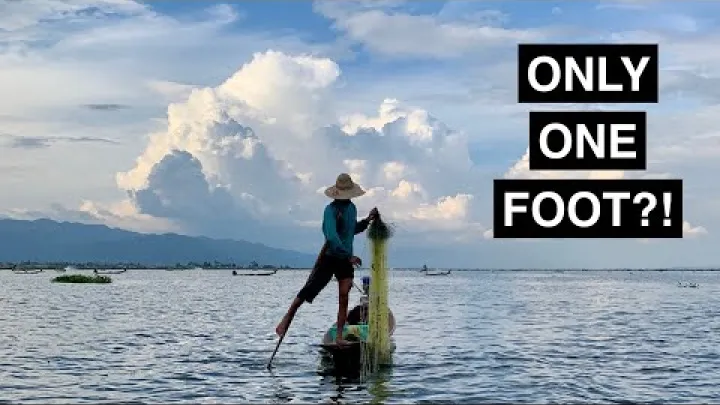
Late October is not identical to the middle of the dry season. It is a transition period, so some rain may remain early in the month or during individual spells. By contrast, November and December are generally more settled, although mornings and evenings can be cold. The word best here means the most reliable conditions for comfortable outdoor sightseeing, not the right choice for every traveler or every type of trip.
Best Shoulder Choices: Late October, March, and April
Use this simple comparison when choosing a shoulder period:
- Late October: A useful transition choice if you want improving weather, greener landscapes, and potentially less demand than the core dry season.
- March: Usually still fairly dry, but with warmer afternoons. It suits travelers who prefer less cold and can schedule activities around the heat.
- April: May offer quieter conditions and possible value, but it is the strongest heat challenge and is less comfortable for long, exposed activities.
These are typical demand and weather patterns rather than fixed promises about prices, crowds, or rainfall. A shoulder month can offer a good compromise, but the best trade-off differs between a relaxed town stay and a trip built around long days on the lake or hills.
When Weather Reliability Is Lowest
July and August are core monsoon months, and parts of September can still be wet and cloudy. These periods are less suitable if you need dependable dry days for boating, hiking, cycling, or clear lake photography. Rain can make rural paths muddy, reduce visibility, and make plans feel less comfortable even when showers are intermittent.
April presents a different reason for caution: heat rather than rain. Travelers who are sensitive to strong sun may find April less suitable for long midday walks, cycling, or unshaded boat rides. Flexible travelers may still prefer the wet season for lush scenery and lower demand, or April for its generally lower rainfall, but they should choose those trade-offs deliberately rather than assuming that every day in an avoid period will be unsuitable.
Nyaungshwe Climate: Seasons, Elevation, and Data Limits
Nyaungshwe sits in the elevated Shan Plateau area beside Inle Lake, so its weather feels different from Myanmar’s hotter lowland destinations. The local setting affects clothing, activity timing, lake comfort, visibility, and the amount of flexibility needed for travel.
How the Shan Plateau Shapes Nyaungshwe Weather
The Shan Plateau generally gives Nyaungshwe cooler nights and mornings than many lowland parts of Myanmar, while the area still follows the country’s wider monsoon cycle. Daytime sun can feel strong even when the air is comfortable, and an open-water breeze on Inle Lake can make a boat trip feel cooler than a walk through town.
This creates several practical differences within one day. Town streets may feel mild in the afternoon, hills can be more exposed during a hike, and early lake departures can feel cold before the sun is high. Nyaungshwe is an inland lake destination, so planning should focus on monsoon rain, lake visibility, wind, trails, and access across the surrounding hills rather than coastal sea conditions.
Myanmar's Three Seasonal Patterns
Myanmar is commonly described through three broad seasonal patterns. The cool, relatively dry northeast monsoon runs roughly from late October to mid-February. The hot, dry intermonsoonal period follows from about mid-February to mid-May. The southwest monsoon generally affects the country from around mid-May to late October.
| Season | Approximate timing | Typical Nyaungshwe feel |
|---|---|---|
| Cool and relatively dry | Late October to mid-February | Cool mornings, lower rainfall, comfortable days |
| Hot intermonsoon | Mid-February to mid-May | Warmer afternoons, strong sun, possible storms near transition |
| Southwest monsoon | Mid-May to late October | More rain and cloud, greener scenery, less predictable plans |
The boundaries are seasonal guides, not fixed dates. Local transitions can begin earlier or later, and rainfall is not evenly distributed across each season. A location-specific climate profile from Climate-Data.org also reflects the broad shift from a drier cool season to a wetter middle part of the year.
How Reliable Are the Climate Averages?
Climate figures for Nyaungshwe should be read as planning estimates rather than a precise official normal for every street, jetty, or hillside. Long-term local records are not always presented consistently, and published profiles may combine local information with nearby stations or regional data. One location-specific profile estimates an annual average temperature of about 20.9°C and annual rainfall of about 1,032 millimeters; these figures are useful for showing the general climate, but they should not be treated as a guarantee.
Some weather services use nearby Heho Airport or broader Shan State readings as a proxy. That can help indicate regional patterns, but Heho, Nyaungshwe, the lake, and surrounding hills can experience different conditions. Climate averages help you select a month. A live forecast is needed for a particular week, lake crossing, sunrise trip, or hiking day.
Nyaungshwe Weather Month by Month
The following month-by-month guide describes the usual seasonal feel. It is more useful for choosing a travel period than for predicting a specific day.
January: Cool, Clear, and Very Dry
January is part of Nyaungshwe’s cool, dry season and usually brings very little rain. Afternoons are often comfortable for boating, walking, cycling, and photography, with clearer conditions than during the monsoon. The contrast between sunlit afternoons and cold early mornings is important: the lake can feel distinctly chilly at sunrise, especially when a boat is moving through open water.
January suits travelers who want dependable outdoor sightseeing and do not mind cool starts. It can also be a busy period, so visitor demand may be stronger than later in the shoulder season. The weather is generally favorable, but clear-season conditions do not mean that every view will have perfect visibility.
February: The Driest and Still Comfortable
February is one of the most dependable months for a Nyaungshwe visit. The cited local climate profile identifies February as the driest month, while afternoons gradually become warmer than in January. This combination makes it attractive for lake views, boat trips, cycling, and walks without the strongest heat of April.
Dry conditions improve the odds of comfortable outdoor plans, but they do not guarantee cloudless skies or perfect photography. Dry-season haze and day-to-day visibility can still vary. February is a strong choice for travelers who want the dryness of winter with a slightly less cold feel than the start of January.
March: Dry but Becoming Hotter
March is a compromise month. Rainfall is usually still limited, and the season remains suitable for boating, cycling, and hiking, but afternoon heat becomes more noticeable as Nyaungshwe moves toward the hot intermonsoon. Exposed parts of the lake and hills may feel intense under the midday sun even when the morning is pleasant.
Plan demanding activities for the cooler parts of the day and use the middle of the afternoon for rest, shaded sightseeing, or flexible town activities. Demand may ease compared with the peak dry-season period, but availability and prices vary from year to year. March works well for travelers who prefer dry tracks and warmer weather to January’s colder mornings.
April: The Heat Peak
April is generally the warmest part of the year in Nyaungshwe and the wider region. Strong midday sun can make long walks, cycling, and unshaded time on the lake tiring. Rainfall is usually lower than during the monsoon, but isolated thunderstorms become more possible as the season approaches its transition.
April can suit heat-tolerant travelers who value quieter conditions or possible shoulder-season value. Choose accommodation with good ventilation, schedule outdoor activities for early morning or late afternoon, and carry water, a hat, and sun protection. The available climate datasets do not always agree on exact maximum temperatures, so practical heat management is more useful than relying on one precise number.
May: Heat, Humidity, and the First Monsoon Rains
May is a variable transition month. High temperatures can continue from April, but humidity, cloud cover, and showers become more common as the southwest monsoon approaches. The rain may bring relief from the heat, but it also makes lake, cycling, and trail plans less predictable than in the dry season.
Travelers who enjoy early green-season scenery and lower demand may find May rewarding. It can also appeal to budget-conscious visitors who have alternatives for wet days. The timing of monsoon onset varies, so May should be treated as a genuine trade-off between easing heat and increasing rainfall rather than as a fixed start date.
June: The Monsoon Is Established
By June, the southwest monsoon is usually established around Nyaungshwe. Showers become more frequent, cloud cover increases, and humidity is higher, although temperatures are generally less extreme than during April. The countryside around Inle Lake can look fresh and green, which is the main attraction for flexible travelers.
Rain does not necessarily continue all day, but it can interrupt a planned boat departure, reduce lake visibility, or shorten a rural walk. June is therefore better for an itinerary with indoor cultural visits, rest periods, and alternative activities. It is a reasonable choice when green scenery and lower visitor demand matter more than predictable outdoor conditions.
July: Wet, Humid, and Lush
July is among the wetter months in Nyaungshwe. Frequent rain, high humidity, and cloudier conditions create richly green landscapes around Inle Lake, but they can reduce comfort on the water and make photography less predictable. Rural paths and hills may become muddy or slippery, especially after repeated showers.
Overland travel and longer outdoor routes can also be less predictable during this period. July fits travelers who value lush scenery, lower demand, or a flexible pace more than dependable dry-weather sightseeing. Build the trip around adaptable days rather than a tightly fixed sequence of boat and hiking plans.
August: Peak Monsoon Conditions
August is identified as the rainfall peak in the cited Nyaungshwe climate profile and is among the least reliable months for dry-weather sightseeing. Cloud, humidity, and repeated showers can affect lake visibility, trail conditions, and the comfort of long outdoor excursions. The landscape is often at its lushest, and the cooler feel compared with the pre-monsoon heat can be appealing.
A high monthly rainfall likelihood is not a prediction that every August day will be a washout. Rainy periods can be intense without lasting all day, so August may work for travelers who accept rearranged activities and want greener scenery or lower demand. It is a poor match for anyone whose main goal is a dependable series of clear lake days.
September: Wet but Potentially Rewarding for Flexible Travelers
September remains influenced by the monsoon, with showers and cloud cover still possible. Conditions can vary considerably from one week to another, although the later part of the month may begin to show a gradual transition toward drier weather. Green hills, fields, and lake surroundings are a strong reason to consider the month.
September may also appeal to travelers interested in cultural or festival-related experiences, but events and access arrangements should not be assumed from a general seasonal guide. A flexible itinerary is more important than a fixed expectation that September will be either fully wet or already dry.
October: A Transitional Shoulder Month
October changes noticeably within the month. Early October can still bring substantial monsoon rain, cloud, and interruptions, while late October is more likely to show improving weather as the monsoon weakens. This makes the exact timing of a trip more important than simply labeling October as dry or wet.
Late October is a useful compromise for travelers who want greener scenery and potentially fewer visitors than in the core dry season. Early October requires more tolerance for rearranged lake or hiking plans. The calendar alone cannot determine whether a particular day will be clear, so treat the later part of the month as an improving window rather than a guarantee.
November: Drying, Comfortable, and Well Balanced
November is often the start of the more comfortable dry-season travel period. Rainfall generally decreases, visibility improves, and conditions become favorable for lake trips, town walks, cycling, and cultural visits. Early November may still retain some transition-season showers, while later November is usually more reliable.
This month offers a strong balance between comfortable weather, some remaining green scenery, and potentially lower demand than the busiest holiday period. It may be a better overall choice than the absolute driest months for travelers who want pleasant conditions without committing to the coldest mornings or the highest seasonal demand.
December: Clear, Cool, and Popular
December is a classic dry-season month for Nyaungshwe. Daytime sightseeing is generally comfortable, skies are often clearer than during the monsoon, and rain is less likely to disrupt boating or photography. Early mornings and evenings can be cold, particularly on sunrise boat trips, so the pleasant afternoon conditions should not be mistaken for warm weather throughout the day.
December is a strong choice for first-time visitors who prioritize reliable boating, photography, and outdoor exploration. Holiday demand may increase, so check accommodation availability and pricing before finalizing plans. Seasonal prices and operator schedules are not identical across all properties or services.
Best Time to Visit Nyaungshwe by Travel Style
The ideal month changes when the purpose of the trip changes. Weather reliability is usually strongest in the dry season, while scenery, cultural atmosphere, and value may point toward the shoulder or wet season.
Best for Boating, Photography, and Clear Views
Choose November through February for the most dependable combination of lower rainfall, clearer skies, and comfortable daytime conditions on Inle Lake. Late October and March are reasonable alternatives: late October may offer greener surroundings, while March is warmer but generally still fairly dry.
Sunrise boat trips in the dry season can be cold, so the clearest months are not necessarily the warmest. Monsoon trips may create dramatic cloud and rain scenes, but visibility and comfort are less predictable. Nyaungshwe canal and lake jetties are useful starting points for local boat arrangements, but boat availability, timing, and operating conditions should not be assumed to be identical in every season.
Best for Hiking, Cycling, and Rural Exploration
Late October through March generally offers the most manageable combination of drier tracks and moderate temperatures. March becomes hotter, and April can be uncomfortable for long exposed routes, so place demanding activities in the morning or late afternoon during the hot period.

Monsoon rain can make rural paths and hills muddy or slippery and may reduce the feasibility of longer routes. Leave room to shorten a ride, change a walking plan, or spend more time in Nyaungshwe when surfaces are poor. Avoid relying on a named route’s usual reputation as proof that its current access or condition will be the same during your visit.
Best for Culture, Festivals, and Green Landscapes
Cultural visits in Nyaungshwe, Inle Lake villages, markets, and pagodas can be worthwhile throughout the year. September and October may appeal to travelers who want greener scenery and festival-related experiences. Local Inle Lake guidance from Go Myanmar Tours highlights this part of the year for its changing weather and festival interest.
Festival dates, event arrangements, and access conditions should be checked against the current local calendar. The wet season is not culturally inactive; it simply offers a quieter atmosphere and less predictable weather than the clearer, often busier dry season.
Best for Lower Prices and Fewer Visitors
Demand commonly falls outside the November-to-February peak, especially during wetter months, but actual accommodation prices and availability vary by year and property. May, June, September, and early October may offer value for travelers who can accept rain and a less predictable schedule. Late October, March, and early November provide different shoulder-season compromises between weather and demand.
Compare the possible saving with the practical cost of delays, rearranged activities, or fewer services operating at convenient times. Flexible booking terms and a realistic weather plan are more useful than choosing a month solely because it is assumed to be cheap.
Practical Weather Planning for Nyaungshwe
Weather planning for Nyaungshwe should cover both the town and the open lake. The same day may involve cool dawn air, strong afternoon sun, uneven paths, and a sudden shower.
What to Pack for Nyaungshwe and Inle Lake
Pack according to both season and activity:
- November to February: Bring light layers and a warm outer layer for cool mornings, evenings, and sunrise boat trips. Keep daytime clothing comfortable and breathable.
- March and April: Choose lightweight clothing, a hat, sunglasses, sun protection, and a refillable water bottle. Breathable accommodation and clothing are useful during the hottest hours.
- May to October: Add a lightweight rain jacket or poncho, a waterproof bag, quick-drying clothes, and footwear that can handle wet or uneven paths.
An extra layer is especially useful on the open lake because moving air can make a cool morning feel colder than it does in Nyaungshwe town. Packing should reflect time at the jetties, on a boat, in town, and on surrounding hills rather than relying on one general daily temperature.
How Rain Changes Boat, Trail, and Road Plans
Monsoon rain can reduce lake visibility and comfort, make trails muddy or slippery, and complicate road travel through the hilly parts of Shan State. In a wet spell, a boat outing may be less pleasant, a rural route may take longer, and an overland connection may need additional time.

Travel.State.gov warns that monsoon flooding and landslides are significant risks during the wet season from May to October, particularly from July through September. That warning applies to regional travel planning as well as the immediate weather around the lake. After heavy rain, confirm current boat and road operations locally, allow extra travel time, and avoid assuming that a normal seasonal schedule means a specific route is open.
Check the Live Forecast and Current Travel Conditions
Climate averages help answer when to visit Nyaungshwe, but they cannot predict the conditions of a particular week, lake crossing, or hiking day. Close to departure, consult Myanmar’s Department of Meteorology and Hydrology for current forecasts, weather bulletins, and warnings.
Also check the current official travel advisory and local access conditions before booking and again before departure. A short pre-trip checklist is useful:
- Review the latest weather forecast and warnings for the dates of travel.
- Check the current official travel advisory for Myanmar and the areas on your route.
- Ask your accommodation or local transport contact about current access, boat operations, and road conditions.
- Keep at least some time in the itinerary for weather-related changes.
These checks matter because present weather, access, and safety conditions can override a normal seasonal recommendation.
Final Recommendation: Choose the Season That Fits Your Trip
For the best overall balance of weather and outdoor comfort, visit Nyaungshwe from late October through March. Choose November or December for a classic dry-season experience, or late January and February for particularly dependable dry conditions. March and April suit travelers who prefer warmer weather and potentially lower demand, while September, October, and the wetter months can reward visitors who value green scenery, cultural timing, or flexibility more than clear skies.
Whichever month you choose, treat the climate guide as a starting point. Pack for cool mornings, strong sun, or rain as appropriate, and use the latest forecast, travel advisory, and local access information to make the final decision.
Select area
Create a post
Posting is free and no registration is required.