Kengtung Travel Guide: Safety, Transport & Things to Do

Kengtung, also spelled Kyaingtong and sometimes Chiang Tung, offers a quieter Eastern Myanmar travel experience centered on local culture, temples, markets, and guided countryside walks. It may suit travelers who value cultural depth and flexible planning more than polished tourism services or a predictable itinerary. Because official advisories currently warn against travel to Myanmar and identify serious risks in relevant areas, the first part of this guide is a go-or-no-go check. It then covers Kengtung's location, transport, best base, activities, seasons, costs, health preparation, and practical daily planning.
Before You Plan: Is Kengtung Right for Your Trip?
Kengtung can be rewarding for the right traveler, but it should not be approached as an ordinary easy-going stop on a standard Myanmar itinerary. Assess the current travel environment first, then decide whether the destination's cultural appeal justifies the logistical uncertainty and limited services.
Who Kengtung Suits
Kengtung is best suited to travelers interested in temples, local markets, Tai Khun and Shan cultural context, and guided walks through the surrounding countryside. The town has a slower pace than a major sightseeing center, and much of its appeal comes from observing everyday life rather than moving between a long list of formal attractions.
This makes Kengtung more appropriate for repeat visitors to Myanmar, experienced regional travelers, or people who can adapt their plans quickly. A traveler who wants guaranteed transport, extensive English-language services, reliable online bookings, and a tightly timed multi-city circuit may find the destination frustrating. A traveler who can accept modest facilities, direct arrangements, and a slower schedule may find more value in the town's atmosphere and cultural setting.
The trade-off is important. Tourism services are limited compared with better-known destinations. Language barriers may become more significant outside the center, rural routes may require local communication, and information in older travel blogs may no longer match current conditions. Treat Kengtung as a destination that needs preparation, not as an effortless detour.
Current Conditions and the Go-or-No-Go Check
Make the safety decision before paying for non-refundable transport or accommodation. The U.S. Department of State page currently shows a May 8, 2026 advisory and advises against travel to Burma for any reason because of armed conflict, unrest, arbitrary enforcement of local laws, and poor infrastructure. Read the live U.S. Department of State Myanmar travel advisory immediately before making plans.
The GOV.UK regional risks guidance should also be reviewed, especially for Shan State, border areas, movement restrictions, crime, and the limits of emergency assistance. Official warnings may change, and a quiet atmosphere in central Kengtung does not remove risks connected with conflict, possible landmines or unexploded ordnance in affected areas, arbitrary enforcement, crime, weak medical infrastructure, or limited consular support.
Use a simple decision sequence:
- Read the live advisories. Check the country-wide position and the specific wording for Shan State, eastern areas, and border routes. Do not rely on a blog post written under earlier conditions.
- Confirm legal entry. Check the visa rules for your nationality and whether foreign visitors can legally travel onward to Kengtung from the route you are considering.
- Check insurance in writing. Many policies exclude destinations subject to a government do-not-travel warning or exclude activities in conflict-affected areas. Ask the insurer whether medical treatment, evacuation, cancellation, and interruption are covered for this exact trip.
- Assess available help. Know whether your government has consular representation or emergency support that can realistically assist you in eastern Shan State.
- Confirm the route. Treat flights, roads, border crossings, and rural excursions as separate questions. Permission to enter Myanmar does not automatically mean that every internal route is open.
- Keep the plan flexible. Avoid an itinerary that depends on a single connection, a narrow border window, or a rural excursion that cannot be moved.
If any part of this check produces an unclear answer, postpone the trip rather than treating uncertainty as permission. Historical reports of easy border journeys, welcoming guesthouses, or peaceful walks are not evidence that the same journey is legal, safe, or available now.
Where Kengtung Is and What Makes It Distinct
Geography explains both Kengtung's character and its planning challenges. The town is in Eastern Myanmar, in eastern Shan State, and its borderland setting gives it cultural connections that differ from the main destinations on a typical Myanmar route. The Myanmar Ministry of Hotels and Tourism provides broad regional context for Shan State, but regional tourism information should not be treated as proof that every site or surrounding area is currently accessible.
Kengtung, Kyaingtong, and Eastern Shan State
Kengtung is the spelling most often used in English travel writing, while Kyaingtong may appear on maps, booking pages, and transport information. Chiang Tung is another historical or regional name that can appear in older sources. Search and booking under more than one spelling when comparing maps, accommodation listings, and transport information.
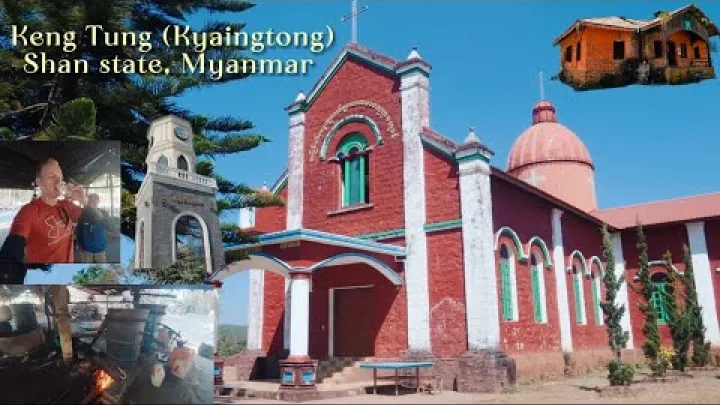
The town serves as a useful base for understanding the eastern part of Shan State, but that does not mean all nearby places have the same access conditions. The central urban area, a highway approach, a border zone, and a rural village route can each be subject to different permissions or restrictions. Avoid assuming that a route shown on an old map represents a practical visitor route today.
For a first visit, use a simple landmark-based orientation. Naung Tung Lake is a central reference point, Central Market helps locate everyday commercial activity, and Maha Myat Muni Temple and Wat Zom Khum are named cultural stops to place on a town map. Ask your accommodation or guide to confirm the current local names and exact locations because transliteration can vary.
Tai Khun Heritage and Living Religious Sites
Kengtung's cultural character is closely associated with Tai Khun and Shan communities, languages, religious traditions, and regional history. Present this heritage as living culture rather than a display arranged for visitors. Residents continue to use temples, markets, homes, and community spaces for ordinary life and religious practice.
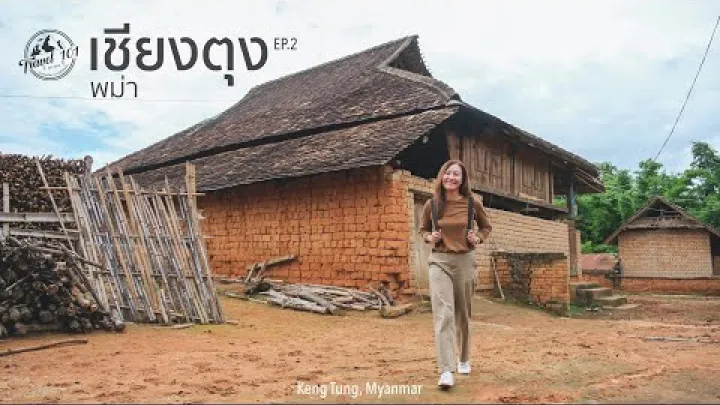
Maha Myat Muni Temple and Wat Zom Khum can serve as conservative cultural anchors for a town visit. Plan to experience them as active religious sites. Their importance to local worshippers matters more than whether a visitor can collect a photograph or enter every interior space.
Wear clothing that covers the shoulders and knees, keep your voice low, and remove footwear where local practice requires it. Ask before photographing worshippers, monks, ceremonies, or private areas. Do not assume that an online photograph proves that a particular room is open to visitors, that a ceremony happens on a fixed schedule, or that photography is allowed.
Older sources may include detailed claims about construction dates, relics, architectural features, or ritual calendars. Unless a current heritage or site authority confirms those details, they are not necessary for planning a respectful visit. Ask locally about opening arrangements and ceremony access, and follow the instructions of people responsible for the site.
How to Get to Kengtung and Get Around
Access is one of the most changeable parts of a Kengtung itinerary. First establish that travel is legally and practically possible, then compare air access with any land route that has been confirmed for your nationality and travel purpose.
Flying Through Kengtung Airport
For a traveler who is legally able to reach Kengtung, flying through Kengtung Airport is the main option to investigate first. The airport is identified as KET and VYKG. Service can be limited or changeable, so do not copy a historical airline route, frequency, fare, or journey time into a current itinerary without confirmation from the operating airline or airport.
Use a flight-status service such as Kengtung Airport as one way to check the airport identity and near-term activity, but do not treat a tracker as a guarantee that a scheduled flight will operate. Confirm the booking directly with the airline or a reliable local booking contact close to departure. Weather, aircraft availability, operational decisions, and changing conditions can affect service.
Build the itinerary around the flight rather than assuming the flight will fit perfectly into a larger circuit. Leave connection time on both sides, and avoid a same-day onward connection that would fail if the Kengtung flight were delayed, moved, or cancelled. If the trip requires a return flight, keep enough time in town to handle a schedule change without missing an international departure.
The Tachileik-Mae Sai Land Gateway
The Tachileik-Mae Sai crossing is sometimes described in older travel information as a gateway between northern Thailand and eastern Myanmar. For current planning, treat it as a conditional possibility, not as a guaranteed overland route to Kengtung. A crossing can be available to one category of traveler or for one purpose while remaining unavailable to another.
Separate the documents and permissions involved. A Myanmar visa, if required for your nationality, concerns admission to Myanmar. A border pass may have a narrower geographic or time limit. Permission for a foreigner to travel onward from Tachileik, and any local or security clearance, may be separate matters. Approval to cross the border does not automatically authorize the road journey to Kengtung.
Before choosing this route, obtain current confirmation from the relevant Myanmar immigration or embassy authorities, Thai authorities, and the border post or an established operator that is legally able to arrange the journey. Ask specifically whether foreign nationals can enter through Tachileik, whether they can continue to Kengtung, which documents are required, and whether the land route is operating on your intended date.
Do not publish historic border hours, bus schedules, fares, or journey times into your own plan without current confirmation. In particular, do not assume that a northern Thailand to Kengtung trip is a legal or practical extension of a normal Thai holiday, or that it will create a reliable cross-border loop.
Getting Around Town and Into the Hills
The central part of Kengtung is generally described as compact enough for walking between several town landmarks, especially around Naung Tung Lake. Walking works best for short daytime exploration, while tuk-tuks and motorbike taxis may be useful for longer local trips. Fares are normally arranged directly rather than calculated by a universal meter, so agree the price and destination before starting a ride.
For rural excursions, a hired car with a driver and a locally arranged guide is more appropriate than self-drive travel. Roads can be rough, poorly marked, or affected by seasonal conditions, and a visitor may not know which villages, trails, or viewpoints can be visited. A local guide can also help with language, introductions, permissions, and culturally appropriate behavior.
Kengtung has no practical rail connection for a visitor itinerary, so do not build a plan around trains. Ask your hotel or a locally established operator to help arrange a driver, identify a suitable vehicle, and explain the current route. For every rural outing, use a locally verified guide or operator and confirm that the specific road or trail is open before departure. This is especially important when an excursion leaves the central town area.
Where to Stay and How Long to Visit
For most first-time visitors who are able to travel, the central area is the simplest base. Staying near recognizable landmarks reduces the need to arrange transport for every meal, market visit, temple stop, or booking conversation.
The Central Lake and Market Area
The area around Naung Tung Lake and Central Market is the most practical base to investigate first. It places several town sights, food options, and informal transport arrangements relatively close together. The lake is both a relaxed walking stop and a useful point of reference when explaining your location to a driver or hotel staff member.
Use the lake, market, and nearby temples as a mental map rather than relying on formal neighborhood names that may not appear consistently in English. A property that looks close on a booking map may be farther away in practice, or may have an entrance that is difficult to identify. Confirm the exact location, road access, and distance from the central landmarks before booking.
Accommodation outside the center may offer greater quiet or a more open setting, but it can increase dependence on informal transport. This matters during hot or wet weather and for anyone with mobility limitations. Consider how easily you can reach food, a driver, a guide, and your transport pickup point, not only the room's view or advertised facilities.
Accommodation Standards and Booking Checks
Plan for a market made up mainly of modest guesthouses and mid-range hotels. Some properties may be comfortable and well managed, but luxury standards and services should not be assumed to be consistent. Availability and prices may also change quickly, while older reviews can describe rooms, internet, or payment arrangements that are no longer offered.
Before confirming a room, ask for the details that most affect a stay:
- Is there electricity backup, and which facilities remain available during an outage?
- How reliable are Wi-Fi and mobile signals inside the property?
- Is hot water available, and is drinking water supplied or sold?
- Does the quoted rate include breakfast, taxes, and the room type shown in the booking?
- What cancellation terms apply if a flight or route changes?
- Which payment methods and currencies are accepted, and is a deposit required?
When online information is incomplete or appears stale, contact the property directly or use a current local booking contact. Save the address and telephone number offline. A clear arrival arrangement can be more useful than a long list of amenities.
Choosing a Practical Length of Stay
One to two days is a reasonable planning frame for the central lake, temples, markets, and a slow town orientation, provided access conditions allow the visit. This is enough for travelers who mainly want a short cultural stop and do not need a full rural program.
Allow roughly three to five nights if you want to combine town time with one or more guided countryside excursions. Treat this as a planning recommendation, not a promise that every activity will be available. The extra nights provide room for a slower pace, a changed rural route, or a transport adjustment.
- Short visit: Use the first day for Central Market, Naung Tung Lake, and one or two temple visits. Keep the schedule light.
- Longer visit: Reserve a town day, a guided rural day if available, and at least one uncommitted period rather than booking every hour.
Kengtung is often better treated as a dedicated add-on or stand-alone destination than as a seamless stop on a classic Myanmar circuit. That approach reduces pressure to make uncertain transport connections and gives the town's slower rhythm a fair chance.
Best Things to Do in and Around Kengtung
The strongest first-visit plan combines a simple town circuit with one carefully arranged rural experience. Keep less certain attractions as optional additions so a changed route, unavailable guide, or poor weather does not remove the main value of the visit.
Naung Tung Lake, Temples, and Markets
A town-focused day can begin at Central Market, continue through the central streets and temple area, and include Naung Tung Lake later in the day. Markets are often most active earlier, so a morning visit gives you more time to observe local trade and buy practical supplies before the heat increases.
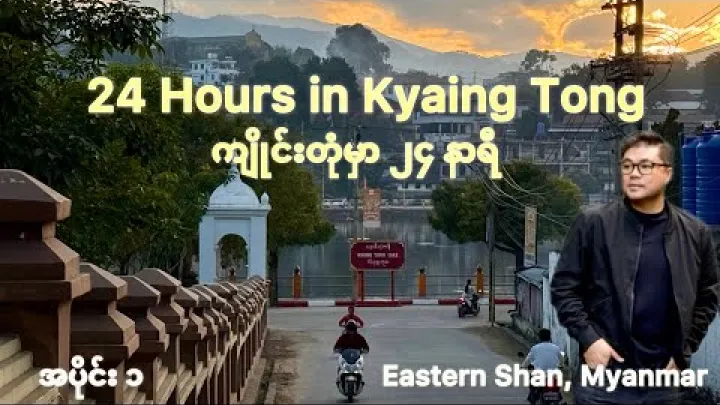
Use Naung Tung Lake as a relaxed walking stop and as a landmark for understanding the layout of central Kengtung. Combine it with Maha Myat Muni Temple and Wat Zom Khum if current access arrangements permit. The route does not need to be rushed. Leave time to sit, observe, and move respectfully around worshippers and local residents.
Do not rely on fixed online opening hours or a published ceremony calendar unless it has been confirmed locally. Worship, maintenance, local events, or access rules can affect a visit. Ask before photographing market sellers, children, monks, ceremonies, or religious interiors, and accept a refusal without argument.
Guided Visits to Ethnic Minority Villages
Guided village trekking is often presented as Kengtung's main rural experience. Depending on the route and current access, descriptions may refer to communities associated with Akha, Lahu, Lisu, Palaung, Wa, or other local identities. These names should not be treated as interchangeable labels or as a promise that a particular community will be visited.
Every route can differ in walking time, slope, road condition, language, facilities, permissions, and the degree of contact that a community wants with visitors. Some excursions may involve a short walk and several stops; others may require more demanding terrain and a full day. Ask what the route involves physically and socially before accepting it.
Ethical practice should be part of the booking decision:
- Ask permission before photographing people, houses, religious spaces, or ceremonies.
- Do not describe communities as untouched, primitive, or exotic.
- Follow instructions about where visitors may walk, sit, eat, or enter.
- Buy crafts fairly and avoid treating personal clothing, rituals, or homes as photo props.
- Choose a guide who can explain local expectations and communicate with residents, not only someone who can navigate a path.
A guide provides cultural interpretation and communication support as well as navigation. The quality of that relationship can shape whether a village visit is respectful and useful or intrusive and uncomfortable.
Crafts, Viewpoints, and Other Flexible Add-Ons
Shan lacquerware workshops, viewpoints, waterfalls, and other nearby stops may be possible additions, but treat them as optional. Their availability can depend more heavily on local arrangements, road conditions, season, weather, opening decisions, and permission than the central lake, market, and named temples.
Do not build a full day around an attraction whose name, distance, opening time, or transport arrangement comes only from an old online description. Ask a current hotel, guide, or operator what is practical on the day. If a secondary stop cannot be confirmed, replace it with more time in the central town rather than taking an avoidable risk to preserve a checklist.
Best Time to Visit Kengtung
Seasonal planning is useful for comfort, but it does not answer the separate questions of safety, legal access, or route availability. November to February is usually the most comfortable period to investigate for walking and trekking, while the hotter and wetter parts of the year require more adjustment. For immediate planning, consult the UK Met Office Kengtung forecast rather than relying on a general seasonal description.
Cool and Dry Season
Roughly November to February is the usual planning window for comfortable town walks and rural trekking. Daytime conditions may feel suitable for exploring, while cooler nights can require a fleece, light jacket, or another warm layer. Pack for both parts of the day instead of assuming that a warm daytime forecast means warm evenings.
This period is a sensible choice for travelers who prioritize outdoor activity and clearer, more comfortable walking conditions. Use typical or approximate language when planning because conditions vary from year to year. A favorable season does not override current official advice or confirm that a particular rural route is open.
Hot Season
The pre-monsoon period can make long walks and exposed rural trails more demanding. Plan important movement for early morning or late afternoon, take regular water breaks, and use sun protection such as a hat, suitable clothing, and sunscreen.
Higher elevation may moderate conditions compared with some lowland parts of Myanmar, but it does not remove heat, humidity, or strong ultraviolet exposure. Keep trekking plans shorter or adjustable, and avoid turning a generalized seasonal expectation into a fixed promise about temperatures or visibility.
Wet Season
The monsoon period can make the surrounding landscape greener and visually rewarding, but it can also complicate travel. Rural trails may become muddy, roads may be disrupted, and vehicle journeys can take longer. Rain can also affect flight plans, so a tightly scheduled connection is a poor match for this season.
Wet-season travel is most suitable for someone who accepts flexible plans and is willing to change or cancel an excursion. Before committing to a wet-season outing, check the short-term forecast and ask the same-day driver or guide about road and trail conditions. Do not use annual rainfall figures or a generic travel calendar as a substitute for that local decision.
Kengtung Travel Practicalities
Small details have a large effect on a Kengtung itinerary. Prepare for cash payments, uneven connectivity, modest medical resources, and communication needs that become more important as you move away from the center.
Cash, Costs, and Payment
Plan for a predominantly cash-based economy. ATM access, card acceptance, network availability, and exchange conditions can change, so do not assume that a card or payment app will work for every hotel, meal, ride, or guide. Currency volatility also makes older online prices unreliable.
Instead of relying on a single total, build a budget from separate categories:
- Accommodation: Include the room, any deposit, breakfast, and possible changes caused by transport disruption.
- Food and water: Allow for daily meals, drinks, and safe drinking water, with flexibility for places that accept cash only.
- Local transport: Budget for airport transfers, tuk-tuks or motorbike taxis, and rides between the central area and your accommodation.
- Drivers and guides: Rural trips may cost more than town transport because they involve a vehicle, time, language support, and route planning.
- Activities: Ask whether a guide's quote includes entrance fees, meals, vehicle costs, or other expenses.
- Reserve: Keep an emergency amount for a changed ticket, an additional night, medical needs, or a transport delay.
Ask each provider which currency and notes are accepted, whether the quote is per person or per vehicle, and when payment is due. Avoid false precision when comparing currencies. A current local quote and a clear list of inclusions are more useful than a historical rate copied from a travel forum.
Health Preparation and Medical Limits
Medical facilities and emergency care may be limited compared with major international destinations. Do not assume that rapid specialist treatment, advanced diagnostics, or immediate evacuation will be available from Kengtung. The health and insurance limits should be part of the decision to travel, not an afterthought once the itinerary is booked.
Consult a qualified travel-health professional before departure, especially if you have a chronic condition, take regular medication, or plan demanding rural walks. Ask about country- and route-specific health preparation rather than relying on a generic packing list. Carry prescribed medicines in your hand luggage, keep them in their original packaging, and bring copies of prescriptions or medical information.
Practical preparation includes safe drinking water, sensible food hygiene, basic first aid, mosquito protection, and footwear with enough support and grip for uneven rural paths. These measures reduce ordinary problems, but they do not replace professional advice or access to appropriate medical care.
Review medical and evacuation insurance against the current official travel warnings. Confirm what happens if the insurer excludes a destination under a do-not-travel advisory, and check whether evacuation from eastern Shan State is actually included rather than assuming that a general emergency benefit will apply.
Connectivity, Language, and Local Etiquette
Expect hotel internet, electricity, mobile coverage, and local services to be intermittent or inconsistent. A particular SIM card, network, or travel app may not work as expected, so create a plan that does not depend on continuous internet access.
Save offline maps, your accommodation address, transport contacts, booking details, and important telephone numbers before leaving reliable connectivity. Keep copies of your passport, visa, insurance information, and emergency contacts in a secure offline location. Tell a trusted person where you expect to be and when you plan to return, while avoiding unnecessary public sharing of sensitive travel details.
Burmese and Shan are important local languages, and rural communities may use additional languages. English may be less useful outside accommodation and established travel arrangements. A capable guide can help with communication, introductions, food questions, route discussions, and explanations of local etiquette.
Use low-profile behavior in public. Dress modestly at religious sites, ask before taking photographs, avoid turning sensitive locations or official activity into photography subjects, and follow instructions from local authorities or site managers. Religious courtesy is different from a security restriction, but both require compliance. Do not assume that an activity is permitted simply because another traveler describes it online.
Final Takeaway: Plan for a Flexible, Responsible Visit
Kengtung can offer a distinctive Eastern Shan experience through Naung Tung Lake, Central Market, Maha Myat Muni Temple, Wat Zom Khum, and carefully arranged countryside visits. Its appeal lies in cultural context and a slower pace, while its costs include limited services, uncertain transport, and more demanding preparation than a conventional tourist center.
If the live official guidance, legal requirements, insurance, and route information support your trip, use the central town as your base, arrange rural travel through a verified local guide, and keep the itinerary deliberately flexible. If those checks do not produce clear answers, postponing the visit is the responsible choice.
Select area
Create a post
Posting is free and no registration is required.