Kengtung Budget: Daily Travel Costs in Eastern Myanmar
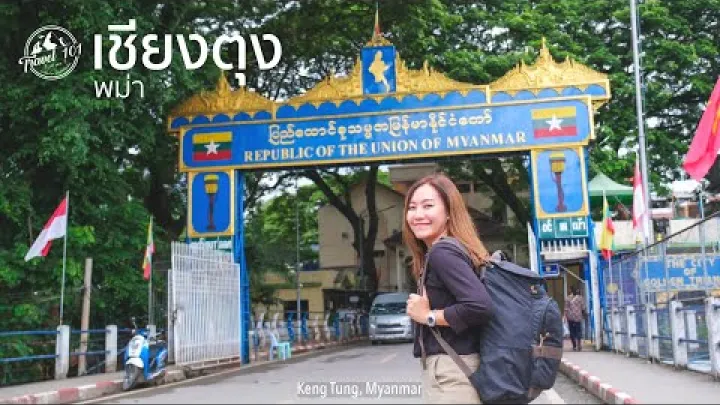
A Kengtung budget can be surprisingly uneven. Local meals and short rides may be inexpensive, but rooms suitable for international visitors, travel from Tachileik, and guided hill-tribe excursions can quickly raise the total. This guide gives practical daily ranges for budget, mid-range, and comfortable travel in Eastern Myanmar. It also explains how room sharing, group tours, currency changes, payment access, and independent town days affect the final cost.
Kengtung Budget at a Glance
The most useful way to plan a Kengtung travel budget is to separate everyday spending from arrival costs. The ranges below are approximate amounts per person for an average day in town. They assume that accommodation and some activities are spread across the stay rather than paid at the same level every day.
Daily Budget Ranges by Travel Style
For basic planning, allow about USD 25 to 45 per person per day for budget travel, USD 45 to 80 for a mid-range trip, and USD 85 to 150 or more for a comfortable trip. The budget range generally assumes a shared room, mostly local food, walking, and selective paid activities. A solo traveler staying in a private room or booking a private vehicle will normally spend more.
| Travel style | Accommodation | Food and drinks | Local transport | Activities | Daily total |
|---|---|---|---|---|---|
| Budget | USD 8-20 | USD 5-7 | USD 2-5 | USD 0-15 | USD 25-45 |
| Mid-range | USD 15-35 | USD 10-15 | USD 4-10 | USD 10-30 | USD 45-80 |
| Comfortable | USD 55-110 or more | USD 20-30 | USD 10-25 | USD 25-75 or more | USD 85-150 or more |
The accommodation column is a per-person estimate when a room is shared. It does not mean that a hotel will sell half a room. A private room costing USD 30 is USD 30 for one solo traveler but USD 15 each for two people. The activities column is an average allowance. A full-day guided trip can use most or all of that amount in one day, while a market or pagoda day may cost very little.
These bands are planning figures, not guaranteed prices. A Kengtung city guide such as Takeyourbackpack can help with itinerary context, but current hotel, transport, and tour quotes should take priority when you make a booking.
What These Estimates Include and Exclude
The daily estimate includes a share of the room, meals and ordinary drinks, local movement around Kengtung, and an allowance for sightseeing or activities. It excludes the cost of reaching Kengtung and leaving again. That separate amount may include a bus or car from Tachileik, a flight, border-related expenses, luggage charges, or administrative costs.
Keeping access separate is important for a short stay. A traveler who spends USD 35 per day for four days may still have a much higher total after adding arrival and departure costs. The same principle applies to a tour package. If a package includes accommodation, breakfast, transfers, and excursions, do not add those items again to the daily calculation.
As a simple example, two people sharing a USD 30 room spend USD 15 each on lodging. Add USD 12 per person for food, USD 4 for local rides, and USD 22.50 for a USD 90 guide-and-vehicle day shared by four people. That day comes to about USD 53.50 per person before long-distance travel, even though a walking day would be much cheaper.
Listings may use Kengtung, Keng Tung, or Kyaing Tong. Search all three spellings when comparing hotels, transport providers, and tours. The name variation does not by itself indicate a different destination or a different price.
Accommodation Costs in Kengtung
Lodging is often the first category to check because the market is smaller than in Myanmar's main tourist centers. Rates also vary greatly between a simple central room and a resort-style property. Compare the total room cost and its conditions, not only the lowest number shown in a search result.
Basic Rooms and the Limited Low-Cost Market
A basic private room can be planned at roughly USD 15 to 30 per night. Central double rooms have been reported around USD 25 to 30, and breakfast is sometimes included. This is a room rate, so two people sharing may pay about USD 12.50 to 15 each before any additional charges.
Do not assume that a hostel dormitory or the cheapest local lodging is available to every foreign visitor. Properties can differ in their guest eligibility, registration arrangements, facilities, and current operating status. A low displayed rate is not useful if the property cannot accept your booking.
Naung Tong Hotel and Sam Yweat Guest House are central names that travelers may investigate, but their availability, rate, facilities, and guest eligibility should be confirmed directly. Ask whether the quoted price includes a private bathroom, air-conditioning or a fan, breakfast, hot water, Wi-Fi, taxes, and cancellation terms.
For a longer stay, ask for the total price for all nights rather than multiplying a single displayed rate without checking. A direct quote may also clarify whether payment is required in kyat, United States dollars, or another accepted currency.
Before sending payment, confirm that the chosen property is currently permitted to host foreign visitors. Ask the property to confirm this point in writing when possible, and keep the booking message and payment terms.
Mid-Range Hotels and Resort Stays
Mid-range accommodation is approximately USD 25 to 60 per room per night, with considerable overlap between basic and more comfortable central hotels. The difference may be a larger room, air-conditioning, more reliable hot water, breakfast, a quieter setting, or easier arrangements for transport and excursions.
A listing for Amazing Kengtong Resort has shown an average room price of around USD 110. This is a resort-style benchmark from an available listing, not a universal Kengtung hotel rate. Agoda prices can change with dates, room type, availability, taxes, and booking conditions.
For a solo traveler, a USD 50 room is a USD 50 nightly cost. For two people, the same room costs USD 25 each. A USD 110 resort room costs USD 110 to a solo traveler but USD 55 each when shared by two. This is why couples and friends can often choose a more comfortable property without moving into the highest daily budget.
Compare location and services as well as price. A central practical hotel may reduce local rides, while a resort may offer more space or a different setting but require extra transport. Breakfast included in the room can also reduce the separate food allowance.
What Changes the Nightly Price
The nightly price can change according to room supply, booking channel, room type, included breakfast, length of stay, currency movement, and the small size of Kengtung's hotel market. Online availability may be incomplete, especially when a property relies on direct messages or local agents rather than a large booking platform.
Weekends, public holidays, festivals, and local events can make lower-priced rooms harder to find. The effect is not necessarily a fixed surcharge. It may appear as fewer available rooms, a different minimum stay, or a higher price for the remaining rooms.
Compare the final payable total. Check whether taxes, breakfast, extra guests, cancellation, payment fees, and transport arrangements are included. If online information is incomplete, request a current rate directly and ask the property to state the validity dates of the quote.
Food and Drink Prices in Kengtung
Food is one of the easiest parts of a Kengtung budget to control. Local meals, tea shops, market snacks, and fruit can keep spending low, while café visits, imported products, hotel meals, and alcoholic drinks can change the daily total quickly.
Kengtung Market, Tea Shops, and Street Food
Kengtung Market is a useful anchor for local food planning. Market activity often starts early, making it practical for breakfast items, fruit, snacks, and simple ingredients. Burmese tea shops and street-food venues can also provide inexpensive meals and drinks, although menus and portions vary.
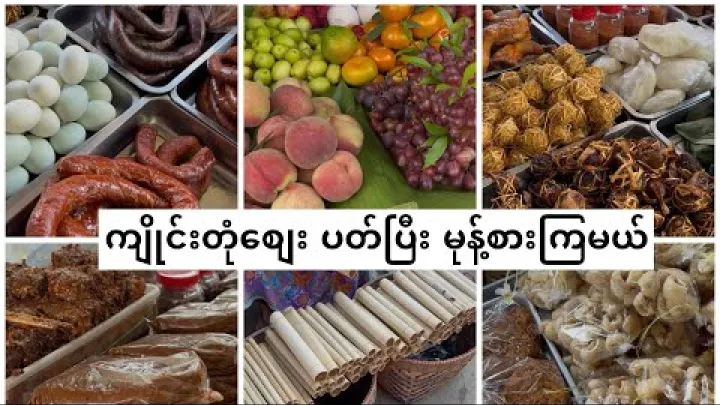
Reported guideposts for a simple local meal are roughly MMK 2,000 to 3,000. Older travel estimates have placed mostly local eating at about USD 3 to 5 per day, but the dollar conversion can become misleading when the kyat exchange rate changes. Treat the kyat amount as a historical reference rather than a current price promise.
Sar Tike Street Food is a named local option that travelers can check for current posted prices. A venue description that calls its food reasonably priced does not establish a fixed menu rate. Look at the menu or ask the price before ordering when a dish is not clearly marked.
Separate the cost of a main meal from smaller purchases. Tea, coffee, fruit, bottled drinks, and several snacks may each seem inexpensive, but repeated purchases can add several thousand kyat to the daily total. Market shopping also belongs in a separate shopping allowance if you plan to buy food, crafts, or souvenirs.
Café 21, Restaurants, Drinks, and Snacks
Café 21 and similar modern cafés are useful reference points for a more comfortable food routine. A meal with a drink in a café or restaurant generally costs more than a market meal or a tea-shop plate. Reported guideposts of about MMK 4,000 to 6,000 for meals in nicer establishments are indicative only and should not be treated as a current menu.
A café day can become expensive through drinks rather than meals. Coffee, beer, bottled water, soft drinks, and desserts may be added to several meals. Hotel restaurants and Western-style dishes may also carry a higher price than local food, especially when ingredients or supply costs have changed.
Check the menu and the final bill when prices are listed in kyat. If a venue discusses prices in dollars or another currency, ask which exchange rate will be used before ordering. This avoids confusing a low local-meal budget with the cost of a mixed café-and-restaurant routine.
A Realistic Daily Food Allowance
A practical food-and-drink allowance depends more on eating style than on the city name. Use the following bands as a starting point, then adjust for breakfast included in the room, drinks, and any hotel meals.
| Eating style | Daily allowance | Typical pattern |
|---|---|---|
| Mostly local | USD 5-7 | Market or tea-shop meals, local snacks, limited drinks |
| Mixed routine | USD 10-15 | Local meals with one café visit or more drinks |
| Comfortable dining | USD 20-30 | Frequent cafés, restaurant or hotel meals, and drinks |
These figures are separate from activities. A low food allowance does not make a guided village trip inexpensive. Conversely, a traveler can choose one comfortable meal while still keeping the average food cost low on other days.
Transport and Access Costs
Transport should be divided into long-distance access and short local rides. Reaching Kengtung can dominate a short trip, while movement inside the town may require only a modest daily allowance if you walk frequently.
Tachileik Transfers and Other Arrival Costs
Reaching Kengtung is a separate trip cost rather than a normal daily expense. Travel from Tachileik is one possible access component, but the final cost depends on the service, availability, luggage, payment currency, and current access conditions.
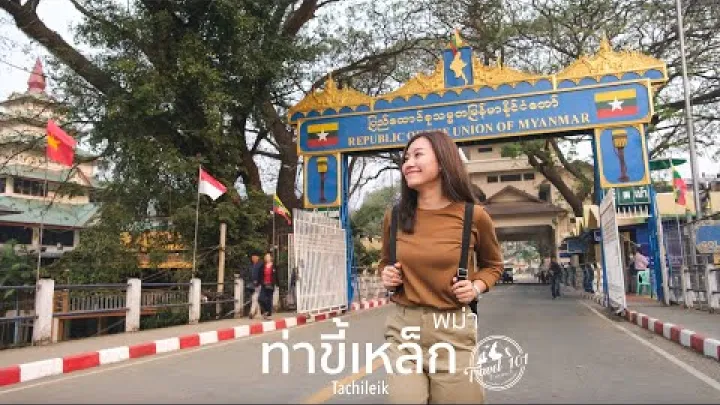
Travel-planning reports have used about MMK 10,000 as a guidepost for a Tachileik to Kengtung bus. A Rome2rio listing has shown a car or taxi option around USD 16. These figures are not interchangeable quotations. They may describe different services, dates, currencies, and assumptions, and they can become outdated.
Flights, border-related expenses, and administrative charges need separate current quotes. Do not hide these items inside a daily Kengtung budget, especially when planning only two or three nights. A useful access checklist includes the current fare, departure point, departure time, luggage rules, payment currency, travel requirements, and whether the service is operating for your dates.
Ask the current bus or car operator to confirm the fare, departure details, travel requirements, and access conditions before booking. Keep the operator's contact details and the agreed price, but do not treat a third-party route listing as confirmation that a service is available.
Walking, Moto-Taxis, Tuk-Tuks, and Local Rides
Central Kengtung is compact enough for many town journeys on foot. Walking can cover markets, cafés, central accommodation, religious sites, and ordinary sightseeing without adding a large transport cost. Moto-taxis and tuk-tuks are useful for longer town trips, the bus station, hill areas, or sites outside the central streets.
A reported example puts a moto-taxi ride from the bus station to a central hotel at about MMK 1,000. Use it as a historical guidepost, not as a standard fare. Distance, fuel costs, time, negotiation, weather, and local conditions can change the amount.
A walking-focused traveler may set aside USD 2 to 3 per day for occasional rides. A traveler who uses taxis for most trips might allow USD 5 to 10 or more. A private car for a village or trekking excursion belongs in the activities budget, because it is usually part of a fixed tour cost rather than an ordinary town ride.
Trekking, Tours, and Low-Cost Activities
Kengtung is known for access to surrounding villages, hill areas, and cultural landscapes. These experiences can be the most memorable part of a trip, but they are also the largest variable in the daily budget. Balance guided days with independent town days to keep the average manageable.
Guided Hill-Tribe Trips and Tour Costs
Reported full-day prices for a guide and vehicle are commonly around USD 75 to 100. One reported half-day benchmark is about USD 55. These amounts should be treated as mixed traveler and operator guideposts, not as a fixed current tariff for every route.
A quote may cover the guide and vehicle but exclude meals, tips, entrance charges, community donations, permits, porter payments, and personal purchases. The route also matters. A short half-day outing is not directly comparable with a full-day village circuit that uses a larger vehicle or travels farther from town.
Some four-day Kengtung packages bundle accommodation, breakfast, transfers, a guide, and excursions. For example, the listed inclusions in a Tnktravel package illustrate why headline tour prices must be compared by inclusions. A package can look expensive while replacing several separate costs, or look affordable while leaving meals and transport outside the quoted price.
Request a current written quote. It should state the guide, vehicle, guide language, route, departure and return times, group size, accommodation if included, meals, entrance or donation payments, exclusions, payment schedule, and cancellation terms. This is especially important when the tour involves remote areas or several local service providers.
Share Fixed Tour Costs With Other Travelers
Guide-and-vehicle prices are often fixed for the day. That means group size has a direct effect on the per-person Kengtung travel budget. Sharing with two to four compatible travelers can turn a private excursion into a reasonable activity allowance.
| Travelers sharing | USD 80 day | USD 100 day | Planning effect |
|---|---|---|---|
| One | USD 80 each | USD 100 each | Private cost is highest |
| Two | USD 40 each | USD 50 each | Useful for couples or friends |
| Three | About USD 27 each | About USD 33 each | Good balance if the route matches |
| Four | USD 20 each | USD 25 each | Lowest illustrative share |
The arithmetic is illustrative and assumes that the full guide-and-vehicle amount is shared equally. Confirm the vehicle capacity and make sure everyone agrees on the route, departure time, walking difficulty, payment split, and what happens if someone cancels. A larger group is not a saving if it requires a different vehicle or creates an itinerary that nobody wants.
Markets, Pagodas, and Other Low-Cost Days
Not every Kengtung day needs a private vehicle. Kengtung Market, town walks, pagodas, temples, and viewpoints can provide free or low-cost ways to explore the town. These activities also give travelers a break between longer trekking days.
Classify activities into three groups when planning: free, low-cost, and quote-required. A town walk may be free, while a site outside the center may require a ride. Religious sites may involve a donation, entrance charge, photography rule, or local transport cost. There is no reliable universal fee list for every attraction, so ask locally at the time of visiting.
Alternating one or two paid trekking days with market, pagoda, and town days can reduce the average activity cost. Keep a separate discretionary allowance for souvenirs, handicrafts, market purchases, donations, and extra snacks. This prevents shopping from silently consuming money reserved for transport or tours.
Build a Total Budget for Your Trip
A useful budget is based on your nights, travelers, tour days, and arrival plan. Daily ranges are only a starting point; the same itinerary can be inexpensive for a group and costly for a solo traveler.
Calculate by Nights, Travelers, and Tour Days
Use this formula for the in-destination portion of your trip:
Per-person total = room rate multiplied by nights and divided by room sharers, plus food per day multiplied by days, plus local transport per day multiplied by days, plus shared tour costs, plus other planned spending.
Then add arrival and departure costs separately. If the room is a double room, room sharers normally means two only when two people actually occupy and share the room. If four travelers need two rooms, divide each room's cost among its occupants rather than dividing the total by four without checking the room arrangement.
- Nights: enter the number of paid nights, not the number of calendar days.
- Travelers: record the total group and the number sharing each room and vehicle.
- Room rate: enter the full quoted rate and note breakfast, taxes, and cancellation conditions.
- Food allowance: choose a local, mixed, or comfortable daily amount.
- Local rides: estimate walking days separately from taxi-dependent days.
- Tour days: enter the full quote, then divide by the people who will actually join.
- Access: add bus, car, flight, border-related, luggage, and administrative costs outside the daily figure.
You can keep one worksheet in USD and another in MMK, but write down the exchange-rate assumption and the date of the quote. Convert only when needed. Avoid adding a kyat price and a dollar price together until you have chosen the rate you will actually use for payment.
Check every package for double counting. A tour transfer may already cover the bus station or airport. Breakfast may already be part of the room price. A private vehicle may already be included in an excursion. Removing duplicate line items can make the budget more accurate than simply cutting food or activities.
Illustrative Four-Day Budget Mixes
The following examples cover four days and three nights in Kengtung. They exclude arrival and departure costs. Each is a planning scenario, not a universal four-day price, and each should be updated with current quotes.
Budget scenario: Two people share a basic USD 30 room, eat mostly local meals, walk often, and join one USD 90 guide-and-vehicle day with two other travelers. The arithmetic is three nights multiplied by USD 30 divided by two, or USD 45 each for lodging. Food at USD 6 per day for four days is USD 24. Local rides at USD 2 per day are USD 8. The shared tour is USD 90 divided by four, or USD 22.50. The total is about USD 99.50 per person, or roughly USD 25 per day across four days. Adding a second similar shared tour would raise the total by about USD 22.50 per person.
Mid-range scenario: A couple shares a central USD 50 room, chooses a mixture of local meals and cafés, uses regular local rides, and joins two USD 90 tours with one additional traveler. Lodging is three multiplied by USD 50 divided by two, or USD 75 each. Food at USD 12 per day is USD 48. Local rides at USD 5 per day are USD 20. Two tours at USD 90 divided by three are USD 60 each. The estimated total is USD 203 per person, or about USD 51 per day.
Comfortable scenario: A solo traveler uses a resort-style room at an illustrative USD 110 per night, spends about USD 25 per day on food and drinks, allows USD 15 per day for local and private movement, and books two private guided days at USD 100 each. Lodging is USD 330 for three nights, food is USD 100, local transport is USD 60, and tours are USD 200. The total is about USD 690, or USD 172.50 per day. This is above the comfortable headline range because a solo resort stay and private touring can push costs higher.
These examples show why a single average can mislead. The budget traveler saves mainly by sharing the room and tour. The mid-range traveler spends more on food and rides but still shares fixed costs. The comfortable traveler pays for privacy and convenience. None of the totals includes flights, Tachileik transfers, border-related costs, or other access expenses.
What Makes a Kengtung Trip More Expensive
Kengtung is not simply cheap or expensive. The final cost depends on the combination of dates, room type, group size, transport, and paid experiences. Small changes in fixed costs can have a larger effect than small changes in the price of an individual meal.
Peak Dates, Weekends, Events, and Currency Movement
Festivals, public holidays, weekends, and local events can increase demand for a limited number of rooms, vehicles, and guides. The result may be a higher rate, fewer basic rooms, a minimum stay, or less choice rather than a published seasonal percentage.
Inflation, fuel prices, and exchange-rate movement can also make an older kyat price or dollar conversion stale. A quote that was reasonable several months ago may not reflect the amount requested on the travel date. This is especially important for private vehicles and rooms where operating costs are passed into a new quote.
Before booking, ask the hotel and tour operator whether your dates carry a weekend, festival, holiday, or event surcharge. Confirm the rate validity, cancellation flexibility, room availability, vehicle availability, and payment deadline. Do not apply a fixed seasonal percentage unless the provider gives you one for the actual dates.
Solo Travel, Private Vehicles, and Resort Choices
Solo travelers often carry the full cost of a private room and may also absorb the entire guide-and-vehicle fee. That can make a short trip look expensive even when local food and town rides remain inexpensive.
Resort accommodation, private cars, frequent trekking, and Western-style dining can push a comfortable trip well above USD 150 per day. This does not mean that independent travel has poor value. It means that privacy and convenience are the main cost drivers.
| Traveler type | Main cost burden | Most effective choice |
|---|---|---|
| Solo traveler | Full room and private tour cost | Choose a practical room and join compatible group tours |
| Couple | Two-person share of rooms and vehicles | Compare a better room against the cost of extra transport |
| Group of four | Room arrangement and vehicle capacity | Share fixed tour costs and agree on the route in advance |
Kengtung can offer good value when travelers share fixed costs and spend some days exploring independently. Compare the total experience: a more central room may save rides, while a cheaper room far from daily activities may not reduce the final budget.
Currency, Cash, and Ways to Save Money
Payment planning is part of the Kengtung budget, not an afterthought. A low daily estimate is useful only if you can pay for the room, tour, meals, and local rides in the form each provider accepts.
Cash, Exchange Rates, and Card Acceptance
Everyday prices are generally quoted in Myanmar kyat. Some hotels and tour providers may discuss United States dollars or Thai baht, particularly when arranging larger services. Do not assume that the same exchange rate or currency rule applies to every provider.
Exchange-rate volatility and differences between published rates and locally available rates can change the real cost of a trip. For that reason, keep the article's USD ranges as planning bands rather than converting every item at one permanent rate. Write the rate and date beside each important quote, especially for accommodation and tours.
Card and ATM access may be limited or unreliable for your particular dates and provider. Before arrival, confirm the accepted currency, exchange rate, cash requirements, and card or ATM options with the hotel, transport operator, and guide. Ask whether a deposit must be paid in cash and whether the final balance uses the same currency.
Separate your funds into two groups. Keep enough for accommodation, tours, and access costs, and carry a smaller daily amount for food, rides, market purchases, and donations. Carry enough total funds for the planned stay rather than relying on one card, one ATM, or a last-minute exchange.
Concrete Ways to Lower the Daily Cost
The largest savings usually come from sharing fixed costs, not from trying to reduce every meal by a small amount. Apply the following choices in order of likely impact:
- Share a room: Compare the per-person cost of a double room with the full price of a solo room. Confirm that the room has the facilities and guest eligibility you need.
- Share guide-and-vehicle days: Find travelers with a compatible route and divide the fixed quote among the actual participants. Agree on the payment split and cancellation rule before departure.
- Choose a simple central property: A practical room near markets and daily activities may reduce repeated taxi costs. Compare the final total, not just the nightly rate.
- Eat locally more often: Use Kengtung Market, tea shops, and local street-food venues for more meals, then choose cafés or restaurants selectively.
- Walk within the center: Reserve moto-taxis and tuk-tuks for longer journeys, the bus station, or places outside the easy walking area.
- Mix paid and independent days: Plan one or two guided trekking days, then use market, pagoda, temple, viewpoint, and town-walking days to lower the average activity cost.
- Control discretionary spending: Set a separate amount for souvenirs, donations, bottled drinks, coffee, and snacks so these costs do not reduce your access or accommodation funds.
Negotiation or a long-stay discount may sometimes be available, but neither should be treated as guaranteed. Ask for the complete total and inclusions, then choose the option that remains affordable without depending on an unconfirmed discount.
Final Kengtung Budget Takeaways
For an in-destination estimate, plan around USD 25 to 45 per day for budget travel, USD 45 to 80 for mid-range travel, and USD 85 to 150 or more for comfortable travel. The biggest changes usually come from accommodation, guided vehicles, and access from outside Kengtung, while local food and walking can keep ordinary days affordable. Build the trip by nights, room sharers, tour days, and current quotes, and keep arrival costs separate. Sharing fixed expenses, eating locally, walking often, and alternating trekking with low-cost town days are the most practical ways to lower the average Kengtung travel budget.
Select area
Create a post
Posting is free and no registration is required.