Kengtung Getting There: Flights, Roads and Border Routes
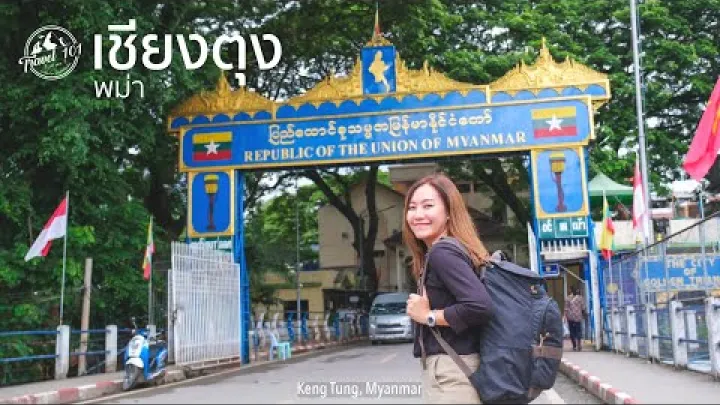
Getting to Kengtung (Kyaing Tong) in eastern Myanmar is a route-planning problem with two parts: finding a transport link and proving that you can legally and practically use it. The main possibilities are a domestic flight to Kengtung Airport (KET/VYKG), an overland journey through Tachileik, or a longer Myanmar-side connection along National Highway 4 (NH4). This guide explains how to test those options from Yangon, Mandalay, Heho, Thailand and other gateways without treating old schedules or map routes as current promises. It also covers booking, border checks and the final transfer into Kengtung town center.
Check Whether Travel to Kengtung Is Currently Possible
Route information for Kengtung can change more quickly than online maps and travel pages. Start by confirming that the journey is permitted and operating, then compare the transport options that remain available.
Start with Permission and Safety, Not the Route Map
Before comparing journey times or fares, make three separate checks. First, confirm that you may enter Myanmar with your nationality, passport and travel documents. Second, confirm that you may travel onward to Kengtung from the gateway you plan to use. Third, confirm that an airline, bus company, driver or other transport provider is actually operating the relevant service.
These checks are independent. A flight shown for KET in an online search does not prove that a foreign traveler may board it or arrive in Kengtung. A road line connecting Tachileik and Kengtung does not prove that a bus is running, that checkpoints are open to you, or that onward movement is allowed. A visa or a paid ticket also does not automatically establish permission to reach a sensitive destination.
Online information may combine a current booking page with an old traveler report. Treat historical route descriptions as background only, and date any statement about border access, road service or flight availability. This is especially important for eastern Shan State, where local conditions and movement rules can affect the practical route.
Before deciding to travel, read the latest government travel advisory for Myanmar and obtain current local security information for the route to Kengtung. If those sources identify a serious risk or if the route cannot be confirmed through a responsible operator, do not treat a convenient itinerary as proof that the journey is suitable.
Verify Your Nationality, Documents, and Route Before Payment
Your nationality and complete itinerary can matter at several points. Check the current requirements for entering Myanmar, moving from the entry point to Kengtung and leaving the country afterward. If you plan to enter through Thailand, check the Thailand-to-Myanmar border requirements separately from the Myanmar-side journey to Kengtung.
Before paying, ask the relevant immigration authority, local authority or carrier to confirm the exact route for your passport. The confirmation should cover the gateway, any border crossing, the onward road or flight and your intended exit. Do not assume that a rule applying to one nationality, one type of passport or one destination applies universally.
- Nationality and passport: Confirm that your passport is accepted for the intended entry and onward route.
- Entry documents: Check visa, entry, validity and exit-document requirements that apply to your circumstances.
- Destination access: Confirm that travel onward to Kengtung is permitted from the chosen gateway.
- Border access: If using Mae Sai and Tachileik, confirm the crossing rules for your nationality and travel purpose.
- Carrier acceptance: Ask the airline or road operator whether it will accept your passport for the complete itinerary.
A visa, an online itinerary or a successful payment is not the same as authorization to travel onward. Keep the name, contact details and date of the person or organization that confirmed your route. If the answer is unclear, pause the booking rather than relying on an assumption.
Reach Kengtung by Domestic Flight
Flying can reduce the amount of overland travel, but Kengtung has a limited and changeable regional transport profile. Use the airport as a search anchor, then confirm the actual flight and your eligibility for it.
Use Kengtung Airport (KET/VYKG) as the Main Air Anchor
Kengtung Airport is commonly identified by the IATA code KET and the ICAO code VYKG. Search both Kengtung and Kyaing Tong, and check the airport code carefully because some booking tools may use a different spelling such as Keng Tung.
The Myanmar Department of Civil Aviation AIS identifies Kengtung Airport and Kengtung Tower in Shan State. That official aviation reference is a useful anchor for the airport’s identity, but it is not evidence of a current passenger schedule, airport facility, route frequency or foreign-passenger policy.
Use KET or VYKG when searching airline systems and when asking an agent to check a route. Do not assume that an airport listing reveals the current transfer process, distance to town, taxi supply or arrival arrangements. Those details should be confirmed locally for your flight date.

Check Current Flight Routes Through Official Channels
Route information has associated Kengtung with several Myanmar gateways, including Mandalay, Heho, Tachileik and Naypyidaw. Treat these as names to test in a live search rather than as guaranteed current connections. A route may be direct, may require a connection, may appear only for selected dates or may not accept every passenger category.
The following table is a search framework, not a timetable. A blank result or a result that cannot be ticketed should be treated as a practical indication that the route is not ready for your journey.
| Gateway or node | Connection to test | Confirm before relying on it |
|---|---|---|
| Mandalay | Domestic flight to KET, direct or connecting | Date, carrier, ticket status and passport acceptance |
| Heho | Regional domestic flight or connection | Exact sector, operating date and passenger eligibility |
| Tachileik | Regional flight or road continuation | Border access and onward route separately |
| Naypyidaw | Possible domestic connection | Live schedule, ticket issuance and carrier acceptance |
Check the carrier’s own booking system or contact the carrier directly. An official airline channel such as Myanmar Airways International can be a starting point for checking current airline information where its network is relevant, but an airline website does not by itself confirm a Kengtung service. Ask for the exact date, flight number or sector, ticket conditions and any restriction affecting a foreign passport. A current airport or flight-status display can help identify delays, but it does not replace carrier confirmation or permission to travel.
Air travel may reduce overland time and physical road exposure, yet it can be harder to arrange when services are infrequent or sold through local agents. Compare the confirmed flight with the road alternatives only after both the operating status and passenger eligibility are clear.
Book with Disruption and Connection Risk in Mind
For a Kengtung flight, a booking can pass through several different stages. A displayed itinerary is only an offer in a search system. An issued ticket or booking reference shows that payment and ticketing were completed. An operating flight means the carrier still plans to run the service. Passenger acceptance means that the carrier and relevant authorities will allow you to use it. These stages should not be treated as interchangeable.
Ask the airline or agent clear questions before payment:
- Has the ticket actually been issued, or is the itinerary only being held?
- What happens if the flight is cancelled, retimed or removed from the schedule?
- Can the ticket be refunded, changed or rebooked, and what charges apply?
- How will the carrier handle a missed connection or a change to the onward route?
- Will the booking be accepted for your passport and the stated destination?
Payment limitations and local-agent arrangements may make a route look available before the transaction is complete. Confirm the booking close to departure through the carrier or the agent that issued it. Avoid building an international itinerary around a tight connection to an unconfirmed domestic flight. Give yourself enough flexibility for a schedule change, especially when the domestic and international sectors are booked separately.
Travel Overland via Tachileik or National Highway 4
Overland travel can connect Kengtung with Tachileik or with wider Myanmar, but a mapped road is not the same as a dependable public transport route. Border access, checkpoints and local operator decisions determine whether the journey works in practice.
Mae Sai–Tachileik–Kengtung Is a Historical, Border-Dependent Route
The former travel pattern from northern Thailand was to reach Mae Sai, cross toward Tachileik and then continue by road toward Kengtung. This route is attractive on a map because Tachileik is a regional gateway, but it contains two separate travel decisions: entering Myanmar through the Mae Sai–Tachileik border crossing and continuing from Tachileik to Kengtung.

A dated report by Chiang Mai a la Carte, published in connection with a visit on August 16, 2024, stated that the Mae Sai–Tachileik crossing was closed to foreigners at that time. This is useful evidence that foreign access has changed, but it is not a permanent statement of current status and should not be used as a present-day opening-hours notice.
Before going to Mae Sai, obtain current confirmation that the crossing is open to your nationality and travel purpose. Then confirm that onward travel from Tachileik to Kengtung is allowed. If either part cannot be confirmed, the route is not a usable plan, even if a road vehicle or flight appears in an online search.
Do not treat this corridor as a border run, day-trip shortcut or informal alternative to the normal entry process. Fees, opening hours and local procedures are time-sensitive, so do not rely on an old figure or a traveler’s account for those details.
NH4 Connects Kengtung with Wider Myanmar on Paper
Kengtung is associated geographically with National Highway 4, or NH4. The corridor is also described in connection with the AH2 and AH3 Asian Highway routes. These designations help explain why Kengtung appears in route planning between the eastern Shan region, Tachileik and the wider Myanmar road network.
On a map, the road logic runs toward the Shan plateau and central Myanmar on one side and toward Tachileik on the other. This gives travelers two broad overland concepts: reach Kengtung from a Myanmar gateway by road, or approach through the Tachileik corridor.
However, a connected highway does not prove that a through-bus operates, that checkpoints permit passage, that the road is suitable for the date of travel or that foreign travelers may use it. Use NH4 as a geographic reference, not as a promise of a continuous bus service or an unrestricted route.
Buses, Minivans, and Private Vehicles Need Local Confirmation
Buses, shared minivans and private vehicles have been reported as possible ways to travel along the Tachileik–Kengtung corridor. The available information is not sufficient to state a dependable current fare, departure time, terminal or journey duration. Services can also use different departure points and drop-off locations from one date or operator to another.
A route page such as Rome2Rio can help identify the corridor and an indicative car or taxi connection. It is a planning aid, not a local permit, a guarantee of a running vehicle or a substitute for direct operator confirmation.
Ask the operator or a trusted accommodation contact to confirm all of the following for your date:
- The current operator name and a working contact method.
- The exact departure point, departure time and passenger check-in procedure.
- Whether the road service accepts your nationality and documents for the whole route.
- Whether the journey is currently permitted through the relevant checkpoints.
- The exact Kengtung drop-off point, payment method and cancellation arrangement.
A private car or driver is not a way to bypass a checkpoint, permission rule or security restriction. If road travel is permitted, use a verified operator or a trusted local contact rather than an unsolicited tout. Do not hand over your passport or pay for a vehicle until the service, route and destination have been clearly established.
Plan the Journey from the Main Gateways
The best gateway depends on what is confirmed on your dates, not only on which city looks closest on a map. Yangon, Mandalay, Heho and Tachileik can represent different combinations of international access, domestic connections, border checks and road travel.
Connect from Yangon or Mandalay by Air
For a traveler entering Myanmar through a major gateway, the practical itinerary is an international arrival leg followed by a separate domestic connection to Kengtung. Yangon and Mandalay are possible gateway examples in route information, but no specific onward schedule should be assumed without a live booking result and direct confirmation.
This option can be faster than a long road journey, but it may involve separate tickets, limited departure dates and a higher risk of disruption if the first sector is late. It can also be harder to book when the domestic service is handled by a local agent or when a website displays a route that cannot be issued for your passport.
- Connection complexity: You may need to manage an international arrival and a separate domestic reservation.
- Booking difficulty: The gateway flight may be easy to find while the Kengtung sector requires direct contact.
- Flexibility: A confirmed but infrequent domestic service may offer fewer alternatives after a delay.
- Connection planning: Use substantial time between sectors and avoid a same-day assumption unless both flights are confirmed.
Ask what happens if the first flight is delayed and whether the domestic ticket can be changed. Keep the itinerary flexible enough to accommodate a changed connection rather than treating Yangon or Mandalay as proof that the final leg is available.
Consider Heho or Tachileik as Regional Connection Points
Heho is associated with the Inle Lake gateway and has appeared in regional travel information connected with Kengtung. Tachileik is another regional node, but it is also a frontier gateway whose availability depends on border and onward-movement conditions. Keep the two options separate when comparing them.
A regional connection may reduce backtracking compared with traveling through a major city, but it adds another schedule and another point at which a route may fail. A short-looking connection can still require a separate ticket, an agent booking or confirmation that foreign passengers are accepted.
Use Heho and Tachileik as routes to investigate, not as recommended default itineraries. Before relying on either one, confirm the exact travel date, carrier, ticket status, operating service and foreign-passport acceptance. For Tachileik, also confirm the border stage if your journey begins in Thailand and the onward road or air stage after arrival.
Use Tachileik as a Gateway Only When Border and Onward Access Are Confirmed
Tachileik can appear convenient because it is connected to Thailand and has a transport relationship with Kengtung. Convenience and nominal distance are not enough, however. Reaching Tachileik and continuing to Kengtung are separate permissions and separate transport arrangements.
Use this two-stage check before committing to the route:
- Thailand to Tachileik: Confirm that the Mae Sai–Tachileik crossing is open to your nationality and that your documents and travel purpose are accepted.
- Tachileik to Kengtung: Confirm an operating road or flight service for the exact date, permission to continue and the final drop-off location.
Record the date and contact for both confirmations. Do not travel to the border first and expect to resolve the onward route afterward. A route is usable only when both stages are confirmed for the same traveler and itinerary.
Compare Time, Cost, and Booking Difficulty Without False Precision
Current Kengtung fares, journey times and service frequencies cannot be stated reliably from the available evidence. Old fare ranges and cached schedules may create a false impression of certainty. The comparison below uses decision signals rather than unsupported numbers.
| Option | Time profile | Cost signal | Booking difficulty | Main confirmation |
|---|---|---|---|---|
| Domestic flight to KET | Potentially fastest; duration not fixed here | Live fare required; speed may carry a premium | Medium to high | Operating flight, ticket and passenger acceptance |
| Mae Sai–Tachileik plus road | Regional route; border time is unpredictable | Live border and road costs required | Very high | Border access and onward permission |
| Myanmar gateway plus long-distance road | Long overland journey; no current timetable | Live operator fare required | High | Road operator, route and checkpoint access |
Use eligibility as the first filter. Then compare operating status, number of separate links, connection flexibility, cancellation exposure and the ability to reach your final destination after arrival. A route that appears inexpensive is not a good choice if it requires a non-refundable payment before access is confirmed. Likewise, a flight is not automatically the best option if the ticket cannot be changed and no alternative service is available.
Arrive in Kengtung and Complete the Last Mile
Long-distance access does not end when the aircraft or road vehicle reaches Kengtung. Arrange the final transfer in advance, especially if the arrival time may change.
Transfer from Kengtung Airport to Town
After a flight to KET, you will still need a road transfer to Kengtung town center or your accommodation. Keep this step simple by asking your accommodation whether it can arrange a pickup or identify a current taxi option for your specific arrival.
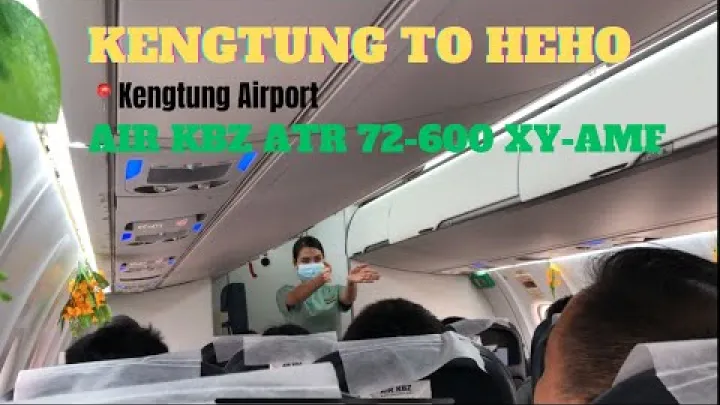
Confirm the meeting point, driver contact, payment method and procedure for a delayed or diverted flight. Do not assume that a taxi will be waiting at every arrival time. Where feasible, plan to reach town during daylight and avoid accepting a late-night transfer that has not been independently confirmed.
Save the accommodation’s phone number and address offline. If the flight time changes, contact the accommodation before landing so that the driver and meeting point can be updated.
Confirm Road Drop-Offs and Local Transport
A bus or minivan ticket naming Kengtung may not specify the exact street, terminal or town-center stop. Ask where the vehicle will leave you and how that location connects with your accommodation. Do not publish or rely on a named terminal unless a current operator confirms that it is being used.
Also ask whether a taxi queue or local public transport is normally available at that point. A convenient road arrival can become difficult if the vehicle stops outside the center or arrives after local services have reduced.
Be cautious with unsolicited drivers and touts. Prefer a pre-arranged transfer or a driver independently verified by your accommodation. If the vehicle is delayed, contact the accommodation before arrival and use the agreed fallback rather than accepting the first offer at the roadside.
Build a Verification and Contingency Checklist
Use the following checklist as a record of separate confirmations. Write down the date, contact name and answer for each item so that an old message is not mistaken for current approval.
Complete These Checks Before Booking
- Legal and entry: Confirm passport, nationality, visa and entry-document requirements for the full route.
- Destination access: Confirm that onward travel to Kengtung is permitted from the chosen gateway and that the planned exit is workable.
- Current conditions: Review the latest travel advisory and local information affecting the route.
- Transport operator: Confirm the operator, exact route, travel date, departure point, ticket status and ticket conditions.
- Border stage: If using Thailand and Tachileik, record separate confirmation for the crossing and the onward Kengtung sector.
- Accommodation and arrival: Confirm that the accommodation is accepting arrivals and arrange the airport or road pickup where needed.
Keep the confirmations together with the operator’s phone number, accommodation contact and booking references. A checklist is most useful when each item has a specific answer rather than a general statement that travel should be possible.
Recheck Every Link Before Departure
Close to departure, recheck the flight with the airline or issuing agent, the road service with the current operator, the border status if relevant, local movement rules and your airport or road pickup. If one link has changed, review the remaining links instead of assuming that the original itinerary still works.
A route can remain visible in a search engine after its service has stopped, its schedule has changed or its passenger policy has been narrowed. Rechecking is therefore a status check, not simply a search for the same old itinerary.
Use flexible reservations where possible and leave enough time for delays or a changed connection. Save current operator and accommodation contact details offline in case mobile data, payment access or the original booking page is unavailable during the journey.
If the Route Is Unavailable, Stop Rather Than Improvise
Use a clear stop condition. Do not proceed if you lack permission for the complete route, if operator information conflicts, if the border stage is unconfirmed, if no responsible provider will issue the service or if a current travel warning affects the journey.
Do not force an unofficial crossing, use an unverified road route or assume that a local workaround is lawful. Extra payment, persistence or a private vehicle cannot replace an official access decision and may create additional legal or personal risk.
Postponing or cancelling is a valid travel decision when the route cannot be confirmed. Kengtung should be approached as a conditional journey that depends on permission, operating transport and reliable arrival arrangements, not as a challenge that can be solved by improvisation.
Conclusion: Treat Kengtung as a Conditional Journey
The main ways to get to Kengtung are a confirmed domestic flight to KET, a road journey connected with Tachileik or a longer Myanmar-side route associated with NH4. None should be treated as automatically available. The practical choice depends first on nationality and onward permission, then on current service status, booking conditions, connection flexibility and the final transfer into town.
Search using both Kengtung and Kyaing Tong, confirm every transport link directly and record the date of each answer. If the border, operator, permission or local conditions remain unclear, stop and wait for a route that can be responsibly confirmed.
Select area
Create a post
Posting is free and no registration is required.